SÃO PAULO, February 5, 2026 /3BL/ – The Eco+ Foundation, a sustainability consultancy supported by BASF, and Tandem Global, an international NGO focused on promoting corporate environmental sustainability with member companies in 19 countries – 9 of which are in Latin America – have established a partnership to intensify biodiversity, conservation, and community engagement initiatives throughout the Latin American region.

Together, the organizations will promote WHC Certification®, powered by Tandem Global (a program that currently boasts over 2,500 certified conservation projects globally) among companies and institutions in the region. This will encourage the adoption of scientific standards and evidence-based practices within corporate and industrial environments. The agreement also enables Tandem Global to refer biodiversity consulting opportunities in Brazil to the Eco+ Foundation, thereby expanding local expertise and technical support for conservation projects.

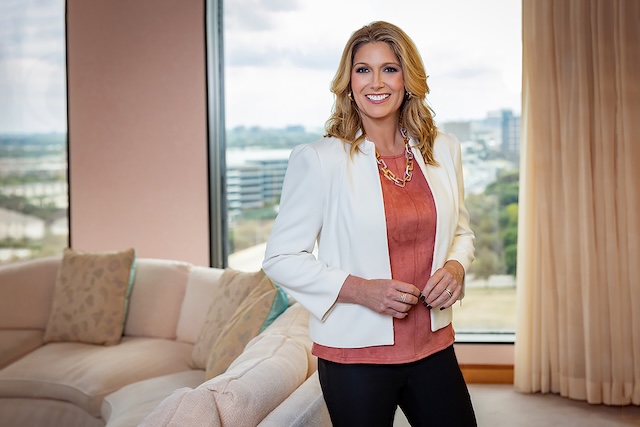
“By combining our regional expertise with Tandem Global’s international network, we can help companies implement effective conservation actions that generate real benefits for nature and for people,” states Ana Paula Almeida, Applied Sustainability Specialist at the Eco+ Foundation.

Within the scope of this cooperation, the organizations will develop technical and communication materials – including reports, guides, webinars, and institutional campaigns – that will deepen understanding of biodiversity challenges and solutions in the business and conservation sectors. Meetings, workshops, and training sessions are also scheduled to take place throughout the year to ensure methodological alignment and strengthen team capacities.

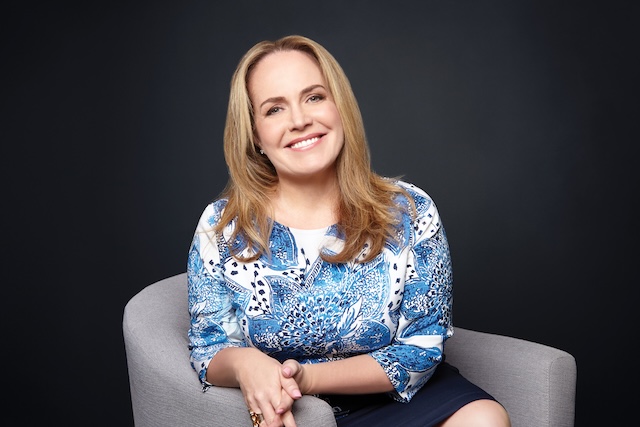
“This alliance represents a significant step forward in advancing nature-positive actions across Latin America,” emphasizes Anna Willingshofer, Chief Science and Innovation Officer at Tandem Global. “Our joint efforts with the Eco+ Foundation will help scale community-centered conservation practices and support companies as they deepen their commitment to biodiversity.”

The institutions are also evaluating joint participation in public and private calls for proposals focused on conservation, biodiversity, and sustainability. Working with communities and environmental education form the pillars of this initiative, reflecting the conviction that lasting results depend on local empowerment.

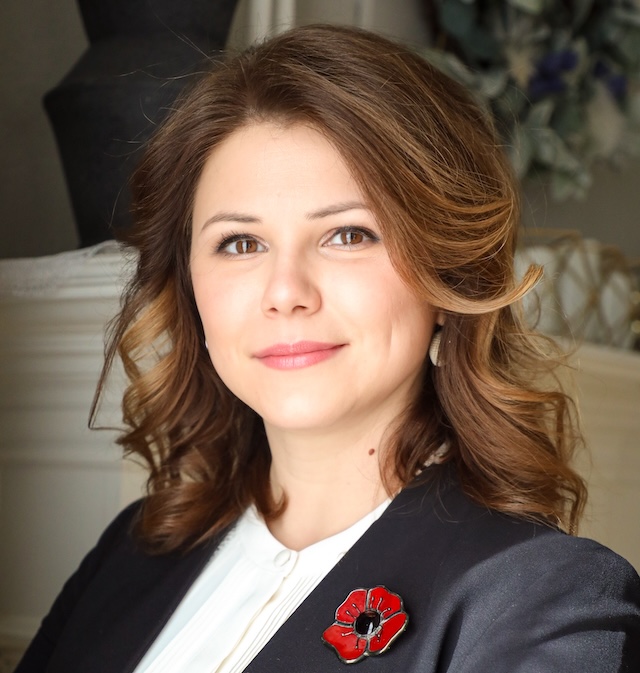
This principle materializes in projects in Brazil, such as the implementation of green infrastructure in São José dos Campos (SP) and the ecosystem restoration with community participation in Jaguaruna (SC). “With this partnership, the Eco+ Foundation and Tandem Global reaffirm a common vision: to advance science-guided conservation, strengthen community leadership in the management of natural spaces, and contribute to a more resilient and biodiverse Latin America,” concludes Rodolfo Viana, President Director of the Eco+ Foundation.

About Tandem Global

Tandem Global provides the know-how and the network to move business and the environment forward, together. Across sectors and at all levels of its 100+ member organizations, Tandem Global connects leading thinking with practical solutions that positively impact climate, nature, and water. From field operations to boardrooms and beyond, corporate leaders turn to Tandem Global for impact strategies and resilient solutions that can support a better future. Tandem Global is headquartered in Washington, D.C., USA, with locations across the U.S., in Latin America and Munich, Germany. For more information visit tandemglobal.org.

About Eco+ Foundation

The Eco+ Foundation is a sustainability consultancy for South America with a focus on measurement. It guides and drives the sustainable journey of long-term-oriented businesses, developing their economic, social, and environmental value in an integrated manner. Additionally, the Foundation has an area that fosters the exchange and production of cutting-edge knowledge in the field, articulating and strengthening the sector.

Press Information: 

Carolina Decresci
Fernando Oliveira 
Maria Eduarda
basfcorp@maquinacw.com

With nearly 40% of carbon emissions coming from the built environment, the construction industry is building and renovating more and more sustainably. With innovative solutions and new construction methods, we have a whole new vocabulary that this podcast is going to decipher for you!

A Building Life Cycle Assessment, or LCA, quantifies a building’s environmental footprint over its entire life cycle. From the extraction of raw materials used in the manufacturing of products and solutions, through the operating phase to the end of the building’s life, LCAs are an invaluable tool to guide players in the sustainable construction sector!

Listen here, L for LCA, a Saint-Gobain Podcast

About Saint-Gobain

Worldwide leader in light and sustainable construction, Saint-Gobain designs, manufactures and distributes materials and services for the construction and industrial markets. Its integrated solutions for the renovation of public and private buildings, light construction and the decarbonization of construction and industry are developed through a continuous innovation process and provide sustainability and performance. The Group, celebrating its 360th anniversary in 2025, remains more committed than ever to its purpose “MAKING THE WORLD A BETTER HOME”.

€46.6 billion in sales in 2024
More than 161,000 employees, locations in 80 countries
Committed to achieving net zero carbon emissions by 2050

Building

Client background

Pahlisch Commercial, a multi-family construction company focused on mixed-use developments, had recently branched out from their larger family of brands to devote their new company’s mission to bringing the communities they serve lasting togetherness and value. This transition marked the beginning of a new chapter, as they embarked on fine-tuning their projects and processes to better deliver their community building projects.

The business challenge

As Pahlisch Commercial expanded its operations and the limitations of its existing accounting system, the aging Sage 300 CRE, became increasingly evident. The company also faced a series of challenges that hindered its efficiency and growth potential.

Decentralization and the need for a cloud-based solution also became evident as Pahlisch Commercial’s multilocation structure required a more adaptable and accessible accounting solution. The centralized nature of Sage 300 CRE was not conducive to Pahlisch Commercial’s evolving and agile work environment. It was also difficult to locate the necessary data within Sage 300 CRE, a problem that significantly slowed down decision-making processes and operational efficiency.

Integration with Procore for streamlined operations

Another critical requirement for the company was the integration with Procore, a construction management software that served as a central repository for all their job information. The inability of Sage 300 CRE to seamlessly integrate with Procore presented a significant bottleneck. This integration was vital to ensure efficient management of their extensive project details and maintain the flow of information across platforms.

Navigational challenges

The user interface of Sage 300 CRE was not intuitive, making it challenging to navigate. This aspect of the system was particularly problematic for a company in a phase of rapid growth and evolution, where quick and easy access to information is paramount. These challenges collectively underscored the need for a more modern, flexible and integrated cloud-based accounting solution.

The solution

After carefully considering their needs and the limitations of Sage 300 CRE, Pahlisch Commercial decided to switch to Sage Intacct Construction. This decision was driven by several key factors that aligned perfectly with the company’s operational requirements and growth trajectory.

Choosing Sage Intacct for cloud-based flexibility

The primary appeal of Sage Intacct was its cloud-based nature. This feature offered the flexibility and mobility essential for the company’s decentralized structure, allowing team members to access the system from any location without the need to remote in to a centralized server.

Superior job costing capabilities with Sage Intacct

Another critical aspect that set Sage Intacct apart was its advanced job costing capabilities. For a company specializing in complex construction projects, having precise and detailed insights into project costs is invaluable. Sage Intacct’s ability to provide more specific details on projects and costs meant that the company could manage their financials with greater accuracy and insight, aligning with their strategic objectives and enhancing overall project management.

Procore integration as a deciding factor

A significant driving force behind choosing Sage Intacct was its integration with Procore. Pahlisch Commercial heavily relied on Procore for housing all their job information, making it imperative to have an accounting system that could integrate smoothly with this platform. The integration of Sage Intacct with Procore Construction Software was a top consideration during their selection process.

The outcome

Enhanced flexibility and mobility

The switch to Sage Intacct significantly improved Pahlisch Commercial’s operational flexibility and mobility. The cloud-based architecture of the software was ideal for their decentralized operations, enhancing data access across various locations. This adaptation led to a considerable improvement in operational efficiency, streamlining processes and reducing the need for remote system access.

Advanced job costing features

Sage Intacct’s construction job costing software features provided the company with deeper insights into project costs. This advancement allowed for more precise budgeting and cost management.

The integration of Sage Intacct and Procore allowed for pivotal changes:

  • Real-time data access: Essential for decentralized operations.
  • Elimination of double data entry: Boosted efficiency and accuracy.
  • Enhanced job costing insight: Improved project profitability analysis.
  • Auditable logs for change orders: Ensured accountability in billing.
  • Financial control with approval workflows: Added data integrity and control.

This integration was perfectly tailored to Pahlisch’s unique operational needs, marking a significant enhancement in their project management and financial strategy.

Pahlisch’s journey of implementing Sage Intacct was successful with the support and expertise provided by Baker Tilly. Reflecting on the experience, the team appreciated the invaluable assistance they received, particularly during the initial stages of the implementation.

Interested in learning more? See our Sage Intacct solutions in action.

For families in remote villages across northeastern India, seeing a doctor often means long journeys over difficult terrain, lost daily wages, and sometimes, lifesaving treatment that comes too late. In several districts of the state of Assam, geographical barriers and limited infrastructure have kept quality healthcare out of reach for communities that need it most.

In partnership with Piramal Swasthya, one of many nonprofit partners that helped Cisco positively impact 50 million lives in India, we continue to work to change that. Through Project Niramay, we are leveraging technology to bring digital health infrastructure to Baksa, Barpeta, and Darrang, three of Assam’s most underserved districts — and what these districts are learning about using technology to connect patients to specialists and communities to care has the potential to fundamentally reshape how India delivers healthcare to its most vulnerable populations.

Building digital bridges to specialized care

Bridging that geographic divide to increase access to specialized medical care to rural communities required both physical infrastructure and the software to make it work. Project Niramay — which translates to “healthy” or “free from illness” in Sanskrit — is doing this by equipping health facilities across the three districts with connectivity solutions, video conferencing technology, and cybersecurity infrastructure. Beyond infrastructure, the project supports government healthcare workers, from frontline staff to nurses and medical officers, with the training needed to integrate these digital tools into patient care.

But hardware alone doesn’t transform healthcare delivery. Piramal Swasthya built the initiative on its Accessible Medical Records via Integrated Technologies (AMRIT) platform, a Digital Public Good that complies with the Ayushman Bharat Digital Mission standards and aligns with the Government of India’s goals to digitize and strengthen healthcare delivery nationwide. The platform manages patient data, coordinates telemedicine consultations, and integrates information from diagnostic devices into a unified system.

Together, the connectivity infrastructure and AMRIT platform enable a hub-and-spoke model through which local health centers serve as access points where patients can receive care close to home and connect through telemedicine to doctors at hub hospitals when necessary. This enables a patient in a rural village to consult with specialists like cardiologists or obstetricians without traveling hours to the nearest city. Advanced diagnostic tools like HealthCube for point-of-care testing, Fetosense for pregnancy monitoring, and Swymed’s telemedicine technology facilitates real-time remote consultations and makes them more effective. Furthermore, when patients visit different facilities, their medical history travels with them, allowing providers to make better-informed decisions and administrators to allocate resources more effectively.

Across the 24 Health & Wellness Centers, three primary health care centers, and three first referral units equipped through the program, the impact has been substantial. Between 2021 and 2023, Project Niramay created over 110,000 digital health records, identified more than 16,500 cases of chronic diseases for early intervention, and provided care for over 2,600 expectant mothers who would have otherwise faced risky journeys to distant facilities.

Dr. Abdul Jalil, a senior district health officer in Darrang, points to real efficiency gains. “The system automatically prioritizes patients based on their health data, so our Health & Wellness Centers can focus on those who need care most urgently.”

Writing the next chapter of rural healthcare delivery

Looking ahead, Piramal Swasthya envisions scaling this approach across other underserved regions. “We want to co-create a scalable model that strengthens public health systems, empowers frontline workers, and ensures equitable access to quality healthcare in underserved regions,” says Aditya Natraj, CEO Piramal Foundation. “This collaboration brings community-driven solutions and diverse resources; technology enables data-driven impact and scale. Together, they bridge gaps in rural healthcare access more effectively.”

What’s been proven in these three districts can inform how other regions tackle similar challenges. For families in rural Assam, the impact is immediate: less time traveling, faster diagnoses, and care that reaches them where they are. For India’s healthcare system, Project Niramay offers proof that digital infrastructure, deployed thoughtfully, can help bridge the gap between where people live and the care they need. As these tools and approaches scale, they offer the promise of a more equitable healthcare future for all within reach.

View original content here.

Originally published on 3M News Center

Innovation doesn’t have an age requirement. Some of the most transformative ideas can start with a simple question from a curious student: “What if?”

To help spark the potential for today’s youth to drive tomorrow’s breakthroughs, 3M and Discovery Education are inviting middle schoolers across the country to bring their boldest ideas to the 2026 3M Young Scientist Challenge.

As a premier middle school science competition, the challenge is designed to do more than recognize talent; it is built to nurture the next generation of innovators. By inviting students in grades 5-8 to apply scientific thinking to everyday problems, 3M is helping to cultivate a new generation of scientific leaders ready to tackle global challenges through robotics, safety solutions, climate technology, and more.

Bridging the gap through mentorship

The ten finalists who will be selected from the entry pool will not navigate their innovation journey alone — they will be paired one-to-one with a 3M scientist to advance their project.

For months, these finalists will work alongside their mentors to move beyond theory and into the world of tangible prototypes. This collaborative process offers students a look inside the life of a professional scientist, providing them with the tools and confidence needed to turn their “what if” into a real solution.

From an idea to a solution

The impact of this program is already being felt across industries. Last year’s winner, 13-year-old Kevin Tang, addressed a critical need for elder care by developing a novel fall-detection device. Using advanced AI algorithms to monitor movements even in total darkness.

Kevin’s success is part of a larger legacy. Since its inception 19 years ago, the 3M Young Scientist Challenge has produced an alumni network of innovators who have gone on to give TED Talks, file patents and even be named TIME Magazine’s Kid of the Year.

How to enter

The path to recognition begins with a simple, three-minute video entry. Students in grades 5-8 are challenged to identify an everyday problem and explain their original solution using science. These entries will be evaluated based on their scientific knowledge, creativity and communication skills. The competition will recognize ten finalists, four honorable mentions, and merit winners from every state. The top ten innovators will compete in a final event this October at 3M’s headquarters in Minnesota, each looking to win the title of “America’s Top Young Scientist” and $25,000 grand prize.

Submissions are being accepted at YoungScientistLab.com through April 30, 2026.

February 5, 2026 /3BL/ – Smurfit Westrock, a global leader in sustainable paper and packaging, is collaborating with global environmental consultancy SLR and energy system optimization specialists RIZM to define detailed, site-specific transition plans across numerous recycled paper mills across Europe. The project aims to harness site-specific solutions and initiatives to achieve Net Zero targets.

The site transition plans serve multiple purposes. Firstly, recycled paper mills are energy-intensive operations, and a practical understanding of how to achieve decarbonization is critical to Smurfit Westrock achieving its company-wide Net Zero Transition Plan. Secondly, the plans mitigate the risk of escalating EU-ETS costs due to the gradual phase-out of free allowances in coming years. Lastly, Smurfit Westrock seeks to future-proof its energy transition following recent structural energy market and policy shifts in Europe.

Under the collaboration, SLR and RIZM will deliver an integrated service based on their strong partnership and complementary strengths. SLR leads the studies, engages all stakeholders, provides data and outlooks on technologies, markets and regulation, and runs integrated scenario simulations and optimizations to minimize total cost of ownership. RIZM provides world-class software to build a digital twin of an energy system that will run advanced AI algorithms and enhance digital capabilities for future planning and operations by Smurfit Westrock.

The three parties are developing site-specific transition plans with technically and economically viable projects aligned with site operations, energy systems, markets, and policies. The plans define key technologies, investments, energy sourcing, costs, and emissions pathways, and will guide execution of Smurfit Westrock’s Net Zero Transition Plan in Europe.

Our recycled paper mills are at the heart of Smurfit Westrock’s sustainability journey. Developing net zero roadmaps turns our ambition into actionable plans that balance environmental responsibility with economic performance, empowering us to make the right decisions at the right time,” said Pim Wareman, Chief Executive Officer Recycled Paper Europe of Smurfit Westrock.

This collaboration with Smurfit Westrock and RIZM reflects SLR’s commitment to supporting our clients and the planet through energy transition and more sustainable product systems. Through working with like-minded partners and combining strategic and market insights, advanced analytics with technical expertise, we’re helping turn net zero ambition into robust, site-specific transition plans that stand up economically and environmentally. It’s through these kinds of sustainability coalitions that we can make a real difference,” said Bradley Andrews, Chief Executive Officer of SLR.

– Ends –


Media contact: Cecilia Law, Global Head of External Communications, SLR: claw@slrconsulting.com


Notes to editors:

About Smurfit Westrock

Smurfit Westrock is a leading global provider of paper-based packaging solutions, with approximately 100,000 employees across 40 countries.

Find out more: www.smurfitwestrock.com

About SLR

SLR is a leading global environmental and advisory consultancy, with a team of 4,500+ talented professionals operating from a network of offices in Europe, the Americas, Asia-Pacific, the Middle East, and Africa.

Our purpose – Making Sustainability Happen – means delivering outcomes that are grounded in evidence, shaped by experience, and built to last. Our team of scientists, engineers, economists, data modellers, and technicians work across our clients’ full sustainability journeys, from strategy through to on-the-ground project planning, execution and ongoing operations, all supported by robust data and science-based modelling.

Guided by our philosophy of Rational Sustainability, SLR specialises in the energy, mining, finance, industry & technology, government & infrastructure, and built environment sectors. Operating across more than 50+ technical disciplines, we’re helping a growing base of business, regulatory and government clients navigate the ever-shifting context of sustainable business.

Find out more: www.slrconsulting.com

About RIZM

RIZM supports industrial companies with AI and algorithms to utilize existing energetic flexibility, in order to shift energy consumption as much as possible to times when energy is green and inexpensive. To achieve this, the software intelligently identifies the optimal operation of power plants, provides signals to production planning, and assists with Energy Trade & Risk Management. Since industry often has only limited flexibility in the status quo, RIZM’s Energy System Designer can also find the most economically attractive way to build up more flexibility, structurally transform the plants, and achieve climate goals.

RIZM is already in use at more than 10% of DAX-40 companies, including companies such as the BMW Group, Daimler Truck, Continental, Schaeffler, and Bosch (B/S/H), as well as customers from the chemical, steel, and paper industries.

Find out more: www.rizm.de

This article is authored by Jose La Loggia, Group President, EMEA, Trane Technologies.

Across industries around the world, business leaders understand that the energy consumed by the built environment has significant climate impacts, contributing up to 30% of global emissions. But for the people responsible for keeping a hospital running, a factory productive or a campus comfortable, the energy transition can feel complex and hard to prioritize.

I’ve spent three decades in this industry, from my early days as a young engineer in Australia and La Crosse, Wisconsin, to my current role as Trane Technologies group president across Europe, the Middle East and Africa. In that time, I’ve lived in all kinds of climates and experienced the full temperature spectrum, from +40°C summer days in Sydney to –30°C winters in Wisconsin. Through those extremes, one thing remains constant: heating and cooling keep our infrastructure running, from our daily living environments to manufacturing and the cold chain.

The real question is how we choose to meet these heating and cooling needs, in a way that is reliable, cost effective and low carbon. One of the most powerful tools we have for decarbonizing buildings while saving on energy costs is a technology that may still feel new to some people: thermal management systems.

What is a thermal management system? 

Traditionally, the industry has treated heating and cooling as two separate silos. One system is for cooling, and another for heating, with excess heat vented out into the atmosphere. The result is wasted energy: one part of the system is throwing heat away while another burns fossil fuels to create new heating. From both cost and emissions perspectives, that’s a huge missed opportunity.

Thermal management systems can help solve this issue. They provide an integrated approach that manages both heating and cooling needs holistically across a building or a site, rather than as separate silos. These systems capture heat that would normally be wasted, and reuse it for comfort heating, hot water or other needs instead of burning new fossil fuels. By recovering and reusing this energy, thermal management systems can deliver much higher efficiency and lower emissions than traditional setups.

What do thermal management systems look like in practice? Depending on the building or site’s needs, a thermal management system might use heat pumps, high-efficiency chillers, heat recovery units, thermal energy storage or a combination of these tools for maximum efficiency. With the addition of cutting-edge technologies like intelligent digital building controls and AI-powered energy optimization, we can coordinate these systems together to heat and cool in the most efficient (and cost-effective) way possible.

The ROI of thermal management

Often, building owners, managers or even design engineers just aren’t aware that their facilities are heating and cooling at the same time while using separate systems. They don’t see the hidden flows of energy or the heat being ejected on one side of the building while another system works hard to generate new heat. This “leakage” of energy that’s already been paid for is an avoidable cost, funding waste instead of efficient performance.

But when people learn that a thermal management system can significantly reduce both emissions and operating costs, sometimes the next assumption they make is that it will be too expensive or too difficult to implement. In reality, thermal management systems that manage heating and cooling can be up to 400% more efficient than traditional systems, creating both cost savings and decarbonization.

Often, the cost of moving to a thermal management system can achieve full payback of the incremental system cost in just a few years through avoided energy costs and improved efficiency, even before factoring in emissions reductions and sustainability goals. There is no tradeoff, investments like these can have multi-faceted returns, reducing emissions and saving money at the same time.

Starting small: lessons from Organon

One of my favorite examples comes from Organon, a global pharmaceutical company focused on women’s health. Their largest manufacturing site in Oss in the Netherlands has a complex mix of processes, utilities and office space. It’s exactly the kind of environment where a thermal management system can make a big difference.

Their sustainability lead, Stan Van Hastenberg, did not start with a mega-project. He started with good, old-fashioned detective work. First, the team looked at basic energy-saving measures. Then, they broadened the lens to the longer-term energy transition and the role of their thermal energy system.

One major opportunity they found was in their compressed air system. The compressors needed to be cooled, and that cooling was generating a lot of excess heat that had historically been blown into the air. By introducing two heat pumps, they were able to cool the compressed air more efficiently and feed the captured heat back into their central heating system. The result was a reduced reliance on gas-fired boilers, lower energy use and a big step toward their goal of climate neutrality by 2035, all by rethinking how they managed and reused heat.

The Organon team is now applying similar thinking in their office buildings, pairing heat pumps with an aquifer thermal energy storage system in the soil to provide heating in winter and cooling in summer. Those steps have created momentum for bigger projects.

Harnessing heat for a sustainable future

Buildings — the spaces where we live, work, learn and play — will remain central to our lives and are one of the biggest opportunities for decarbonization. The most important step is to begin: start a project, learn from it, then scale.

The technology we need for efficient thermal management systems is available today, and the business case is strong. When a system can be up to four times more efficient than traditional setups, creating both cost savings and decarbonization, there are few reasons not to make the change.

The challenge, and the opportunity, is to rethink how we treat heat: not as waste to be thrown away, but as a valuable resource that we can recapture, redistribute and reuse. When we implement the technology to do that, we cut energy costs, reduce emissions and build more resilient operations on the path to a net-zero future.

Listen to this Healthy Spaces podcast episode to learn more about how to harness heat with thermal management systems.

Explore careers that make an impact at Trane Technologies.

This article is authored by Jose La Loggia, Group President, EMEA, Trane Technologies.

Across industries around the world, business leaders understand that the energy consumed by the built environment has significant climate impacts, contributing up to 30% of global emissions. But for the people responsible for keeping a hospital running, a factory productive or a campus comfortable, the energy transition can feel complex and hard to prioritize.

I’ve spent three decades in this industry, from my early days as a young engineer in Australia and La Crosse, Wisconsin, to my current role as Trane Technologies group president across Europe, the Middle East and Africa. In that time, I’ve lived in all kinds of climates and experienced the full temperature spectrum, from +40°C summer days in Sydney to –30°C winters in Wisconsin. Through those extremes, one thing remains constant: heating and cooling keep our infrastructure running, from our daily living environments to manufacturing and the cold chain.

The real question is how we choose to meet these heating and cooling needs, in a way that is reliable, cost effective and low carbon. One of the most powerful tools we have for decarbonizing buildings while saving on energy costs is a technology that may still feel new to some people: thermal management systems.

What is a thermal management system? 

Traditionally, the industry has treated heating and cooling as two separate silos. One system is for cooling, and another for heating, with excess heat vented out into the atmosphere. The result is wasted energy: one part of the system is throwing heat away while another burns fossil fuels to create new heating. From both cost and emissions perspectives, that’s a huge missed opportunity.

Thermal management systems can help solve this issue. They provide an integrated approach that manages both heating and cooling needs holistically across a building or a site, rather than as separate silos. These systems capture heat that would normally be wasted, and reuse it for comfort heating, hot water or other needs instead of burning new fossil fuels. By recovering and reusing this energy, thermal management systems can deliver much higher efficiency and lower emissions than traditional setups.

What do thermal management systems look like in practice? Depending on the building or site’s needs, a thermal management system might use heat pumps, high-efficiency chillers, heat recovery units, thermal energy storage or a combination of these tools for maximum efficiency. With the addition of cutting-edge technologies like intelligent digital building controls and AI-powered energy optimization, we can coordinate these systems together to heat and cool in the most efficient (and cost-effective) way possible.

The ROI of thermal management

Often, building owners, managers or even design engineers just aren’t aware that their facilities are heating and cooling at the same time while using separate systems. They don’t see the hidden flows of energy or the heat being ejected on one side of the building while another system works hard to generate new heat. This “leakage” of energy that’s already been paid for is an avoidable cost, funding waste instead of efficient performance.

But when people learn that a thermal management system can significantly reduce both emissions and operating costs, sometimes the next assumption they make is that it will be too expensive or too difficult to implement. In reality, thermal management systems that manage heating and cooling can be up to 400% more efficient than traditional systems, creating both cost savings and decarbonization.

Often, the cost of moving to a thermal management system can achieve full payback of the incremental system cost in just a few years through avoided energy costs and improved efficiency, even before factoring in emissions reductions and sustainability goals. There is no tradeoff, investments like these can have multi-faceted returns, reducing emissions and saving money at the same time.

Starting small: lessons from Organon

One of my favorite examples comes from Organon, a global pharmaceutical company focused on women’s health. Their largest manufacturing site in Oss in the Netherlands has a complex mix of processes, utilities and office space. It’s exactly the kind of environment where a thermal management system can make a big difference.

Their sustainability lead, Stan Van Hastenberg, did not start with a mega-project. He started with good, old-fashioned detective work. First, the team looked at basic energy-saving measures. Then, they broadened the lens to the longer-term energy transition and the role of their thermal energy system.

One major opportunity they found was in their compressed air system. The compressors needed to be cooled, and that cooling was generating a lot of excess heat that had historically been blown into the air. By introducing two heat pumps, they were able to cool the compressed air more efficiently and feed the captured heat back into their central heating system. The result was a reduced reliance on gas-fired boilers, lower energy use and a big step toward their goal of climate neutrality by 2035, all by rethinking how they managed and reused heat.

The Organon team is now applying similar thinking in their office buildings, pairing heat pumps with an aquifer thermal energy storage system in the soil to provide heating in winter and cooling in summer. Those steps have created momentum for bigger projects.

Harnessing heat for a sustainable future

Buildings — the spaces where we live, work, learn and play — will remain central to our lives and are one of the biggest opportunities for decarbonization. The most important step is to begin: start a project, learn from it, then scale.

The technology we need for efficient thermal management systems is available today, and the business case is strong. When a system can be up to four times more efficient than traditional setups, creating both cost savings and decarbonization, there are few reasons not to make the change.

The challenge, and the opportunity, is to rethink how we treat heat: not as waste to be thrown away, but as a valuable resource that we can recapture, redistribute and reuse. When we implement the technology to do that, we cut energy costs, reduce emissions and build more resilient operations on the path to a net-zero future.

Listen to this Healthy Spaces podcast episode to learn more about how to harness heat with thermal management systems.

Explore careers that make an impact at Trane Technologies.

MetLife

NEW YORK, February 4, 2026 /3BL/ – MetLife, Inc. (NYSE: MET) has been named on the Fortune World’s Most Admired Companies™ list for the seventh consecutive year – ranking No. 1 in the Insurance: Life and Health industry for 2026. The recognition reflects MetLife’s strong reputation, consistent performance and longstanding leadership in financial services.

“For nearly 160 years, MetLife has been committed to helping people move forward with confidence,” said MetLife President and CEO Michel Khalaf. “This recognition reflects the strength of our business, the dedication of our people and our unwavering focus on delivering for our customers, colleagues and communities around the world.”

Fortune and Korn Ferry have partnered on the Fortune World’s Most Admired Companies list to identify and rank companies by their corporate reputation for over 25 years. Top executives, directors and members of the financial community are asked to rate enterprises in their own industry on nine attributes. Among these attributes are innovativeness, long-term investment value, financial soundness and ability to attract and retain talent.

MetLife’s recognition follows its second consecutive year on the Fortune World’s 25 Best Workplaces™ list, where it ranked No. 10 in 2025, as well as its recent certification as a Great Place to Work in 33 markets. Together, these achievements highlight MetLife’s purpose-driven and inclusive culture and unwavering commitment to its people, customers and the communities it serves.

Additional details about the Fortune World’s Most Admired Companies 2026 list can be found here.

About MetLife

MetLife, Inc. (NYSE: MET), through its subsidiaries and affiliates (“MetLife”), is one of the world’s leading financial services companies, providing insurance, annuities, employee benefits and asset management to help individual and institutional customers build a more confident future. Founded in 1868, MetLife has operations in more than 40 markets globally and holds leading positions in the United States, Asia, Latin America, Europe and the Middle East. For more information, visit www.metlife.com.

For Media: Olivia Janicelli
+1 (347) 751-5728 
Olivia.Janicelli@metlife.com

NEW YORK, February 4, 2026 /3BL/ – AccountAbility is pleased to announce the appointment of Guillaume Mascotto as Director of Advisory Services, strengthening the firm’s ability to help organizations translate sustainability and sustainable finance trends into measurable business value, market-ready strategies, and innovative products.

With more than 15 years of experience at the intersection of investment management, capital markets, and sustainable finance, Guillaume brings deep expertise in turning sustainability factors into actionable business cases for go-to-market strategy and product development. He is widely recognized for his early leadership in moving sustainable investing beyond exclusion-based approaches toward integration into fundamental, bottom-up financial analysis. He is also an early practitioner of integrated reporting, incorporating material sustainability factors into financial and operational disclosures.

“Guillaume’s appointment marks an important milestone for our Advisory Services practice,” said Jon Damon, Chief Operating Officer at AccountAbility. “His unique combination of financial service industry expertise, sustainable finance innovation, and commercial strategy will significantly enhance our ability to help clients embed sustainability into core business growth and decision-making.”

Guillaume Mascotto, the new Director of Advisory Services for North America, had this to say: “I am excited to join AccountAbility at a time when clients express a need for more strategically-aligned and commercially-viable advisory to add value to long-term business planning and market competitiveness,” “AccountAbility is an elite, high-touch consultancy with a long track record of bridging rigor, strong ethics, credibility, and commercialization. I look forward to helping clients turn sustainability goals into tangible value creation and impact generation, as well as advising decision-makers on the evolving extra-financial opportunities and risks facing their businesses.”

Prior to joining AccountAbility, Guillaume served as Managing Director and Head of Sustainable Finance at U.S. Bancorp, where he designed the bank’s sustainable finance commercial strategy and enabled business lines to develop and scale new products and services, particularly in environmental finance and energy transition. His work positioned sustainable finance as a growth engine across the organization.

Previously, Guillaume held senior leadership roles as Global Head of Sustainability Strategy at Jennison Associates LLC and Head of Sustainable Investing at American Century Investments. In these positions, he developed analytical frameworks, carbon stress-testing models, and commercial strategies that supported the growth of equity and fixed income sustainable investment offerings.

Earlier in his career, Guillaume was an ESG Credit Analyst at PIMCO, focusing on integrating material ESG factors in bottom-up credit research for financials, pharmaceuticals, and utilities names. Guillaume was a member of the portfolio management team on one of PIMCO’s first lower-carbon global bond portfolios. He also served as Senior ESG Research Analyst at MSCI, where he developed the firm’s fuel-mix and asset risk exposure models and helped create one of the industry’s first sustainable credit rating methodologies. Additionally, Guillaume served as a corporate sustainability advisor to Resolute Forest Products (Domtar).

“Guillaume brings an exceptional ability to connect sustainability with real commercial outcomes,” said AccountAbility CEO Sunil (Sunny) A. Misser. “His background across banking, asset management, and ESG research gives him a unique, end-to-end perspective that will strengthen how we help clients design sustainable finance strategies that are both credible and scalable.”

Guillaume holds a BA and MA (Research) in International Affairs from the University of Quebec and an MALD in International Business and Economics from Tufts University. His thesis on environmental negotiations and energy innovation was published through the Program on Negotiation at Harvard Law School. He has completed the GRI Certified Training Program at Boston College and is a recipient of two Canada Research Training Awards.

His insights have been cited in leading global publications including Bloomberg, Barron’s, Reuters, The Wall Street Journal, Financial Times, Handelsblatt, Institutional Investor, and Financial Standard Sustainability, among others.

In his role as Director of Advisory Services, Guillaume will focus on expanding AccountAbility’s sustainable finance and advisory capabilities, helping clients design commercially viable sustainability strategies, integrate ESG into core business operations, and unlock growth through impact-driven innovation.


About AccountAbility

AccountAbility is a global Consulting and Standards firm that works with Businesses, Investors, Governments, and Multilateral Organizations to innovate and advance the global Sustainability / ESG agenda by improving the practices, performance, and impact of organizations. The firm focuses on delivering practical, effective, and enduring results that enable our clients to succeed. AccountAbility is a Public Benefit Corporation, operating globally through a highly qualified team from offices in New York, London, Riyadh, and Dubai. The firm is the recipient of multiple business awards from the Financial Times, Forbes, and Capital Finance International. Learn more at www.accountability.org.


For media inquiries or further information, please contact:

Mr. Lev Novak AccountAbility Head of Marketing & Communications

Phone: +1 617-276-6348

Email: Lev.novak@accountability.org

Website: www.accountability.org

Privacy Overview

This website uses cookies so that we can provide you with the best user experience possible. Cookie information is stored in your browser and performs functions such as recognising you when you return to our website and helping our team to understand which sections of the website you find most interesting and useful.