
Month: July 2026
HOUSTON & MIDLAND, Texas–(BUSINESS WIRE)–Kinetik Holdings Inc. (NYSE: KNTK) (“Kinetik” or the “Company”) today published its 2025 Sustainability Report (the “Report”), highlighting its sustainability initiatives, goals, and progress throughout 2025. The Report provides a transparent and comprehensive overview of Kinetik’s progress towards a more reliable, efficient, and sustainable energy future. An electronic version of the Report can be accessed on the Sustainability section of Kinetik’s we
Smile Train, the world’s largest cleft-focused organization, is celebrating international recognition for groundbreaking research that advances speech care for children with cleft lip and palate.
An article authored by Dr. Catherine (Cate) Crowley, a member of Smile Train’s Global Medical Advisory Board, has received the Best Paper Award in the Pediatric/Craniofacial category from Plastic and Reconstructive Surgery (PRS). PRS is the official publication of the American Society of Plastic Surgeons, and is one of the world’s leading peer-reviewed medical journals in plastic surgery.
The award-winning paper was published as part of a special cleft-focused edition of PRS sponsored by Smile Train. Released in October, the issue brought together research from Smile Train partners and Global Medical Advisory Board members highlighting innovations in comprehensive cleft care and showcasing the organization’s global impact.
Dr. Crowley’s research explores an innovative, evidence-based approach to speech intervention that has already been adopted by many Smile Train partners around the world. The recognition underscores the growing importance of comprehensive cleft care and interdisciplinary treatment models that address not only surgery, but also the speech, nutrition, dental, psychosocial, and long-term needs of children born with clefts.
“This award reflects the expertise of our Medical Advisory Board members and the incredible work of our global network of partners by reinforcing the importance of evidence-based, multidisciplinary cleft care,” said Sara Horne, Director of Education and Training and Global Speech and Hearing Lead at Smile Train. “We are proud to see this research recognized by one of the field’s most respected journals.”
The honor highlights the organization’s continued investment in research, innovation, and local capacity building to improve cleft care worldwide. By supporting clinicians, researchers, and multidisciplinary teams, Smile Train helps expand access to high-quality, comprehensive care for children and families in more than 75 countries.
Proprietary carbon capture solution selected for large-scale, flexible power generation
SLB Capturi™ has been selected as the preferred carbon capture technology licensor for Uniper’s proposed Connah’s Quay Low Carbon Power (CQLCP) project in Deeside, United Kingdom. The selection follows a competitive front-end engineering and design process that began in December 2024.
“This project represents an important opportunity to apply SLB Capturi carbon capture technology at scale in power generation,” said Guillaume Verhaeghe, chief executive officer of SLB Capturi. “Our solution has been configured to support flexible operation of the gas turbines while capturing carbon dioxide efficiently. We look forward to supporting Uniper as the project progresses.”
Carbon capture designed for flexible power generation
The power station would use SLB Capturi’s Big Catch™ technology, a customized, amine-based carbon capture solution for large-scale applications. For CQLCP, the technology has been configured to respond to changing electricity demand and variable renewable power generation.
The design incorporates SLB Capturi’s anti-mist and energy saver systems to support low emissions to air and high energy efficiency. It builds on carbon capture technology with process technology and a range of solvents developed since 2008 through thousands of hours of commercial testing, feasibility and engineering studies, and experience across eight plants in operation or under delivery.
The technology is designed to capture carbon dioxide efficiently from lower-concentration emissions, including those produced by gas-fired power generation. SLB Capturi has worked with Siemens Energy and other gas turbine original equipment manufacturers for more than five years on carbon capture applications for gas-fired power generation.
If the project reaches a final investment decision and engineering, procurement and construction contracts are awarded, it would represent SLB Capturi’s first carbon capture deployment in mega-scale gas-fired power, while the current SLB Capturi plants in delivery and operation have been focused on cement, waste-to-energy and bioenergy production. The project complements the SLB Capturi track record with more than 30 projects in advanced development, under construction or in operation.
Supporting lower-carbon power for the UK grid
The CQLCP project would be built on land next to Uniper’s existing power station, capturing carbon dioxide from the facility’s emissions while supplying electricity to the UK grid.
The captured carbon dioxide would be transported to nearby carbon dioxide pipeline infrastructure being developed as part of the HyNet industrial cluster and permanently stored in repurposed depleted gas fields offshore. HyNet is intended to support emissions reduction from power generation and industrial facilities across northwest England and North Wales.
Uniper is working toward a potential capacity of up to a maximum of 1.38 GW of low-carbon power, developed in two phases. Following completion of phase one, the project could supply enough electricity to power the equivalent of around 1.1 million homes a year.
SLB Capturi worked with Worley and Siemens Energy during the engineering phase. If the project advances, its expected scope would include licensing proprietary technology, supplying proprietary equipment, participating in the integrated project management team, and supporting detailed design, construction, commissioning and handover.
The project is progressing through the development consent process and toward a final investment decision. A decision on the Development Consent Order application is expected in the coming months, and the first phase could potentially be operational from 2030.
View original content here.
Originally published on TriplePundit
By Amy Brown
This article is sponsored by P&G
Sustainable land management practices like regenerative agriculture and responsible forestry offer huge promise as a climate solution, with the potential to contribute over a quarter of the emissions reductions necessary to achieve the goals of the Paris agreement. This suite of practices, from cover-cropping and crop rotation to forest conversion avoidance and wildlife preservation, aim to protect and restore the health of the world’s soils — which increases their ability to capture carbon from the air and store it underground.
“Healthy soil is a living ecosystem that’s full of microbes, fungi, insects, and other organisms that cycle nutrients and store carbon,” says Gabrielle Katanic, farm operations business manager at Lundberg Family Farms.
Given the climate-fighting power of regenerative agriculture, a growing segment of farmers, land managers, and consumer goods companies are working to integrate more of these practices into the way they grow the world’s food and forest-based products.
For the regenerative organic rice brand Lundberg Family Farms, it’s about going back to the roots. The company’s founders left Nebraska in the wake of the Dust Bowl in 1937, bringing a “leave the land better than you found it” philosophy to California rice farming. Today, Lundberg aims to celebrate those time-honored agricultural practices as climate solutions and work with partners to scale them further. “It’s the way we’ve always done things,” Katanic says. “Now there’s a word for what we’re doing that goes beyond organic.”
Lundberg is far from the only consumer brand with regenerative ag on the radar. And that’s a good thing, because collaboration among the many stakeholders in the agricultural system is what’s required for these practices to really make a difference in the fight against climate change.
In another powerful example, the oat drink producer Oatly partners with farmers and oat mills to co-design a regenerative agriculture program that respects farmers’ insight into their land and their livelihoods. The rotation of diverse crops, including oats, is a winning practice for growers and producers as well as local biodiversity.
Off the field and in the forest, P&G — maker of Bounty, Puffs and Charmin — works globally to build the resilience of ecosystems in the landscapes critical to the future of responsible forestry.
“We make paper products, so that’s why we need healthy trees and forests,” says Chris Reeves, Certified Forester and director of scientific communications for P&G Paper. “The link between responsible forest management and our business needs is direct and evident.”
All three companies, despite differences in products and size of operations, are aligned in their commitment to regenerative practices and what it means for the long-term viability of their business and the planet.
Their united vision has three essential ingredients: collaboration, third-party verification and biodiversity at the core.
TriplePundit spoke with each of these leaders to learn more about what they’re doing and what they’ve learned that can be scaled across the sector.
Coming together to build impact at scale
With growers deploying a vast array of practices, regenerative land management doesn’t look the same for any single company or its suppliers. But Lundberg Family Farms, Oatly and P&G all agree that scaling this work depends on bringing everyone who has a stake in the effort on board.
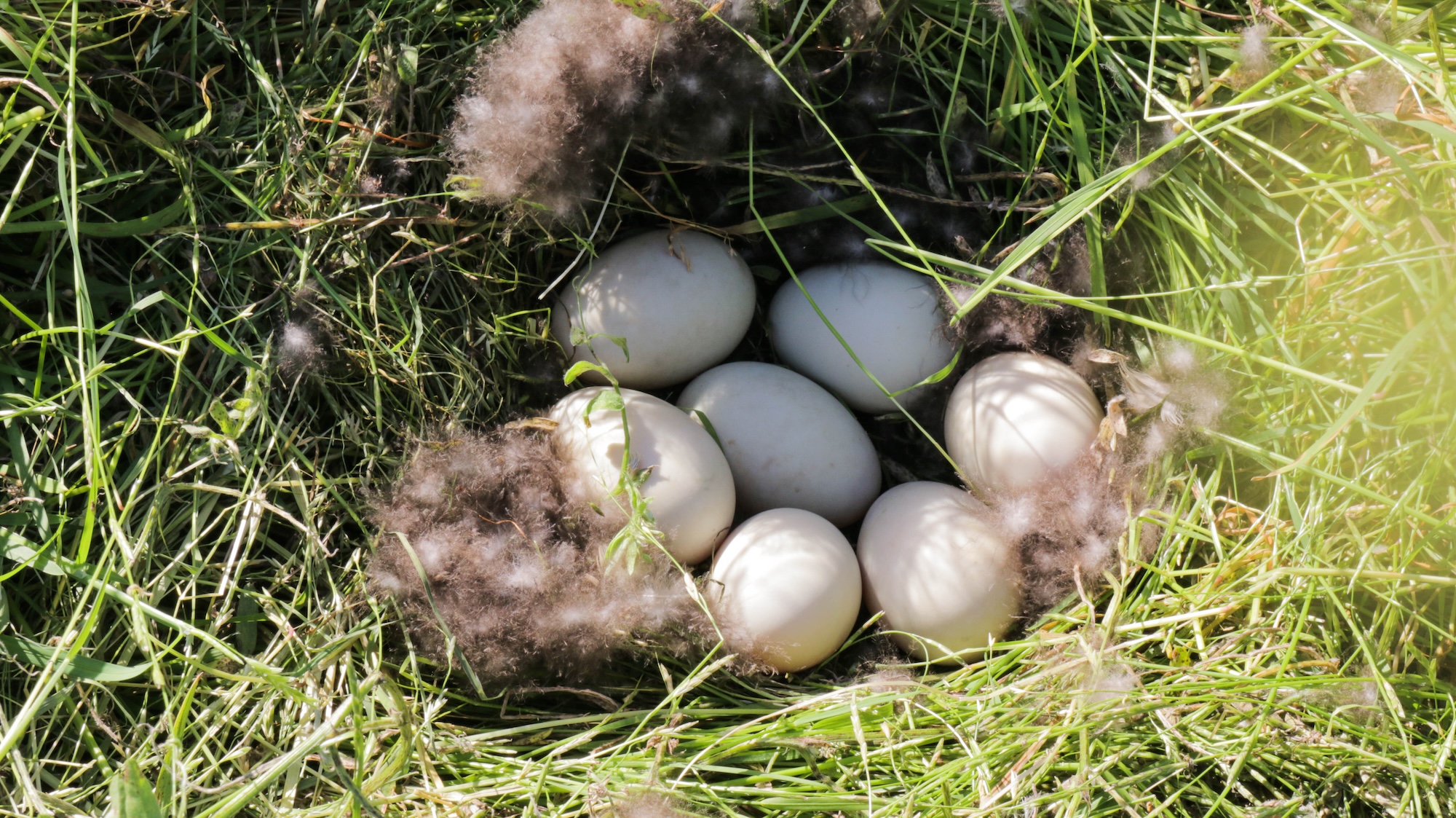
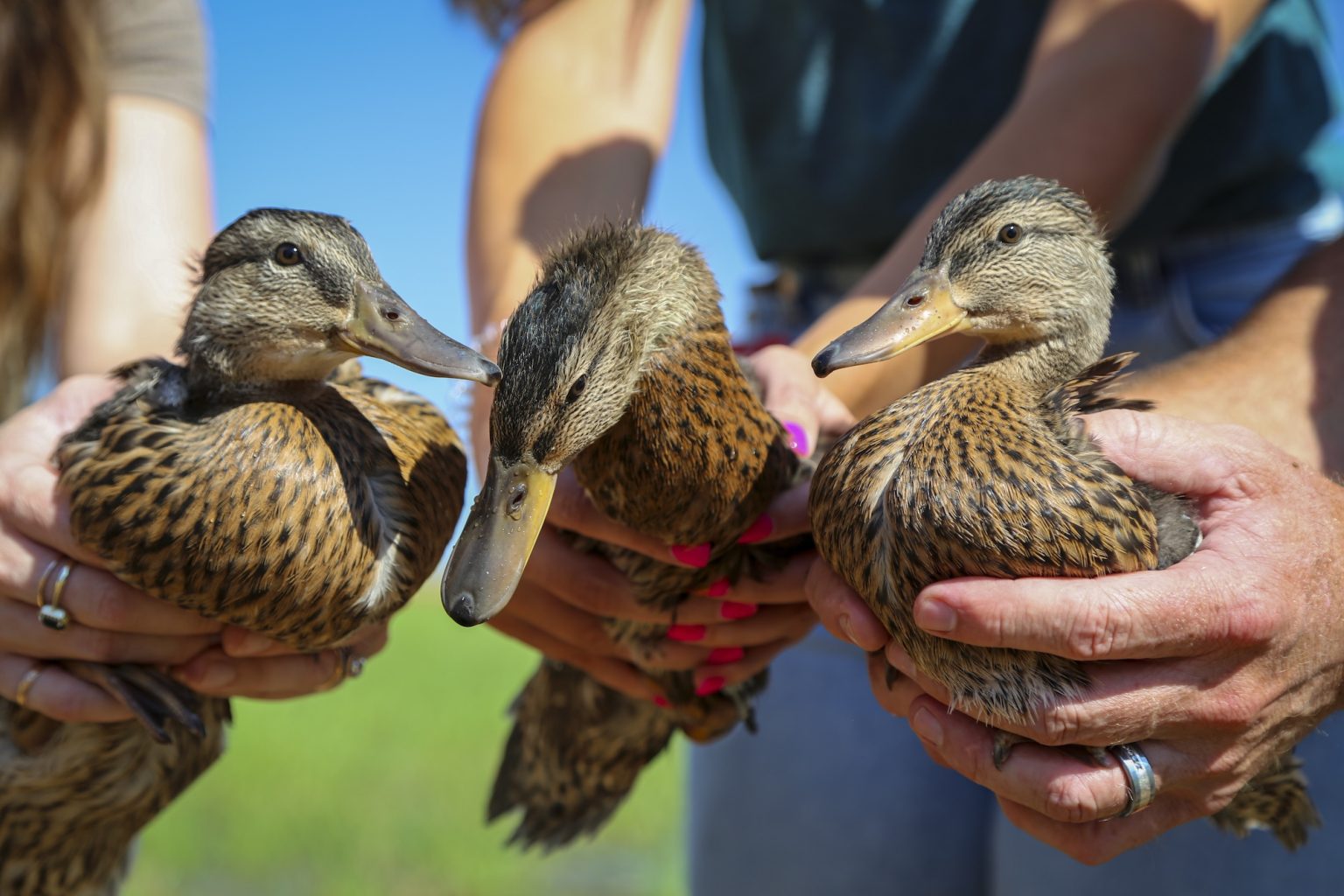
Lundberg Family Farms’ duck rescue efforts are a prime example. When preparing to mow their winter cover crops to prep the fields for rice planting, the Lundbergs noticed that ducks had been nesting in the fields. So as not to destroy the nests with farm equipment, they linked up with local hatcheries, the California Department of Fish and Game, the California Waterfowl Association, and other NGOs to save them.
This simple effort based on mutual goals of sustainable agriculture and biodiversity has saved an estimated 30,000 baby ducks so far, Katanic says. It’s among many of the company’s wildlife habitat, soil health and water management efforts in partnership with local organizations.
Oatly has similarly ambitious goals that only collaboration will make possible. The company’s sustainability strategy is based on a framework that classifies its products as “climate solutions,” which means they have at least 50 percent less climate impact than the average impact of the milk category. Maintaining that classification and reducing the company’s overall corporate footprint requires the company to focus on the largest driver of its corporate emissions: its ingredients and in particular, its oats. Because oats grow best in rotation with other crops, Oatly recognized it would be an unfair burden to ask farmers to change how they grow only one crop. So the company actively seeks other brands that are buying the rest of the crops grown in rotation.
“It’s unfair for Oatly to come to a farmer and say, ‘I’d like you to grow your oats in this way,’ while ignoring that oats are being grown in rotation with several other commodities,” says Erin Augustine, vice president of global sustainability at Oatly. “In an ideal world, we would have a standard program that applies to all of their commodities, in which a group of brands has all agreed upon the regen practices for the year.”
In one step closer toward this end, Oatly joined 20 other food companies including Whole Foods in the Wilding project. Led by the NGO Mad Agriculture, the effort to bring wildlife back to farms is one of the largest regenerative agriculture collaborations to date.
Another multi-brand initiative is the Trusted Advisor Partnership based in Canada, led by agrononomists who provide food and beverage brands, scientific researchers, and NGOs with soil health training to help them implement better soil health practices in their operations. Oatly, Grain Millers, Bob’s Red Mill and Louis Dreyfus Co. are among the company partners.
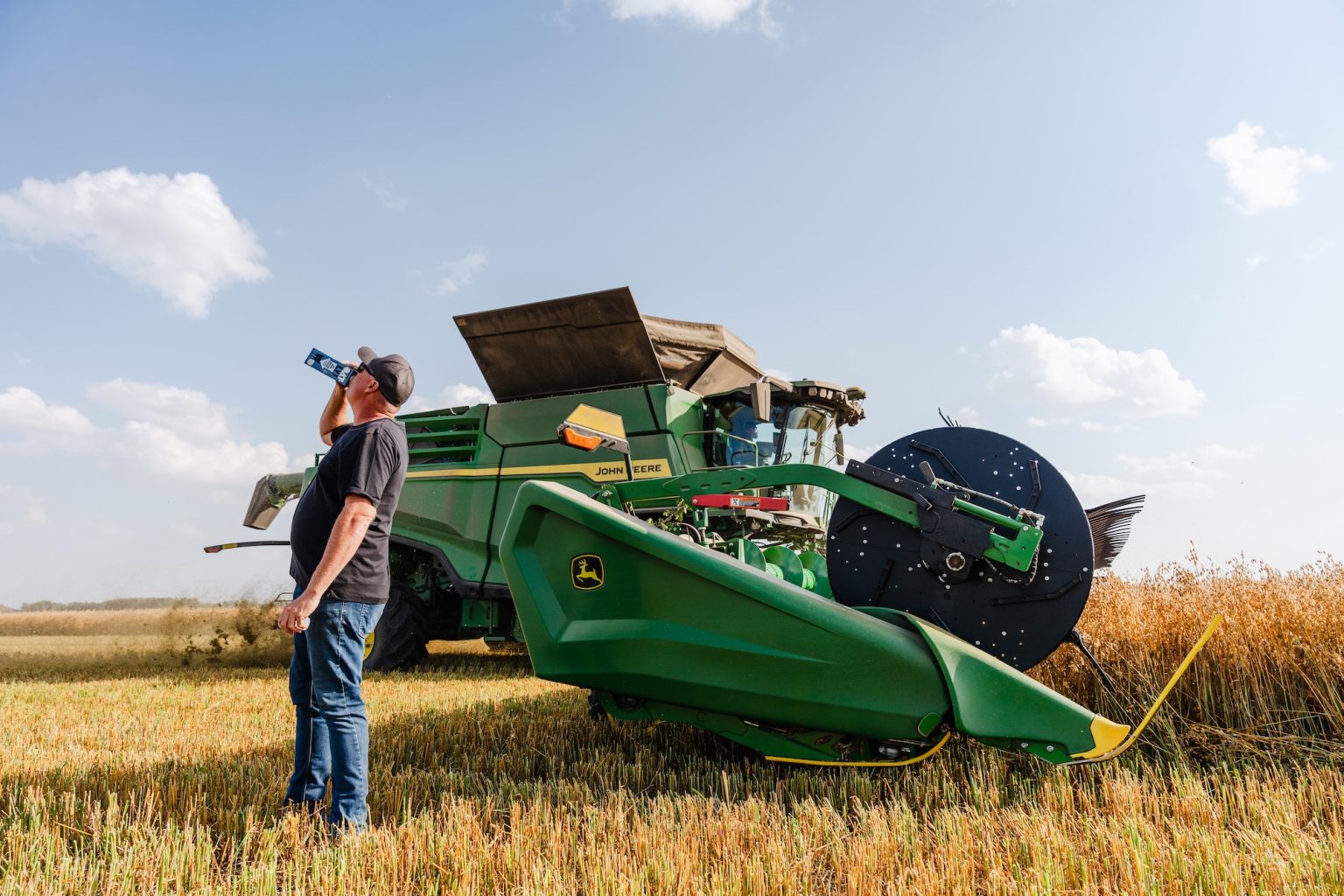
Oatly aims to source the equivalent of 100 percent of its oats from suppliers using regenerative practices by 2050. “We estimate that this will result in a 94 percent reduction in greenhouse gas emissions,” Augustine says. Oatly’s program in Canada shows what’s possible, reaching 20 percent equivalent regeneratively grown supply in the first three years.
Industry-wide connections like these are as important in the forest as they are on the farm. Since pulp is one of a handful of products sourced from a tree (lumber, bark for mulch, sawdust for energy), the full forest value chain needs to work together to scale responsible forestry, says Reeves of P&G.
“If you just show up as the only one asking for something, you’ll get a couple things here and there, but you’re really not going to make that systematic change,” Reeves says.
This approach goes hand-in-hand with P&G’s “Protect, Grow, Restore” Framework to help protect, restore, or improve priority landscapes in partnership with conservation organizations and small landowners.
Third-party certification ensures consistency and builds credibility
To attract the confidence of potential partners as well as consumers, these companies are also increasingly sourcing from suppliers or growers who are third-party certified.
P&G has a policy that 100 percent of the wood pulp it sources is certified by a globally recognized certification system, namely the Forest Stewardship Council, the Sustainable Forestry Initiative or the Program for the Endorsement of Forest Certification. Each of these include criteria related to protecting both the environmental and social value of forests.
To date, 86 percent of the company’s paper product raw materials are Forest Stewardship Council (FSC) certified, against an ambition of 100 percent by 2030.

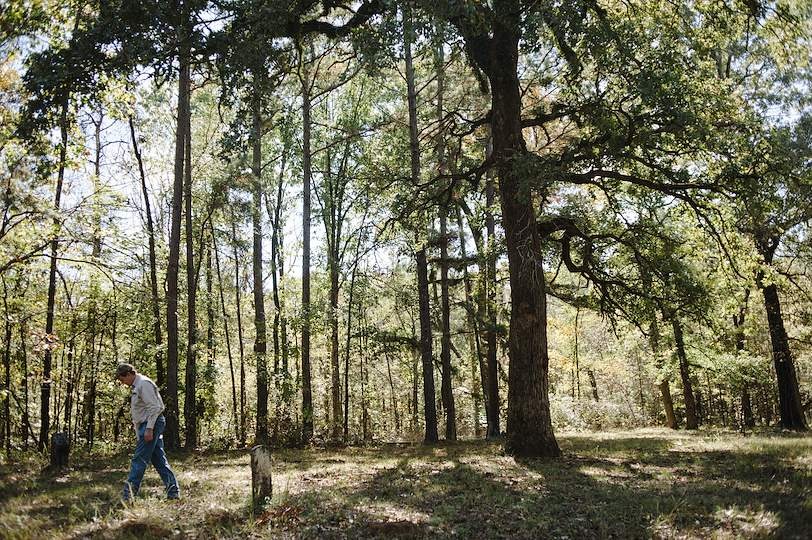
Reeves says that final 14 percent will be the hardest to achieve, requiring continued investment in landowner projects and supply chain engagement. One of the ways P&G makes those investments is through a partnership with the Four States Timberland Association (FSTO) in Arkansas and Louisiana. FSTO bundles small landowners — often non-forestry professionals like nurses, doctors and truck drivers who own parcels ranging from 40 to 100 acres — to provide forest management plans, access to natural resource professionals, and group certification.
With the increasing urgency of climate change, more discerning and demanding consumers, and partners and suppliers with their own sustainability goals, all three company leaders agree a macro mindset is the true key to scaling regenerative agriculture and responsible forestry practices.
“We have this catch-22 where the food system is both contributing to and reacting to the impacts of the changing climate,” says Augustine of Oatly. “And so, of course, that spurs us along to do this work. We’re working on a bigger food system transformation.”
This article is sponsored by P&G.
NEW YORK, July 29, 2026 /3BL/ – Moderate and severe malnutrition rates in children under that age of five have exceeded emergency thresholds in Quetta, the capital of the Baluchistan Province in Pakistan, according to a recent SMART+ nutrition analysis conducted by Action Against Hunger in collaboration with the Department of Health in Baluchistan. The prevalence of combined global acute malnutrition was 29.1%, and severe acute malnutrition was 8.1%, both alarmingly higher than their respective emergency thresholds of 15% and 2%.
“Severe acute malnutrition is potentially deadly for children, and it is heartbreaking because it’s a treatable disease when it’s undertaken soon enough,” says Muhammad Aamir, Country Director for Action Against Hunger in Pakistan.
Chronic malnutrition also remains widespread, with nearly 36% of children stunted, and 14% of them severely stunted. These findings reflect persistent long-term nutritional deprivation and repeated exposure to adverse health and environmental conditions.
The analysis found that the worsening nutritional status and food insecurity in Quetta is driven by a convergence of challenges, including:
- Lack of adequate diet
- High disease burden
- Poor water, sanitation, and hygiene (WASH) conditions
- Strong reliance on unstable income sources and
- Environmental shocks, particularly recent droughts
Poor WASH conditions present significant health risks contributing to malnutrition. Heavy reliance on tanker trucks and communal water sources, combined with only 19% of families treating water, heighten the risk of waterborne diseases and repeated infections among children. About 31% of households use inadequate latrines or practice open defecation, and 51% dispose of waste in unofficial dumping sites, increasing environmental contamination.
Moreover, the Food Security and Livelihoods portion of the analysis indicates strong reliance on unstable income sources, with 33% of households engaged in daily wage labor and limited agriculture-based livelihoods. These economic constraints reduce families’ ability to access nutritious diets.
“To effectively tackle malnutrition, we need to emphasize a more integrated approach—expanding nutrition services in the most vulnerable communities, strengthening early screening and follow-up at community level, and making sure that every child who needs treatment can access it.” explains Muhammad Aamir. “At the same time, addressing maternal malnutrition, promoting better infant and young child feeding practices—especially early initiation of breastfeeding and exclusive breastfeeding during the first six months—will be critical. Integrating care for vulnerable infants under six months into routine maternal, newborn child health services will also help ensure that those most at risk are identified and supported early, giving them a much better chance of healthy growth and development.”
Among other recommendations, the SMART analysis report emphasizes the need for better integration between nutrition and WASH activities to reduce illness. Strengthening food security and the economic resilience of households through nutrition-sensitive livelihoods, access to social protection, and the diversification of income sources will also be critical in improving nutrition outcomes in Quetta.
***
Action Against Hunger leads the global movement to end hunger. We innovate solutions, advocate for change, and reach 26.5 million people every year with proven hunger prevention and treatment programs. As a nonprofit that works across over 55 countries, our 8,500+ dedicated staff members partner with communities to address the root causes of hunger, including climate change, conflict, inequity, and emergencies. We strive to create a world free from hunger, for everyone, for good.
Spokesperson available.
Contact media@actionagainsthunger.org for inquiries.
Key Points
- Marathon Petroleum has been recognized for its commitment to environmental stewardship through management of conservation habitats.
- Six company habitat sites have re-qualified for WHC Certification®, powered by Tandem Global, an international, voluntary sustainability standard.
- In all, the company has nine currently certified conservation sites that cover more than 750 acres.
Achieving WHC Certification®, powered by Tandem Global, involves far more than checking boxes on an application. It’s a continual process. Documenting and maintaining ongoing benefits are required to meet the world’s only voluntary sustainability standard for biodiversity enhancement and conservation education on corporate landholdings.
“Companies achieving WHC Certification are environmental leaders, voluntarily managing their lands to support sustainable ecosystems and the communities that surround them,” said Margaret O’Gorman, Chief Executive Officer, Tandem Global.
At its 2026 annual conference, Tandem Global, formerly Wildlife Habitat Council and World Environment Center, recognized certification renewals for six conservation habitats owned and maintained by assets across Marathon Petroleum Corporation (MPC) and its midstream segment, MPLX:
- Savage Branch Wildlife Reserve – Catlettsburg, Kentucky, refinery
- Marathon Gardens – Detroit, Michigan, refinery
- Pollinator garden – Garyville, Louisiana, refinery
- Aviary and pollinator habitat – Martinsville, Illinois, tank farm
- Washington Park – Robinson, Illinois, refinery
- Prairie Park – St. Paul Park, Minnesota, refinery
WHC Certification has three tiers: Certified and Certified Silver that stay current for two years, and a three-year Certified Gold designation. The Catlettsburg and Detroit habitats earned Certified Silver status, and the other four sites received Certified honors.
Certified programs need to have at least one qualifying habitat, species or education project. Projects must exceed any relevant regulatory requirements, have a conservation or conservation education objective, and provide documented, measurable outcomes.
Managing the habitats across MPC and MPLX involves hundreds of employee volunteer hours. Tasks range from hosting school field trips to monitoring wildlife populations.
“Species observations include detailing the level of activity around nesting structures for birds,” said Regina Cooper, a lead training specialist at MPC’s Galveston Bay refinery in Texas City, Texas, and a volunteer at the refinery’s conservation habitat. “Tandem Global wants to see continuous improvement from programs, requiring adequate monitoring to provide data that can be evaluated over time.”
In all, MPC and MPLX have nine WHC-certified sites that cover more than 750 acres. Beyond the six highlighted this year, three locations gained certification renewals in prior years. The Galveston Bay refinery site has a Certified Gold designation that extends through 2027. Additionally, a second habitat at the Robinson refinery earned Certified Silver recognition and a site at the Canton, Ohio, refinery qualified for Certified status, both of which remain in effect through 2026.
Originally published in GoDaddy’s 2025 Global Stakeholder Impact Report
Honest & Ethical Conduct
Transparency, integrity, and trust are the cornerstones of how we do business.
Compliance and responsible conduct are managed by our Legal Compliance Team and leaders across the company. Through clear policies, training, and cross-functional collaboration, we support honest and ethical conduct across GoDaddy. As our business and regulatory landscape evolve, we regularly review and update our practices to address emerging risks and expectations.
Business Ethics
The following select policies and procedures help to guide our business conduct:
- Code of Business Conduct & Ethics (Code): Updated in 2025, our Code guides our employees, officers, and directors, and reflects GoDaddy’s evolving business, potential risks, and responsibilities.
- Human Rights & Anti-Slavery: Our Human Rights Policy and Anti-Slavery Statement together guide our approach to respecting human rights across our operations and value chain.
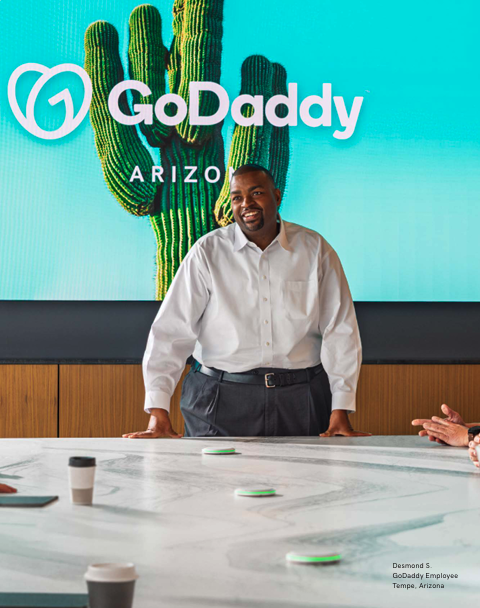
- Ethics Helpline: Our Ethics Helpline remains a trusted resource for reporting violations of company policies, our Code, or the law. Desmond S. GoDaddy Employee Tempe, Arizona
- Whistleblower Protections: Our Speak Up Policy underscores our dedication to protecting whistleblowers, helping everyone feel safe to report concerns without fear of retaliation.
Education & Training
We are dedicated to equipping our workforce to uphold our ethical standards through comprehensive training. As part of onboarding, all new employees complete training on our Code, covering expectations for ethical conduct and compliance. This training covers foundational topics such as anti-harassment and anti-discrimination, data protection, security awareness, and social engineering, alongside role-based training on antitrust, anti-bribery, and anti-corruption. Annual refresher training is required for select topics depending on role or location.
Vendors and contractors are also required to complete ethics training when they begin working with us, covering our Code, data protection, security awareness, and other role-specific topics. Refresher training on select topics may also be required annually as deemed necessary depending on role or location.
Corporate Governance
Strong corporate governance underpins our strategy and operations, helping us create long-term value and earn the trust of our stakeholders. Our Board oversees the company’s long-term strategic, financial, and organizational priorities. Our Corporate Governance Guidelines reflect the Board’s commitment to responsible, accountable governance and support the effective oversight of our business. More information on the Board’s responsibilities and committee oversight is available in our Corporate Governance Guidelines, committee charters, and Proxy Statement on our Investor Relations Financials page and Governance page.
Risk Management
As part of our governance structure, our Board oversees GoDaddy’s enterprise-wide risk management, including risks related to our longterm strategy, financial performance, and operations. The Board and its committees provide oversight of strategic, legal, regulatory, financial, management, and operational risks to help ensure the company remains resilient and well positioned for long-term success. Additional details on Board and committee responsibilities are available in the Sustainability Governance section of this report.
Under the Audit and Risk Committee’s oversight, our Assurance, Risk, and Compliance (ARC) Team leads our enterprise risk management program. The ARC Team identifies and assesses key risks that could affect our strategy, operations, or compliance, and works with senior leaders to define metrics and monitoring processes. This approach supports proactive risk management while enabling disciplined execution, innovation, and growth.
Government & Policy Engagement
GoDaddy’s Corporate and Government Affairs Team advocates for the small business customers we serve by engaging in federal and state legislative, public policy, and regulatory discussions that impact the digital ecosystem. Through ongoing engagement with policymakers, lawmakers, and industry stakeholders, the team helps to ensure entrepreneurs’ perspectives are represented in policy discussions and to support a fair, open, and secure internet.
As both a Registry and a Registrar, GoDaddy actively participates in working groups and community leadership bodies of the Internet Corporation for Assigned Names and Numbers, as well as industry associations such as the Internet Infrastructure Coalition (i2Coalition). These engagements help shape policies governing the Domain Name System, support transparent processes for addressing complaints and information requests, and promote a predictable and secure environment for registrants worldwide. For more information on how we collaborate with industry peers for internet safety, visit the Trust & Safety section of the report.
As part of our commitment to honest and ethical conduct, GoDaddy maintains a publicly available policy outlining standards for political contributions, activities, and lobbying by our directors, officers, and employees. You can read our policy here.

Supporting Responsible AI for Entrepreneurs
As AI continues to shape how small businesses operate, GoDaddy engages on AI legislative efforts to help democratize technology and expand access to opportunity. We support policies that expand access to AI tools that are practical, trustworthy, and affordable. Our advocacy promotes AI literacy, open standards, fair competition, and responsible adoption practices. Our goal is to help ensure innovation strengthens local businesses and communities.
Learn more about GoDaddy’s 2025 Global Stakeholder Impact Report.
About this Report
The GoDaddy 2025 Global Stakeholder Impact Report details our progress toward our corporate sustainability goals, strategies, and initiatives in support of our overarching purpose and values. Unless otherwise noted, this report reflects our corporate sustainability performance across our global operations covering the fiscal year period from January 1 to December 31, 2025. To demonstrate our commitment to transparent communication regarding our sustainability progress, we routinely share updates through our website and our annual reporting. We welcome your questions, comments, and feedback on this report by contacting ESG@GoDaddy.com.
This report references the Global Reporting Initiative Standards, includes select Sustainability Accounting Standards Board metrics for the Internet Media and Services sector, and the Task Force on Climate Related Financial Disclosures. We also disclose our contributions and progress toward priority UN SDGs. For additional information on how we align with these frameworks and key indicators demonstrating our sustainability performance, please refer to the Frameworks & Metrics section.
About GoDaddy
GoDaddy, the world’s largest domain name registrar, helps millions of entrepreneurs globally start, grow, and scale their businesses. People come to GoDaddy to name their idea, build a website and logo, sell their products and services and accept payments. GoDaddy Airo®, the company’s AI-powered experience, makes growing a small business faster and easier by helping them to get their idea online in minutes, drive traffic and boost sales. GoDaddy’s expert guides are available 24/7 to provide assistance. To learn more about the company, visit www.GoDaddy.com.
For more than six decades, Covia’s Lugoff plant has been transforming high-quality silica sand into products that support industries ranging from golf and sports fields to construction and fiberglass manufacturing. Today, the South Carolina plant is helping shape another growing market: equestrian footing.
While Lugoff has long supplied sand used in riding arenas, the plant has recently taken on a larger role by helping expand Covia’s BESTSAND™ EQ product line. Lugoff’s story is one that reflects the importance of technical expertise, operational excellence, and commitment to organizational values.
A Plant Built on Quality and Versatility
Located in Lugoff, South Carolina, the facility began production in 1958, with silica production following in 1974. Today, the site serves a diverse range of markets, producing materials for:
That diversity is one of Lugoff’s greatest strengths. Supporting such a broad customer base requires flexibility throughout the operation, and more than half of Lugoff’s operators are trained to run multiple processes. Just as importantly, the plant operates without generating waste material, reflecting Covia’s commitment to making the most of every resource.
The combination of operational discipline and continuous improvement created the foundation for Lugoff’s newest opportunity in the equestrian market.
Why Lugoff is the Epicenter for Equestrian Sand Innovation
To some people, sand is simply sand. Builders for equestrian arenas know otherwise.
According to Sales Manager Caryann McHugh-Bruce, who has spent years working with equestrian customers, the Lugoff’s material has developed a strong reputation within the industry.
“We started realizing customers specifically wanted Lugoff sand,” she said. “That really started us looking at how we could continue growing the equestrian business.”
The difference in Lugoff’s equestrian sand goes beyond location. While the silica deposit naturally complements the qualities builders seek for equestrian footing, Lugoff’s processing plays a pivotal role as well.
“Lugoff’s equestrian products are byproducts, but they’re not your typical byproduct from another type of plant,” Caryann explained. “Because we process silica so stringently for manufacturing purposes, our byproducts are cleaner and more well-suited for equestrian applications.”
The Lugoff team recognized an opportunity to provide greater value by expanding Covia’s BESTSAND™ EQ portfolio. Lugoff became a natural home for a wide range of equestrian products, giving customers multiple options based on their footing requirements while also researching how other Covia facilities could replicate Lugoff’s process to expand even further into the market.
From High-Quality Sand to Ready-to-Use Footing
In addition to processing high-end silica, Lugoff also plays a key role in another opportunity for equestrian products: blending.
For years, equestrian customers manually blended sand and specialized fibers after material arrived on site. The team recognized an opportunity to provide greater value by helping customers simplify one of the most time-consuming parts of arena construction.
Working with commercial, technical, and innovation teams across Covia, the plant began developing capabilities to deliver high-quality blended footing before it ever reached the customer. Producing industrial minerals requires precise control over particle size, product consistency, and quality.
Through extensive research and development, Lugoff was able to help Covia develop BESTSAND™ EQ products with ideal qualities like:
- Optimal stability and traction
- Reduced compaction
- Ample cushioning
- Minimal dust
Those same capabilities became valuable as the team explored new ways to blend multiple sand grades.
“We’re really trying to make it easier for the builder and easier for the end user,” Caryann said. “The goal has always been to create a more consistent product that will allow more people to have access to a safe and reliable option.”
Delivering Results Where It Matters Most
Perhaps the best measure of Lugoff’s success is what happens after its products leave the plant. Innovation starts by understanding customer needs and examining how tailored footing simplifies installation and improves consistency. This feedback helps shape both the product and how we can better serve customers.
One recent project at Aiken Horse Park provided an opportunity to demonstrate what the team’s work could achieve. Justin Potts, the builder for Aiken Horse Park, first turned to Covia after a supplier recommendation. Justin visited the Lugoff plant to meet with the team and discuss a solution based on his needs.
Using Lugoff’s EQ products, the facility hosted a major international competition featuring riders ranging from local competitors to Olympic-caliber athletes. Covia’s product made installation quicker and easier for their first large international show. While the installation was notable, the most striking feedback involved how Covia’s footing excelled in poor weather.
The show experienced significant rainfall throughout the event. According to Justin, the ring that used Covia’s product performed flawlessly throughout the duration of the show.
Built on a Culture of Safety and Continuous Improvement
Innovation at Lugoff is supported by something even more fundamental: a culture built around safety, quality, and continuous improvement.
At Lugoff, safety comes before production — nothing is more important than making sure everyone is working safely. The Lugoff plant recently celebrated 11 years without a lost-time incident, a milestone that reflects the commitment every employee brings to the operation each day.
Covia’s commitment to safety extends beyond the organization as well. One of the major advantages of BESTSAND™ EQ products is that the product line offers an ideal balance of firmness and cushioning required to support horses that could weigh 1,000 lbs. or more. According to Caryann, safety and quality drive Covia’s continuous work to provide the best product possible.
“Putting out a safe product is something that really aligns with our core values,” Caryann explained. “Whether you’re a hobbyist or have a $1,000,000 horse, your horse can’t compete if an injury sidelines it.”
Continuing a Legacy of Growth
Although equestrian products represent one of Lugoff’s newest growth opportunities, they also reflect something much larger. Throughout its history, the plant has adapted alongside the markets it serves by combining operational expertise with a willingness to explore new possibilities.
That same mindset continues to guide the team today. Whether producing materials for golf courses, athletic fields, construction projects, or world-class equestrian facilities, Lugoff remains focused on delivering the quality, consistency, and reliability customers expect.