Seasoned Leader to Drive Strategic Partnerships, Innovation and Growth

COLUMBIA, Md., April 29, 2026 /PRNewswire/ — Standard Energy Solutions (SES) is excited to officially announce the promotion of Bobby Young. Bobby Young has been elevated to the position of Chief Investment Officer (CIO), a key leadership role within the organization.

Chief Executive Officer, Steve Welsh, stated “For the last several year, SES has been implementing its long-term vision to expand energy solutions and services for our customers through the addition of battery storage, EV charging and digital load control systems. As the energy industry and consumer needs evolve, SES is taking the next step to accelerate our strategic plan by expanding whole-home service offerings with HVAC, roofing, stand-alone battery storage, hydrogen fuel cells and flexible project financing. The transition of Mr. Young into the role of CIO is a critical piece related to the success of that plan.”

After a 25-year career in multiple, high-level managerial positions with regional and national construction firms, Young joined the company in 2015. This was immediately following the acquisition of the Standard Energy Solutions brand from its parent company, Standard Solar. After coming onboard, his initial focus was driving the requisite financial transition, but his involvement soon morphed into the critical operations role as Chief Operations Officer. During his 10-year tenure in that position, the company successfully scaled an operational structure that has seen 300%+ compounded annual growth in revenues and profitability. In addition, SES was successful in building a culture of continuous improvement, industry-leading quality and a proud employee-centric organization.

“I am truly honored to step into the role of Chief Investment Officer while continuing my responsibilities as Chief Financial Officer, a dual capacity that will allow us to strategically accelerate Standard Energy Solutions’ long-term vision,” said Bobby Young. “This expanded role is a testament to our commitment to pioneering a clean, sustainable, and secure energy future by identifying key partnerships, acquisitions, and technological advancements that will directly benefit the communities we serve.”

As Chief Information Officer, Bobby will be specifically tasked with a series of critical responsibilities designed to propel the organization forward. His role will extensively involve the process of identifying potential opportunities and conducting thorough analyses of these opportunities. These opportunities will encompass areas such as forging impactful strategic partnerships with other entities and organizations, as well as exploring possibilities for strategic corporate acquisitions that align with our long-term objectives. Additionally, Bobby’s purview will extend to recognizing and evaluating potential technological advancements that can be adopted or developed to enhance our capabilities. Furthermore, he will dedicate significant efforts to uncover and assess prospects for enhancing operational efficiencies throughout our systems and processes, aiming for optimal performance and resource utilization. All of these vital activities and strategic explorations are fundamentally designed to contribute significantly to the advancement of our strategic mission. This mission is centered on the ambitious and essential endeavor of creating a future where energy is clean, sustainable, and secure. The mission is critical for safeguarding against material price fluctuations, service disruptions and system vulnerabilities. The primary beneficiaries and target of this expansive mission are the countless families residing throughout the specific DC/Maryland/Virginia metropolitan region, for whom a reliable, environmentally responsible, and safe energy supply is paramount.

Bobby will also continue to fully retain his current role as the Chief Financial Officer. In this executive capacity, he will further continue to be responsible for the crucial task of providing invaluable leadership and strategic guidance to all segments and every individual within our entire company. This unbroken continuity ensures the sustained perpetuation and maintenance of his considerable, pervasive, and ongoing influence throughout the complex operational structure of the organization.

Standard Energy Solutions (SES) is headquartered in Maryland and has operations in Maryland, Virginia and the District of Columbia. We are a professional renewable energy solutions EPC that serves residential customers in the Mid-Atlantic region. For more information about the company, please visit us at https://www.standardenergysolutions.com/.

If you are interested in teaming up with us on this journey or for more information about opportunities with Standard Energy Solutions, please contact us at media@standardenergysolutions.com

Cision View original content to download multimedia:https://www.prnewswire.com/news-releases/promotion-of-bobby-young-to-the-position-of-chief-investment-officer-at-standard-energy-solutions-302757412.html

SOURCE Standard Energy Solutions

Ancestry, the global leader in family history, published its 2025 Impact Report, detailing the company’s ongoing commitment to enhancing its products and leveraging its resources to build a better future for generations to come. The report outlines key achievements across the business in 2025, showcasing efforts to empower its people and partners, deliver meaningful service to customers, and make a positive impact on communities and the planet.

“We remain unwavering in our commitment to meaningfully serve our customers while operating our business in a manner that is good for both people and the planet,” said Howard Hochhauser, President & CEO of Ancestry. “Our Impact Report reflects how we are expanding access to history, strengthening trust through responsible data and technology practices, and helping future generations discover where they come from and see themselves in the stories of the past.”

The 2025 Impact Report highlights Ancestry’s progress in key areas, including:

  • Expanding Access to Historical Records: Exceeded Ancestry’s 3-year philanthropic commitment to allocate $3 million to making culturally significant history that is at risk of being forgotten available to everyone at no cost. In 2025 alone, Ancestry made more than 13 million culturally significant records available to everyone for free, including new collections related to enslavement and the Holocaust.
  • Powering Discoveries for All: Added over 4 billion new records and introduced 68 new and updated DNA regions, helping more than 29 million people connect to over 3,600 places worldwide.
  • Empowering Students: Exceeded 3-year goal of providing more than 10 million students with free access to historical records through AncestryClassroom®, reaching over 13.8 million students in total after expanding access by 800,000 students in 2025 alone. Additionally, Ancestry awarded 26 scholarships through the HistoryMakers College Tour and Scholarship program.
  • Driving Sustainability: Innovated across the supply chain to reduce emissions in production and distribution per AncestryDNA® kit by 8.1%.

To learn more and to view the full 2025 Impact Report, please visit https://www.ancestry.com/corporate/annual-impact-report.

ancestry logo

About Ancestry®
Ancestry®, the global leader in family history, connects everyone with their past so they can discover, preserve, and share their unique family stories. With our unparalleled collection of more than 70 billion records, over 3.8 million subscribers, and over 29 million people in our growing DNA network, customers can discover their family story and gain a new level of understanding of their lives. Over the past 40 years, we’ve built trusted relationships with millions of people who have chosen us as the platform for discovering, preserving and sharing the most important information about themselves and their families.

Media Contact:
Jillian McCoy, Director, Corporate Responsibility & Communications
Dept.: Communications

Read More

Ancestry, the global leader in family history, published its 2025 Impact Report, detailing the company’s ongoing commitment to enhancing its products and leveraging its resources to build a better future for generations to come. The report outlines key achievements across the business in 2025, showcasing efforts to empower its people and partners, deliver meaningful service to customers, and make a positive impact on communities and the planet.

“We remain unwavering in our commitment to meaningfully serve our customers while operating our business in a manner that is good for both people and the planet,” said Howard Hochhauser, President & CEO of Ancestry. “Our Impact Report reflects how we are expanding access to history, strengthening trust through responsible data and technology practices, and helping future generations discover where they come from and see themselves in the stories of the past.”

The 2025 Impact Report highlights Ancestry’s progress in key areas, including:

  • Expanding Access to Historical Records: Exceeded Ancestry’s 3-year philanthropic commitment to allocate $3 million to making culturally significant history that is at risk of being forgotten available to everyone at no cost. In 2025 alone, Ancestry made more than 13 million culturally significant records available to everyone for free, including new collections related to enslavement and the Holocaust.
  • Powering Discoveries for All: Added over 4 billion new records and introduced 68 new and updated DNA regions, helping more than 29 million people connect to over 3,600 places worldwide.
  • Empowering Students: Exceeded 3-year goal of providing more than 10 million students with free access to historical records through AncestryClassroom®, reaching over 13.8 million students in total after expanding access by 800,000 students in 2025 alone. Additionally, Ancestry awarded 26 scholarships through the HistoryMakers College Tour and Scholarship program.
  • Driving Sustainability: Innovated across the supply chain to reduce emissions in production and distribution per AncestryDNA® kit by 8.1%.

To learn more and to view the full 2025 Impact Report, please visit https://www.ancestry.com/corporate/annual-impact-report.

ancestry logo

About Ancestry®
Ancestry®, the global leader in family history, connects everyone with their past so they can discover, preserve, and share their unique family stories. With our unparalleled collection of more than 70 billion records, over 3.8 million subscribers, and over 29 million people in our growing DNA network, customers can discover their family story and gain a new level of understanding of their lives. Over the past 40 years, we’ve built trusted relationships with millions of people who have chosen us as the platform for discovering, preserving and sharing the most important information about themselves and their families.

Media Contact:
Jillian McCoy, Director, Corporate Responsibility & Communications
Dept.: Communications

Read More

by Allison Stowell

Originally published on Guiding Stars Health & Nutrition News

Social media feeds fill with news of forever chemicals. Apps abound that allow us to assess a product’s “health impact” score. Meanwhile, we still want nutritious options that are best for our bodies and health. We’re living in a food information overload. This may leave us with overwhelming wonder about the safety of foods for our bodies, and for the environment. When climate anxiety and diet intersect, it can cause excessive worry and even lead to disordered eating. We still have a lot to learn about food, the environment, and our health. However, we know that excess worry isn’t good for us. Let’s break down what we know and how to minimize risk.

Avoiding Harmful Chemicals

We’re increasingly aware of the negative impact that chemicals have on our bodies, and where we encounter them. Read on to learn many ways of avoiding them.

PFAS

Perfluoroalkyl and polyfluoroalkyl substances (PFAS), also known as “forever chemicals,” degrade very slowly. This causes them to build up in humans, animals, and the environment. We encounter PFAS pretty much everywhere, including in our water and food. There’s a lot we still don’t know about PFAS, but researchers are investigating how to measure exposure and impact on our health. At the same time, food manufacturers, restaurants, and others in the food industry are moving away from packaging that may contain PFAS.

Microplastics

Microplastics are a significant part of the conversation about environmental and physical health. Science confirms the impact (and longevity) of these chemicals. And researchers believe they can increase risk of chronic disease. However, we don’t know exactly how to measure the amount of microplastics we absorb, how long they last, or the influence they have on our bodies or the environment.

Bisphenol A (BPA)

BPA is another chemical that has been used for decades. It’s often found in plastics, food and beverage packaging, or as a coating for metal products, including cans. Exposure to BPA may be harmful for children and babies, increasing risk for chronic disease.

The Good News

To help you minimize microplastics, there are increasingly more kitchen tools for the home kitchen that are PFAS-free. Limit plastic and use glass, ceramic, stainless steel, or bamboo/wood for food preparation and storage instead. To limit exposure to BPA, look for canned products, containers, and more labeled “BPA-free.”

Habits That Minimize Risk

It just takes small changes and a bit of thought to minimize your risk and fill your shopping cart with more environmentally friendly options.

Support Greenhouse Farming

Greenhouse farming allows producers to control the environment that produce is grown in. This includes temperature, lighting, and exposure to harmful elements. This farming method uses less water and energy (when sunlight is utilized). Greenhouse-grown fruits and vegetables are also less likely to be sprayed or grown with harmful chemicals. Look for greenhouse-grown or hydroponic produce to support this type of farming.

Eat More Plants, Less Meat

Eating more plants is one of the best things we can do for ourselves and the environment. Plants are rich in essential fiber and micronutrients. They also use fewer resources to produce. Meat production has significant impacts on greenhouse gas emissions, as well as water and energy use. When we choose a plant-forward diet, we are making a more sustainable choice. Go further by supporting local growers to reduce carbon emissions (and get fresher food too!).

Choose Reusable, Plastic‑Free Foodware

Avoiding single‑use plastic—and plastic‑coated—food containers helps reduce exposure to microplastics and harmful chemicals while also lowering your carbon footprint. Bring your own reusable options like stainless steel, ceramic, or food‑grade silicone cups and to‑go containers when you’re eating on the go. And when shopping, skip the single‑use plastic produce bags. Place your fruits and vegetables directly in your cart or use a reusable produce bag instead!

Be Cautious About “Health Impact” Apps

There are several apps that provide product information to help you avoid “less clean” ingredients. This may be beneficial if you know what to do with the information. But it can also create confusion. Be sure to consider the product as a whole and if it’s a good choice for your overall health. For example, we know we need to avoid too much sodium, saturated fat, and added sugar to lower risk of chronic disease. However, the app may not be taking this into consideration. If you’re looking for an app that does help you locate nutritious foods with less effort, I recommend Guiding Stars.

About Guiding Stars

Guiding Stars is an objective, evidence-based, nutrition guidance program that evaluates foods and beverages to make nutritious choices simple. Products that meet transparent nutrition criteria earn a 1, 2, or 3 star rating for good, better, and best nutrition. Guiding Stars can be found in more than 2,000 grocery stores, in Circana’ Attribute Marketplace, and through the Guiding Stars Food Finder app.

*Image by Freepik
 

by Allison Stowell

Originally published on Guiding Stars Health & Nutrition News

Social media feeds fill with news of forever chemicals. Apps abound that allow us to assess a product’s “health impact” score. Meanwhile, we still want nutritious options that are best for our bodies and health. We’re living in a food information overload. This may leave us with overwhelming wonder about the safety of foods for our bodies, and for the environment. When climate anxiety and diet intersect, it can cause excessive worry and even lead to disordered eating. We still have a lot to learn about food, the environment, and our health. However, we know that excess worry isn’t good for us. Let’s break down what we know and how to minimize risk.

Avoiding Harmful Chemicals

We’re increasingly aware of the negative impact that chemicals have on our bodies, and where we encounter them. Read on to learn many ways of avoiding them.

PFAS

Perfluoroalkyl and polyfluoroalkyl substances (PFAS), also known as “forever chemicals,” degrade very slowly. This causes them to build up in humans, animals, and the environment. We encounter PFAS pretty much everywhere, including in our water and food. There’s a lot we still don’t know about PFAS, but researchers are investigating how to measure exposure and impact on our health. At the same time, food manufacturers, restaurants, and others in the food industry are moving away from packaging that may contain PFAS.

Microplastics

Microplastics are a significant part of the conversation about environmental and physical health. Science confirms the impact (and longevity) of these chemicals. And researchers believe they can increase risk of chronic disease. However, we don’t know exactly how to measure the amount of microplastics we absorb, how long they last, or the influence they have on our bodies or the environment.

Bisphenol A (BPA)

BPA is another chemical that has been used for decades. It’s often found in plastics, food and beverage packaging, or as a coating for metal products, including cans. Exposure to BPA may be harmful for children and babies, increasing risk for chronic disease.

The Good News

To help you minimize microplastics, there are increasingly more kitchen tools for the home kitchen that are PFAS-free. Limit plastic and use glass, ceramic, stainless steel, or bamboo/wood for food preparation and storage instead. To limit exposure to BPA, look for canned products, containers, and more labeled “BPA-free.”

Habits That Minimize Risk

It just takes small changes and a bit of thought to minimize your risk and fill your shopping cart with more environmentally friendly options.

Support Greenhouse Farming

Greenhouse farming allows producers to control the environment that produce is grown in. This includes temperature, lighting, and exposure to harmful elements. This farming method uses less water and energy (when sunlight is utilized). Greenhouse-grown fruits and vegetables are also less likely to be sprayed or grown with harmful chemicals. Look for greenhouse-grown or hydroponic produce to support this type of farming.

Eat More Plants, Less Meat

Eating more plants is one of the best things we can do for ourselves and the environment. Plants are rich in essential fiber and micronutrients. They also use fewer resources to produce. Meat production has significant impacts on greenhouse gas emissions, as well as water and energy use. When we choose a plant-forward diet, we are making a more sustainable choice. Go further by supporting local growers to reduce carbon emissions (and get fresher food too!).

Choose Reusable, Plastic‑Free Foodware

Avoiding single‑use plastic—and plastic‑coated—food containers helps reduce exposure to microplastics and harmful chemicals while also lowering your carbon footprint. Bring your own reusable options like stainless steel, ceramic, or food‑grade silicone cups and to‑go containers when you’re eating on the go. And when shopping, skip the single‑use plastic produce bags. Place your fruits and vegetables directly in your cart or use a reusable produce bag instead!

Be Cautious About “Health Impact” Apps

There are several apps that provide product information to help you avoid “less clean” ingredients. This may be beneficial if you know what to do with the information. But it can also create confusion. Be sure to consider the product as a whole and if it’s a good choice for your overall health. For example, we know we need to avoid too much sodium, saturated fat, and added sugar to lower risk of chronic disease. However, the app may not be taking this into consideration. If you’re looking for an app that does help you locate nutritious foods with less effort, I recommend Guiding Stars.

About Guiding Stars

Guiding Stars is an objective, evidence-based, nutrition guidance program that evaluates foods and beverages to make nutritious choices simple. Products that meet transparent nutrition criteria earn a 1, 2, or 3 star rating for good, better, and best nutrition. Guiding Stars can be found in more than 2,000 grocery stores, in Circana’ Attribute Marketplace, and through the Guiding Stars Food Finder app.

*Image by Freepik
 

PHOENIX, April 29, 2026 /3BL/ – Following months of strategic collaboration, the Arizona Energy Promise Task Force has released its final report to Governor Katie Hobbs, outlining 31 consensus-driven recommendations to modernize Arizona’s grid and lower energy costs. The Ray is proud to announce that Allie Kelly, Executive Director of The Ray, served as a key subject matter expert on the Working Group established by Executive Order 2025-13, ensuring that right-of-way (ROW) innovation is at the heart of Arizona’s energy future.

Addressing a 40% Surge in Demand

The Task Force was convened at a critical moment for the state. With rapid population growth and industrial expansion, Arizona utilities project a staggering 40% increase in peak energy demand over the next 15 years. Executive Order 2025-13 was designed to “cut the red tape” and find innovative ways to deliver affordable, reliable power without placing the financial burden on Arizona families.

Sharing The Ray’s ROW Blueprint

Throughout the working group sessions from late 2025 through March 2026, Allie Kelly and The Ray team shared technical expertise on how Arizona can leverage its most underutilized asset: the public right-of-way.

The final report, released this spring, reflects several core strategies championed by The Ray, including:

Transmission Co-location: Accelerating the use of transportation corridors for high-voltage transmission lines to connect renewable energy to the grid faster.

Optimizing State Assets: A key recommendation calls for developing a statewide map of state-owned land and assets—including highway roadways—to support future energy siting.

Streamlined ROW Solar: Reducing administrative barriers to deploy solar projects along infrastructure, protecting Arizona’s land and water footprints while adding immediate capacity.

“Being at the table for this Task Force allowed us to show Arizona leaders that the solution to their energy demand isn’t just about building more—it’s about building smarter. By using the land we already own—our highways—Arizona can meet its energy goals faster and more affordably.”

— Allie Kelly, Executive Director–

From Recommendations to Action

With the final report now in the Governor’s hands, The Ray continues to work closely with the Governor’s Office of Resiliency and the Arizona State Land Department to move these recommendations toward implementation. As Arizona seeks to become a national leader in clean energy and manufacturing, The Ray’s P4 (Public-Private-Philanthropic-Partnership) model serves as the primary engine for turning these policy ideas into roadside reality.

Media Contact

Dallen McLemore, Communications Specialist, The Ray

229.449.6168 | dallen@theray.org | @TheRayHighway

Odor-control technology emphasizes the brand’s commitment to developing innovative technologies without negatively impacting the environment

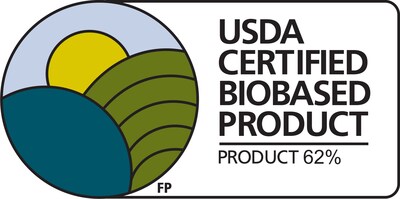
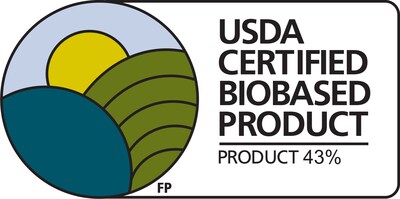
HUNTERSVILLE, N.C., April 29, 2026 /PRNewswire/ — Microban International, a global leader in product protection technologies, has earned a U.S. Department of Agriculture Certified Biobased Product Label for Microban® EcoFresh™ ER1000 and EH1000. Third-party verification for the product’s biobased content was administered through the USDA BioPreferred® Program, which strives to increase the development, purchase and use of biobased products.

The USDA Certified Biobased Product Label displays a product’s biobased content as a percentage, which is the portion of a product that comes from a renewable source, like plant, animal, marine or forestry feedstocks. Utilizing renewable biobased materials displaces the need for non-renewable petroleum-based chemicals. Biobased products are cost-comparative, readily available and perform as well as or better than their conventional counterparts.

EcoFresh is available in two primary variants: EH1000 (compatible with wicking aids) and ER1000 (compatible with durable water repellents and customer-added binders), enabling customization according to end-use requirements. ER1000, certified to have 62% biobased content, and EH1000, certified to have 43% biobased content, are water-based products designed to reduce offensive odorants within and upon treated materials. Both variants reduce odor integration and repel smoke-related odorants on treated fabrics, including campfire and cigarette smoke. EcoFresh also significantly reduces odors experienced by outdoor enthusiasts, such as sweat, foot and body odors.

EcoFresh delivers fast-acting and continuous odor capture. It preserves the comfort, function and aesthetic qualities of treated textiles while maintaining the base material’s hand, breathability and performance properties. The technology is nonionic and compatible with conventional textile manufacturing processes, such as exhaust, padding and spray applications, requiring no additional process steps for integration. This mill-friendly approach supports seamless scale-up across a broad range of fabrics, including polyester, nylon, spandex, cotton, nonwovens and polypropylene blends.

In terms of implementation and commercialization, EcoFresh is actively being adopted by manufacturers targeting the active and outdoor lifestyle segments, as well as uniform and performance textile markets. Its integration into products is underway, with industry showcases highlighting its role in enhancing wearer experience and product value.

“EcoFresh obtaining the USDA Certified Biobased Product Label marks our goal for safer chemistry and reduced environmental impact across the supply chain,” said Ryan Scott, senior product development chemist at Microban. “This certification provides our current and future partners with confidence to support their sustainability goals.”

“We applaud Microban International for earning the USDA Certified Biobased Product Label,” said Vernell Thompson, USDA BioPreferred Program. “The label is intended to help spur economic development, create new jobs and provide new markets for farm commodities. But the label also makes it easier for consumers and federal buyers to locate biobased products and consider planet-friendlier options during purchase decisions. By having their products become USDA Certified Biobased, Microban International joins an expanding list of businesses combatting inaccurate marketing claims and the practice of greenwashing, while also contributing to a thriving bioeconomy that decreases our reliance on petroleum.”

EcoFresh is also bluesign® APPROVED, which represents products made with safer chemistry, reduced environmental impact and responsible manufacturing practices. These certifications underscore Microban’s commitment to a responsible, more sustainable approach to formulation and manufacturing.

About Microban International

Part of Barr Brands International, Microban International is home to the most trusted and well-known global brands in the antimicrobial, odor control and sanitization/disinfection markets: Microban® and Ultra-Fresh®. Our organization has experienced over 100 collective years of growth and has revolutionized the industry. As the global leader, our proactive systems keep products cleaner and control odors better by preventing problems before they start. Microban International drives innovation by combining science and creative solutions that enhance high-quality consumer, textile, industrial and medical products worldwide. Today, the Microban and Ultra-Fresh brands and our technologies are featured on thousands of products worldwide. The company is headquartered in North Carolina and operates in North America, Europe and Asia Pacific. For more information, please visit www.microban.com.

About the USDA BioPreferred Program

With the goal of increasing the development, purchase, and use of biobased products, USDA’s BioPreferred® Program was first introduced in the 2002 Farm Bill and reauthorized in 2018. It requires federal agencies and contractors to give purchasing preference to biobased products. The USDA BioPreferred Program also includes a voluntary certification and labeling initiative for biobased products. This is referred to as the USDA Certified Biobased Product Label.

More than 1,800 companies across the U.S. and in 47 countries participate in the Program. From farm and field all the way through the manufacturing process, the expanding market for biobased products creates jobs, supports rural economic growth in America, and has a positive impact on our planet. Have questions? Please contact: Vernell Thompson, USDA BioPreferred Program at Vernell.Thompson@usda.gov.

Cision View original content to download multimedia:https://www.prnewswire.com/news-releases/ecofresh-by-microban-international-earns-usda-certified-biobased-product-label-302756831.html

SOURCE Microban International

Key Takeaways

  • Facilities storing 1 million gallons of oil or more may be subject to federal regulations that require facility response plans (FRP), but whether you actually need one depends on a specific set of risk-based criteria.
  • If a facility can show that no sensitive environmental, cultural, or human health resources would be affected by a spill, then an FRP is not needed.
  • Hazard and vulnerability assessment, response protocols, resource inventories, communication chains, and training/drill schedules each play a distinct role in an FRP. Gaps in any one area can undermine the entire plan.
  • FRPs are living documents, not a one-time compliance checkbox. Regulatory updates, facility changes, and drill findings all require the plan to evolve.
  • The decisions made before a spill, determine the outcomes after one. From stocking materials to training staff on scenario response, preparation drives effective, compliant emergency action when it matters most.
     

Facilities that store 1 million gallons or more of oil have at least one thing in common: they all must consider whether they need to develop a Facility Response Plan, or FRP. Outlined in 40 CFR Part 112.20, compliance is an essential requirement to ensure oil pollution prevention. These oils can consist of a variety of petroleum and non-petroleum products, and should a facility experience a catastrophic release, the potential impact on the environment and other sensitive resources could be devastating. 

Developing a strong facility response plan begins with recognizing when your company needs one and following the right steps to create it.

What is a Facility Response Plan?

A facility response plan is an emergency plan that outlines how a company will respond to spills of oils or hazardous substances that could pose a threat to human health, the environment, or property. It is meant to demonstrate that, should the worst-case scenario spill occur, a facility has the means to quickly and effectively clean up spills. It is both an emergency operational guide as well as a regulatory requirement, depending on the business.

There are a few key elements that every FRP should include to be both effective and compliant. First, there needs to be a clear step-by-step plan on how a facility will respond to hazardous spills. Details should be precise and clear enough so that anyone can pick up the facility response plan and know exactly what to do before, during, and after a spill.

In addition, details should highlight the resources needed to carry out the facility response plan. Tools, equipment, and protective gear should be outlined so that a company can acquire the materials and have them available at a moment’s notice. Resources also include response organizations that may need to be contracted for assistance in case of a spill.

Communication structures are also an essential part of FRPs. Clear directions on who to contact when a spill occurs, how to report incidents to authorities, and how communications should be conducted between internal staff and external partners are essential to managing these crises effectively.

Finally, your FPR is required to include a training and drill protocol. Training instructions are there to inform staff of their responsibilities and to enable facilities to conduct mandatory drills. By employing these exercises, facilities can operate with precision should a spill occur.

Who Needs a Facility Response Plan?

Just because a facility stores more than 1 million gallons of oil, it does not necessarily mean that it needs a facility response plan. Regulations include a reasonable exception to the FRP requirements: If it can be shown that no sensitive environmental, cultural, or human health resources would be impacted by a spill, then an FRP is not needed.

If you are unsure whether you need a facility response plan, go through the following questions. Facilities that can answer “no” to the following three questions most likely do not need an FRP.

  • Is the facility located at a distance such that a discharge from the facility could cause injury to fish, wildlife, and sensitive environments?
  • Is the facility located at a distance such that a discharge from the facility would shut down a public drinking water intake?
  • Has the facility experienced a reportable oil spill in an amount greater than or equal to 10,000 gallons within the last five years?

Other Potential Requirements

For companies that do not need a facility response plan but have more than 1,320 gallons of oil in storage, there may be other required measures to assist in managing storage in an environmentally conscientious manner.

Spill Prevention, Control, and Countermeasure (SPCC) Plans: Most oil storage facilities fall under SPCC requirements, which focus on preventing spills before they happen, highlighting proper storage, containment, and inspection protocols.

Integrated Contingency Plans (ICP): Also known as a One Plan, an ICP integrates multiple emergency response plans. SPCC, OSHA regulations, and FRP standards can be combined to eliminate redundancies and simplify employee training.

Industry-Specific Emergency Plans: Industries like refineries or chemical plants have emergency protocols laid out by regulatory bodies, such as OSHA, or other rules within the EPA. Similar to an FRP, they are tailored to those specific industries.

Facility Response Plan Best Practices

As a company develops its own facility response plan, there are certain best practices to keep in mind. While this list is not exhaustive, here are five of the top items to remember when drafting and implementing an FRP:

Align with national and regional plans. All FRP guidelines should be consistent with the National Contingency Plan and relevant Area Contingency Plans. Any procedures that diverge from these plans must be reevaluated.

Include site-specific visuals. This is not a time for templates. FRPs should include maps and diagrams that reflect the layout of your facility. The more tailored to your facility, the better.

Have regular training and drills. It isn’t enough to read through the document. Facilities should have annual drills and scenario walk-throughs so that if a spill occurs, reactions will be second nature.

Update regularly. A common misconception about facility response plans is that they are fixed documents. On the contrary, they are meant to evolve. As facilities change, regulations are updated, and drills uncover flaws in protocol, your FRP must be updated to reflect those changes. In addition, facilities must submit changes to an EPA regional office for approval.

Keep essential materials stocked. Should a spill occur, facilities won’t have time to go out to grab the materials and resources they need. The FRP outlines what response materials should be stocked and stored and replenished when needed.

Communication is key. A facility response plan is a guide, but humans are the ones who will carry it out. Clear communication between departments, staff, and partners before, during, and after a spill will result in more positive outcomes.

Plan Today for a Better Tomorrow

A thoughtful facility response plan helps ensure your employees, operations, and environment are protected, long before an incident occurs. With an FRP, you are proactively planning for compliance and operational resilience. Get started today and talk with one of our EHS auditing and compliance experts who can guide you toward facility response plan success.

AMSTERDAM and HONG KONG and OAKLAND, Calif., April 29, 2026 /3BL/ – Cascale today announced a major milestone for its Manufacturer Climate Action Program (MCAP), celebrating the recent graduation of 52 textile, apparel, and footwear manufacturers, following completion of the program.

MCAP Graduation, At A Glance:

  • 52 manufacturers graduated from MCAP in March 2026.
  • 8 Cascale Brand and Retailer members are actively supporting their manufacturers. 
  • They are the first participants to complete Cascale’s 18-month decarbonization program.
  • All graduates have set validated Scope 1 and 2 targets and begun implementation.
  • Their commitments reflect a collective reduction potential of 1.6M tCO2e emissions.

“Huge congratulations to these 52 participating manufacturers who have completed MCAP reaching this milestone is a testament to their commitment and ambition,” said Joyce Tsoi, senior director of the decarbonization program at Cascale. “These graduates are not only committing and setting science-aligned targets for their scope 1 and 2, they are now equipped with a range of climate capabilities to accelerate climate action as well as becoming more climate resilence.  The MCAP Decarbonization roadmap lays out a clear pathway, a practical means of what and how they can tangibly achieve their emission targets by actively implementing interventions that will deliver measurable emissions reductions. The climate risk training and assessment has equipped them with knowledge and strategic foresight necessary to enhance their risk management and operational resilience. This is what meaningful climate action looks like in practice.”

“We are thrilled to celebrate two of our suppliers’ graduation from Cascale’s Manufacturer Climate Action Program,” said Michi Fried, senior manager of sustainability at Everlane. “Earning this recognition is no small undertaking, and it reflects the depth of commitment our suppliers have made to decarbonizing their operations. It also speaks to the kind of partnerships we strive to build at Everlane: ones rooted in a shared belief that a more responsible future for our industry starts within our supply chain. Knowing our suppliers have now validated targets to reduce their Scope 1 and 2 emissions is exactly the kind of concrete progress that raises the bar for the whole industry, and the momentum we need to meet the scale of the climate challenge.”

MCAP Impact

Over the course of the 18-month program, MCAP equips manufacturers with a comprehensive suite of tools, training, financing support, guidance, and climate risk assessments  to accelerate meaningful climate action. The graduates are first to complete MCAP’s structured, science-aligned pathway to decarbonization.

The first two graduating cohorts, which celebrated in a virtual ceremony hosted by Cascale, included 52 manufacturers; eight Cascale Brand and Retailer members are actively supporting their manufacturers. Graduates have measured their emissions, set science-aligned targets for Scope 1 and 2, and begun implementing reduction strategies, demonstrating leadership in the transition to a low-carbon textile, apparel, and footwear industry. 

Collectively, participating facilities are on a pathway toward approximately 1.6 million tCO2e in emissions reductions – equivalent to the annual emissions from more than 326,000 gasoline-powered passenger vehicles. The program also positions participants to continue advancing decarbonization efforts beyond graduation, annually measuring and reporting their decarbonization progress, strengthening long-term resilience in an evolving sustainability landscape.

New MCAP cohorts are launching soon! Manufacturers and brands can register for a free information session

Media Contact: Forster Communications, cascaleforster@forster.co.uk 

ABOUT CASCALE

Cascale is the global nonprofit alliance empowering collaboration to combat climate change and support decent work in the consumer goods industry. Formerly known as the Sustainable Apparel Coalition, Cascale stewards and governs the Higg Index frameworks, modules, and methodologies, while Worldly delivers the technology platform through which they are implemented globally. Cascale also  recently acquired the Better Buying and Sustainable Furnishings Council tools. Cascale unites over 300 retailers, brands, manufacturers, governments, academics, and NGO/nonprofit affiliates around the globe through one singular vision: To catalyze impact at scale and give back more than we take to the planet and its people.

LinkedInInstagramFacebookYouTube

EL CERRITO, Calif., April 29, 2026 /3BL/ – On the heels of San Francisco Climate Week, Net Impact, in collaboration with Pacific Gas and Electric Company (PG&E), announced the winning teams of the 2026 Home Electrification Challenge. This statewide competition invited students from colleges and universities across California to design innovative customer engagement strategies that accelerate home and neighborhood-level electrification across PG&E’s diverse customer base. As PG&E works toward a sustainable energy future, the company sought innovative approaches to help customers understand the benefits of electrification and inspire electrified homeowners to become active advocates within their communities.

After an earlier round of competitions at individual schools, eight finalist teams with more than 20 students came to PG&E’s Oakland Headquarters to present their ideas to PG&E leaders for a chance to win a cash prize. These students and other attendees also enjoyed professional networking with PG&E sustainability and customer electrification teams, career-oriented content, and a tour of PG&E’s Net-Zero Climate Command Center.

Meet the 2026 Home Electrification Challenge Winners

Two winning teams were selected and awarded a grand prize of $1,000 each:

  • University of California, Berkeley, represented by Vish Goel, Vedatman Duhoo, Vit Do, and Harper Young.
  • University of California, Los Angeles, represented by Angela Hu, Angel Wang, and Zitong Wang.

“Helping our customers electrify their homes at the pace and scale we need is a big sustainability challenge – and big challenges require innovative thinking and collaborative approaches. This competition was an exciting way to tap into the creative ideas of bright-minded students to help shape our strategy. Special thanks to our partners at Net Impact for helping to bring this impactful initiative to life,” reflected Chris Benjamin, Senior Director of Corporate Sustainability at PG&E.

“We’re honored to continue our multi-year relationship with PG&E,” said Net Impact CEO, Karen Johns. “This program was just the latest way that our organizations have collaborated to prepare business trained students for impactful careers. The topic of home electrification couldn’t be more timely or important. We congratulate the winning teams, as well as all of the finalist teams who participated across California.”

“The Net Impact x PG&E Case Competition was both challenging and inspiring,” Angela Hu, team member from the UCLA winning team, reflected. “Working on such a relevant issue as climate change, our team had a lot of fun developing creative solutions around household electrification. It was especially exciting to work on something that PG&E is actively tackling right now, rather than a past case, and hearing directly from the PG&E team working on these projects gave us a much clearer sense of how these ideas actually get implemented. The experience really pushed us to grow as a team and think more confidently about building practical solutions to climate challenges.”

To learn more about PG&E’s home electrification efforts, visit their website here.

About Net Impact

Net Impact is one of the largest and oldest global member organizations focused on training business students for impactful careers and impactful lives. Net Impact engages over 50,000 students and professionals annually. With almost 300 chapters in over 30 states and 40 countries, members are pursuing impactful careers and impactful lives across diverse industries, including business, sustainability, and social impact fields. Visit www.netimpact.org.

About PG&E

Pacific Gas and Electric Company, a subsidiary of PG&E Corporation (NYSE: PCG), is a combined natural gas and electric utility serving more than sixteen million people across 70,000 square miles in Northern and Central California. For more information, visit pge.com and pge.com/news.

CONTACT:

Net Impact

Hilary Manzo, Associate Director of Programs
Email: hmanzo@netimpact.org

PG&E

Paul Doherty, Manager, Clean Energy & Innovation Communications
Email: paul.doherty@pge.com