Originally published on CVS Health Company Newsroom

WOONSOCKET, R.I., SEPTEMBER 23, 2026 /3BL/ — CVS Health® (NYSE: CVS) recently announced the launch of its nationwide “Wear Your HeART” Bandage Art Contest, inviting people across the United States to submit original artwork inspired by the importance of protecting personal, family and community health.

The contest offers artists, students, families and community groups an opportunity to turn their creativity into a source of inspiration for millions of Americans. Four Grand Prize winners will have their designs featured on limited-edition CVS brand adhesive bandages that will be used in CVS Pharmacy® locations nationwide for immunizations beginning in Fall 2027. Winners will be recognized on related promotional materials and receive $5,000.

“Protection can look different for everyone, whether it’s getting vaccinated, caring for a loved one, or taking small steps to stay healthy,” said Erin Condon, Chief Marketing Officer, Pharmacy and Consumer Wellness, CVS Health. “Through this contest, we’re inviting people to share their unique perspectives on what it means to protect their health and their communities.”

Contest Details

The “Wear Your HeART” Bandage Art Contest is open to legal residents of the United States. Adults age 18 and older may enter on their own behalf, while entries from those under age 18 must be submitted by a parent, legal guardian or another adult age 18 or older.

Participants may enter individually or as part of a group. Each person or group is limited to one entry.

Artwork submissions should creatively reflect a design inspired by what protecting their health means to them and designs must include the CVS heart as part of the artwork.

Entries will be evaluated based on several criteria, including:

  • Story and impact: Clear, compelling and authentic storytelling and a demonstrated understanding of the “Protect Your Health” theme
  • Creativity and expression: Original and unique artwork that adheres to contest theme
  • Execution and quality: Completion of all submission requirements and demonstrated effort and attention to detail
  • Brand alignment: Thoughtful incorporation of the CVS Health heart within the design

Judging Process

Following the submission period, entries will undergo an initial review by a panel of judges. Finalists may advance to additional evaluation phases before final selections are made.

A panel of CVS Health judges will select four Grand Prize winners in accordance with the official judging criteria. Selected winners will be notified directly and announced publicly in January 2027.

How to Enter

Eligible participants can submit their design and required information at CVSWearYourHeART.com between September 15, 2026 and November 30, 2026. Required submission information includes contact details, city and state of residence, and, for entrants under age 18, information and consent from a parent or legal guardian.

Official contest rules, eligibility requirements and complete submission instructions are available at CVSWearYourHeART.com.

NO PURCHASE NECESSARY. Void where prohibited. The CVS® Wear Your HeART Contest is sponsored by CVS Pharmacy, Inc. Open to legal residents of the 50 U.S. and DC. Individuals under the age of 18 must have their parent or legal guardian enter on their behalf. Begins at 9:00 a.m. ET on 9/15/26 & ends 11:59 p.m. ET on 11/30/26. For complete eligibility details and official rules, visit CVSWearYourHeART.com.

###

About CVS Health

CVS Health is a leading health solutions company simplifying health care one person, one family and one community at a time. As of June 30, 2026, the Company had approximately 9,000 retail pharmacy locations, more than 1,000 walk-in and primary care medical clinics and a leading pharmacy benefits manager with approximately 87 million plan members. The Company also serves an estimated 37 million people through a broad range of health insurance products and related services. The Company’s integrated model uses personalized, technology driven services to connect people to simply better health, increasing access to quality care, delivering better outcomes, and lowering overall costs.

Media contact 

Amy Thibault
401-318-2865
Amy.Thibault@CVSHealth.com

 

In Fort Dodge, Iowa, a former Georgia-Pacific gypsum mine is now the Gypsum City OHV Park. It’s 800 acres with 65 miles of off-road trails, managed in partnership with the Iowa Off-Highway Vehicle Association.

Person riding ATV

This park came from GP’s active reclamation process. As part of the mining plan, the land was restored to prairie and grassland and a water source was rebuilt for wildlife habitat. Coyotes, beavers, bats, and migratory birds are back, and riders now have a safe, legal place to ride.

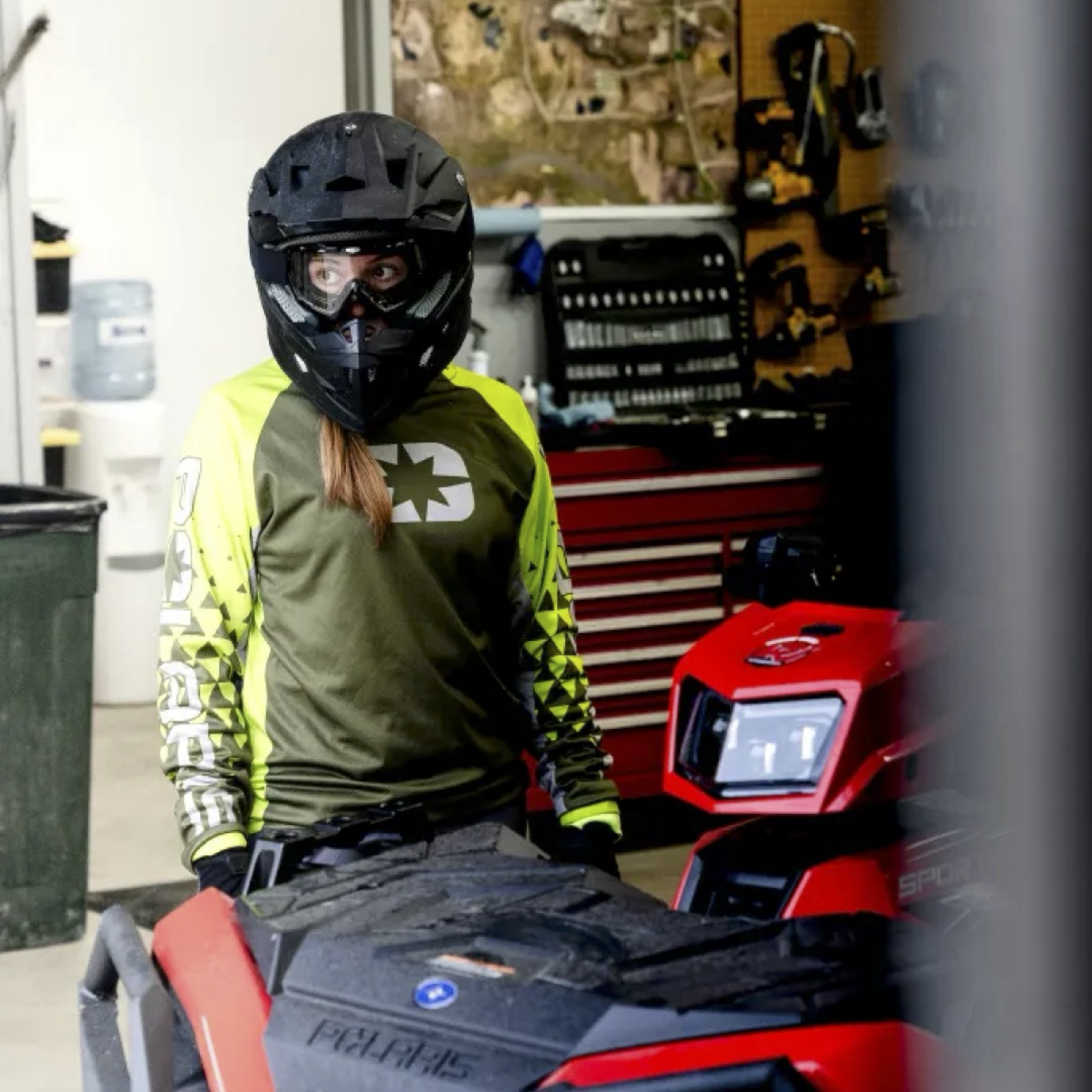
Woman in helmet on ATV

For Georgia-Pacific employees in Fort Dodge, the park sits down the road from where they work. It shows the plan for land after mining: habitat first, then recreation, then something the whole community uses.

Person riding ATV on trail

We’re proud to have been a part of this awesome project, and are always excited to see it being put to use!

See more ways that we’re a part of reclaiming tomorrow

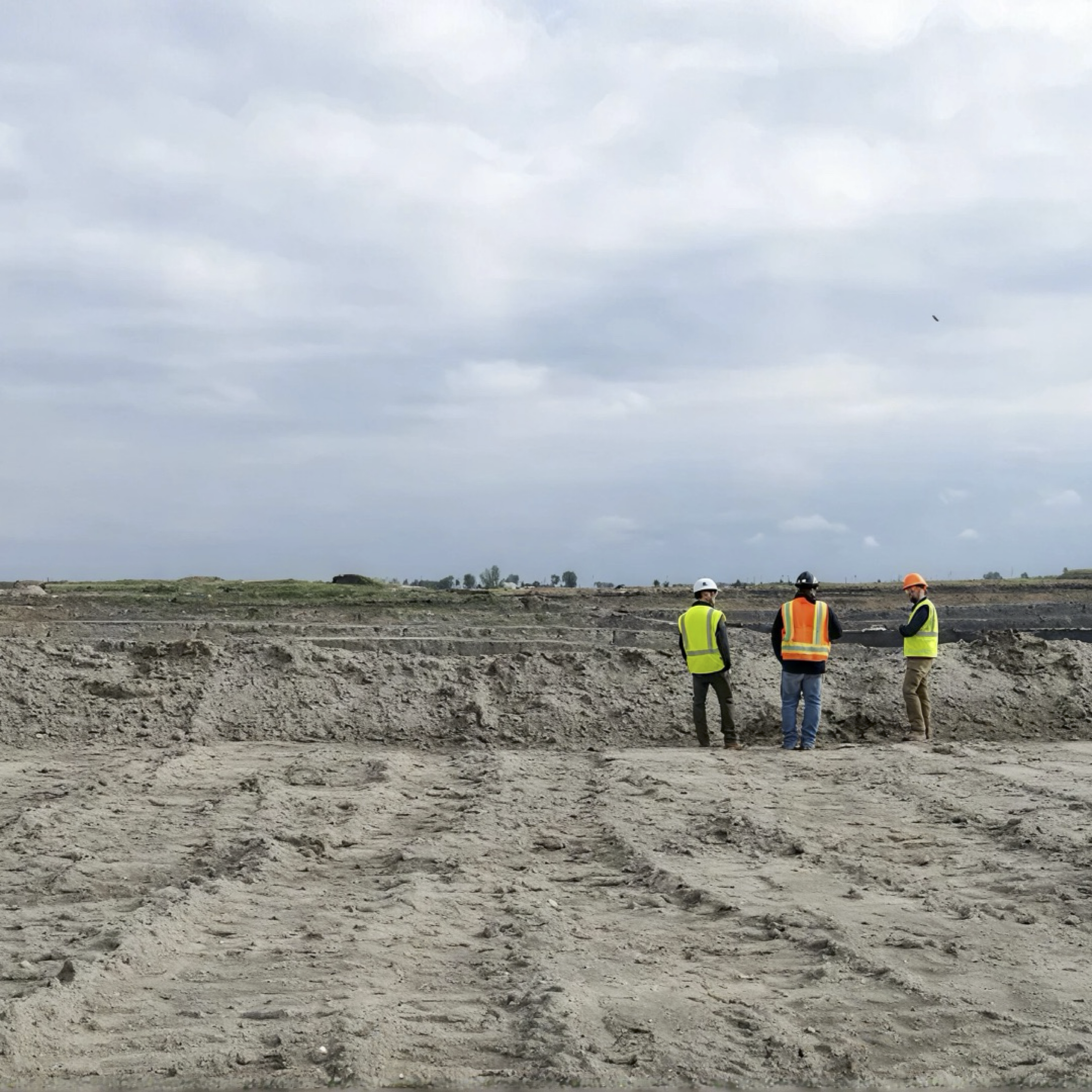
Workers looking out over former mining site

About Georgia-Pacific 
Based in Atlanta, Georgia-Pacific and its subsidiaries are among the world’s leading manufacturers and marketers of bath tissue, paper towels and napkins, tableware, paper-based packaging, cellulose and building products. Our familiar consumer brands include Angel Soft®, Brawny®, Dixie®, enMotion®, Quilted Northern®, Sparkle® and Vanity Fair®. Georgia-Pacific has long been a leading supplier of building products to lumber and building materials dealers and large do-it-yourself warehouse retailers. Its Georgia-Pacific Recycling subsidiary is among the world’s largest traders of paper, metal and plastics. The company operates more than 150 facilities and employs approximately 30,000 people directly and creates more than 80,000 jobs indirectly. For more information, visit: gp.com/about-us. For news, visit: news.gp.com. Follow Georgia-Pacific on LinkedIn, Meta, Instagram, X and YouTube.

View original content here.

AEG’s Crypto.com Arena marked a significant milestone in Los Angeles sports history with the unveiling of a statue honoring women’s basketball icon, Olympic champion and Hall of Famer Lisa Leslie in Star Plaza. The tribute celebrates Leslie’s extraordinary athletic achievements and enduring influence as a role model whose impact extends far beyond the court.

As one of the most accomplished athletes in professional basketball history, Leslie helped transform women’s sports and inspire generations of young athletes throughout her time playing for the Los Angeles Sparks. Her career set new standards for excellence, leadership and perseverance, while her visibility and success helped expand opportunities for women and girls pursuing their dreams in sports.

The installation recognizes not only Leslie’s achievements as a champion and pioneer, but also her lasting contributions to the cultural fabric of Los Angeles. Throughout her career, she demonstrated how sports can serve as a platform for empowerment, representation and community engagement, creating a legacy that continues to resonate across generations.

For decades, Crypto.com Arena has served as a gathering place where Los Angeles celebrates individuals whose accomplishments have helped shape the city’s identity. The addition of Leslie’s statue further strengthens the venue’s role as a destination where stories of achievement, leadership and inspiration remain accessible to residents and visitors from around the world.

The tribute arrives at a time of unprecedented growth and visibility for women’s sports, reflecting the increasing recognition of athletes whose contributions have expanded opportunities and challenged barriers. By preserving and celebrating these stories, institutions like Crypto.com Arena help ensure that future generations can see themselves reflected in the leaders and trailblazers who came before them.

Beyond commemorating an athletic career, the statue stands as a symbol of the power of representation and the importance of honoring individuals whose influence reaches beyond competition. Leslie’s legacy continues to inspire young people to pursue excellence, embrace leadership opportunities and create positive change within their communities.

As visitors gather in Star Plaza, they will encounter a lasting tribute to an athlete whose impact helped shape the future of basketball and elevate the profile of women’s sports globally. The monument reinforces the idea that achievement is measured not only by championships and accolades, but also by the ability to inspire others and create opportunities for future generations.

The addition of Lisa Leslie’s statue reflects AEG’s ongoing commitment to celebrating individuals whose accomplishments have left a lasting mark on sports, culture and community. By honoring transformative leaders and preserving their stories, Crypto.com Arena continues to serve as a landmark where excellence, inspiration and civic pride intersect.

Originally published on Aflac Newsroom

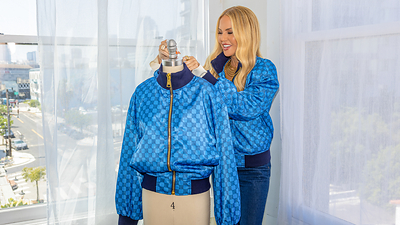
COLUMBUS, Ga., September 23, 2026 /3BL/ – A pioneer in cancer insurance, Aflac has spent seven decades helping people manage the emotional and financial burden of a cancer diagnosis. Today, as part of its Check for Cancer campaign that was launched last year, Aflac and fashion designer Rachel Zoe unveiled a limited-edition jacket that turns fashion into a prompt to check for cancer.

Take Aflac’s Cancer Screening Assessment at CheckForCancerNow.com and complete the entry form for a chance to win Rachel Zoe’s one-of-a kind jacket. The Aflac Fit Checks Sweepstakes goes live on Sept. 22, 2026, at 10 a.m. EDT.

The Check for Cancer campaign leverages Fit Checks, the popular social media trend where individuals show their outfits in a video, highlighting their styling choices. The uniqueness of Zoe’s jacket resides in a custom checkered pattern that features a QR code embedded into the print. Consumers can scan the design with a smartphone or tablet to visit CheckForCancerNow.com, where a simple-to-use Cancer Screening Assessment Tool provides information about screenings as a conversation starter with a healthcare professional. By completing the assessment and filling out the entry form, consumers are entered in a sweepstakes for a chance to win a Rachel Zoe jacket. The Aflac Fit Checks Sweepstakes goes live on Sept. 22, 2026, at 10 a.m. EDT.

According to the American Cancer Society, 1 in 3 people will develop cancer in their lifetime2, yet more than 90% of Americans say they have put off health checkups and screenings that could help save their lives3.

The recently released 2026 Aflac Wellness Matters Survey also underscores the importance of cancer prevention as nearly half of Americans (46%) are not aware of age recommended cancer screenings, and nearly 90% of Gen Z diagnosed with cancer admit to avoiding a screening2. The findings build on previous Aflac research showing that too many Americans delay preventive care and reinforce the need to make conversations about cancer screenings part of everyday life.

“Fit Checks is fashion with a purpose”, says Rachel Zoe. “Just like many Americans, cancer has touched many of my family members and close friends, and I have witnessed the impact firsthand. I jumped at the chance to design a jacket to spark conversations about the importance of cancer screenings and make early detection part of everyday life.”

“For more than seven decades, Aflac has helped people navigate the financial and emotional impact of cancer,” said Virgil Miller, president of Aflac Incorporated and Aflac U.S. “Aflac’s Check for Cancer is a natural evolution of our company’s commitment to sound the alarm and highlight the vital importance of early detection for more positive health outcomes. The Fit Checks Jacket by Aflac + Rachel Zoe brings that mission into everyday life in a way that is simple, visible and actionable.”

The Check for Cancer Fit Checks initiative -which has the ambitious goal of increasing cancer screenings by 10% by 2035—will extend to social media, collaborating with influential voices including cancer survivors and influencers Isabella Strahan and Bridget Bahl, as well as fashion designers Kevin Leonel and Lamiah Gholar. Together, we will bring the screening message to broader audiences in relatable, personal ways.

Visit CheckForCancerNow.com to find out which screenings you should schedule today.

ABOUT AFLAC INCORPORATED
Aflac Incorporated (NYSE: AFL), a Fortune 500 company, has helped provide financial protection and peace of mind for more than seven decades to millions of policyholders and customers through its subsidiaries in the U.S. and Japan. In the U.S., Aflac is the No. 1 provider of supplemental health insurance products.3 In Japan, Aflac Life Insurance Japan is the leading provider of cancer and medical insurance in terms of policies in force.4 The company takes pride in being there for its policyholders when they need us most, as well as being included in the World’s Most Ethical Companies by Ethisphere for 20 consecutive years (2026) and Fortune’s World’s Most Admired Companies for 25 years (2026). In addition, the company became a signatory of the Principles for Responsible Investment (PRI) in 2021. To find out how to get help with expenses health insurance doesn’t cover, get to know us at aflac.com or aflac.com/español.

Investors may learn more about Aflac Incorporated and its commitment to corporate social responsibility and sustainability at investors.aflac.com under “Sustainability.”

Frequently Asked Questions
Q: What is Check for Cancer?
A: Check for Cancer is Aflac’s national awareness campaign designed to encourage more Americans to stay up to date on recommended cancer screenings. The campaign uses the familiar checkered pattern as a visual reminder to learn about potential cancer risks and talk with a healthcare professional about appropriate screenings.

Q: How does the Cancer Screening Assessment Tool work?
A: The Cancer Screening Assessment Tool is an easy-to-use resource available at CheckForCancerNow.com. Based on information provided by the user, the tool offers general information about cancer screenings they may want to discuss with a healthcare professional. The tool is for educational purposes only and is not intended to provide medical advice, diagnosis or treatment recommendations.

Q: How can consumers get a Rachel Zoe Fit Checks jacket?
A: The limited-edition jackets are not available for purchase. Beginning Sept. 22, 2026, at 10 a.m. EDT, eligible consumers can visit CheckForCancerNow.com, complete the Cancer Screening Assessment Tool and complete the online registration form to receive one (1) entry into the Aflac Fit Checks Sweepstakes for a chance to receive one (1) while supplies last. No purchase is necessary. See official sweepstakes rules below for complete eligibility requirements and details.

ABOUT FIT CHECKS SWEEPSTAKES
No purchase necessary. Void where prohibited. Aflac Fit Checks Sweepstakes is open to legal residents of the 50 US & DC, 18 years of age or older as of the date of entry. Starts 10 a.m. EDT on 9/22/2026 and ends 11:59 p.m. EDT on 10/19/2026. For complete rules, visit CheckForCancerNow.com. Sponsored by Aflac Incorporated.

1 American Cancer Society, Cancer Facts & Figures 2025

2 Aflac 2026 Wellness Matters Survey, published August 2026

3 LIMRA 2025 U.S. Supplemental Health Insurance Total Market Report

4 As of March 31, 2025, Aflac estimates based on company data

MEDIA CONTACTS
Media contact: Jon Sullivan, 706-763-4813 or jsullivan@aflac.com
Analyst and investor contact: David A. Young, 706-596-3264, 800-235-2667 or dyoung@aflac.com

Aflac | Aflac New York | WWHQ | 1932 Wynnton Road | Columbus, GA 31999
Continental American Insurance Company | Columbia, SC

SOURCE Aflac


Originally published on Guiding Stars Health & Nutrition News

September brings on “reset” vibes that mimic the fresh start we look for in January. For many of us, this includes a return to meal planning and engaging in a plan, shop, and cook strategy that works for our household. It may also mark a return to the all-too-familiar strain of creating budget-friendly, nourishing meals, often influenced by the misconception that balanced, nutritious meals must be expensive.

To help, I’m thrilled to share a four-week meal planning guide, Balanced Meals on a Budget. It includes dietitian-approved recipes, weekly grocery lists, cooking tips, and resources. Many of the recipes earn Guiding Stars, and all of them make use of everyday ingredients and simple cooking methods. The guide is designed to diminish the stress of providing family meals, while also making the most of your shopping trip to save you time and money. And it goes beyond recipes and shopping lists. You’ll find nutrition guidance, ingredient-swapping tips to save money and reduce waste, and instructions for preparing convenient, versatile foods. 

To supplement the guide, here are our five strategies for meal planning and shopping on a budget.

Match Your Weekly Shopping Trip to Your Calendar

It only takes a moment with your calendar to save money and make the most of your weekly shopping trip. A glance at your upcoming schedule will remind you if there are busier days or longer nights that will make meal preparation or timing difficult. Choose recipes that provide more than one meal along with balanced snacks to fuel a long day. Then fill your cart with options that work together like puzzle pieces to make an active week more manageable. Lastly, go for pre-cut vegetables and pre-washed greens to save time (and possibly waste) in a busy week.

Save and Store (When it Makes Sense to Do So)

A sale is not savings unless it makes sense for your household. Especially when you must buy more to save. When a sale makes sense for you, stock up on whole grains, low-sodium canned goods, meat/poultry, and frozen foods to cover 3-5 meals. (Separate bulk meat and freeze as portions to defrost/cook.) Storing too much may lead to disorganization and increase the likelihood of food expiring before it’s used (leading to waste).   

Ingredient Prepping

Meal prepping isn’t the only strategy for meal planning. I favor ingredient prepping. This approach provides a variety of options that can be mixed and matched to create balanced, flexible meals. (And you won’t have to decide on Sunday what you will be eating all week.) To ingredient prep, make more protein than you need and slice and dice extra veggies. Leave some vegetables raw and cook some too, including starchy veggies like squash. Pair prepped ingredients with easy grains or starches to make grain bowls, wraps, salads, and more.

Make One, Freeze One (A Gift to Future You)

Clearly labeled frozen foods are a treasure when life gets busy or a meal idea eludes you. I highly recommend a “make one/freeze one” approach as much as possible. Casseroles, for example, can be divided into two smaller dishes—enjoy one now, and freeze one for another meal. Soups and stews are not too time-consuming to double, an approach that future you will be happy about. Be sure to clearly label and date foods before freezing. Add reheating instructions too, to save you (or someone else!) time.

Shop with Guiding Stars

Guiding Stars helps you cut through the noise in the store. Our shelf tags narrow down large, overwhelming sections so you can choose nutrient-dense foods that work best within your budget. Guiding Stars-earning foods are lower in attributes you’re likely trying to limit: saturated fat, sodium, added sugar, and some additives. And the Stars help you find foods higher in whole grains, fiber, omega fats, and live active culture (probiotics). Guiding Stars also pairs well with popular diets and serves as an overall beneficial approach that works with any dietary restrictions.

About Guiding Stars

Guiding Stars is an objective, evidence-based, nutrition guidance program that evaluates foods and beverages to make nutritious choices simple. Products that meet transparent nutrition criteria earn a 1, 2, or 3 star rating for good, better, and best nutrition. Guiding Stars can be found in more than 2,000 grocery stores, in Circana’ Attribute Marketplace, and through the Guiding Stars Food Finder app.

Key Takeaways

  • ISO 45001 is expected to be revised in 2027, with new and expanded emphasis on psychosocial hazards, worker well-being, climate change, worker diversity, occupational health, and return-to-work.
  • Organizations certified to ISO 45001:2018 do not need to make immediate changes, but understanding the draft requirements now can help make the eventual transition easier.
  • EHS teams can begin preparing without overhauling their management systems by evaluating potential gaps, strengthening worker participation and psychosocial risk processes, and reviewing contractor and external provider controls.

ISO 45001 is getting its first major update since it was published in 2018. A draft of the revised standard – ISO/DIS 45001 – is now out for international comment, which gives us our clearest look yet at where occupational health and safety management is headed.

ISO 45001 is the globally recognized international standard for Occupational Health and Safety (OH&S) management systems. It gives organizations a structured, risk-based framework for preventing work-related injury and ill health, meeting their legal obligations, and continually improving safety performance. Since 2018, it has helped organizations move from reactive safety practices to a proactive, leadership-driven approach and it remains the certifiable edition throughout this transition.

So why are we talking about it now? The Draft International Standard (DIS) was released in mid-2026 for a formal ballot and comment period among national member bodies. Based on current expectations from ISO and the certification bodies, the revised standard is anticipated sometime in 2027, most likely in the second half of the year. Once it’s published, certified organizations should expect a three-year transition window (consistent with the pattern for other ISO management system standards) to move from the 2018 edition to the new one.

What’s Changing for ISO 45001

Here is a walk-through of the anticipated changes. The requirements, wording, and even the clause numbering can still change before the final publication, so nothing here should be treated as final. Think of this as a preview.

Terms and Definitions (Clause 3)

  • Three new definitions are introduced: “work-related well-being,” “disability,” and “external provider.”
  • The definition of “OH&S risk” has been reworked, and the standalone general definition of “risk” from 2018 has been removed.
  • “External provider” replaces the previous references to “outsourcing,” and the definition of “workplace” is broadened to include remote settings – a home, a vehicle, or a public space.
  • The word “outcomes” is being replaced throughout with “results” (applied the same way), and the Annex has been significantly expanded to support clearer, more consistent interpretation.

Context of the Organization (Clause 4)

  • Climate change becomes an explicit consideration: organizations will need to determine whether climate change is a relevant issue when defining their context.
  • New notes provide examples of relevant internal and external issues to consider for OH&S.
  • A new requirement to take into account the diversity of workers when determining the needs and expectations of interested parties.

Leadership (Clause 5)

  • The title is streamlined, but the expectations on top management grow, including a clearer role in building a supportive culture and promoting the reporting of incidents, hazards, and risks with protection from reprisals.
  • The OH&S policy is expected to include new commitments: promoting consultation and participation of non-managerial workers, promoting work-related well-being, and top management serving as a role model.

Planning (Clause 6)

  • Hazard identification expands considerably to explicitly include new and changing technologies, digital platform-based work, remote workers, psychosocial hazards, occupational health hazards, and climate change impacts.
  • Risk assessment is expected to require defined methods and criteria, consideration of the combined impact of multiple hazards, and a process for prioritizing risks.
  • Opportunity assessment adds influencing and supporting external providers and considering health surveillance to prevent occupational disease.
  • A new standalone Clause 6.3, “Planning of Changes,” pulls change-planning out of the general planning text into its own requirement – mirroring the direction ISO 14001:2026 took.

Support (Clause 7)

  • Competence is expected to carry a firm requirement to provide training at no cost, during working hours, at the regular rate of pay (language that previously lived mainly in the notes).
  • Awareness expands to include protection from pressure, intimidation, harassment, and retaliation when reporting, along with awareness of reporting processes and investigation results.
  • Communication adds consideration of worker diversity and the need for sensitivity and confidentiality of personal or health-related information.

Operation (Clause 8) 

  • This is the most structurally significant area. Operational planning adds requirements to improve work-related well-being and to reassess controls on-site for situations that can’t be fully assessed in advance.
  • The hierarchy of controls is refined – expanding administrative controls, personal protective equipment (PPE) that provides effective protection and proper fit for each worker, consideration of worker diversity, and providing PPE at no cost.
  • A brand-new Clause 8.1.3, “Occupational Health,” addresses anticipation and control of health hazards, early detection of ill health, access to occupational health services, and reasonable adjustments.
  • A brand-new Clause 8.1.4, “Return to Work Following Injury and Ill Health,” covers supporting recovery, safe reintegration, consultation on adjusted duties, and protection from reprisals.
  • “Procurement” is reframed as “Externally Provided Processes, Products, and Services,” with OH&S selection criteria and contractual requirements; the old outsourcing/contractor sub-structure is consolidated.
  • Emergency preparedness adds personal emergency evacuation plans for people with disabilities and their involvement in planning.

Performance Evaluation (Clause 9)

  • Monitoring and measurement content is reorganized under a clearer structure.
  • Management review is split into General, Inputs, and Results.

Improvement (Clause 10) 

  • The section is reordered and retitled to align with the latest ISO management system format – leading with Continual Improvement, followed by Nonconformity and Corrective Action.
  • The core expectations around identifying nonconformities, taking corrective action, and driving continual improvement remain largely consistent with 2018.

What Do the ISO 45001 Changes Mean for Your Business?

If you’re currently certified to ISO 45001:2018, none of this requires immediate action, but the direction the standard is heading is clear, and early awareness makes the eventual transition easier. As the draft matures, these are the areas where certified organizations should expect to focus their attention:

  • Psychosocial and well-being: Be ready to treat psychosocial hazards and work-related well-being as systematic parts of your risk process. Alignment with ISO 45003 concepts will help. ISO 45003 is the companion guidance standard to ISO 45001 focused on psychological health and safety, providing organizations with a structured approach to identifying and managing psychosocial hazards like excessive workload, fatigue, workplace conflict, organizational change, and other work-related stressors. For organizations operating internationally with newly proliferating and expanding psychosocial risk requirements this may not come as a surprise, but many organizations are still struggling with the development and roll-out of a globally applicable program. This takes time to get it right and starting the lay the groundwork early should pay off well for many organizations.
  • Climate and context: Expect to show that you’ve considered whether climate change is a relevant issue and how it affects your workers and operations.
  • Diversity of workers: Anticipate demonstrating how worker diversity shapes your hazard identification, controls, communication, and emergency planning.
  • Occupational health and return-to-work: These are new, dedicated requirements – many organizations will need to formalize processes that today are informal or HR-owned.
  • External providers: Review how you select, contract with, and oversee suppliers and contractors, since the expanded “externally provided” language broadens your scope of control.
  • Documentation and terminology: Plan to refresh policies, procedures, glossaries, and training materials to reflect new terms and updated language.

What to Do Now, While We Wait

There’s no need to rewrite your management system against an unpublished draft. But there is meaningful, low risk work you can do today to get ahead, and much of it strengthens your 2018 system regardless of the final wording of the standard.

Organizations that also maintain an ISO 14001 environmental management system may already be navigating similar changes. Reviewing the latest ISO 14001:2026 updates alongside the proposed ISO 45001 revisions can help identify opportunities to address changes across an integrated management system.

A practical starting checklist:

  1. Keep maintaining ISO 45001:2018 – it remains the certifiable standard, and a strong current system is the best foundation for any transition.
  2. Watch the timeline – track the DIS and FDIS stages so you know when the requirements firm up and the transition clock is likely to start.
  3. Run an early, informal gap assessment against the draft themes – psychosocial risk, well-being, diversity, climate, occupational health, and return-to-work – to see where you already have coverage or gaps.
  4. Strengthen worker participation and psychosocial risk evaluation now – these are consistent themes across the draft and rarely end up as wasted effort.
  5. Review your legal and “other requirements” processes so new obligations can be folded in smoothly.
  6. Check your external provider and contractor controls against the broader “externally provided” direction.
  7. Use the draft changes to shape your next management review – a simple readiness discussion with leadership goes a long way toward a less disruptive transition later.

How Antea Group Can Help

When you’re ready to prepare, our team can help you make the shift with confidence. Our support includes:

  • Management system updates to align policies, procedures, registers, and document-control language with the revised standard.
  • Internal audits or gap assessments against your current 2018 system now, and transition audits against the new edition when it’s published.
  • Training, specialized support, and programmatic development (local or global) in emerging focus areas such as psychosocial risk, Total Worker Health, and safety culture.

If you have questions about the ISO 45001 revision or want to start planning your transition, our experts are ready to help – reach out anytime.

Previously published by BriefGlance.com

Daniel Howard

When a company releases its annual corporate impact report, the document is often a curated collection of feel-good statistics designed for the PR circuit. Yet, Subaru of America’s eighth annual report, released today, offers something more: a detailed blueprint of a system where corporate social responsibility (CSR) is not an appendage, but the central gear in its operational engine. The report, detailing massive charitable donations, significant environmental progress, and top-tier industry awards, paints a picture of a company that has successfully integrated its ‘Love Promise’ philosophy into a formidable market strategy.

Subaru’s tagline, ‘More Than a Car Company®’, has been a cornerstone of its marketing for years. This latest report, however, provides the data to back it up, showcasing a complex interplay between community engagement, employee satisfaction, product engineering, and ultimately, brand dominance. It’s a case study in how purpose, when systematically applied, can become a powerful driver of both social good and commercial success.

The ‘Love Promise’ Quantified

At the heart of Subaru’s community-facing efforts is the Share the Love® Event, a program that has become a behemoth of corporate philanthropy. The 2025 event channeled more than $26 million to a combination of national charity partners and, notably, a record 839 local charities. This dual approach allows the automaker to support large, established causes while also empowering its retailers to direct funds toward grassroots organizations that matter to their specific communities. It’s a decentralized system designed for maximum local resonance.

“From our Subaru Share the Love® Event, which keeps growing every single year because it’s powered by real commitment, to the long-term partnerships we’ve built around environment, health, education, pets, and community, this report shows what it looks like when a company lives up to its values,” said Jeff Walters, President and Chief Operating Officer of Subaru of America, Inc.

Beyond this flagship event, the commitment deepens. The report highlights a direct injection of $1.6 million into charitable and nonprofit organizations in its hometown of Camden, New Jersey, demonstrating a tangible investment in the community where it is headquartered. This is complemented by the mobilization of its workforce; employees logged over 15,000 volunteer hours nationwide in 2025. These are not abstract numbers but represent thousands of meals served, parks cleaned, and students mentored, forming a system of direct action that reinforces the brand’s message at a human level.

A Blueprint for Brand Dominance

While the philanthropic numbers are impressive, what fascinates from an analytical perspective is how this social investment translates into market-leading brand equity and consumer trust. The report’s claims are validated by some of the most respected third-party arbiters in the business.

For the third consecutive year, Forbes named Subaru one of the top three brands on its 2025 Best Brands for Social Impact list. This isn’t a niche award; the ranking is the result of over 4.4 million consumer ratings across thousands of brands, evaluating them on trust, values, and community support. Subaru’s consistent high placement, and its position as the top-ranked automotive brand, confirms that its message is not just being broadcast, but received and believed by the public.

Crucially, this perceived goodwill is paired with exceptional product validation. In a significant achievement, Consumer Reports named Subaru its Best Overall Automotive Brand for 2025. This accolade is notoriously difficult to earn, based on a rigorous, independent evaluation of road-test performance, reliability, owner satisfaction, and safety. Unlike the Forbes list, which measures perception, the Consumer Reports award is a cold, hard assessment of product quality. Securing the top spot on both lists in the same year is a rare feat, suggesting Subaru has built a system that delivers on both its promises and its products. It has cracked the code of being seen as both virtuous and valuable.

Engineering for a Better World

The company’s philosophy extends deep into its industrial and engineering processes. The report’s claim of eliminating 120,000 pounds of single-use plastic from its supply chain is a prime example. Achieved through a new clearcoat technology during vehicle shipping, it represents a change at a fundamental, operational level—not a one-off initiative. This action builds on the company’s long-standing commitment to zero-landfill manufacturing, a standard it applies to all its production facilities. These aren’t peripheral projects; they are systemic changes to the core business of building and delivering cars.

This same ethos of integrated responsibility is evident in its approach to safety. The decision to make its EyeSight® Driver Assist Technology standard on 100% of its 2025 model year vehicles sold in the U.S. is a significant move. In an industry where such advanced features are often bundled into expensive optional packages, standardizing them democratizes safety. This commitment is reflected in the results: four models, including the popular Forester and Ascent, earned 2025 TOP SAFETY PICK awards from the Insurance Institute for Highway Safety (IIHS). By engineering safety as a default, not an upgrade, the automaker reinforces its brand promise of protection.

This holistic system—linking community action, brand perception, and core engineering—is what makes Subaru’s report so compelling. It demonstrates that being ‘More Than a Car Company’ is less about a slogan and more about a sophisticated, and highly effective, operational strategy.

Continue reading here.

Coming up with an idea for a business can be exciting. Figuring out whether anyone else actually cares about it is harder.

For college students and young adults, uncertainty can be enough to stop an idea before it starts. You may wonder whether you need a website, a logo, paid advertising, expensive equipment, or a detailed business plan before you can find out if the idea has potential.

You don’t. Before you build a business, test the idea.

The goal of a 48-hour business test isn’t to create a polished company in two days. It’s to get one piece of evidence that somebody besides you cares about what you’re offering.

What service or product can you offer to someone in the next 48 hours?

Start by describing your idea in one sentence: what are you offering, and who is it for?

Keep it specific. Instead of saying, “I shoot videos,” try, “I’m a videographer for college students and events.” Instead of “I do social media,” try, “I create short-form content for local restaurants.”

Your offer should be something you could realistically deliver. The goal is not to make the idea sound bigger than it is. It’s to make it easy for another person to understand.

How much should you charge for your small business services?

Pick a real price, even if it’s provisional.

This can feel uncomfortable when you’re testing an idea, especially if you’re a student doing something for the first time. But asking people whether they “like” an idea doesn’t tell you much. A real price gives you a more useful test.

You can always change the price later. For now, the question is whether someone sees enough value in the offer to consider paying for it.

How do you know if your business idea or product is actually good?

Create one example of the thing you want to sell.

If you’re a designer, make a sample social graphic. If you’re a photographer, show a small portfolio or create a sample shoot. If you’re a writer, put together a short example. If you’re offering tutoring, explain what a session would actually include.

You don’t need dozens of examples. One strong piece of proof can make your offer much easier to understand than a paragraph explaining what you could do.

What is the best way to share your business idea so people can see it?

Now put the offer somewhere a real person can see it.

A simple landing page or website can give you an owned place to explain the offer, show your example and tell people how to contact you. It doesn’t need to be elaborate. At this stage, the website is part of the experiment, not the finished business.

GoDaddy Airo can help you get a simple online presence up and running, giving you a place to put your idea in front of potential customers without turning the test into a major project.

You can also share the offer through places where people who might actually need it already spend time: classmates, friends-of-friends, local businesses, student organizations or your social channels.

How many people should you ask to see if your business is a good idea?

On day two, show your offer to 10 or 20 potential customers and ask for a response.

Don’t just ask, “Do you think this is a good idea?” Ask something that gives you useful information: Would you pay for this? What would make you consider it? What questions do you have? What would stop you from buying it?

Then pay attention to what happens.

Clicks are evidence. Replies are evidence. Questions are evidence. An introduction to someone who might need the service is evidence. And, best of all, someone willing to pay is evidence.

You don’t need everyone to say yes. You’re looking for a signal that the idea is worth exploring further.

If the response is weak, don’t automatically assume the idea is bad.

Maybe the offer wasn’t clear. Maybe the price was wrong. Maybe you showed it to the wrong people. Maybe the problem isn’t urgent enough. The point of a test is to learn, not to get a perfect score.

Change one thing and run the test again. You can adjust the offer, the audience, the price or the way you present it.

That’s still progress. You learned something without spending months building a business that nobody asked for.

Can you test a business idea in just 48 hours?

You probably can’t build an entire business in 48 hours. You can, however, learn whether someone is interested enough to take a next step.

That’s the advantage of starting with an experiment. It keeps the risk small and replaces some of the guesswork with real-world feedback.

Maybe your idea turns into a side business. Maybe it becomes a freelance service. Maybe you discover that the original idea needs to change. Or maybe you decide it’s not worth pursuing.

All of those outcomes are more useful than spending months wondering whether your idea could work.

How do you test your business idea? 

If you have a business idea, you don’t need to prove that you can build a huge business. You just need to find out whether the idea creates enough value for someone to care.

Give yourself 48 hours. Define the offer. Pick a price. Make one example. Put it somewhere people can see it. Then ask real people what they think and whether they’re willing to take the next step.

The best outcome isn’t necessarily a sale. It’s learning enough to know what you should do next.

Because before you spend serious time or money building a business, it’s worth finding out whether there’s something there to build.

Where can you find free tools for college students to test your small business idea?

For college students ready to test, build or launch their business, GoDaddy Empower is offering a free domain and access to website building tools for three years.*

To learn more, visit www.godaddy.com/godaddy-for-good/empower. 
 

*Offer only available in US higher education institutions at this time.

Originally published on Tork Newsroom

GREEN BAY, WI and APPLETON, WI, September 23, 2026 /3BL/ — Tork, an Essity brand and the global leader in professional hygiene, and the Green Bay Packers are launching the sixth annual Tackle Hygiene with Every Catch campaign for the 2026 season. Starting with the Packers’ first home game on September 24 through their fifth home game on November 15, Tork will donate $250 in sustainable hygiene products for every Packers catch made at Lambeau Field to Ronald McDonald House Charities® of Eastern Wisconsin, an organization supporting families with children receiving medical treatment at local hospitals. Donations from this year’s campaign will help deliver up to $30,000 in sustainable hygiene products such as Tork facial tissue, toilet paper, paper towels, hand sanitizer and disinfecting wipes.  

To date, the Tackle Hygiene with Every Catch campaign with the Green Bay Packers has donated $136,750 in Tork sustainable hygiene products to local charities, underscoring the commitment of these organizations.   

“Six years into the Tackle Hygiene with Every Catch campaign, we’re excited to continue building on this partnership both on and off the field,” said Justin Wolf, director of corporate partnerships sales and activations for the Green Bay Packers. “Every catch our fans cheer for provides sustainable hygiene products to families in need throughout our community. Together with Tork, we are enhancing the fan experience at Lambeau Field while making a meaningful impact beyond gameday and reinforcing our dedication to supporting those who need it most.” 

Building a welcoming experience for every fan 

Creating a welcoming experience for every fan is central to Lambeau Field’s mission, a commitment shared with the Tork brand. Through its inclusive hygiene in public restrooms program, Tork is helping remove barriers to hygiene in public restrooms and making these spaces more accessible for everyone. This commitment was recently recognized through the world’s first Design for All (EN 17161) certification, awarded to the Tork dispenser development process. At Lambeau Field, this translates to more than 2,100 dispensers providing paper towels, toilet paper, napkins, wipers, soap and sanitizer, purposely designed so all fans can more easily access the hygiene products they need.Accessibility extends beyond the restroom experience. In partnership with organizations like KultureCity and Ticketmaster, Lambeau Field is fostering an environment where all fans, including those with sensory sensitivities, can feel welcome and supported throughout gameday. “Lambeau Field’s KultureCity certification, paired with the Sensory Activation Vehicle presented by Ticketmaster, gives fans who are neurodivergent and those with sensory sensitivities the tools they need to fully enjoy gameday,” said Uma Srivastava, executive director of KultureCity and member of the Tork Coalition for Inclusive Hygiene. “Add in partners like Tork, who bring that same commitment into the restrooms and concourses, and you get a stadium experience that’s welcoming from the ground up.”

Comfort and care beyond the stadium  

Since opening in 1984, Ronald McDonald House Charities® of Eastern Wisconsin has provided a welcoming space for families with children receiving medical treatment at Children’s Wisconsin, Rogers Behavioral Health, and other area hospitals, supporting more than 52,000 family stays from Wisconsin, across the United States, and dozens of countries. This year’s Tackle Hygiene with Every Catch donations from Tork will help supply sustainable hygiene products that support cleaner and more comfortable shared spaces.

“Families come to Ronald McDonald House during some of the most challenging moments of their lives, caring for children with serious illnesses or complex medical needs,” said Carl Lockrem, director of development, Ronald McDonald House Charities® of Eastern Wisconsin. “In that environment, access to hygiene products is more than a convenience — it helps create a cleaner, more comfortable and supportive space where families can focus on their child’s care. We’re grateful to Tork and the Green Bay Packers for helping us provide that sense of comfort and care when families need it most.”  

From Lambeau Field’s gates to Ronald McDonald House’s doors, Tork, the Packers and RMHC® Eastern Wisconsin share a common goal: making sure people feel welcomed, supported and cared for, wherever they are away from home. 

About Tork 

The Tork brand offers professional hygiene products and services to customers worldwide ranging from restaurants and healthcare facilities to offices, schools and industries. Our products include dispensers, paper towels, toilet tissue, soap, napkins, wipers, but also software solutions for data-driven cleaning. Through expertise in hygiene, functional design and sustainability, Tork has become a market leader that supports customers to think ahead so they’re always ready for business. Tork is a global brand of Essity, and a committed partner to customers in over 110 countries. To keep up with the latest Tork news and innovations, please visit https://www.torkglobal.com/.

About Essity

Essity is a global, leading hygiene and health company. Every day, our products, solutions and services are used by a billion people around the world. Our purpose is to break barriers to well-being for the benefit of consumers, patients, caregivers, customers and society. Sales are conducted in approximately 150 countries under the leading global brands TENA and Tork, and other strong brands such as Actimove, Cutimed, JOBST, Knix, Leukoplast, Libero, Libresse, Lotus, Modibodi, Nosotras, Saba, Tempo, TOM Organic and Zewa. In 2025, Essity had net sales of approximately $14 billion and employed 36,000 people. The company’s headquarters is located in Stockholm, Sweden and Essity is listed on Nasdaq Stockholm. 

Essity in Appleton, Neenah and Menasha, Wisconsin 

Essity has approximately 790 employees in the Fox Cities, including nearly 610 between its Menasha mill and Neenah converting facility, which manufacture the Tork® brand of toilet paper, napkins and paper towels, and 183 at its Service Excellence Center in Appleton. In addition to Wisconsin, Essity has U.S. operations in Alabama, Connecticut, Delaware, Kentucky, Ohio, Oklahoma, New Jersey, North Carolina, Pennsylvania, Texas and Washington.

Learn more at essityusa.com. 

About the Green Bay Packers

The Green Bay Packers, an iconic professional American football team established in 1919, are the only community-owned team in U.S. professional sports, with more than half a million fans owning shares in the club. Remarkably, though the team plays in Green Bay, Wisconsin—by far the smallest city in the National Football League with just over 100,000 residents—the Packers are the league’s most successful franchise, with 13 championships, including four Super Bowls.

About Ronald McDonald House Charities® of Eastern Wisconsin

Ronald McDonald House Charities® of Eastern Wisconsin, Inc. is a nonprofit 501(c)(3) organization that provides essential services to remove barriers, strengthen families and promote healing when children need healthcare. Since opening in 1984, RMHC Eastern Wisconsin has provided a supportive and compassionate community for families with children receiving medical treatment far from home. With the help of more than 430 dedicated volunteers, the organization has supported nearly 60,000 family stays from Wisconsin, all 50 states and 49 foreign countries. For more information, visit www.RMHC-EasternWI.org.

September 23, 2026 /3BL/ – Inogen Alliance welcomes WISER Group as its newest Associate company in Hungary. This strategic addition strengthens our presence in the EMEA region, further expanding our ability to deliver high-quality environmental, health, safety, and sustainability (EHS&S) services through a truly global network of local experts. With extensive experience supporting manufacturers, construction companies, and multinational organizations across Hungary, WISER Group enhances the Alliance’s ability to provide local insight and practical EHS support in a strategically important Central European market. As our multinational clients continue to grow and evolve, expanding our geographic reach as well as offering innovative solutions remains a key priority to ensure consistent, on-the-ground support wherever they operate.

With more than 70 Associate companies and over 6,000 consultants worldwide, the Alliance continues to grow as a trusted global partner, connecting regional expertise with global coordination to solve complex challenges. The addition of WISER Group reflects our ongoing commitment to strengthening coverage in key markets, enhancing collaboration across regions, and delivering innovative, locally informed solutions that support sustainable business practices at scale.


About WISER Group

WISER Group is a Hungary-based EHS consultancy with more than 15 years of experience, supporting multinational companies and SMEs across a wide range of industries, including construction and building materials, automotive and manufacturing, food and consumer goods, and telecommunications. Their core expertise covers occupational health and safety, fire protection, environmental compliance and construction safety.

“Becoming part of Inogen Alliance marks an important milestone in WISER Group’s development. It enables us to combine the agility and local expertise of our team with a truly global network, allowing us to support international clients consistently across borders while continuing to deliver the practical, high-quality EHS solutions our clients expect from us.”- László Kozák, Managing Director, WISER Group


Every Associate company admitted to Inogen Alliance undergoes a comprehensive evaluation process to ensure alignment in values, technical capabilities, and geographic fit. Approved by our Board of Directors, each new addition strengthens the expertise, collaboration, and trusted relationships that define our global network.

Inogen Alliance is a global network made up of over 70 of independent local businesses and over 6,000 consultants around the world who can help make your project a success. Our Associates collaborate closely to serve multinational corporations, government agencies, and nonprofit organizations, and we share knowledge and industry experience to provide the highest quality service to our clients. If you want to learn more about how you can work with Inogen Alliance, you can explore our Associates or Contact Us. Watch for more News & Blog updates, listen to our podcast and follow us on LinkedIn.

Privacy Overview

This website uses cookies so that we can provide you with the best user experience possible. Cookie information is stored in your browser and performs functions such as recognising you when you return to our website and helping our team to understand which sections of the website you find most interesting and useful.