The event, held August 18-20, brought together 280 participants and showcased technologies aimed at the future of construction
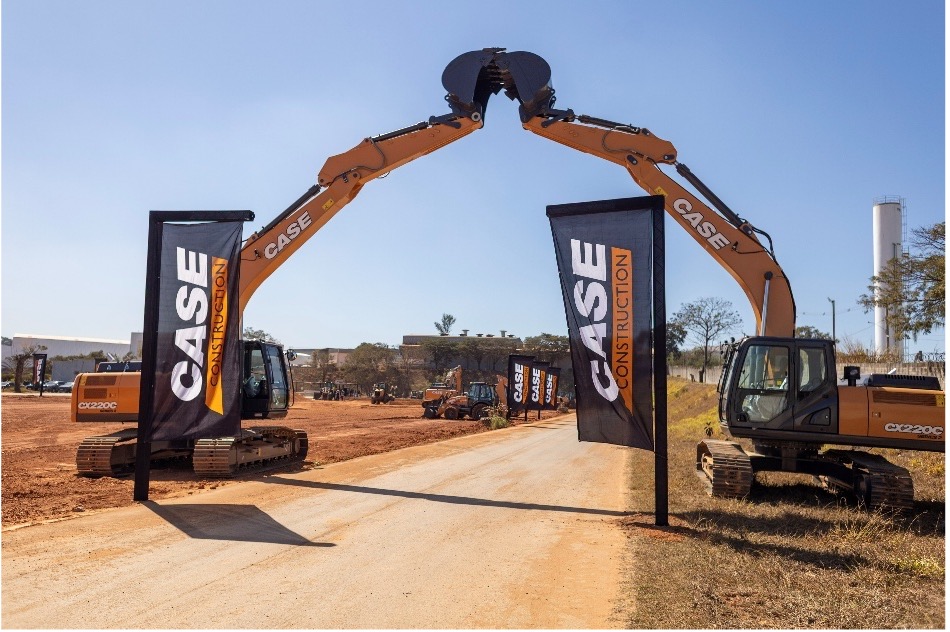
From August 18 to 20, CASE Construction Equipment, a CNH brand, welcomed customers, partners, and the press to the Construction Experience Center (CEC) in Sarzedo (MG) to provide a hands-on demonstration of its product portfolio and the key trends and technologies shaping the future of the construction industry. Opened just over a year ago, the facility hosted the CASE Experience, which also featured the 721E ethanol-powered wheel loader—a concept project currently in the testing phase and the first machine of its kind to run on ethanol.
Held in a facility dedicated to experimentation and training, the event allowed guests to get an up-close look at equipment and projects representing different areas of the brand’s operations, including operational efficiency, electrification, sustainability, and innovation.
Among the highlights presented during the event is the ethanol-powered CASE 721E wheel loader, a concept design developed from the 721E platform and adapted to the needs of the sugar and ethanol industry. Still in the testing phase and with no immediate plans for commercialization, the equipment was developed to run on ethanol—a fuel produced by the mills themselves—with the potential to reduce dependence on diesel and cut greenhouse gas emissions.
SWORDS, Ireland, August 27, 2026 /3BL/ – Trane Technologies (NYSE: TT), a global climate innovator, today announced a major milestone in building automation research: the development of a Model‑Based Predictive Control (MPC) system powered by Neural Ordinary Differential Equations (Neural ODEs) forecasting. The MPC system combines intelligent optimization with advanced predictive modeling to deliver near‑optimal control of building performance, while Neural ODEs provide a powerful, flexible prediction engine that helps unlock new levels of energy efficiency, comfort and cost savings.
Based on research conducted at the BrainBox AI Trane Technologies AI Lab, with support and contributions from leading AI researchers at Mila, Quebec Artificial Intelligence Institute, the concept is akin to modern navigation apps that optimize the most efficient travel routes while balancing user-defined constraints, such as avoiding highways or tolls. MPC with Neural ODEs applies the same principle to building systems. This technique requires significantly less cloud computing energy than traditional Long Short-Term Memory (LSTM) models, supporting more sustainable and efficient AI use.
Operationally, the system can pre-cool a building in the summer or pre-heat it in the winter ahead of peak energy price periods, then minimize system operation when prices are highest, while maintaining predefined comfort parameters. In early testing, the control strategy demonstrated energy savings of up to 19%, exceeding BrainBox AI’s existing control algorithms by more than 3%. While still in the exploratory phase, these findings demonstrate strong potential for commercialization, following further advancement through field trials as a next step.
“MPC with Neural ODEs demonstrates what is possible when cutting‑edge mathematical modeling meets real‑world building challenges,” shared Jean-Simon Venne, President, Founder, Chief Technology Officer of BrainBox AI and Head of the AI Lab. “It allows us to simulate thousands of potential future control strategies in seconds and choose the path that positively impacts costs, emissions and occupant comfort. It marks a giant leap in the advancement of true predictive autonomy for HVAC systems, and we are proud to lead the industry in this new era of smart building control.”
The system uses a physics-informed Neural ODE model to predict thermal behavior. This enables smart buildings to proactively manage building energy systems rather than simply reacting to real-time changes. Unlike traditional reactive control, which waits for sensors to detect changes before taking action, predictive control leverages forecasts to determine an optimal path while simultaneously balancing multiple objectives and constraints.
Key features of MPC with Neural ODEs include:
Objective-driven control: Balances multiple objectives, such as lowering energy costs and reducing carbon emissions.
Scalable deployment: Requires less training data and fewer computational resources, accelerating onboarding of new buildings.
Customizable constraints: Integrates parameters such as comfort ranges, equipment cycling frequency and grid emissions profiles for each building.
Real-time re-optimization: Updates optimization at each control cycle, adapting instantly to changing conditions, sensor inputs and forecasts.
Transparent insights: Provides clear, user-friendly feedback and reporting to help users and building managers understand what drives optimization choices.
MPC with Neural ODEs is engineered to support a wide range of applications, from demand response to overall energy reduction, by adjusting the objective function and weighting factors such as peak‑demand cost or total energy use. This flexibility enables buildings to intelligently reduce peak demand use and respond dynamically to grid conditions. By incorporating emissions data from energy providers, the approach can also help buildings improve sustainability outcomes alongside operational efficiency.
To learn more about the technical research, read the published findings in “Neural differential equations for temperature control in buildings under demand response programs,” published in Applied Energy and available on ScienceDirect.
# # #
About Trane Technologies Trane Technologies is a global climate innovator. Through our strategic brands Trane® and Thermo King®, and our portfolio of environmentally responsible products and services, we bring efficient and sustainable climate solutions to buildings, homes and transportation. Visit tranetechnologies.com.
Forward-Looking Statements This news release includes “forward-looking statements” within the meaning of securities laws, which are statements that are not historical facts, including statements that relate to the Company’s AI innovation initiatives and the anticipated benefits of the BrainBox AI Trane Technologies AI Lab and related technologies. These forward-looking statements are based on our current expectations and are subject to risks and uncertainties, which may cause actual results to differ materially from our current expectations. Factors that could cause such differences can be found in our Form 10-K for the year ended December 31, 2025, as well as our subsequent reports on Form 10-Q and other SEC filings. New risks and uncertainties arise from time to time, and it is impossible for us to predict these events or how they may affect the Company. We assume no obligation to update these forward-looking statements.
At DP World’s Prince Rupert terminal, the equipment that keeps cargo moving is becoming more efficient, and lower emission.
DP World recently launched its first hybrid rubber-tired gantry (RTG) crane retrofit at the terminal, converting an existing diesel-powered crane into a hybrid diesel-electric system that has reduced fuel consumption by more than 60% compared with a conventional diesel RTG. The upgrade is expected to avoid approximately 100 tonnes of CO₂e emissions annually.
The project represents a practical approach to port decarbonization: improving the environmental performance of existing equipment while maintaining the reliability and flexibility required to keep one of Canada’s key trade gateways moving.
Making Existing Equipment More Efficient
The retrofit replaces the RTG’s large diesel engine with a smaller 80 kW generator that charges onboard batteries as needed. The system also captures energy generated as containers are lowered and puts it back to use, further reducing fuel consumption.
Unlike a fully electric crane, the hybrid RTG does not require external charging infrastructure, allowing it to move independently throughout terminal operations while still delivering significant fuel and emissions reductions.
The benefits extend beyond sustainability. The hybrid system is also expected to reduce engine maintenance costs and improve crane reliability, demonstrating how investments in lower-emission technology can support environmental and operational performance at the same time.
“This retrofit is a practical example of how we are advancing decarbonization across our operations while maintaining high levels of productivity and performance,” said Doug Smith, CEO of DP World in Canada. “By integrating hybrid technologies into existing equipment, we can reduce emissions, improve fuel efficiency, and scale solutions that support more sustainable supply chains.”
Prince Rupert currently operates six RTGs. The first hybrid conversion was completed this year, with additional retrofits planned in the coming years as part of DP World’s broader equipment modernization and decarbonization strategy.
Building a Lower-Emission Gateway at Prince Rupert
The hybrid RTG is the latest in a series of initiatives aimed at reducing the environmental footprint of operations at Prince Rupert.
In 2025, DP World and its partners at the Port of Prince Rupert displaced more than 2 million litres of conventional diesel with renewable fuel, representing nearly 24% of conventional diesel use across participating port operations. The transition was equivalent to avoiding approximately 5,400 metric tonnes of CO₂ emissions, with renewable diesel deployed across cargo-handling equipment, trucks, locomotives, and marine vessels.
Shore power is also helping reduce emissions from vessels while they are at berth. Infrastructure at DP World’s Fairview Container Terminal allows ships to shut down their auxiliary diesel engines and connect to British Columbia’s hydroelectric grid, with expanded shore power capacity forecast to reduce carbon emissions by nearly 30,000 tonnes annually.
These investments are advancing sustainability alongside growth. Fairview Container Terminal handled nearly 886,000 TEUs in 2025, as intermodal container volumes increased 20% year over year.
Advancing Sustainable Operations Across Canada
Prince Rupert is one part of a broader effort to test and scale lower-emission technologies across DP World’s Canadian network.
At the Port of Vancouver, DP World piloted a hydrogen-powered RTG crane as another potential pathway for reducing emissions from cargo-handling equipment. The company’s Vancouver and Fraser Surrey terminals were also recognized with 2026 Blue Circle Awards from the Vancouver Fraser Port Authority for their participation in the Energy Action Program and ongoing work to improve energy efficiency. The recognition marked the third consecutive award for Vancouver and the second consecutive award for Fraser Surrey.
DP World also achieved Green Marine recertification across four Canadian terminals in 2026, reflecting continued progress against environmental performance benchmarks spanning areas such as air emissions, waste management, spill prevention, and community impacts.
Together, these initiatives reflect a multi-pronged approach to sustainability in Canada — combining cleaner fuels, equipment innovation, electrification, energy efficiency, and ecosystem protection.
At Prince Rupert, the new hybrid RTG shows how that transition can happen one piece of equipment at a time: reducing fuel consumption and emissions while keeping the cargo, businesses, and communities that depend on global trade moving.
When a real patient arrived during a stroke-response training exercise, clinicians didn’t hesitate—they acted. That moment became early proof that Salta Stroke 360° wasn’t just preparing teams for emergencies but building a system ready to respond when every second matters.
When training turns into reality
It was supposed to be a simulation. Clinicians participating in a stroke-response training exercise were running through different possible scenarios when the unexpected happened: a real patient arrived and showed clear signs of an acute stroke. What followed was swift, coordinated, and effective. The patient received timely care and survived. Yet, days later, it happened again.
Two real-life stroke cases, managed successfully in rapid succession, revealed something critical. This wasn’t just luck. It was readiness. And it was the first visible proof of Salta Stroke 360°—a system designed not just to train for emergencies, but to respond effectively when they happen.
When geography decides outcomes
Stroke is one of the leading causes of death and long-term disability worldwide. In remote regions like the province of Salta in northwestern Argentina, communities are spread across vast distances and access to specialists can be limited, magnifying the potential risks.
For many patients, delays begin long before they ever reach a hospital. Distance, time, and fragmented care pathways create barriers that, in stroke care—where every second matters—can mean the difference between recovery and lifelong disability.
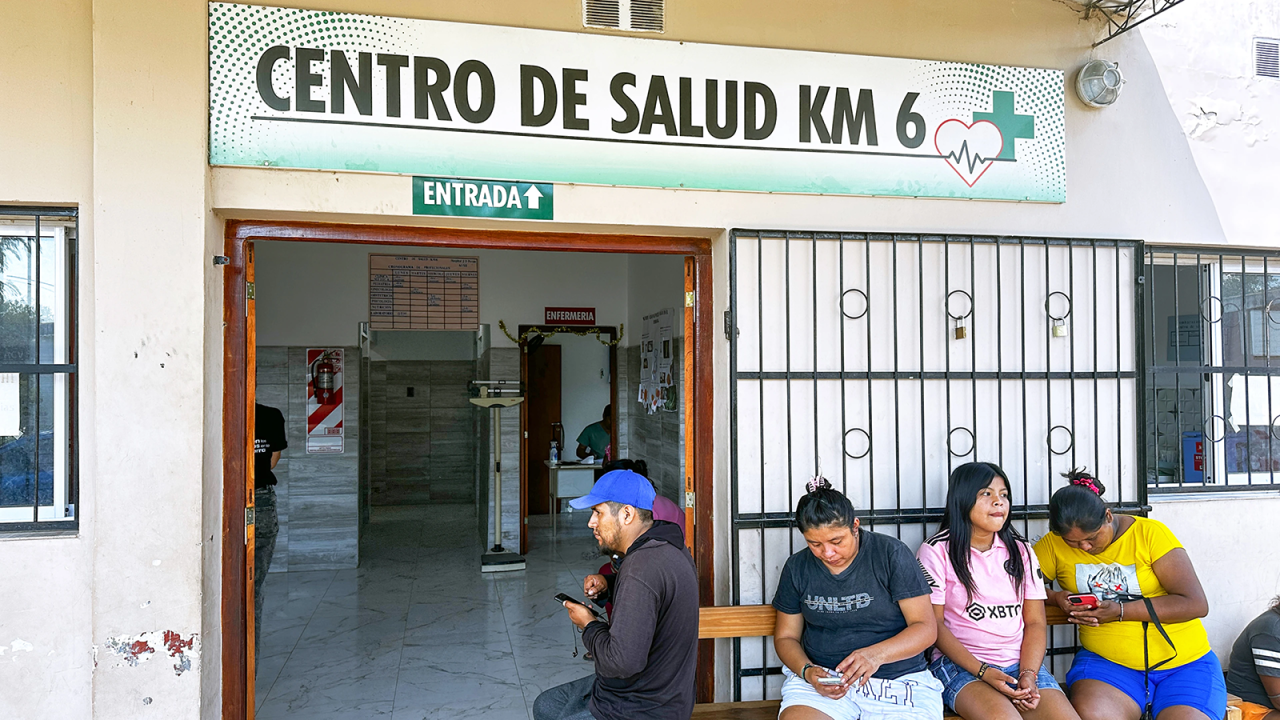
In rural Salta, Indigenous communities rely on local health centers that connect with advanced facilities for stroke care. They provide access for remote families across long distances, a challenging climate, and limited local resources.
Salta Stroke 360° was created to confront that reality head-on. The initiative was born through collaboration between Boehringer Ingelheim Argentina, hospitals, government, NGOs, and international partners—anchored by formal support from the Ministry of Health.
At its clinical core is Dr. Gabriela Orzuza, a neurologist and Medical Director of the Stroke Unit at Hospital San Bernardo, which under her leadership achieved international certification as an Essential Stroke Unit by the World Stroke Organization.
Born in Salta, her commitment is deeply personal. She has spent years building multidisciplinary networks to improve stroke care in one of Argentina’s most underserved regions—where access to healthcare is often limited, particularly in rural and Indigenous communities. “When I first imagined a tele-stroke network,” she recalls, “I saw both the need and the obligation to offer equity. But at the time, it felt like an impossible dream—something we could only approach in very small steps.”
From idea to infrastructure
Those steps evolved into a system. Telemedicine now connects neurologists in the capital with clinicians in remote hospitals, enabling real-time consultation where in-person access is not possible. For this to work, every element must align: connectivity must be constant, imaging must be precise, and coordination must be seamless—because in stroke care, every second counts.
Training extends far beyond hospitals. Emergency teams, community leaders, and even staff in high-traffic public spaces—airports, companies, civic institutions—are being trained to recognize stroke symptoms and activate response protocols. These environments are becoming “neuroprotected,” forming a broader safety net across the province.
At the same time, awareness efforts reach deep into communities. Local NGOs and schools help share knowledge about symptoms and urgency. In underserved areas, messaging is adapted to local cultures and translated into indigenous languages—ensuring it resonates where it matters most.
A vision rooted in equity and execution
That vision is shared across leadership. “What struck me early in our Salta Stroke 360° initiative was realizing how much a person’s chances of surviving a stroke depended on their distance from care,” shares Martín Cottone, General Manager, Boehringer Ingelheim Argentina.
“As a leader, I felt a responsibility to challenge that. This project pushed us to rethink our assumptions and work together differently with government, clinicians, and local communities.”
Seeing remote hospitals treat patients on time for the first time shows what’s possible when purpose and execution come together.
Martín Cottone, General Manager & Human Pharma Head APUB (Argentina, Paraguay, Uruguay & Bolivia)
Building a system, not a solution
Salta Stroke 360° did not emerge from a single intervention. It evolved as a connected system—where training, infrastructure, community engagement, and policy reinforce one another.
Outdated CT scanners—the essential diagnostic “eyes” of neurologists—are being replaced with reliable equipment. Strategic partnerships are enabling access to advanced technologies that were previously out of reach.
Government engagement provides critical institutional support. In early 2024, Provincial Law No. 8420 established a formal Stroke Network in Salta, guaranteeing access to prevention, diagnosis, and treatment. This was complemented by the launch of a Tele-Stroke Network, extending specialized care to hospitals without neurologists. What began as an initiative is now embedded within the public health system—ensuring continuity and scale.
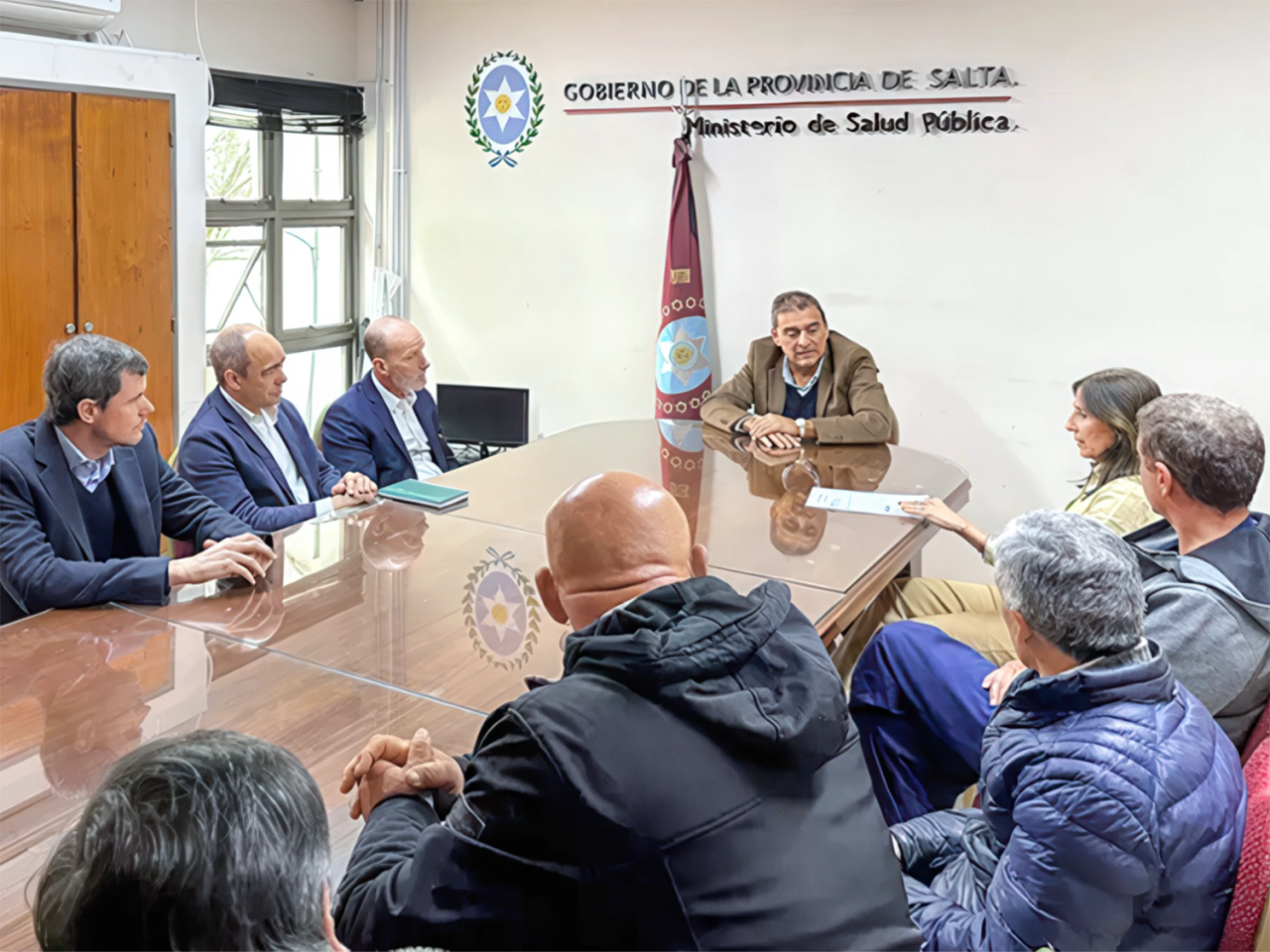
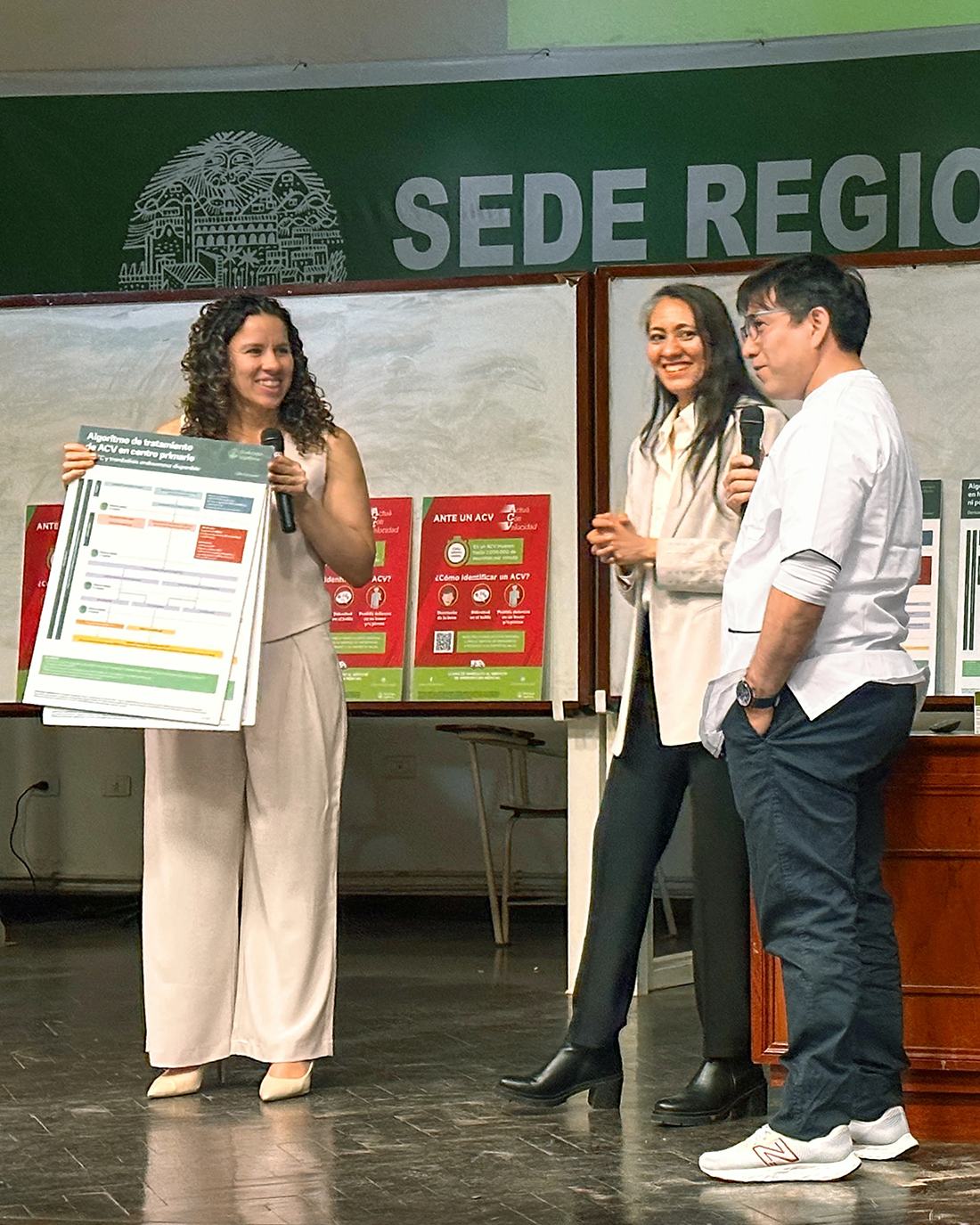
Building public-private alliances with local entrepreneurs to inspire business leaders and strengthen their commitment—supporting projects that transform the very communities where they live and work. Boehringer Ingelheim and Salta’s Ministry of Public Health join forces—signing an agreement to strengthen the tele-stroke network and expand access to life-saving care.Empowering health professionals with training, tools, and materials to treat strokes—building stronger, faster, and equitable care opportunities for all.
From momentum to measurable impact
As the network matured, the results became visible. Thrombolysis rates are one of the most critical indicators of timely stroke treatment and reflect how quickly patients receive potentially life-saving care. The treatment helps dissolve blood clots that block blood flow to the brain, but it can only be given within a narrow time window after symptoms begin. Higher rates often indicate that patients are reaching diagnosis and treatment quickly enough for doctors to limit or prevent severe, long-term damage.
Thrombolysis rates went up by 3.64 percentage points from 2024 to 2025, reaching 13.1% of patients treated on time.
For Dr. Orzuza, the transformation has been profound. “For a long time, we were building this network with the pedal power of a bicycle,” she reflects. “And suddenly, with the right partners and support, it felt like shifting into a completely different gear—able to reach places we never imagined.”
At the same time, strategic partnerships enabled access to capabilities that had previously been out of reach. Specialized diagnostic spaces were certified closer to patients’ homes, reducing delays when minutes matter most.
Impact that travels beyond the moment
As Salta Stroke 360° gained visibility, its story traveled far beyond Salta. World Stroke Day 2025 coverage reached millions, while targeted digital campaigns amplified awareness where it was needed most. But for those working within the system, the true impact is measured in quieter moments.
Dr. Gabriela Orzuza, Medical Director and Head of the Stroke Unit at Hospital San Bernardo and tele-stroke network lead. Corporate Affairs Boehringer Ingelheim South America
Growth hasn’t stopped. Some days it’s hard to pause and reflect because of the work we face. But we know this will mark a watershed moment.
Dr. Gabriela Orzuza, Medical Director and Head of the Stroke Unit at Hospital San Bernardo and tele-stroke network lead
What began as a training exercise became proof of possibility. Today, Salta Stroke 360° stands as a living system—designed to respond when it matters most, and to give more people a second chance, regardless of distance.
Our commitment
By 2030, we aim to expand access to healthcare for 50 million people, investing 35 billion EUR in health innovation and research to tackle non-communicable diseases and an additional 250 million EUR in partnerships to combat emerging infectious diseases.
*Image credits: Header picture and quote pictures: Corporate Affairs Boehringer Ingelheim South America. Content pictures: Corporate Affairs Boehringer Ingelheim South America, Unión Industrial de Salta, Corporate Affairs Boehringer Ingelheim South America, Ministerio de Salud del Gobierno de la provincia de Salta.
From advancing high-performance and energy-efficient AI computing to cultivating an innovative, inclusive workforce, AMD is committed to driving the computing industry forward responsibly.
The AMD 2025-26 Corporate Responsibility Report outlines our approach across the business, from how we design products and manage our supply chain to how we support our people and communities.
AMD (NASDAQ: AMD) drives innovation in high-performance and AI computing to solve the world’s most important challenges. Today, AMD technology powers billions of experiences across cloud and AI infrastructure, embedded systems, AI PCs and gaming. With a broad portfolio of AI-optimized CPUs, GPUs, networking and software, AMD delivers full-stack AI solutions that provide the performance and scalability needed for a new era of intelligent computing. Learn more at www.amd.com.
TORONTO, August 26, 2026 /3BL/ – Alberta has earned the title of Canada’s most entrepreneurial province, according to fresh findings from the GoDaddy Small Business Research Lab.
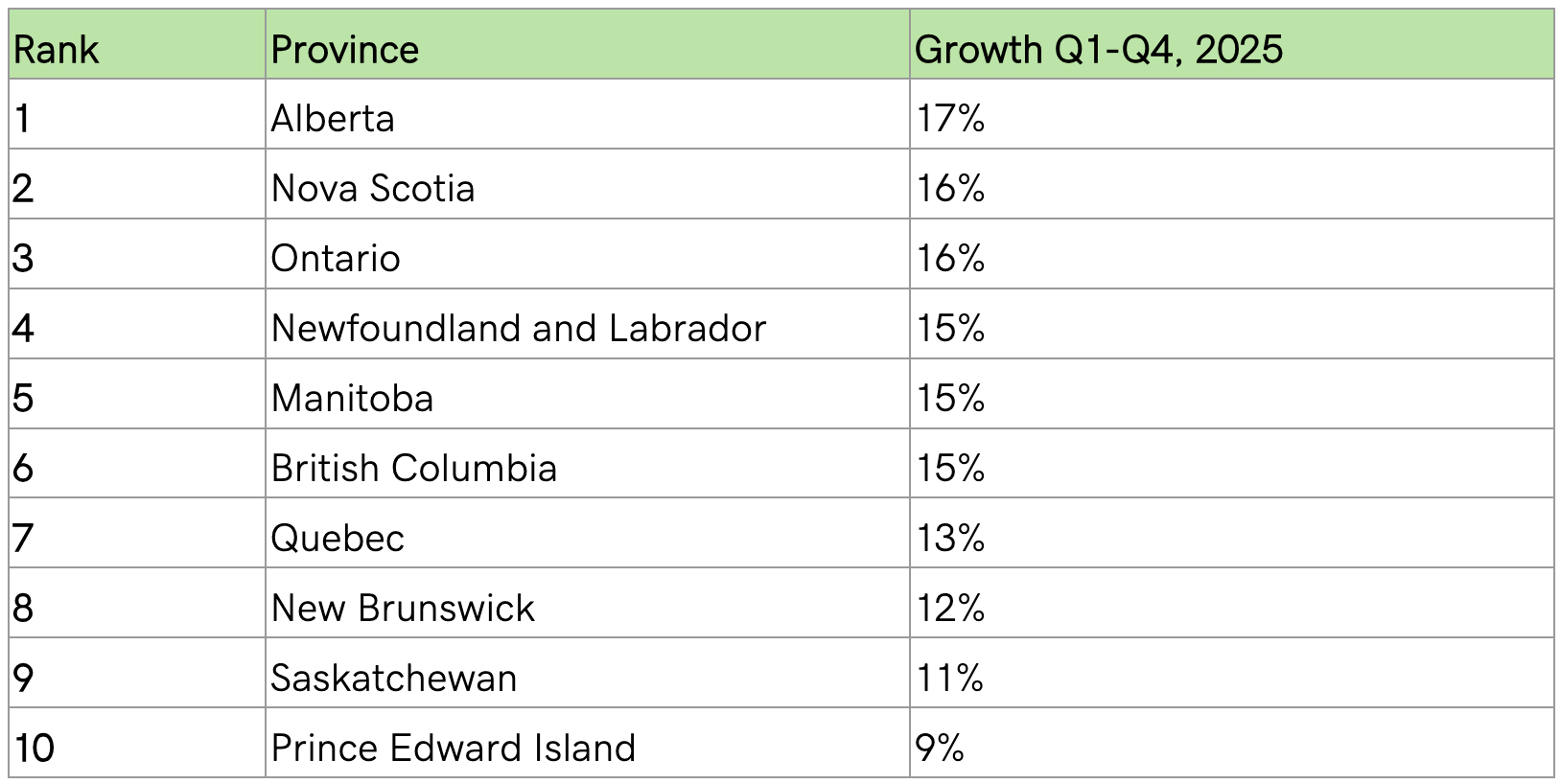
The province’s microbusiness growth jumped 17% from the first to the fourth quarter of 2025, edging out Nova Scotia and Ontario, which each climbed 16%. The annual ranking tracks prior-year growth among active microbusinesses run by GoDaddy – firms with fewer than 10 employees. Western, Atlantic and Central Canada all landed in the top three, underscoring how entrepreneurship now spans the entire country.
Canada’s 10 Most Entrepreneurial Provinces
Six provinces recorded growth of 15% or more, while every province posted gains. Even Prince Edward Island, which rounded out the ranking in tenth place, recorded healthy growth of 9%.
Canada’s microbusinesses are intentionally lean. Ninety-two percent have fewer than 10 employees, and more than a quarter are run by solo owners. Only 28% say their venture is their primary income, while 38% use it to supplement other earnings. Half are first-time founders and one in four already manage more than one business, signalling a growing appetite to experiment, launch and scale ideas despite economic headwinds.
“Every province in Canada grew in 2025, and that signals a shift that entrepreneurial momentum in Canada isn’t locked to any one region,” said Alexandra Rosen, GoDaddy’s small business economist. “Digital tools are lowering the barrier to entry, and what really stands out is the consistency, with six provinces topping 15% growth, and all 10 moving upward.”
To explore the 2026 Most Entrepreneurial Provinces rankings or learn more about GoDaddy’s Small Business Research Lab, visit GoDaddy Research.
About GoDaddy GoDaddy, the world’s largest domain name registrar, helps millions of entrepreneurs globally start, grow, and scale their businesses. People come to GoDaddy to name their idea, build a website and logo, sell their products and services and accept payments. Airo™, the company’s agentic operating system for small businesses, helps entrepreneurs get their idea online, run their business day-to-day, and grow through an integrated identity, presence and commerce experience. GoDaddy’s expert guides are available 24/7 to provide assistance. To learn more about the company, visit www.GoDaddy.com.
About GoDaddy Small Business Research Lab The GoDaddy Small Business Research Lab analyzes more than 20 million online businesses with a digital presence, defined by a unique domain and active website. Most of these businesses employ fewer than ten people, classifying them as microbusinesses. Since 2019, the program has surveyed more than 70,000 entrepreneurs, making it a leading source of data and insights on microbusiness trends. To learn more, visit godaddy/research.
Strong communities aren’t built overnight. They grow through steady investments in people, partnerships and systems that help neighborhoods weather economic uncertainty and evolving social needs. For business owners, resilience goes beyond protecting the bottom line. It’s about creating conditions for communities to thrive.
From collaborating with local nonprofits to investing in workforce development, businesses can play a meaningful role in the places they call home. Long-term business success is closely tied to the health of the communities they rely on and serve. In fact, according to the 2025 Edelman Trust Barometer, 80% of people globally believe business leaders should address societal issues when their companies can make a meaningful impact.
Stronger, more resilient communities require investment in people and the systems that support them. Through partnerships that help expand access to food and safe water, help prepare future leaders and support workforce development, PepsiCo’s approach is rooted in a simple belief: when communities thrive, businesses, supply chains and economies can grow stronger and more resilient.
The 2025 Global Social Impact Report reveals local impact is possible when a three-part strategy is implemented in your community:
1. Prioritize Strategic Partnerships
Collaboration is one of the most effective ways to build resilient communities. Companies that have deep local roots and firsthand knowledge of the challenges residents face can be valuable partners for nonprofits, schools and local governments.
Community partnerships can take many forms, such as a restaurant working with a food pantry to address hunger in underserved neighborhoods, a construction company partnering with schools to introduce students to skilled trades or retailers supporting civic events. These partnerships build trust and credibility among businesses and residents while opening doors to networking opportunities, shared funding initiatives and stronger visibility.
2. Support Local Systems
Businesses can help strengthen the systems communities rely on every day by investing in local infrastructure, talent and supply chains. Restaurants and grocery stores, for example, may source products from nearby farms to help reduce supply chain disruptions while supporting local economies. Small businesses and producers can also partner with training programs, community colleges and apprenticeship initiatives to help prepare future talent, expand economic opportunities and build more resilient communities over time.
When businesses source locally for both resources and talent, they help keep investment, opportunity and economic growth flowing within the communities they serve.
3. Invest in People
Strong communities are built by people – farmers, students, entrepreneurs and local leaders who help shape what comes next. When people have access to opportunity, communities are better positioned to adapt and grow.
Businesses can play a direct role by investing in the people who help power their communities, from offering fair wages and career development to supporting employee well-being. Beyond their own workforce, companies can expand opportunities through partnerships that support skills training, mentorship and pathways into stable jobs. That can include creating internship programs, mentorship opportunities and scholarship support, incentivizing young people to develop skills while encouraging them to stay within and contribute to their communities.
Connecting Communities and Businesses
Taken together, these actions show how businesses of all sizes can play a role in building stronger, more resilient communities. It doesn’t require a complex strategy, just a clear focus on partnerships, local systems and people.
For example, PepsiCo’s approach offers a clear example of what this can look like in practice, with partnerships aimed at expanding access to food and safe water, supporting farmers and opening doors to workforce opportunities. The focus is less on standalone programs and more on working alongside communities and applying the company’s scale in ways that deliver steady, long-term impact.
The result is stronger communities that are better equipped to adapt and grow, and businesses that are more connected to the people and places they serve.
MetLife seeks to strengthen long-term business performance by reducing our environmental impact, creating operational efficiencies, managing risk, and enabling sustainable growth. In support of this objective, we have set an ambition to reach Net Zero greenhouse gas (GHG) emissions across our global operations and MetLife’s general account (GA) investment portfolio by 2050 or sooner.¹ Aligned with New Frontier, we aim to reduce emissions where we have control to help minimize risks, strengthen all-weather performance and improve operations. We complement these efforts by using natural resources efficiently, reducing water consumption, and minimizing waste sent to landfills.
Energy and Emissions
MetLife takes a disciplined approach to energy and emissions management to improve efficiencies, enhance performance, help manage risks and support a thriving workforce—implementing initiatives that lower operating costs, promote collaboration and enhance how we deliver responsible growth and long-term value. We have decreased location-based GHG emissions by 52 percent since 2019 and have maintained carbon neutrality for our offices, fleets and business travel since 2016.2
We promote energy efficiency and implement green building practices throughout our 8.9 million square feet of offices, including by:
Consolidating office space and implementing efficiency upgrades, such as installing LED lighting, enhancing building management systems and improving plug load management;
Strategically managing and optimizing performance of data center operations to reduce total electricity consumption, for example by consolidating mainframes and Intermediate Distribution Frame closets and transitioning from wireless access points to Power over Ethernet;
Replacing fleet vehicles with electric or hybrid options, where possible;
Encouraging global reductions in business travel, such as recommending combining trips, traveling by train instead of air and flying premium economy instead of business class on long-haul flights;
Generating on-site renewable energy at offices in Madrid, Spain, and Nicosia, Cyprus;
Purchasing renewable energy via energy attribute certificates—issued when one megawatt-hour of electricity is generated and delivered to the grid from a renewable energy resource—to match our global electricity consumption (see GHG Emissions and Energy data in Sustainability Scorecard); and
Supplementing emissions reductions and energy efficiency initiatives with a diverse portfolio of third-party-certified carbon offset and removal projects that drive tangible economic and community benefits in addition to carbon reduction. As one example, we have partnered with Charm Industrial to reduce wildfire risk in Colorado by converting biomass into biochar, a charcoal-like substance. Beyond carbon sequestration, the partnership is also creating new local jobs and access to employee benefits that help build long-term financial security.
Optimizing High-Performance Offices
We integrate sustainability and well-being features into our offices and operations to create healthy, energizing workplaces. We maintain green leasing guidelines and prioritize using sustainable materials in our buildings, striving for our global offices to be certified to green or healthy building standards, particularly Leadership in Energy and Environmental Design, ENERGY STAR®, Fitwel and Building Research Establishment Environmental Assessment Method. Properties managed by MetLife Investment Management (MIM) also strive for green and healthy building standards.
Within our facilities, we aim to minimize our consumption of water, plastics, paper and other natural resources and reduce the volume of waste, including food waste and e-waste, that we send to landfills. We also provide high levels of indoor air quality and natural light and offer amenities, such as healthy dining options and sit-stand desks. MetLife’s Global Event Operations team prioritizes paperless conferences, local sourcing and eco-friendly alternatives. MetLife also prioritizes sourcing products that allow us to consume less, operate more efficiently and generate co-benefits such as cost savings, when possible.
Please see our Sustainability Scorecard for our water and energy use, waste diversion and green building certification data.
Driving Supply Chain Sustainability
MetLife’s Supplier Inclusion and Sustainability program helps us align suppliers with our environmental stewardship values and expectations for responsible business practices. To drive continuous improvement and mitigate potential sustainability-related risks in our supply chain, we request sustainability information during supplier onboarding and ongoing supplier management processes.
Through supplier engagement, we expand our understanding of our suppliers’ business goals and performance and foster a culture of transparency and collaboration. By 2030, we aim to have two-thirds of our top suppliers by spend set emissions-reduction goals. 68 percent of suppliers by spend had established goals in 2025.3
We work with our suppliers to find innovative opportunities to advance sustainability and encourage our top suppliers to disclose their climate risks, environmental targets and GHG emissions through the annual CDP Questionnaire, so that we can analyze our supply chain for resiliency.
To learn more about MetLife’s broader supplier management practices, see Supplier Management.
Read more about how we are supporting the environment through our sustainability efforts in MetLife’s 2025 Sustainability Report.
2 MetLife’s carbon neutrality efforts apply to global owned and leased offices, global vehicle fleets (Scope 1 and 2 emissions) and employee business travel (Scope 3 Category 6). MetLife purchases energy attribute certificates and carbon credits to offset the remainder of annual emissions in these categories. See Glossary.
3 For the top 80 percent of MetLife suppliers by spend, this target measures suppliers that set public commitments to reduce GHG emissions by 2025 or later, aligned with limiting global temperature rise to 2°C above pre-industrial times. Spend represents procurable spend with third-party suppliers. MetLife uses its own discretion for determining supplier alignment based on supplier’s reported emissions-reduction goal attributes, such as scope coverage, target year, base year and reduction percentage. Evaluation occurs on an annual basis.
The Ray recently hosted a webinar on the Connected Construction Data Alliance (CCDA) Transportation Pooled Fund with state Department of Transportation (DOT) partners who lead the nation in digital project delivery and work zone safety initiatives. Pioneering leaders from the Delaware, Maryland, and Iowa DOTs highlighted active connected construction use cases already deployed in their states, including digital as-builts, definitive proof of worker presence supporting work zone speed enforcement, and active work zone alerts pushed directly to dynamic message boards and navigation apps.
Unlocking these applications at scale, along with evolving capabilities like V2X integration and remote inspection, requires clear data standards and specifications, and clear communication of data access gaps and needs to equipment manufacturers.
What Sets the CCDA Apart
Unlike other work zone initiatives, the Connected Construction Data Alliance (CCDA) is the only Transportation Pooled Fund that prioritizes contractor equipment telematics alongside e-Ticketing data, while paving the way for emerging inputs like field sensors, drones, and wearable technology.
As Delaware DOT’s Cassidy Blowers emphasized during the panel:
The true power of the CCDA is establishing a unified, collective State DOT voice to set national data specifications based on practical use cases today and for the future—guiding data access and directing future work zone innovation.
Key Presentation Takeaways
Delaware DOT: Demonstrating how contractor telematics, Waze integration, and HaulHub automate real-time worker presence alerts to protect crews in active work zones.
Maryland DOT SHA: Leveraging statewide e-Construction systems to digitize field workflows, streamline inspection burdens, and improve project reliability.
Iowa DOT: Leading digital delivery, e-Ticketing, and drone integration to modernize construction management and asset tracking.
Iowa State University: Translating applied research into practical frameworks for state DOTs to explore evolving use cases like remote inspections. Existing federal funding streams can support your participation in the CCDA Transportation Pooled Fund and accelerate connected construction deployment, including the State Planning & Research Program Subpart B, EDC-8 Connected Corridors Program, and Congestion Mitigation and Air Quality Improvement Program.
Roxanne Low | Research Analyst—Responsible Investing Jonathan Berkow | Director of Quantitative Research and Data Science—Equities
From brand risks to regulatory uncertainty, AI poses investment challenges. Is there a way forward?
Artificial intelligence (AI) poses many ethical issues that may translate into risks for consumers, companies and investors. AI regulation, which is developing unevenly across jurisdictions, adds to the uncertainty. The key for investors, in our view, is to focus on transparency and explainability.
The ethical issues and risks of AI begin with the developers who create the technology. From there, they flow to the developers’ clients—companies that integrate AI into their businesses—and on to consumers and society more broadly. Through their holdings in AI developers and companies that use AI, investors are exposed to both ends of the risk chain.
Diverging Rules Shape AI Risk
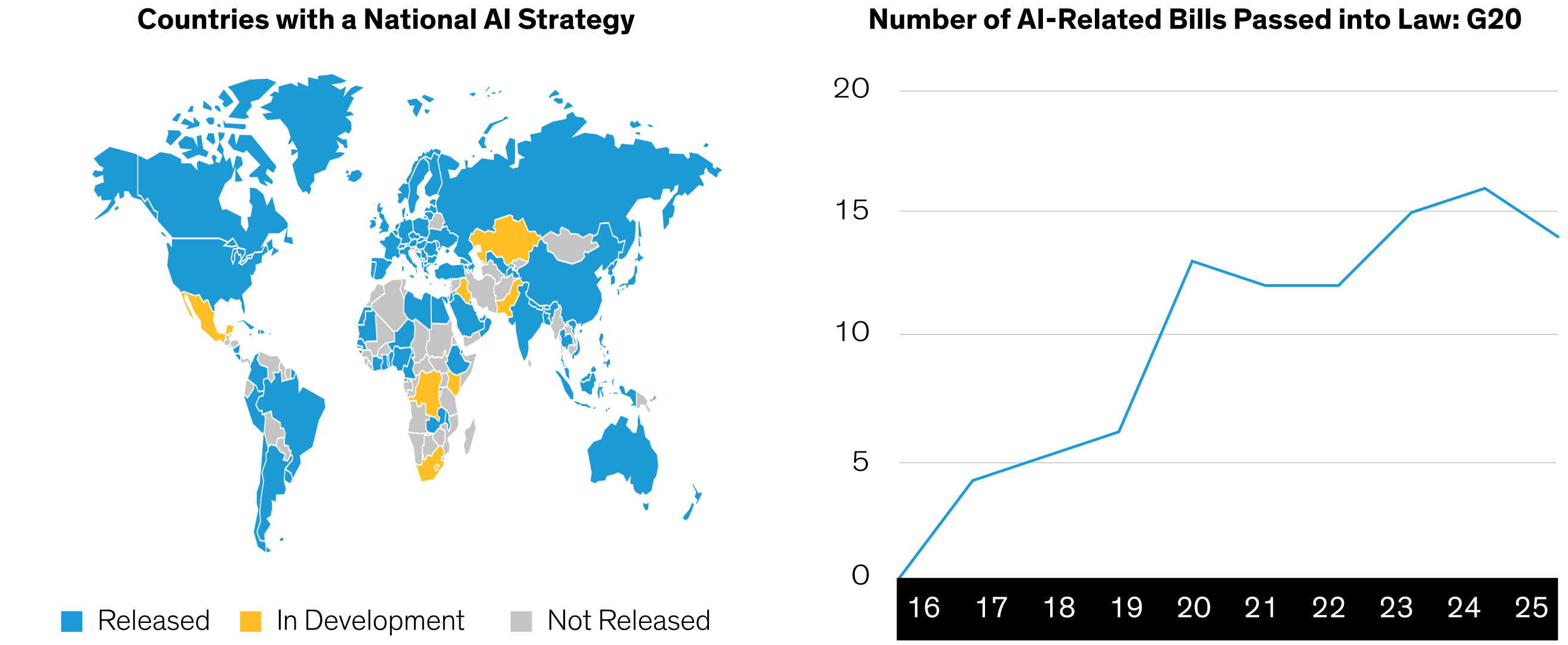
AI continues to develop briskly, far ahead of most people’s understanding of it. Among those trying to keep up are global regulators and lawmakers, whose activity has recently surged. Many countries have released national AI strategies, and several major jurisdictions have moved from strategy to enforceable rules (Display).
The lack of a uniform approach to AI regulation across jurisdictions creates complexities for international businesses. Regulatory approaches differ in form and scope. The European Union’s (EU) Artificial Intelligence Act adopts a risk-based model, with strict requirements for high-risk AI systems. The US takes a sector-specific approach that emphasizes innovation and competitiveness. China prioritizes state control, data sovereignty and comprehensive monitoring.
This regulatory landscape requires internationally operating businesses to monitor developments closely—and compounds AI’s other risks for investors.
Data Risks Can Damage Brands
In business, AI is often deployed through generative tools—such as text, video and voice generation—and large language models (LLMs). LLMs underpin applications such as chatbots, automated content creation and large-scale data analysis.
Risks also stem from AI training data. In September 2025, Anthropic settled a class action over pirated training data for about $1.5 billion. By year-end, more than 70 generative AI copyright lawsuits had been filed, including The New York Times v. OpenAI and Microsoft, Disney and Universal v. Midjourney, and Getty Images v. Stability AI. AI training data risk is increasingly a quantifiable balance-sheet risk.
Bias, discrimination and training data are key regulatory risks that should be on investors’ radars; others include intellectual property rights and privacy considerations concerning data. Risk-mitigation measures—such as developer testing of the performance, accuracy and robustness of AI models, and providing companies with transparency and support in implementing AI solutions—should also be scrutinized.
Dive Deep to Understand AI Regulations
Regulatory approaches to AI are diverging in ways that matter for investors. The EU’s AI Act, a comprehensive, risk-based framework, has been rolling out in phases since 2024. The US, by contrast, relies on existing federal agencies, voluntary frameworks and state-level laws rather than a single overarching regime. The UK has taken a principles-based approach, deferring comprehensive legislation. And China has moved quickly with targeted rules focused on specific applications—particularly those tied to content control, social stability and data sovereignty.
For investors, this divergence has real implications. It is increasingly relevant to ask which jurisdiction a portfolio company is effectively optimizing for, as the rules governing a global business may vary materially by market.
Investors, in our view, should do more than drill down into jurisdiction-specific AI regulations. They should also understand how existing legal frameworks—such as copyright law to address data infringements and employment legislation where AI has an impact on labor markets—are being applied to AI.
Fundamental Analysis and Engagement Are Key
A useful rule of thumb for investors assessing AI risk is that companies that proactively disclose their AI strategies and policies are likely to be better prepared for new regulations. More generally, fundamental analysis and issuer engagement are central to this area of research.
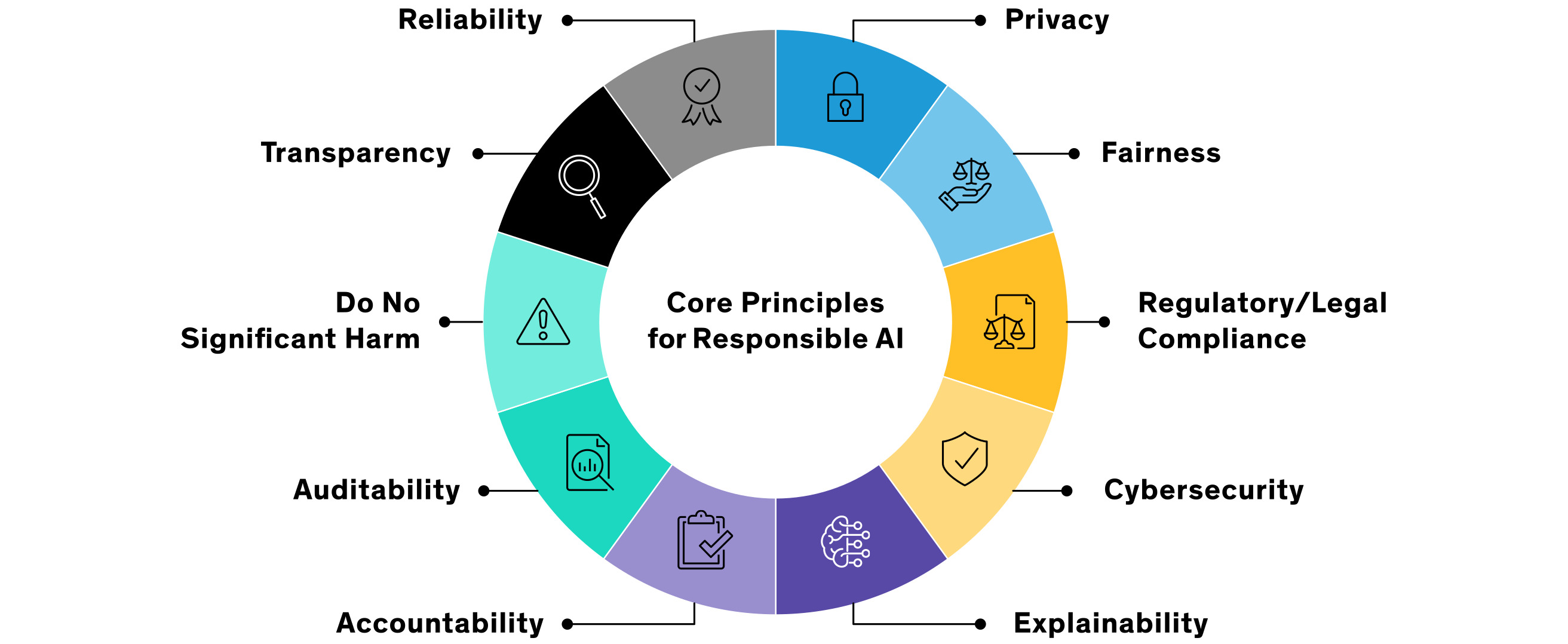
As we see it, fundamental analysis should examine not only company-level AI risks but also risks along the business chain and across the regulatory environment, testing insights against core responsible-AI principles (Display).
Engagement conversations should address AI issues not only in business operations but also from environmental, social and governance perspectives.
AI Oversight: Questions for Boards and Management
Questions for investors to ask boards and management include:
AI integration: How has the company integrated AI into its overall business strategy? What are some specific examples of AI applications within the company?
Board oversight and expertise: How does the board ensure it has sufficient expertise to effectively oversee the company’s AI strategy and implementation? Are there any specific training programs or initiatives in place?
Public commitment to responsible AI: Has the company published a formal policy or framework on responsible AI? How does this policy align with industry standards, ethical AI considerations and AI regulation?
Proactive transparency: Does the company have any proactive transparency measures in place to withstand future regulatory implications?
Risk management and accountability: What risk management processes does the company have in place to identify and mitigate AI-related risks? Is there delegated responsibility for overseeing these risks?
Data challenges in LLMs: How does the company address privacy and copyright challenges associated with the input data used to train LLMs? What measures are in place to ensure input data is compliant with privacy regulations and copyright laws? How does the company handle restrictions or requirements related to input data?
Bias and fairness challenge in generative AI systems: What steps does the company take to prevent and/or mitigate biased or unfair outcomes from its AI systems? How does the company ensure that the output of any generative AI systems used are fair, unbiased and do not perpetuate discrimination or harm to any individual or group?
Jurisdictional compliance: Does the company comply to the highest global standard by default, or jurisdiction by jurisdiction?
Incident tracking and reporting: How does the company track and report on incidents related to its development or use of AI, and what mechanisms are in place for addressing and learning from these incidents?
Metrics andreporting: What metrics does the company use to measure the performance and impact of its AI systems? How are these metrics reported to external stakeholders? How does the company maintain due diligence in monitoring the regulatory compliance of its AI applications?
Ultimately, the best way through the maze is for investors to stay grounded and skeptical. They should insist on clear answers—and not be unduly impressed by elaborate explanations.
The views expressed herein do not constitute research, investment advice or trade recommendations, do not necessarily represent the views of all AB portfolio-management teams and are subject to change over time.
Learn more about AB’s approach to responsibility here.