The Catching for a Cause event hosted by Marathon Petroleum’s Kenai refinery raised a record $150,000 to support the Kenai Peninsula Food Bank and other local charities.
This donation provides essential funding for the food bank, enabling it to deliver meals to those in need throughout its service area.
The event also benefits a range of community organizations, strengthening education, preserving local heritage and supporting families across the Kenai Peninsula.
In Kenai, Alaska, the fight against hunger is a daily challenge, and one that the Kenai Peninsula Food Bank meets with determination and compassion. This year, the food bank’s mission to deliver food to those in need received a powerful boost from the third annual Catching for a Cause event, hosted by Marathon Petroleum’s Kenai refinery.The 2025 Catching for a Cause event set a new record in its fundraising history, giving $150,000 for local charities, with the food bank as a primary beneficiary.
“The donation from Catching for a Cause accounts for a substantial portion of our annual budget,” said Sean O’Reilly, President of the board. “We are a very small community here in Kenai, and this support means we can continue delivering food by plane, boat, truck, and even dog sled to those in need.”
Marathon Petroleum’s support helps the food bank provide nutritious meals, stock soup kitchens, and help ensure no neighbor goes hungry – especially during the holidays when demand surges.
Catching for a Cause is more than a fundraiser; it’s a celebration of community spirit. Over three days, participants enjoyed guided fishing trips, dinners and networking.
The event also supports a diverse group of local organizations, including:
“This broad reach can provide benefits that ripple throughout the community, strengthening education, preserving local heritage and supporting families in need,” said Bruce Jackman, Vice President of Refining at the Kenai refinery.
For Kenai, Catching for a Cause is a testament to what’s possible when a community comes together to support its own.
The Catching for a Cause event hosted by Marathon Petroleum’s Kenai refinery raised a record $150,000 to support the Kenai Peninsula Food Bank and other local charities.
This donation provides essential funding for the food bank, enabling it to deliver meals to those in need throughout its service area.
The event also benefits a range of community organizations, strengthening education, preserving local heritage and supporting families across the Kenai Peninsula.
In Kenai, Alaska, the fight against hunger is a daily challenge, and one that the Kenai Peninsula Food Bank meets with determination and compassion. This year, the food bank’s mission to deliver food to those in need received a powerful boost from the third annual Catching for a Cause event, hosted by Marathon Petroleum’s Kenai refinery.The 2025 Catching for a Cause event set a new record in its fundraising history, giving $150,000 for local charities, with the food bank as a primary beneficiary.
“The donation from Catching for a Cause accounts for a substantial portion of our annual budget,” said Sean O’Reilly, President of the board. “We are a very small community here in Kenai, and this support means we can continue delivering food by plane, boat, truck, and even dog sled to those in need.”
Marathon Petroleum’s support helps the food bank provide nutritious meals, stock soup kitchens, and help ensure no neighbor goes hungry – especially during the holidays when demand surges.
Catching for a Cause is more than a fundraiser; it’s a celebration of community spirit. Over three days, participants enjoyed guided fishing trips, dinners and networking.
The event also supports a diverse group of local organizations, including:
“This broad reach can provide benefits that ripple throughout the community, strengthening education, preserving local heritage and supporting families in need,” said Bruce Jackman, Vice President of Refining at the Kenai refinery.
For Kenai, Catching for a Cause is a testament to what’s possible when a community comes together to support its own.
The University of Bologna is strengthening its commitment to industrial collaboration through a new agreement with CNH, a leading global player in the manufacture of machinery, technology, and services for agriculture and construction.
The Rector, Giovanni Molari, and the CEO of CNH Industrial Italia SpA, Carlo Lambro, signed a Framework Agreement to consolidate a long-standing partnership in scientific and technological research. The partnership aims to jointly advance projects addressing the challenges of technological transition, sustainability, and regional competitiveness.
The five-year agreement encompasses joint activities in research and innovation, technology transfer, entrepreneurship, continuous education, and career guidance. Special focus will be placed on sustainability, social innovation, and internationalization, in alignment with the University’s strategic priorities.
A key element of the agreement is the establishment of a Joint Steering Committee. This body will identify priorities, plan activities, and monitor progress to ensure consistency and continuity across initiatives. This governance model is designed to maximize both the scientific and practical impact of the projects, fostering a constant dialogue between the academic and industrial worlds.
“The signing of this Framework Agreement with CNH is a vital piece of the Alma Mater strategy to strengthen collaboration with the industrial sector and the local region,” saidRector Giovanni Molari. “This agreement affirms the University of Bologna’s role as an engine of knowledge and innovation, that generates concrete value and impact for our communities and society as a whole.”
Contact media@actionagainsthunger.org for inquiries.
New data from the Integrated Food Security Phase Classification confirms that famine in Sudan, already present in two regions, has spread to two new locations in North Darfur.
Sudan now has the most areas of active famine on the planet. More than 375,000 people are at real risk of starvation.
The hunger crisis is occurring in a context of mass displacement, health system collapse, cholera outbreaks, and lack of humanitarian access.
There is a severe lack of funding: the humanitarian response plan for Sudan in 2026, which needs $2.9 billion, has so far received only 5.5% of the necessary funds.
Action Against Hunger is present in the hunger hotspots of Darfur, White Nile, Blue Nile, Kordofan and Red Sea through programs focusing on health and nutrition, food security and livelihoods, water, sanitation and hygiene, and gender and protection.
MADRID, NEW YORK, February 5, 2026 /3BL/ – Famine—the most extreme form of food crisis and a condition that is only declared in exceptional situations—is spreading in Sudan. Integrated Food Security Phase Classification (IPC) data released today confirm that two new areas in North Darfur, Um Baru and Kernoi, have now exceeded famine thresholds (Phase 5, the most severe IPC phase).
Until now, there were only three officially declared famines in the world: two in Sudan (El Fasher and Kadugli, confirmed in 2025) and one in Gaza. With this latest update, Sudan becomes the country with the most territories in active famine on the planet.
More than half of children in Um Baru suffer from acute malnutrition, while 34% do so in Kernoi. These figures raise fears that around 20 other areas are experiencing an equally critical situation. According to IPC data from last November, more than 375,000 people are in a catastrophic situation, and today it is predicted that more than 4 million people will suffer from acute malnutrition this year.
“Famine does not happen overnight. It is the result of months of siege, violence, and neglect. In Darfur, we are seeing entire communities left with nothing: no food, no aid, nothing,” explains Samy Guessabi, Country Director for Action Against Hunger in Sudan.
An Unprecedented Humanitarian Crisis
The spread of famine comes amid what is already the world’s largest displacement crisis: 9.6 million people have been forced to flee their homes within the country. In El Fasher alone, more than 1.2 million people have left the area since the end of 2025. Another 4 million Sudanese have been forced to flee to neighboring countries such as Chad and South Sudan to survive.
At the same time, there is hardly any drinking water, and health systems have virtually collapsed: 80% of health facilities are damaged or out of service. Outbreaks of cholera, measles, and diarrhea are multiplying, especially in camps for displaced people without access to safe water or sanitation.
“Families are eating once a day or nothing at all. Many survive on boiled leaves or animal feed. This is not a food crisis: it is a survival crisis,” adds Guessabi.
No Access, No Funds, No Time
Humanitarian access remains extremely limited in Sudan, especially in Darfur and Kordofan, due to conflict, blockades, insecurity and administrative obstacles. In some areas, humanitarian teams cannot even enter.
Added to this is a severe lack of funding: the humanitarian response plan for Sudan in 2026, which needs $2.9 billion, has so far received only5.5%of the necessary funds. Without an urgent response, mortality will increase dramatically in the coming months, especially during the upcoming lean season and rains.
Action Against Hunger calls for an immediate ceasefire, unrestricted humanitarian access and urgent mobilization of funds to prevent famine from spreading further across Sudan. Meanwhile, our teams on the ground continue to provide vital assistance in Blue Nile, Darfur, Red Sea, Kordofan and White Nile through health and nutrition, food security and livelihoods, water, sanitation and hygiene, and gender and protection programs.
“Famine is not inevitable. It is a collective decision: either we act now, or we accept that thousands of people will die from something as basic as not having enough to eat,” concludes Guessabi.
***
Action Against Hunger leads the global movement to end hunger. We innovate solutions, advocate for change, and reach 26.5 million people every year with proven hunger prevention and treatment programs. As a nonprofit that works across over 55 countries, our 8,500+ dedicated staff members partner with communities to address the root causes of hunger, including climate change, conflict, inequity, and emergencies. We strive to create a world free from hunger, for everyone, for good.
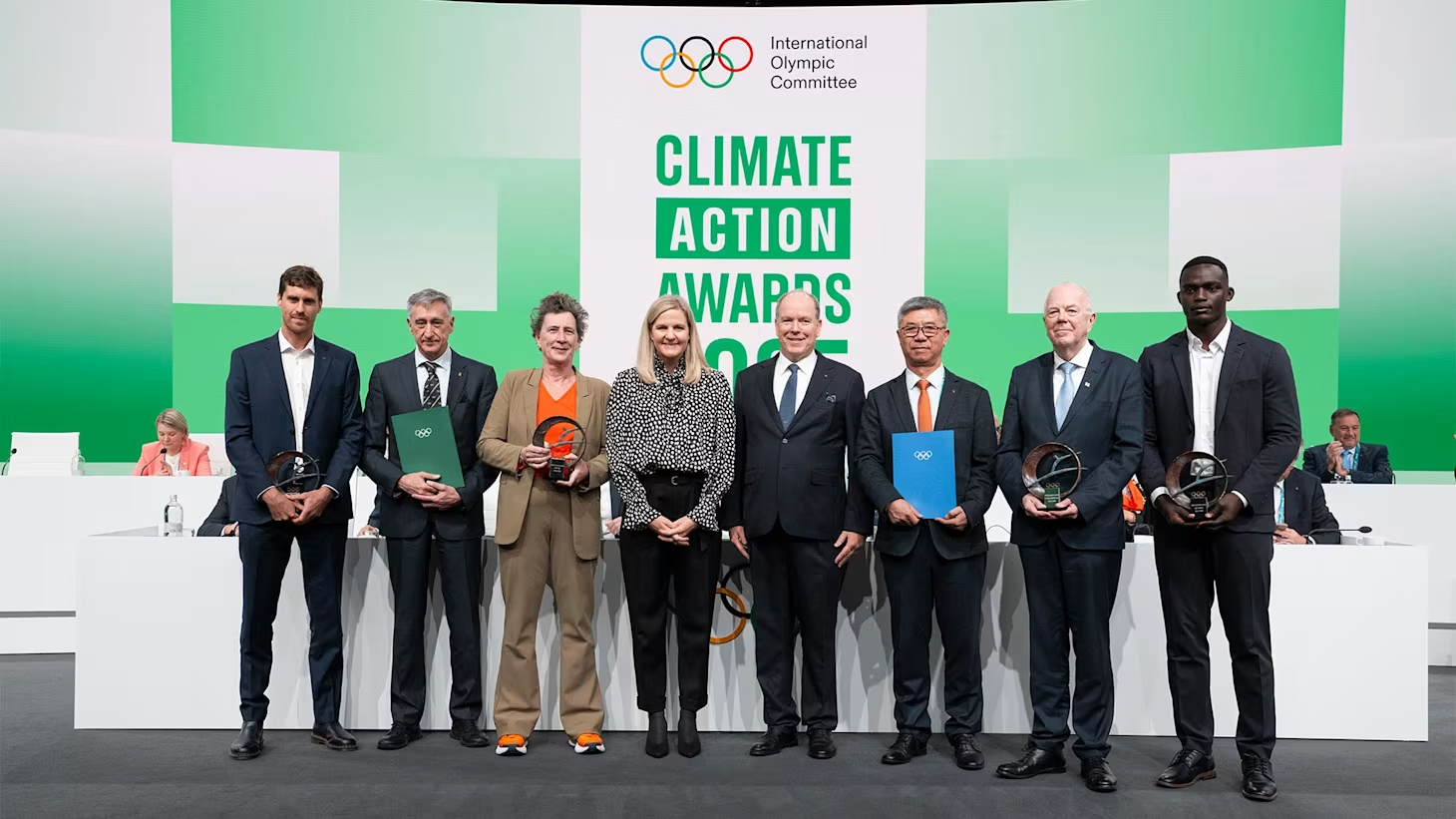
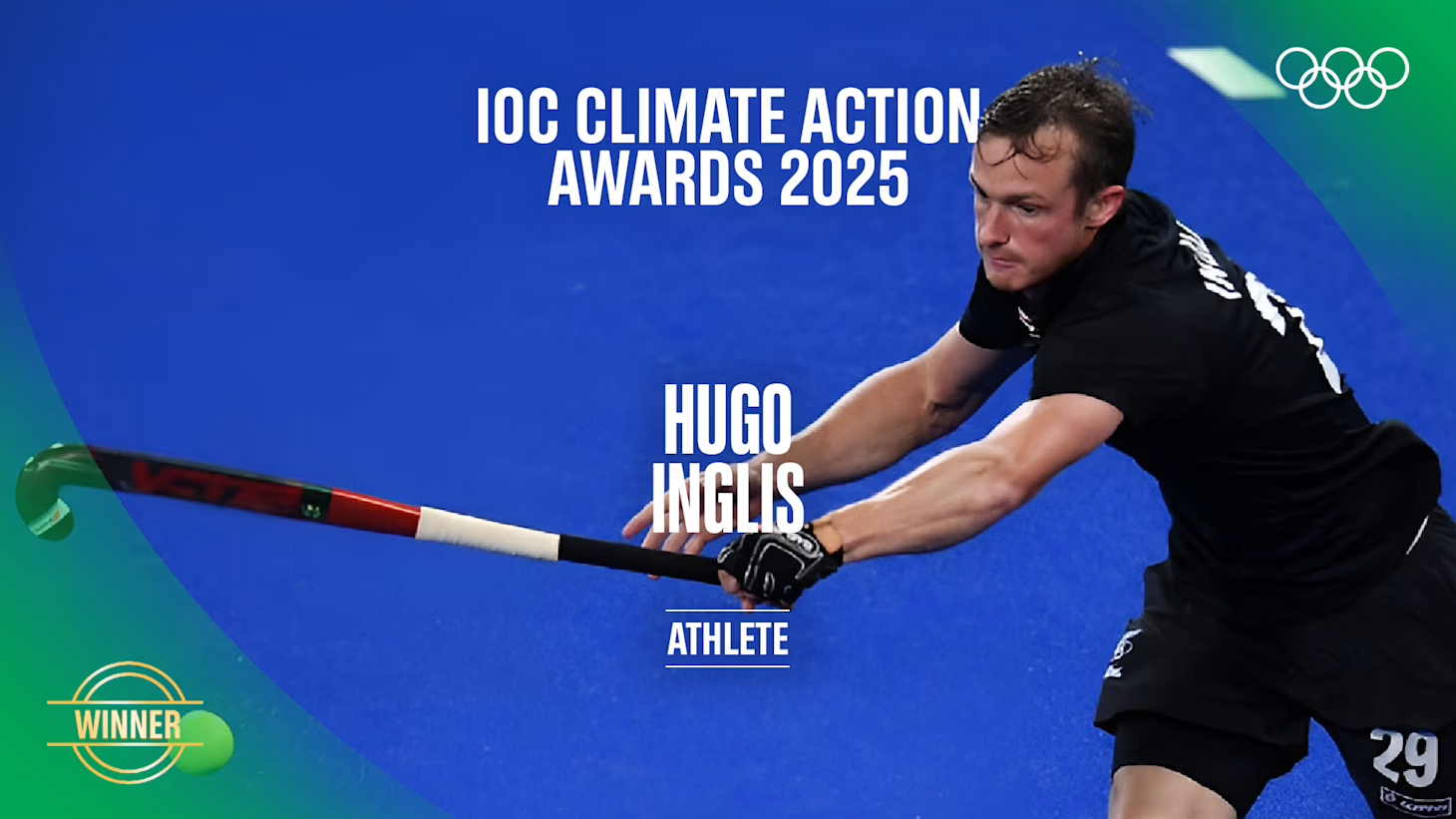
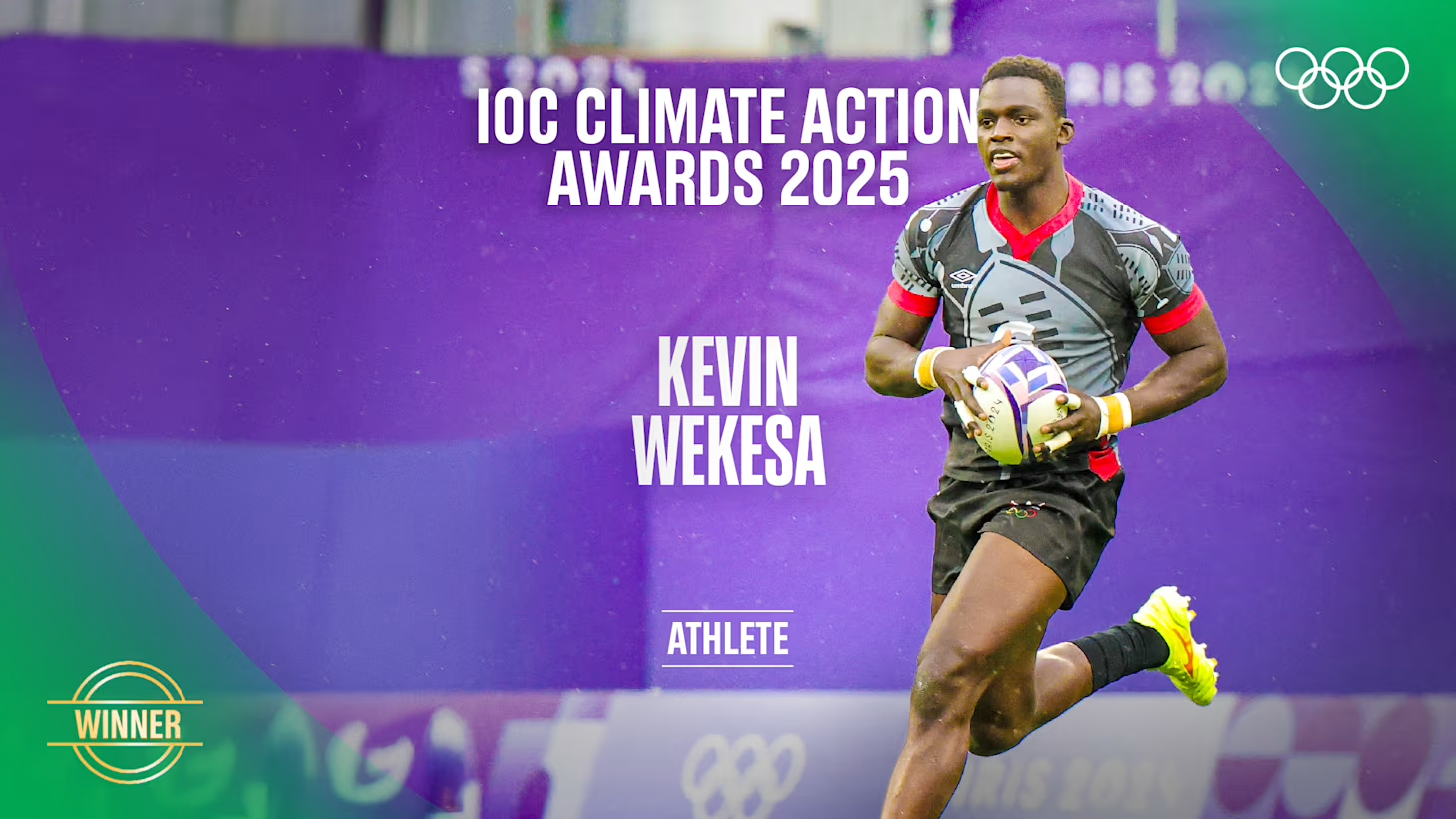
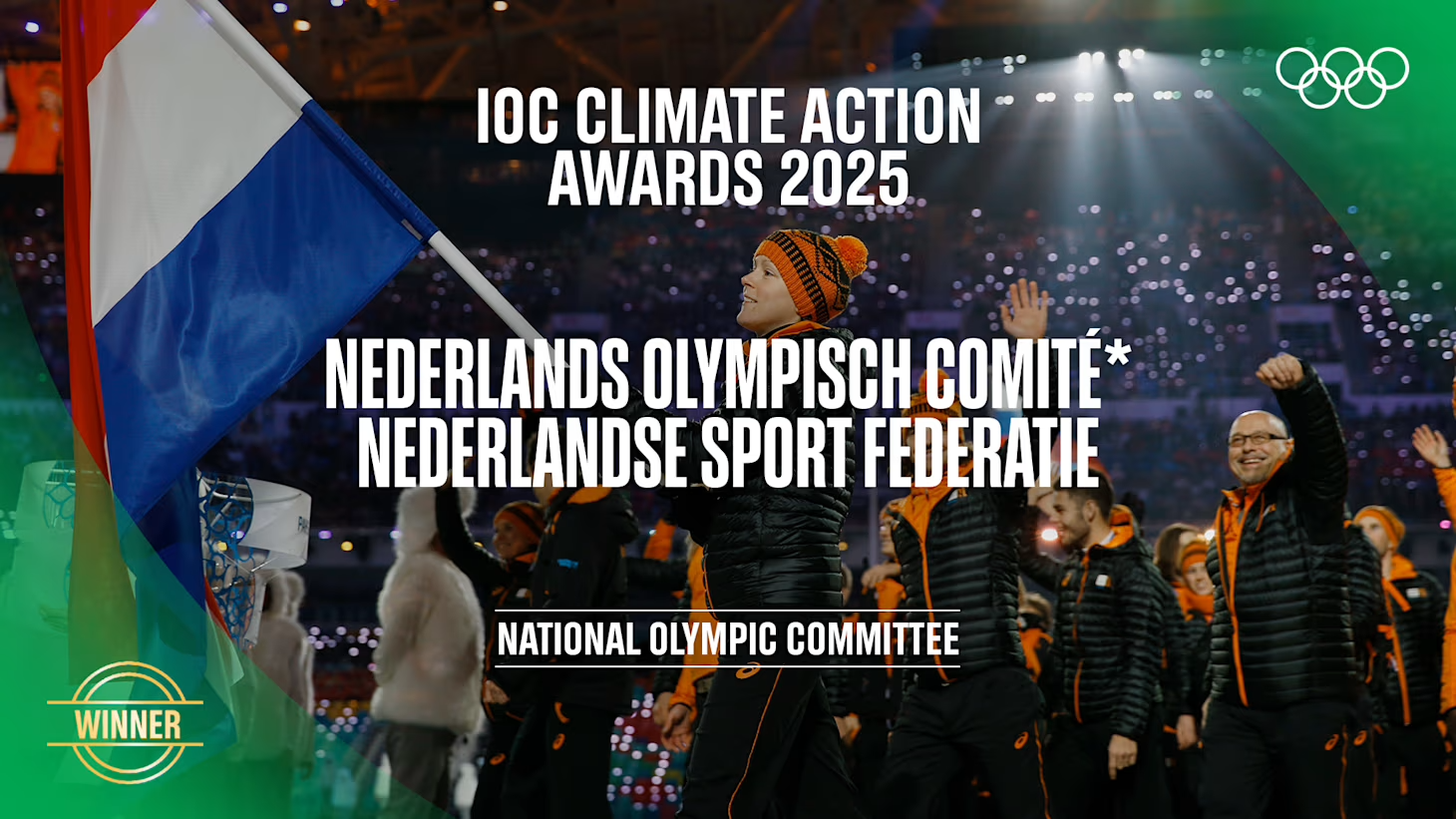
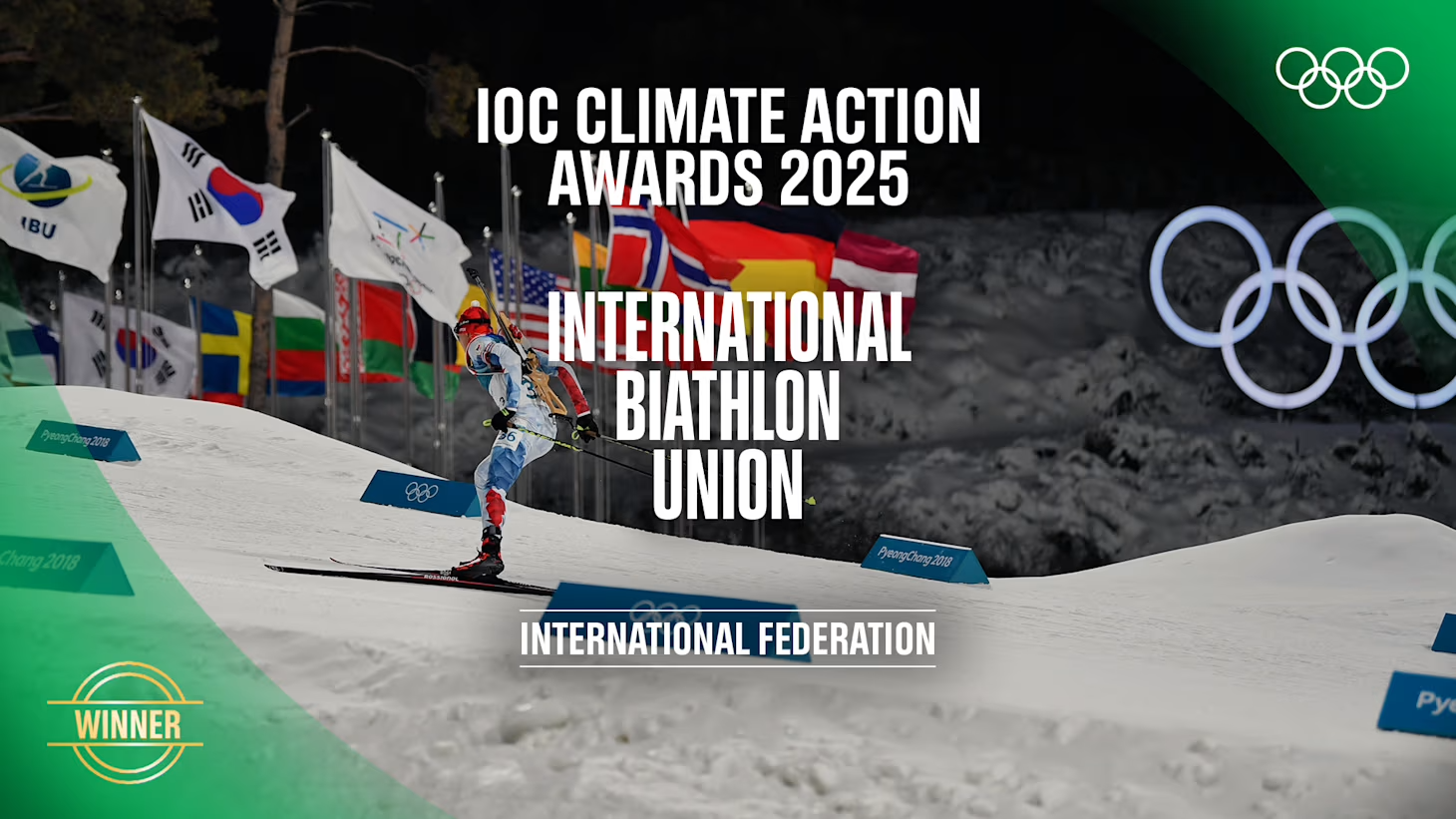
Olympic hockey player Hugo Inglis from New Zealand, Olympic rugby sevens player Kevin Wekesa from Kenya, the National Olympic Committee of the Netherlands (NOC*NSF) and the International Biathlon Union (IBU) have been named the winners of the International Olympic Committee (IOC) Climate Action Awards 2025, in recognition of their efforts to address climate change and make sport more sustainable.
Key facts
The IOC Climate Action Awards 2025 recognise impactful initiatives that address climate change across the Olympic Movement in three categories: athletes, National Olympic Committees (NOCs) and International Federations (IFs).
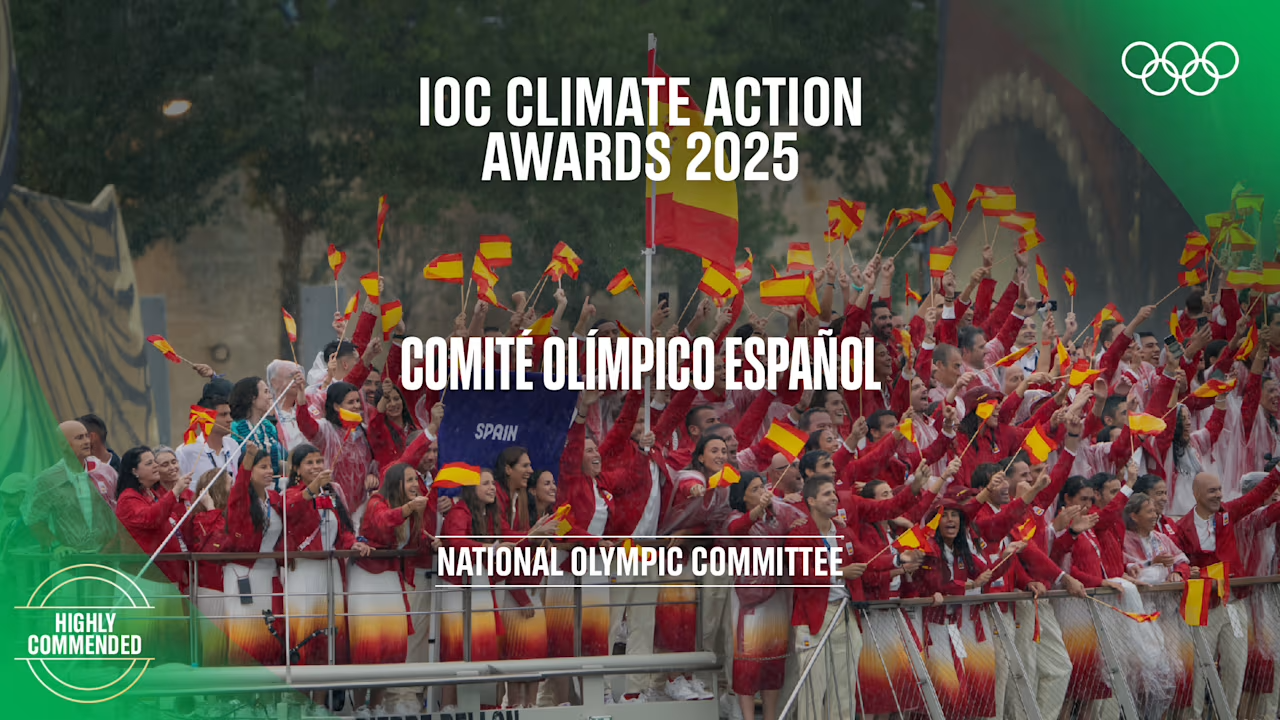
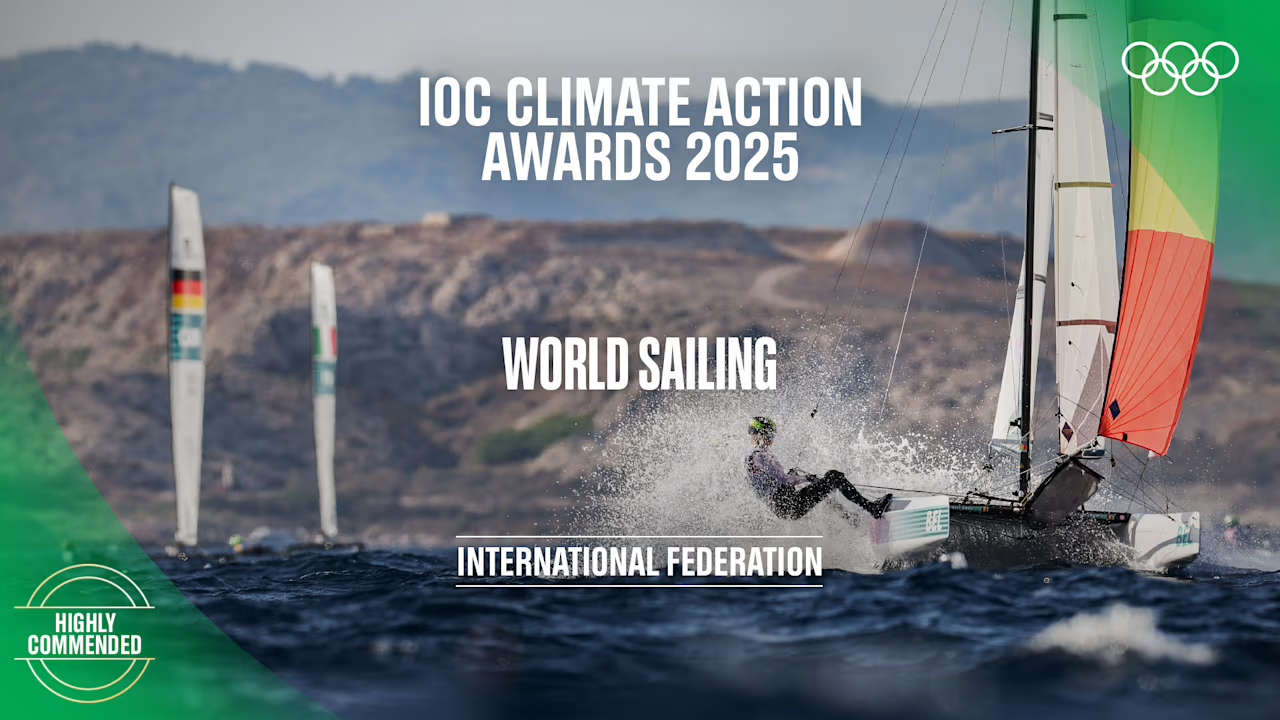
The 2025 winners are Olympic hockey player Hugo Inglis (New Zealand), Olympic rugby sevens player Kevin Wekesa (Kenya), the NOC of the Netherlands and the International Biathlon Union, with the Spanish Olympic Committee (COE) and World Sailing receiving “Highly Commended” recognition.
The awards provide tailored support to winners, including Innovation Labs for NOCs and IFs and a six-month sustainability mentoring programme for athlete awardees.
The announcement was made during the IOC Session held in Milan, ahead of the Milano Cortina 2026 Olympic Winter Games.
“As athletes, we learn early on to focus on what we can control and to keep pushing and adapt, even when conditions are not perfect,” said IOC President Kirsty Coventry. “That spirit is exactly what drives the IOC Climate Action Awards. Our winners are showing that protecting our planet and pursuing excellence can go hand in hand. Their work shows the impact of the Olympic community when it leans in together with purpose. What an inspiration.”
“Congratulations to the 2025 winners and those ‘Highly Commended’,” said Mark Price, Principal and Global Lead Client Service Partner for the International Olympic Committee at Deloitte Consulting LLP. “Leveraging their athletic drive, the winners were compelling in their ability to deliver measurable benefits and scalable solutions. Deloitte is honoured to be a Worldwide Olympic and Paralympic Partner and delighted to support these awards, which help to enhance resilience for sports and communities globally.”
Meet the winners of the IOC Climate Action Awards 2025
Athlete category
Hugo Inglis (Hockey, New Zealand)
New Zealand hockey player Hugo Inglis is the co-founder of High Impact Athletes (HIA), a global movement that channels athlete visibility and resources towards evidence-based climate solutions.
Motivated by the contradiction between a career built on international travel and his environmental convictions, Hugo helped establish HIA as a platform for athletes who want to contribute beyond reducing their own footprint. Through HIA, athlete funding is channelled to evidence-based organisations, delivering high-impact solutions in sectors that drive a large share of sport’s emissions, including aviation, energy and infrastructure.
Today, HIA brings together more than 240 athletes from 50 disciplines and 35 countries. It has directed more than USD 2 million to charities that deliver impact in the areas of climate, global health and animal welfare.
Hugo’s personal choices – from eco-conscious travel decisions to a plant-based diet and car-free lifestyle – reinforce his advocacy. With new partnerships, HIA plans to scale significantly, offering up to 600,000 athletes the opportunity to fundraise for climate solutions.
Kevin Wekesa (Rugby Sevens, Kenya)
Kenyan rugby sevens player Kevin Wekesa founded Play Green to use sport as a platform for climate action, responding to the rising temperatures and desertification that are already disrupting livelihoods across Kenya.
The programme has so far replaced single-use plastic bottles with reusable aluminium bottles for Kenya’s national rugby teams, saving nearly 1,000 plastic bottles every week.
At the same time, Kevin has embedded sustainability into education and community engagement. Through partnerships with 40 schools, Play Green combines tree-planting with workshops on water conservation, waste management and climate justice. To date, the initiative has supported the planting of 2,300 trees and engaged thousands of children in climate education.
Kevin has extended this work to clubs and federations, launching match-day recycling initiatives and installing clearly marked recycling bins and collection points to divert waste from landfill.
His ambition is to scale Play Green nationwide by introducing plastic-free stadium zones, encouraging biodegradable packaging and establishing a Green Ambassador programme in schools. With the support of this award, Kevin aims to turn these plans into a replicable model for grassroots climate action through sport.
National Olympic Committee category
NOC of the Netherlands (NOC*NSF)
The NOC*NSF has developed an integrated approach to sustainable mobility that is reshaping how athletes and staff travel.
Recognising that domestic travel accounted for nearly 70 per cent of its emissions, the NOC*NSF launched a comprehensive strategy to address the issue at its source, by combining electric vehicles, e-bikes and a digital mobility platform into a single, integrated system.
As a result, 65 per cent of Team NL’s fleet has already transitioned to electric vehicles, contributing to a 40 per cent reduction in emissions, with full electrification planned by 2027. A dedicated mobility card and app, used by 850 athletes and 300 employees, integrates public transport, shared mobility and EV charging to promote low-emission travel throughout the year.
Beyond mobility, the NOC*NSF has tackled emissions from procurement and equipment. For the Paris 2024 Olympic Games, a shift to more sustainable clothing options for participants’ kit cut related emissions from 206.7 tonnes of CO₂ at Tokyo 2020 to 60.9 tonnes in Paris – a reduction of more than 70 per cent. Taken together, these procurement changes and the wider sustainable mobility strategy are setting a benchmark for systemic, long-term impact in team operations.
International Federation category
International Biathlon Union (IBU)
The IBU has been recognised for a comprehensive climate strategy that spans competitions, operations and community engagement.
As the first Winter International Federation to include its World Cups and World Championships in a climate transition plan, the IBU achieved a 6 per cent reduction in direct and indirect emissions across all three scopes of the Greenhouse Gas Protocol in 2024, largely through increased use of renewable energy. Its Athlete Ambassador Programme empowers 26 athletes from 17 countries to champion climate action by leading social media campaigns, engaging with fans at events and speaking at international conferences.
The Biathlon Climate Challenge has mobilised 12,000 fans to take part in climate-positive activities, resulting in the planting of 150,000 trees in Sub-Saharan Africa. The Federation also supports its national members by helping them develop sustainability strategies, calculate carbon footprints and implement climate measures tailored to their context.
Guided by clear targets, namely a 50 per cent reduction in emissions by 2030 and net zero by 2040, the IBU is aligning ambition with implementation to help ensure that biathlon can continue to thrive in a rapidly changing climate.
The following finalists have been recognised in the “Highly Commended” category:
NOC of Spain (COE)
The COE has received a “Highly Commended” recognition for its structured and measurable approach to decarbonisation and governance.
Since 2018, the COE has reduced its emissions by close to 28 per cent across all three scopes under the Greenhouse Gas Protocol – covering direct emissions, purchased energy and other indirect sources – through a plan that prioritises sustainable mobility, 100 per cent renewable electricity, solar panels, LED lighting and resource efficiency. To extend its impact beyond its own operations, the COE created the Sustainable Sports Seal, a certification system that embeds environmental, social and economic criteria into the management of sporting events and organisations.
The seal, which has been externally audited, has so far been awarded to 11 sporting events and seven sports organisations. Certified events, such as the Castellón Companies Race, have recorded significant year-on-year emissions reductions. With a target to halve emissions by 2030 and achieve net zero by 2040, the COE is offering a scalable model for other NOCs seeking to integrate sustainability into their activities.
World Sailing
World Sailing has received a “Highly Commended” recognition for its data-driven work to reduce emissions from support vessels, one of sailing’s most carbon-intensive elements.
In partnership with a maritime technology company that provides efficiency tracking for support vessels, World Sailing deployed the emissions-tracking system at the Paris 2024 Olympic Games to monitor 285 boats. The data revealed opportunities to cut fuel consumption and emissions by more than 20 per cent through practical measures, such as optimising fleet size, standardising engine power and providing eco-piloting training to influence driving behaviour on the water. Combined with an existing quota system that caps the number of coach boats, these measures form the basis of a long-term strategy to introduce efficiency standards across sailing events.
This data-led approach is helping World Sailing develop a blueprint for more sustainable event delivery and supporting the wider sailing community in lowering its carbon footprint.
About the IOC Climate Action Awards
Now in their third edition, the IOC Climate Action Awards recognise and celebrate athletes, National Olympic Committees and International Federations that are delivering measurable progress in the fight against climate change.
The International Olympic Committee is a not-for-profit, civil, non-governmental, international organisation made up of volunteers which is committed to building a better world through sport. It redistributes more than 90 per cent of its income to the wider sporting movement, which means that every day the equivalent of USD 4.7 million goes to help athletes and sports organisations at all levels around the world.
###
For more information, please contact the IOC Media Relations Team: Tel: +41 21 621 6000, email: pressoffice@olympic.org, or visit our web site at www.ioc.org.
Olympic hockey player Hugo Inglis from New Zealand, Olympic rugby sevens player Kevin Wekesa from Kenya, the National Olympic Committee of the Netherlands (NOC*NSF) and the International Biathlon Union (IBU) have been named the winners of the International Olympic Committee (IOC) Climate Action Awards 2025, in recognition of their efforts to address climate change and make sport more sustainable.
Key facts
The IOC Climate Action Awards 2025 recognise impactful initiatives that address climate change across the Olympic Movement in three categories: athletes, National Olympic Committees (NOCs) and International Federations (IFs).
The 2025 winners are Olympic hockey player Hugo Inglis (New Zealand), Olympic rugby sevens player Kevin Wekesa (Kenya), the NOC of the Netherlands and the International Biathlon Union, with the Spanish Olympic Committee (COE) and World Sailing receiving “Highly Commended” recognition.
The awards provide tailored support to winners, including Innovation Labs for NOCs and IFs and a six-month sustainability mentoring programme for athlete awardees.
The announcement was made during the IOC Session held in Milan, ahead of the Milano Cortina 2026 Olympic Winter Games.
“As athletes, we learn early on to focus on what we can control and to keep pushing and adapt, even when conditions are not perfect,” said IOC President Kirsty Coventry. “That spirit is exactly what drives the IOC Climate Action Awards. Our winners are showing that protecting our planet and pursuing excellence can go hand in hand. Their work shows the impact of the Olympic community when it leans in together with purpose. What an inspiration.”
“Congratulations to the 2025 winners and those ‘Highly Commended’,” said Mark Price, Principal and Global Lead Client Service Partner for the International Olympic Committee at Deloitte Consulting LLP. “Leveraging their athletic drive, the winners were compelling in their ability to deliver measurable benefits and scalable solutions. Deloitte is honoured to be a Worldwide Olympic and Paralympic Partner and delighted to support these awards, which help to enhance resilience for sports and communities globally.”
Meet the winners of the IOC Climate Action Awards 2025
Athlete category
Hugo Inglis (Hockey, New Zealand)
New Zealand hockey player Hugo Inglis is the co-founder of High Impact Athletes (HIA), a global movement that channels athlete visibility and resources towards evidence-based climate solutions.
Motivated by the contradiction between a career built on international travel and his environmental convictions, Hugo helped establish HIA as a platform for athletes who want to contribute beyond reducing their own footprint. Through HIA, athlete funding is channelled to evidence-based organisations, delivering high-impact solutions in sectors that drive a large share of sport’s emissions, including aviation, energy and infrastructure.
Today, HIA brings together more than 240 athletes from 50 disciplines and 35 countries. It has directed more than USD 2 million to charities that deliver impact in the areas of climate, global health and animal welfare.
Hugo’s personal choices – from eco-conscious travel decisions to a plant-based diet and car-free lifestyle – reinforce his advocacy. With new partnerships, HIA plans to scale significantly, offering up to 600,000 athletes the opportunity to fundraise for climate solutions.
Kevin Wekesa (Rugby Sevens, Kenya)
Kenyan rugby sevens player Kevin Wekesa founded Play Green to use sport as a platform for climate action, responding to the rising temperatures and desertification that are already disrupting livelihoods across Kenya.
The programme has so far replaced single-use plastic bottles with reusable aluminium bottles for Kenya’s national rugby teams, saving nearly 1,000 plastic bottles every week.
At the same time, Kevin has embedded sustainability into education and community engagement. Through partnerships with 40 schools, Play Green combines tree-planting with workshops on water conservation, waste management and climate justice. To date, the initiative has supported the planting of 2,300 trees and engaged thousands of children in climate education.
Kevin has extended this work to clubs and federations, launching match-day recycling initiatives and installing clearly marked recycling bins and collection points to divert waste from landfill.
His ambition is to scale Play Green nationwide by introducing plastic-free stadium zones, encouraging biodegradable packaging and establishing a Green Ambassador programme in schools. With the support of this award, Kevin aims to turn these plans into a replicable model for grassroots climate action through sport.
National Olympic Committee category
NOC of the Netherlands (NOC*NSF)
The NOC*NSF has developed an integrated approach to sustainable mobility that is reshaping how athletes and staff travel.
Recognising that domestic travel accounted for nearly 70 per cent of its emissions, the NOC*NSF launched a comprehensive strategy to address the issue at its source, by combining electric vehicles, e-bikes and a digital mobility platform into a single, integrated system.
As a result, 65 per cent of Team NL’s fleet has already transitioned to electric vehicles, contributing to a 40 per cent reduction in emissions, with full electrification planned by 2027. A dedicated mobility card and app, used by 850 athletes and 300 employees, integrates public transport, shared mobility and EV charging to promote low-emission travel throughout the year.
Beyond mobility, the NOC*NSF has tackled emissions from procurement and equipment. For the Paris 2024 Olympic Games, a shift to more sustainable clothing options for participants’ kit cut related emissions from 206.7 tonnes of CO₂ at Tokyo 2020 to 60.9 tonnes in Paris – a reduction of more than 70 per cent. Taken together, these procurement changes and the wider sustainable mobility strategy are setting a benchmark for systemic, long-term impact in team operations.
International Federation category
International Biathlon Union (IBU)
The IBU has been recognised for a comprehensive climate strategy that spans competitions, operations and community engagement.
As the first Winter International Federation to include its World Cups and World Championships in a climate transition plan, the IBU achieved a 6 per cent reduction in direct and indirect emissions across all three scopes of the Greenhouse Gas Protocol in 2024, largely through increased use of renewable energy. Its Athlete Ambassador Programme empowers 26 athletes from 17 countries to champion climate action by leading social media campaigns, engaging with fans at events and speaking at international conferences.
The Biathlon Climate Challenge has mobilised 12,000 fans to take part in climate-positive activities, resulting in the planting of 150,000 trees in Sub-Saharan Africa. The Federation also supports its national members by helping them develop sustainability strategies, calculate carbon footprints and implement climate measures tailored to their context.
Guided by clear targets, namely a 50 per cent reduction in emissions by 2030 and net zero by 2040, the IBU is aligning ambition with implementation to help ensure that biathlon can continue to thrive in a rapidly changing climate.
The following finalists have been recognised in the “Highly Commended” category:
NOC of Spain (COE)
The COE has received a “Highly Commended” recognition for its structured and measurable approach to decarbonisation and governance.
Since 2018, the COE has reduced its emissions by close to 28 per cent across all three scopes under the Greenhouse Gas Protocol – covering direct emissions, purchased energy and other indirect sources – through a plan that prioritises sustainable mobility, 100 per cent renewable electricity, solar panels, LED lighting and resource efficiency. To extend its impact beyond its own operations, the COE created the Sustainable Sports Seal, a certification system that embeds environmental, social and economic criteria into the management of sporting events and organisations.
The seal, which has been externally audited, has so far been awarded to 11 sporting events and seven sports organisations. Certified events, such as the Castellón Companies Race, have recorded significant year-on-year emissions reductions. With a target to halve emissions by 2030 and achieve net zero by 2040, the COE is offering a scalable model for other NOCs seeking to integrate sustainability into their activities.
World Sailing
World Sailing has received a “Highly Commended” recognition for its data-driven work to reduce emissions from support vessels, one of sailing’s most carbon-intensive elements.
In partnership with a maritime technology company that provides efficiency tracking for support vessels, World Sailing deployed the emissions-tracking system at the Paris 2024 Olympic Games to monitor 285 boats. The data revealed opportunities to cut fuel consumption and emissions by more than 20 per cent through practical measures, such as optimising fleet size, standardising engine power and providing eco-piloting training to influence driving behaviour on the water. Combined with an existing quota system that caps the number of coach boats, these measures form the basis of a long-term strategy to introduce efficiency standards across sailing events.
This data-led approach is helping World Sailing develop a blueprint for more sustainable event delivery and supporting the wider sailing community in lowering its carbon footprint.
About the IOC Climate Action Awards
Now in their third edition, the IOC Climate Action Awards recognise and celebrate athletes, National Olympic Committees and International Federations that are delivering measurable progress in the fight against climate change.
The International Olympic Committee is a not-for-profit, civil, non-governmental, international organisation made up of volunteers which is committed to building a better world through sport. It redistributes more than 90 per cent of its income to the wider sporting movement, which means that every day the equivalent of USD 4.7 million goes to help athletes and sports organisations at all levels around the world.
###
For more information, please contact the IOC Media Relations Team: Tel: +41 21 621 6000, email: pressoffice@olympic.org, or visit our web site at www.ioc.org.
In London, The Mills Fabrica convened industry peers including Cascale for the “Performance Without Toxicity” launch event, celebrating fiber innovation and innovators.
Hosted at MYO King’s Cross, the two-day event saw over 100 attendees from across the value chain. The programming also featured a networking drinks reception at the gallery and concept store “Fabrica X” where innovations are on display.
On day one, The Mills Fabrica’s head of Europe Amy Tsang gave opening remarks. Sessions followed on purpose-driven leadership, athleisure, footwear design, performance materials, and greener financing. Allbirds, the Ellen MacArthur Foundation, HSBC, and more, were among the represented speakers.
Cascale also played a part in the event. On day two, Ellie Hackwood – senior manager of brand and retail membership – moderated a session titled “Building the Systems Behind Next-Generation Performance” covering reflections on innovation in responsible textile manufacturing and scalable change. Speakers included Mark Edridge, product manager at Bluesign Technologies, and Bethan Taylor, global sustainability manager at Checkpoint ALS, both Cascale members, as well as Joyce Tsoi, senior director of the decarbonization program at Cascale.
Hackwood gave a brief introduction on the opportunity at hand to confront fossil fuel-based inputs and further supply chain decarbonization advancements at a systems level. The strongest theme from the discussion was that holistic supply chain collaboration is a pre-requisite to systems change. Panelists stressed the critical importance of collaboration across complex supply chains, in particular citing the need for strengthened buyer supplier partnerships. Scalable innovation cannot be achieved in silos.
In London, The Mills Fabrica convened industry peers including Cascale for the “Performance Without Toxicity” launch event, celebrating fiber innovation and innovators.
Hosted at MYO King’s Cross, the two-day event saw over 100 attendees from across the value chain. The programming also featured a networking drinks reception at the gallery and concept store “Fabrica X” where innovations are on display.
On day one, The Mills Fabrica’s head of Europe Amy Tsang gave opening remarks. Sessions followed on purpose-driven leadership, athleisure, footwear design, performance materials, and greener financing. Allbirds, the Ellen MacArthur Foundation, HSBC, and more, were among the represented speakers.
Cascale also played a part in the event. On day two, Ellie Hackwood – senior manager of brand and retail membership – moderated a session titled “Building the Systems Behind Next-Generation Performance” covering reflections on innovation in responsible textile manufacturing and scalable change. Speakers included Mark Edridge, product manager at Bluesign Technologies, and Bethan Taylor, global sustainability manager at Checkpoint ALS, both Cascale members, as well as Joyce Tsoi, senior director of the decarbonization program at Cascale.
Hackwood gave a brief introduction on the opportunity at hand to confront fossil fuel-based inputs and further supply chain decarbonization advancements at a systems level. The strongest theme from the discussion was that holistic supply chain collaboration is a pre-requisite to systems change. Panelists stressed the critical importance of collaboration across complex supply chains, in particular citing the need for strengthened buyer supplier partnerships. Scalable innovation cannot be achieved in silos.
On Saturday, February 7, 2026, KeyBank will partner with CHN Housing Partners (CHN), Enterprise Community Partners and Saint Ignatius High School to host its annual “Super Refund Saturday” event. KeyBank employees will work alongside volunteers for the Cuyahoga Earned Income Tax Coalition to provide free tax preparation services to those who need it most, helping low- to moderate-income individuals and families determine their eligibility for the Earned Income Tax Credit (EITC).
This Super Refund Saturday event will be held from 9:00 a.m. to 3:00 p.m. at Saint Ignatius High School, located at 1911 West 30th Street in Cleveland. All tax filers with a household income up to $69,000 are welcome to attend the event and the individual does not have to be a KeyBank customer to participate. Attendees are encouraged to make an appointment and verify their eligibility by visiting refundohio.org or by calling 2-1-1.
“Super Refund Saturday is a signature annual event that is central to KeyBank’s purpose of helping the communities we serve thrive,” said Mattie Jones-Hollowell, KeyBank Corporate Responsibility Officer. “We are once again excited to work with CHN, Enterprise and Saint Ignatius to support our neighbors with free tax preparation services.”
The Earned Income Tax Credit is a benefit for working people with low to moderate income. To qualify, workers and families must meet certain requirements and file a tax return, even if they do not owe any tax or are not required to file. EITC reduces the amount of tax owed and may provide a refund. (Source: IRS)
Each year, thousands of qualifying Americans do not claim the EITC on their federal income tax returns, meaning billions of dollars in much-needed refunds goes unclaimed. Super Refund Saturday is a cost-effective way for tax filers to navigate the potentially confusing tax preparation process and ensure they are getting their full return.
According to the IRS, to qualify for the EITC, earned income must be less than:
$61,555 ($68,675 if married and filing jointly) if you have three or more children
$57,310 ($64,430 if married and filing jointly) if you have two children
$50,434 ($57,554 if married and filing jointly) if you have one child
$19,104 ($26,214 if married and filing jointly) if you have no children
**Children must meet certain relationship, age, and residency requirements to qualify
If participating in Super Refund Saturday, income tax return filers should bring these documents:
State-issued photo ID
Social Security card (for you, your spouse, and each child and/or dependent)
W-2 forms
1099 forms (interest, earnings as an independent contractor)
Unemployment forms (if applicable)
Proof of childcare payments
Other IRS forms as appropriate
Last year’s tax return (if available)
Bank account and routing number for direct deposit (if applicable)
If filing jointly, please bring all applicable documents for you and your spouse.
ABOUT KEYCORP
KeyCorp’s roots trace back more than 200 years to Albany, New York. Headquartered in Cleveland, Ohio, Key is one of the nation’s largest bank-based financial services companies, with assets of approximately $184 billion at December 31, 2025.
Key provides deposit, lending, cash management, and investment services to individuals and businesses in 15 states under the name KeyBank National Association through a network of approximately 950 branches and approximately 1,200 ATMs. Key also provides a broad range of sophisticated corporate and investment banking products, such as merger and acquisition advice, public and private debt and equity, syndications and derivatives to middle market companies in selected industries throughout the United States under the KeyBanc Capital Markets trade name. For more information, visit https://www.key.com/. KeyBank Member FDIC.
ABOUT CHN HOUSING PARTNERS
Founded in 1981, CHN Housing Partners is a large-scale affordable housing developer, housing service provider and residential lender that works with its partners to solve major housing challenges for low-income people and underserved communities in Ohio, Michigan and Pennsylvania. CHN partners with utility companies, financial institutions and public agencies to manage and deliver large-scale housing resources. CHN also partners with people—low-income individuals, families, seniors, the disabled and the homeless—to improve their housing stability. CHN’s impact in Cleveland includes 3,900 new homeowners, the housing stability services it provides annually to thousands of individuals, and the development of 7,100 new homes. CHN is a chartered member of the NeighborWorks America network. http://www.chnhousingpartners.org
About Enterprise Community Partners Enterprise is a national nonprofit that exists to make a good home possible for the millions of families without one. We support community development organizations on the ground, aggregate and invest capital for impact, advance housing policy at every level of government, and build and manage communities ourselves. Since 1982, we have invested $72 billion and created 1 million homes across all 50 states, the District of Columbia, Puerto Rico, and the U.S. Virgin Islands – all to make home and community places of pride, power, and belonging. Join us at enterprisecommunity.org
On Saturday, February 7, 2026, KeyBank will partner with CHN Housing Partners (CHN), Enterprise Community Partners and Saint Ignatius High School to host its annual “Super Refund Saturday” event. KeyBank employees will work alongside volunteers for the Cuyahoga Earned Income Tax Coalition to provide free tax preparation services to those who need it most, helping low- to moderate-income individuals and families determine their eligibility for the Earned Income Tax Credit (EITC).
This Super Refund Saturday event will be held from 9:00 a.m. to 3:00 p.m. at Saint Ignatius High School, located at 1911 West 30th Street in Cleveland. All tax filers with a household income up to $69,000 are welcome to attend the event and the individual does not have to be a KeyBank customer to participate. Attendees are encouraged to make an appointment and verify their eligibility by visiting refundohio.org or by calling 2-1-1.
“Super Refund Saturday is a signature annual event that is central to KeyBank’s purpose of helping the communities we serve thrive,” said Mattie Jones-Hollowell, KeyBank Corporate Responsibility Officer. “We are once again excited to work with CHN, Enterprise and Saint Ignatius to support our neighbors with free tax preparation services.”
The Earned Income Tax Credit is a benefit for working people with low to moderate income. To qualify, workers and families must meet certain requirements and file a tax return, even if they do not owe any tax or are not required to file. EITC reduces the amount of tax owed and may provide a refund. (Source: IRS)
Each year, thousands of qualifying Americans do not claim the EITC on their federal income tax returns, meaning billions of dollars in much-needed refunds goes unclaimed. Super Refund Saturday is a cost-effective way for tax filers to navigate the potentially confusing tax preparation process and ensure they are getting their full return.
According to the IRS, to qualify for the EITC, earned income must be less than:
$61,555 ($68,675 if married and filing jointly) if you have three or more children
$57,310 ($64,430 if married and filing jointly) if you have two children
$50,434 ($57,554 if married and filing jointly) if you have one child
$19,104 ($26,214 if married and filing jointly) if you have no children
**Children must meet certain relationship, age, and residency requirements to qualify
If participating in Super Refund Saturday, income tax return filers should bring these documents:
State-issued photo ID
Social Security card (for you, your spouse, and each child and/or dependent)
W-2 forms
1099 forms (interest, earnings as an independent contractor)
Unemployment forms (if applicable)
Proof of childcare payments
Other IRS forms as appropriate
Last year’s tax return (if available)
Bank account and routing number for direct deposit (if applicable)
If filing jointly, please bring all applicable documents for you and your spouse.
ABOUT KEYCORP
KeyCorp’s roots trace back more than 200 years to Albany, New York. Headquartered in Cleveland, Ohio, Key is one of the nation’s largest bank-based financial services companies, with assets of approximately $184 billion at December 31, 2025.
Key provides deposit, lending, cash management, and investment services to individuals and businesses in 15 states under the name KeyBank National Association through a network of approximately 950 branches and approximately 1,200 ATMs. Key also provides a broad range of sophisticated corporate and investment banking products, such as merger and acquisition advice, public and private debt and equity, syndications and derivatives to middle market companies in selected industries throughout the United States under the KeyBanc Capital Markets trade name. For more information, visit https://www.key.com/. KeyBank Member FDIC.
ABOUT CHN HOUSING PARTNERS
Founded in 1981, CHN Housing Partners is a large-scale affordable housing developer, housing service provider and residential lender that works with its partners to solve major housing challenges for low-income people and underserved communities in Ohio, Michigan and Pennsylvania. CHN partners with utility companies, financial institutions and public agencies to manage and deliver large-scale housing resources. CHN also partners with people—low-income individuals, families, seniors, the disabled and the homeless—to improve their housing stability. CHN’s impact in Cleveland includes 3,900 new homeowners, the housing stability services it provides annually to thousands of individuals, and the development of 7,100 new homes. CHN is a chartered member of the NeighborWorks America network. http://www.chnhousingpartners.org
About Enterprise Community Partners Enterprise is a national nonprofit that exists to make a good home possible for the millions of families without one. We support community development organizations on the ground, aggregate and invest capital for impact, advance housing policy at every level of government, and build and manage communities ourselves. Since 1982, we have invested $72 billion and created 1 million homes across all 50 states, the District of Columbia, Puerto Rico, and the U.S. Virgin Islands – all to make home and community places of pride, power, and belonging. Join us at enterprisecommunity.org