
BERLIN–(BUSINESS WIRE)–Sensereo, ein auf Umweltdaten spezialisiertes Unternehmen, das Sensorprodukte der nächsten Generation für ein sichereres, gesünderes und intelligenteres Leben entwickelt, wurde für sein modulares Raumluftqualitätssystem „Airo“ mit dem renommierten IFA Berlin Innovation Award ausgezeichnet. Die Auszeichnung wurde am Donnerstag, dem 4. September, im Rahmen der IFA Berlin verliehen und würdigt „Airo“ für seinen innovativen Ansatz, mit dem Verbraucher die Qualität ihres Rau
Month: September 2026
Improving access to artificial intelligence (AI) in rural markets is one of several topics I look forward to discussing at DISTRIBUTECH International 2026 in San Diego. How big is this new business opportunity for power utilities?
Governments, power utilities and telecommunication providers are racing to close the digital divide. Broadband is no longer optional because it underpins education, healthcare, economic development and social participation.
But connecting rural markets takes more than last-mile fiber. It requires resilient, modern optical transport networks that can support today’s digital services and tomorrow’s AI-driven applications as their data travels from the network core to your door.
Utilities and the rise of fiber-powered networks
Utilities are increasingly deploying fiber along transmission and distribution corridors to enable real-time grid monitoring, secure substation control and corporate WAN connectivity. Some are also extending this fiber to deliver broadband services.
These fiber-powered networks must be scalable, simple, secure and highly resilient. Advances in coherent optics, compact hardware, switching, automation and encryption now make this possible. Modern optical systems efficiently aggregate mission-critical operational technology (OT) traffic, AI-heavy IT workloads and growing broadband traffic across middle-mile networks.
DCI-MOFN: A new revenue opportunity for utilities
One of the most promising opportunities for utilities is data center interconnect (DCI). As AI workloads surge, enterprises need massive amounts of low-latency transport between data centers. Utilities, which are already positioned with the requisite power supply and near-long-haul fiber routes, can address this need by offering 100, 400 or 800 Gb/s DCI as a managed service.
These managed optical fiber networks (MOFNs) can serve cloud and AI providers and large enterprises that are looking for dedicated connectivity. As data centers are distributed closer to the network edge, they can better support consumer and enterprise AI inference use cases. This results in increased demand for higher capacity, lower latency and stronger data sovereignty interconnect options.
AI acceleration: A network load few expected
Rapid AI adoption is reshaping network demand. Enterprises are deploying agentic AI to automate operations, while major tech companies are investing heavily in compute capacity. According to Goldman Sachs, AI spending will exceed $US500 billion next year. Deloitte estimated that power demand from AI data centers in the US could grow more than 30-fold by 2035. McKinsey says up to 70% of data center capacity demand will come from AI by 2030.
This rapid expansion places unprecedented pressure on optical transport and DCI networks and creates an urgent need for them to be modernized.
Why data centers are moving to rural areas
Urban regions face power and land shortages. Some, like those in the state of Virginia, have multiyear waits for new data center hookups. Rural areas offer lower land costs, renewable energy, greater water availability, cooler climates, lower disaster risk and proximity to major fiber routes. Cloud and AI providers such as AWS and Microsoft are building more facilities in these regions.
Building AI-ready multiuse networks
Today’s optical platforms are compact, modular and energy efficient. Programmable pluggable versions of coherent optics deliver 100G to 800G data rates across thousands of kilometers without needing costly regeneration.
These technologies bring utilities the benefits of lower power per bit and smoother migration to emerging 800G-enabled routers, along with the advantages of open, multivendor environments. Utilities can use them to create unified networks that support broadband aggregation, middle-mile transport, IT/OT network convergence and DCI/MOFN business models. These networks will have smaller footprints and lower cost than legacy systems and offer the automation and protection mechanisms of modern systems.
The bottom line
Rural markets and power utilities have a unique opportunity. Broadband expansion remains essential, but the rise of AI is creating new demands and value. Many rural regions already have the land, power and fiber access required for next-generation data centers. By strengthening rural optical transport networks with modern, high-capacity technologies, utilities can play a key role in helping rural communities participate and prosper in the digital- and AI-driven future.
I’m looking forward to learning and sharing more with you at DISTRIBUTECH International 2026. If you can’t make the conference, please follow us for future thoughts and news.
PURCHASE, N.Y., September 9, 2026 /3BL/ – The PepsiCo Foundation today announced the recipients of its 2026 Community Impact Awards, recognizing 100 nonprofit organizations across the United States and Canada with $500,000 USD in grants to help advance their missions and expand opportunity. Nominated by PepsiCo associates who know their work firsthand, the organizations are helping address some of the most pressing needs in their communities, from expanding access to food and safe water to creating pathways to employment and supporting farming livelihoods.
Now in its fifth year, the Community Impact Awards put local perspective at the center of community investment. PepsiCo associates nominate nonprofit organizations they know and trust, helping identify organizations that are making a meaningful difference every day. Since launching in 2022, the program has invested more than $3.7 million USD in community grants across North America.
Each recipient organization will receive a $5,000 USD grant to support its mission and continue serving its community.
“Across North America, there are organizations showing up every day for their communities, often without recognition and with limited resources,” said Monica Bauer, SVP, Social Impact, PepsiCo, and President of the PepsiCo Foundation. “The Community Impact Awards help shine a light on organizations that are creating opportunities, solving local challenges and making a real difference in people’s lives. What makes this program special is that the recognition comes from PepsiCo associates who know these organizations firsthand and have seen their impact up close.”
Local Organizations, Community-Led Solutions
The 2026 recipients reflect the power of local organizations to respond to the unique needs of their communities. Whether serving families, supporting young people, strengthening local economies or creating new opportunities, these organizations are helping improve lives in meaningful and lasting ways.
From Hunger Resource Network in Northbrook, Illinois, which will use its grant to help provide more than 22,000 meals across the Chicago area, to Friends of Hilltop Hanover Farm and Environmental Center in Westchester County, New York, which advances sustainable agriculture, environmental stewardship and community education, this year’s recipients demonstrate how locally rooted organizations are turning community knowledge into action. Each organization was nominated by a PepsiCo associate with a personal connection to its work, whether through volunteering, community involvement or firsthand experience.
“I’ve always admired the Hunger Resource Network’s approach to address food insecurity across the Chicago area, which is why I wanted to nominate them,” said Matthew Hester, Finance Sr. Director at PepsiCo. “I really appreciate having the opportunity through the Community Impact Awards to further support organizations that are doing important work in our local community.”
The Community Impact Awards extend beyond grant funding. By Spring 2027, each recipient will work with the PepsiCo associate who nominated them on a volunteer activity aligned to the nonprofit’s mission and community needs, turning recognition into continued action and engagement.
Behind each of the 100 awards is an organization working to solve a problem, create an opportunity or meet a need in its community. Together, this year’s recipients reflect the impact that local leadership can have when people step up for their neighbors, and the powerful role community organizations play in helping communities thrive.
2026 PepsiCo Foundation Community Impact Awards Recipients
United States
- 360 Communities
- 4Roots Foundation, Inc.
- A New Day Foundation Inc
- Abilityfirst
- Alliance For Children
- Any Step Community Services
- Be A Little Too Kind
- Better Way New York Inc.
- Beyond the Ball NFP
- Big Brothers Big Sisters of Central Indiana Inc
- Big Brothers Big Sisters of Northeast Indiana Inc
- Big Brothers-Big Sisters of Metropolitan Chicago
- Bonton Enterprises
- Boys and Girls Club of Benton County
- Boys and Girls Clubs in Texas
- Bread of Life Food Pantry – Lake Oconee Lutheran Church
- Brighter Days
- Broadway Community, Inc
- Capital IDEA Houston
- Center on Halsted
- Change Course
- Chicago Youth Centers
- Claremont Neighborhood Center
- CLiCK
- Clifton Education Foundation, Inc.
- Denmark Community Cupboard
- District Alliance for Safe Housing
- Elmwood Neighborhood Farm
- Emma’s Torch
- Empower the Voice
- Every Day Action
- Feed My Starving Children
- Florence-Firestone Community Organization
- Food Lifeline
- FoodSphere Inc
- Future Founders
- Generations Grow Network Inc.
- Grace at the Green Light
- Greater Baton Rouge Food Bank Inc
- Harlem Grown, Inc.
- Hawkeye Area Community Action Program Inc
- Hendrick Scholarship Foundation
- Hope for the Cities
- Hunger Resource Network
- Idaho Foodbank Warehouse, d.b.a. The Idaho Foodbank
- Interfaith Food Pantry, Inc.
- Jobs for America’s Graduates
- Junior Achievement of Chicago
- Junior Achievement of Dallas Inc
- Kitsap Community and Agricultural Alliance
- LA’s BEST
- Ladies of Virtue
- Matthew 25
- McKinney Little Free Pantry – Sanchez Charities
- Meals for Unity
- Minds Matter NYC
- My New House
- Neighbors Nourishing Neighbors
- Neptune Middle School
- New Friends New Life
- Pitney Meadows Community Farm
- Plate and Pathways
- Prairie Fire Foundation
- Project 150
- Project Cultivate LLC
- Regional Food Bank of Northeastern New York
- Second Harvest Food Bank of Northwest NC
- Second Helpings Inc
- Sloatsburg Food Pantry
- Soundwaters Inc
- St. Vincent de Paul Society Food Pantry
- Tackle Hunger
- The Concilio
- The Friends of Hilltop Hanover Farm and Environmental Center Inc
- The Friendship Center
- The Nashville Food Project (TNFP)
- The Salvation Army
- The Table Community Foundation
- Three Square
- Together We Thrive
- Train Up a Child NOLA
- United Way of Central KY
- United Way of Tri-County
- United Way of Westchester and Putnam, Inc.
- Water Is Basic
- Weissman Children’s Foundation
- YMCA of Central Florida
- Young Mens Christian Association of Rome and Floyd County GA Inc.
- YWCA Central Maine
Canada
- Ducks Unlimited Canada
- Halton Down Syndrome Association
- Hamilton Out of the Cold
- Kamloops Food Bank Society
- Kawartha Food Share
- Kings County Family Resource Centre
- La Bouchée Généreuse
- Lethbridge Food Bank Society
- The Harris Brand Foundation
- The Local Community Food Centre
- Y.E.S.S.: Youth Emergency Shelter Society of Edmonton
About the PepsiCo Foundation
The PepsiCo Foundation, the philanthropic arm of PepsiCo, works to support positive change for people and the planet by expanding access to essential resources that help meet immediate needs and unlock pathways to opportunity. Guided by PepsiCo Positive (pep+), our philanthropic investments focus on four key areas: food access, safe water access, farming, and workforce development. Through collaboration with nonprofits, community organizations and global partners, the Foundation works to strengthen food systems, support farmers, expand access to nutritious food and safe water, and advance workforce development to build lasting economic resilience. Learn more at www.pepsicofoundation.com. Follow us on LinkedIn.
Media Contact:
Ghilianie Soto
201.618.4959
Ghilianie.soto@pepsico.com
Originally published on CVS Health Company Newsroom
WOONSOCKET, R.I., September 9, 2026 /3BL/ – New survey findings commissioned by CVS Health® (NYSE: CVS) reveal that many Americans face persistent barriers accessing preventive health screenings. Nearly one in four adults have delayed speaking with a health professional about health concerns because of barriers related to access, cost or availability, and one-third were unaware that community screening programs exist.
“People aren’t telling us that preventive health screenings don’t matter; they’re telling us that accessing them can be harder than it should be,” said Jenny McColloch, Chief Sustainability Officer and Vice President of Community Impact, CVS Health. “This survey reinforces what we’ve seen over the past 20 years through Project Health: when screenings are convenient, accessible and offered in places people already know and trust, they’re more likely to take that first step. That’s why we’ve continued to bring preventive health services directly into communities and help people better understand their health.”
As Project Health marks its 20th anniversary, the program continues to demonstrate the impact of community-based prevention. Since launching in 2006, Project Health has helped millions of people better understand and manage their health through convenient, accessible screenings and health education resources.
The program plays an important role in improving access: Today, four in 10 adults say affordable screenings are difficult to find in their community, while also reporting challenges securing timely appointments. Yet nearly three-quarters (72%) say a program offering screenings with no appointment or insurance requirements would make health screenings easier to obtain. The findings underscore why Project Health, CVS Health’s free community health screening program, has spent the past 20 years bringing preventive health services directly into communities through more than 6 million free screenings at CVS Pharmacy locations, mobile sites and community events.
Since launching in 2006, Project Health has:
- Delivered nearly 20,000 community screening events
- Reached 1.8 million people across the U.S. and Puerto Rico
- Provided more than 6 million no-cost preventive health screenings
- Offered screenings with no appointment and no insurance required
Barriers Continue to Keep Many Americans from Preventive Screenings
Many U.S. adults face a combination of awareness, access and affordability challenges that can prevent them from getting recommended preventive health screenings.
Among adults who report barriers to obtaining routine screenings:
- Nearly one in four (24%) have delayed speaking with a health professional about a specific health concern.
- 19 percent have relied on internet searches instead of speaking with a health professional.
- 17 percent have reduced spending on essentials such as groceries because of health-related costs.
- 15 percent have used savings or taken on debt to cover health expenses.
- 15 percent have lost income after taking time away from work to address health-related needs.
One Screening, One New City, One Important Reminder
For Cheryl Jones, Project Health arrived at exactly the right time.
When Cheryl Jones retired and relocated from New York to Houston in late 2025, she was still getting settled and had not yet established local health resources. After a planned trip back to New York for appointments was canceled, she found an unexpected opportunity close to home: a Project Health mobile screening event outside a nearby CVS Pharmacy.
“I had just moved to Houston and didn’t know anyone yet,” Jones said. “The team was so inviting that I decided to stop and take the screening.”
What began as a routine screening provided valuable insight into her health. Jones learned that her cholesterol and A1C levels had increased, giving her information she may not have discovered for months.
“It wasn’t necessarily surprising, but it was the reminder I needed,” Jones said. “The experience encouraged me to pay closer attention to my health and be more consistent about monitoring it.”
For Jones, the experience highlighted the value of bringing preventive health services directly into communities.
“For someone new to a city without an established doctor, it gave me a way to stay informed about my health instead of waiting until something became serious,” she said.
Building Trust Through Community Presence
Over the past two decades, Project Health has evolved alongside the communities it serves. Screenings are offered at CVS Pharmacy locations, mobile sites and community events, making it easier for people to access preventive health services in places that are convenient and familiar.
Each participant receives:
- No-cost preventive health screenings
- One-on-one consultations with health professionals
- Information to help understand screening results
- Connections to local resources and online health education, including access to the Project Health app
The survey suggests these are exactly the types of services Americans value most. Respondents said trained health professionals, convenient locations, walk-in availability and help understanding results are among the most important factors in building trust in community screening programs. These findings closely align with Project Health’s approach of providing convenient community-based screenings while helping participants understand their results and connect to additional health resources when needed.
Survey Methodology
The survey was conducted online by Morning Consult between July 16–20, 2026, among 2,062 U.S. adults, with additional samples in Arizona, California, Florida, Illinois, Massachusetts, New York, North Carolina, Pennsylvania and Texas. Results have a margin of error ranging from +/- 2 to 4 percentage points.
###
About CVS Health
CVS Health is a leading health solutions company simplifying health care one person, one family and one community at a time. As of March 31, 2026, the Company had approximately 9,000 retail pharmacy locations, more than 1,000 walk-in and primary care medical clinics and a leading pharmacy benefits manager with approximately 88 million plan members. The Company also serves an estimated more than 37 million people through a broad range of health insurance products and related services. The Company’s integrated model uses personalized, technology driven services to connect people to simply better health, increasing access to quality care, delivering better outcomes, and lowering overall costs.
Media contact
Rebecca Ferrick
FerrickR@CVSHealth.com
September 9, 2026 /3BL/ – The Georgia Department of Transportation (Georgia DOT) and The Ray have partnered to establish monarch butterfly pollinator meadows at nine Georgia DOT highway right-of-way sites across the state. The nine meadows represent Georgia DOT’s first installed acres banked through the Nationwide Candidate Conservation Agreement with Assurances (CCAA) for the Monarch Butterfly on Energy and Transportation Lands, a voluntary conservation initiative that encourages transportation agencies to create, maintain, and manage monarch butterfly habitat on transportation lands.
“Monarch butterfly populations have been declining in recent years, and these pollinator sites demonstrate how transportation infrastructure and environmental stewardship can create meaningful conservation opportunities,” said Georgia DOT Commissioner Russell R. McMurry, P.E. “The Ray has long been a valued and trusted partner of the department, and we are pleased to continue our collaboration to help protect and preserve monarch butterfly habitats.”
Through this collaborative effort, Georgia DOT prepared the roadside sites and implemented conservation mowing practices, adjusting mowing schedules to allow native vegetation and flowering plants to grow and provide habitat and nectar for monarch butterflies and other pollinators. The Ray coordinated the planting and evaluation of the habitats, monitoring plant growth and coverage, pollinator activity, and how well native vegetation performs under different roadside conditions.
“Installing these meadows across Georgia gave us the opportunity to take what we’ve learned through years of roadside research on The Ray Highway and apply it at a much larger scale,” said Josh Weaver, Ph.D., Natural Capital Manager at The Ray. “Each site presents different soils, slopes, and growing conditions, so this work is about more than planting wildflowers. We’re demonstrating how Georgia’s highway rights-of-way can be intentionally managed to provide meaningful monarch and pollinator habitat while also evaluating native vegetation as a practical tool for slope stabilization, erosion control and long-term roadside management.”
Georgia DOT and The Ray will continue monitoring the nine meadow sites as the plantings become established. Information gathered from the project will help partners evaluate the use of native vegetation for roadside habitat and slope stabilization and identify opportunities for future work.
To learn more about Georgia DOT and The Ray’s work to protect monarch butterfly habitats, please click the link below to listen to the podcast.
Our commitment to diversity, inclusion & belonging
Inclusion and belonging go hand in hand. Inclusion involves creating an environment where individuals from diverse backgrounds feel respected, valued and integrated into decision-making processes. Belonging is the emotional experience of feeling accepted and valued as part of our workplace, with customers, and in the communities where we live and work. We strive to create an inclusive workplace that builds the foundation.
In our 2025 Corporate Sustainability Report, we highlight various initiatives and programs we offer to foster a diverse and inclusive culture where every employee feels valued. In this article, we take a closer one of the recognitions in 2025 that is a testament to this.
Spotlight on progress: Launch of Reflect Reconciliation Action Plan (RAP) in Australia
In 2025, we proudly launched our inaugural Australian Reconciliation Action Plan (RAP) – a formal commitment to strengthening relationships with Aboriginal and Torres Strait Islander peoples, organizations, and communities.
Our RAP is a framework to promote cultural understanding and support economic empowerment and well-being. It reflects our belief that reconciliation is a shared responsibility and a journey we walk together.
Our action plan is centered on unlocking the profound collective wisdom of Aboriginal and Torres Strait Islander peoples, whose legacy spans over 65,000 years of caring for country through land care and land management. As a company that works closely with land, resources, and communities, we believe that respecting and learning from this heritage is critical to how we operate.
This program, endorsed by Reconciliation Australia, builds on our global inclusion efforts, including our Partnership Accreditation in Aboriginal Relations (PAIR) program in Canada, and aligns with our purpose to take energy forward, making it safer, cleaner, and more efficient for people and the planet.
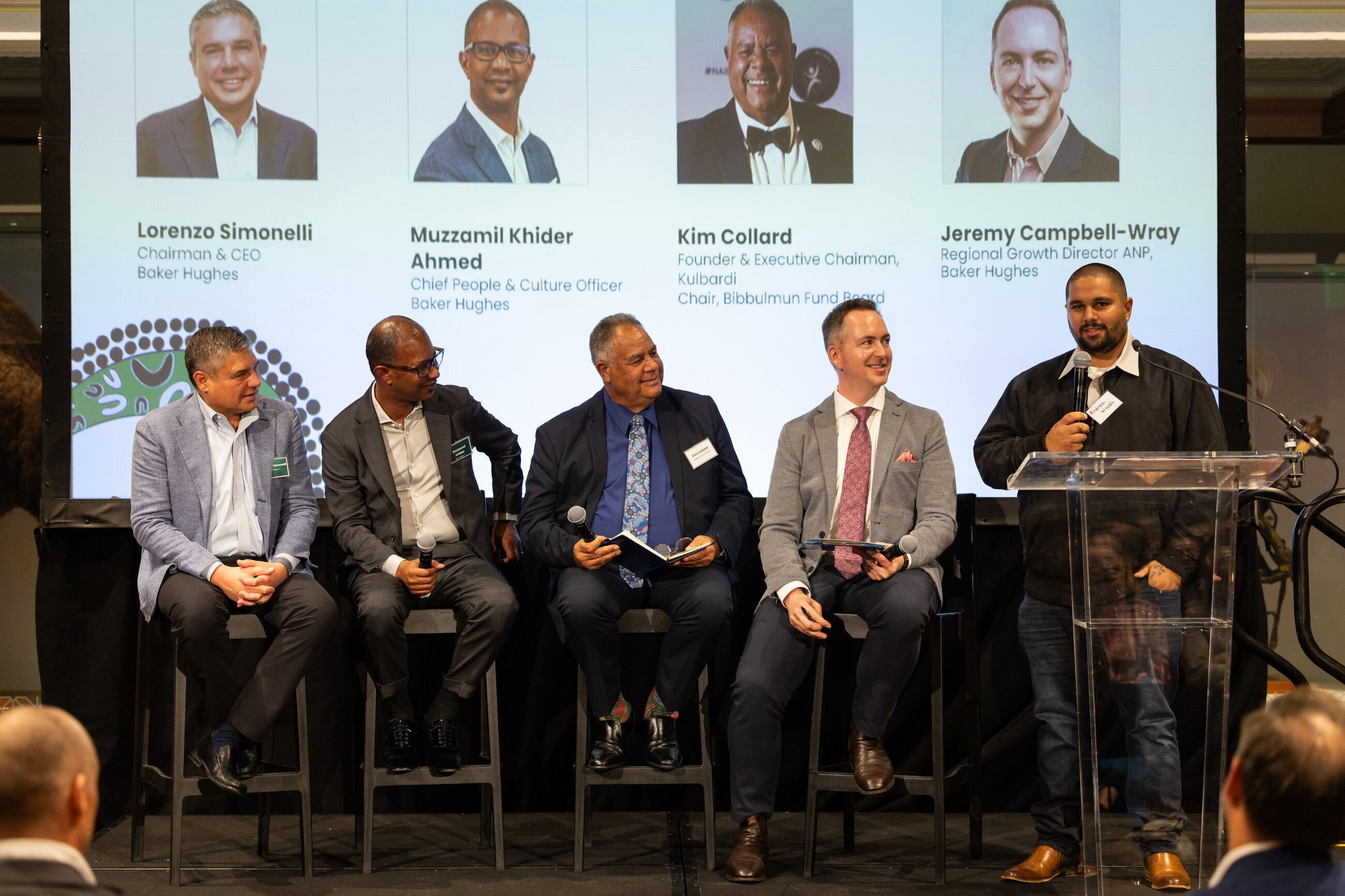
We’re excited to continue collaborating across industry and local communities- sharing knowledge, listening deeply, and creating lasting impact.
By GoDaddy
Angie K. is joined by her “Real Housewives of Salt Lake City” castmate and longtime friend, Heather Gay, co-owner of Beauty Lab + Laser, to talk through her journey from stay-at-home mom to successful business owner. Heather shares what it was really like in the early days of building her med spa, from wearing every hat imaginable to learning how to lead a growing team, and why mentorship played a critical role in her success. She also discusses what mentorship looks like today, when busy schedules often make traditional coffee chats a thing of the past. Plus, hear insights from GoDaddy Small Business Research Lab and a founder spotlight with fellow beauty entrepreneur Naomi Lewis of Luminati Labs, who shares her own lessons from building thriving businesses.
Follow @GoDaddyNews on Instagram for exclusive podcast content.
About GoDaddy School of Hustle with Angie K.
GoDaddy’s School of Hustle hosted by Real Housewives of Salt Lake City’s Angie Katsanevas examines the “reality” facing today’s entrepreneurs and secrets behind navigating the plot twists along the way to success. Each episode is a totally candid conversation with newsmakers and GoDaddy customers led by fan-favorite Angie K who was a hustler long before the Bravo cameras started rolling.
About GoDaddy
GoDaddy, the world’s largest domain name registrar, helps millions of entrepreneurs globally start, grow, and scale their businesses. People come to GoDaddy to name their idea, build a website and logo, sell their products and services and accept payments. GoDaddy Airo®, the company’s AI-powered experience, makes growing a small business faster and easier by helping them to get their idea online in minutes, drive traffic and boost sales. GoDaddy’s expert guides are available 24/7 to provide assistance. To learn more about the company, visit www.GoDaddy.com.
On a crisp November morning in Entregalde, a small village in Alba County, 63-year-old Oana wrapped her woolen scarf tightly as she walked toward the community center. Her fatigue and dizziness had become part of daily life—symptoms she had learned to ignore. But seeing a specialist at the hospital would normally mean hours of travel she could not manage.
That day, a medical caravan had arrived in her village. Inside, cardiologists, endocrinologists, neurologists, and pediatricians welcomed residents for free screenings. For the first time in years, Oana spoke with a specialist. After routine tests—blood pressure, EKG, and hemoglobin A1c—the diagnosis was clear: she had been living with undiagnosed diabetes.
“I didn’t know what was wrong,” Oana says. “Now I have a doctor who explained what’s happening and what to do next.” For Oana, the visit marked more than a diagnosis. It marked reconnection.
Care that continues
“Access to healthcare should not depend on where you live.”
Luminița Vâlcea, Vocea Pacienților
“This isn’t about one-day visits. It’s about building bridges, so care goes on after the caravan leaves.”
Gabriel Șerban, Project Communications Manager
“Real impact happens when mobile care becomes part of the system—not a workaround.”
Catalina Serban, Senior Public Affairs Specialist & Project Manager for the Prevention Drive in Rural Romania
A structural gap in rural healthcare in Romania
Oana’s experience reflects a broader reality across rural Romania. Around 30% of the population—nearly eight million people—live in rural areas, where access to healthcare services is limited by workforce shortages, fragmented infrastructure, and low health literacy. Diabetologists are concentrated in Bucharest, while many rural areas lack resident specialists altogether. This imbalance leads to extremely high population-to-specialist ratios, often exceeding 10,000 people per diabetologist.
Type 2 diabetes and related cardio-renal-metabolic conditions often remain undiagnosed until complications emerge—placing avoidable strain on patients, families, and the healthcare system. In this context, early screening is not simply preventive care. It is a matter of health equity.
For more than a decade, the NGO Caravana cu Medici has worked to close this gap by bringing volunteer doctors to underserved communities. Traditionally, these mobile clinics offered vital but temporary relief: a consultation, a diagnosis— but also uncertainty about what came next. This initiative was designed to change that.

What makes this caravan different
Supported by Boehringer Ingelheim, the program moves beyond one-day screenings by embedding continuity of care into its design.
Patients screened during caravan visits are registered on a dedicated medical platform operated by Caravana cu Medici. This enables structured follow-up, specialist referral, and longer-term monitoring. The objective is not only to identify health conditions early, but to reconnect patients to the formal healthcare system.
Read the whole piece on Imagine – Boehringer Ingelheim’s sustainability story hub.
At Chemours, our vision to deliver trusted chemistry is not just aspirational—it is a guide for how we lead, how we operate, and how we create value. It shapes the way we run our sites, drives how we innovate, and defines how we engage with our stakeholders. Grounded in that vision, and guided by our values of Safety, Integrity, Partnership, Ownership, and Respect, we are focused on moving our Pathway to Thrive strategy forward in a way that strengthens our company for the long term and reflects our responsibilities to customers, communities, employees, and shareholders.
Sustainability is a central part of that work—it’s part of how we run the business responsibly and how we position Chemours to succeed over time. It helps protect our privilege to operate, differentiate our portfolio, protect our communities, meet customer needs, and build resilience for the future.
In 2025, we continued to advance our Corporate Responsibility Commitment (CRC) goals. Those efforts are reflected in how we are reducing our environmental footprint, strengthening safety, and delivering for our customers.
Underscoring Our Commitment to Responsible Manufacturing
We continue to raise the bar when it comes to responsible manufacturing while producing the essential chemistries the world needs. Since 2018, we have reduced air and water process emissions of fluorinated organic chemicals by 80%. Furthermore, we continue to invest in developing advanced analytical methods that can help us better detect and understand our emissions. At the same time, we’re investing in developing improved abatement technologies to address emissions and minimize our environmental impact. This continued investment and work reflects how seriously we take our responsibility of being a good neighbor to our communities and a trusted provider of essential chemistries to our customers and partners.
Driving Climate Progress Through Operational Improvements and Innovation
We also continued to make solid progress on our climate goals. Since 2018, we have reduced Scope 1 and 2 greenhouse gas (GHG) emissions by 57%, bringing us just shy of our 2030 goal of 60%.
While most of these reductions were achieved through operational improvements, our products are also contributing to reduced emissions globally. As of year-end 2025, our low-global warming potential (GWP) products have helped avoid more than 350 million tons of CO2e emissions globally. Our absolute Scope 3 indirect GHG emissions decreased by 30% since 2018, due in large part to increased adoption of our Opteon™ low-GWP refrigerants. This is a great example of how innovation and strong partnerships across the value chain can come together to advance sustainability and drive broader climate progress.
Reinforcing Our Safety Culture
Safety remains at the center of how we operate. It’s one of our core values and is a non-negotiable expectation across our company. In 2025, we sharpened that focus by simplifying our safety aspiration to a simple and clear enterprise-wide ambition: We Strive for Zero. We delivered strong process and distribution safety results, with zero Tier 1 process safety events and zero distribution safety incidents. At the same time, our overall employee and contractor safety performance fell short of our expectations. We are addressing this by reinforcing safety fundamentals, strengthening oversight, intensifying our focus on learning and prevention, and implementing actions designed to address risk at its source.
Driving Continuous Improvement
Looking ahead, we are strengthening how we deliver against our sustainability commitments through the Chemours Business System, which we launched at the end of 2025. CBS is helping improve safety, drive more consistent and disciplined execution, shared problem-solving, and continuous improvement across the company. Through this work, teams are identifying opportunities to improve processes, reduce waste, lower energy use, and strengthen overall environmental and operational performance. Over time, this will help us progress our sustainability strategy, while also strengthening operational execution, improving risk management, and delivering long-term value.
I am grateful to our employees around the world for the work they do every day. They bring our Trusted Chemistry vision to life and drive our CRC progress forward. We have more to do, but by staying focused on our values and executing with discipline and purpose, we are building a stronger Chemours for the long term.
I invite you to explore our latest Sustainability Report and see the hard work and dedication our team put on full display as we continued to deliver against our CRC commitments.
Denise Dignam is the President and Chief Executive Office of The Chemours Company, a global chemistry company with a vision to deliver Trusted Chemistry that makes people’s lives better and helps communities thrive.
Buildings are one of the largest drivers of energy demand. Globally, building operations account for 1/3 of all energy consumption and 26% of energy-related emissions. Most critically, up to 30% of energy purchased for commercial buildings is wasted after it is paid for. Reducing that energy waste would have a deep impact. With the May 20, 2026, launch of the BrainBox AI Trane Technologies AI Lab & Showroom, we’ve taken an important step toward that goal.
More than a research facility, the AI Lab will bring together world-class talent and industry-leading technology to create a global innovation engine designed to accelerate next-generation AI-powered energy management systems for the built environment. By fostering collaboration among scientists, engineers, technologists and other experts, the AI Lab will advance intelligent technologies that can reduce energy use while making our energy infrastructure more resilient.
Buildings are a crucial climate opportunity
In the conversation about energy and climate, we tend to focus on breakthrough new technologies. But a large portion of energy waste and emissions comes from existing buildings and infrastructure that will continue in service for decades to come. The question is not how we replace them, but how we improve their operation now. The AI Lab is built to answer that core question, accelerating the development of new AI-powered tools to help reduce cost and energy waste throughout the built environment.
Many buildings waste energy because they cannot continuously adapt to changing conditions like shifts in weather, temperature, occupancy, equipment performance or fluctuating energy prices. This gap is where a significant amount of energy waste lives. AI has the potential to fundamentally change that equation, enabling systems to continuously adapt in ways that were not previously possible.
Across sectors, AI can optimize energy management in environments where small, repeated operational changes are too great for humans to reasonably manage in real time. Modern commercial buildings embody that exact use case, with complex networks of sensors and interdependent systems along with continuously changing external factors like weather and occupancy.
Turning building data into cost savings and emission reductions
In practice, energy management with AI means using data to anticipate building needs and adjust operations before energy is wasted. AI can, for example, pre-cool a building to avoid using energy during peak pricing windows. It can optimize energy management based on occupancy. And it can analyze data ranging from equipment performance to upcoming weather patterns to anticipate demand and adjust the system in advance. These powerful AI-driven energy management systems are delivering measurable reductions in emissions and operating costs.
What makes this shift powerful from a climate perspective is not a single dramatic change, but that AI now has the power to create continuous, incremental improvements in systems that run all day, every day. When you improve something that runs constantly, even small energy management gains translate into meaningful and scalable reductions in costs and emissions.
AI at work in the built environment
Digital technologies, like monitoring tools, dashboards and analytical platforms, have helped us better understand how the buildings are operating at any given moment. The next phase is not just visibility, it’s autonomy. The AI Lab is focused on those technologies, but intelligent systems powered by AI that continuously work in the background to enhance performance are available now and are already at work.
These solutions are making a difference in the real world. For example, BrainBox AI implemented the AI Control solution across 600 Dollar Tree locations, saving almost 8 million kWh of energy and over $1 million in costs annually for the customer. Our AI solution enables smart, resilient buildings.
In another example, Dubai’s Meera Tower, a 52-story residential building operating in one of the most demanding climates in the world, implemented BrainBox AI’s continuous optimization solution. The new system reduced HVAC energy consumption by 42.7% in four months, without hardware upgrades or new energy sources. This was all executed through AI-enabled energy management, enabling smarter operation of the building systems already in place. These examples show that AI-enabled energy management is no longer theoretical: it’s helping buildings operate more efficiently now.
The future of energy management in buildings
When we begin viewing climate strategy through the lens of reducing the impact of existing assets, buildings stop looking like a background issue and start looking like one of our biggest opportunities. Not because they are new, but because they are everywhere, they consume enormous amounts of energy and, until recently, we did not have a practical way to run them dynamically.
Imagine a future where buildings are not just passive energy consumers, but intelligent systems for energy management. With the development ecosystem of the AI Lab, we are helping make that future possible — accelerating the next generation of AI-enabled technologies for energy demand management at scale.
The next phase of climate progress will be defined in part by how intelligently we operate what already exists. The AI Lab is a catalyst for that shift, advancing practical, high-impact new tools that will help us make smart buildings an essential lever in sustainability outcomes. That is the promise of AI in the built environment: helping the spaces and systems we already rely on to perform better, every hour of every day.
AI is already helping us advance our sustainability goals and our clients’. Read more about our progress in our latest Sustainability report.
The BrainBox AI Trane Technologies AI Lab is driving the frontier of artificial intelligence and innovation – across our organization and industry. Learn more about our AI lab.