MINOT, N.D., August 25, 2026 /3BL/ – As North Dakota communities continue to grow, many older adults face a shortage of affordable housing options that allow them to remain in the communities they have long called home. To help address that need while investing in the next generation’s financial future, Wells Fargo and the Wells Fargo Foundation are providing $1.2 million in North Dakota to support affordable senior housing and accessible financial education.

A $1 million donation from Wells Fargo to Beyond Shelter, Inc., a mission-driven nonprofit affordable housing developer dedicated to creating and preserving affordable homes across North Dakota, is designated for building new homes for older adults given Beyond Shelter currently has a waiting list for seniors needing affordable places to live. In addition, Wells Fargo is donating a former branch property to Beyond Shelter in support of its affordable senior housing in Minot. 

“Wells Fargo is focused on expanding access to housing and financial mobility to ensure Minot and the region continue to grow and build lasting opportunity for future generations,” said Jason Rosenberg, head of Public Affairs for Wells Fargo.

Since its founding, Beyond Shelter has developed or preserved more than 1,800 affordable homes through 57 developments, including 311 affordable rental units in Minot and Burlington. 

Minot faces a growing shortage of affordable housing for older adults. Beyond Shelter’s existing senior housing properties operate at near-full occupancy, reflecting strong demand for affordable housing options. Demand is expected to increase as the region continues to grow and demographic trends drive additional need for senior housing. 

“Affordable housing provides the stability and dignity that allow people to thrive, and Wells Fargo’s significant investment will help us create new opportunities for older adults to remain connected to the communities they call home,” said Dan Madler, CEO of Beyond Shelter. 

The new investment builds on a longstanding partnership between Wells Fargo and Beyond Shelter. Wells Fargo previously supported the development of Cooks Court, an affordable senior housing community in Minot that has provided stable housing and a strong sense of community for older adults since opening in 2016.

One resident, Betty Voth, now 97 years old, has called Cooks Court home for the past decade. In a handwritten note commemorating the property’s 10th anniversary, she described the community of neighbors and friendships she has found there.

“This is our home and we like it a lot. We’re like a big family, believe it or not,” Voth wrote. “We all make the choice to have a good day and be a good neighbor.”

While affordable housing helps older adults remain in the communities they love, preparing the next generation for financial success starts with financial education.

To support those efforts, the Wells Fargo Foundation is awarding a $200,000 grant to Junior Achievement North, a nonprofit organization that helps prepare young people for future careers and financial success, to expand access to financial literacy education for students across North Dakota and Montana through its Finance Park Pop-Up program. 

Junior Achievement Finance Park Pop-Up is an immersive financial education simulation designed for middle and high school students. The program combines classroom lessons focused on personal finance and career exploration with hands-on learning that lets students make real-world budgeting decisions related to housing, credit, savings, health care, and other household expenses. 

The grant will support the expansion of the program’s reach and provide students with practical money management and career-readiness skills that can contribute to long-term financial success.

“Junior Achievement North’s Finance Park Pop-Up is an innovative addition to our programmatic offerings that helps us expand access and reduce barriers by bringing life-changing financial education to students where they’re at. The lessons within this program help students build essential financial knowledge and confidence that prepare them for opportunity-filled futures in an ever-changing world,” said Kumar Balasubrahmanyan, Vice President of Innovation at Junior Achievement North.

With these community-led programs, Beyond Shelter and Junior Achievement North aim to strengthen the local economy and communities as a whole.

About Beyond Shelter

Beyond Shelter, Inc. is a mission-driven nonprofit affordable housing developer headquartered in Fargo, North Dakota. Since its founding, Beyond Shelter has developed or preserved more than 1,800 affordable homes across North Dakota, South Dakota, and Minnesota. Guided by its mission, Impacting Lives through the Power of Housing, Beyond Shelter develops housing that strengthens communities and creates opportunities for seniors, families, and individuals to thrive. For more information about Beyond Shelter, Inc. visit www.beyondshelterinc.com

About Junior Achievement North

Junior Achievement North is an expert in innovative and experiential opportunities that spark joy in learning for students. As part of the world’s largest organization dedicated to giving young people the knowledge and skills they need to own their economic success, plan for their future, and make smart academic and economic choices, Junior Achievement North serves students throughout Minnesota, North Dakota, western Wisconsin, and eastern Montana. The organization’s programming is in high demand across the region, reaching over 100,000 students each year through lessons on financial literacy, career readiness, and entrepreneurship. For more information about Junior Achievement North visit www.janorth.org

###

MINOT, N.D., August 25, 2026 /3BL/ – As North Dakota communities continue to grow, many older adults face a shortage of affordable housing options that allow them to remain in the communities they have long called home. To help address that need while investing in the next generation’s financial future, Wells Fargo and the Wells Fargo Foundation are providing $1.2 million in North Dakota to support affordable senior housing and accessible financial education.

A $1 million donation from Wells Fargo to Beyond Shelter, Inc., a mission-driven nonprofit affordable housing developer dedicated to creating and preserving affordable homes across North Dakota, is designated for building new homes for older adults given Beyond Shelter currently has a waiting list for seniors needing affordable places to live. In addition, Wells Fargo is donating a former branch property to Beyond Shelter in support of its affordable senior housing in Minot. 

“Wells Fargo is focused on expanding access to housing and financial mobility to ensure Minot and the region continue to grow and build lasting opportunity for future generations,” said Jason Rosenberg, head of Public Affairs for Wells Fargo.

Since its founding, Beyond Shelter has developed or preserved more than 1,800 affordable homes through 57 developments, including 311 affordable rental units in Minot and Burlington. 

Minot faces a growing shortage of affordable housing for older adults. Beyond Shelter’s existing senior housing properties operate at near-full occupancy, reflecting strong demand for affordable housing options. Demand is expected to increase as the region continues to grow and demographic trends drive additional need for senior housing. 

“Affordable housing provides the stability and dignity that allow people to thrive, and Wells Fargo’s significant investment will help us create new opportunities for older adults to remain connected to the communities they call home,” said Dan Madler, CEO of Beyond Shelter. 

The new investment builds on a longstanding partnership between Wells Fargo and Beyond Shelter. Wells Fargo previously supported the development of Cooks Court, an affordable senior housing community in Minot that has provided stable housing and a strong sense of community for older adults since opening in 2016.

One resident, Betty Voth, now 97 years old, has called Cooks Court home for the past decade. In a handwritten note commemorating the property’s 10th anniversary, she described the community of neighbors and friendships she has found there.

“This is our home and we like it a lot. We’re like a big family, believe it or not,” Voth wrote. “We all make the choice to have a good day and be a good neighbor.”

While affordable housing helps older adults remain in the communities they love, preparing the next generation for financial success starts with financial education.

To support those efforts, the Wells Fargo Foundation is awarding a $200,000 grant to Junior Achievement North, a nonprofit organization that helps prepare young people for future careers and financial success, to expand access to financial literacy education for students across North Dakota and Montana through its Finance Park Pop-Up program. 

Junior Achievement Finance Park Pop-Up is an immersive financial education simulation designed for middle and high school students. The program combines classroom lessons focused on personal finance and career exploration with hands-on learning that lets students make real-world budgeting decisions related to housing, credit, savings, health care, and other household expenses. 

The grant will support the expansion of the program’s reach and provide students with practical money management and career-readiness skills that can contribute to long-term financial success.

“Junior Achievement North’s Finance Park Pop-Up is an innovative addition to our programmatic offerings that helps us expand access and reduce barriers by bringing life-changing financial education to students where they’re at. The lessons within this program help students build essential financial knowledge and confidence that prepare them for opportunity-filled futures in an ever-changing world,” said Kumar Balasubrahmanyan, Vice President of Innovation at Junior Achievement North.

With these community-led programs, Beyond Shelter and Junior Achievement North aim to strengthen the local economy and communities as a whole.

About Beyond Shelter

Beyond Shelter, Inc. is a mission-driven nonprofit affordable housing developer headquartered in Fargo, North Dakota. Since its founding, Beyond Shelter has developed or preserved more than 1,800 affordable homes across North Dakota, South Dakota, and Minnesota. Guided by its mission, Impacting Lives through the Power of Housing, Beyond Shelter develops housing that strengthens communities and creates opportunities for seniors, families, and individuals to thrive. For more information about Beyond Shelter, Inc. visit www.beyondshelterinc.com

About Junior Achievement North

Junior Achievement North is an expert in innovative and experiential opportunities that spark joy in learning for students. As part of the world’s largest organization dedicated to giving young people the knowledge and skills they need to own their economic success, plan for their future, and make smart academic and economic choices, Junior Achievement North serves students throughout Minnesota, North Dakota, western Wisconsin, and eastern Montana. The organization’s programming is in high demand across the region, reaching over 100,000 students each year through lessons on financial literacy, career readiness, and entrepreneurship. For more information about Junior Achievement North visit www.janorth.org

###

KeyBank Foundation has awarded $100,000 over two years to the Boys & Girls Club of Burlington to support a new STEM education and workforce development initiative designed to increase access to science, technology, engineering and mathematics (STEM) opportunities for underserved youth.

The program, “Catalyzing Change: Growing Underserved Talent Through STEM,” will expand academic enrichment and career readiness programming for students in kindergarten through 12th grade, helping young people develop STEM skills and explore high-demand career pathways that align with Vermont’s evolving workforce needs.

Funding will support the addition of a full-time STEM coordinator and the expansion of year-round learning opportunities through the Club’s Early Promise academic improvement program. The initiative will provide hands-on STEM experiences, career exploration activities, and workforce development opportunities for approximately 150 youth annually through after-school programs, school vacation camps and summer programming.

Supporting STEM Education and Career Readiness

Founded in 1942, the Boys & Girls Club of Burlington serves more than 100 young people each day, many of whom face challenges including food insecurity, housing instability, family unemployment and other barriers to educational and economic opportunity.

The new STEM initiative aims to:

  • Increase access to STEM education for underserved youth.
  • Build foundational skills in science, technology, engineering and mathematics.
  • Connect students with career exploration and workforce development opportunities.
  • Introduce participants to real-world STEM professions through employer and industry partnerships.
  • Help prepare young people for higher education, skilled trades and in-demand careers.

“This investment from KeyBank Foundation will help create transformative opportunities for young people who too often lack access to STEM learning and career exploration experiences,” said Tanya Benosky, Executive Director of the Boys & Girls Club of Burlington. “By expanding our Early Promise program with dedicated STEM programming, we can help youth build the skills, confidence and connections they need to pursue higher education, skilled trades and high-demand careers that offer long-term economic stability.”

Investing in Vermont’s Future Workforce

The initiative reflects a shared commitment by KeyBank Foundation and the Boys & Girls Club of Burlington to strengthen workforce pipelines and expand economic opportunity for young people.

“KeyBank Foundation is committed to supporting educational pathways that create opportunity and strengthen local communities,” said Eric Fiala, CEO of KeyBank Foundation. “Through this STEM initiative, more youth will have access to learning experiences that prepare them for the careers of tomorrow while helping build a stronger workforce for Vermont.”

According to KeyBank, the investment aligns with the Foundation’s focus on advancing education, economic mobility and community development through partnerships with nonprofit organizations.

“STEM education creates pathways to economic mobility, career success and lifelong learning,” said Tony DiSotto, Maine and Vermont Market President for KeyBank. “The Boys & Girls Club of Burlington has a proven track record of helping young people overcome barriers and achieve their goals. Through this investment, we’re helping more students gain access to hands-on learning experiences, industry exposure and the skills needed to succeed in some of Vermont’s fastest-growing fields.”

Longstanding Community Partnership

The grant builds on a longstanding relationship between KeyBank and the Boys & Girls Club of Burlington. Since 2001, KeyBank Foundation and KeyBank have provided more than $247,000 in grants, sponsorships and community investments supporting youth development, academic achievement and educational opportunity through Club programming.

Key Facts

  • Investor: KeyBank Foundation
  • Recipient: Boys & Girls Club of Burlington
  • Investment Amount: $100,000 over two years
  • Program: Catalyzing Change: Growing Underserved Talent Through STEM
  • Primary Focus: STEM education, workforce development, academic enrichment and career readiness
  • Students Served: Approximately 150 youth annually
  • Grade Levels: Kindergarten through 12th grade
  • Location: Burlington, Vermont

For more information about the Boys & Girls Club of Burlington, visit www.bandgclub.org.


KeyBank Foundation has awarded $100,000 over two years to the Boys & Girls Club of Burlington to support a new STEM education and workforce development initiative designed to increase access to science, technology, engineering and mathematics (STEM) opportunities for underserved youth.

The program, “Catalyzing Change: Growing Underserved Talent Through STEM,” will expand academic enrichment and career readiness programming for students in kindergarten through 12th grade, helping young people develop STEM skills and explore high-demand career pathways that align with Vermont’s evolving workforce needs.

Funding will support the addition of a full-time STEM coordinator and the expansion of year-round learning opportunities through the Club’s Early Promise academic improvement program. The initiative will provide hands-on STEM experiences, career exploration activities, and workforce development opportunities for approximately 150 youth annually through after-school programs, school vacation camps and summer programming.

Supporting STEM Education and Career Readiness

Founded in 1942, the Boys & Girls Club of Burlington serves more than 100 young people each day, many of whom face challenges including food insecurity, housing instability, family unemployment and other barriers to educational and economic opportunity.

The new STEM initiative aims to:

  • Increase access to STEM education for underserved youth.
  • Build foundational skills in science, technology, engineering and mathematics.
  • Connect students with career exploration and workforce development opportunities.
  • Introduce participants to real-world STEM professions through employer and industry partnerships.
  • Help prepare young people for higher education, skilled trades and in-demand careers.

“This investment from KeyBank Foundation will help create transformative opportunities for young people who too often lack access to STEM learning and career exploration experiences,” said Tanya Benosky, Executive Director of the Boys & Girls Club of Burlington. “By expanding our Early Promise program with dedicated STEM programming, we can help youth build the skills, confidence and connections they need to pursue higher education, skilled trades and high-demand careers that offer long-term economic stability.”

Investing in Vermont’s Future Workforce

The initiative reflects a shared commitment by KeyBank Foundation and the Boys & Girls Club of Burlington to strengthen workforce pipelines and expand economic opportunity for young people.

“KeyBank Foundation is committed to supporting educational pathways that create opportunity and strengthen local communities,” said Eric Fiala, CEO of KeyBank Foundation. “Through this STEM initiative, more youth will have access to learning experiences that prepare them for the careers of tomorrow while helping build a stronger workforce for Vermont.”

According to KeyBank, the investment aligns with the Foundation’s focus on advancing education, economic mobility and community development through partnerships with nonprofit organizations.

“STEM education creates pathways to economic mobility, career success and lifelong learning,” said Tony DiSotto, Maine and Vermont Market President for KeyBank. “The Boys & Girls Club of Burlington has a proven track record of helping young people overcome barriers and achieve their goals. Through this investment, we’re helping more students gain access to hands-on learning experiences, industry exposure and the skills needed to succeed in some of Vermont’s fastest-growing fields.”

Longstanding Community Partnership

The grant builds on a longstanding relationship between KeyBank and the Boys & Girls Club of Burlington. Since 2001, KeyBank Foundation and KeyBank have provided more than $247,000 in grants, sponsorships and community investments supporting youth development, academic achievement and educational opportunity through Club programming.

Key Facts

  • Investor: KeyBank Foundation
  • Recipient: Boys & Girls Club of Burlington
  • Investment Amount: $100,000 over two years
  • Program: Catalyzing Change: Growing Underserved Talent Through STEM
  • Primary Focus: STEM education, workforce development, academic enrichment and career readiness
  • Students Served: Approximately 150 youth annually
  • Grade Levels: Kindergarten through 12th grade
  • Location: Burlington, Vermont

For more information about the Boys & Girls Club of Burlington, visit www.bandgclub.org.


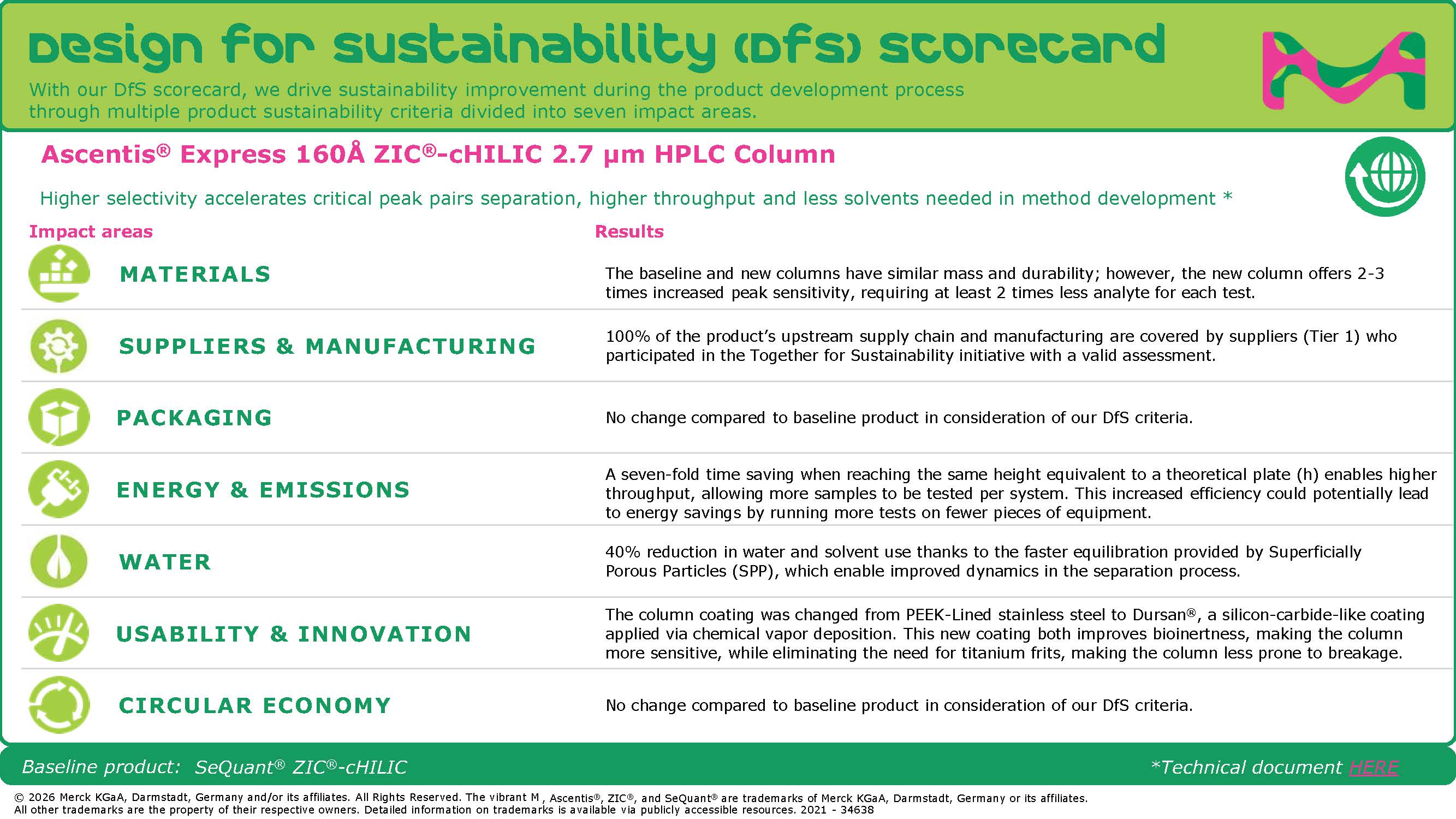
Millipore Express® Ace 0.2 µm filters offer a product-level example of how sustainability can be built into product development. For MilliporeSigma, the U.S. and Canada Life Science business of Merck KGaA, Darmstadt, Germany, that means making changes earlier in development, rather than addressing sustainability only at the end of the process.

Designed for sterile filtration across a range of bioprocessing applications, including cell culture media and process intermediates, Millipore Express® Ace uses a single-layer hydrophilic polyether sulfone membrane that supports stronger filtration performance while also contributing to sustainability improvements compared with Millipore Express® SHC filters. In certain use cases, that increased capacity can help reduce the number of filters needed, which may also reduce material use and waste.

Millipore Express® Ace has an approximately 25% lower carbon footprint compared with Millipore Express® SHC filters, and its membrane manufacturing process requires approximately 30% less energy and approximately 30% less water due to the use of a single-layer membrane compared with a dual-layer membrane. The membrane is also manufactured with no intentionally added PFAS, helping eliminate substances of concern. Products like Millipore Express® Ace are designed to fit into customers’ existing workflows, making it easier to choose a more sustainable option without compromising results.

Design for sustainability scorecard

Those choices matter even more when they support performance in real-world use.

“Sustainability matters most when it delivers tangible results,” said Ravin Gami, Sr. Strategic Portfolio Manager, MilliporeSigma. “With Millipore Express® Ace, we can point to specific innovations and measurable outcomes that show environmental responsibility and high performance can advance together.”

Millipore Express® Ace offers one product-level view of how sustainability can be built into product development. More broadly, it reflects MilliporeSigma’s continued focus on finding practical ways to move sustainability forward through innovation.

To learn more about MilliporeSigma’s sustainability programs, visit SigmaAldrich.com/sustainability

Millipore Express® Ace 0.2 µm filters offer a product-level example of how sustainability can be built into product development. For MilliporeSigma, the U.S. and Canada Life Science business of Merck KGaA, Darmstadt, Germany, that means making changes earlier in development, rather than addressing sustainability only at the end of the process.

Designed for sterile filtration across a range of bioprocessing applications, including cell culture media and process intermediates, Millipore Express® Ace uses a single-layer hydrophilic polyether sulfone membrane that supports stronger filtration performance while also contributing to sustainability improvements compared with Millipore Express® SHC filters. In certain use cases, that increased capacity can help reduce the number of filters needed, which may also reduce material use and waste.

Millipore Express® Ace has an approximately 25% lower carbon footprint compared with Millipore Express® SHC filters, and its membrane manufacturing process requires approximately 30% less energy and approximately 30% less water due to the use of a single-layer membrane compared with a dual-layer membrane. The membrane is also manufactured with no intentionally added PFAS, helping eliminate substances of concern. Products like Millipore Express® Ace are designed to fit into customers’ existing workflows, making it easier to choose a more sustainable option without compromising results.

Design for sustainability scorecard

Those choices matter even more when they support performance in real-world use.

“Sustainability matters most when it delivers tangible results,” said Ravin Gami, Sr. Strategic Portfolio Manager, MilliporeSigma. “With Millipore Express® Ace, we can point to specific innovations and measurable outcomes that show environmental responsibility and high performance can advance together.”

Millipore Express® Ace offers one product-level view of how sustainability can be built into product development. More broadly, it reflects MilliporeSigma’s continued focus on finding practical ways to move sustainability forward through innovation.

To learn more about MilliporeSigma’s sustainability programs, visit SigmaAldrich.com/sustainability

Originally published in GoDaddy’s 2025 Global Stakeholder Impact Report

Responsible AI

We advance AI responsibly, with entrepreneurs and employees at the center.

As AI technologies continue to evolve, GoDaddy adopts these tools thoughtfully to empower our customers and employees to thrive in a rapidly changing world. We are committed to using AI responsibly to help our customers succeed while creating meaningful value for their businesses. At the same time, we continue to invest in innovation, developing customer-centric solutions and tools that address real challenges and allow GoDaddy to lead with impact and purpose. As the landscape evolves, we regularly evaluate and mature our approaches to help ensure our use of AI remains effective, appropriate, and aligned with our values.

To support responsible AI use at scale, GoDaddy established clear ownership and accountability for AI governance, with oversight across the company. The Board receives regular updates on AI-related topics from management as well as the Audit and Risk Committee, which maintains oversight of AI risks as they relate to the company’s financial and business performance. GoDaddy’s Chief Technology Officer (CTO) oversees AI governance, working closely with cross-functional partners to support alignment as our technology and company evolves. In addition, our AI Governance Working Group plays a key role in this approach by providing guardrails and oversight to support responsible and ethical AI use.

Integrating AI

At GoDaddy, responsible AI means leveraging all forms of AI in a safe, trustworthy, and ethical manner. As these technologies become more prevalent, we work to manage potential risks and embed our responsible AI principles into new and existing business processes while advancing opportunities for our operations and customers. 

We have measures in place to guide the design, development, and deployment of AI in alignment with our core values. Our approach includes identifying potentially inaccurate, misleading, biased, or sensitive information, and applying appropriate controls, including human review where necessary. We regularly review and update our practices to align with our Code.

AI is central to our culture of innovation, and we carefully evaluate partnerships and technologies before adoption. Our Legal and Privacy teams assess ethical considerations, data privacy, regulatory compliance, potential risks, and performance reliability to support responsible and ethical AI use. Read more about our responsible AI practices here

AI for GoDaddy’s Employees

At GoDaddy, we foster a culture of innovation, creativity, collaboration, and continuous learning. AI is embedded in everyday work across the company and helps our employees work more efficiently, collaborate more effectively, and tackle complex challenges with confidence to support our business and our customers.

To support this work, we use GoCaaS, our internal AI platform designed to enhance productivity while protecting our sensitive and confidential data. GoCaaS provides secure access to approved AI models and workflow-specific companions.

Through AI-focused training and shared learning, we help grow employee AI fluency and reinforce a culture of responsible innovation. Visit the Learning and Development section of this report for more on how we are expanding employee capabilities through AI training.

GoDaddy also brings employees together through AI-focused events that encourage collaboration, experimentation, and learning across the company, including:

  • AI Showcase: A monthly forum where teams share live demos and practical examples of how AI is improving efficiency at GoDaddy. The showcase helps employees explore approved AI tools, understand our AI strategy, and connect across teams.
     
  • GenAI Hackathon: A company-wide event that brings teams together to experiment, collaborate, and turn AI ideas into scalable solutions using GoDaddy-approved AI tools, accelerating AI adoption across the business.

AI for GoDaddy’s Customers 

By integrating AI into our products, services, and customer care, GoDaddy helps meet customer needs faster and more effectively,  making opportunity more inclusive for all.

While AI helps streamline many processes, GoDaddy Guides remain available to provide proactive, informed, and personalized guidance  when needed. This combination of AI and human expertise helps  ensure customers have the tools and support they need to succeed.

Refer to the Customer Experience section of this report for more information on the tools and resources we make available to serve our customers, including those on AI.

  • GoDaddy Airo: To help small business owners save time as they  start and grow their online presence, GoDaddy includes Airo as an added experience for customers who register a domain. Airo helps customers turn ideas into action by quickly building websites, email, and marketing assets with AI-powered tools. In 2025, GoDaddy introduced Airo.ai, an agentic AI experience that supports entrepreneurs through simple, guided conversations. By understanding customer goals,  Airo.ai works across GoDaddy solutions and tools to help move customers from intent to outcomes, from registering a domain and building a website to creating logos and foundational business content.
     
  • Agent Name Service: As AI agents shift from prototype to real-world deployment, the gap between accelerating experimentation and mature oversight is widening, creating new risks in autonomy, safety, system integration, and trust. Agent Name Service (ANS), a global, open standard for the agentic internet, addresses these risks by employing the same core infrastructure that powers today’s internet: domain name system (DNS). With ANS, an agent is registered within DNS as a subdomain and is assigned verifiable credentials that define what the agent is authorized to do. Registered agents can then be discovered, verified, and governed across the open web. In addition to driving adoption of ANS as the global, open standard for the agentic internet, GoDaddy is leading the way with GoDaddy ANS, the first public implementation of the ANS open standard where anyone can publish and verify agents in minutes. Learn more here.

customer example


Learn more about GoDaddy’s 2025 Global Stakeholder Impact Report.

About this Report

The GoDaddy 2025 Global Stakeholder Impact Report details our progress toward our corporate sustainability goals, strategies, and initiatives in support of our overarching purpose and values. Unless otherwise noted, this report reflects our corporate sustainability performance across our global operations covering the fiscal year period from January 1 to December 31, 2025. To demonstrate our commitment to transparent communication regarding our sustainability progress, we routinely share updates through our website and our annual reporting. We welcome your questions, comments, and feedback on this report by contacting ESG@GoDaddy.com.

This report references the Global Reporting Initiative Standards, includes select Sustainability Accounting Standards Board metrics for the Internet Media and Services sector, and the Task Force on Climate Related Financial Disclosures. We also disclose our contributions and progress toward priority UN SDGs. For additional information on how we align with these frameworks and key indicators demonstrating our sustainability performance, please refer to the Frameworks & Metrics section.

About GoDaddy

GoDaddy, the world’s largest domain name registrar, helps millions of entrepreneurs globally start, grow, and scale their businesses. People come to GoDaddy to name their idea, build a website and logo, sell their products and services and accept payments. Airo™, the company’s agentic operating system for small businesses, helps entrepreneurs get their idea online, run their business day-to-day, and grow through an integrated identity, presence and commerce experience. GoDaddy’s expert guides are available 24/7 to provide assistance. To learn more about the company, visit www.GoDaddy.com

Originally published in GoDaddy’s 2025 Global Stakeholder Impact Report

Responsible AI

We advance AI responsibly, with entrepreneurs and employees at the center.

As AI technologies continue to evolve, GoDaddy adopts these tools thoughtfully to empower our customers and employees to thrive in a rapidly changing world. We are committed to using AI responsibly to help our customers succeed while creating meaningful value for their businesses. At the same time, we continue to invest in innovation, developing customer-centric solutions and tools that address real challenges and allow GoDaddy to lead with impact and purpose. As the landscape evolves, we regularly evaluate and mature our approaches to help ensure our use of AI remains effective, appropriate, and aligned with our values.

To support responsible AI use at scale, GoDaddy established clear ownership and accountability for AI governance, with oversight across the company. The Board receives regular updates on AI-related topics from management as well as the Audit and Risk Committee, which maintains oversight of AI risks as they relate to the company’s financial and business performance. GoDaddy’s Chief Technology Officer (CTO) oversees AI governance, working closely with cross-functional partners to support alignment as our technology and company evolves. In addition, our AI Governance Working Group plays a key role in this approach by providing guardrails and oversight to support responsible and ethical AI use.

Integrating AI

At GoDaddy, responsible AI means leveraging all forms of AI in a safe, trustworthy, and ethical manner. As these technologies become more prevalent, we work to manage potential risks and embed our responsible AI principles into new and existing business processes while advancing opportunities for our operations and customers. 

We have measures in place to guide the design, development, and deployment of AI in alignment with our core values. Our approach includes identifying potentially inaccurate, misleading, biased, or sensitive information, and applying appropriate controls, including human review where necessary. We regularly review and update our practices to align with our Code.

AI is central to our culture of innovation, and we carefully evaluate partnerships and technologies before adoption. Our Legal and Privacy teams assess ethical considerations, data privacy, regulatory compliance, potential risks, and performance reliability to support responsible and ethical AI use. Read more about our responsible AI practices here

AI for GoDaddy’s Employees

At GoDaddy, we foster a culture of innovation, creativity, collaboration, and continuous learning. AI is embedded in everyday work across the company and helps our employees work more efficiently, collaborate more effectively, and tackle complex challenges with confidence to support our business and our customers.

To support this work, we use GoCaaS, our internal AI platform designed to enhance productivity while protecting our sensitive and confidential data. GoCaaS provides secure access to approved AI models and workflow-specific companions.

Through AI-focused training and shared learning, we help grow employee AI fluency and reinforce a culture of responsible innovation. Visit the Learning and Development section of this report for more on how we are expanding employee capabilities through AI training.

GoDaddy also brings employees together through AI-focused events that encourage collaboration, experimentation, and learning across the company, including:

  • AI Showcase: A monthly forum where teams share live demos and practical examples of how AI is improving efficiency at GoDaddy. The showcase helps employees explore approved AI tools, understand our AI strategy, and connect across teams.
     
  • GenAI Hackathon: A company-wide event that brings teams together to experiment, collaborate, and turn AI ideas into scalable solutions using GoDaddy-approved AI tools, accelerating AI adoption across the business.

AI for GoDaddy’s Customers 

By integrating AI into our products, services, and customer care, GoDaddy helps meet customer needs faster and more effectively,  making opportunity more inclusive for all.

While AI helps streamline many processes, GoDaddy Guides remain available to provide proactive, informed, and personalized guidance  when needed. This combination of AI and human expertise helps  ensure customers have the tools and support they need to succeed.

Refer to the Customer Experience section of this report for more information on the tools and resources we make available to serve our customers, including those on AI.

  • GoDaddy Airo: To help small business owners save time as they  start and grow their online presence, GoDaddy includes Airo as an added experience for customers who register a domain. Airo helps customers turn ideas into action by quickly building websites, email, and marketing assets with AI-powered tools. In 2025, GoDaddy introduced Airo.ai, an agentic AI experience that supports entrepreneurs through simple, guided conversations. By understanding customer goals,  Airo.ai works across GoDaddy solutions and tools to help move customers from intent to outcomes, from registering a domain and building a website to creating logos and foundational business content.
     
  • Agent Name Service: As AI agents shift from prototype to real-world deployment, the gap between accelerating experimentation and mature oversight is widening, creating new risks in autonomy, safety, system integration, and trust. Agent Name Service (ANS), a global, open standard for the agentic internet, addresses these risks by employing the same core infrastructure that powers today’s internet: domain name system (DNS). With ANS, an agent is registered within DNS as a subdomain and is assigned verifiable credentials that define what the agent is authorized to do. Registered agents can then be discovered, verified, and governed across the open web. In addition to driving adoption of ANS as the global, open standard for the agentic internet, GoDaddy is leading the way with GoDaddy ANS, the first public implementation of the ANS open standard where anyone can publish and verify agents in minutes. Learn more here.

customer example


Learn more about GoDaddy’s 2025 Global Stakeholder Impact Report.

About this Report

The GoDaddy 2025 Global Stakeholder Impact Report details our progress toward our corporate sustainability goals, strategies, and initiatives in support of our overarching purpose and values. Unless otherwise noted, this report reflects our corporate sustainability performance across our global operations covering the fiscal year period from January 1 to December 31, 2025. To demonstrate our commitment to transparent communication regarding our sustainability progress, we routinely share updates through our website and our annual reporting. We welcome your questions, comments, and feedback on this report by contacting ESG@GoDaddy.com.

This report references the Global Reporting Initiative Standards, includes select Sustainability Accounting Standards Board metrics for the Internet Media and Services sector, and the Task Force on Climate Related Financial Disclosures. We also disclose our contributions and progress toward priority UN SDGs. For additional information on how we align with these frameworks and key indicators demonstrating our sustainability performance, please refer to the Frameworks & Metrics section.

About GoDaddy

GoDaddy, the world’s largest domain name registrar, helps millions of entrepreneurs globally start, grow, and scale their businesses. People come to GoDaddy to name their idea, build a website and logo, sell their products and services and accept payments. Airo™, the company’s agentic operating system for small businesses, helps entrepreneurs get their idea online, run their business day-to-day, and grow through an integrated identity, presence and commerce experience. GoDaddy’s expert guides are available 24/7 to provide assistance. To learn more about the company, visit www.GoDaddy.com

Originally published on TriplePundit

With so much information in the news and online about nutrition, it’s easy for caregivers to feel confused and overwhelmed about making the best choices for their kids. Fortunately, clear, evidence-based resources like the Guiding Stars nutrition guidance program are available to help.

Lunch is a critical part of a child’s healthy diet, supporting physical growth, brain development and immunity. But with so much information in the news and online about nutrition, it’s easy for caregivers to feel confused and overwhelmed about making the best choices for their kids. Fortunately, clear, evidence-based resources — such as the science-backed Guiding Stars nutrition guidance program found in more than 2,000 U.S. grocery stores — are available to help families check “nutrition” off their busy list of back-to-school tasks.

School lunch: Buy or bring?

The National School Lunch Program provides 22 million free or reduced-price lunches to students across the United States every single day. The school lunch program is a lifeline for the millions of U.S. families facing food insecurity and one of the largest food and nutrition assistance programs in the nation. Along with federal assistance, nine U.S. states offer free breakfast and lunch to all students regardless of their family’s ability to pay.

School-provided meals are shaped by consistent guidelines, and research shows they’re the most nutritious food source for American kids. By law, all public school meals must adhere to the U.S. Department of Agriculture’s school nutrition standards, which are based on the federal dietary guidelines updated every five years. The most recent update, for example, focused on reducing added sugars and sodium while promoting whole grains, produce and proteins.

These standards make school meals a reliable and affordable source of nutritious food, Lunches brought from home, however, can vary widely.

It may surprise some parents to learn that home-packed lunches have lower nutritional quality on average when compared to what’s provided at school, according to a 2024 meta-analysis of more than a dozen studies published over two decades. While studies like these are helpful reminders for families, the big decision to buy or bring comes down to a number of factors, from medical considerations and personal preferences to cost and access.

“Ultimately, the decision about whether to bring lunch or eat the school lunch is a family decision,” dietitian Kitty Broihier, a member of the Guiding Stars scientific advisory panel , assures caregivers. “And there are no right or wrong answers.”

Evidence-based guidance helps families take the stress out of shopping

Many families find that combining homemade and school-made lunches strikes the right balance for them. “When my children were in public school, we reviewed the school menus together,” Broihier shares. “They’d decide which two or three days to eat school lunch and which days to bring lunch from home. This allowed them some autonomy in food selections. It also encouraged them to learn to eat food someone else had prepared.”

Children involved in selecting and preparing their own food are building skills that support their health over the long term. Research including a widely cited 2018 literature review of 15 studies finds a positive association between getting kids involved with home meal prep and a greater consumption of fruits and vegetables, along with “higher self-efficacy” for cooking and choosing foods that support a healthy diet.

Still, knowing what to purchase and pack in a school lunch can easily start to feel overwhelming. Fortunately for busy families, some of the top grocers in the United States make evidence-based nutrition guidance available right on the shelf.

Celebrating 20 years in 2026, Guiding Stars is the longest-running on-shelf rating program in the U.S., leveraging the latest nutrition science to rate tens of thousands of products in a consumer-friendly system that helps shoppers make informed choices that support good health.

Shopper examining a shelf label
Guiding Stars uses credible, evidence-based nutrition science and standards from leading national and international health organizations. Products that meet transparent nutrition criteria earn one, two or three stars, indicating “good,” “better” or “best” nutritional value.

Guiding Stars uses credible, evidence-based nutrition science and standards from leading national and international health organizations. The system’s patented algorithms calculate nutrient density across ingredients to score food and beverage products based on attributes to encourage (such as fiber, whole grains and Omega-3 fatty acids) and attributes to limit (such as added sugars, chemical preservatives and artificial colors). The findings are overseen by an independent scientific advisory panel, including Broihier and her colleagues, and are updated regularly to reflect the latest standards.

You may have seen Guiding Stars icons in your local grocery store aisles. The apple icons with highlighted stars above are found on price tags, star-earning store brand product packaging and online. Products that meet transparent nutrition criteria earn one, two or three stars, indicating “good,” “better” or “best” nutritional value.

Research in both the U.S. and Canada has shown that featuring this type of one- to three-star nutritional guidance program at the point of purchase can effectively shift consumer behavior toward making more nutritious food choices.

That’s largely because the system helps consumers make more informed choices in a single glance, ideal for busy families making a quick grocery stop between after-school activities.

Guiding Stars is also one of the few nutrition guidance programs accessible in multiple places — not only on grocery store shelves, but also on product packaging, on the Guiding Stars website, and in the Guiding Stars app — making it even more accessible to simplify everyday food decisions based on the latest dietary guidelines.

As Broihier reminds overwhelmed audiences: “We are bombarded with more information, more messages, and a wider variety of opinions than ever before. So no wonder it feels next to impossible to sort through it all! But take heart, because you can simplify the role of nutrition in your life. It really is possible to eat well without too much stress, time, or mental energy.”

Click here to read more on TriplePundit

Originally published on TriplePundit

With so much information in the news and online about nutrition, it’s easy for caregivers to feel confused and overwhelmed about making the best choices for their kids. Fortunately, clear, evidence-based resources like the Guiding Stars nutrition guidance program are available to help.

Lunch is a critical part of a child’s healthy diet, supporting physical growth, brain development and immunity. But with so much information in the news and online about nutrition, it’s easy for caregivers to feel confused and overwhelmed about making the best choices for their kids. Fortunately, clear, evidence-based resources — such as the science-backed Guiding Stars nutrition guidance program found in more than 2,000 U.S. grocery stores — are available to help families check “nutrition” off their busy list of back-to-school tasks.

School lunch: Buy or bring?

The National School Lunch Program provides 22 million free or reduced-price lunches to students across the United States every single day. The school lunch program is a lifeline for the millions of U.S. families facing food insecurity and one of the largest food and nutrition assistance programs in the nation. Along with federal assistance, nine U.S. states offer free breakfast and lunch to all students regardless of their family’s ability to pay.

School-provided meals are shaped by consistent guidelines, and research shows they’re the most nutritious food source for American kids. By law, all public school meals must adhere to the U.S. Department of Agriculture’s school nutrition standards, which are based on the federal dietary guidelines updated every five years. The most recent update, for example, focused on reducing added sugars and sodium while promoting whole grains, produce and proteins.

These standards make school meals a reliable and affordable source of nutritious food, Lunches brought from home, however, can vary widely.

It may surprise some parents to learn that home-packed lunches have lower nutritional quality on average when compared to what’s provided at school, according to a 2024 meta-analysis of more than a dozen studies published over two decades. While studies like these are helpful reminders for families, the big decision to buy or bring comes down to a number of factors, from medical considerations and personal preferences to cost and access.

“Ultimately, the decision about whether to bring lunch or eat the school lunch is a family decision,” dietitian Kitty Broihier, a member of the Guiding Stars scientific advisory panel , assures caregivers. “And there are no right or wrong answers.”

Evidence-based guidance helps families take the stress out of shopping

Many families find that combining homemade and school-made lunches strikes the right balance for them. “When my children were in public school, we reviewed the school menus together,” Broihier shares. “They’d decide which two or three days to eat school lunch and which days to bring lunch from home. This allowed them some autonomy in food selections. It also encouraged them to learn to eat food someone else had prepared.”

Children involved in selecting and preparing their own food are building skills that support their health over the long term. Research including a widely cited 2018 literature review of 15 studies finds a positive association between getting kids involved with home meal prep and a greater consumption of fruits and vegetables, along with “higher self-efficacy” for cooking and choosing foods that support a healthy diet.

Still, knowing what to purchase and pack in a school lunch can easily start to feel overwhelming. Fortunately for busy families, some of the top grocers in the United States make evidence-based nutrition guidance available right on the shelf.

Celebrating 20 years in 2026, Guiding Stars is the longest-running on-shelf rating program in the U.S., leveraging the latest nutrition science to rate tens of thousands of products in a consumer-friendly system that helps shoppers make informed choices that support good health.

Shopper examining a shelf label
Guiding Stars uses credible, evidence-based nutrition science and standards from leading national and international health organizations. Products that meet transparent nutrition criteria earn one, two or three stars, indicating “good,” “better” or “best” nutritional value.

Guiding Stars uses credible, evidence-based nutrition science and standards from leading national and international health organizations. The system’s patented algorithms calculate nutrient density across ingredients to score food and beverage products based on attributes to encourage (such as fiber, whole grains and Omega-3 fatty acids) and attributes to limit (such as added sugars, chemical preservatives and artificial colors). The findings are overseen by an independent scientific advisory panel, including Broihier and her colleagues, and are updated regularly to reflect the latest standards.

You may have seen Guiding Stars icons in your local grocery store aisles. The apple icons with highlighted stars above are found on price tags, star-earning store brand product packaging and online. Products that meet transparent nutrition criteria earn one, two or three stars, indicating “good,” “better” or “best” nutritional value.

Research in both the U.S. and Canada has shown that featuring this type of one- to three-star nutritional guidance program at the point of purchase can effectively shift consumer behavior toward making more nutritious food choices.

That’s largely because the system helps consumers make more informed choices in a single glance, ideal for busy families making a quick grocery stop between after-school activities.

Guiding Stars is also one of the few nutrition guidance programs accessible in multiple places — not only on grocery store shelves, but also on product packaging, on the Guiding Stars website, and in the Guiding Stars app — making it even more accessible to simplify everyday food decisions based on the latest dietary guidelines.

As Broihier reminds overwhelmed audiences: “We are bombarded with more information, more messages, and a wider variety of opinions than ever before. So no wonder it feels next to impossible to sort through it all! But take heart, because you can simplify the role of nutrition in your life. It really is possible to eat well without too much stress, time, or mental energy.”

Click here to read more on TriplePundit

Privacy Overview

This website uses cookies so that we can provide you with the best user experience possible. Cookie information is stored in your browser and performs functions such as recognising you when you return to our website and helping our team to understand which sections of the website you find most interesting and useful.