Originally published on CVS Health Company Newsroom

Key points

  • Timely access to behavioral health care remains imperative because delays can worsen symptoms and increase the risk of crisis
  • It’s essential to measure access as patients actually experience it, which remains a challenge in behavioral health
  • Pairing timely access with more standardized outcomes measurement helps create a more accountable, effective behavioral health system

Why access and outcomes must evolve together in mental health care

Mental health care in the United States is at a critical moment. Nearly one in four adults experiences a mental health condition each year, yet many still struggle to access care when they need it. As demand for behavioral health services continues to rise, the focus is shifting—from whether access exists to how the care is being delivered and whether or not it leads to meaningful improvement.

“Access isn’t just an operational concern,” says Dr. Taft Parsons III, Chief Psychiatric Officer at CVS Health. “It’s a clinical determinant of outcomes. It leads to delays in care, symptom escalation, higher acuity and greater risk of crisis.”

Why timely access is a clinical quality

Across the behavioral health system, access to care remains uneven, especially for some of the most at risk and underrepresented communities. And while workforce shortages continue to present a gap between current capacity what’s needed to serve the community, it has gotten better. However, the workforce is dynamic, and access on paper or in a directory can fluctuate rapidly and can feel very different to patients in reality. “It’s critical to maintain a large network of providers, and we must also consider how patients are navigating to those providers, and the different needs they have,” said Dr. Parsons. “These needs include not only their clinical presentation, but also their ability to get to care – whether it’s access to transportation, or other unmet social needs.”

Access alone isn’t enough

While timely access is critical, it is only part of the equation. Historically, mental health care has lagged other areas of medicine in how quality and effectiveness are measured. Claims data can show that care was used, but it offers limited insight into whether symptoms are improving or treatment is actually helping. Overall mental health care has lagged with fragmented documentation and uneven or limited EHR adoption, which has stalled progress towards better measurement. Evaluating quality in behavioral health requires going beyond visit counts to understand outcomes and meaningful change over time.

“We need to continue to use the clinically grounded tools we do have available such as the PHQ‑9 and GAD‑7, which track changes in depression and anxiety symptoms before and after treatment, while also keeping any eye on how evolving technology and data can help us better understand how treatment is impacting our patients,” Dr. Parsons said. An outcomes‑based view that includes, but goes beyond, claims data helps clinicians and health systems better understand effectiveness across populations and continuously improve the quality of care delivered.

Why pre and post measurement matters

  • Tracks symptom change—not just engagement
  • Supports measurement-based care
  • Enables population-level quality improvement
  • Integrating access and outcomes

When timely access to care is paired with outcomes‑based measurement, behavioral health systems become more accountable and responsive. Patients connect to care sooner and gain clearer paths to improvement. Clinicians receive feedback that supports continuous quality improvement. And the overall system benefits from more clarity, better allocation of resources and improved long-term outcomes.

“When patients can access care quickly—and when we measure whether that care works—we move closer to a behavioral health system that delivers on its promise for everyone,” said Dr. Parsons.
Gore Fabrics is pursuing a range of actions aimed at reducing its carbon footprint across operations and the broader value chain. Reported progress includes a reduction in emissions in recent years and the use of renewable electricity in its manufacturing facilities.

Key areas of focus include supporting longer use of products through repair and care initiatives, as well as working with suppliers to address emissions associated with materials and production.

These activities are part of a broader approach that considers multiple stages of the product lifecycle, where outcomes may vary depending on factors such as product use, maintenance, and supply chain practices.

Learn more about the actions Gore Fabrics is taking to address carbon emissions across products, operations, and its value chain: 7 Ways Gore Fabrics Is Reducing Its Carbon Footprint

About Gore Fabrics
Gore introduced GORE-TEX® Fabric to the outerwear industry more than 45 years ago and continues to develop performance apparel technologies. Gore’s Fabrics products provide comfort and protection in challenging environments and in everyday life, enabling wearers to safely and confidently achieve and experience more. From hiking in downpours to defense operations and fighting fires, Gore’s deep understanding of consumer and industry needs drives development of products with meaningful performance advantages. https://www.gore-tex.com and https://www.goretexprofessional.com/

About Gore
W. L. Gore & Associates is a global materials science company dedicated to transforming industries and improving lives. Since 1958, Gore has solved complex technical challenges in demanding environments – from outer space to the world’s highest peaks to the inner workings of the human body. With more than 13,000 Associates and a strong, team-oriented culture, Gore generates annual revenues of $5 billion.

For more information, visit gore.com.
# # #

Products listed may not be available in all markets.
GORE, GORE-TEX, Together, improving life and designs are trademarks of W. L. Gore & Associates.
© 2026 W. L. Gore & Associates, Inc.

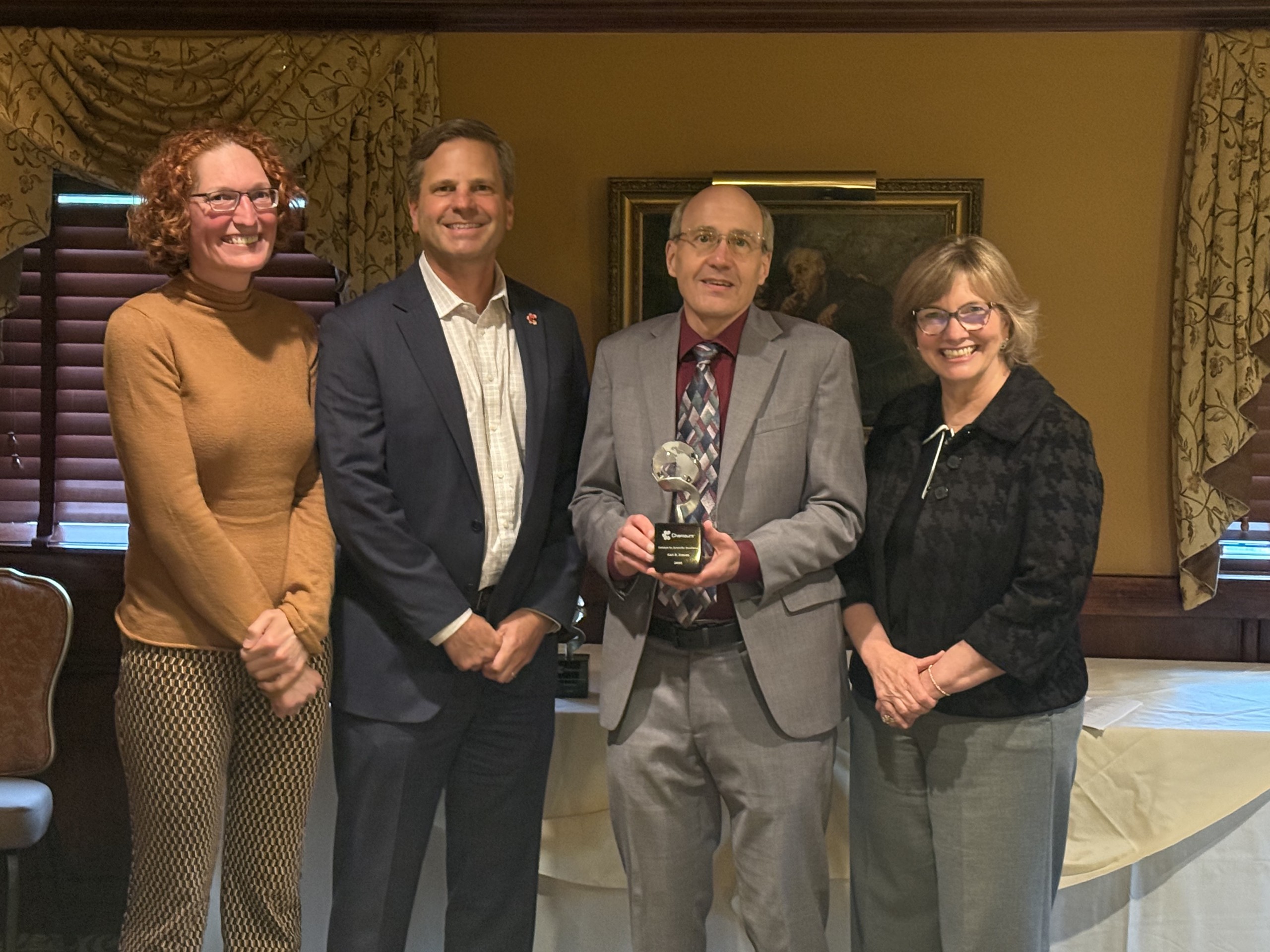
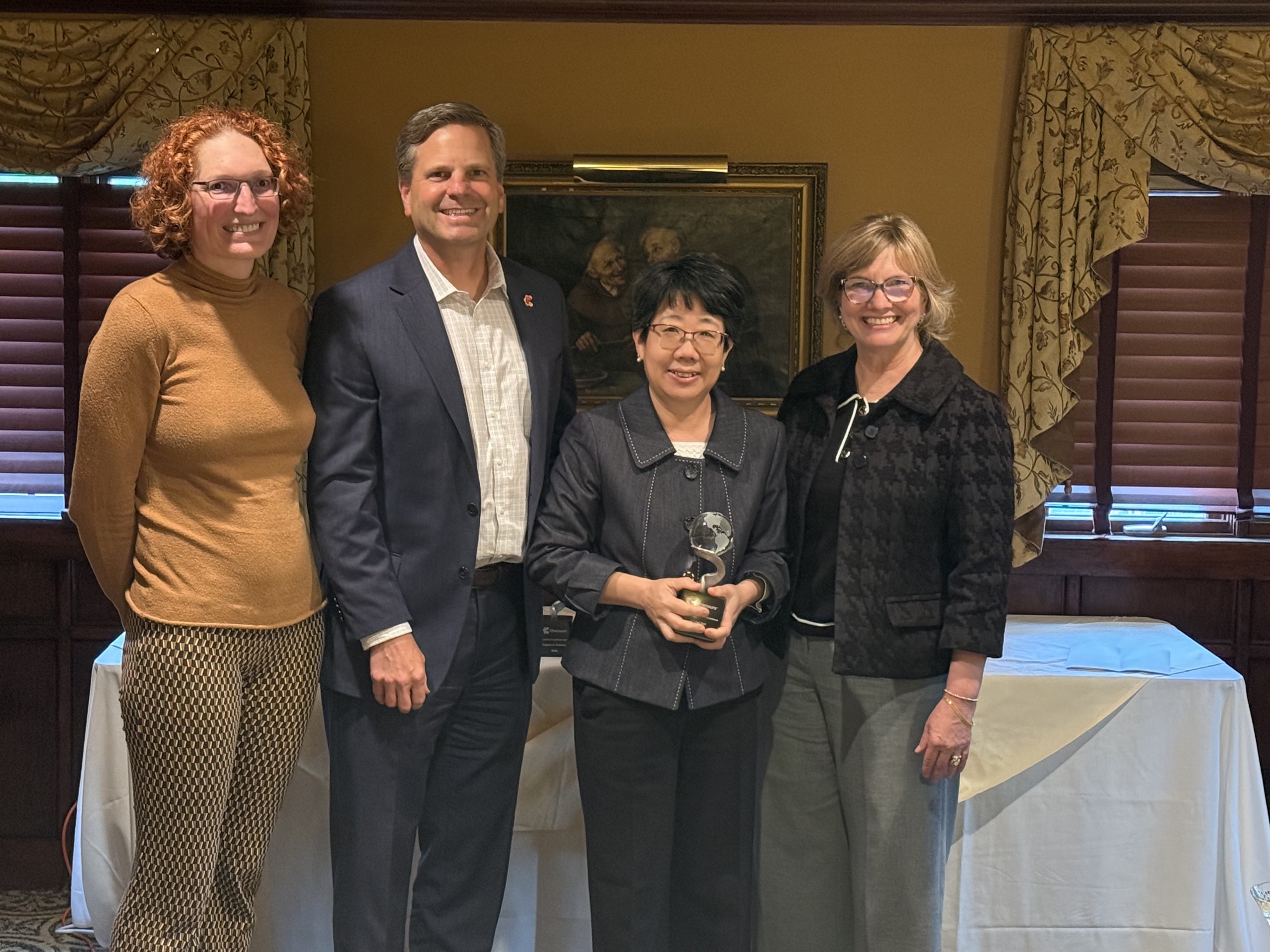
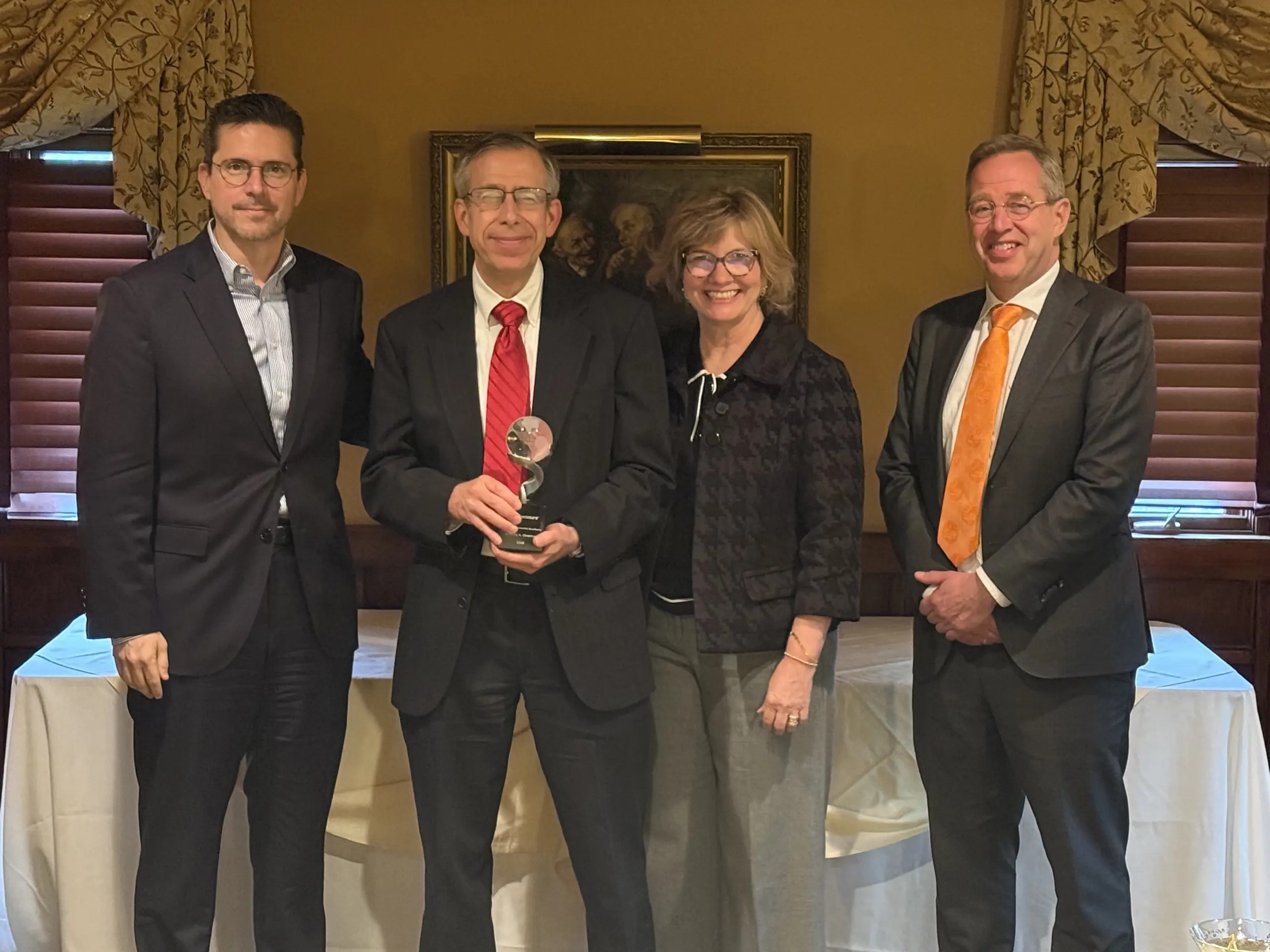
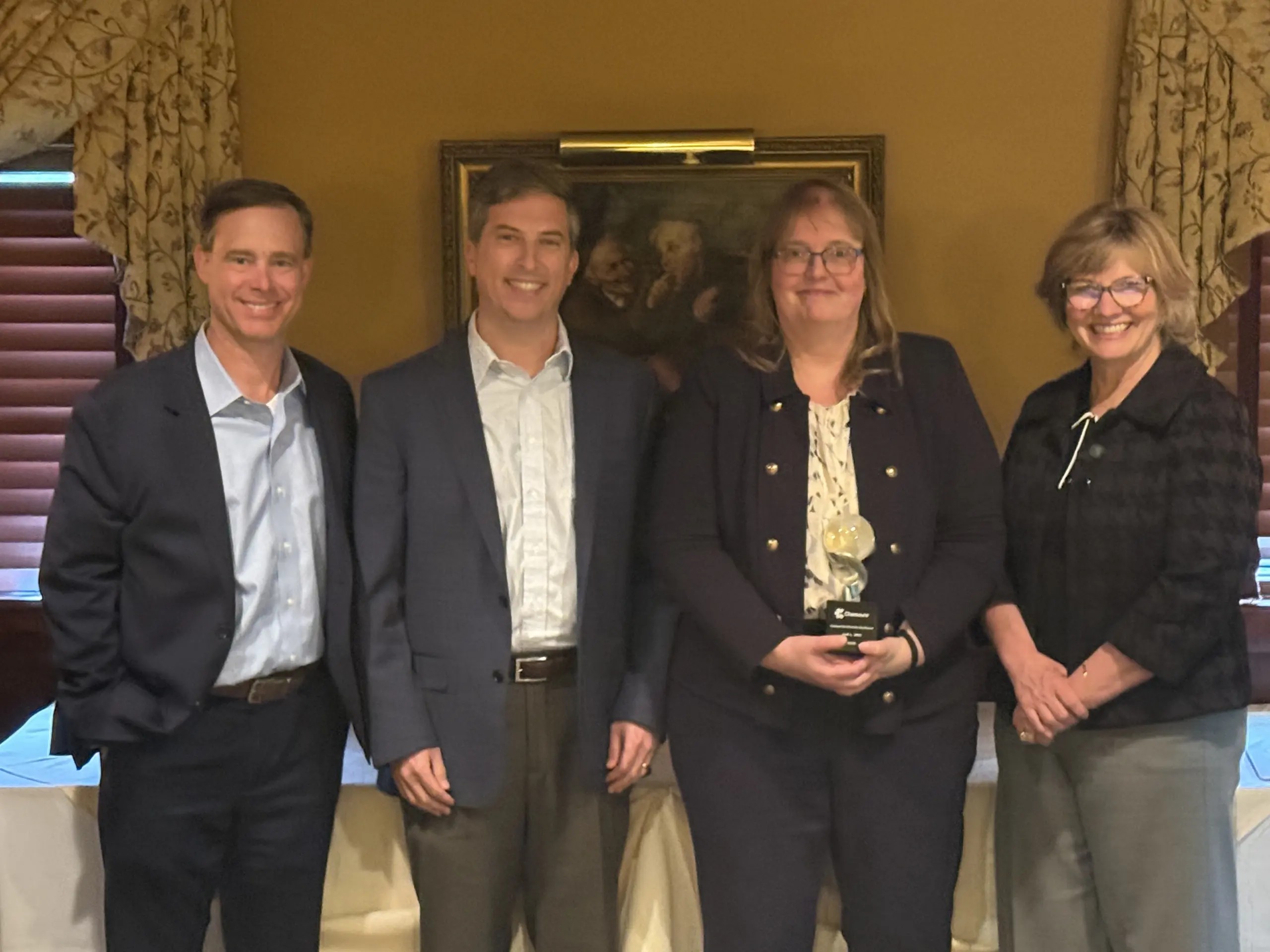
At Chemours, scientific excellence extends beyond discovery. It includes the ability to transform ideas into scalable technologies, preserve critical knowledge, and empower others to build on that foundation. To recognize individuals who consistently demonstrate these principles in action, Chemours has named four distinguished researchers as recipients of its inaugural 2026 Catalyst for Scientific Excellence Award.

The company’s highest scientific honor, the Catalyst for Scientific Excellence Award, recognizes careers defined by innovation with impact and commitment to developing others. The Award highlights individuals whose work strengthens not only Chemours’ innovation pipeline, but also the systems of knowledge-sharing and safety that enable scientific progress to scale across teams and geographies. This year’s honorees include Greg Chapman, Jodi Witt, Karl Krause, and Xuehui Sun.

“Thank you for the innovation you deliver, the knowledge you preserve, and the people you help develop along the way,” shared Chemours President and CEO Denise Dignam in recognition of the awardees.

Meet the 2026 Award Recipients

Greg Chapman, Senior Fellow, brings nearly four decades of experience advancing fluoropolymer innovation. His contributions include 12 U.S. patents, more than 400 technical reports, and innovations that support product sales. Chapman’s emphasis on documentation and training has helped embed technical excellence across teams, while his knowledge continues to scale through digital tools and collaborative platforms.

Greg Chapman receiving award

Jodi Witt, Technical Fellow, has been a cornerstone of Titanium Technologies operations since 1989, advancing safe, reliable, and efficient manufacturing across a multibillion-dollar business. Known as the “TT Librarian,” Witt has led efforts to preserve critical knowledge and ensure effective technology transfer, helping teams operate consistently while safeguarding institutional expertise.

Jodi Witt, receiving award

Karl Krause, Senior Technical Fellow, has spent more than three decades advancing fluorochemical technologies from early-stage research to global manufacturing. With more than 26 U.S. patents, his work spans reaction engineering, purification, and sustainable process design. Krause is known for translating complex science into practical, actionable processes supported by clear documentation, enabling teams to operate safely and consistently across sites.

Karl Krause receiving award

Xuehui Sun, Senior Technical Fellow, is one of Chemours’ most prolific innovators, contributing to more than 90 patent families supporting next-generation refrigerants, specialty materials, and emerging applications. Her work is distinguished not only by scientific depth, but also by a rigorous approach to capturing and sharing insights—ensuring that knowledge can be leveraged safely and efficiently across the organization.

Xuehui Sun receiving award

Across their careers, this year’s recipients demonstrate that their contributions reinforce the idea that innovation is not only about discovery but about enabling others to succeed and scale impact safely.

The Catalyst for Scientific Excellence Award underscores Chemours’ commitment to fostering a culture where scientific rigor, safety, and collaboration drive meaningful progress. Learn more at Chemours.com

Privacy Overview

This website uses cookies so that we can provide you with the best user experience possible. Cookie information is stored in your browser and performs functions such as recognising you when you return to our website and helping our team to understand which sections of the website you find most interesting and useful.