On Global Accessibility Awareness Day, Lenovo is spotlighting how its Inclusive Product Design Office (IPDO) is partnering with teams across the company to champion accessibility through both hardware and software innovation, helping create experiences that are more inclusive by design.

Creating smarter technology for all starts with understanding that people interact with technology in different ways.

That belief is driving Lenovo’s approach to inclusive design and accessibility across its product portfolio. On Global Accessibility Awareness Day, Lenovo is spotlighting how its Inclusive Product Design Office (IPDO) is partnering with teams across the company to champion accessibility through both hardware and software innovation, helping create experiences that are more inclusive by design.

Working closely with engineers, designers, and product teams, helps identify accessibility barriers early, align products with evolving standards, and improve experiences across Lenovo’s portfolio. This approach helps ensure accessibility is built into products, not added later.

Today, that work is becoming increasingly visible across Lenovo’s ThinkPad portfolio through a growing range of accessibility-focused hardware and software enhancements.

“Accessibility and inclusive design are fundamental to our ThinkPad portfolio, said Tom Butler, Vice President, Commercial Portfolio & Product Management, Intelligent Devices Group, Lenovo. By embedding these features in both our hardware and software from the onset of design, we’re intentionally making technology more accessible, inclusive, and better for everyone.”

Recent updates include tactile keyboard markings, grouped function keys, distinct arrow keys, anti-glare display treatments, higher display brightness targets, one-handed opening support, non-slip materials, and more accessible packaging. Together, these improvements support users with low vision, mobility limitations, and dexterity challenges while also improving usability for a broader range of customers.

Making system feedback more accessible

One recent enhancement is focused on making important system information more accessible through multiple forms of feedback.

Historically, many important system states (such as volume, mute, brightness, battery level, or charger connection) were communicated primarily through visual indicators like LEDs or pre-configured assistive tools. For some users, especially those with low vision, this could make essential information harder to access quickly.

To improve accessibility, Lenovo introduced audible and spoken feedback for key hardware events through Lenovo Vantage, creating an additional channel for system communication.

The result is a more inclusive and resilient experience. Users can now immediately understand important system changes without relying solely on visual cues, improving accessibility while also making interactions more intuitive in everyday situations.

Accessibility through flexibility

Another recent advancement focuses on how users physically interact with devices.

Trackpad palm rejection technology is typically designed to prevent unintended input while typing. However, for some users with limb differences or alternative interaction methods, rigid palm rejection behavior can unintentionally limit usability.

To improve flexibility, Lenovo introduced adjustable trackpad palm rejection settings, allowing users to modify or disable the feature based on their needs and preferred interaction style.

This gives users more control over how they engage with their device and supports a wider range of mobility and dexterity needs. It also demonstrates how inclusive design often comes from rethinking assumptions about how technology “should” be used.

Supporting accessibility in complex software environments

The IPDO’s work also extends beyond hardware, helping teams improve accessibility across Lenovo software experiences.

During development of Lenovo Performance Tuner, teams identified that users relying on keyboard navigation and screen readers were missing critical system feedback. Messages could feel repetitive or unclear, and content updates were not always communicated effectively.

Working together, IPDO and development teams introduced clearer keyboard shortcuts, tested compatibility with major screen readers, simplified system messaging, and added live status updates.

The result was a more intuitive experience with reduced cognitive load and faster, more confident task completion.

As Carrington Wilmer, TPM, Workstation Software & Solutions Architecture, explained:
“Designing our product to be accessible allowed us to provide a better solution for our customers.”

The IPDO also partnered with teams working on a complex cloud software interface built within a Windows Presentation Foundation environment. The project involved aligning with accessibility standards such as WCAG 2.2 (Web Content Accessibility Guide) and the European Accessibility Act (EAA) while improving compatibility with assistive technologies.

The team helped clarify how User Interface Automation supports assistive technologies, identified improvements to labelling and structure, and guided developers through accessibility implementation decisions.

“The IPDO provided invaluable guidance and feedback for our team in implementing WCAG 2.2 and EAA requirements,” shared Brian Riggan, a Lenovo Software Engineer. “Their input clarified the user experience and taught us how to think about the guidelines in a holistic way.”

Accessibility as a driver of better design

Together, these examples show how Lenovo is viewing accessibility: not as a compliance exercise, but as a driver of smarter product design.

By integrating accessibility considerations across hardware and software experiences, Lenovo is helping create products that are more adaptable, intuitive, and inclusive from the start. This aligns closely with Lenovo’s ESG priorities, including its commitment to inclusion and positive social impact.

On Global Accessibility Awareness Day, Lenovo recognizes that accessibility is an ongoing journey, one that continues to shape how products are designed, developed, and experienced.

Through the work of IPDO and collaboration across teams worldwide, Lenovo is continuing to advance inclusive design across its portfolio, helping ensure technology is more accessible, adaptable, and empowering for all.

Learn more about Lenovo’s efforts to create accessibility technology with the Governor Moorehead School for the Blind.

DP World welcomed members of the Salish Storm youth hockey team to Vancouver for a memorable two-day experience, captured in this video highlighting the power of sport, mentorship, and community.

Through its partnership with Canucks Sports & Entertainment, DP World hosted young athletes from Nanaimo at Rogers Arena, where they experienced professional sport up close – from attending a Vancouver Warriors lacrosse game to cheering on the Vancouver Canucks from a VIP suite.

Beyond the games, the visit focused on inspiration and learning. Players took part in a behind-the-scenes arena tour, connected with Canucks legend Kirk McLean, and joined a leadership discussion with Squamish Nation member Simon Baker, who shared perspectives on culture, resilience, and community.

For many of the participants, the trip offered a rare opportunity to travel, build confidence, and see new possibilities through sport. The Salish Storm Hockey Association continues to provide Indigenous youth with access to hockey and mentorship, removing barriers and supporting personal development both on and off the ice.

This initiative reflects DP World’s ongoing commitment to creating meaningful community impact – supporting youth, strengthening partnerships, and helping the next generation thrive.

Comcast launched its newest Lift Zone this month in partnership with El Centro de la Raza to advance digital skills and training opportunities for families in South King County. The Lift Zone, powered by Comcast Business, is located at El Centro de la Raza, 1607 S 341st Pl, Federal Way, WA 98003, and includes a $350,000 investment to support facility and technology upgrades.

This Lift Zone now serves as a hub for digital learning and workforce development and offers:

  • Free high-speed 6GHz Xfinity WiFi delivering fast, reliable connectivity
  • On-site Digital Navigators to assist with internet access, device support, and digital literacy assistance
  • Flexible, tech-enabled spaces for parent meetings, youth programming, and academic enrichment
  • Public access workstations for community use, including navigation support, public benefits application, employment, and life‑skills resources, and more
  • Hybrid digital skills training and small business workshops (in-person and online)

“The new Lift Zone at our Federal Way location represents a powerful investment in the future of our community,” said Estela Ortega, Executive Director of El Centro de la Raza. “With free, reliable WiFi access and Comcast’s generous contribution to support facility and technology upgrades, we are expanding our ability to serve members with the tools, connectivity, and programs they need to learn, grow, and succeed. This investment will strengthen our capacity to deliver digital skills training, support career advancement, and ensure families across South King County can fully participate in today’s digital world.”

Lift Zones are a part of Project UP, Comcast’s initiative to ensure more people in more communities have access to the internet and digital tools needed to thrive. Launched in 2020, the award-winning program includes more than 1,250 locations across the country.

“Lift Zones create pathways to opportunity,” said Keith Turner, Senior Vice President, Comcast Pacific Northwest. “We’re proud to partner with El Centro de la Raza to bring this location to Federal Way and provide a trusted space where community members can access high-speed internet, develop digital skills, and pursue their educational and career goals.”

Comcast has invested more than $7.4 million in cash and in-kind services in Greater Seattle over the past four years. This support includes expanding internet access, delivering digital skills training, and providing devices to help thousands of Seattle residents thrive in an increasingly digital world. To bridge the digital skills gap and create pathways to meaningful careers, Comcast’s investment has funded more than 60 local organizations that are deeply embedded in the area, including Asian Counseling & Referral Service, Evergreen Goodwill, Mary’s Place, YWCA Seattle–King–Snohomish, and more.

As an organization grounded in the Latino/a community of Washington State, it is the mission of El Centro de la Raza (The Center for People of All Races) to build the Beloved Community through unifying all racial and economic sectors; to organize, empower, and defend the basic human rights of our most vulnerable and marginalized populations; and to bring critical consciousness, justice, dignity, and equity to all the peoples of the world. The organization is 50 years old. El Centro de la Raza provides 43 programs and services to children, youth, families, and seniors in the community. Learn more at www.elcentrodelaraza.org.

Experiencing kidney disease can change one’s entire perspective on life, and for some it can spark a mission to help others navigate that same journey. As we reflect on the impact of organ donation, DaVita honors teammates who have experienced the transplant process from two profoundly different yet connected sides: as a transplant recipient and as a living donor.

Building on Personal Experience to Find a Fulfilling Career: Chris’s Journey

Chris Harris was just 26 years old when he “crashed” into dialysis — not knowing his kidney function was declining until they had failed.

As he navigated kidney failure and home hemodialysis, Harris found support from his DaVita care team, who made sure he had the information and resources he needed to manage his health and reach his goal: transplant.

“Transplant gave me a second chance to truly live my life with purpose, compassion, and understanding,” he shares. “This is all possible due to my donor, who I can never repay but honor every day.”

Inspired by his own care team, Harris realized his personal experience could help others through their own kidney journeys and made the decision to work at DaVita himself.

Starting as a patient care technician, he worked with patients as they received treatments offering care, support and education. Now he works for Kidney Smart®, a no-cost chronic kidney disease (CKD) education program, as an educator and coordinator.

“I always wanted to give back in a meaningful way and help other people to navigate through one of the most difficult times of their lives,” Harris says. “Becoming a DaVita teammate was the best decision I ever made. They have allowed me to turn one of the most difficult times in my life into something positive, helping others navigate their own journey with confidence.”

person in hospital

A Gift of Time: Angela’s Path as a Living Donor

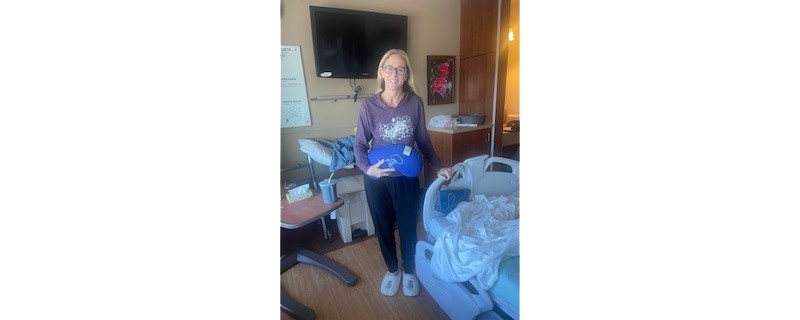
On the other side of the transplant journey is Angela Laino, a DaVita social worker who donated a kidney at the beginning of 2026. As a non-directed donor, Laino does not know who received her organ, but she learned that her decision to donate helped spark a transplant chain – resulting in as many as three people being able to find matches and receive a transplant.

In her role as a social worker, Laino has helped patients navigate the transplant process, connecting them with transplant programs, reviewing requirements, connecting them with the right support and helping them advocate for their needs. This work has helped her witness the life-changing impact of transplantation.

Her own experience has only intensified her appreciation for this gift:

“Once I heard that my kidney started working right away for my recipient, it really hit home for me that she will have more time: more time to have a better quality of life, more time away from dialysis, and more time with loved ones,” says Laino.

Leading Through Lived Experiences

For both Harris and Laino, their personal experiences have transformed the way they connect with their patients:

Building Trust: Going through the donor surgery helps Laino connect with patients and families on a deeper level. “When they have the opportunity to hear from someone with lived experience, it opens up the door to deeper conversations,” she explains, adding that some of her patients who were once hesitant are now considering looking for a living donor.

Fostering Empathy: Harris echoes Laino’s sentiment, approaching every patient conversation with patience, honesty and a goal to ensure they feel heard, understood, and seen.

Looking Ahead: The 2026 Transplant Games of America

Stories like these remind us of the resilience of the human spirit.

As part of DaVita’s ongoing commitment to the kidney care community and transplantation, DaVita is a proud sponsor of the 2026 Transplant Games of America this coming June in Denver.

As we look ahead to the Transplant Games of America, hosted by the Transplant Life Foundation, we celebrate and honor all living donors and transplant recipients — whose courage, compassion, and dedication transform lives and radiate hope.

For MilliporeSigma, the U.S. and Canada Life Science business of Merck KGaA, Darmstadt, Germany, sustainability isn’t treated as a standalone initiative. It’s increasingly embedded across the product life cycle, from early R&D decisions to sourcing, manufacturing, packaging, distribution, customer use, and end of life.

The most meaningful opportunities to reduce environmental impact happen when product teams are still making foundational design choices. To help teams make those decisions more consistently, MilliporeSigma uses Design for Sustainability, or DfS, a life cycle approach to product development that helps identify improvement opportunities, evaluate tradeoffs, and prioritize changes that can reduce environmental impact without compromising quality or performance.

Turning Sustainability into a Repeatable Product Development Practice

In practice, DfS gives teams a more structured way to incorporate environmental thinking into those decisions. That can include evaluating alternative materials, identifying improvement opportunities in packaging concepts, and clarifying the data needed to support a more sustainable choice.

DfS reflects a shift from treating sustainability as a downstream check to building it into the product development process itself. By creating a clearer, repeatable framework for decision-making, MilliporeSigma aims to help teams move faster, strengthen customer conversations, and advance product sustainability in a more credible and measurable way.

Stay tuned for highlights on products recently developed through the company’s Design for Sustainability framework. To learn more about MilliporeSigma’s sustainability programs, visit SigmaAldrich.com/sustainability

Key Takeaways

  • Workplace mental health impacts retention, engagement, absenteeism, and business performance.
  • Economic uncertainty and rising costs are increasing employee stress and disengagement.
  • Many organizations are cutting wellness programs despite growing evidence of strong ROI.
  • Mental health programs can reduce healthcare costs and support employee retention.
  • Retaining and supporting employees is often far less expensive than replacing them.

During times of global uncertainty, employee mental health can be an uncomfortable topic. For employees at any level, it can be hard to separate the stressors of the real world from those at work. When people are faced with an onslaught of bad news, skyrocketing prices on everything from groceries to gas to healthcare, and pressure to do more with less on shrinking teams, many employees are feeling pressure from all sides.

For environmental health and safety (EHS) professionals, who sit at the intersection of workplace safety and employee wellness (and are also humans facing this nonstop world), the repercussions of all of this are acutely clear. Because of their unique perspective, EHS professionals fully understand that investing in workplace wellness and mental health programs affects both worker well-being and the organization’s bottom line.

However, in a tight job market, companies may feel less pressure to invest in programs that attract great candidates or retain current high performers. Factor in the cost-cutting pressures that businesses are facing due to economic uncertainty, and wellness and mental health programs can end up on the chopping block.

So, if the C-suite wants to cut costs by reducing investment in these programs, what can be done? What is the most convincing case that now—more than ever—is a time to invest in programs that support employees’ mental health, not cut them? Fresh statistics that highlight employees’ increasing stress levels (and their domino effects) demonstrate the ROI of mental and physical wellness programs and can help you build a business case for continued investment.

The Current Landscape: Cutting Costs, Cutting Corners

Research shows that physical and mental health are deeply intertwined. That alone makes a strong case for supporting your employee’s health holistically. But, when costs start rising and organizations want to cut back, it often makes sense to go for “low hanging fruit” like workplace wellness programs.

In fact, it’s a trend. Many companies are scaling back or even cutting workplace wellness programs to save money. Whether it’s because of soaring healthcare costs, underutilization, or the weakening job market where attracting new employees isn’t the highest priority, spending on workplace wellness programs dropped about 20% per employee between 2023 and 2025, from $1,366 to $1,103, according to data from Ramp.

That trend does not seem to be slowing down, and workplace wellness programs were just the start. Some companies are now moving to cut other, more traditional benefits. For example, some large companies have reduced the number of weeks of paid parental leave they offer this year, with others planning to do the same.

Once a few large employers start cutting benefits (or pay, or remote work, or headcount), other companies tend to follow suit. This could be the leading edge of a larger trend, but it comes at a time when more workers are reporting that they are struggling instead of thriving.

Recent Gallup polls discovered the following:

  • 49% of workers reported they are struggling vs. 46% saying they are thriving
  • Conversely, in 2022 and 2023, more than half of workers were classified as thriving
  • Only 31% of workers are classified as “engaged”—the lowest level on record in the past decade
  • Just 28% of workers believe now is a good time to find a quality job, down from 70% in mid-2022.

Add in the rising cost of living, and it’s clear that employees are feeling multidimensional stress. As an EHS professional, you already know there are ways to help them feel less detached, and, in general, investment in their overall wellness is a better long-term strategy for keeping employees happy and helping your organization’s bottom line.

The Case for Investing in Your Current Employees

It’s easy to cut benefits when a workforce doesn’t have much mobility in a tight job market. But is it really worth it for an organization long-term? The data says no.

Investing in and retaining current employees is a cost savings. As Society for Human Resource Management (SHRM) reports in 2026, hiring and recruiting costs add up quickly. Not only is there the actual cost of recruiting, but organizations also have to take into account the cost of the time their employees spend screening, interviewing, hiring, and onboarding candidates.

By that point, many organizations estimate the cost of a new hire can be anywhere between three to four times the person’s salary. That means if a company has to replace an employee with a $60,000 yearly salary, they could spend upwards of $180,000 in direct and indirect hiring costs. Investing in employee retention through benefits and incentives makes good business sense.

But there are even more ways that mental health and wellness programs can help an organization’s bottom line.

The ROI of Mental Health Programs

Healthcare prices have never been higher, and organizations are often left footing that bill. There can be a temptation to save some money might by cutting “superfluous” wellness programs as other organizations are doing.

However, recent studies show that investing in behavioral health programs may actually be a way to lower healthcare costs.

First, a 2023 study that followed nearly 14,000 participants discovered that investing in employer-backed behavioral healthcare programs may actually reduce medical claims costs. The cohort study showed that for every $100 invested in an employer-sponsored behavioral health program with timely access to psychotherapy and medication management, medical claims costs decreased by $190. That’s a ROI of 1.9 times the cost, and savings were even larger for participants with higher medical risk.

Second, a 2025 site-level analysis of 19 U.S. employers—the largest study of its kind to date—found that employee mental health programs can deliver a meaningful return on investment. Across all 19 cohorts, employers saved an average of $2.30 in gross health plan costs for every $1.00 spent on clinical care, resulting in 14.3% net savings and 25.2% gross savings.

And that’s not to mention that cutting back support for employees can lead to increased costs due to higher levels of burnout, as well as higher absenteeism and reduction in the quality of work.

While scaling back or entirely cutting programs may feel like the easiest way to save money, the financial benefits of maintaining them are well established and extend beyond improved health outcomes.

The Bottom Line

Taking a long-term approach that invests in current and future employees will pay back dividends. In a world that feels overwhelming outside of work, let alone during office hours, employees who feel heard, supported, and like they are more than a cog in the machine are more engaged and able to show up every day as their best selves.

Investing in employees’ holistic health by maintaining mental health support programs says something meaningful about an organization—and it’s a message that matters now and in the long run. Doing so benefits employees’ satisfaction and quality of work, as well as the organization’s reputation and bottom line. And that’s something any C-suite should be able to get behind.

Do you need help ensuring your workers are happy and healthy? Learn how our workplace support services can help you today

A century ago, on the blue waters just offshore of Havana, Cuban-born Bacardi sponsored a mid-winter boat race—one that began with fewer than ten competitors and would grow into one of the world’s most elite sailing competitions: the Bacardi Cup.

From its earliest years, the regatta attracted top sailors from across North America and the Caribbean, competing in the technically demanding Star Class, and quickly became known not only for the competition, but for the distinct sense of camaraderie and hospitality that defined the event. The Bacardi family’s sponsorship of the trophy helped establish the race as a signature fixture of Cuba’s international sporting and social calendar.

That spirit extended well beyond the racecourse. During Havana’s golden era at the height of Prohibition in the United States, sailors and champions were welcomed into the legendary Art Deco bar inside Edificio Bacardí, where renowned barman Rafael “Pappy” Valiente hosted visiting competitors for exclusive gatherings centered on craft and cocktail culture. There, fresh BACARDÍ cocktails prepared with precision and pride became part of the celebration, reinforcing the Cup’s identity as not only a test of skill on the water, but a shared cultural experience rooted in Cuban hospitality.

“The Bacardi Cup represents more than a race—it is a reflection of our Cuban heritage and values,” said Rachel Guerin, Bacardi Heritage Curator. “From its origins in Havana to its continued life today, it is a testament to resilience, community, and the enduring power of tradition that continues to define our company and family.” Collections of photos and newspaper clippings that document the Bacardi Cup’s origins and evolution are preserved in the Bacardi Archives. 

Following the Cuban Revolution in October 1960 and the illegal confiscation of the Bacardi business in Cuba, the Bacardí family was forced into exile. Rather than disappear, the Bacardi Cup was carried on by the Bacardí family and reestablished in Miami in 1962, where it continues to be sailed each year on Biscayne Bay. Today, it stands as one of the only sporting traditions born in Cuba to endure in exile, connecting generations of sailors through a shared history that transcends borders.

As Bacardi marks World Sailing Day, the company reflects on nearly a century of the Bacardi Cup and the role it has played in shaping the global sailing community. The upcoming centennial in 2027 will celebrate not only the longevity of the race, but also its unique journey from the shores of Havana to its present home in Miami at the Coral Reef Yacht Club.

Sailors and enthusiasts alike are invited to be part of this historic milestone. Registration for the next Bacardi Cup will open in June 2026. To register or read more on the Bacardi Cup’s enduring legacy, visit www.bacardicup.com

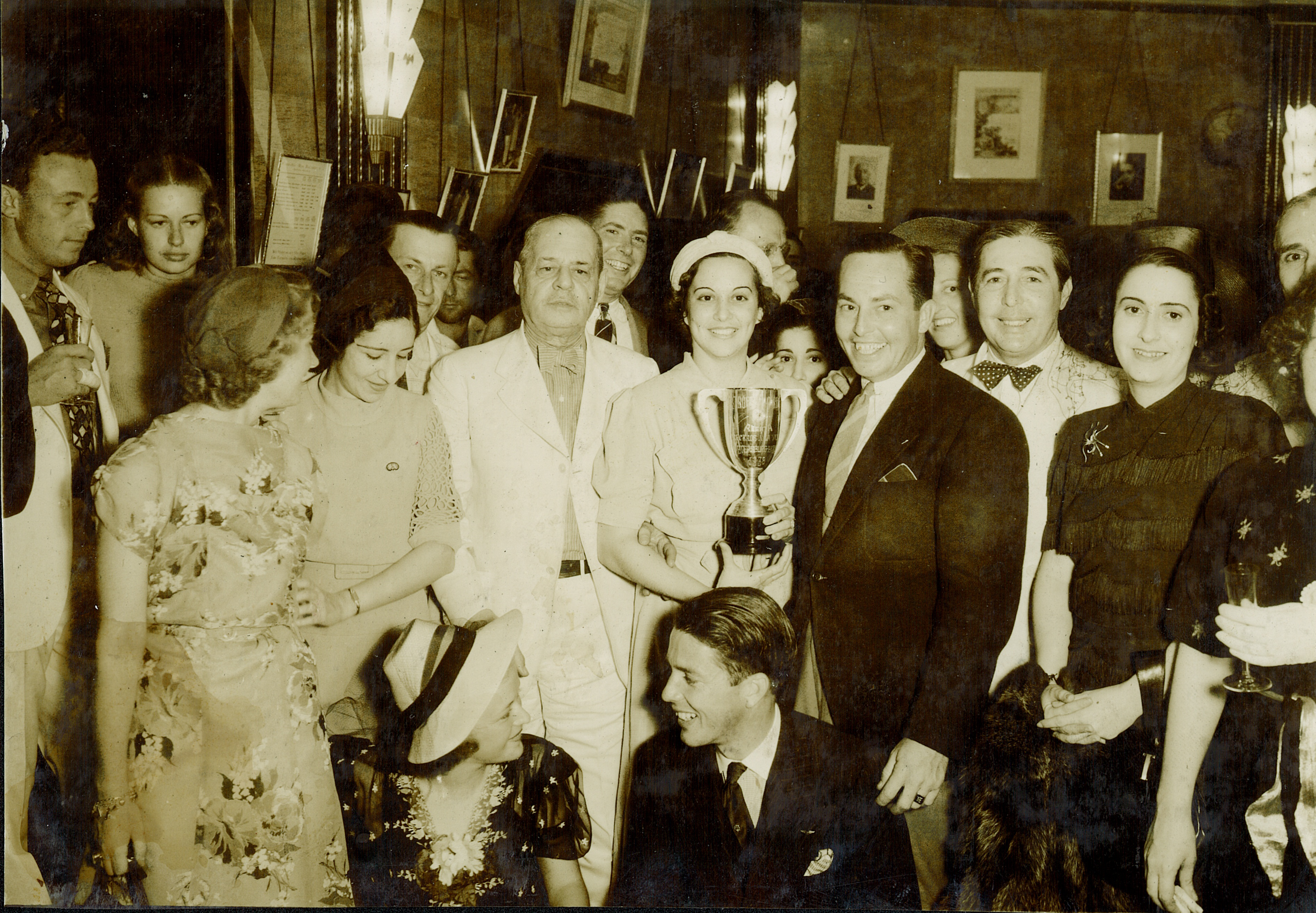
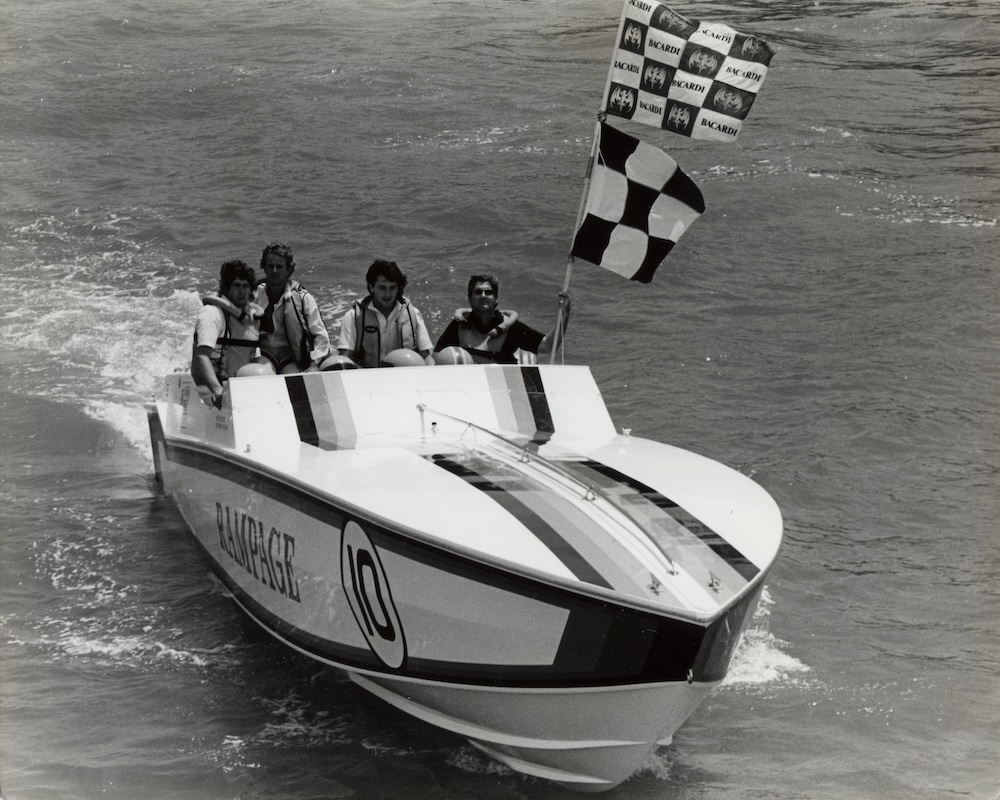
Photo from the Bacardi Archives: The inaugural 1927 Bacardi Cup Trophy is handed to renowned yachtsman Adrian Iselin II (right) and skipper Ed Willis (left).Photo from the Bacardi Archives: Winner of the 1938 Bacardi Cup and legendary sailor Harry Gale Nye Jr. (bottom center) celebrates with skippers, Rafael “Pappy” Valiente (center left in white) and other competitors at the Bacardi Bar inside Edificio Bacardí in Havana. Photo from the Bacardi Archives: Bacardi Family Member and longtime Bacardi Cup Host José ‘Tito’ Argamasilla holds the finish line flag at the 1985 event along Biscayne waters.Photo: Boats race along the waters in the 2010 Bacardi Cup.

In the #HowIGotHere series, you’ll read about the career paths of some of the world-renowned leaders at Yum! Brands. Learn more about Jim Dausch, Chief Digital & Technology Officer and President of Byte by Yum! at Yum! Brands.

Education

Chaminade College Preparatory School

St. Louis, Missouri, United States
(1991-1994)

Pepperdine University

Malibu, California, United States
Bachelor’s Degree, Business Administration and Management
(1994 – 1997)

If we were to interview your teachers, what would they say about you?

Jim typically dressed well and enjoyed writing.

What did you want to be when you grew up?

When I was young, my response to this question was to simply “have fun” because I enjoyed going on vacation, playing sports and eating out. I’ve continued to have fun into adulthood, working at Marriott, Under Armour and Yum! Brands.

WORK

First Job

When I was 16, I scooped ice cream at my local Baskin Robbins. I still have a sweet tooth!

Ernst & Young Global Consulting Services, Tokyo, Japan

1997-1999: Senior Consultant

Marriott International, Bethesda, Maryland, United States

1999-2001: Senior Analyst, Corporate Finance

Royal Ahold NV, Amsterdam, Netherlands

2002-2003: Senior Manager, Investor Relations

Marriot International, Bethesda, Maryland, United States

2003-2004: Senior Manager, Lodging Finance
2004-2007: Director, Sales & Marketing
2007-2011: Vice President, Brand Management
2011-2014: Vice President, Owner & Franchise Services
2014-2016: Senior Vice President, Global Operations
2016-2021: Senior Vice President, Enterprise Products
2021-2023: Chief Digital & Business Transformation Officer

Under Armour, Baltimore, Maryland, United States

2023-2024: Executive Vice President, Chief Consumer Officer

Yum! Brands, Plano, Texas, United States

2024-2025: Global Chief Digital & Technology Officer, Pizza Hut
2025-present: Chief Digital & Technology Officer and President of Byte by Yum!

What moments, or who, in your life influenced the way you work?

My Parents

Both worked very hard, one as a corporate executive and the other as a stay-at-home parent. The examples they set still inspire my strong work ethic today.

Learning the power of culture

At Marriott, I worked for some of the best, smartest and most servant-led leaders in my career. They showed me how intentionally cultivating a strong culture drives performance and that striving for excellence is fully compatible with leading with care and humility. I’m grateful to have found a similar culture at Yum!.

How were you able to transition from finance to marketing to franchising and end up in technology? Any advice?

I started my career in finance and development, but early on, I raised my hand for a volunteer opportunity that moved me into sales and marketing, which set the tone for my career. From there, I took on new challenges across franchising and technology, often through lateral moves, focusing less on the function and more on leading change, building commercial understanding and bringing cross-functional teams together.

My advice is to build relationships in the area you’re interested in, understand the transferable skills that matter there and be willing to bet on yourself.

What do people think you do versus what you actually do?

Many people assume I manage technology platforms, systems and tools, but I manage people, priorities and alignment. I work with our brands and franchisees to deploy Byte by Yum!™ technology at scale, empower restaurant teams, enhance customer experiences and drive growth. Technology is the outcome; leadership is the work.

What’s the best piece of advice you’ve been given?

You don’t have to choose between excellence and humility — great leadership requires both.

How do you disconnect from work and recharge during your free time?

Time with my family, new travel experiences and discovering great food help me disconnect, while cycling and bike racing give me a focused, physical outlet that helps me recharge.

What Motivates You?

I’m motivated by knowing that my work makes a meaningful difference in the lives of the people around me.

Jim Dausch


As s global deficit in freshwater looms, utilities in water-scarce regions worldwide have been working to manage this critical resource for years. The job is far from static: growing cities, decreasing rainfall, changing water treatment needs, and aging infrastructure are just a few of the constraints utilities face as they develop and preserve fresh water supply. Water utilities and their partners are using Rockwell systems to develop and upgrade operational capacities to optimize water resource management.

In Morocco, 13 desalination plants are being constructed by 2030 to support the nation’s water security. One of the largest desalination plants in Africa—and the largest powered entirely by renewable energy—will come online in 2027. Ferri Systems is the main electrical contractor for the new plant’s 16 motor control centers and main switchboards. The Spanish contractor is working with Rockwell and its CUBIC acquisition to meet the project’s high-performance specifications.

The CUBIC panels’ small footprint contributes to lower energy consumption and reduces assembly time. Our participation with temperature rise calculation for the panels also helps ensure energy efficiency. By combining our core technology with new CUBIC offerings, we’re supporting Ferri Systems from pre-design through engineering and supervision of final assembly.

San Bernadino, California is another water-stressed region, and there, seven municipalities participate in the Inland Empire Utility Agency (IEUA), a Lighthouse for the water industry. IEUA’s end-to-end water services include importing water, wastewater treatment, recycling water, groundwater recharging, renewable energy generation, and composting. When the agency needed to expand operations at one of its five facilities and bring a new biosolids facility online, it standardized on Rockwell automation solutions, including PlantPAx® Distributed Control System. With the move, IEUA increased water treatment capacity and efficiency without changing its staffing resources. In FY25, IEUA began expansion of another facility using Rockwell’s automation systems. With the upgrade, the facility will be able to treat up to 44 million gallons of water per day.

Discover additional sustainability stories by reading the Rockwell Automation 2025 Sustainability Report.

Key Takeaways

  • With two years of field-proven success, Caesarstone ICON™ is helping redefine the future of sustainable surfaces.
  • Caesarstone ICON™ combines premium design with a strong sustainability commitment, using ~85% recycled materials.
  • 44 of 59 designs are EPD certified, reinforcing transparency and environmental responsibility.
  • The Unearthed collection introduces nature-inspired aesthetics shaped by global design trends.
  • Caesarstone ICON™ has earned international recognition, including six global design and innovation awards.
  • Beyond aesthetics, the surfaces deliver durability, fabrication efficiency and crystalline-silica free* innovation.


Featuring a wealth of groundbreaking advantages, Caesarstone ICON™ is a premium sustainable surface that redefines the way surfaces look, feel, and endure.

Over the coming months, from North America to Europe and Australia, Caesarstone is launching Unearthed, the much-anticipated second Caesarstone ICON™ collection. This welcome expansion of the Caesarstone ICON™ portfolio provides an opportunity for an in-depth look at Caesarstone’s advanced fusion surfaces, which are known for their design versatility, high-performance and adherence to environmental values.

A Commitment to Sustainability

First and foremost, Caesarstone ICON™ tells a story of responsible beauty. These premier sustainable surfaces are made with a patent-pending blend of ~85% recycled materials, including high-quality post-industrial recycled glass, and other innovative materials. It’s an innovative material blend that creates new design possibilities for any project type, from classic residential rooms to urban spaces and trendy interiors. 

With the launch of Unearthed, consumers can choose from 59 different Caesarstone ICON™ designs. Yet Caesarstone ICON’s eco-friendly traits do not end with its material blend. In fact, 44 of Caesarstone ICON’s 59 designs are EPD certified, after undergoing environmental life cycle assessments (LCA). 

Design Versatility and Award-Winning Innovation

The designers behind Caesarstone ICON’s Collections were influenced by the world’s most impactful trends, while also relying on the beauty of nature for constant inspiration. With Caesarstone ICON™, there is so much to choose from, and there is something for every design type or interior concept. Caesarstone ICON’s material innovation has heavily impacted the design team, who came up with breathtaking designs that offer totally unique aesthetics. 

For example, the team embraced warm earth tones and green shades, as well as colors that echo iron, rust, moss and plant life – as evident in surfaces like Andes Trail, Taj WhisperSedara and Ocean Sage. The combination of groundbreaking material and cutting-edge aesthetic concepts lead to some truly extraordinary designs, which were recognized on some of the world’s biggest stages. Over the past year, Caesarstone ICON™ won six awards worldwide, including an award in the ‘Excellent Product Design Material and Surfaces’ category at the German Design Awards held in Frankfurt, and the 2026 Most Innovative Award at the KBIS Innovation Hour held in Florida. 

A New Standard of Reliability

In today’s bustling daily reality, reliability matters. Every Caesarstone ICON™ surface comes with Caesarstone’s signature heat, stain, scratch and impact resistance. Backed by a lifetime warranty, these surfaces promise a worry-free experience that endures daily life. Furthermore, Caesarstone ICON™ surfaces are crystalline-silica free*, meeting rigorous regulatory standards through independently verified XRD and HHRA testing.

* May contain traces of crystalline silica of up to 1%.

Engineered for Fabrication Success

One of the advantages of Caesarstone ICON™ is its two-year field-proven success. These two years have been put to good use, with Caesarstone conducting extensive lab and multi-country field testing with real-world fabrication feedback fed back into proven quality and manufacturing controls. 

Caesarstone ICON™ outperforms other materials while boasting superior flexural strength (up to 110 MPa) and impact resistance (up to 18.5J), as recorded by high fabricator satisfaction levels in numerous countries. This data isn’t just impressive; it actually supports easier fabrication and installation.

There’s an Iconic Story to Be Told

When Caesarstone’s R&D team first envisioned Caesarstone ICON™, they asked themselves: What if our most beautiful surfaces could also be the most responsible surfaces we’ve ever created?

Caesarstone ICON’s iconic story begins with a fresh approach to design, and continues with advanced R&D that brings an innovative material to life. After two years of field-proven success, six international design awards and 59 full-body designs available worldwide, Caesarstone ICON™ is setting a new global benchmark for sustainable surfaces.

For more information on Caesarstone ICON™, please visit the dedicated webpage.

Privacy Overview

This website uses cookies so that we can provide you with the best user experience possible. Cookie information is stored in your browser and performs functions such as recognising you when you return to our website and helping our team to understand which sections of the website you find most interesting and useful.