When it comes to running a successful business, many people think it’s a simple matter of offering a product or service customers are willing to spend money on and generating profits. Those who run businesses will tell you it’s much more nuanced. If you really want to succeed, you need to have a plan for managing every aspect of your operations, especially your finances.

This is particularly true for small business owners who want to grow. Growth, whether purchasing a building, expanding operations, buying equipment, or opening a second location, eventually requires capital that goes beyond what cash flow alone can support.

Having the ability to access credit when your business is growing can be the difference between staying stagnant and moving forward. One of the most powerful and often misunderstood resources to do this is the U.S. Small Business Administration (SBA).

Common SBA loan options for growing businesses

When exploring a credit facility for business growth, talk with a banker. SBA loans are not issued by the federal government directly. They are made by participating banks and lenders and, with the exception of the 504 loan, partially guaranteed by the SBA. This reduces risk for these banks and lenders and helps some businesses qualify for financing they might not otherwise obtain. KeyBank offers SBA loan amounts up to $5 million. KeyBank has been designated as an SBA Preferred Lender for more than 20 years1.

Understanding how SBA loans work, and how to prepare for them, can significantly improve a business owner’s chances of loan application approval. For business owners looking to grow through expansion or real estate ownership, two SBA loan programs are particularly relevant: SBA 7(a) Loans and SBA 504 Loans.

The SBA 7(a) program is the most flexible and widely used SBA loan. It can be used for a broad range of business needs, including:

  • Real Estate: Purchasing, constructing, or renovating owner-occupied commercial buildings and land.
  • Working Capital: Managing day-to-day operations, inventory, and short-term cash flow needs.
  • Equipment: Purchasing or installing new or used machinery, equipment, furniture, and fixtures.
  • Business Acquisitions: Financing the purchase of an existing business or partnership buyouts.
  • Debt Refinancing: Refinancing existing business debt to improve cash flow.

When real estate is included, loan terms may extend up to 25 years, helping to keep monthly payments manageable. This flexibility makes the 7(a) loan well‑suited for businesses that need a single financing solution to support multiple growth objectives at once.

The SBA 504 program is designed specifically for long‑term, fixed‑asset investments, such as buying or constructing commercial property or purchasing major equipment. These loans typically offer long repayment terms and fixed interest rates, which can provide predictability for growing businesses. The 504 program is commonly used when a company wants to transition from leasing space to owning its own facility, helping stabilize occupancy costs while building long‑term equity.

Both the SBA 7(a) and 504 programs require the business to occupy a majority of the commercial space being financed, reinforcing the SBA’s mission of supporting operating businesses rather than real estate speculation.

Why SBA loans matter for local economic growth
From an economic development perspective, SBA loans play an important role in strengthening local communities. When small businesses invest in property, expand their workforce, or modernize operations, the impact extends well beyond the business itself. These investments support job creation, stabilize neighborhoods, and contribute to the overall vitality of regional economies, particularly in rural and small‑town markets.

For business owners, SBA financing can also provide a path to greater financial resilience. Owning a building rather than leasing space can protect against rent volatility, while longer loan terms can free up cash flow for hiring, marketing, and innovation.

How to position your business for SBA loan success

While SBA loans are designed to improve access to capital, they are still credit products that require preparation and discipline. Lenders look for evidence that a business is well‑managed, financially sound, and capable of repaying the loan.

  1. Know the numbers. Business owners should have at least two to three years of financial statements readily available, including profit and loss statements, balance sheets, and cash flow reports. Lenders want to see consistent revenue, reasonable margins, and enough cash flow to support debt repayment.
  2. Prepare a clear business plan. A strong business plan explains how the loan will be used and how it supports growth. For real estate purchases, this includes explaining why ownership makes sense for the business, how the space will be used, and how the investment supports long‑term operations.
  3. Maintain strong personal and business credit. Personal credit is a financial resource. Lenders will look at an owner’s personal credit history when they consider extending a loan or a line of credit to a business. Know what your credit score is, and if necessary, talk with your bank about taking it from good to excellent.
  4. Build a professional support network. Accountants, attorneys, and SBA‑experienced lenders can all play critical roles in structuring a successful loan application. Their insight can help anticipate questions, avoid pitfalls, and ensure the financing aligns with the business’s growth strategy.

Also, be prepared to invest alongside the lender. In fact, SBA loans typically require an equity contribution from the borrower. Demonstrating a willingness to invest personal or business capital into the project signals commitment and reduces risk.

Planning today for tomorrow’s growth
SBA loans are not a quick fix, but for businesses thinking strategically about growth, they can be a powerful tool. By understanding available loan options and preparing thoughtfully in advance, small business owners may be able to position themselves to access capital that supports expansion, stability, and long‑term success.

For communities across the nation, thoughtful use of SBA financing helps ensure that local businesses remain competitive, resilient, and deeply rooted in the places they serve.

About the author: James Fliss is Senior Vice President, National SBA Manager for KeyBank. He can be reached at james_fliss@keybank.com.

1Source: U.S. Small Business Administration (SBA) KeyBank has been designated as an SBA Preferred Lender since August, 1997

This is designed to provide general information only. All credit products are subject to collateral and/or credit approval, terms, conditions, availability and subject to change. ©2026 KeyCorp. All rights reserved. CFMA #260513-4464028 
When it comes to running a successful business, many people think it’s a simple matter of offering a product or service customers are willing to spend money on and generating profits. Those who run businesses will tell you it’s much more nuanced. If you really want to succeed, you need to have a plan for managing every aspect of your operations, especially your finances.

This is particularly true for small business owners who want to grow. Growth, whether purchasing a building, expanding operations, buying equipment, or opening a second location, eventually requires capital that goes beyond what cash flow alone can support.

Having the ability to access credit when your business is growing can be the difference between staying stagnant and moving forward. One of the most powerful and often misunderstood resources to do this is the U.S. Small Business Administration (SBA).

Common SBA loan options for growing businesses

When exploring a credit facility for business growth, talk with a banker. SBA loans are not issued by the federal government directly. They are made by participating banks and lenders and, with the exception of the 504 loan, partially guaranteed by the SBA. This reduces risk for these banks and lenders and helps some businesses qualify for financing they might not otherwise obtain. KeyBank offers SBA loan amounts up to $5 million. KeyBank has been designated as an SBA Preferred Lender for more than 20 years1.

Understanding how SBA loans work, and how to prepare for them, can significantly improve a business owner’s chances of loan application approval. For business owners looking to grow through expansion or real estate ownership, two SBA loan programs are particularly relevant: SBA 7(a) Loans and SBA 504 Loans.

The SBA 7(a) program is the most flexible and widely used SBA loan. It can be used for a broad range of business needs, including:

  • Real Estate: Purchasing, constructing, or renovating owner-occupied commercial buildings and land.
  • Working Capital: Managing day-to-day operations, inventory, and short-term cash flow needs.
  • Equipment: Purchasing or installing new or used machinery, equipment, furniture, and fixtures.
  • Business Acquisitions: Financing the purchase of an existing business or partnership buyouts.
  • Debt Refinancing: Refinancing existing business debt to improve cash flow.

When real estate is included, loan terms may extend up to 25 years, helping to keep monthly payments manageable. This flexibility makes the 7(a) loan well‑suited for businesses that need a single financing solution to support multiple growth objectives at once.

The SBA 504 program is designed specifically for long‑term, fixed‑asset investments, such as buying or constructing commercial property or purchasing major equipment. These loans typically offer long repayment terms and fixed interest rates, which can provide predictability for growing businesses. The 504 program is commonly used when a company wants to transition from leasing space to owning its own facility, helping stabilize occupancy costs while building long‑term equity.

Both the SBA 7(a) and 504 programs require the business to occupy a majority of the commercial space being financed, reinforcing the SBA’s mission of supporting operating businesses rather than real estate speculation.

Why SBA loans matter for local economic growth
From an economic development perspective, SBA loans play an important role in strengthening local communities. When small businesses invest in property, expand their workforce, or modernize operations, the impact extends well beyond the business itself. These investments support job creation, stabilize neighborhoods, and contribute to the overall vitality of regional economies, particularly in rural and small‑town markets.

For business owners, SBA financing can also provide a path to greater financial resilience. Owning a building rather than leasing space can protect against rent volatility, while longer loan terms can free up cash flow for hiring, marketing, and innovation.

How to position your business for SBA loan success

While SBA loans are designed to improve access to capital, they are still credit products that require preparation and discipline. Lenders look for evidence that a business is well‑managed, financially sound, and capable of repaying the loan.

  1. Know the numbers. Business owners should have at least two to three years of financial statements readily available, including profit and loss statements, balance sheets, and cash flow reports. Lenders want to see consistent revenue, reasonable margins, and enough cash flow to support debt repayment.
  2. Prepare a clear business plan. A strong business plan explains how the loan will be used and how it supports growth. For real estate purchases, this includes explaining why ownership makes sense for the business, how the space will be used, and how the investment supports long‑term operations.
  3. Maintain strong personal and business credit. Personal credit is a financial resource. Lenders will look at an owner’s personal credit history when they consider extending a loan or a line of credit to a business. Know what your credit score is, and if necessary, talk with your bank about taking it from good to excellent.
  4. Build a professional support network. Accountants, attorneys, and SBA‑experienced lenders can all play critical roles in structuring a successful loan application. Their insight can help anticipate questions, avoid pitfalls, and ensure the financing aligns with the business’s growth strategy.

Also, be prepared to invest alongside the lender. In fact, SBA loans typically require an equity contribution from the borrower. Demonstrating a willingness to invest personal or business capital into the project signals commitment and reduces risk.

Planning today for tomorrow’s growth
SBA loans are not a quick fix, but for businesses thinking strategically about growth, they can be a powerful tool. By understanding available loan options and preparing thoughtfully in advance, small business owners may be able to position themselves to access capital that supports expansion, stability, and long‑term success.

For communities across the nation, thoughtful use of SBA financing helps ensure that local businesses remain competitive, resilient, and deeply rooted in the places they serve.

About the author: James Fliss is Senior Vice President, National SBA Manager for KeyBank. He can be reached at james_fliss@keybank.com.

1Source: U.S. Small Business Administration (SBA) KeyBank has been designated as an SBA Preferred Lender since August, 1997

This is designed to provide general information only. All credit products are subject to collateral and/or credit approval, terms, conditions, availability and subject to change. ©2026 KeyCorp. All rights reserved. CFMA #260513-4464028 

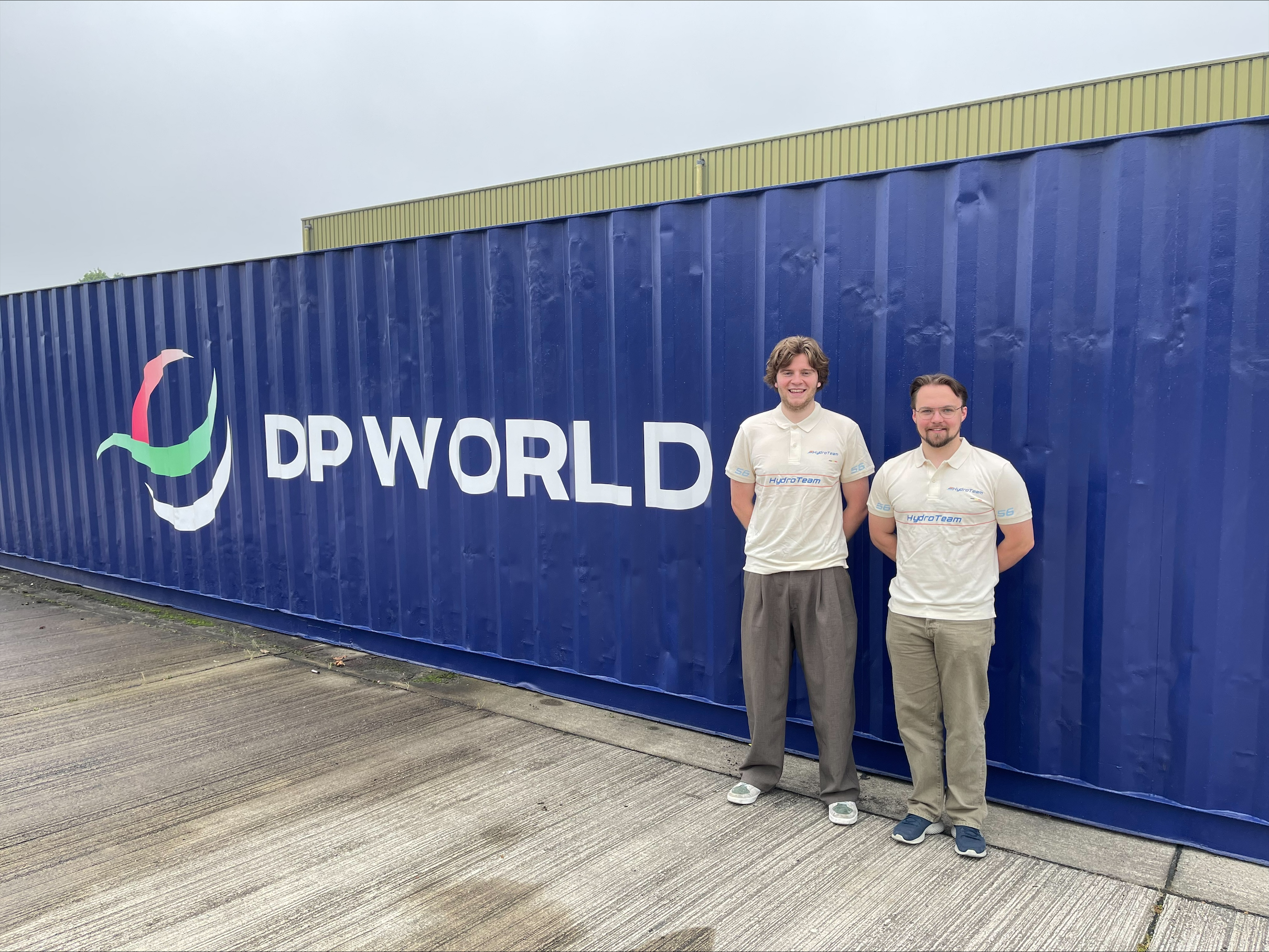
ANTWERP, Belgium, May 20, 2026 /3BL/ – DP World, a global provider of logistics and supply chain solutions, has donated a storage container to support the HydroTeam KU Leuven student team in their bid to produce a hydrogen-powered race car for Le Mans 2030.

The container, provided by DP World’s Antwerp Gateway terminal, enhances the team’s infrastructure, providing a safe and efficient working environment for the development of their hydrogen car.

HydroTeam KU Leuven is a multidisciplinary 60-strong student team that, with the support of academic and industry partners, is working on the development of Belgium’s first hydrogen race car, contributing to innovation in sustainable vehicles.

DP World is exploring hydrogen technologies as part of the future energy mix for heavy transport and port operations, supporting efforts to reduce emissions across its network.

Eight members of the team dedicate a full year to the project and work on it daily to bring the car closer to Le Mans. The other 52 students combine their involvement with their studies and come from various academic years. Most of the students are finishing their bachelor’s or master’s degree and will soon be entering the job market.

The team, established only two years ago, aims to compete in the 24 Hours of Le Mans in 2030. A dedicated hydrogen class is expected to open in 2029. In the years leading up to this, HydroTeam KU Leuven plan to participate in smaller, local races such as Belcar, gradually progressing to larger and longer endurance races to prepare for Le Mans.

As the project increases in complexity, so does the need for a well-organised and safe workshop. Thanks to the container provided by DP World, the team can store its materials securely and organise equipment more effectively.

" "

Warre Debois, Safety Lead at HydroTeam, said: “For a team like ours, a well-equipped and safe working environment is essential. When working on an ambitious project such as a hydrogen race car, safety must always come first. Thanks to DP World’s support, we can further professionalise our workshop and organise our operations in a safe and structured way. We are very grateful for their support.

“This year, our focus is on integrating new components and fully completing our prototype race car. At the same time, we are preparing for the next phase, as we will begin building a new car that we plan to enter in its first race in the summer of 2027. In the following years, we aim to compete in more races learning as we go on, before building the final car for Le Mans 2030.”

Edi Cioran, CEO of DP World Antwerp Gateway, said: “As a company committed to sustainable growth, innovation and safety, we are proud to support initiatives that share these values. HydroTeam KU Leuven demonstrates how young talent can play a leading role in the technologies of tomorrow. With our support, we are making a tangible contribution that helps advance their project.”

Through its global motorsport partnerships, including the McLaren Formula 1 Team and Porsche Formula E, DP World supports innovation in high-performance environments.

To find out more about DP World’s sustainability projects see our Sustainability Strategy.


— ENDS —


For more insights into how DP World is reshaping global trade, visit our website: www.dpworld.com

For media enquiries, please contact:

Adal Mirza

Group Vice President

Adal.mirza@dpworld.com

+971 50 628 7856

Hakam Kherallah

Group Senior Manager

Hakam.Kherallah@dpworld.com

+971 50 552 2610

Follow DP World on:

X (Twitter): https://twitter.com/DP_World

LinkedIn: https://www.linkedin.com/company/dp-world

About DP World

DP World is reshaping the future of global trade to improve lives everywhere. Operating across six continents with a team of over 125,000 employees, we combine global infrastructure and local expertise to deliver seamless supply chain solutions. From Ports and Terminals to Marine Services, Logistics and Technology, we leverage innovation to create better ways to trade, minimizing disruptions from the factory floor to the customer’s door.

DP World’s European network spans over 250 locations in more than 30 countries, including deep sea ports, inland terminals, rail hubs and warehousing facilities. Through sustained investment in infrastructure, technology and people, we support more than 26,000 jobs and enable smarter, faster and more resilient trade across the continent.

Our global partnerships in golf, cricket, Formula 1 and sailing come to life across Europe – from the British Grand Prix to SailGP in Spain and the Turkish Open to name a few. These platforms allow us to demonstrate how logistics powers performance, connects communities and unlocks new possibilities..

WE MAKE TRADE FLOW


ANTWERP, Belgium, May 20, 2026 /3BL/ – DP World, a global provider of logistics and supply chain solutions, has donated a storage container to support the HydroTeam KU Leuven student team in their bid to produce a hydrogen-powered race car for Le Mans 2030.

The container, provided by DP World’s Antwerp Gateway terminal, enhances the team’s infrastructure, providing a safe and efficient working environment for the development of their hydrogen car.

HydroTeam KU Leuven is a multidisciplinary 60-strong student team that, with the support of academic and industry partners, is working on the development of Belgium’s first hydrogen race car, contributing to innovation in sustainable vehicles.

DP World is exploring hydrogen technologies as part of the future energy mix for heavy transport and port operations, supporting efforts to reduce emissions across its network.

Eight members of the team dedicate a full year to the project and work on it daily to bring the car closer to Le Mans. The other 52 students combine their involvement with their studies and come from various academic years. Most of the students are finishing their bachelor’s or master’s degree and will soon be entering the job market.

The team, established only two years ago, aims to compete in the 24 Hours of Le Mans in 2030. A dedicated hydrogen class is expected to open in 2029. In the years leading up to this, HydroTeam KU Leuven plan to participate in smaller, local races such as Belcar, gradually progressing to larger and longer endurance races to prepare for Le Mans.

As the project increases in complexity, so does the need for a well-organised and safe workshop. Thanks to the container provided by DP World, the team can store its materials securely and organise equipment more effectively.

" "

Warre Debois, Safety Lead at HydroTeam, said: “For a team like ours, a well-equipped and safe working environment is essential. When working on an ambitious project such as a hydrogen race car, safety must always come first. Thanks to DP World’s support, we can further professionalise our workshop and organise our operations in a safe and structured way. We are very grateful for their support.

“This year, our focus is on integrating new components and fully completing our prototype race car. At the same time, we are preparing for the next phase, as we will begin building a new car that we plan to enter in its first race in the summer of 2027. In the following years, we aim to compete in more races learning as we go on, before building the final car for Le Mans 2030.”

Edi Cioran, CEO of DP World Antwerp Gateway, said: “As a company committed to sustainable growth, innovation and safety, we are proud to support initiatives that share these values. HydroTeam KU Leuven demonstrates how young talent can play a leading role in the technologies of tomorrow. With our support, we are making a tangible contribution that helps advance their project.”

Through its global motorsport partnerships, including the McLaren Formula 1 Team and Porsche Formula E, DP World supports innovation in high-performance environments.

To find out more about DP World’s sustainability projects see our Sustainability Strategy.


— ENDS —


For more insights into how DP World is reshaping global trade, visit our website: www.dpworld.com

For media enquiries, please contact:

Adal Mirza

Group Vice President

Adal.mirza@dpworld.com

+971 50 628 7856

Hakam Kherallah

Group Senior Manager

Hakam.Kherallah@dpworld.com

+971 50 552 2610

Follow DP World on:

X (Twitter): https://twitter.com/DP_World

LinkedIn: https://www.linkedin.com/company/dp-world

About DP World

DP World is reshaping the future of global trade to improve lives everywhere. Operating across six continents with a team of over 125,000 employees, we combine global infrastructure and local expertise to deliver seamless supply chain solutions. From Ports and Terminals to Marine Services, Logistics and Technology, we leverage innovation to create better ways to trade, minimizing disruptions from the factory floor to the customer’s door.

DP World’s European network spans over 250 locations in more than 30 countries, including deep sea ports, inland terminals, rail hubs and warehousing facilities. Through sustained investment in infrastructure, technology and people, we support more than 26,000 jobs and enable smarter, faster and more resilient trade across the continent.

Our global partnerships in golf, cricket, Formula 1 and sailing come to life across Europe – from the British Grand Prix to SailGP in Spain and the Turkish Open to name a few. These platforms allow us to demonstrate how logistics powers performance, connects communities and unlocks new possibilities..

WE MAKE TRADE FLOW


Key takeaways

  • Trusted data is a business requirement. Sustainability data cannot live apart from finance, risk, and governance if companies want to stand behind their claims with confidence.
  • AI only adds value when it is grounded in governance. Speed is useful, but trusted outcomes depend on connected, controlled, and traceable data, supported by human judgment and strong oversight.
  • Sustainability is more than a compliance checkbox. When companies manage sustainability with the same discipline as financial performance and engage across the enterprise to understand a company’s underlying sustainability ecosystem, it strengthens transparency, resilience, and long-term decision-making.

In 2025, the mandate for business leaders changed. Geopolitical uncertainty and the rapid adoption of AI exposed enterprise-wide data gaps with real consequences: delayed operational decisions, regulatory fines, legal exposure, and declining investor confidence. Data clarity became a top-tier business risk. For sustainability leaders, this means we no longer just report the numbers. We defend the integrity of our non-financial data against unprecedented regulatory and AI-driven scrutiny. And in many organizations, sustainability leaders were the first to confront this paradigm shift.

This new reality became clear to many of us while building our sustainability reports and tracking down data across our organizations. The data exists, but it lives in disconnected systems, teams, and processes. This made it hard to track progress, connect sustainability efforts to financial outcomes, and show value in a way executives and boards could actually use.

At Workiva, we know that challenge well because we see it from both sides. We work with organizations navigating these pressures every day, and we face them ourselves. We are customer #1 for our own AI-powered platform, and rely on it to manage the trustworthy data that closes the gap between what we claim, report, and actually do.

Workiva created our 2025 Sustainability Report using our sustainability management solution and Workiva AI to manage disclosures, track sustainability targets and carbon data, and accelerate preparation of our report. Our sustainability report is a practical example of how connected data, internal controls, and AI can work together to strengthen trust, improve efficiency, and support better decision-making.

Where we led in 2025

Empowering human judgment with governed AI. AI promised to solve a lot of problems for reporting practitioners. But off-the-shelf AI tools still lack the security and guardrails that reporting practitioners need to manage and analyze sensitive business data. The AI-powered Workiva platform allowed us to reduce manual effort without sacrificing oversight.

Mapping our sustainability initiatives to the UN Sustainable Development Goals could have taken hours. Using Workiva AI, our team created 17 summaries in less than 30 minutes. Every AI-generated summary was flagged for human review, which helped us preserve the nuance of our qualitative disclosures. In the end, we aligned with nine UN Sustainable Development Goals across our report and reinforced a principle that drives our innovation: AI is most useful when it is grounded in trusted data and governed workflows.

Solving the double materiality puzzle. For the first time, Workiva completed a voluntary Corporate Sustainability Reporting Directive (CSRD)-aligned double materiality assessment (DMA). For a SaaS company, that meant looking beyond our carbon footprint—examining the impacts, risks, and opportunities tied to our workforce, business conduct, product governance, responsible AI, cybersecurity, and data privacy. It also required deeper cross-functional collaboration and understanding to connect sustainability to our broader business strategy, value chain, and financials. Getting internal teams to agree on what sustainability materiality means in practice was the real work—the platform structured the process, but the conversations still had to happen.

We completed the DMA using the CSRD capabilities in the Workiva platform. Our results are consistent with Wave 1 reports from the technology sector and provide a clearer view of the sustainability topics most relevant to our business, from both financial and impact perspectives, and serve as a foundation to anchor to as we prepare future disclosures.

Meeting the mark and setting new goals. Based on 2025 data, we are on track to or have exceeded our sustainability targets across Innovation, Environment, and People & Philanthropy. We achieved our target for customer adoption of Workiva AI and maintained operational net-zero across our value chain. We also reported an employee engagement score 91% and 71% employee participation in philanthropic programs.

Those results did more than show progress. They gave us a clearer basis for what comes next.

Sustainability is not a box-checking exercise. It is a catalyst for growth and innovation. As part of our ongoing commitment to create long-term value, we are refining our carbon and AI targets to reflect what we have learned, how our platform is evolving, and what our stakeholders increasingly expect from us. Additionally, we are broadening our People & Philanthropy targets to meet the needs of an expanding global workforce.

Shaping the future of reporting. We remained engaged with global organizations at the forefront of reporting standards, transparency, and accountability, including EFRAG, the World Economic Forum, and the United Nations. Workiva was recognized as a Friend of EFRAG for both financial and sustainability reporting, the only company to receive that distinction.

What comes next

As sustainability continues to evolve, it is clear that trusted data must remain the foundation for creating long-term value. When sustainability data is connected to finance, risk, and governance, it strengthens trust and helps organizations move forward with confidence. We invite you to download and read Workiva’s 2025 Sustainability Report.

Key takeaways

  • Trusted data is a business requirement. Sustainability data cannot live apart from finance, risk, and governance if companies want to stand behind their claims with confidence.
  • AI only adds value when it is grounded in governance. Speed is useful, but trusted outcomes depend on connected, controlled, and traceable data, supported by human judgment and strong oversight.
  • Sustainability is more than a compliance checkbox. When companies manage sustainability with the same discipline as financial performance and engage across the enterprise to understand a company’s underlying sustainability ecosystem, it strengthens transparency, resilience, and long-term decision-making.

In 2025, the mandate for business leaders changed. Geopolitical uncertainty and the rapid adoption of AI exposed enterprise-wide data gaps with real consequences: delayed operational decisions, regulatory fines, legal exposure, and declining investor confidence. Data clarity became a top-tier business risk. For sustainability leaders, this means we no longer just report the numbers. We defend the integrity of our non-financial data against unprecedented regulatory and AI-driven scrutiny. And in many organizations, sustainability leaders were the first to confront this paradigm shift.

This new reality became clear to many of us while building our sustainability reports and tracking down data across our organizations. The data exists, but it lives in disconnected systems, teams, and processes. This made it hard to track progress, connect sustainability efforts to financial outcomes, and show value in a way executives and boards could actually use.

At Workiva, we know that challenge well because we see it from both sides. We work with organizations navigating these pressures every day, and we face them ourselves. We are customer #1 for our own AI-powered platform, and rely on it to manage the trustworthy data that closes the gap between what we claim, report, and actually do.

Workiva created our 2025 Sustainability Report using our sustainability management solution and Workiva AI to manage disclosures, track sustainability targets and carbon data, and accelerate preparation of our report. Our sustainability report is a practical example of how connected data, internal controls, and AI can work together to strengthen trust, improve efficiency, and support better decision-making.

Where we led in 2025

Empowering human judgment with governed AI. AI promised to solve a lot of problems for reporting practitioners. But off-the-shelf AI tools still lack the security and guardrails that reporting practitioners need to manage and analyze sensitive business data. The AI-powered Workiva platform allowed us to reduce manual effort without sacrificing oversight.

Mapping our sustainability initiatives to the UN Sustainable Development Goals could have taken hours. Using Workiva AI, our team created 17 summaries in less than 30 minutes. Every AI-generated summary was flagged for human review, which helped us preserve the nuance of our qualitative disclosures. In the end, we aligned with nine UN Sustainable Development Goals across our report and reinforced a principle that drives our innovation: AI is most useful when it is grounded in trusted data and governed workflows.

Solving the double materiality puzzle. For the first time, Workiva completed a voluntary Corporate Sustainability Reporting Directive (CSRD)-aligned double materiality assessment (DMA). For a SaaS company, that meant looking beyond our carbon footprint—examining the impacts, risks, and opportunities tied to our workforce, business conduct, product governance, responsible AI, cybersecurity, and data privacy. It also required deeper cross-functional collaboration and understanding to connect sustainability to our broader business strategy, value chain, and financials. Getting internal teams to agree on what sustainability materiality means in practice was the real work—the platform structured the process, but the conversations still had to happen.

We completed the DMA using the CSRD capabilities in the Workiva platform. Our results are consistent with Wave 1 reports from the technology sector and provide a clearer view of the sustainability topics most relevant to our business, from both financial and impact perspectives, and serve as a foundation to anchor to as we prepare future disclosures.

Meeting the mark and setting new goals. Based on 2025 data, we are on track to or have exceeded our sustainability targets across Innovation, Environment, and People & Philanthropy. We achieved our target for customer adoption of Workiva AI and maintained operational net-zero across our value chain. We also reported an employee engagement score 91% and 71% employee participation in philanthropic programs.

Those results did more than show progress. They gave us a clearer basis for what comes next.

Sustainability is not a box-checking exercise. It is a catalyst for growth and innovation. As part of our ongoing commitment to create long-term value, we are refining our carbon and AI targets to reflect what we have learned, how our platform is evolving, and what our stakeholders increasingly expect from us. Additionally, we are broadening our People & Philanthropy targets to meet the needs of an expanding global workforce.

Shaping the future of reporting. We remained engaged with global organizations at the forefront of reporting standards, transparency, and accountability, including EFRAG, the World Economic Forum, and the United Nations. Workiva was recognized as a Friend of EFRAG for both financial and sustainability reporting, the only company to receive that distinction.

What comes next

As sustainability continues to evolve, it is clear that trusted data must remain the foundation for creating long-term value. When sustainability data is connected to finance, risk, and governance, it strengthens trust and helps organizations move forward with confidence. We invite you to download and read Workiva’s 2025 Sustainability Report.

A good coffee shop does more than serve caffeine. It keeps mornings moving and creates space for community connections —sometimes for five minutes in a drive‑thru line or sometimes for hours at a shared table. As coffee shops evolve into bustling community hubs, behind-the-scenes solutions from Comcast Business ensure they stay always on, powering everything from high speed WiFi and cyber security to mobile ordering and fast payments processing.

During Small Business Month, we’re spotlighting a handful of the millions of small businesses that rely on Comcast Business to keep things running – from Virginia drive-thrus to Pittsburgh’s Strip District – each one building something lasting in its own way.

cups of coffee

The Roaming Bean: From the Road to a Permanent Home

Pittsburgh, Pennsylvania

The Roaming Bean started on wheels in late 2022 – trailers, popups, and a growing fleet bringing creative espresso drinks directly to customers across Pittsburgh. Mobility was their identity. But in early 2026, the brand planted roots with its first brick‑and‑mortar café in Strip District, one of the city’s most energetic neighborhoods.

The new space offers something the fleet never could: a place to linger. To work, to people watch, to soak in the neighborhood. A steady anchor for a brand built on motion.

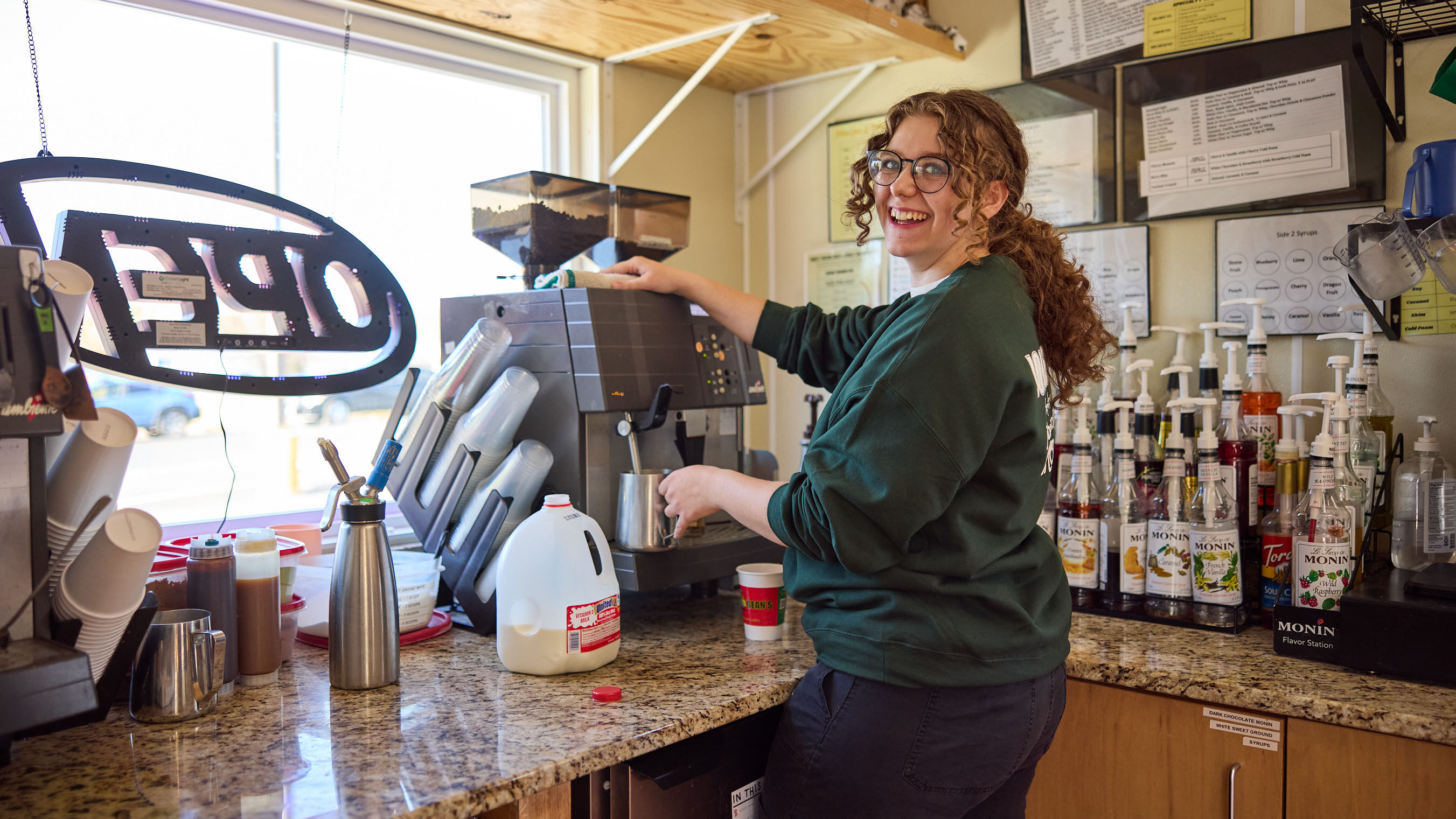
But running both mobile and fixed operations simultaneously means juggling a lot. Comcast Business supports the whole ecosystem – POS systems, guest WiFi, music, and the real-time social media presence that keeps the brand connected to its audience during peak hours when it counts most. As The Roaming Bean grows, that foundation gives the team the confidence to keep moving forward without worrying about whether their infrastructure can keep up.

person working at a coffee shop

Joe Beans: Built for the Morning Rush and the Long Haul

Lynchburg, Virginia

Joe Beans was born from a simple idea spotted on a flyfishing trip: a tiny drive‑thru coffee stand that moved fast and did one thing exceptionally well. Twenty plus years later, that idea has grown into a local institution across Central Virginia – and the pace hasn’t slowed.

At peak hours, cars roll through at a clip of roughly one every 15 seconds. That rhythm is the business model. Quick ordering, seamless payment, and a familiar rhythm customers can count on before work or school. For Linda Brown, who runs Joe Beans alongside a career in chiropractic care, any friction in that flow – a slow connection, a payment that won’t process, a POS system that hiccups – ripples through the entire line.

Comcast Business keeps that momentum intact. Credit cards, gift cards, and mobile payments process without interruption across all locations. Security cameras and guest WiFi run on the same dependable connection. Since making the switch, the team no longer worries about outages – which means Linda can stay focused on what she’s spent two decades perfecting: great coffee, fast service, and regulars who keep coming back.

coffee shop

Nirvana Soul Coffee: Where Coffee Meets Culture

San Jose, California

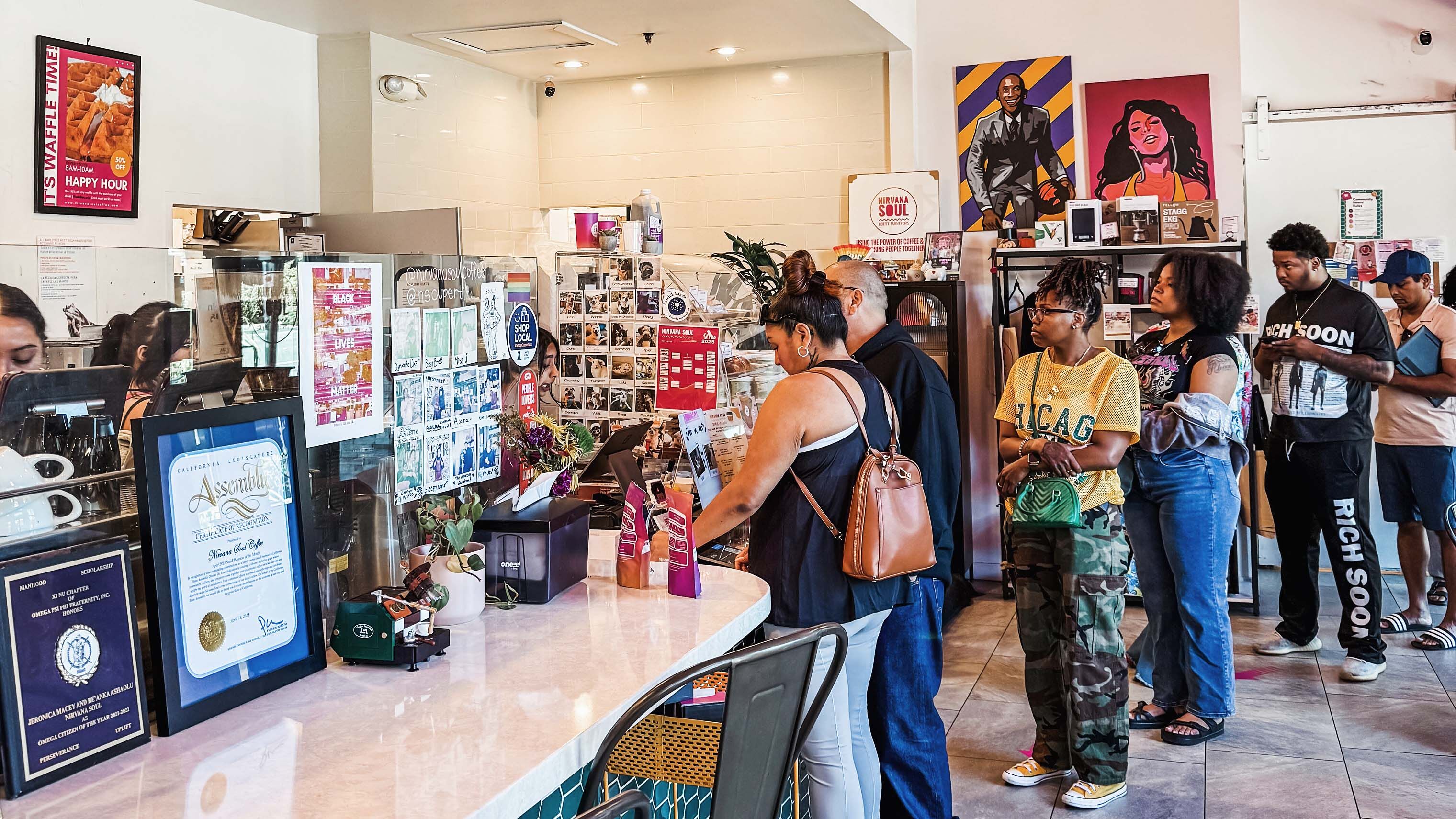
At Nirvana Soul Coffee, the goal has always been bigger than the cup. The music, the artwork, the menu – everything is chosen deliberately to make people feel welcome and inspired to stay awhile. This isn’t a grab-and-go spot. It’s a place with a vibe.

In a city built around technology, that intention has made Nirvana Soul a natural gathering place for remote workers, students, and friends meeting between commitments. The space earns repeat visits not just for the coffee, but because it reliably works for the community it serves, and that reliability extends to the WiFi.

Fast, consistent connectivity from Comcast Business means customers can take meetings, answer emails, and get things done without hunting for a signal or watching a spinner. Behind the scenes, SecurityEdge provides an added layer of network-level protection helping block malware, phishing attempts, and other online threats before they reach devices, without requiring hands-on management from the team.

During peak hours, the connection holds. That kind of dependability is what turns a good coffee shop into a daily habit, giving the team confidence that their business systems and their guests are supported throughout the day.

pastries

Ground Ops Roastery + Bakehouse: Service in a Different Form

Tallahassee, Florida

Ground Ops Roastery + Bakehouse grew out of a lifetime of service. Founded by Navy veteran and former law enforcement officer Chris Smith, the shop brings that same ethos – precision, reliability, accountability – into every part of its operation.

Everything is done in-house, from roasting the beans to baking pastries. And beyond its own cafe, Ground Ops supplies coffee and baked goods to other local businesses around Tallahassee, strengthening the community rather than just competing within it. It’s stewardship as much as entrepreneurship.

Running an operation that complex requires back-end infrastructure that keeps up. Comcast Business powers the POS system so orders – whether at the counter or online – are processed quickly and accurately, even during the busiest rushes. With most customers paying by card or mobile, reliable connectivity keeps transactions moving and the workflow from falling behind. When the technology works the way it’s supposed to, Chris’s team can stay focused on what they’re known for: quality, craft, and genuine hospitality.

coffee shop

Wirlybird Coffee: Where the Day Shifts with You

Philadelphia, Pennsylvania

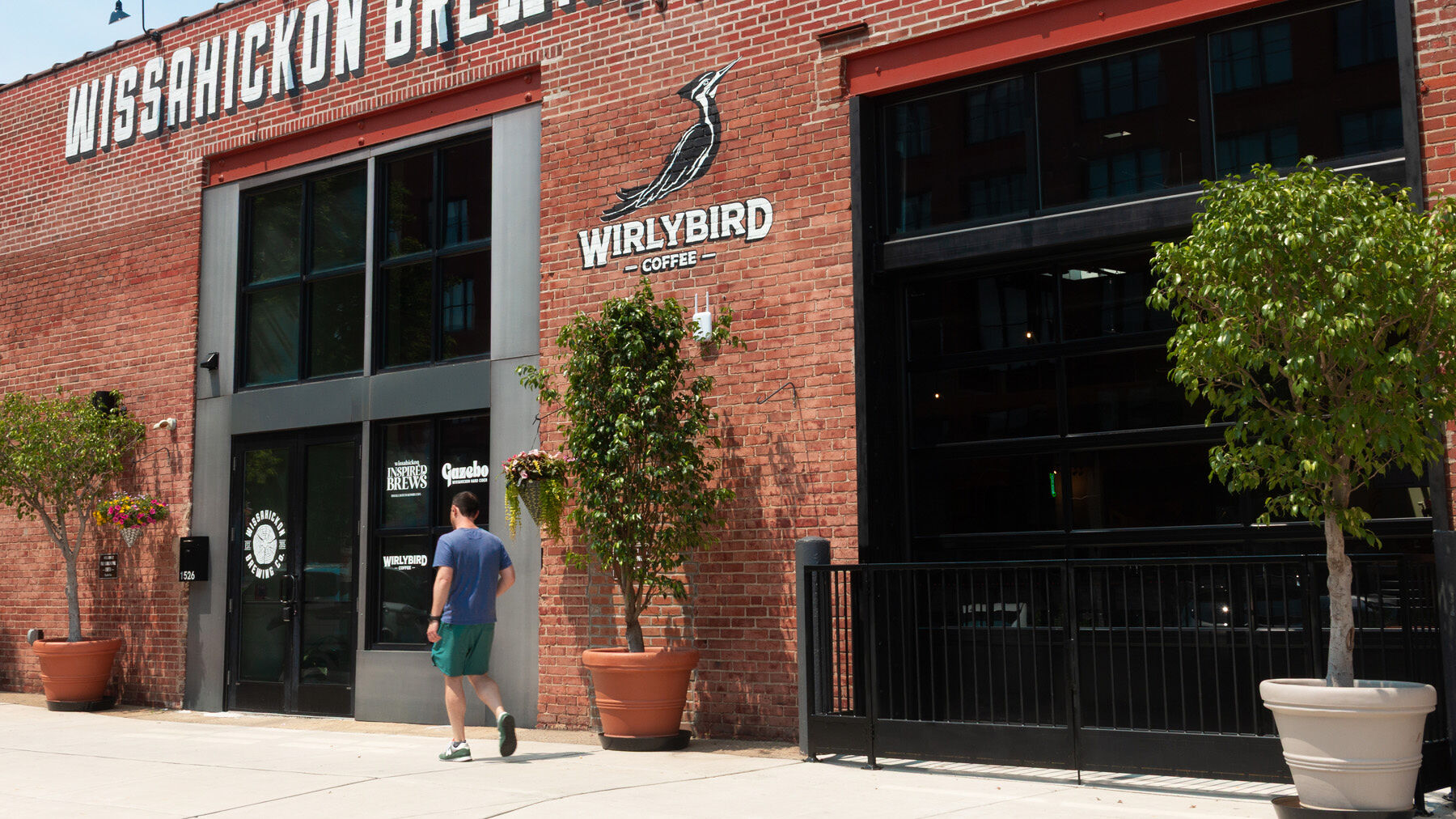
Wirlybird Coffee is designed to meet people wherever they are in the day. Located inside Wissahickon Brewing Company in East Falls, it naturally shifts from a morning coffee stop to an evening destination for craft beer and food, all within the same space. The concept grew out of Wissahickon’s openness to new ideas and smarter use of the space throughout the day. Built by a father and his children with deep roots in the Northwest Philadelphia community, the brewery proved to be a natural home for a coffee concept that could evolve while keeping its neighborhood feel.

A guest might come in for a cortado at 8 a.m., stay through a lunch meeting, and return that evening to catch a game with friends. The space supports all of it without forcing anyone to choose a mode. Fast, reliable guest internet from Comcast Business keeps customers connected whether they’re working or unwinding, and Comcast Business TV adds live TV and entertainment – giving people another reason to stick around long after the coffee is gone.

That adaptability is what makes Wirlybird feel like a true neighborhood anchor. It’s not trying to be only a café or a brewery. It’s a place that earns a spot in the daily routine by adapting to whatever the day calls for – and making sure the experience holds up every time.


The Daily Grind, Done Right

cups of coffee

These coffee shops don’t look the same, operate the same way, or serve the same communities. But they share something essential: each has become a fixture in the daily rhythm of the people around them.

When the technology behind the scenes works the way it should, owners aren’t thinking about systems or slowdowns. They’re thinking about the regular who takes their drink the same way every morning. The student who needs a reliable place to focus. The neighbor who stops in just to feel connected.

That’s what turns a coffee shop into a community institution. And coast to coast, Comcast Business is proud to help small businesses like these keep running – one cup at a time.

A good coffee shop does more than serve caffeine. It keeps mornings moving and creates space for community connections —sometimes for five minutes in a drive‑thru line or sometimes for hours at a shared table. As coffee shops evolve into bustling community hubs, behind-the-scenes solutions from Comcast Business ensure they stay always on, powering everything from high speed WiFi and cyber security to mobile ordering and fast payments processing.

During Small Business Month, we’re spotlighting a handful of the millions of small businesses that rely on Comcast Business to keep things running – from Virginia drive-thrus to Pittsburgh’s Strip District – each one building something lasting in its own way.

cups of coffee

The Roaming Bean: From the Road to a Permanent Home

Pittsburgh, Pennsylvania

The Roaming Bean started on wheels in late 2022 – trailers, popups, and a growing fleet bringing creative espresso drinks directly to customers across Pittsburgh. Mobility was their identity. But in early 2026, the brand planted roots with its first brick‑and‑mortar café in Strip District, one of the city’s most energetic neighborhoods.

The new space offers something the fleet never could: a place to linger. To work, to people watch, to soak in the neighborhood. A steady anchor for a brand built on motion.

But running both mobile and fixed operations simultaneously means juggling a lot. Comcast Business supports the whole ecosystem – POS systems, guest WiFi, music, and the real-time social media presence that keeps the brand connected to its audience during peak hours when it counts most. As The Roaming Bean grows, that foundation gives the team the confidence to keep moving forward without worrying about whether their infrastructure can keep up.

person working at a coffee shop

Joe Beans: Built for the Morning Rush and the Long Haul

Lynchburg, Virginia

Joe Beans was born from a simple idea spotted on a flyfishing trip: a tiny drive‑thru coffee stand that moved fast and did one thing exceptionally well. Twenty plus years later, that idea has grown into a local institution across Central Virginia – and the pace hasn’t slowed.

At peak hours, cars roll through at a clip of roughly one every 15 seconds. That rhythm is the business model. Quick ordering, seamless payment, and a familiar rhythm customers can count on before work or school. For Linda Brown, who runs Joe Beans alongside a career in chiropractic care, any friction in that flow – a slow connection, a payment that won’t process, a POS system that hiccups – ripples through the entire line.

Comcast Business keeps that momentum intact. Credit cards, gift cards, and mobile payments process without interruption across all locations. Security cameras and guest WiFi run on the same dependable connection. Since making the switch, the team no longer worries about outages – which means Linda can stay focused on what she’s spent two decades perfecting: great coffee, fast service, and regulars who keep coming back.

coffee shop

Nirvana Soul Coffee: Where Coffee Meets Culture

San Jose, California

At Nirvana Soul Coffee, the goal has always been bigger than the cup. The music, the artwork, the menu – everything is chosen deliberately to make people feel welcome and inspired to stay awhile. This isn’t a grab-and-go spot. It’s a place with a vibe.

In a city built around technology, that intention has made Nirvana Soul a natural gathering place for remote workers, students, and friends meeting between commitments. The space earns repeat visits not just for the coffee, but because it reliably works for the community it serves, and that reliability extends to the WiFi.

Fast, consistent connectivity from Comcast Business means customers can take meetings, answer emails, and get things done without hunting for a signal or watching a spinner. Behind the scenes, SecurityEdge provides an added layer of network-level protection helping block malware, phishing attempts, and other online threats before they reach devices, without requiring hands-on management from the team.

During peak hours, the connection holds. That kind of dependability is what turns a good coffee shop into a daily habit, giving the team confidence that their business systems and their guests are supported throughout the day.

pastries

Ground Ops Roastery + Bakehouse: Service in a Different Form

Tallahassee, Florida

Ground Ops Roastery + Bakehouse grew out of a lifetime of service. Founded by Navy veteran and former law enforcement officer Chris Smith, the shop brings that same ethos – precision, reliability, accountability – into every part of its operation.

Everything is done in-house, from roasting the beans to baking pastries. And beyond its own cafe, Ground Ops supplies coffee and baked goods to other local businesses around Tallahassee, strengthening the community rather than just competing within it. It’s stewardship as much as entrepreneurship.

Running an operation that complex requires back-end infrastructure that keeps up. Comcast Business powers the POS system so orders – whether at the counter or online – are processed quickly and accurately, even during the busiest rushes. With most customers paying by card or mobile, reliable connectivity keeps transactions moving and the workflow from falling behind. When the technology works the way it’s supposed to, Chris’s team can stay focused on what they’re known for: quality, craft, and genuine hospitality.

coffee shop

Wirlybird Coffee: Where the Day Shifts with You

Philadelphia, Pennsylvania

Wirlybird Coffee is designed to meet people wherever they are in the day. Located inside Wissahickon Brewing Company in East Falls, it naturally shifts from a morning coffee stop to an evening destination for craft beer and food, all within the same space. The concept grew out of Wissahickon’s openness to new ideas and smarter use of the space throughout the day. Built by a father and his children with deep roots in the Northwest Philadelphia community, the brewery proved to be a natural home for a coffee concept that could evolve while keeping its neighborhood feel.

A guest might come in for a cortado at 8 a.m., stay through a lunch meeting, and return that evening to catch a game with friends. The space supports all of it without forcing anyone to choose a mode. Fast, reliable guest internet from Comcast Business keeps customers connected whether they’re working or unwinding, and Comcast Business TV adds live TV and entertainment – giving people another reason to stick around long after the coffee is gone.

That adaptability is what makes Wirlybird feel like a true neighborhood anchor. It’s not trying to be only a café or a brewery. It’s a place that earns a spot in the daily routine by adapting to whatever the day calls for – and making sure the experience holds up every time.


The Daily Grind, Done Right

cups of coffee

These coffee shops don’t look the same, operate the same way, or serve the same communities. But they share something essential: each has become a fixture in the daily rhythm of the people around them.

When the technology behind the scenes works the way it should, owners aren’t thinking about systems or slowdowns. They’re thinking about the regular who takes their drink the same way every morning. The student who needs a reliable place to focus. The neighbor who stops in just to feel connected.

That’s what turns a coffee shop into a community institution. And coast to coast, Comcast Business is proud to help small businesses like these keep running – one cup at a time.

Originally published on CVS Health Company Newsroom

NEW ORLEANS, May 13, 2026 /3BL/ – Aetna Better Health® of Louisiana, a CVS Health® company (NYSE: CVS), today announced a new collaboration with Goodr, a hunger and food waste solutions company, to address food insecurity and support chronic disease management across Louisiana.

One in six people face food insecurity in Louisiana. Through a $400,000 investment, Aetna will work with Goodr to bring a Food is Medicine Mobile Market and nutrition education program to Community Health Centers (CHCs) across nine regions.

The tour will kick off with a launch event at AbsoluteCare in New Orleans featuring a ribbon cutting for the mobile food market followed by tours and activities such as shopping demonstrations and interactive sessions led by health care professionals on diet, exercise and medication management.

After the launch, the mobile market will make additional stops, including:

  • Depaul Community Health Center – New Orleans
  • Open Health Care Clinic – Baton Rouge
  • Access Health – New Orleans, Bogalusa, Slidell
  • SWLA Center for Health Services – Lake Charles, Lafayette
  • David Raines Community Health Center – Shreveport
  • Primary Health Services Center – Monroe

At each stop, the mobile market will offer fresh produce, milk, eggs and pantry staples, in addition to nutrition lessons and cooking classes tailored to patients managing chronic conditions such as diabetes and high blood pressure. The initiative aims to improve access to healthy food – especially in rural areas – and support better health outcomes.

“Food insecurity continues to impact families across Louisiana and is closely linked to chronic conditions, which is why this issue is so important,” said Bridget Galatas, CEO of Aetna Better Health of Louisiana. “By collaborating with trusted organizations like Goodr and local community health centers, we’re meeting people where they are to provide nutritious food and additional resources to communities that need it most.”

The mobile food market will operate in collaboration with the participating CHCs, which will identify and enroll patients receiving ongoing care for chronic conditions. To assess the program’s impact on health outcomes, the centers will track participation and collect baseline and follow up data, including A1C (average blood sugar over the past 2–3 months) and fasting blood sugar levels.

“Through our everyday work in the community, we often see that access to healthy food is an unmet need for many individuals and families trying to manage chronic health conditions,” said Ashanta Green, Executive, Market Director, AbsoluteCare New Orleans. “We are honored to host the ribbon cutting for the mobile food market and provide this much-needed resource to New Orleans residents to improve health outcomes.”

“Working with Aetna Better Health of Louisiana enables us to expand access to nutritious food while supporting long-term health goals for communities across the state,” said Jasmine Crowe-Houston, founder and CEO, Goodr. “This program goes beyond food distribution – it’s about dignity, education and empowering individuals with the resources they need to manage their health.”

Aetna Better Health of Louisiana is a Managed Care Organization serving more than 175,000 Medicaid members in 64 parishes. For more information, visit our website, https://www.aetnabetterhealth.com/louisiana.

###

About Aetna Medicaid

Aetna Medicaid Administrators LLC (Aetna Medicaid), a CVS Health company, has over 30 years of experience managing the care of Medicaid members, using innovative approaches and a local presence in each market to achieve both successful health care results and effective cost outcomes. Aetna Medicaid has expertise serving high-need Medicaid members, including those who are dually eligible for Medicaid and Medicare. Currently, Aetna Medicaid owns and/or administers Medicaid managed health care plans under the names of Aetna Better Health and other affiliate names. Together, these plans serve members in 15 states, including Arizona, Florida, Illinois, Kentucky, Louisiana, Maryland, Michigan, New Jersey, New York, Ohio, Oklahoma, Pennsylvania, Texas, Virginia and West Virginia. For more information, see www.aetnabetterhealth.com.

About CVS Health

CVS Health is a leading health solutions company building a world of health around every consumer, wherever they are. As of December 31, 2025, the Company had approximately 9,000 retail pharmacy locations, more than 1,000 walk-in and primary care medical clinics and a leading pharmacy benefits manager with approximately 87 million plan members. The Company also serves an estimated more than 37 million people through traditional, voluntary and consumer-directed health insurance products and related services, including highly rated Medicare Advantage offerings and a leading standalone Medicare Part D prescription drug plan. The Company’s integrated model uses personalized, technology driven services to connect people to simply better health, increasing access to quality care, delivering better outcomes, and lowering overall costs.

Media contact

Monica Prinzing
Monica.Prinzing@CVSHealth.com

SWORDS, Ireland, May 20, 2026 /3BL/ – Trane Technologies (NYSE: TT), a global climate innovator, today unveiled the BrainBox AI Trane Technologies AI Lab and showroom in Montréal, Canada. The grand opening marks the latest milestone in the company’s strategy to accelerate the development of next-generation, AI-driven solutions that dramatically reduce energy consumption and carbon emissions in the built environment.

Located in one of the world’s leading AI innovation hubs, the Montréal-based facility brings together top researchers, software engineers, data scientists and technologists to shape the future of autonomous HVAC and transport refrigeration. The adjacent showroom offers an immersive environment where customers and guests can explore how agentic AI and predictive models are already reshaping building operations, transforming energy use and lowering emissions worldwide.

“Through the AI Lab, we are bringing together world-class talent and industry-leading technology to shape the next generation of climate innovation,” said Riaz Raihan, Senior Vice President and Chief Digital Officer, Trane Technologies. “Customer demand continues to surge for technologies that reduce energy, emissions and operational costs. This premier AI Lab is an important step in our strategy to deliver digital and AI-driven solutions at scale that create meaningful impact for our customers and support a more sustainable future.”

The AI Lab, first introduced in August 2025, builds on Trane Technologies’ acquisition of BrainBox AI and advances the company’s leadership in the application of AI for smarter, more resilient buildings and refrigerated transport. Harnessing the power of collaboration and rigorous real-world testing and validation, the AI Lab will help accelerate the pace at which breakthrough discoveries move from concept to actionable, customer-ready solutions, while supporting responsible and ethical AI innovation.

“AI technology is advancing rapidly, creating extraordinary opportunities to solve some of humanity’s greatest challenges,” said Jean-Simon Venne, Founder, President and Chief Technology Officer at BrainBox AI and Head of the AI Lab. “The AI Lab will help supercharge collaboration, translate ideas into practical applications and help ensure innovations are developed responsibly and sustainably. It is where bold ideas can become real-world impact.”

The AI Lab is supported by a growing network of renowned technology and academic leaders, including AWS, IVADO and Concordia University.

Watch the Launch Event 

Join the live YouTube broadcast of the BrainBox AI Trane Technologies AI Lab launch event on May 20, 2026, at 10:00 am ET for insights from company, industry and government leaders shaping the future of climate innovation. A replay will be available following the event.

###

About Trane Technologies
Trane Technologies is a global climate innovator. Through our strategic brands Trane® and Thermo King®, and our portfolio of environmentally responsible products and services, we bring efficient and sustainable climate solutions to buildings, homes and transportation. For more on Trane Technologies, visit www.tranetechnologies.com.

Forward Looking Statements
This news release includes “forward-looking statements” within the meaning of securities laws, which are statements that are not historical facts, including statements that relate to Company’s AI innovation initiatives and the anticipated benefits of the BrainBox AI Trane Technologies AI Lab and related technologies. These forward-looking statements are based on our current expectations and are subject to risks and uncertainties, which may cause actual results to differ materially from our current expectations. Factors that could cause such differences can be found in our Form 10-K for the year ended December 31, 2025, as well as our subsequent reports on Form 10-Q and other SEC filings. New risks and uncertainties arise from time to time, and it is impossible for us to predict these events or how they may affect the Company. We assume no obligation to update these forward-looking statements.

Privacy Overview

This website uses cookies so that we can provide you with the best user experience possible. Cookie information is stored in your browser and performs functions such as recognising you when you return to our website and helping our team to understand which sections of the website you find most interesting and useful.