Las Vegas Sands

At the end of last year, the Sands corporate office culminated the 2025 Wellness Challenge: Pause and Presence for Team Members, representative of the company’s efforts aimed at promoting wellness and positive mental health among its global workforce.

Held during the holiday season, the program featured live guided meditation sessions, an expert-led seminar on breathwork and meditation practices, and a chat function with motivational and wellness-focused prompts. Participants logged their efforts in an activity tracker to encourage accountability and commitment to the program’s practices.

Like the corporate holiday wellness challenge, all Sands regions provide a broad set of initiatives to support Team Members in creating positive physical and mental health practices, work-life balance, and social connections among fellow colleagues and within their families and other

close relationships. These programs complement the company’s training and professional development programs, delivering a holistic approach to advancement and well-being.

“We place Team Member well-being at the heart of our people strategy,” Chan Yit Foon, senior vice president of human resources at Marina Bay Sands, said. “With close to 40 sessions of wellness activities hosted last year, we provided a diverse calendar of health and fitness activities to meet the varied interests of our large workforce.”
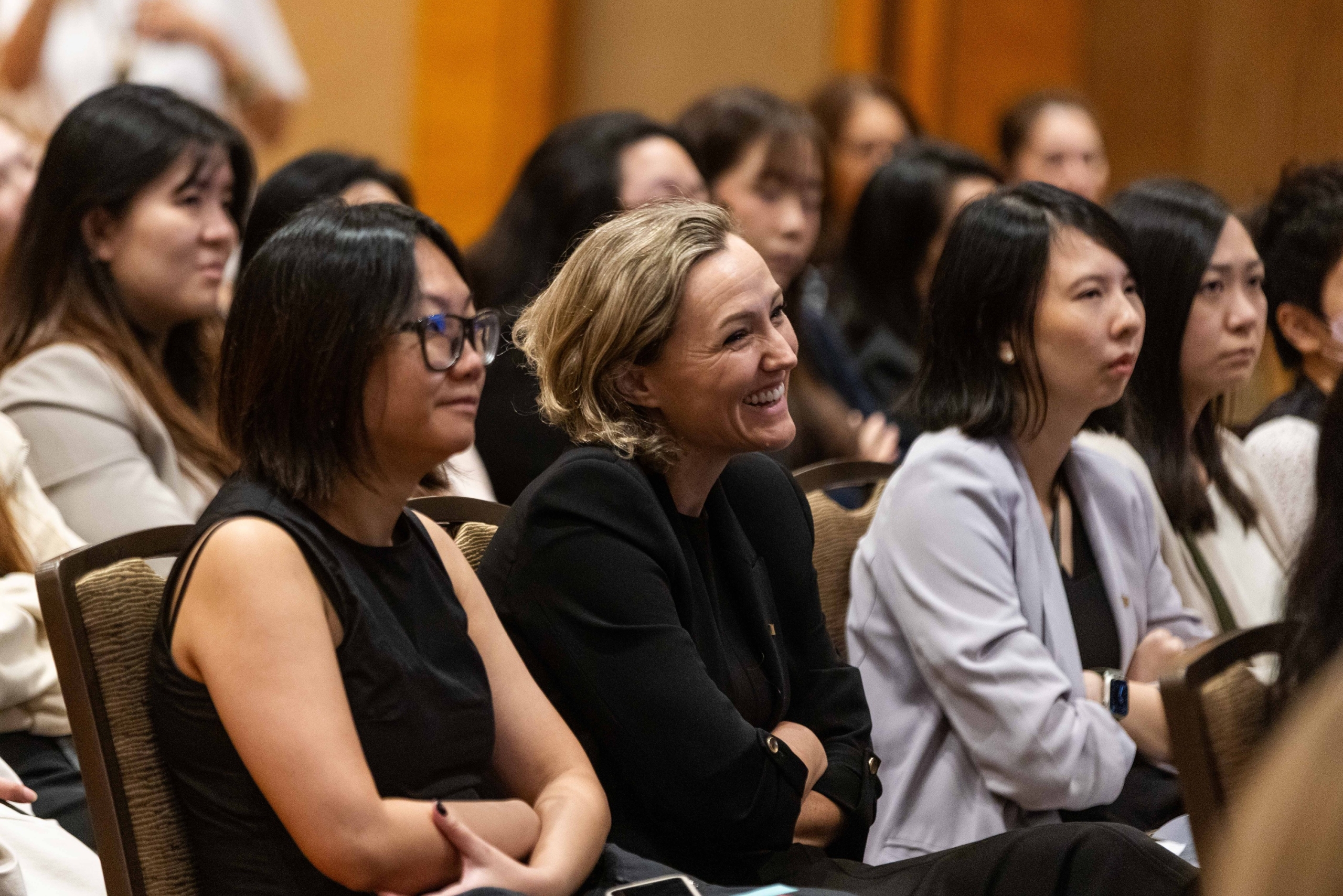
people meeting together

Physical Health

In support of physical well-being, sports and fitness programs help Team Members improve health while building relationships with colleagues. Regions facilitate clubs for running, basketball, bowling and more, as well as promote participation in classes such as Vinyasa yoga, fun runs, walks and fitness challenges.

In addition, health clinics and seminars along with access to monitoring tools further promote physical well-being. Occupational safety and health (OSH) is also a global company priority, and Sands’ regions provide education and awareness activities related to workplace topics throughout the year.

During OSH Month in 2025, Sands China leveraged the observance to promote overall physical well-being. The company’s OSH month initiative introduced expanded chronic disease screenings to help Team Members identify potential health risks. Among the new offerings was the use of AI retinal scanning technology to assess dozens of health risk indicators related to cardiovascular, endocrine, metabolic and nervous systems, as well as eye health.
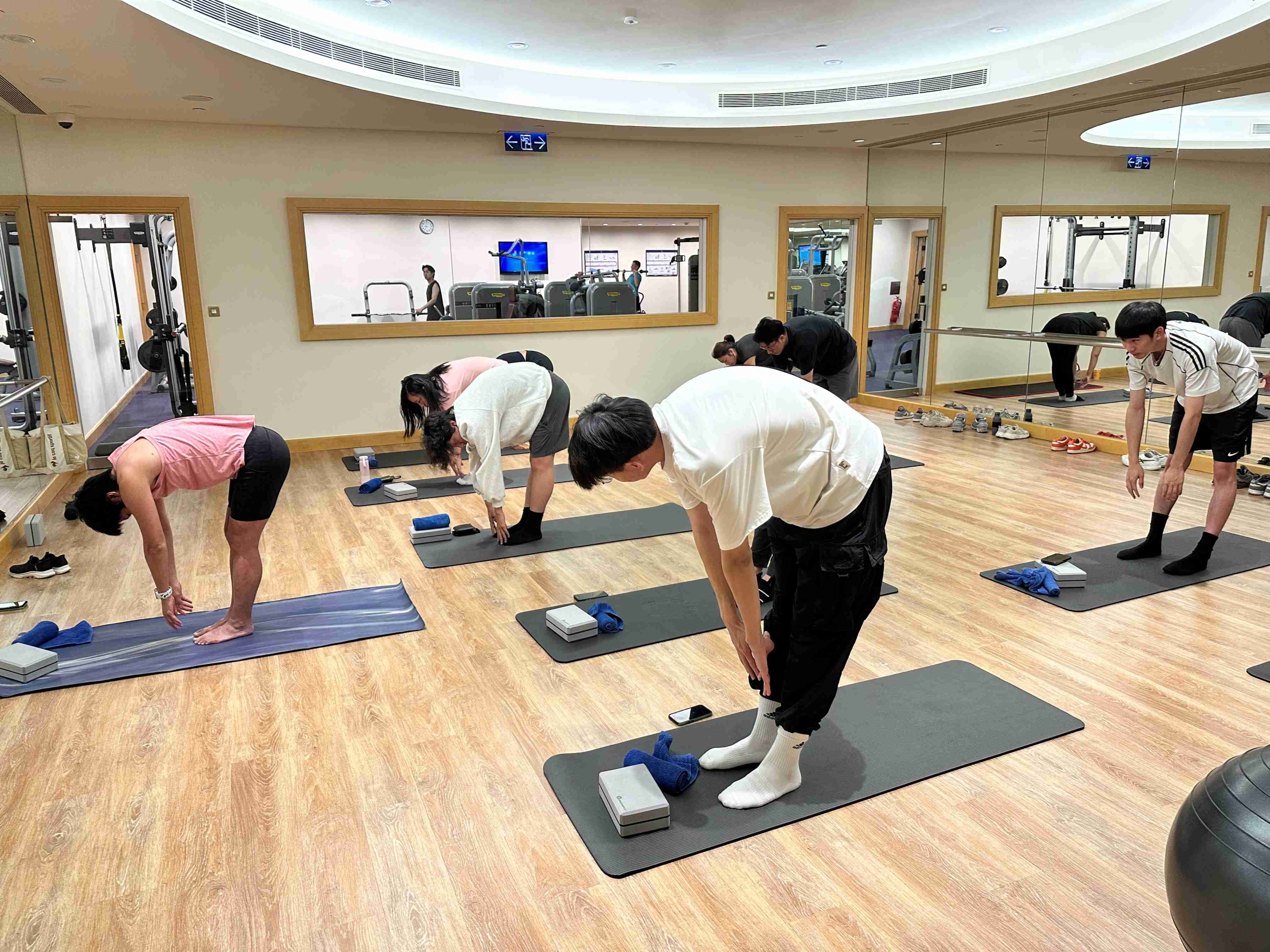
people exercising together

Holistic Well-Being Programs

While sports, fitness and health fair activities also promote mental and social wellness, Sands’ regions host specialized initiatives to hone in on physical and mental health, mindsets, connections and creativity. In Singapore, Marina Bay Sands has offered unique activities such as Shoe Art Jamming and Sushi Making to provide outlets for stress release and balance.

Highlighting its annual wellness slate, the integrated resort’s annual Wellness Festival curates offerings under the four pillars of well-being: physical, mental, social and financial wellness.

Last year, the festival attracted more than 1,200 Team Member participants who enjoyed complimentary health screenings and flu vaccinations, specialized wellness opportunities such as stretch therapy, and wide-ranging sessions on topics such as mindfulness, nutrition and financial planning.

In Macao, Sands China places strong emphasis on family and social connections through annual activities such as the Amazing Summer event series for Team Members and their families, which encompassed sports taster sessions, art workshops, behind-the-scenes property tours and culinary classes last year.

In addition, the company’s 2025 series of family activities included a baking workshop for parents and their children, a carnival that promoted family values through team games and quiz challenges, a parenting road show held in partnership with the Parent Education Centre, and a

storytelling workshop organized by Macao’s Education and Youth Development Bureau to equip Team Members with tools for balancing work and family life and strengthening family bonds.

Finally, one of Sands China’s long-standing wellness initiatives is Happy 360 Month, a 16-day event that promotes physical and mental well-being through roadshows, workshops and lectures in heart-of-house areas across the company’s integrated resorts.

Last year’s attractions placed emphasis on the 5S Model: self-questioning, stopping negative thinking, self-talk, shuffling your thoughts and staying attentive to body responses. Team Members learned techniques for embracing positive thinking, releasing stress, managing emotions, and building a warm and caring workplace. Since its launch in 2021, Happy 360 Month has attracted over 38,000 participants across more than 200 wellness activities.

“Happy 360 Month provides positive energy to support the physical and mental well-being of our Team Members in every respect,” Dr. Wilfred Wong, Sands China executive vice chairman, said. “We have over 27,000 Team Members. If each of them has three or four family members, this positive energy is in fact indirectly reaching nearly 100,000 people. When Team Members are happy, their family life naturally becomes more harmonious and society as a whole becomes more stable.”

Sands’ priority on Team Member well-being is a critical component of the company’s focus on maintaining a culture of advancement. For more information on Sands’ workforce development initiatives, read the latest ESG report: https://www.sands.com/resources/reports/.

Xiaoyu Gu| Managing Director—AB CarVal
Jonathan Hunt| Principal—AB CarVal
Alex Flamm| Managing Director—Clean Energy

As policy uncertainty recedes, the focus returns to capital deployment.

The global energy transition is accelerating, and 2026 is shaping up to be an active year for renewable energy development. As we see it, private credit’s central role in financing the power build-out and its ability to structure flexible solutions for borrowers is likely to generate attractive return opportunities for investors.

Global investment in the energy transition hit a record $2.3 trillion in 2025, up 8% from 2024, according to data from BloombergNEF. The growth came despite significant changes to US trade, energy and industrial policy, including the sunsetting of extensive tax credits for clean-energy production and investment.

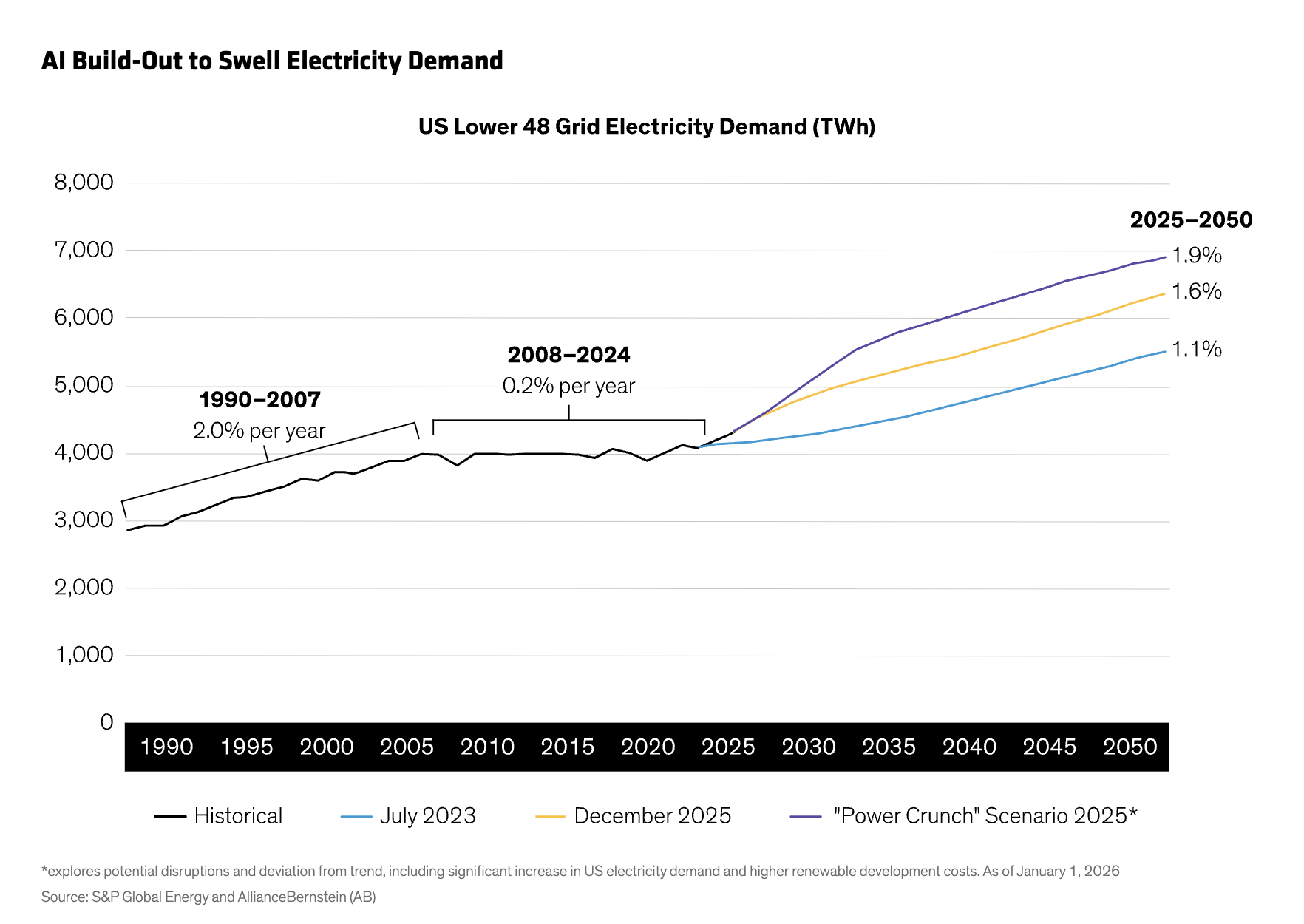
Those alterations and higher tariffs on imported goods, including solar panels and the lithium-ion batteries used in utility-scale battery storage, may shift some manufacturing activity to Europe and markets outside of China. What they aren’t likely to do is slow demand for the electricity needed to power artificial intelligence, build out electric-vehicle infrastructure, and fuel economic growth and urbanization. Projected growth in annual US electricity demand has increased sharply in recent years. It’s projected to grow between 1.6% to 1.9% per year until 2050. Between 2008 and 2024, the rate was about 0.2% per year (Display).

AI Build-Out to Swell Electricity Demand chart

In fact, we expect falling renewable power costs to expand the opportunity set for investors on both sides of the Atlantic Ocean.

US Policy: Still Cloudy, but Getting Clearer

In the US, the energy sector is adjusting to a new landscape of higher tariffs, the phaseout of federal tax credits for solar and wind generation, and stricter sourcing rules for projects using technology from foreign countries, including China.

But these policy shifts haven’t stopped activity. Rather, they’ve reshaped project timelines and increased the need for capital—developments that have led to improved terms and more negotiating leverage for lenders.

We think policy uncertainty has largely passed. Many developers are pushing to meet the July 4, 2026, deadline to begin construction to remain eligible for US federal tax-credit incentives. Developers who had delayed financing in 2025 are also ramping up activity, creating openings for lenders with disciplined underwriting capabilities and loan-structuring expertise.

Modernizing the Grid Powers Financing Opportunities

The opportunity set is likely to stretch beyond new construction. The need to modernize existing infrastructure and make an aging grid more reliable will also be top of mind, as will boosting transmission and energy-storage capacity. State incentives and decarbonization goals should add support.

Meanwhile, the utility-scale battery storage needed to smooth out the availability of power from intermittent generation sources remains supported by tax incentives, as do nuclear and geothermal power.

In our view, investors should be bracing for a multiyear opportunity in energy financing that is likely to favor lenders that can structure deals with strong return potential strengthened by terms designed to mitigate downside risk.

Renewables Remain Economically Viable

Will higher tariffs and stricter sourcing rules create speed bumps? Some, perhaps. But we don’t think this changes the broader landscape.

Even without federal support, solar and wind are the cheapest power sources in most markets, undercutting fossil fuels, and have accounted for the bulk of new US power generation over the last decade. In 2025, roughly 90% of new US electricity capacity came from solar, wind and storage, and the cost curves for these underlying technologies continue to improve.

These are powerful tailwinds for investment. And as demand for power and capital needs increase, we think private lenders will be best placed to price risk appropriately and capture returns. Investment hurdles for future projects that can’t take advantage of tax credits may be higher, but if they’re priced properly, we expect them to be attractive.

Full Speed Ahead in Europe’s Energy Market

In Europe, where national energy policy is a tailwind for development, the investment opportunity remains attractive. Across the European Union last year, combined wind and solar overtook fossil fuels as the main source of electricity generation.

Declining costs and government incentives to promote clean energy should continue to provide opportunities for investment. Energy-security issues should add another layer of support as countries seek to reduce dependence on imported fossil fuels.

As in the US, we expect to see attractive value for investors in developer and asset-portfolio financings with top-tier partners in scalable European markets involving low-tech assets like solar and energy storage

Assessing the Risks of More Complex Loan Execution

Still, evolving incentive frameworks, new compliance requirements, and rising grid and permitting constraints across the US and Europe make projects more complex and increase execution risk. This calls for lenders who can provide capital solutions for borrowers while structuring loans based on an accurate assessment of the risks that can arise across the development and construction lifecycle of complex energy projects.

Overall, we expect 2026 to be an active year across the energy-transition spectrum, from the greenfield development with new projects to operating infrastructure. Recent experience reminds us that there will be policy bumps along the way. But we don’t expect them to stop the energy transition from accelerating. In our view, the need for capital will continue to rise, and private credit will play a key role in providing it.

Learn more about AB’s approach to responsibility here.

AEG’s LA Galaxy, in partnership with PlayLA Adaptive Sports, the U.S. Association of Blind Athletes (USABA), and Los Angeles Unified School District (LAUSD), hosted the PlayLA Adaptive Blind Soccer Experience on Wednesday, March 4, at Dignity Health Sports Park, reinforcing the club’s commitment to accessibility and inclusion through sport.

Nearly 60 blind and visually impaired LAUSD students in grades 3 through 12 participated in a hands-on blind soccer clinic led by USA Blind Soccer Men’s National Team athletes and coaches. Students rotated through skill-building stations focused on dribbling, passing, and penalty kicks, followed by a live blind soccer demonstration match.

The event culminated with the dedication of the LA Galaxy’s first-ever blind soccer pitch, a significant milestone in the club’s community efforts and part of a broader movement to expand adaptive sports opportunities nationwide ahead of the LA28 Paralympic Games, where blind soccer will make its Paralympic debut for Team USA.

“Sport has the power to bring people together and open doors that might not otherwise exist,” said Gabe Osollo, Director, Community Relations and LA Galaxy Foundation. “Dedicating our first blind soccer pitch and welcoming LAUSD students to Dignity Health Sports Park reflects our belief that the game should be accessible to everyone. We’re proud to work alongside PlayLA, USABA, and LAUSD to help grow adaptive sports and create more inclusive opportunities for young athletes across Los Angeles.”

USA Blind Soccer Men’s National Team players Charles Catherine, Ethan Kunes, Alvaro Morena, Ricky Castaneda, Oseas De Leon, John Marquez, Noah Beckman, and Brandt Herron were in attendance, along with Head Coach Jorge Polanco and PlayLA Blind Soccer Coach Evelina Cabrera, who guided participants throughout the experience.

The day concluded with a pitch dedication ceremony and community lunch on the stadium concourse. Volunteer support was provided by Anthem Blue Cross associates and local partner organizations, highlighting the collaborative effort behind the initiative.

Through PlayLA and its broader community programming, the LA Galaxy continue to leverage their platform to remove barriers to participation and ensure that youth of all abilities have access to the game and its benefits.

To mark International Women’s Day, SLB’s Connect Women employee resource group is bringing employees and external speakers together through a series of local and global webinars, events and roundtables that enable participants to exchange perspectives, broaden understanding and foster inclusion.

The group, which marks its 20th anniversary next year, promotes collaboration, professional development and an inclusive environment for employees of all genders across SLB’s global organization.

Marking milestones

SLB began recruiting women into field operations roles in the late 1970s. Now in its centennial year, the company continues to build a diverse workforce and an inclusive culture, including strengthening the representation of women across technical disciplines and at all levels of SLB.

These efforts have been recognized externally, including in the Culture Catalyst, Inclusion and Transparency categories at the World 50 Inclusion and Diversity Impact Awards.

Leadership in energy

SLB employees are also being recognized externally for their leadership across the energy sector. For the third consecutive year, SLB team members have been named to the 20 Under 40 Energy Women Rising Stars list.

Pearl Chu, SLB’s director of Technical Domains and University Relations, took on a leading role at the Women’s Global Leadership Conference in Energy, serving as chairperson of the conference and as a member of its advisory board. Chu has also been named a 2026 Influential Women in Energy honoree.

Supporting STEM education

As part of its broader educational outreach, SLB supports Faculty for the Future fellowships, which enable women to pursue PhD and postdoctoral science, technology, engineering and mathematics (STEM) research at universities and research institutions worldwide. This year, fellowship recipients are participating at women-in-STEM events hosted at several SLB locations.

Looking ahead

“By encouraging an inclusive culture where people can develop their skills and pursue growth opportunities, we help strengthen our workplace,” says Carlos Sarmiento, director of Culture, Diversity and Inclusion at SLB. “This includes supporting STEM education as well as mentorship and community initiatives that help inspire the next generation.”

Discover more about SLB’s culture here and in the company’s Sustainability Report.

View original content here.

KeyBank’s East Ohio market has been named the bank’s 2025 Market of the Year. This award recognizes the service teammates provide to clients and acknowledges the East Ohio market as the top performer among the 27 markets in the company’s footprint.

The East Ohio market includes Akron, Canton and Youngstown.

East Ohio is consistently a top performer throughout the bank’s footprint. In 2025, the work done by teammates in the market helped clients meet their financial goals while growing revenue in several lines of business, including:

  • Consumer
  • Commercial Banking
  • Business Banking
  • Investment Services

This award was bestowed at KeyBank’s annual Chairman’s Awards celebration in Cleveland on February 25th. It was presented to KeyBank East Ohio Market President Joe Daleiden and other members of market leadership by KeyCorp Chairman & CEO Chris Gorman, KeyBank Head of Consumer Banking Victor Alexander and KeyBank Head of Commercial Banking Ken Gavrity.

trophy

“This recognition is a testament to the tremendous work our East Ohio teammates deliver day in and day out,” said Daleiden, East Ohio Market President. “Their dedication to our clients, commitment to collaboration, and passion for strengthening our communities are what set this market apart. I’m incredibly proud of this team and all we’ve accomplished together.”

With the award comes a traveling crystal trophy that will spend the next year at the East Ohio offices on White Pond Dr.

“East Ohio’s performance in 2025 reflects a team that not only puts our clients first but consistently finds ways to grow the business,” said Gorman. “Their results speak to a market that embraces opportunity, supports one another and delivers the full strength of KeyBank to the communities we serve. I’m grateful for their leadership and proud to see East Ohio earn this recognition.”

ABOUT KEYCORP

KeyCorp’s roots trace back more than 200 years to Albany, New York. Headquartered in Cleveland, Ohio, Key is one of the nation’s largest bank-based financial services companies, with assets of approximately $184 billion at December 31, 2025.

Key provides deposit, lending, cash management, and investment services to individuals and businesses in 15 states under the name KeyBank National Association through a network of approximately 950 branches and approximately 1,200 ATMs. Key also provides a broad range of sophisticated corporate and investment banking products, such as merger and acquisition advice, public and private debt and equity, syndications and derivatives to middle market companies in selected industries throughout the United States under the KeyBanc Capital Markets trade name. For more information, visit https://www.key.com/. KeyBank Member FDIC.

###

Originally published on CVS Health Company News

At CVS Health® we know that housing is health care. That’s why we’ve invested $2.1 billion to create, preserve and renovate 118,000 affordable housing units in more than 1,400 neighborhoods nationwide. By addressing social determinants of health and providing families with safe, stable homes, we’re making it possible for thousands of people to succeed in life. Keli Savage, AVP of Impact Investment Strategy, is at the heart of it as she works to ensure our philanthropic and business commitments come to life in the communities we serve.

Press play: Watch as we visit a beautiful New Orleans apartment complex, a CVS Health investment, and meet an 80-year-old grandmother and former nurse, to learn firsthand how her new home has brought her security and joy after a lifetime of public service.

Every member of #TeamCVS contributes to a greater sense of purpose. If you’re looking for a workplace that values patient care, embraces mentorship, and champions your professional development, then CVS Health may be the right place for you.

AEG’s Ontario Reign reinforced its commitment to inclusion, leadership, and community engagement during its annual Women in Sports Hockey Game on March 1, 2026, at Toyota Arena. The event celebrated the growing influence of women across athletics while creating meaningful opportunities for the next generation of players and leaders.

The day began with a Women in Sports Clinic and Panel hosted by the Hope Reigns Foundation. Designed to expand access to the sport, the program invited girls and women from across the community to engage with hockey both on and off the ice through skill development and career-focused conversations.

Participants first took part in a Learn to Skate session focused on building confidence and accessibility for newcomers. The clinic was followed by a panel discussion featuring LA Kings Scout and Community & Hockey Development Specialist Blake Bolden, Minnesota Frost forward Dominique Petrie of the Professional Women’s Hockey League (PWHL), and former NWHL player Paige Capistran. Panelists shared insights from their career journeys across professional hockey, scouting, broadcasting, and leadership, emphasizing the importance of mentorship, perseverance, and expanding opportunities for women in sports.

“This event is about creating access and showing girls and women that there is a place for them in hockey—whether that’s on the ice, behind the scenes, or in leadership roles,” said Madelyn Morgan, Community Relations and Events Coordinator for the Ontario Reign.

The celebration continued throughout the evening with ceremonial puck drops and in-game interviews featuring the panelists. The Reign also hosted a Diaper Drive in partnership with the Child Care Resource Center, extending the event’s impact beyond the arena to support local families.

Through its Women in Sports Game, the Ontario Reign demonstrated how sports can serve as a platform for empowerment, community connection, and meaningful social impact—on the ice and beyond.

BATTLE CREEK, Mich., March 5, 2026 /3BL/ – Fiber is finally having its moment and just in time, as nearly 95 percent of Americans fall short of the daily fiber recommendations1. Now, after decades of being misunderstood by many, fiber is driving consumer and industry trends.

One of the biggest challenges people face in meeting the goal of 25-28 grams a day is the belief that fiber doesn’t taste good.2 That’s where cereal comes in. It’s one of the easiest, tastiest, versatile ways to get fiber throughout the day.

That’s why for National Cereal Day (Saturday, March 7), WK Kellogg Co teamed up with registered dietitians Amy Shapiro and Mandy Enright to create “fiber hacks” – simple ideas using iconic Kellogg’s® cereals to boost fiber in fun, delicious ways.

“Cereal has been a familiar, convenient breakfast tradition for over a century – but most people don’t realize it is a nutrition powerhouse, especially when it comes to fiber,” says WK Kellogg’s Chief Wellbeing and Sustainable Business Officer and registered dietitian Sarah Ludmer. “This year we are putting a lot of effort behind re-introducing iconic cereals like Kellogg’s Raisin Bran and Frosted Mini-Wheats as favorites that can fulfill fiber needs throughout the day, and beyond the bowl.”

Ludmer adds an important distinction – that fiber in most cereals comes naturally from whole grains which helps promote digestive health. Some of the most popular Kellogg’s cereals that are good or excellent sources of fiber include All-Bran Original (12g per serving), Kashi Go Original (12g per serving), Kellogg’s Raisin Bran (7g per serving) and Frosted Mini-Wheats (6g per serving).

Here are a few ways simply adding these cereals to a snack can be a great “fiber hack.”

Raisin-Bran-No-Bake

No-Bake 5-Minute Kellogg’s Raisin Bran “Oatmeal” Cookies (Amy Shapiro, MS, RD)

3-4g fiber per 2 piece serving

  • 1 cup slightly crushed Kellogg’s Raisin Bran®
  • ¼ cup peanut, almond or sunflower seed butter
  • 1 tablespoon honey
  • 1 tablespoon ground flaxseed
  • 1 tablespoon hemp seeds

Mix well. Scoop into 2-tablespoon balls and refrigerate for 20 minutes. Enjoy immediately or store in the freezer for later.

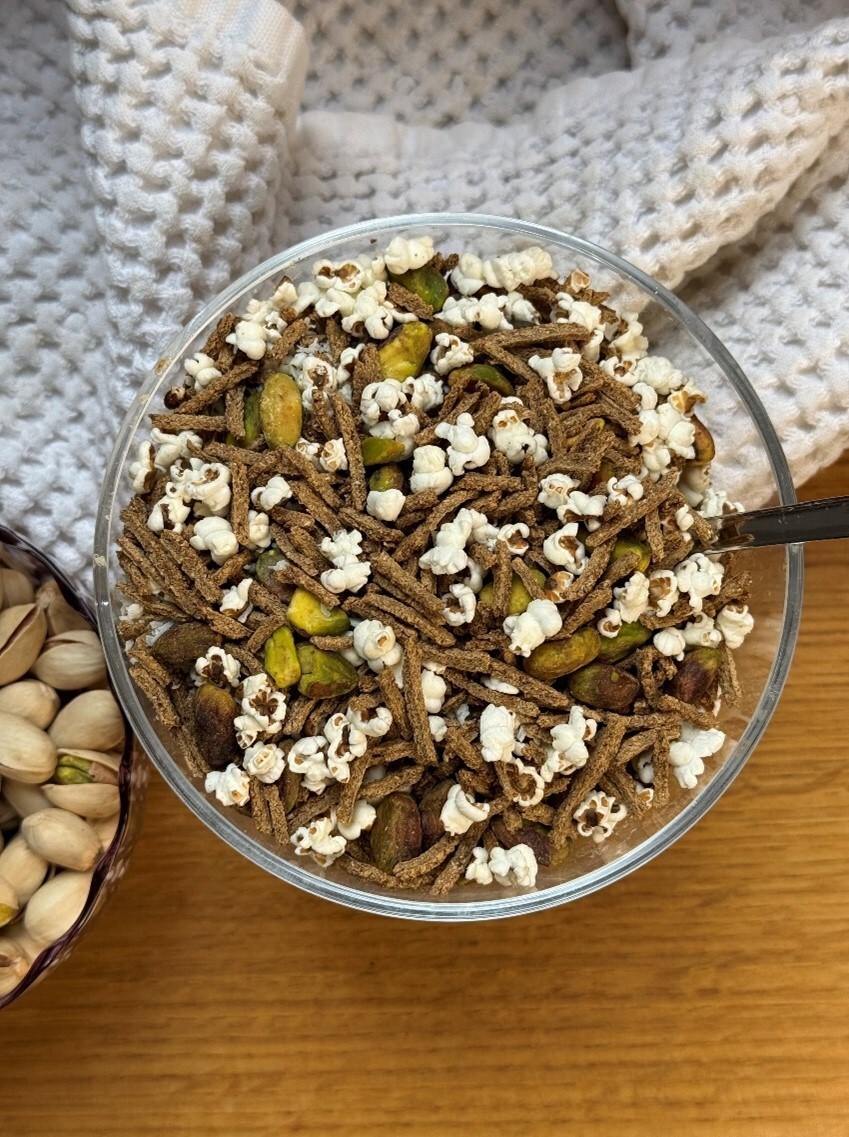
Fiber-Fueled-Trail-Mix

Fiber Fueled Trail Mix (Amy Shapiro, MS, RD)

~5g fiber per ½ cup

  • ¼ cup your favorite nuts
  • 2 tablespoons shredded coconut
  • ⅔ cup Kellogg’s® All-Bran® Original Cereal
  • 1 cup air-popped popcorn

Mix to your preference and store in large container to share or individual grab and go option.

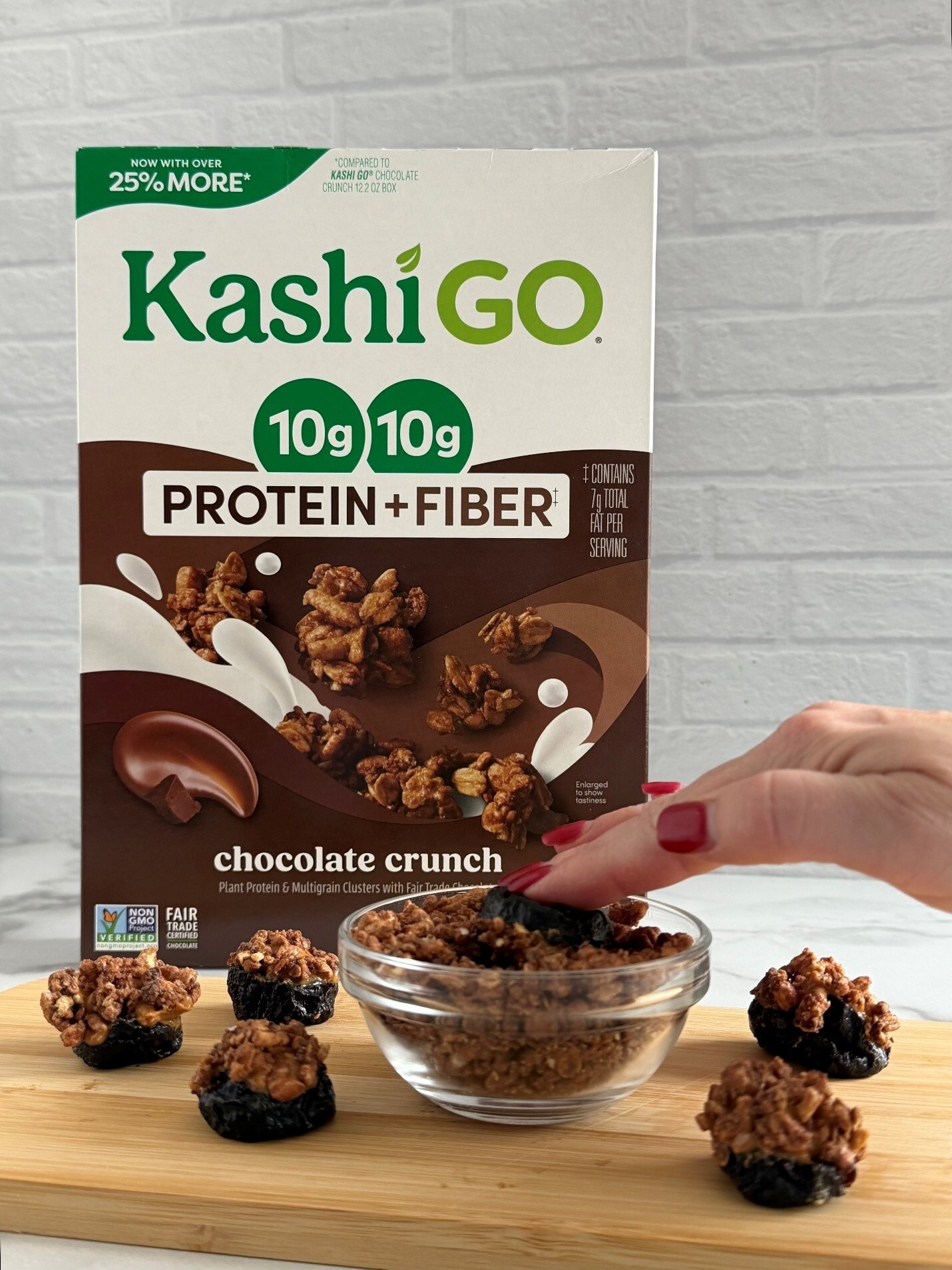
Press-N-Crunch-Bites

Press ‘N Crunch Bites (Mandy Enright, MS, RDN)

~10g fiber

  • 2 tbsp peanut butter
  • 1 apple cut into slices
  • ¼ cup Kashi GO® Chocolate Crunch

Spread peanut butter on fruit like prunes, dates or apple slices and then press the peanut butter side into a small bowl filled with 1/4 cup of cereal like Kashi GO® Chocolate Crunch clusters. This crunchy layer adds up to 3 additional grams of fiber plus a little extra protein.

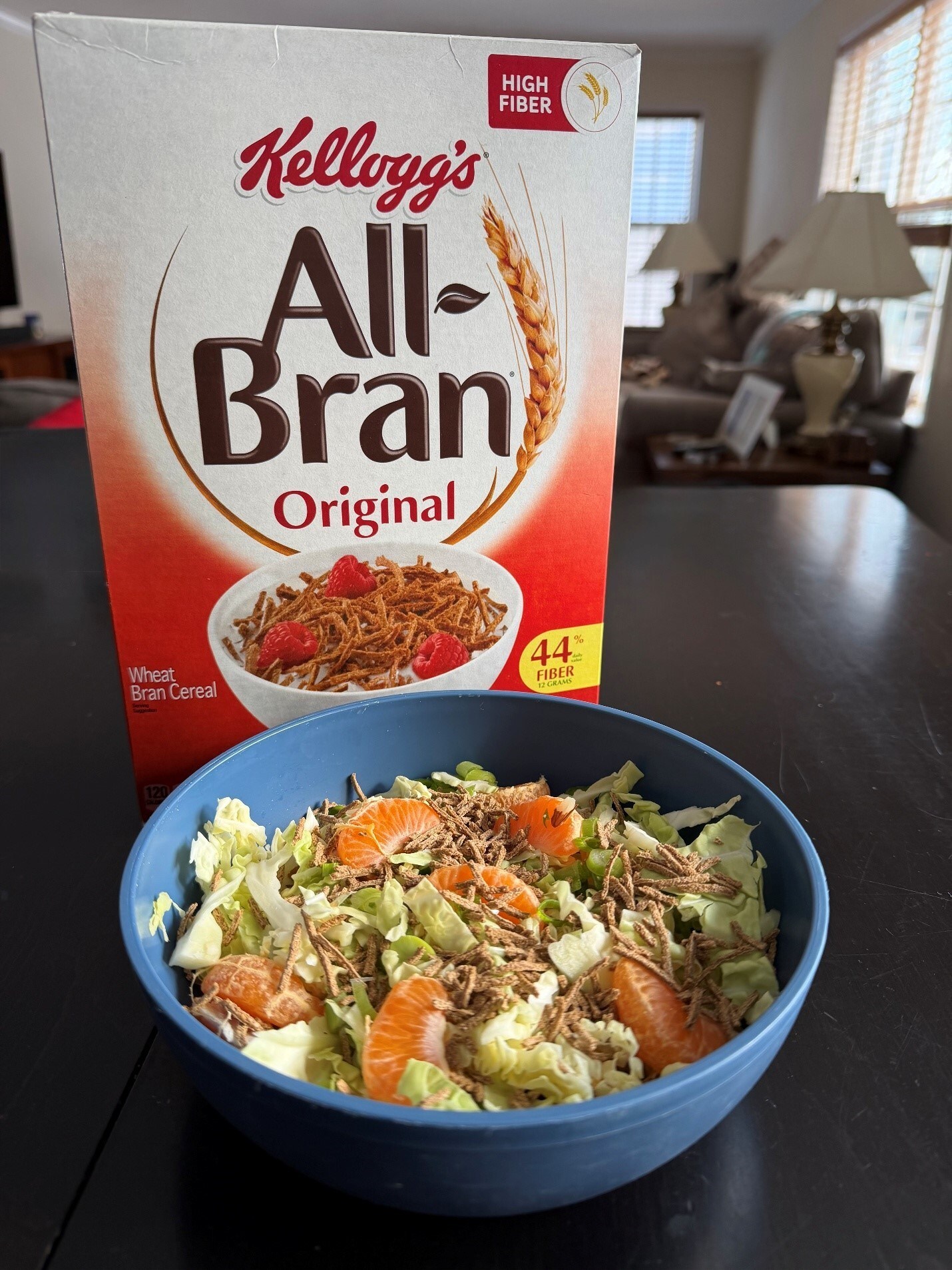
Crunchy Crouton Swap

Crunchy Crouton Swap (Mandy Enright, MS, RDN)

10g fiber

  • 1 cup mixed greens topped with ½ cup mandarin oranges and your favorite protein
  • 1/4-cup Kellogg’s® All-Bran® Original Cereal (in place of croutons or crunchy noodles)

Click here for more recipes using Kellogg’s cereals and visit www.wkkellogg.com for more information on the complete portfolio and new ‘SPOONS’ navigation tool created to make eating well easy.

1 US Department of Agriculture; Agricultural Research Service. What We Eat in America: Nutrient intakes from food by gender and age. National Health and Nutrition Examination Survey (NHANES) 2009-10 http://www.ars.usda.gov/Sp2userfiles/Place/12355000/Pdf/0910/Table_1_Nin_Gen_09.Pdf
2Quagliani, D., & Felt-Gunderson, P. (2017). Closing America’s fiber intake gap: Communication strategies from a food and fiber summit. American Journal of Lifestyle Medicine, 11(1), 80–85. https://doi.org/10.1177/1559827615588079

ABOUT WK KELLOGG CO
At WK Kellogg Co, we bring our best to everyone, every day through our trusted foods and brands. Our journey began in 1894, when our founder W.K. Kellogg reimagined the future of food with the creation of Corn Flakes, changing breakfast forever. Our iconic brand portfolio includes Kellogg’s Frosted Flakes®, Rice Krispies®, Froot Loops®, Kashi®, Special K®, Kellogg’s Raisin Bran®, and Bear Naked®. With a presence in the majority of households across North America, our brands play a key role in enhancing the lives of millions of consumers every day, promoting a strong sense of physical, emotional and societal wellbeing. Our beloved brand characters, including Tony the Tiger® and Toucan Sam®, represent our deep connections with the consumers and communities we serve. Through our sustainable business strategy – Feeding Happiness® – we aim to build healthier and happier futures for families, kids and communities. We are making a positive impact, while creating foods that bring joy and nourishment to consumers. For more information about WK Kellogg Co and Feeding Happiness, visit www.wkkellogg.com.

SOURCE WK Kellogg Co

For further information: WK Kellogg Co Media Hotline, media.hotline@wkkellogg.com, (269) 401-3002

2026 is shaping up to be a pivotal year for CDP disclosures, with major updates, new scoring opportunities, and tighter expectations across the climate, nature, and water sectors. Whether you’re a corporate responder or a small and medium-sized enterprise (SME), early preparation is key to achieving top scores in this year’s cycle. Below are five key insights every company should know about CDP submissions this year.

  1. CDP is deepening alignment with global frameworks.

    This year, CDP is continuing alignment with frameworks like the Taskforce on Nature-related Financial Disclosures (TNFD) and International Financial Reporting Standards (IFRS). On a relevant note, A-level scores will increasingly emphasize demonstrable action, not just commitments, toward sustainable practices and goals, such as Science Based Targets for Nature (SBTN). Additionally, the minimum disclosure requirements (Essential Criteria) will be enhanced and still be mandatory to increase scoring levels.

  2. Several significant dates will happen this year.

    These key milestones are important for companies preparing their CDP disclosures and aiming to achieve high scores in 2026 and beyond.

    • April: Guidance and scoring methodology will be released in April, offering companies clarity on what is expected for this year’s submissions. This release will help organizations understand how their responses will be evaluated and allow them to prepare accordingly.
    • Week of June 15: The response window for CDP submissions opens the week of June 15, marking the official start for organizations to submit their disclosures. It is advisable to begin drafting and compiling information early so that responses can be submitted promptly once the window opens.
    • Week of September 14: Scored responses are due the week of September 14, which means companies seeking to be formally evaluated must ensure their submissions are completed by this deadline. Meeting this cutoff is critical for those aiming for A-level scores under the new CDP criteria.
    • Week of October 26: Unscored responses must be submitted by the week of October 26, providing a final opportunity for organizations to disclose their environmental impacts even if they are not seeking a formal score. This deadline is important for companies that want their data included in CDP’s public records but are not competing for scored recognition.
  3. Updates for corporate responders

    We’ve identified five main themes influencing the most significant CDP updates for corporate responders in 2026.

    • The integrated CDP disclosure framework will introduce ocean-related questions.
      • In 2026, the integrated CDP disclosure framework will add ocean-related questions, highlighting the global ocean’s importance in climate, biodiversity, and supply chains. Companies must disclose their impacts, dependencies, and strategies regarding ocean resources, including marine pollution, sustainable sourcing, and ecosystem protection. This change encourages organizations to address ocean health in their environmental reporting.
    • Cocoa, coffee, and rubber are now scored commodities.
      • Beginning in 2026, cocoa, coffee, and rubber will be added to CDP’s scored commodities, alongside cattle, palm oil, soy, and timber. Companies handling these materials will be assessed for deforestation risk, supply chain transparency, and sustainability. This expansion aims to improve coverage of major land-use drivers and motivate action on more high-impact products.
    • Forest reporters should expect reporting on deforestation and no-conversion targets.
      • Forest reporters will face stricter disclosure requirements on deforestation and no-conversion (also called “conversion-free”) targets in 2026. Organizations must clearly report their commitments and outcomes related to stopping deforestation and converting natural ecosystems. These disclosures support accountability and bolster global climate and biodiversity goals.
    • Plastics disclosures will continue to be improved.
      • Plastics disclosures in the 2026 CDP cycle will include expanded questions and criteria on plastic production, use, and waste. Companies will need to share more detailed data about packaging, recycled content, reduction efforts, and pollution strategies.
    • CDP is asking broader adaptation and resilience questions.
      • CDP disclosures for 2026 will require organizations to outline their strategies for managing climate risks and boosting resilience. Topics will include risk assessment, business continuity, infrastructure investment, and community engagement. The goal is to ensure companies address both environmental impacts and adaptation to climate-related risks.
  4. Specific updates for SME responders

    CDP launched a dedicated SME questionnaire in 2024 for more tailored disclosures. In 2026, CDP will update a few key reporting categories, including SME Forests and Water Security and SME Climate Change scoring, while also providing overall improved SME guidance.

    • Expect enhanced questions about forest and water security.
      • The SME questionnaire will expand to cover nature-related topics alongside climate change, adding specific questions on Forests and Water Security. Previously, these areas were only addressed in integrated questions. This update aims to enhance supply chain transparency and equip SMEs with tools for responding to increasing nature-related data requests. SMEs can choose which environmental issues to disclose during questionnaire setup.
    • SMEs are now eligible for SME A scores.
      • SMEs can now earn an “SME A score” for climate change, whereas previously, the highest score was SME B. This update gives SMEs a chance to showcase their progress in tackling climate issues and sets out a straightforward path for improvement over time. Best practice actions are those considered achievable and realistic for SMEs, based on input from CDP external consultations, analysis of previous disclosures, along with climate standards, frameworks, and initiatives relevant to SMEs.
  5. Preparation steps to start now
    • Focus on annual GHG inventory updates.
      • CDP requests emissions inventory data in accordance with the GHG Protocol Corporate Standard, Scope 2 Guidance, and Corporate Value Chain (Scope 3) Standard. Providing emissions data to CDP is becoming essential if trying to keep up with higher level scoring through CDP. This will only gain complexity over time as CDP is actively observing the ongoing updates to the GHG Protocol’s corporate standards and guidance documentation year over year. Companies that have a solid handle on their GHG inventory will be better able to respond to and report on emissions per CDP requirements.
    • Leverage target-setting activities, such as SBTN, for freshwater, land, biodiversity, and ocean commitments.
      • Global standards are influencing expectations for corporate climate and nature reporting. CDP’s questionnaires adapt to regulatory changes, and the 2026 updates will enhance alignment with Science-based Targets initiative (SBTi), SBTN, TNFD, Ellen MacArthur Foundation’s plastics commitment, and GRI standards.
      • Many organizations are adopting the SBTN five-step approach to assess, prioritize, set targets, act, and track. CDP aims to encourage adoption of this framework in organizations and so has integrated questions within Module 2 (Identification, Assessment and Management of Dependencies, Impacts, Risks, and Opportunities) of the CDP questionnaire that align with the SBTN Assess step. Additional alignment for water specific targets can also be reported this year within Module 9 (Environmental Performance – Water Security).  
    • Start understanding how to integrate data requirements in 2026 for GHG Land Sector and Removals.
      • The GHG Protocol’s Agriculture Guidance will be replaced by the new Land Sector & Removals Standard (LSRS). LSRS outlines requirements for reporting and tracking GHG emissions, CO2 removals, and related metrics from land sector activities and removal technologies. CDP will not require organizations to submit quantitative data under LSRS in 2026 but will help them prepare for future reporting aligned with the standard.
    • Track deforestation or non-conversion activities and commitments in your value chain.
      • Organizations reporting on forest-related matters should prepare for forthcoming revisions to their no-deforestation and no-conversion targets to remain aligned with leading standards and frameworks, such as SBTN. Currently, corporate entities disclose commodity-specific objectives for deforestation- and conversion-free production and sourcing within Module 8 (Environmental Performance – Forests). In 2026, reporting requirements for no-deforestation and no-conversion targets will undergo modifications to ensure consistency with updated standards and frameworks, which will impact reporting across the entire value chain.

Final Notes

The 2026 CDP reporting cycle brings more significant change since the initial shift to the integrated questionnaire, with expanded scope across climate, nature, water, forests, oceans, and plastics. Companies that begin preparing now — with a special focus on data quality, standards alignment, and target setting — will be best positioned to secure top scores and demonstrate true environmental leadership.

READ MORE

Author

Stephanie Ellis, Senior Project Manager


About SCS Consulting Services

SCS Consulting Services helps companies implement transformative sustainability solutions that drive meaningful change. SCS Consulting Services is the independent sustainability consulting arm of the Scientific Certification Systems (SCS) organization. Our experts leverage four decades of deep experience in sustainability and an unwavering commitment to scientific rigor, credibility, and transparency. We specialize in working closely with clients to build and execute on a sustainability strategy that both drives positive impacts and builds business resiliency in the face of a rapidly changing climate and business environment. Services include climate strategy, accounting and reporting, sustainability reporting, supply chain solutions, ESG management, due diligence and regulatory compliance services.

Privacy Overview

This website uses cookies so that we can provide you with the best user experience possible. Cookie information is stored in your browser and performs functions such as recognising you when you return to our website and helping our team to understand which sections of the website you find most interesting and useful.