AEG employees across Southern California and New York dedicate their time and energy to the company’s annual Day of Service, volunteering at various events to make a meaningful impact in local communities. The Day of Service highlights the power of coming together to make a difference, showing how employees across the country can strengthen communities and inspire hope through shared purpose.

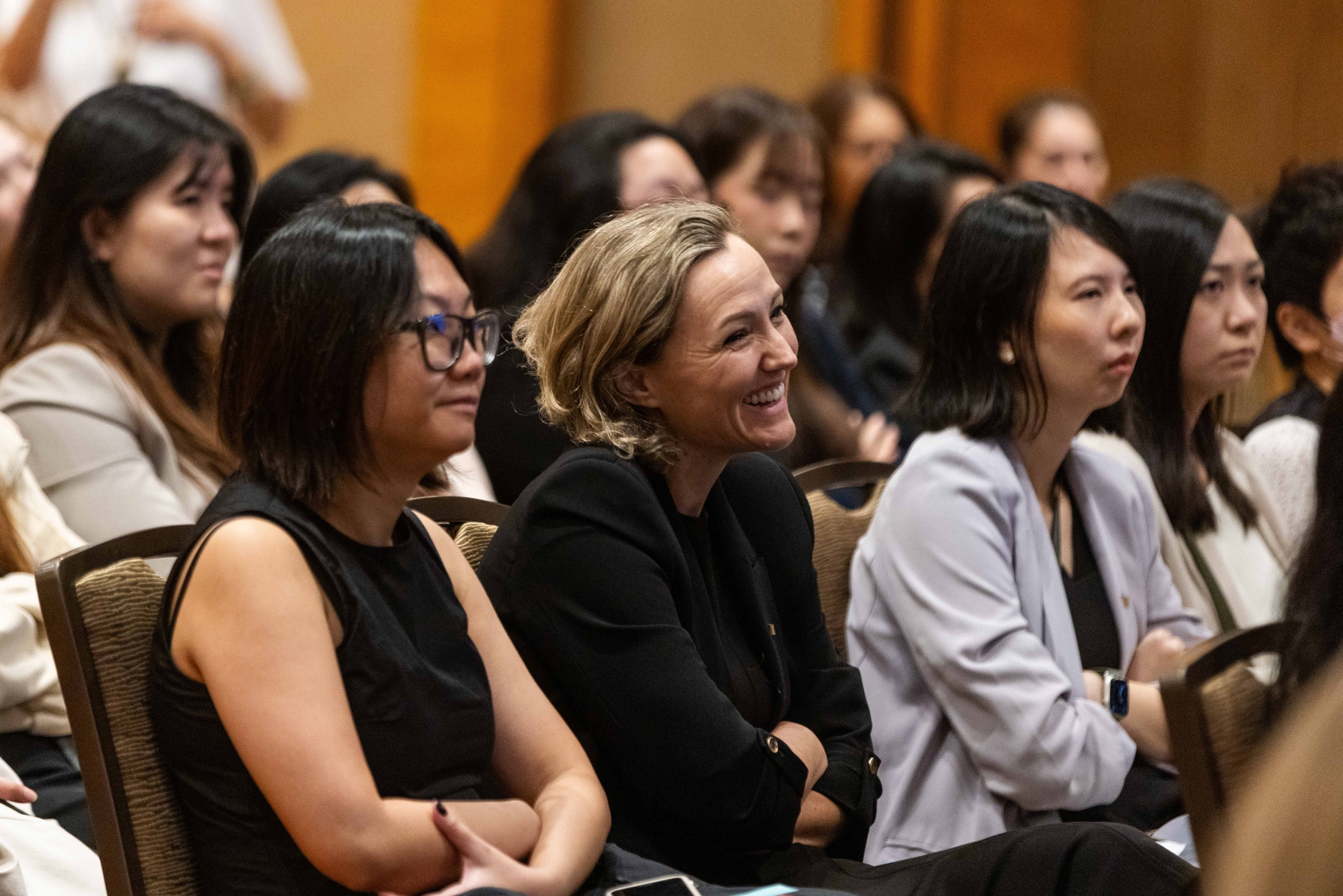
In Los Angeles, 250 AEG employees from all business units—including L.A. LIVE, Global Partnerships, AXS, L.A. Galaxy, L.A. Kings, and Crypto.com Arena—participated in a hands-on “Wall Build” with San Gabriel Valley Habitat for Humanity. On campus at L.A. LIVE, volunteers constructed wall frames, painted and built components for future homes in Altadena. Vista Paint donated paint and supplied all essential painting materials for the Service Day projects while Frito-Lay and Coca-Cola provided snacks and beverages that kept volunteers fueled throughout the event.

“Our Service Day with SGV Habitat for Humanity reflects our ongoing commitment to fire relief. Nearly a year later, there is still so much to rebuild, and we were eager to roll up our sleeves and workto help rebuild homes and hopefully renew hope.” said Anette Padilla, Sr. Director of Community Foundation and Social Impact, AEG.

In addition to the $2 million the AEG family has already contributed to Los Angeles fire relief, AEG proudly presented San Gabriel Valley Habitat for Humanity with a $150,000 check to support ongoing rebuilding efforts in communities affected by the Altadena fires.

On December 16th, employees from AEG and Bowery Presents will partner with City Year New York to bring holiday cheer to The Emma Lazarus Elementary School in Brooklyn for the third year in a row. Volunteers will transform the campus into a festive winter wonderland by putting up holiday decorations throughout the campus and making holiday crafts with students. They will also spend time in classrooms, reading with students in small groups to create a joyful and engaging experience.

AEG’s annual Day of Service is part of the company’s Season of Giving initiative, which encourages employees across the United States to give back and spread cheer during the holiday season. Volunteers participate in activities both in person and virtually, supporting local communities through acts of service, generosity, and engagement.

Direct Relief today announced that Craig Redmond has joined Direct Relief’s executive leadership team as Chief Operating Officer, overseeing the humanitarian medical aid group’s humanitarian programs, emergency response operations, and related functions.

Redmond brings to Direct Relief decades of humanitarian relief and development experience, primarily focused on developing programs and teams that help build resilience, relieve suffering, and transform lives. He served as Chief Executive of Relief International between 2022 and 2025, where he led a global team of more than 7,000 staff and local volunteers working in 15 countries across Africa, Asia, and the Middle East, providing humanitarian aid to communities affected by conflict and disaster.

Prior to Relief International, Redmond worked for 22 years at Mercy Corps in roles including Program Director for Azerbaijan, Country Director for Eritrea and Indonesia, Regional Director for Southeast Asia, and finally for 12 years as Senior Vice President of Programs, where he managed and oversaw all Mercy Corps programs globally. Craig was a pivotal leader in growing the organization and leading teams to breakthrough innovations in technology, financial inclusion, food security, and venture development. He has also worked with UNHCR, UNDP, and with the Peace Corps in a hospital in Kyrgyzstan.

Amy Weaver, Chief Executive Officer of Direct Relief, said, “Craig Redmond has led large-scale humanitarian operations for decades and brings the kind of grounded, field-informed perspective that aligns so well with Direct Relief’s mission. With Craig joining the Direct Relief team, I’m incredibly energized for the years ahead.”

With Redmond joining Direct Relief, Byron Scott, MD, MBA, moves from his role as President and Chief Operating Officer to the new position of Chief Health Officer (effective January 1, 2026), where he will advise across all health and medical issues and oversee Direct Relief’s grantmaking activities, Power for Health, and the Fund for Health Equity. Dr. Scott served as Direct Relief’s interim CEO between January and May 2025.

“All of us at Direct Relief are grateful to Dr. Scott for his years of steadfast leadership on our board of directors, and as our COO and interim CEO, and for the deep insight, guidance, and unfailing moral compass he will continue to bring to the organization in his new role as Chief Health Officer,” Weaver said.

Redmond’s appointment marks the second major leadership addition by Amy Weaver since she assumed the role of CEO in May. Jennifer Lotito, former President and Chief Operating Officer at (RED), joined Direct Relief in October as Chief External Affairs Officer, overseeing global communications, fundraising, partnerships, brand, and creative.

Redmond said, “It is hard to imagine a more pressing moment in history than now for the critical work that Direct Relief and our partners do every day across the U.S. and around the world. I am humbled by this incredible opportunity, and look forward to getting to know our operations, the team, and our partners as we work together to deliver essential support to millions.”

Founded in 1948 and headquartered in Santa Barbara, California, Direct Relief provides large-scale medical assistance to improve the health and lives of people affected by poverty, disaster, and conflict. Recognized by Forbes as #5 on its list of America’s Top 100 Charities, honored with the 2025 Seoul Peace Prize, and recipient of 15 consecutive four-star ratings from Charity Navigator, Direct Relief is known for its logistics-driven humanitarian operations and longstanding commitment to transparency and operational excellence. 

ST. PAUL, Minn., December 16, 2025 /3BL/ – The Beverage Industry Environmental Roundtable (BIER) is pleased to announce the appointment of Celine Morris as its new Associate Director, effective January 2026. In this expanded leadership role, Celine will help guide BIER’s strategic direction, strengthen cross-member collaboration, and advance the organization’s mission to drive environmental sustainability across the global beverage sector. Her promotion reflects both her demonstrated leadership and BIER’s continued commitment to operational excellence and industry-leading impact.

Celine has served as BIER’s Program Manager for the past year while also working as a Senior Manager at Antea Group and an Alliance for Water Stewardship (AWS) Credentialed Specialist. During her tenure, she played a pivotal role in supporting BIER’s 2025 workstreams, member engagement, and technical initiatives. Her work has contributed directly to enhanced coordination across member companies and the delivery of high-quality, data-driven outputs.

Throughout 2025, Celine supported the execution of BIER’s Spring and Fall Roundtable Meetings, where members engaged in forward-thinking discussions and collaborative problem-solving across critical environmental topics, including nature-positive strategies, advanced methods for measuring water replenishment co-benefits, exploration of breakthroughs in renewable thermal energy solutions, and best practices for designing and implementing Collective Action water projects. Additionally, Celine strengthened member readiness through BIER’s Regulatory Round-Up and Ad-Hoc Sessions, which she helped coordinate and facilitate. Her work ensured that members remained aligned, informed, and equipped to respond to emerging sustainability challenges.

As Associate Director, Celine will continue to serve as a key liaison between BIER’s global membership, technical workstreams, and partner organizations. She will support Executive Director Erica Pann in providing strategic leadership across BIER’s technical focus areas, including advancing water stewardship, driving climate action, strengthening sustainability reporting, promoting circular systems, and supporting nature and biodiversity efforts across the sector. In this role, she will also help ensure operational excellence, effective governance, and strong member collaboration, while contributing to BIER’s long-term strategic roadmap and alignment between member priorities and technical workstream execution.

“Celine has been instrumental in driving BIER’s work forward and strengthening our engagement model,” said Pann. “Her technical expertise, program leadership, and commitment to collaboration make her an outstanding fit for this role.” Pann added, “We are confident that Celine’s leadership will continue to elevate BIER’s impact across the beverage sector.”

BIER congratulates Celine on this well-deserved appointment and looks forward to her continued leadership in advancing industry-wide sustainability progress.

For more information, please contact: Erica Pann, BIER Executive Director Erica.Pann@anteagroup.us

About BIER
BIER is a technical coalition of leading global beverage companies working together to advance environmental sustainability within the beverage sector. Formed in 2006, BIER is a common voice across the beverage sector, speaking to influence global standards on environmental sustainability aspects most relevant to the sector, affect change both up and down the supply chain, and share best practices that raise the bar for environmental performance of the industry. By doing so, BIER is able to monitor data and trends, engage with key stakeholders, develop best practices, and guide a course of action for the future. BIER members include Anheuser-Busch InBev, Asahi Group Holdings, Bacardi, Brown-Forman, Carlsberg Group, The Coca-Cola Company, Constellation Brands, Diageo, Heaven Hill Brands, Heineken, Keurig Dr Pepper, LION, Molson Coors, Monster Energy, Ocean Spray Cranberries, PepsiCo, Pernod Ricard and Suntory Global Spirits. For more information, visit www.bieroundtable.com.

ST. PAUL, Minn., December 16, 2025 /3BL/ – The Beverage Industry Environmental Roundtable (BIER) is pleased to announce the appointment of Celine Morris as its new Associate Director, effective January 2026. In this expanded leadership role, Celine will help guide BIER’s strategic direction, strengthen cross-member collaboration, and advance the organization’s mission to drive environmental sustainability across the global beverage sector. Her promotion reflects both her demonstrated leadership and BIER’s continued commitment to operational excellence and industry-leading impact.

Celine has served as BIER’s Program Manager for the past year while also working as a Senior Manager at Antea Group and an Alliance for Water Stewardship (AWS) Credentialed Specialist. During her tenure, she played a pivotal role in supporting BIER’s 2025 workstreams, member engagement, and technical initiatives. Her work has contributed directly to enhanced coordination across member companies and the delivery of high-quality, data-driven outputs.

Throughout 2025, Celine supported the execution of BIER’s Spring and Fall Roundtable Meetings, where members engaged in forward-thinking discussions and collaborative problem-solving across critical environmental topics, including nature-positive strategies, advanced methods for measuring water replenishment co-benefits, exploration of breakthroughs in renewable thermal energy solutions, and best practices for designing and implementing Collective Action water projects. Additionally, Celine strengthened member readiness through BIER’s Regulatory Round-Up and Ad-Hoc Sessions, which she helped coordinate and facilitate. Her work ensured that members remained aligned, informed, and equipped to respond to emerging sustainability challenges.

As Associate Director, Celine will continue to serve as a key liaison between BIER’s global membership, technical workstreams, and partner organizations. She will support Executive Director Erica Pann in providing strategic leadership across BIER’s technical focus areas, including advancing water stewardship, driving climate action, strengthening sustainability reporting, promoting circular systems, and supporting nature and biodiversity efforts across the sector. In this role, she will also help ensure operational excellence, effective governance, and strong member collaboration, while contributing to BIER’s long-term strategic roadmap and alignment between member priorities and technical workstream execution.

“Celine has been instrumental in driving BIER’s work forward and strengthening our engagement model,” said Pann. “Her technical expertise, program leadership, and commitment to collaboration make her an outstanding fit for this role.” Pann added, “We are confident that Celine’s leadership will continue to elevate BIER’s impact across the beverage sector.”

BIER congratulates Celine on this well-deserved appointment and looks forward to her continued leadership in advancing industry-wide sustainability progress.

For more information, please contact: Erica Pann, BIER Executive Director Erica.Pann@anteagroup.us

About BIER
BIER is a technical coalition of leading global beverage companies working together to advance environmental sustainability within the beverage sector. Formed in 2006, BIER is a common voice across the beverage sector, speaking to influence global standards on environmental sustainability aspects most relevant to the sector, affect change both up and down the supply chain, and share best practices that raise the bar for environmental performance of the industry. By doing so, BIER is able to monitor data and trends, engage with key stakeholders, develop best practices, and guide a course of action for the future. BIER members include Anheuser-Busch InBev, Asahi Group Holdings, Bacardi, Brown-Forman, Carlsberg Group, The Coca-Cola Company, Constellation Brands, Diageo, Heaven Hill Brands, Heineken, Keurig Dr Pepper, LION, Molson Coors, Monster Energy, Ocean Spray Cranberries, PepsiCo, Pernod Ricard and Suntory Global Spirits. For more information, visit www.bieroundtable.com.

NEW YORK, December 16, 2025 /3BL/ – An IPC report released today shows that Afghanistan now ranks as the fourth country in the world for rates of child acute malnutrition. More than 3.7 million Afghan children are affected—200,000 more than last year—with widespread poverty preventing 78 percent of families from accessing nutritious food for their children. The crisis will continue to intensify, especially during the winter months when risks are elevated.

“No child should die because of hunger,” said Cobi Rietveld, Action Against Hunger’s Afghanistan Country Director. “Today’s report is very worrying: hunger in Afghanistan is worsening, and children are paying the highest price.”

According to the new report, children suffering from severe acute malnutrition are 12 times more likely to die than healthy children. The children most affected are very young, with 85 percent of severely malnourished children under two years old. An estimated 1.2 million pregnant and breastfeeding women are also acutely malnourished, heightening risks for both mothers and their children.

Afghanistan continues to face overlapping crises that make malnutrition prevention and treatment even more challenging. In addition to widespread poverty and limited access to healthcare, the country is now experiencing its fourth drought in five years, severely affecting crop production. A major earthquake in August caused more than 2,000 deaths and destroyed homes and health facilities in eastern Afghanistan, leaving children particularly vulnerable to malnutrition. These challenges are further compounded by ongoing border tensions and the return of over 2.5 million Afghans from Iran and Pakistan in 2025, which adds new risks for families already struggling to cope.

Large-scale funding cuts have intensified the crisis. The required response is only 50 percent funded so far, with just $148 million received out of a required $296 million, leaving a massive funding gap. These cuts have led to the closure of at least 305 nutrition sites across the country this year. A growing number of families struggle to reach the nutrition and healthcare they need due to a shortage of health facilities, restrictions on women’s mobility, and constraints placed on female health workers.

Action Against Hunger’s therapeutic feeding unit (TFU) in Kabul—which treats more than 1,000 children with severe acute malnutrition annually—was among the facilities affected by funding cuts. The unit was forced to suspend operations for one month before securing alternative funding, leaving queues of malnourished children without access to lifesaving care.

According to the IPC, the key drivers of this malnutrition crisis are poverty (with 78 percent of families unable to afford nutritious meals), disease burden (including 4,000 confirmed measles cases and high rates of diarrhea), poor access to safe drinking water (with more than 50 percent of people in 24 provinces lacking safe drinking water), and severely limited access to healthcare.

Despite funding gaps, Action Against Hunger continues to fight hunger in Afghanistan by treating malnourished children and pregnant mothers, and by tackling the root causes to prevent hunger. The organization works in six provinces across Afghanistan, implementing a multi-sectoral response to the ongoing crisis, which addresses the underlying causes of malnutrition. Last year, Action Against Hunger treated over 100,000 children facing malnutrition, of whom 5,611 were facing severe complications and a high likelihood of death without care.

“Hunger is rising, but together we can stop it,” said Rietveld. “Children are dying, and we must not let this happen.”

***

Action Against Hunger is a global leader creating a future where every life is well nourished. We innovate to prevent malnutrition and respond to hunger hotspots, working in 59 countries and reaching more than 21 million people each year. With 8,990 staff members worldwide—95% hired locally—we ensure culturally relevant solutions and empower communities with long-term resilience. For 18 consecutive years, we’ve earned top ratings from charity evaluators—a distinction achieved by fewer than 1% of nonprofits. Together, we are promoting resilience and working to end hunger for everyone, for good.

CONTACT:

Meredith Whitefield
mwhitefield@actionagainsthunger.org
917-771-0519

NEW YORK, December 16, 2025 /3BL/ – An IPC report released today shows that Afghanistan now ranks as the fourth country in the world for rates of child acute malnutrition. More than 3.7 million Afghan children are affected—200,000 more than last year—with widespread poverty preventing 78 percent of families from accessing nutritious food for their children. The crisis will continue to intensify, especially during the winter months when risks are elevated.

“No child should die because of hunger,” said Cobi Rietveld, Action Against Hunger’s Afghanistan Country Director. “Today’s report is very worrying: hunger in Afghanistan is worsening, and children are paying the highest price.”

According to the new report, children suffering from severe acute malnutrition are 12 times more likely to die than healthy children. The children most affected are very young, with 85 percent of severely malnourished children under two years old. An estimated 1.2 million pregnant and breastfeeding women are also acutely malnourished, heightening risks for both mothers and their children.

Afghanistan continues to face overlapping crises that make malnutrition prevention and treatment even more challenging. In addition to widespread poverty and limited access to healthcare, the country is now experiencing its fourth drought in five years, severely affecting crop production. A major earthquake in August caused more than 2,000 deaths and destroyed homes and health facilities in eastern Afghanistan, leaving children particularly vulnerable to malnutrition. These challenges are further compounded by ongoing border tensions and the return of over 2.5 million Afghans from Iran and Pakistan in 2025, which adds new risks for families already struggling to cope.

Large-scale funding cuts have intensified the crisis. The required response is only 50 percent funded so far, with just $148 million received out of a required $296 million, leaving a massive funding gap. These cuts have led to the closure of at least 305 nutrition sites across the country this year. A growing number of families struggle to reach the nutrition and healthcare they need due to a shortage of health facilities, restrictions on women’s mobility, and constraints placed on female health workers.

Action Against Hunger’s therapeutic feeding unit (TFU) in Kabul—which treats more than 1,000 children with severe acute malnutrition annually—was among the facilities affected by funding cuts. The unit was forced to suspend operations for one month before securing alternative funding, leaving queues of malnourished children without access to lifesaving care.

According to the IPC, the key drivers of this malnutrition crisis are poverty (with 78 percent of families unable to afford nutritious meals), disease burden (including 4,000 confirmed measles cases and high rates of diarrhea), poor access to safe drinking water (with more than 50 percent of people in 24 provinces lacking safe drinking water), and severely limited access to healthcare.

Despite funding gaps, Action Against Hunger continues to fight hunger in Afghanistan by treating malnourished children and pregnant mothers, and by tackling the root causes to prevent hunger. The organization works in six provinces across Afghanistan, implementing a multi-sectoral response to the ongoing crisis, which addresses the underlying causes of malnutrition. Last year, Action Against Hunger treated over 100,000 children facing malnutrition, of whom 5,611 were facing severe complications and a high likelihood of death without care.

“Hunger is rising, but together we can stop it,” said Rietveld. “Children are dying, and we must not let this happen.”

***

Action Against Hunger is a global leader creating a future where every life is well nourished. We innovate to prevent malnutrition and respond to hunger hotspots, working in 59 countries and reaching more than 21 million people each year. With 8,990 staff members worldwide—95% hired locally—we ensure culturally relevant solutions and empower communities with long-term resilience. For 18 consecutive years, we’ve earned top ratings from charity evaluators—a distinction achieved by fewer than 1% of nonprofits. Together, we are promoting resilience and working to end hunger for everyone, for good.

CONTACT:

Meredith Whitefield
mwhitefield@actionagainsthunger.org
917-771-0519

Over the past several years, The Earth Lab and Tandem Global have demonstrated how sustained collaboration can drive climate action that is both technically rigorous and deeply human. What began as a shared vision to bridge global efforts and initiatives with local realities has grown into a strong alliance that places people and communities at the heart of climate solutions.

A partnership in motion

Since 2021, this collaboration has strengthened the credibility and reach of high-integrity carbon projects in Mexico and beyond. Together, The Earth Lab and Tandem Global have advanced biodiversity initiatives that embody additionality, permanence and co-benefits— while amplifying the voices of Indigenous and rural communities.

These projects demonstrate how technical rigor, long-term governance, and cultural preservation can come together under a community-first approach and be recognized by Bonos Jaguar del Mayab and Ecos de Chiapas: Blue Carbon Portfolio.

“Working alongside The Earth Lab has shown what is possible when scientific rigor is paired with deep respect for community leadership,” said Anna Willingshofer, Chief Science and Innovation Officer at Tandem Global. “Their commitment to long-term stewardship and cultural integrity exemplifies the kind of partnership that can truly transform climate ambition into meaningful, measurable impact on the ground.”

The generosity of communities

At the core of The Earth Lab’s work is the generosity of communities. Across Mexico, ejidos (cooperative farms) have shared their knowledge, traditions and governance systems to co-create solutions that deliver benefits far beyond their territories. From women-led mangrove restoration in Chiapas to cultural stewardship in Quintana Roo and Yucatan, and intergenerational decision-making, within community assemblies—each example shows how generosity becomes meaningful action.

These experiences remind us that climate action is not only about carbon accounting—it is also about identity, biodiversity, and justice. The Earth Lab’s projects protect ecosystems ranging from the jaguar’s biological corridor to mangrove forests that store vast amounts of blue carbon. By combining biodiversity protection with local leadership, these efforts demonstrate that social and ecological integrity are inseparable and may reach global recognition.

Deepening the impact

This collaboration reaffirms a long-term commitment to responsibility, equity, and transparency.

“Every step we take with Tandem Global strengthens the link between global climate goals and local realities,” said Jorge Calderón, Founder and Director of The Earth Lab. “Our communities are far more than participants, they are the heartbeat of sustainability, leading knowledge, culture, and a commitment that will endure for generations.”

Looking ahead

For The Earth Lab, this next chapter focuses on scaling up: expanding community-driven portfolios, advancing biodiversity monitoring systems, and developing investment pathways for companies seeking verifiable, additional, and high-integrity carbon credits.

With a 100-year commitment to stewardship, The Earth Lab aims to ensure that biodiversity thrives, cultures are honored, and communities prosper. This long-term vision shows that when climate action is rooted in generosity and integrity, it can create a legacy of resilience and well-being for generations to come.

Together, The Earth Lab and Tandem Global continue to prove that climate solutions can be measurable, equitable, community-led, and lasting—reflecting a partnership that grows stronger with time and continues to focus on creating impact where it matters most: with people and nature at the center.

Tangible results on-the-ground

The Ejido Sisal, with a carbon project co-developed by The Earth Lab, has achieved two consecutive international certifications under the WHC Conservation Certification®, powered by Tandem Global. The project was recognized for efforts across multiple categories, including habitat management, species protection, education and awareness, and sustainable practices. In 2023, The Ejido Sisal was honored with the Tandem Global Marine Intertidal Project Award, and in 2025, it achieved a renewed WHC Certification, reaffirming its leadership in biodiversity stewardship and community-based conservation. These milestones highlight both technical excellence and the long-term commitment of local communities.

Beyond certifications, The Earth Lab has established a strong track record through Earth Charrettes — participatory processes designed to bring together communities, technical experts, and stakeholders to map priorities, share knowledge, and co-create sustainability strategies. Alongside these Charrettes, The Earth Lab continues to lead training programs and partnerships with Indigenous and rural communities as well as with other strategic stakeholders, ensuring that knowledge is shared, capacities are strengthened, and local leadership remains at the core of every initiative.

Visit The Earth Lab website

Visit Tandem Global website

Over the past several years, The Earth Lab and Tandem Global have demonstrated how sustained collaboration can drive climate action that is both technically rigorous and deeply human. What began as a shared vision to bridge global efforts and initiatives with local realities has grown into a strong alliance that places people and communities at the heart of climate solutions.

A partnership in motion

Since 2021, this collaboration has strengthened the credibility and reach of high-integrity carbon projects in Mexico and beyond. Together, The Earth Lab and Tandem Global have advanced biodiversity initiatives that embody additionality, permanence and co-benefits— while amplifying the voices of Indigenous and rural communities.

These projects demonstrate how technical rigor, long-term governance, and cultural preservation can come together under a community-first approach and be recognized by Bonos Jaguar del Mayab and Ecos de Chiapas: Blue Carbon Portfolio.

“Working alongside The Earth Lab has shown what is possible when scientific rigor is paired with deep respect for community leadership,” said Anna Willingshofer, Chief Science and Innovation Officer at Tandem Global. “Their commitment to long-term stewardship and cultural integrity exemplifies the kind of partnership that can truly transform climate ambition into meaningful, measurable impact on the ground.”

The generosity of communities

At the core of The Earth Lab’s work is the generosity of communities. Across Mexico, ejidos (cooperative farms) have shared their knowledge, traditions and governance systems to co-create solutions that deliver benefits far beyond their territories. From women-led mangrove restoration in Chiapas to cultural stewardship in Quintana Roo and Yucatan, and intergenerational decision-making, within community assemblies—each example shows how generosity becomes meaningful action.

These experiences remind us that climate action is not only about carbon accounting—it is also about identity, biodiversity, and justice. The Earth Lab’s projects protect ecosystems ranging from the jaguar’s biological corridor to mangrove forests that store vast amounts of blue carbon. By combining biodiversity protection with local leadership, these efforts demonstrate that social and ecological integrity are inseparable and may reach global recognition.

Deepening the impact

This collaboration reaffirms a long-term commitment to responsibility, equity, and transparency.

“Every step we take with Tandem Global strengthens the link between global climate goals and local realities,” said Jorge Calderón, Founder and Director of The Earth Lab. “Our communities are far more than participants, they are the heartbeat of sustainability, leading knowledge, culture, and a commitment that will endure for generations.”

Looking ahead

For The Earth Lab, this next chapter focuses on scaling up: expanding community-driven portfolios, advancing biodiversity monitoring systems, and developing investment pathways for companies seeking verifiable, additional, and high-integrity carbon credits.

With a 100-year commitment to stewardship, The Earth Lab aims to ensure that biodiversity thrives, cultures are honored, and communities prosper. This long-term vision shows that when climate action is rooted in generosity and integrity, it can create a legacy of resilience and well-being for generations to come.

Together, The Earth Lab and Tandem Global continue to prove that climate solutions can be measurable, equitable, community-led, and lasting—reflecting a partnership that grows stronger with time and continues to focus on creating impact where it matters most: with people and nature at the center.

Tangible results on-the-ground

The Ejido Sisal, with a carbon project co-developed by The Earth Lab, has achieved two consecutive international certifications under the WHC Conservation Certification®, powered by Tandem Global. The project was recognized for efforts across multiple categories, including habitat management, species protection, education and awareness, and sustainable practices. In 2023, The Ejido Sisal was honored with the Tandem Global Marine Intertidal Project Award, and in 2025, it achieved a renewed WHC Certification, reaffirming its leadership in biodiversity stewardship and community-based conservation. These milestones highlight both technical excellence and the long-term commitment of local communities.

Beyond certifications, The Earth Lab has established a strong track record through Earth Charrettes — participatory processes designed to bring together communities, technical experts, and stakeholders to map priorities, share knowledge, and co-create sustainability strategies. Alongside these Charrettes, The Earth Lab continues to lead training programs and partnerships with Indigenous and rural communities as well as with other strategic stakeholders, ensuring that knowledge is shared, capacities are strengthened, and local leadership remains at the core of every initiative.

Visit The Earth Lab website

Visit Tandem Global website

By Luca Rossi, President of Lenovo’s Intelligent Devices Group

AI isn’t the next electricity or Wi-Fi. It’s the next water.

In his 2015 book Water 4.0, David Sedlak reminds us how revolutionary running water was. For most of history, people hauled buckets from rivers or wells. Then plumbing arrived, and suddenly clean water flowed into every home. It transformed health, hygiene, and even how homes and cities were designed. And soon, people stopped thinking of it as technology. It just became part of life.

Sedlak says the next revolution in water won’t come from bigger plants alone, but from combining central systems with more decentralized solutions: rooftop capture, neighborhood recycling, local reuse. Resilience comes from distributing capabilities, letting water flow to where it’s needed most.

This reflects what Lenovo Chairman and CEO Yuanqing Yang calls hybrid AI: public, personal, and enterprise AI working together. These forms of AI will coexist and complement each other to fit different needs for different customers in efficiency, effectiveness, responsiveness, security and privacy protection, and sustainability.

That’s exactly how we see the future of AI. Not locked in one cloud, not trapped in a single device, but balanced across the cloud, edge, and every device you use. Sometimes local for privacy and speed, sometimes cloud for scale, always working together. Like water, AI should flow seamlessly across your environment, becoming exactly what you need in the moment. Invisible when you don’t need it, indispensable when you do.

The quiet constant: ambient intelligence

And this is where the idea of ambient intelligence comes in. Imagine an AI that doesn’t sit in a single app or silo but instead flows everywhere you are. It listens when you ask, notices when you don’t, and surfaces the right insights at the right time. It removes the friction between intent and action. This is the next stage: AI as a quiet, constant companion across your digital environment. It’s always-on, always-adaptive, always there when you need it most.

Our vision means one AI that integrates intuitively across multiple devices. A personal intelligence that flows across your PC, phone, tablet, and wearable, continuously enriched by each of these endpoints, so your context evolves and adapts with you. It’s balanced across the cloud, edge and device: local when speed and privacy matter, cloud when scale is required. Most importantly, it’s more secure and always under your control.

This is what Yuanqing has described as the Personal AI twin: a digital counterpart that continuously learns and adapts to fully understand your needs, preferences, and behaviors. The same principle applies to the Enterprise AI twin, trained on organizational data and policies to reflect its goals and priorities. Together, these twins ensure that ambient intelligence is both everywhere and uniquely yours.

And I want to emphasize again the security of these tools and how we protect privacy. We treat trust as the mindset and foundation for every innovation and solution Lenovo develops. Our vision for ambient intelligence is no exception.

The five behaviors of ambient intelligence

And when intelligence flows across our lives, it shows up in the moments that matter most.

The best technology doesn’t call attention to itself. Like water through pipes, it adapts to your needs in the moment: quiet, constant, and indispensable. These are the moments when AI stops being technology you use and starts feeling like part of life: anticipating before you ask, responding in context, turning intent into action, catching you up on what you missed, and creating spaces where you can fully immerse yourself in work, play, or creativity.

We’ve mapped out five archetypical behaviors – proactive, reactive, interactive, retrospective, and immersive – that define when intelligence shifts from being a tool you open to a companion you live and work with.

Living with ambient intelligence

Your on-device AI is always on, at times proactive in the background, flagging your to-do list and priority tasks. On the way to work, it may remind you about the call you scheduled but forgot to confirm, even drafting talking points so you arrive fully prepared.

Throughout the day, it’s also reactive, responding instantly to your queries. Think of it as intelligence that adapts in context, whatever’s in front of you. You point your phone or move your cursor over an item, and it gives you additional relevant information about it.

When you need to move something forward, it becomes interactive. You might hand off a draft to colleagues, set a reminder, or sync updates across devices, and it happens seamlessly. You don’t need to manage the mechanics. Your intent becomes action.

If you’ve stepped away for a meeting, it becomes retrospective. It summarizes unread messages, highlights three project updates, and even replays the last few minutes of the meeting you had to leave early. You’re caught up in moments, ready for the next thing you to do.

And when you need some peace and quiet, the fifth behavior is key. It creates an immersive space where distractions quiet, and “flow mode” takes over your devices. Your environment shifts to support your work, play, or creativity. Whether gaming or drafting a presentation, you feel more present, more capable, more in the zone.

By the end of the day, you’ve lived alongside a type of intelligence that flows continuously across your devices, adapting at every step.

One AI, many devices: the Super Agent vision

The ever-present AI reality is closer than you think. We already have strong foundations in moto ai, Lenovo AI Now, Smart Connect, and more, having integrated capabilities where intelligence is embedded in your devices, connected across platforms, and balanced between cloud and edge.

Tomorrow, those pieces converge into something larger: a unified AI layer that integrates perception, action, and presence across devices. This unification is closely aligned with what Lenovo CTO Tolga Kurtoglu has described as the AI Super Agent, a cognitive operating system that orchestrates multiple AI domain-specific agents.

In the personal sphere, that same orchestrated intelligence means one AI that understands what you need, when and where you need it (that is, perception). It then acts on your behalf, in the cloud, across devices, and with your services. But just as importantly, it’s always present via the five archetypal behaviors — a virtual presence intimately connected with individuals and organizations, like an extension of yourself with your intellect, working as your twin. It continuously adapts to your context and seamlessly integrates into your daily routines. Our aspiration is one AI, multiple devices: a super agent that can see what you see, hear what you hear, think as you would think, and act as you would act – all with your permission. Over time, it will get smarter and more like the user, eventually becoming a Personal AI twin.

That’s the opportunity ahead for AI. To stop being something you open in an app, and start becoming something that flows across every moment, adapting to you, balancing across cloud, edge, and device. It’s the shift from tools to presence.

And as Bruce Lee once said, “Be like water making its way through cracks.” Water adapts to its environment, takes the shape of what holds it, and flows to where it’s needed most. That’s exactly how we believe AI should work: invisible when you don’t need it, indispensable when you do.

World Wildlife Fund (WWF), the world’s leading conservation organization, announces the launch of the WWFGifts Gift Card—a first-of-its-kind nonprofit gift card that blends the emotional impact of charitable giving with the joy of receiving a tangible gift that’s delivered right to your door. Now available in select Kroger stores nationwide, and online the WWFGifts Gift Card offers retailers a powerful new way to meet rising consumer demand for purpose-driven gifting.

Each card purchased can be redeemed for a full donation to WWF, helping to fund critical conservation programs in nearly 100 countries. Recipients can also select from 200+ fun and meaningful gifts that give back to nature as a thank you for each redemption. Gifts include a broad assortment of WWF favorites—plush animals like elephants and narwhals, conservation-themed socks and tees, home goods, and other items that celebrate the natural world. Every gift selection reflects WWF’s mission: protecting wildlife, habitats, and the health of the planet.

“Finding new ways to engage our supporters is essential to achieving our conservation mission,” said Collin Lawson, Senior Director of Private Sector Engagement at WWF. “We’re excited to launch the WWFGifts Gift Card at select Kroger retail locations and see tremendous opportunity for more retailers to join us in offering customers a simple way to give back and help protect our planet for generations to come.”

With Gift Cards available in donation amounts from $25 to $250, WWF designed the program to make supporting conservation simple, accessible, and rewarding for all. Whether for the holiday season or year-round giving, the WWFGifts Gift Card offers retailers an opportunity to meet the growing demand for gifts that “do good”—and help protect wildlife in the process.

The WWFGifts Gift Card invites people to give with purpose—and retailers to participate in meaningful conservation action simply by offering it on their shelves. Retailers interested in stocking the WWFGifts Gift Card can contact WWF’s retail partnerships team for more information: corporatepartnerships@wwfus.org.


Media Contact

Susan McCarthy | susan.mccarthy@wwfus.org


About World Wildlife Fund

WWF is one of the world’s leading conservation organizations, working for 60 years in nearly 100 countries to help people and nature thrive. With the support of 1 million members in the United States and more than 5 million members worldwide, WWF is dedicated to delivering science-based solutions to preserve the diversity and abundance of life on Earth, halt the degradation of the environment, and combat the climate crisis. Visit worldwildlife.org to learn more; follow @WWFNews on X, formerly known as Twitter, to keep up with the latest conservation news; and sign up for our newsletter and news alerts here.

Privacy Overview

This website uses cookies so that we can provide you with the best user experience possible. Cookie information is stored in your browser and performs functions such as recognising you when you return to our website and helping our team to understand which sections of the website you find most interesting and useful.