Tell us a little bit about yourself and your career journey to date.
About ten years ago, I began working as a proofreader at a publishing house. For six years, I made sure that everything about to be published was as error-free as humanly possible. But that experience did more than train my eye for detail. It also taught me a great deal about the relationship people have with their writing. Behind every piece of text is a deeply personal vision, and as an editor or proofreader, my responsibility was to respect that vision and approach any changes with care and sensitivity. Needless to say, I also developed and practised a great many interpersonal skills along the way.
In 2022, I felt ready for a change and, more specifically, for a role in which I could finally do more writing of my own. I was lucky enough to have the opportunity to join GoDaddy as a Creative Specialist, and since then, I’ve written copy for more than 1,000 websites, many of them in the pre-AI era, mind you.
Through that work, I’ve helped hundreds of small businesses develop their online identities and find the right words to present themselves to the world. I still love every second of it.
How do you balance creativity with the fast-paced, customer-driven environment in Care?
I don’t think creativity has an on-and-off switch, so as far as I’m concerned, it’s always running in the background. Getting things done and meeting deadlines while still producing thoughtful creative work can be tricky, but I’ve found that it works a lot like a muscle: the more you train it, the stronger and more reliable it becomes. Once you establish a workflow that suits you, learn how to identify the most important part of a brief, and work through enough different projects, the process becomes much more natural.
For me, the key is to give creativity enough structure to work within. A fast-paced environment does not necessarily limit creative thinking. Sometimes, having a clear objective, a specific customer need, and a deadline actually helps focus it. You learn to make decisions more confidently, avoid overthinking, and find the strongest idea within the time and information available.
What’s one project you’re especially proud of, and what impact did it have on employees or the business?
I try to give 100% to every project, regardless of how simple or complex it may appear. Even a relatively small website can be incredibly important to the person or business behind it, because it may be their first real opportunity to present their work professionally and connect with customers.
One project I remember especially fondly was a website I created in 2022 for a children’s book. The client had provided these charming visual assets, and I wanted the website to feel like more than a place where the book was simply being promoted. I wanted it to feel like another page of the story.
I put a great deal of care into the language, tone, and overall experience so that every element felt connected to the world of the book. To this day, I believe it is still my favourite project. It reminded me that our work can help a customer’s idea become something tangible and complete. From a business perspective, that kind of experience also demonstrates the value of offering customers something that feels genuinely tailored to them rather than simply functional.
What’s the most surprising insight you’ve uncovered through experimentation?
One of the most surprising things I’ve learned is how important it is, as a creative, to trust your gut feeling.
There have been many situations in which, for various reasons, I did not have the full picture. Perhaps some information was missing, a brief left room for interpretation, or I had to make an educated guess about the approach that would work best for a particular client. In those moments, I had to rely on experience, pattern recognition, and instinct.
Much to my surprise, an overwhelming majority of the time, that instinct proved to be right. I’ve come to understand that a gut feeling is not necessarily random. Very often, it is the result of everything you have learned and observed working quietly in the background. Of course, it should still be supported by good judgement and a willingness to adjust, but I’ve learned not to dismiss it.
What was your experience like returning from maternity leave, and how did your team support you during that transition?
Returning from maternity leave was bittersweet. While I was away, my previous team had been dissolved, which meant that I returned to a completely new team and a (slightly) different role. I naturally missed my former teammates and the familiarity of the environment I had left behind, so there was definitely an emotional adjustment involved.
At the same time, my new team made me feel at home almost immediately. Most importantly, they gave me an incredible amount of support and helped me settle into my new role without making me feel pressured to have everything figured out from day one.
I received guidance whenever I needed it, encouragement while I rebuilt my confidence and rhythm, and enough creative freedom to make the role my own. That combination of support, trust, and independence is any creative’s dream, and I honestly cannot thank them enough for making such a major transition feel manageable and welcoming.
What’s your motto or personal mantra?
“I’ve got this.”
It’s simple, but it reminds me to trust the experience and resilience I’ve built over the years. It does not mean I always have every answer immediately. It means I trust myself to find a way forward, adapt when necessary, and figure things out.
Are you enjoying this series and want to know more about life at GoDaddy? Check out our GoDaddy Life social pages! Follow us to meet our team, learn more about our culture (Teams, ERGs, Locations), careers, and so much more. You’re more than just your day job, so come propel your career with us.
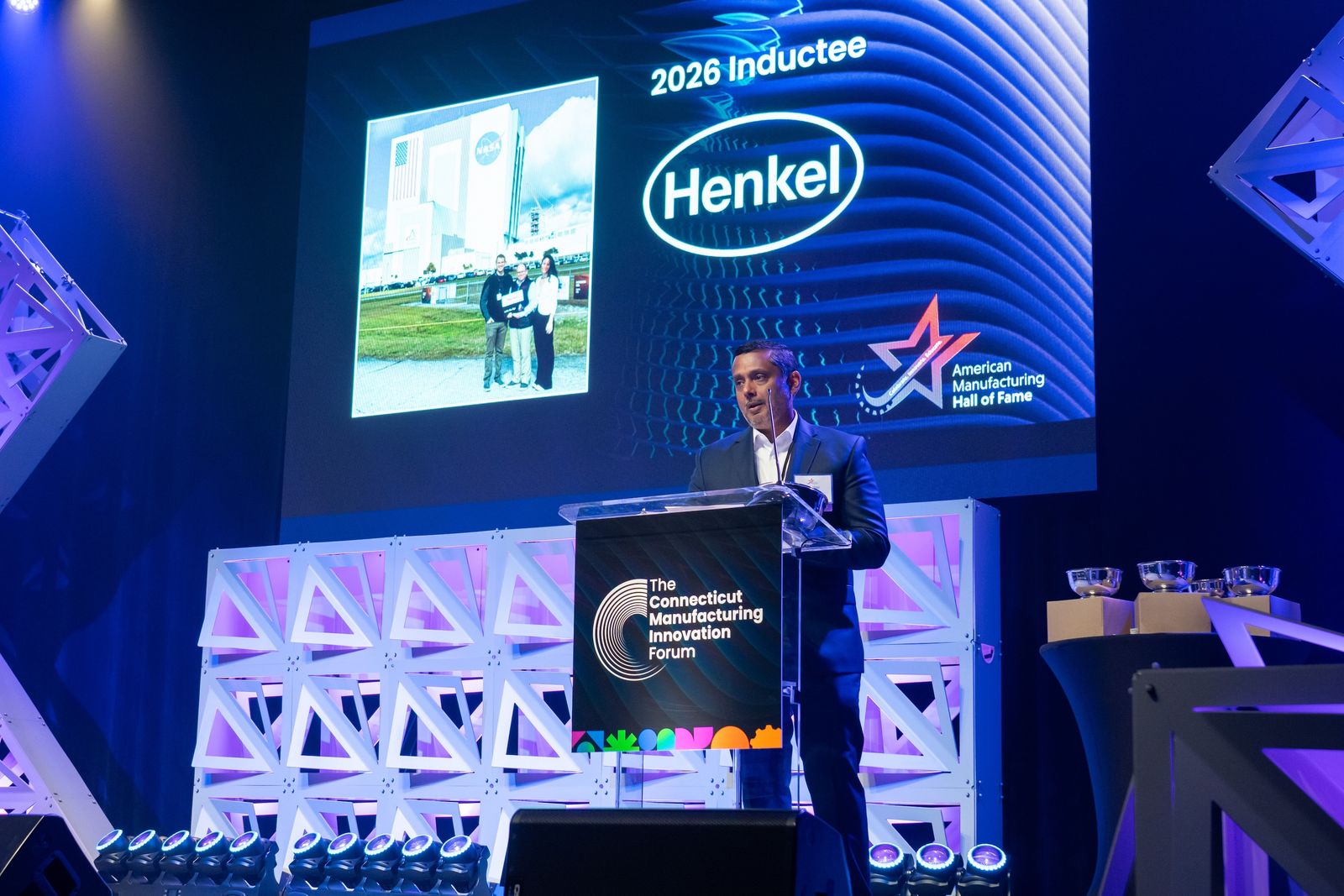
HARTFORD, Conn. /3BL/ – For more than 350 years, New England has been the birthplace of innovation—from deep dives of the first submarine in 1776 to innovations that soar—more than 190 New England manufacturers were suppliers of the historic ARTEMIS II moon mission this past April. To honor this legacy, the American Manufacturing Hall of Fame (AMHoF) inducted five ARTEMIS-themed Honorees into the 2026 American Manufacturing Hall of Fame. The Induction Ceremony was hosted by the State of Connecticut’s 2026 Connecticut Manufacturing Innovation Forum on September 1 at the Connecticut Convention Center and was presented by the Connecticut Office of Manufacturing. The theme of the 2026 Ceremony was ‘Celebrate Those Who Soar, ’ said Katy Toburen, 2026 Induction Chair. “ “This year’s Ceremony had a definite out-of-this-world vibe,” said 2026 Honorary Induction Chair Senator Richard Blumenthal.
AMHoF’s 2026 Inductees, both ARTEMIS suppliers, were Henkel Corporation of Rocky Hill, CT, and Ensign-Bickford Aerospace & Defense of Simsbury, CT.
The 2026 Youth Innovator Honoree, sponsored by Trumpf Inc, is the Avon High School Engineering & Manufacturing Pathway program as NASA’s “HUNCH” program finalist.
“At TRUMPF, we believe innovation starts with investing in people, and we are honored to celebrate these young makers and the exciting future they represent,” said Heidi-Melanie Maier, Vice President, Technical Services, TRUMPF Inc.
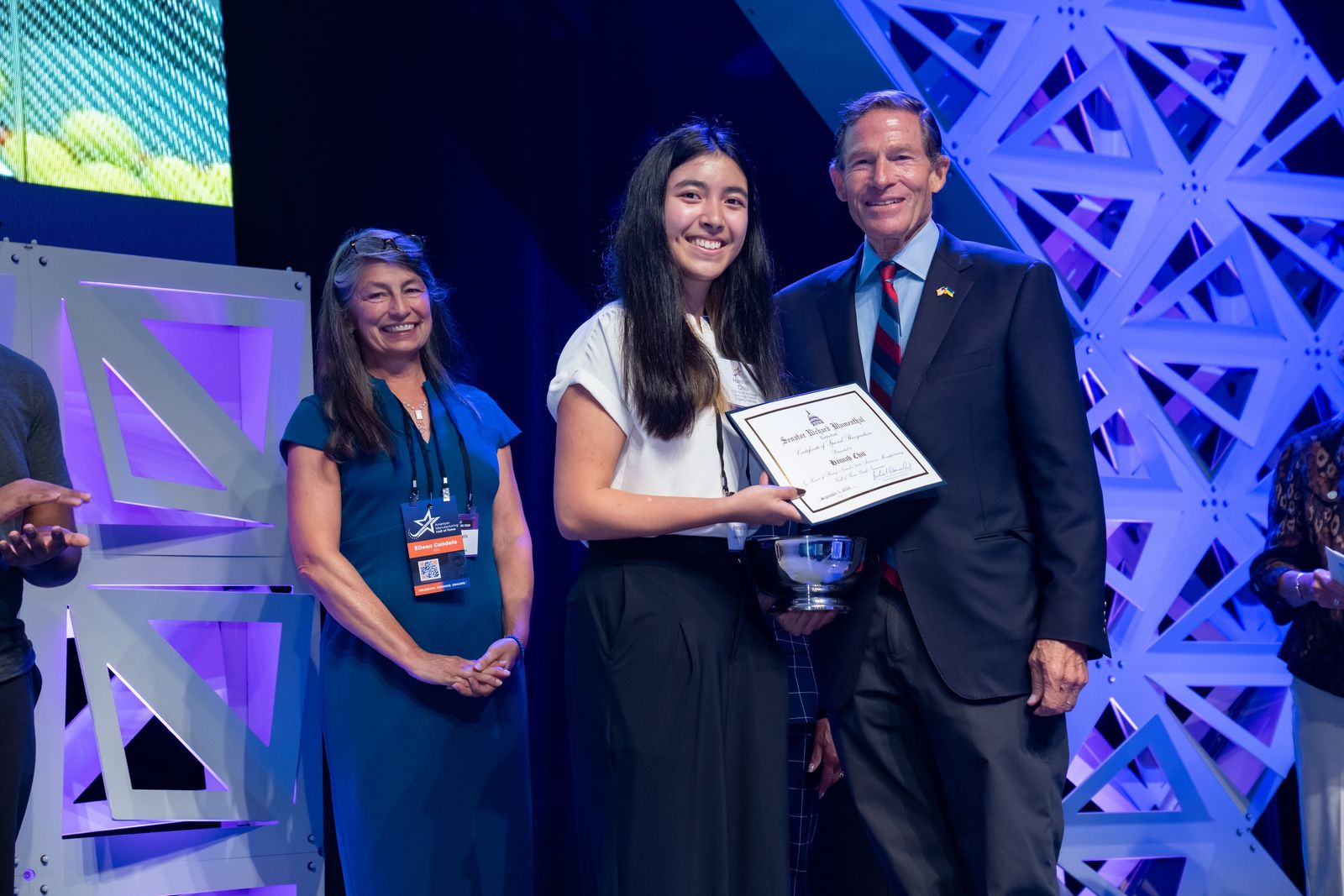
<em>Senator Richard Blumenthal presents Senate Citations to 2026 Youth Innovator Hannah Chiu and to </em>members of Avon High School’s 2025-26 Engineering & Manufacturing Pathway program—NASA’s 2026 HUNCH Design and Prototype Lunar Sample Collector Finalists. (Photo courtesy of American Manufacturing Hall of Fame)
AMHoF’s newest category, Youth Robotics, celebrated the next generation’s work in robotics. The Youth Robotics Honorees were the Blue Dragon Robotics Team from Middletown High School and the Aces High Robotics Team from Suffield and Windsor Locks High Schools.
After presenting the Youth Innovators with their Senate Citations, Senator Blumenthal noted, “The next generation of NASA scientists may be standing on our stage today.” Celebrating its 150th anniversary this year, Henkel Corporation is a global leader in adhesives, sealants, and functional coatings. With its North American headquarters in Rocky Hill, Connecticut, Henkel contributed to the Artemis missions in advanced materials technology for demanding spaceflight applications. “Our exceptional team of colleagues in manufacturing, product development, commercial, and other functions plays a role in making space exploration possible by advancing aerospace innovations and manufacturing technologies that help enable some of the world’s most ambitious missions and shape the future of space exploration,” said George Thomas, Senior Vice President of Industrials North America at Henkel. The American Manufacturing Hall of Fame was formed in 2014 by a passionate group of manufacturing stakeholders with the mission to “Celebrate, Innovate, Educate.” Each year, AMHoF selects inductees to celebrate manufacturing’s storied innovation while bolstering manufacturing’s future through education. Since our inception 12 years ago, AMHoF has inducted and celebrated 43 companies, 15 Manufacturing Leadership/Innovators and has provided over $300,000 for scholarship and educational programs. “Connecticut’s manufacturing legacy is built on decades of investment, innovation, and ingenuity that provide solutions for complex challenges,” said Kirti Patel, DECD Deputy Commissioner and CT Chief Manufacturing Officer. “The accomplishments of this year’s American Manufacturing Hall of Fame honorees showcase the incredible technical talent and capabilities across our state, which continues to inspire the next generation to pursue careers and opportunities in Connecticut’s advanced technology and manufacturing sector.” Ensign-Bickford pioneered the first mining safety fuse in 1836. Today, out of an historic Simsbury factory, Ensign-Bickford Aerospace & Design continues to soar as a key ARTEMIS II supplier. “Generations of talent have brought ingenuity, craftsmanship, and commitment to Ensign-Bickford Aerospace & Defense – and today, EBAD’s work supports some of the most demanding and critical missions in the world. We are incredibly proud of our Connecticut roots, proud of the legacy we’ve built here, and excited about what comes next,” said Lisa Brown, Ensign-Bickford Aerospace and Defense Market Segment Director for Launch Vehicles.
<em>George Thomas, Senior Vice President of Industrials North America at Henkel Corporation, 2026 AMHoF Inductee. </em>(Photo courtesy of American Manufacturing Hall of Fame)
As members of Avon High School’s 2025-26 Engineering & Manufacturing Pathway program, three seniors, Reese Montminy, Keshav Kamathia, and Hannah Chiu, engineered a 3D-printed lunar sample container designed to help ARTEMIS astronauts safely collect and transport moon rocks. Out of thousands of entries nationwide, Reese, Keshav and Hannah were NASA’s 2026 HUNCH Design and Prototype Lunar Sample Collector Finalists. Connecticut is home to 300 First Robotics teams, which is a state-funded partnership overseen by Ready CT. AMHoF honored its first two First Robotics teams for excellence. Blue Dragon is a six-member robotics team of juniors and seniors from Middletown High School. They are Tournament Champions at two First Robotics events this past year. Aces High Robotics team is comprised of students from both Windsor Locks and Suffield High Schools and qualified for the 2026 FIRST Championship. “CLA is honored to be a founding sponsor of the American Manufacturing Hall of Fame and to participate in acknowledging the achievements of this year’s distinguished honorees in the field of manufacturing,” said Brett Bushnell, Principal at CLA. “Our sponsors RBC Bearings, Founding Sponsor CLA, Trumpf Inc., Ensign-Bickford Aerospace & Defense, Collins Aerospace, Raymond James and Connecticut Office of Manufacturing help support AMHoF’s important outreach programs designed to cultivate our next generation of makers,” said Toburen. CONTACT: Jay Sloves/860-930-07750 or jay@elkinsonsloves.com
Marina Bay Sands’ 12th annual charity festival featured three days of entertainment, games, gourmet food and family fun to raise funds for and showcase the work of Singapore community service organizations. The event has generated more than $40 million for local causes since its inception in 2013.
On Aug. 28-30, Marina Bay Sands’ 2026 Sands for Singapore Charity Festival offered the community a spectacular three days of live music and dance performances, shopping-for-a-cause, and gourmet pop-ups and games – all with the purpose of raising funds for local charities.
Through events held during the 12th edition of the festival at Marina Bay Sands’ Event Plaza as well as in the eight weeks leading up to the event, fundraising activities and community engagements delivered more than $5.5 million to organizations that empower people with disabilities, uplift low-income families and support vulnerable communities.
In total, the festival’s cumulative contribution to local charitable causes since its inception in 2013 is $40 million, reflecting 12 years of collective giving and community partnership.
“We are deeply heartened by the generosity of the public, our Team Members and our partners in rallying behind charitable causes through the annual Sands for Singapore Charity Festival,” Paul Town, chief operating officer at Marina Bay Sands, said. “Hospitality is fundamentally about bringing people together, and we believe that ability can be harnessed to strengthen communities and create positive impact beyond our doors.”
Fundraising for the 2026 Sands for Singapore Charity Festival kicked off several weeks before the event with Dine for Good, a new campaign across 12 of Marina Bay Sands’ celebrity chef and signature restaurants. From Aug. 1-30, proceeds from 12 hallmark dishes, including Maison Boulud’s coq au vin and Yardbird’s chicken and waffles, were channeled to the AWWA Enabled Living @ Bedok program, a community co-living pilot launched in December 2025 to empower people with disabilities to live more independently within public rental housing. Diners were able to contribute simply by enjoying meals with friends and family.
Another new fundraising effort this year was Impact Match, a digital game specially created for this festival to raise awareness for NorthLight School, a specialized institute that provides future-ready and values-driven education to help young people thrive. Festivalgoers of all ages raced to match identical school supplies in rows or columns and assembled 1,088 digital school packs over three evenings at the Event Plaza.
These initiatives complemented returning programs such as the Good Bites Market, which delivered proceeds from five gourmet pop-ups at Marina Bay Sands to AWWA. The popular Giving Marketplace was reimagined with a boutique-inspired concept that gave 12 local nonprofits, social enterprises and small businesses a more curated and visually engaging space to showcase their crafts and share the stories behind their causes.
The new concept provided a more experiential avenue for visitors to discover purpose-driven brands while connecting with the communities they support. Proceeds were retained by participating organizations, which included APSN, a long-term Marina Bay Sands partner that offered handcrafted cookies made by apprentices with disabilities; ART:DIS, which offered lifestyle products and corporate gifts created by artists with disabilities; and The Shy Crafter, a small business that showcased whimsical earrings and miniature dinosaur sculptures.
Other pre-festival fundraising, community engagement and volunteer service activations by Marina Bay Sands Team Members included assembling 30,000 hygiene kits for vulnerable communities in Singapore and the Philippines through the annual Sands Cares Global Hygiene Kit Build. Team Members also created beaded wristlets led by seniors from Care Corner Singapore’s Active Ageing Centre and supported adults with intellectual disabilities from MINDS during an outing to ArtScience Museum’s teamLab Future World.
A central component of the Sands for Singapore Charity Festival is the Community Chest Heartstrings Walk and Race to the Sky Marathon, which Marina Bay Sands has co-organized with Community Chest since 2011. On the morning of Aug. 29, nearly 200 people participated in the Race to the Sky Vertical Marathon by climbing 57 stories to the iconic Sands SkyPark.
In the evening, around 3,700 people gathered for the Community Chest Heartstrings Walk, which followed a scenic route around Marina Bay. The leisurely walk raised funds for more than 300 social service programs and projects, benefiting over 94,000 users, including people with disabilities, at-risk youth, families and seniors in need, and people with mental health needs.
The annual Sands for Singapore Charity Festival is the cornerstone of Marina Bay Sands’ charitable efforts and part of the global Sands Cares community engagement program, which orchestrates philanthropic giving, nonprofit capacity-building and Team Member volunteerism to ensure Sands’ regions remain great places to live, work and visit.
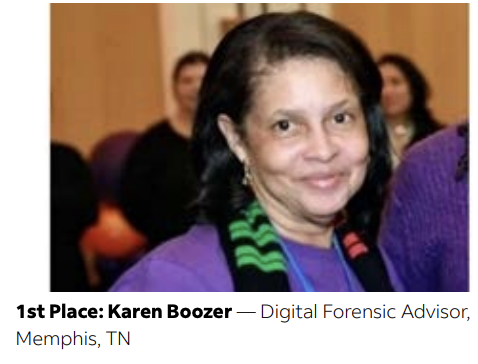
The FedEx Founder’s Fund Award was established to honor Frederick W. Smith, who founded FedEx in 1973 and spent more than five decades building a global company rooted in service to others. When Mr. Smith passed away in June 2025, he left behind a legacy that lives on in the team members who carry his spirit of generosity into their own communities. Our 2025 winners embody that legacy by giving their time, talents, and hearts to the causes and people they care about.
A 42-year FedEx veteran, Karen has built a lifetime of service rooted in lessons from her grandmother and mother, who taught her that everyone has something to give — whether knowledge, talent, time, or resources. She serves as an Assistant Scoutmaster with Scouting America and is a familiar face at FedEx Cares events across Memphis including with Operation Warm, Mid-South Food Bank, Habitat for Humanity, Special Olympics, and St. Jude Children’s Research Hospital.
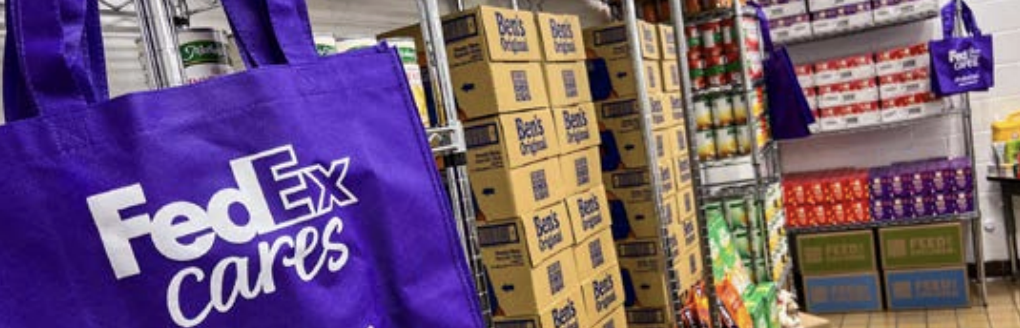
FedEx helped to unite Gleaners Food Bank of Indiana, Feeding America, and the Indianapolis Colts to pack 6,800 lbs of food and 5,700 meals for families in Indiana. This effort is one of many we support as part of our FedEx Air & Ground NFL Players of the Week program where we donate $4,000 to the weekly winners, enough to provide 40,000 meals every week of the season.
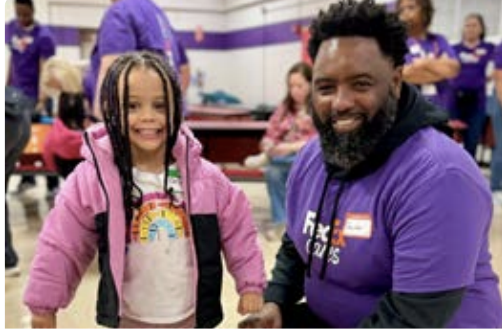
20,000 new coats for kids
In 2025, FedEx team members shipped and delivered more than 20,000 brand-new Operation Warm coats to children across the U.S. and Canada. Over 10 years of working together, FedEx and Operation Warm have delivered more than 1.7 million coats, and other essential items including shoes, socks, and sports bras, helping children feel warm, confident, and ready to learn.
Across countries and cultures, FedEx shows up for our communities
Through FedEx Cares, team members across the globe step up to make a difference in their communities — whether that means packing meals, pulling planes, planting trees, or reading stories to kids. Here are a few examples of that commitment in action in 2025.
Packing 70,000 meals with Rise Against Hunger
More than 250 FedEx Cares volunteers in Toronto and Singapore came together with Rise Against Hunger to package over 70,000 meals destined for communities in Cuba and Cambodia. The event is part of a collaboration dating back to 2014, where FedEx supports the nonprofit by hosting meal-packing events and providing charitable shipping to transport food and aid to schools and disaster zones. It’s a model for how logistics expertise, volunteer energy, and community connections can combine to tackle food insecurity. Read more about the event.
Restoring a community soccer field in Argentina
In Buenos Aires, FedEx volunteers partnered with Habitat for Humanity to refurbish the soccer field at Juventud Libre Club in the Los Ceibos neighborhood — a space that serves more than 400 children and adults every day. Read more about the event.
Plane pull to fight avoidable blindness in Canada
Over 1,500 FedEx team members and supporters across Toronto, Calgary, and Vancouver took part in Orbis Canada’s Plane Pull for Sight, literally pulling a 60-ton FedEx 757 cargo plane across the tarmac to raise more than $282,000 for eye care programs around the world. Read more about the event.
Sharing the magic of reading in Mumbai
FedEx Cares volunteers teamed up with United Way Mumbai on the “Let’s Read” project, visiting under-served schools to gift storybooks and donate mini libraries. The initiative supports 900 children across three schools, sparking imagination and a lifelong love of reading. Read more about the event.
Eagles for good at the FedEx Open de France
At the 2025 FedEx Open de France, FedEx and the Arbor Day Foundation planted 500 trees on farmland near the tournament site in Versailles, plus 25 additional trees for every eagle scored during the tournament. Since 2014, FedEx and the Arbor Day Foundation have planted over one million trees worldwide. Read more about the event.
A second chance, built by many hands
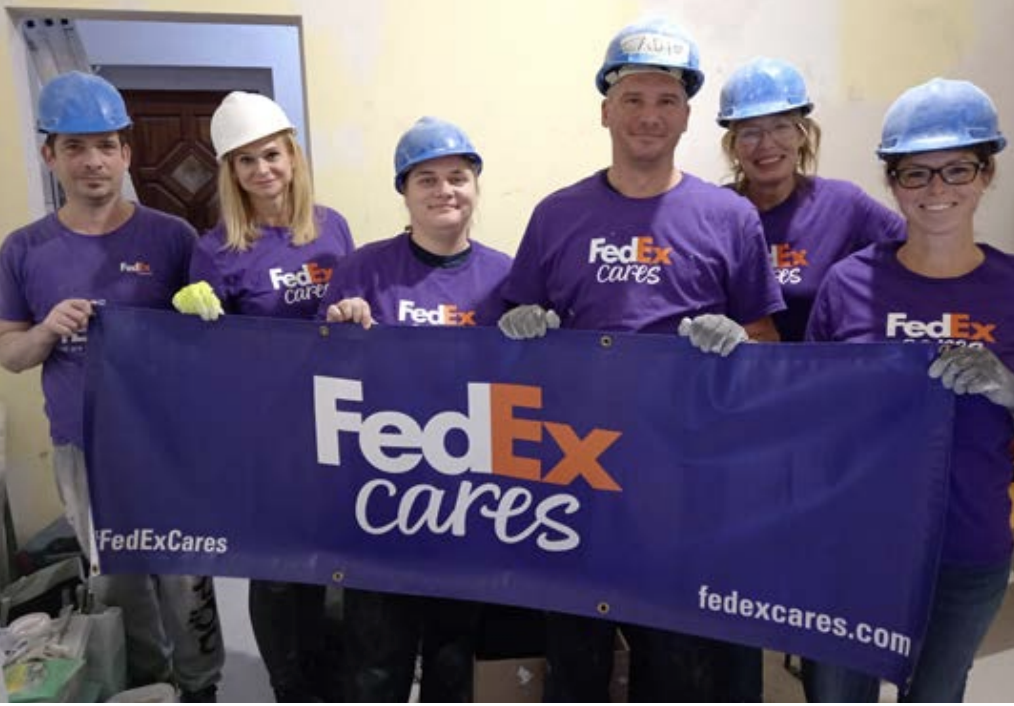
FedEx volunteers joined Habitat for Humanity Hungary’s Second Chance program to help renovate a vacant municipal apartment in Budapest — one of many uninhabitable units being transformed into safe, affordable homes for families rebuilding after housing insecurity. Working together, the team tackled a full slate of renovation tasks in a single day: preparing the subfloor, smoothing and priming walls, and painting. Their work will help ensure a family will have a secure, dignified place to call home.
Purple totes grant contest
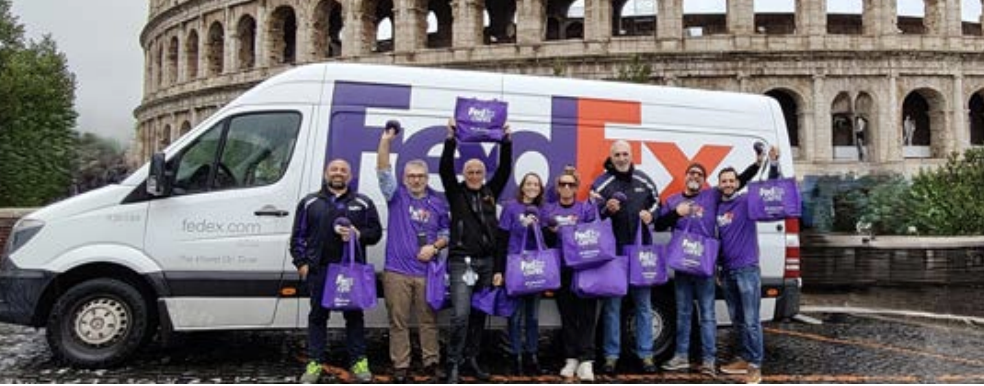
2025 was a record-breaking year for the Purple Totes Contest, with over 4,700 team members filling 3,500 totes with essential items for 74 nonprofits.
Community involvement
FedEx and Feed the Children won the 2025 US Chamber Foundation’s Best Community Improvement Program for our work in launching the Food & Essentials Hub Program to curb childhood insecurity in our headquarters city of Memphis and other U.S. cities
By Libby Richards, Senior Community Engagement Manager
The Best Buy Teen Tech Center at the Fox Road Boys & Girls Club in Raleigh had barely opened its doors this May when the kids took over. Within hours, they were designing products, firing up donated Lenovo technology, and one student had already pocketed more than $100 selling earrings, stickers, and custom creations she made on-site.
That moment captured exactly what Lenovo hoped this partnership would make possible: giving young people the technology and the opportunity to turn their creativity into real-world skills.
A space where every week looks a little different
One of the things I love the most about the Best Buy Teen Tech Center is that there is no single story to tell about the impact it has on the students. On any given week, you might walk in to find students learning bitmap tracing and using design software to create embroidered patches. The next week, they’re vinyl cutting and heat pressing their own clothing designs. This summer, staff have built programming around students’ favorite interests—from Rocket League and Mario Kart to Super Smash Bros. using the center as a home base for creativity and technology learning.
One of the most popular tools in the center is the laser cutter. Students create their designs on Lenovo computers before sending them to the laser cutter and watching their ideas come to life.
“At Lenovo, we believe technology should meet young people where their imagination already is,” said Robert Eckard, Director, Consumer Product Management, Lenovo. “We’re proud to partner with Best Buy to put powerful tools in the hands of the next generation, giving students the opportunity to turn their ideas into design, self-expression and new possibilities.”
Powerful technology makes creativity possible
Everything, from laser cutting and embroidery software to game design, graphic work, 3D printing, and video production, requires serious computing power. These aren’t simple tasks. The software demands a lot, and when you’re running multiple stations with students all creating at the same time, the machines have to keep up.
We’re proud that Lenovo technology gives students the performance they need to explore ambitious ideas—whether that’s graphic design, digital fabrication, video production or creating products to sell.
In a space where our goal is to give young people real skills and real experiences, the quality of the tools matters. Lenovo understands that and this relationship reflects it.
What’s ahead
While students are making the most of their summer break, the center has been busier than ever. Yet the mission never changes: give students access to powerful tools, teach them how to use those tools with purpose, and then get out of their way.
That’s the vision Lenovo and the Best Buy Foundation built this center around – partnering with community organizations like the Fox Road Boys & Girls Club to equip young people with the technology skills to shape their own futures. Lenovo’s commitment to making that technology accessible is what turns the vision into reality.
The young people in this room are already showing what’s possible when creativity meets opportunity. We’re excited to see what they build next.
With 10 facilities and over 3000 employees locally, Baker Hughes is part of Brazil’s drive to develop a successful matrix of cleaner energy sources.
In late 2025, Brazil was at the center of the world’s climate conversation, hosting COP30 and establishing an Open Coalition for Carbon Market Integration. This initiative aims to harmonize standards in global carbon trading systems and to boost liquidity, predictability, and transparency in the sector.
As the world aspires to better things, it demands more of industry. Industry responds with scalable processes, innovative breakthroughs, and continuous improvements. Energy sources are how we fuel these industrial outcomes as a society. This requires traditional sources, new energy, and sources yet to be discovered. The interdependence between industrial outcomes and energy sources is The Energy Equation™, underpinned with the non-negotiable element of sustainability.
Brazil is a world leader in advanced biofuels and constantly working to lower the carbon footprint of its oil and gas development. Baker Hughes is working locally to streamline global supply chains to incorporate local expertise as well as helping make the extraction of hydrocarbons as clean as it can be. Let’s find out how, with key examples of recent projects.
Rewriting The Energy Equation™ with zero-emissions offshore operations
Around 95% of Brazil’s oil production originates offshore, sometimes as much as 300 kilometers from the nearest land. Since the country’s ultra-deep oil reserves are the largest in the world, investment in lowest-carbon extraction for the coming decade is a priority for Petrobras, the Brazilian majority state-owned multinational corporation in the petroleum industry.
In 2023, Baker Hughes was awarded the contract to supply turbomachinery, combined-cycle technology and other gas processing equipment to the BM-C-33 project in Brazil’s offshore Raia field – a joint development of Equinor, Repsol Sinopec Brasil, and Petrobras.
The technology is currently being assembled in Brazil, and Baker Hughes expects its implementation to result in a 20% reduction in carbon emissions for floating, production, storage and offloading (FPSO) vessels compared to similar open-cycle FPSOs with the same power demand.
Vinicius De Mattos, Latin America Sales Leader in Gas Technology Equipment, Baker Hughes.
Tech explainer A Floating Production, Storage, and Offloading (FPSO) unit is a specialized vessel used by the offshore oil and gas industry to process, store, and transport hydrocarbons directly from subsea fields. These vessels are typically converted tankers or custom-built ships. They receive oil and/or gas via risers, treat it, store it, and offload it to tankers. They are used in deepwater, remote, or marginal fields, providing a cost-effective alternative to fixed platforms and pipelines.
“Although combined cycle processing is well-known and well used onshore, transferring this complex, energy-efficient technology to an offshore environment, which has limitations on weight and space, and additional safety concerns, is another challenge,” says Vinicius De Mattos, Latin America Sales Leader in Gas Technology Equipment for Baker Hughes.
Gas processing has huge power demands, but by using a combined-cycle system, a proportion of extracted gas can be used first to drive a turbine which transforms its energy into electricity. The considerable heat generated by that process is then used to transform treated water into steam to drive a second turbine and produce additional energy – which can be self-consumed in running the offshore platform’s various needs.
“Generally, gas extracted by offshore production units is shipped to shore to a gas treatment facility that normalizes the gas to pipeline conditions in the country,” says De Mattos. “With offshore processing, gas is treated insitu and can be used offshore or transported to land in a form ready for distribution.”
Such projects also advance the global offshore oil and gas objective of achieving electrified fuel extraction platforms.
For Priscila Farias, Regional Segment Director of Subsea for Baker Hughes in Latin America, the application of mechanical engineering to solve the problems of society is paramount. She and her colleagues in Brazil are leveraging this shared passion to develop new, more efficient solutions across the upstream value chain.
For Farias, this begins with the need for well completion systems that are safe, reliable and limit the environmental impact of their installation and operation. Baker Hughes has deployed electric completion technologies in Brazil to accomplish that, including the SureCONTROL Premium and SureCONTROL Max interval control valves. Her team is also working to develop fully electric subsea trees, which would make the complex machinery that controls the flow of fluids from wells more responsive, reliable, and simple to install.
Priscila Farias, Regional Segment Director of Subsea, Baker Hughes in Latin America
Rewriting The Energy Equation with flexible pipes in pre-salt fields
Pre-salt is the current geological frontier of oil and gas development in Brazil. Vast reserves are being tapped in offshore basins at water depths between 2,000 and 3,000 meters. These reservoirs can lie beneath additional post-salt sediments and pre-salt caps of up to 2,000 meters each.
Tech explainer The pre-salt in Brazil refers to massive, high-quality oil and natural gas reserves trapped under a thick layer of salt (up to 2,000 meters thick) beneath the seabed off the southeast coast, primarily in the Santos and Campos basins. Discovered in 2006, these reservoirs are located at extreme depths (about 7,000 meters below the sea surface), requiring advanced, high-cost technology to access. The reserves lie beneath a 2,000m-thick salt layer, which is itself below 2,000m of post-salt sediments and 2,000-3,000m of water.
The fields also have high concentrations of carbon dioxide, which can cause corrosion in the steel reinforcement layers of flexible pipe systems used to carry the product back to the surface. The issue of stress corrosion cracking (SCC) due to CO2 is particularly acute for Petrobras, who also uses flexible pipe systems to reinject CO2 from its production operations into wells. This reuse of carbon can eliminate flaring and enhance oil recovery. However, due to SCC-CO2 many current flexible pipes need to be retrieved and replaced after five to 10 years of operation.
Tech explainer Stress Corrosion Cracking induced by CO2 (SCC-CO2) is a critical failure mode in high-strength carbon steel armor wires within flexible pipe risers, primarily identified in deepwater oil and gas fields. It occurs when high CO2 levels permeate into the annular space and combine with water, leading to localized anodic dissolution and cracking of the steel carcass. This compromises the pipe’s integrity.
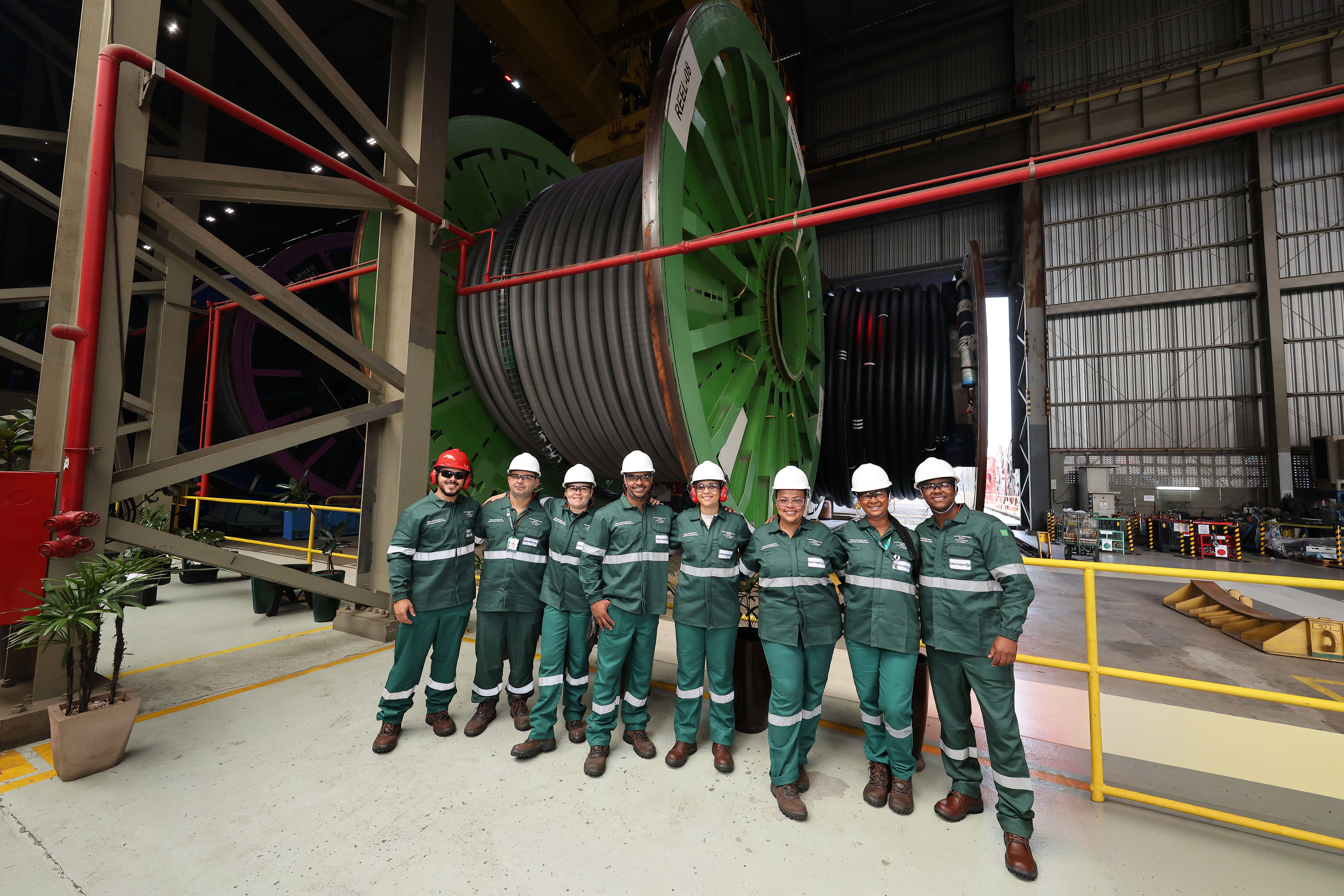
Baker Hughes colleagues at the Niteroi Flexible Pipe Systems facility, in Brazil
Baker Hughes is helping Petrobras address this challenge, and in March 2025, the two companies signed a joint technology development agreement to develop a definitive solution for SCC-CO2. The pre-commercial agreement encompasses development and testing, as well as a purchase option of the resulting next-generation flexible pipes, which will have an extended service life of 30 years in high-CO2 environments. The collaborative effort between Baker Hughes and Petrobras will be primarily executed at Baker Hughes’ Rio de Janeiro Energy Technology Innovation Center (RETIC) and nearby flexible pipe systems manufacturing plant.
Fabio Pires, Senior Engineering Manager at RETIC, has dedicated 20 years to the development and manufacturing of Baker Hughes’ flexible pipes. He encourages his team of 70 researchers and engineers to constantly challenge their assumptions about materials and processes. They stay close to what their customers need – to deeply understand the pain points and to propose solutions that best utilize available resources. “I’m talking about raw materials, steels, polymers…etc.,” Pires says. “By developing our design methodology and tools, we can ensure that we manufacture a product that requires less material. All the while, deploying efficient production processes, reducing carbon footprint, costs and time to delivery.”
Tech explainer Flexible pipe systems deliver reliable, robust production solutions for the life of an oil or gas field. Flexible pipe risers, jumpers, flowlines, and fluid transfer lines push past the operational boundaries of their carbon steel counterparts. As flexible pipes are manufactured onshore and come ready to install, they significantly minimize the need for offshore welding and can be installed much more quickly – up to 20 times faster depending on the method. Find out more here.
Pires looks also to the not-too-distant energy future when long-life, flexible pipe systems will contribute to the widespread adoption of carbon capture, utilization and storage (CCUS), and to the transportation of hydrogen and ammonia. “We will have the technology to help industry access a more sustainable energy future,” he says.
“We have new energies in Brazil, which are growing at a fast rate. And our Brazil-based research always has the future in mind,” Pires says “As Baker Hughes, we are helping to grow Brazil.”
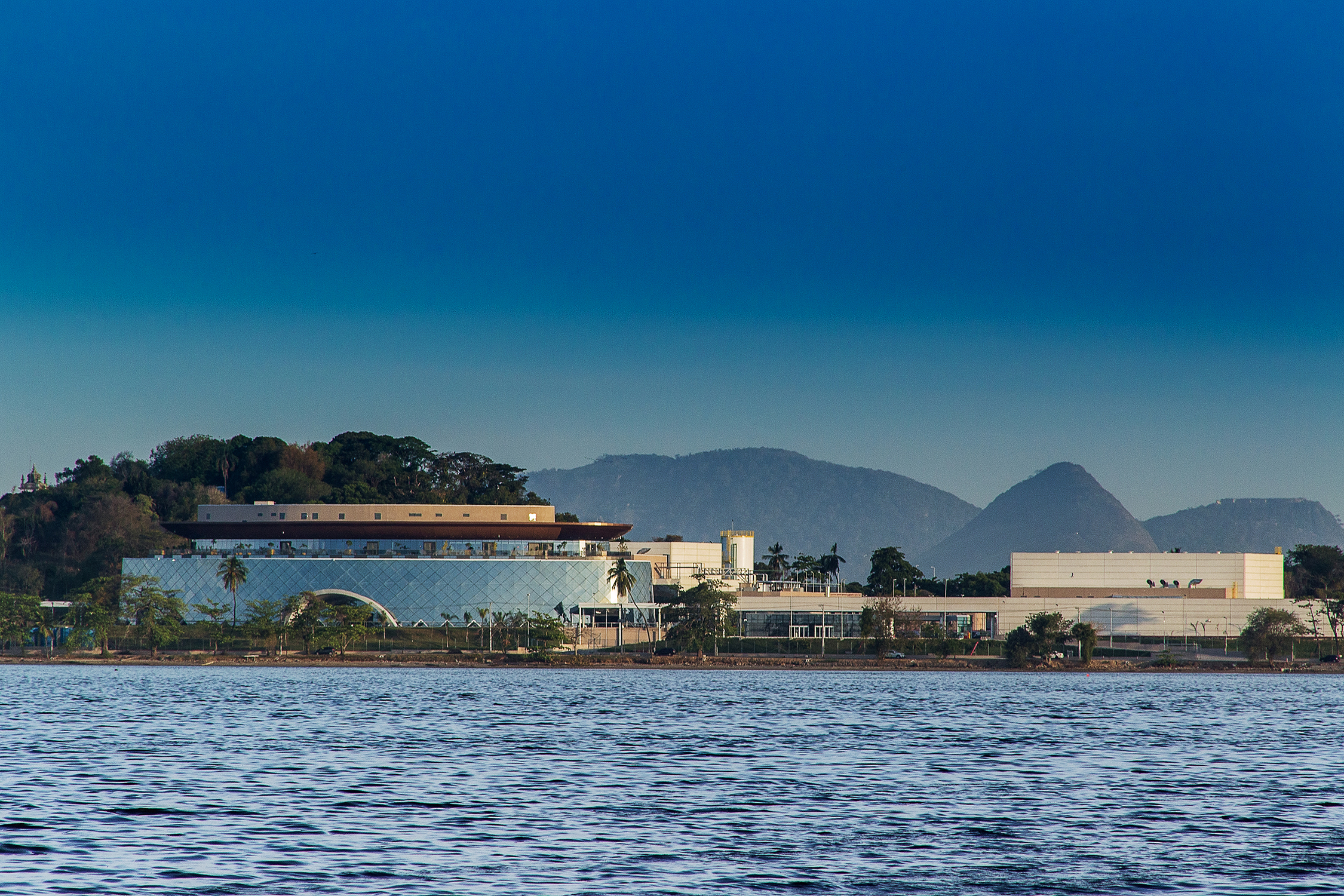
Rio de Janeiro Energy Technology Innovation Center (RETIC), Baker Hughes
In 2025, Petrobras awarded Baker Hughes multiple contracts for intelligent and electric completions across multiple fields, including the company’s first all-electric completions system as part of the Buzios 3 development.
“The unique challenges of pre-salt production in Brazil have led to significant advances in drilling and completion technologies too, not just flexible pipes,” Farias says. “Baker Hughes has been at the forefront of this, and we will supply a range of technologies tailored specifically to our customer’s deepwater, high-pressure offshore development needs, with the aim of limiting costly interventions.”
Tech spotlight Baker Hughes’ SureCONTROL Premium interval control valve (ICV), for example, was developed specifically to provide enhanced reliability in controlling the high flow rates in Petrobras’ offshore fields. This technology allows the operator to respond remotely to evolving well conditions across multiple zones, in real time.
Investment and forward thinking by Baker Hughes have helped establish the country’s place in the energy and technology supply chains. Vinicius De Mattos explains that over many years, the company has identified local manufacturing strengths, such as electric motor and flexible pipe production. Such components of the overall oil and gas industry infrastructure can now be included in any Baker Hughes equipment package for supply around the globe.
“When we talk about localization,” says De Mattos, it doesn’t mean that we localize everything. However, I can locally source the ‘balance of plant’ items such as all supporting systems and components required to connect, protect, and operate a power asset (electrical, cooling…etc.), that are competitively made in Brazil. That is, we can import already tested, ready to install turbomachinery from one of our global facilities and add all the other accessories that are produced with local ingenuity in-country.”
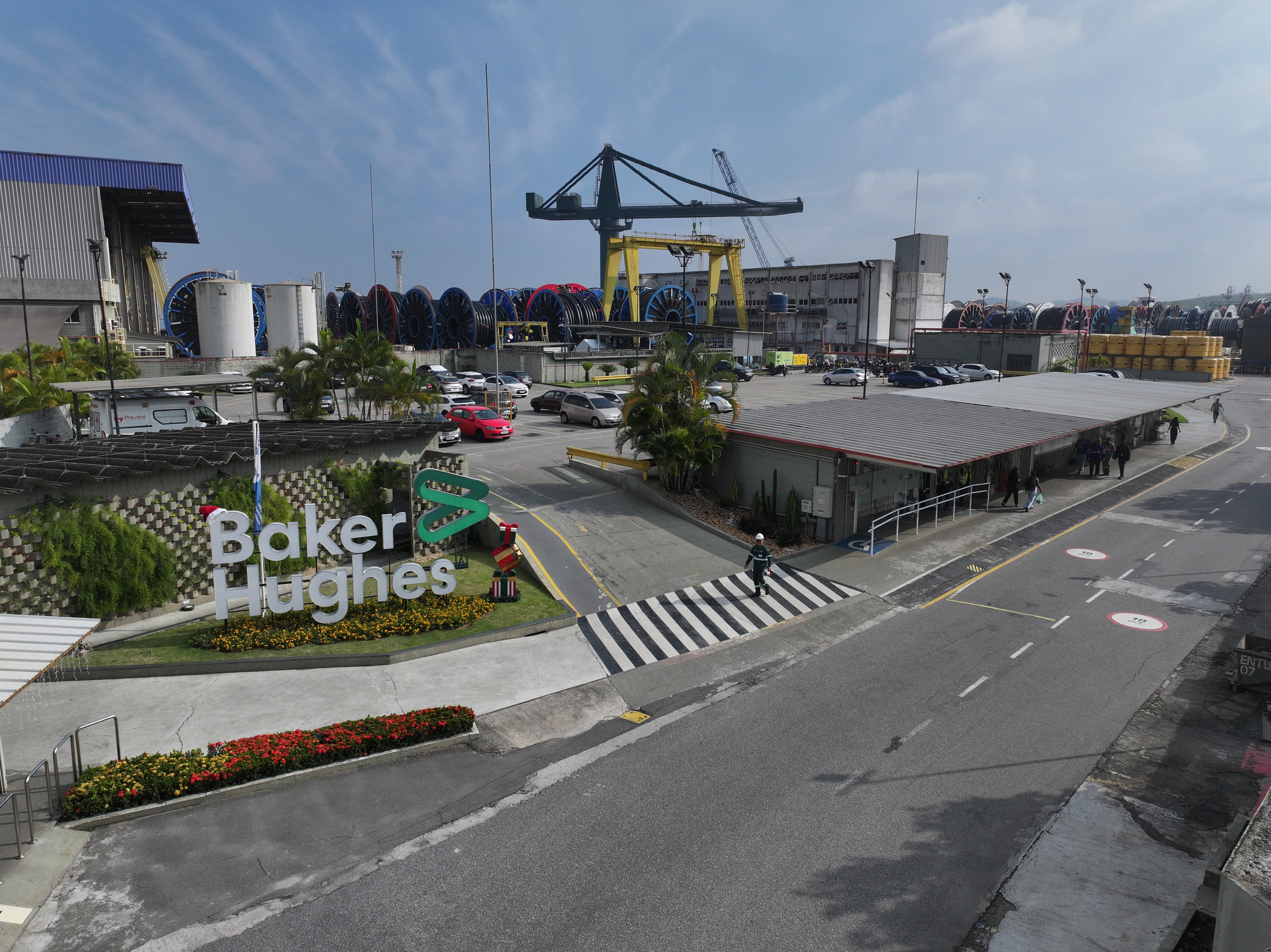
Baker Hughes' Flexible Pipe Systems manufacturing facility in Niteroi near Rio, Brazil
Baker Hughes also trains field service personnel and invests in tooling to maintain its installed gas turbines in Brazil., “We have deployed a huge fleet, and we must have the ability to service this very heavy, super-critical equipment in country, so that we can reduce downtime for our customers, and save on transportation and other factors.” says De Mattos. You can read the latest news here.
“I’m a passionate Baker Hughes employee, but I’m also a Brazilian, and I want those two things to converge,” De Mattos says. “The best equipment to maximize production in Brazil, is going to bring income to the country via taxes and increase high-value employment opportunities for the people of Brazil.”
He and his colleagues promote this approach among all Baker Hughes suppliers locally.
“They have to think about how they can be good enough to compete, not only in country under a localization agreement – they have to evolve to become world-class suppliers in their fields,” De Mattos says. “That way we can proudly include their products as Brazilian-made in our global supply chain.”
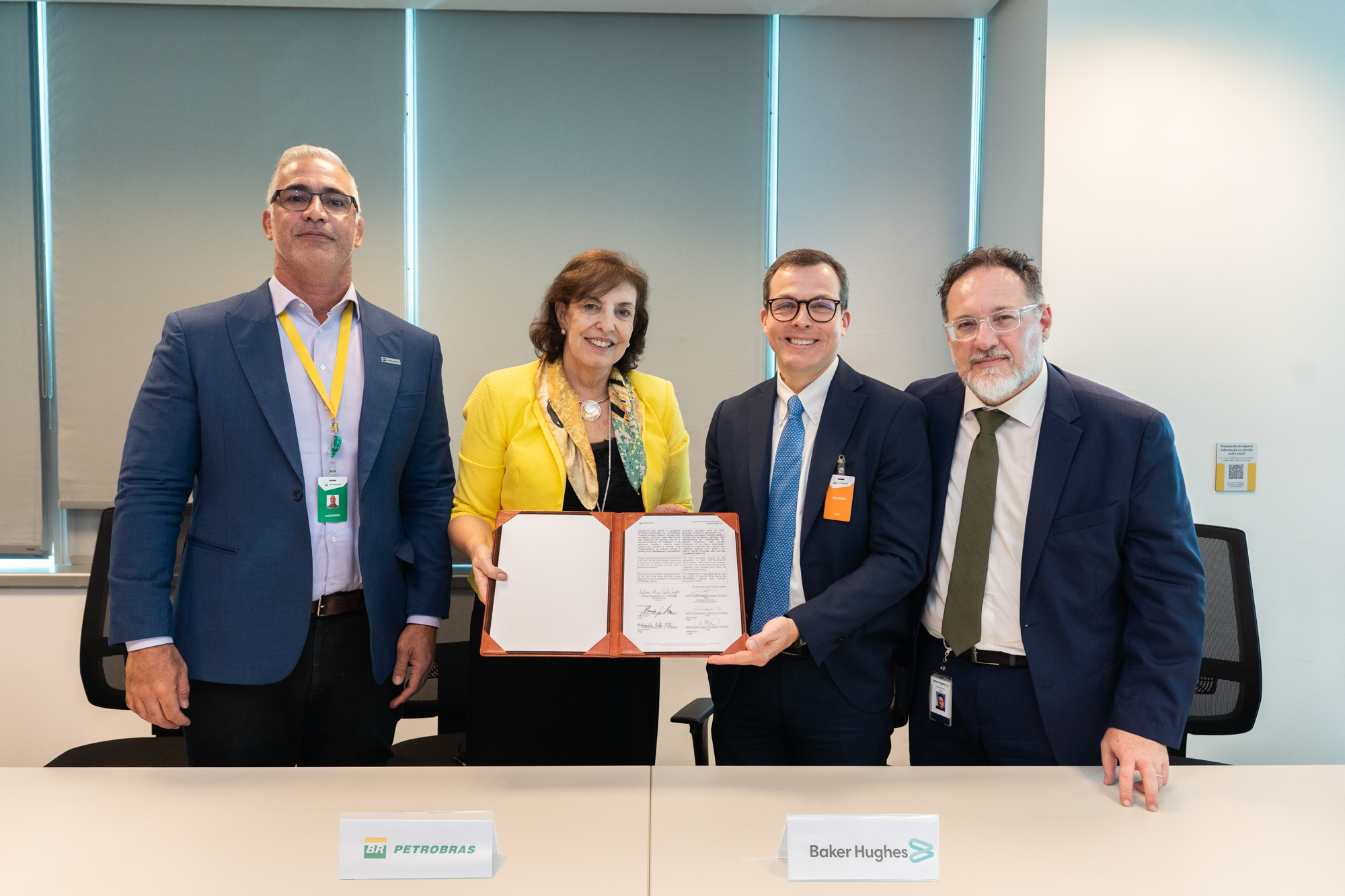
From left to right: Alexandre Alves (Chief Procurement Officer, PETROBRAS), Sylvia dos Anjos (Executive. Director of E&P, PETROBRAS), Alejandro Hernandez (VP Americas, Baker Hughes), David Cresta (Gas Technology Services Sales Director, Latin America, Baker Hughes) during the recent signing of a strategic service agreement for critical turbomachinery equipment, announced in March 2026
As part of Baker Hughes in Brazil, De Mattos says he feels energized knowing that the company’s contribution is key for the energy industry in his home country and around the world. This includes supporting a safe environment, providing comfortable homes for people, and producing the food needed to feed the planet.
“It is not only for today, but it is about driving evolution of the industry to a sustainable role in the future,” he says. “Everything is going to depend on energy and Baker Hughes is positioning itself today, developing technologies that will be part of this bright future.”
DENVER, October 5, 2026 /3BL/– Kroenke Sports & Entertainment (KSE) announced today a three-year partnership renewal with KeyBank – one of the nation’s largest bank-based financial services companies, with more than 50 branches in Colorado – which includes a new designation for KeyBank as the exclusive Official Retail Bank Partner of the Colorado Avalanche.
Through the partnership, KeyBank will assume naming rights for what will now be known as the KeyBank Ice Deck – an exclusive, all-inclusive premium seating area on the glass – and a new KeyBank Small Business Spotlight program highlighting Colorado-based small businesses through segments on Altitude Sports television and radio, digital media, and in-game elements at Ball Arena. KeyBank also will serve as presenting sponsor of the next three regular-season home openers and the annual Avalanche Alumni Game at the University of Denver. The KeyBank logo will appear in center ice at Ball Arena, under the Avalanche logo, and on banners inside the Arena’s Grand Atrium (west) entrance.
“KeyBank is proud to return as the Official Retail Bank of the Colorado Avalanche, building on a relationship that dates back to the team’s first puck drop 30 years ago,” said Chris Picardi, KeyBank Colorado Market President. “For three decades, we’ve been honored to serve Colorado families, businesses and communities while sharing in the excitement and pride Avs hockey brings to our state. This partnership reflects our deep roots in Colorado and our ongoing commitment to investing in the places where we live and work. We are excited to begin this next chapter with the Avalanche and look forward to all we can accomplish together.”
As an original partner since the franchise came to Denver in 1995, KeyBank has been with the Avs through more than 1,428 wins and three Stanley Cup Championships. Last season, KeyBank was the presenting sponsor of the Avs Alley watch parties for the 2026 Stanley Cup Playoffs.
“KeyBank has been an exceptional partner of the Colorado Avalanche, sharing our commitment to excellence, innovation, and making a meaningful impact throughout our community,” said Lacy Ekert, Chief Commercial Officer at Kroenke Sports & Entertainment. “As we continue this longstanding relationship, we are excited to build on the strong foundation we’ve created together and deliver memorable experiences for our fans while supporting initiatives that strengthen Colorado. We are proud to extend and expand our partnership with KeyBank and look forward to the continued success we will achieve together.”
The KeyBank Ice Deck includes eight all-inclusive tickets on the glass in the corner of the Avs’ attack-twice side. To check availability, visit AvalanchePremium.com.
KeyCorp’s roots trace back more than 200 years to Albany, New York. Headquartered in Cleveland, Ohio, Key is one of the nation’s largest bank-based financial services companies, with assets of approximately $191 billion at June 30, 2026. Key provides deposit, lending, cash management, and investment services to individuals and businesses in 15 states under the name KeyBank National Association through a network of approximately 950 branches and approximately 1,100 ATMs. Key also provides a broad range of sophisticated corporate and investment banking products, such as merger and acquisition advice, public and private debt and equity, syndications and derivatives to middle market companies in selected industries throughout the United States under the KeyBanc Capital Markets trade name. For more information, visit https://www.key.com/. KeyBank Member FDIC.
About Kroenke Sports & Entertainment
Denver-based Kroenke Sports & Entertainment (KSE) is one of the world’s leading ownership, entertainment, and management groups. KSE’s portfolio of professional sports teams and venues include Arsenal F.C. (EPL), Los Angeles Rams (NFL), Denver Nuggets (NBA), Colorado Avalanche (NHL), Colorado Rapids (MLS), Colorado Mammoth (NLL), SoFi Stadium, Emirates Stadium, Ball Arena, DICK’S Sporting Goods Park, and the historic Paramount Theatre. Additional properties under KSE’s umbrella include Altitude Sports & Entertainment, a 24-hour regional television network; Altitude+, the direct-to-consumer streaming service; KSE Radio, which includes Altitude Sports Radio 92.5 FM, MIX 100, KOOL 105 and Altitude Sports Radio 950 AM; and Outdoor Sportsman Group, the largest media company devoted to outdoor sports.
PRINCETON, N.J., October 5, 2026 /3BL/ – Bristol Myers Squibb (NYSE: BMY) recently announced the expansion of Champions in Care, the company’s initiative honoring healthcare professionals (HCPs), first launched in 2025. Now in its second year, the campaign builds on its inaugural effort that celebrated HCPs across therapeutic areas through digital, social and live engagement. This year’s expansion introduces new opportunities for HCPs to extend their impact beyond patient care and into the communities they serve.
As part of this year’s campaign, Bristol Myers Squibb will award $1 million in grants to nonprofit organizations supporting medically underserved communities across the United States. Grant applicants will be identified through an anonymous nomination process designed to recognize organizations helping to close gaps in care. We welcome nominations from HCPs, who we know are uniquely positioned to understand their communities’ most pressing needs and the barriers patients face in accessing care.
“Last year, we launched Champions in Care to recognize the extraordinary impact HCPs have on patients, families and communities,” said Adam Lenkowsky, executive vice president, chief commercialization officer, Bristol Myers Squibb. “This year, we’re building on that foundation by giving HCPs the opportunity to acknowledge organizations that support the medically underserved communities they serve.”
More information about the nomination process and criteria can be found here. The deadline for nominations is November 30, 2026. Nomination does not guarantee funding; nominated organizations may be invited to apply for a grant and will be considered through a separate review and selection process before any awards are made.
Throughout the remainder of the year, Bristol Myers Squibb will bring Champions in Care to life through additional social, digital and live medical meeting activations that celebrate HCPs and highlight their contributions to patients and communities around the world.
For more information about Champions in Care and how Bristol Myers Squibb is recognizing the HCPs that care for all of us, visit www.ChampionsInCare.com.
About Bristol Myers Squibb: Transforming Patients’ Lives Through Science At Bristol Myers Squibb, our mission is to discover, develop and deliver innovative medicines that help patients prevail over serious diseases. We are pursuing bold science to define what’s possible for the future of medicine and the patients we serve. For more information, visit us at BMS.com or follow us on LinkedIn, X, YouTube, Facebook and Instagram.
SANTA BARBARA, Calif., October 2, 2026 /3BL/ – Direct Relief has announced a milestone campaign to raise $40 million to support more than 2.5 million safe births worldwide. The effort expands upon the organization’s long-standing mission to equip healthcare providers in resource-limited regions where maternal mortality, stillbirth, and newborn mortality rates remain critically high.
“Childbirth should be a moment of possibility, not one where a mother’s survival depends on whether the clinic she reaches has the right medicine or equipment,” Weaver said. “Every woman deserves skilled care, and every provider deserves the tools to deliver it. We want to help make that basic expectation a reality for millions more mothers and babies.”
As of 2023, more than 90 percent of all maternal deaths occurred in low- and middle-income countries, and most could have been prevented, according to the World Health Organization. The majority of deaths occurred in sub-Saharan Africa, and often occur as a result of severe bleeding, infections, pre-eclampsia and eclampsia, and complications from delivery.
To address these challenges, Direct Relief’s campaign will focus on three core areas: equipping frontline health providers, including midwives; closing resource gaps for local health systems; and strengthening those systems for the future through climate-resilient infrastructure.
Equipping Midwives on the Frontlines of Care
Midwives serve as essential health providers during pregnancy and childbirth, managing routine deliveries and triaging obstetric emergencies. To support them, Direct Relief created Midwife Kits containing essential items for safe delivery. Endorsed by the International Confederation of Midwives, or ICM, these kits have equipped providers across 35 countries.
“Each kit contains 61 items—from newborn resuscitation tools and baby scales to magnesium sulfate for preventing eclampsia. These are things that prevent maternal and neonatal emergencies. It’s lifesaving equipment,” said Dr. Faith Adole of the U-VOL Foundation, which has received Direct Relief Midwife Kits and used them during training for midwives and health providers in Nigeria.
“Once we brought in the Midwife Kits from Direct Relief, we were able to provide more advanced training in low-resource settings. The kits didn’t just supplement our curriculum—they elevated it.”
The kits have been used in disaster settings after emergencies, including in northwest Syria after the 2023 Turkey-Syria earthquake. Hiba, a midwife who asked that her full name not be used due to security concerns, said Midwife Kits from Direct Relief supported care for women post-earthquake when supply lines into the country became interrupted.
“These are the best kits we receive,” she said. “The contents are all there, like the scales and other delivery tools. And especially in the cases of emergency delivery attempts, everything is there, and we don’t have to buy any additional items to be prepared.”
In Haiti, midwives continued providing care during political unrest and violence, compounded by the impacts of Category 5 Hurricane Melissa. Tezita Negussie of the organization Konbit Sante explained that the lack of medication and supplies in Haiti places an ongoing burden on physicians and midwives.
“One of the most needed sets of materials is what you offer,” she told Direct Relief. “It’s critical.”
Since 2012, Direct Relief has delivered over 6,000 Midwife and Replenishment Kits to midwives in low-resource settings, facilitating an estimated 300,000 deliveries.
Direct Relief has also provided emergency funding to support midwives in areas affected by disaster and humanitarian crisis. In recent years, the organization has provided grant funding in response to natural disasters to increase emergency obstetric services in the Philippines, Nepal, Indonesia, and Haiti, among others.
Protecting Mothers and Babies, Before and After Birth
In addition to delivery-centered support, Direct Relief targets medical aid to address pre- and post-natal complications. The organization developed a Perinatal Health Kit, designed to treat and prevent complications for women and babies that can occur in the time before and after giving birth, including preeclampsia/eclampsia, prevention of premature birth, infection, and respiratory distress. The kits have been deployed to pilot sites in Bangladesh, Somaliland, Malawi, and Tanzania.
The organization also developed a Fistula Repair Module, which contains surgical supplies needed to equip surgeons treating obstetric fistula, a birth injury that can occur during prolonged and obstructed labor. The kit has been officially endorsed by the International Federation of Gynecology and Obstetrics, or FIGO, and has been shipped to 25 countries.
This commitment signals a ramping up of support for maternal and child health, at a time when needs are high, and health systems are forced to do more with less, Weaver said.
“A healthy start can change the course of a life,” Weaver said. “Our commitment is not only to a single moment of care, but to the health providers and local systems that women and families rely on before, during, and after childbirth.”
If I had to choose today, I would join Cascale again — more certain now than I was on day one.
The first 100 days were less glamorous than LinkedIn posts can make them look: financial stewardship, board governance, sharper priorities for the second half of the year, facing long-standing issues directly, listening hard, and engaging system thinkers to understand where Cascale can contribute most. In those early days, I also joined C-suite leaders at Stanford who are wrestling with the same challenge: how to turn ambition into action.
Then came the two weeks that closed the chapter: my first Cascale Annual Meeting, with 600 of you in Athens and online, confronting a question that does not flinch:
Value Chain Transformation: Who Pays, Who Profits, and What Changes?
And then New York Climate Week. My highlight there was a small dinner with members and partners, in a room quiet enough for people to say what was really on their minds. That, to me, is where progress begins: in honest rooms, well before polished statements or perfect alignment.
I have carried a tension since I was a 15-year-old, long before I knew I would lead an organization built to address it. This industry has enormous power to lift families out of poverty. And, if we are not careful, it can leave real costs behind — in the water, the air, and the health of the people who make what the rest of us wear and use every day.
I grew up watching both in one small textile town in China. Factories arrived with jobs. Electric light replaced oil lamps. My father could finally afford a new shirt instead of patching the old one yet again.
Then, slowly, the river changed color. The sky grew heavy with smog. My parents coughed through winters that did not use to make people cough.
I was a teenager holding both truths at once: industry as opportunity, and industry as responsibility. I have never stopped holding both.
That is why, in Athens, I opened with that story instead of a strategy deck — you’re welcome. It is the most honest answer to why I am here.
Over the past 100 days, I have listened — to the team, to members, to partners, to allies and to skeptics alike. Nearly 150 conversations across the value chain, often anchored in the same three questions:
What is working?
What is getting in the way?
If you had a magic wand, what would you change?
Your answers were clear.
You value Cascale’s convening power: a community that spans the value chain, connected by the Higg Index, shared data powered by Worldly, and relationships built over more than 15 years.
None of this starts from zero. Coming out of tech — not exactly an industry known for handing out compliments freely — I am in awe of what already exists here: 15 years of Higg Index data, a technology layer built by Worldly, and shared infrastructure at a scale few industries have managed to build. Inside that system sit numbers that should stop us in our tracks:
200 million metric tons of carbon emissions — 2.8 times Greece’s annual total.
3.5 trillion liters of water — enough drinking water for nearly two billion people for a year.
14 million livelihoods.
Behind those numbers sits an enormous responsibility.
As I said in Athens, and again in New York: a thermometer can tell you that you have a fever, but it cannot cure you. For 15 years, this industry has built one of the most important thermometers it has ever had. Now our job is to help turn measurement into treatment: insight into collective action, and collective action into results.
You also told me, clearly, what needs to change:
Too much fragmentation — too many players, projects, and parallel efforts.
Too much data without enough action.
Manufacturer voices still not heard strongly enough.
Cascale and Worldly roles need to be clearer.
Members need a sharper value proposition they can explain internally — including to their CFOs.
Manufacturers asked us to treat them as partners, and to do more than measure them. Brands and retailers asked for data they can trust, and for help acting on it together.
Some of this is needed now: clearer strategy, clearer value, clearer roles, and practical improvements members can feel. Some of it takes longer: less fragmentation, data turned into decisions, a big tent, manufacturers at the table, and collective action that changes outcomes.
I heard you, and the short-term work is not waiting on the long-term answer. Here is what you asked for, what we are doing this quarter, and where it leads. The full Q4 calendar is on Cascale Connect.
Member Ask
Short-Term Action (Q4 2026)
Long-Term Direction
A value proposition I can explain internally, including to my CFO
Business value of sustainability for each member type. A clear guide to what members can expect from Cascale membership. Monthly policy monitoring across the EU, U.S., and APAC, and policy deep dives on trade (October webinar) and energy (November).
A clear and enhanced value proposition from the 2030 strategy; Higg Index data mapped more clearly to CSRD and other regulatory frameworks
Clearer Cascale and Worldly roles
A clear division: Cascale convenes members and stewards the methodology; Worldly delivers the platform.
Cascale investing in turning measurement into shared insight and collective action
Data turned into action
New Peer Action Groups turning Higg FEM data into practical action. The Higg BRM 2025 Benchmark and the Member Analytics Portal, with new FEP, and GHG dashboards. Climate Partnership (October) and biomass (November) peer exchanges, and the quarterly Climate Action and Decent Work Communities of Practice.
Data into decisions, and collective action that changes outcomes
Manufacturer voices heard
A revamped governance approach through the Technical Advisory Council (TAC), the Membership & Stakeholder Advisory Council (MAC), and task forces including Higg FSLM CAF 2.0 Scoring. The Better Buying Snapshot Survey opens in October, giving manufacturers an anonymous way to rate the purchasing practices of the brands they work with.
Manufacturers at the table as partners
Less fragmentation
Deciding where Cascale leads, where it convenes, and where it steps back, as part of the 2030 strategy now in development.
Fewer parallel initiatives, and more problems solved together through programmatic partnerships
A pathway for small and mid-sized members
Smaller brands and retailers get a baseline from the Higg BRM, benchmarked against peers. The new ESG Improvement Program pilot takes small cohorts through focused sprints to close foundational gaps, each ending in a concrete deliverable. The FEP Module, the Foundational Environmental Performance question set drawn from Higg FEM, gives smaller factories a simpler way in (Ask Me Anything: FEP, October).
Clear segmented services by membership type; the next EIP cohort enrolled
The Higg FEM remains the backbone of how this industry measures facility environmental performance, and the Higg FEM 2026 cadence goes live this quarter. The FEP Module builds on it, using Higg FEM questions, as another way in for smaller factories or factories new to this journey.
On roles, Cascale convenes members and builds the foundation: the methodology, shaped with members, of what is worth measuring and why. Worldly turns that into software members use at scale. What we have not invested in enough — and what 15 years of data now makes possible — is the third piece: turning measurement into shared insight and collective action. That is where Cascale is putting renewed focus.
December brings the longer answer. The system map we began in Athens will become a 10-year vision, a 2030 strategy, and 2027 priorities. When you see it, I hope you will recognize what you told us.
That value has to be earned. There is trust to rebuild. There are manufacturers who still do not feel fully heard. There are brands waiting for clearer value. There is an industry asking us to help run fewer parallel initiatives and solve more problems together. That is a fair challenge.
I cannot promise perfection. I cannot promise we will do everything everyone asks. But I can promise this:
We will keep listening, especially when it is uncomfortable.
We will be clear about where Cascale leads, where Cascale convenes, and where Cascale should step back.
And we will measure ourselves by what changes on the ground.
Here is the challenge in front of us: to turn the largest shared sustainability and risk intelligence this industry has built into collective action — data into decisions, ambition into results — for a resilient supply chain, a livable planet, and decent work for the hands that make it possible.
As Goethe wrote:
“Knowing is not enough; we must apply. Willing is not enough; we must do.”
That is the work ahead. And we are just getting started.