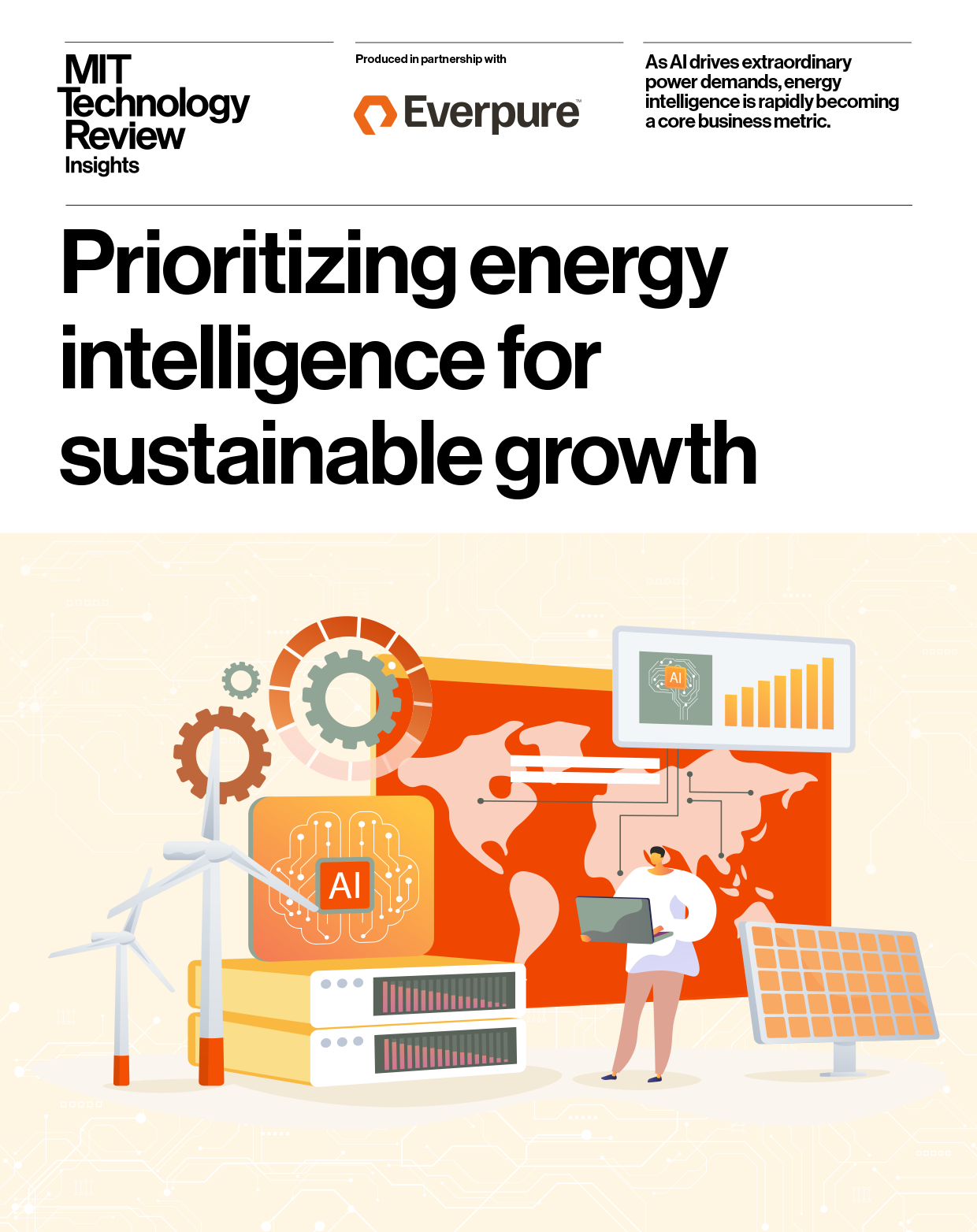
NEW YORK, March 4, 2026 /3BL/ – Governance & Accountability Institute (G&A), a leading sustainability consulting and research firm, has published a new Resource Paper to help pharmaceutical suppliers navigate the rapidly evolving sustainability requirements being imposed by their customers. The paper is available here.

As major pharmaceutical companies like AstraZeneca, Novartis, and GSK integrate climate action directly into their procurement strategies, their Tier 1 suppliers face a growing volume of sustainability-related data requests. With Scope 3 emissions representing as much as 88% of total emissions in biotech and pharma — driven primarily by purchased goods and services — suppliers are increasingly being asked to disclose greenhouse gas (GHG) inventories, set science-based targets, and participate in standardized disclosure platforms such as CDP and EcoVadis.

“Transparency on major sustainability issues has become a business imperative for Tier 1 pharma suppliers,” said Louis Coppola, CEO & Co-Founder of G&A Institute. “Their global customers are now contractually requiring key sustainability metrics, and a supplier’s ability to meet these expectations can directly impact its status as a preferred partner.”

G&A’s Resource Paper provides a clear, actionable framework covering:

  • Environmental requirements pharma companies are mandating, from GHG inventories and science-based targets to renewable energy sourcing and waste reduction”
  • Social and reporting expectations, including human rights disclosures and how to approach CDP questionnaires and EcoVadis assessments
  • A five-step supplier sustainability roadmap — Establish, Plan, Execute, Submit, Improve — to help organizations mobilize internal teams and manage multiple customer requests
  • Common pitfalls to avoid, such as waiting too long to begin, relying on low-quality data, and treating sustainability as a compliance exercise rather than a strategic advantage

Designed for sustainability leads, procurement teams, and finance executives, the paper supports cross-departmental alignment and informed strategic planning as suppliers respond to the pharmaceutical industry’s net-zero expectations.

“G&A is ready to help pharma suppliers strengthen relationships with existing customers and position themselves to attract new ones,” Coppola added. “From GHG accounting and SBTi target setting to CDP responses and EcoVadis surveys, our team provides end-to-end support across the sustainability journey.”

About G&A Institute, Inc.
Founded in 2006, Governance & Accountability Institute (G&A) is a New York–based sustainability consulting and research firm with deep advisory experience supporting corporate leaders and investors in integrating sustainability into governance, risk, enterprise performance, and evolving regulatory and stakeholder expectations. Backed by rigorous disclosure research and one of the industry’s most comprehensive benchmarking databases, we deliver insight that strengthens transparency, enhances competitiveness, and drives measurable return on investment.

More information is available on our website at ga-institute.com.

FOR MEDIA INQUIRIES & INTERVIEWS, CONTACT
Louis D. Coppola
CEO & Co-Founder 
Governance & Accountability Institute, Inc. 
Tel 646.430.8230 ext 14 
Email lcoppola@ga-institute.com

Facing cancer wasn’t easy, but Gretchen’s courage and a robotic-assisted surgical procedure gave her a second chance at life.

In this heartfelt conversation with her granddaughter and grandson, Gretchen opens up about her worries, shares the wisdom she’s gained, and answers their curious questions about her journey leading up to surgery. From fears to triumphs, her story is about resilience, family, and hope—things we can all relate to.

Watch the full episode of Open Book here and be inspired by Gretchen’s journey.

AMSTERDAM, HONG KONG, OAKLAND, Calif., March 4, 2026 /3BL/ – Cascale today announced the 2025 cadence of the Higg Brand & Retail Module (Higg BRM), reaffirming the commitment to continuous improvement and member-driven evolution. The Higg BRM 2025 cadence will run from March 3 through June 30, 2026.

The Higg BRM supports brands and retailers in measuring environmental, social, and governance performance across their operations and value chains. For the 2025 cadence, key updates include:

  • Company Profile: Members are required to complete specific Cascale membership requirement questions within this section.
  • Technical refinements: Minor updates to enhance usability and clarity.

Cascale will support members throughout the cadence, including through a member-only webinar on April 7 – members can click here to register!

“The Higg BRM remains a strategic module for sustainable and responsible business operations,” said Adrián Branco, Sr. Manager, Higg BRM at Cascale. “Each year, we refine the module to reflect member feedback, the latest trends in our industry, and evolving regulatory landscapes. Our goal is to support brands and retailers in assessing impacts, benchmarking performance, strengthening governance, and moving from measurement to meaningful action.”

The Higg BRM is a core component of the Higg Index framework and methodologies stewarded and governed by Cascale, and is delivered globally through Worldly’s technology platform. Collectively, the Higg Index is the leading sustainability measurement framework for the consumer goods industry. Through aligned governance, consistent methodology, and global collaboration, Cascale continues to strengthen the foundation for credible industry transformation.

Media Contact: Forster Communications, cascaleforster@forster.co.uk

ABOUT CASCALE

Cascale is the global nonprofit alliance empowering collaboration to combat climate change and support decent work in the consumer goods industry. Formerly known as the Sustainable Apparel Coalition, Cascale stewards and governs the Higg Index frameworks, modules and methodologies, while Worldly delivers the technology platform through which they are implemented globally. Cascale also recently acquired the Better Buying and Sustainable Furnishings Council tools. Cascale unites over 300 retailers, brands, manufacturers, governments, academics, and NGO/nonprofit affiliates around the globe through one singular vision: To catalyze impact at scale and give back more than we take to the planet and its people.

LinkedIn | Instagram | Facebook | YouTube

AMSTERDAM, HONG KONG, OAKLAND, Calif., March 4, 2026 /3BL/ – Cascale today announced the 2025 cadence of the Higg Brand & Retail Module (Higg BRM), reaffirming the commitment to continuous improvement and member-driven evolution. The Higg BRM 2025 cadence will run from March 3 through June 30, 2026.

The Higg BRM supports brands and retailers in measuring environmental, social, and governance performance across their operations and value chains. For the 2025 cadence, key updates include:

  • Company Profile: Members are required to complete specific Cascale membership requirement questions within this section.
  • Technical refinements: Minor updates to enhance usability and clarity.

Cascale will support members throughout the cadence, including through a member-only webinar on April 7 – members can click here to register!

“The Higg BRM remains a strategic module for sustainable and responsible business operations,” said Adrián Branco, Sr. Manager, Higg BRM at Cascale. “Each year, we refine the module to reflect member feedback, the latest trends in our industry, and evolving regulatory landscapes. Our goal is to support brands and retailers in assessing impacts, benchmarking performance, strengthening governance, and moving from measurement to meaningful action.”

The Higg BRM is a core component of the Higg Index framework and methodologies stewarded and governed by Cascale, and is delivered globally through Worldly’s technology platform. Collectively, the Higg Index is the leading sustainability measurement framework for the consumer goods industry. Through aligned governance, consistent methodology, and global collaboration, Cascale continues to strengthen the foundation for credible industry transformation.

Media Contact: Forster Communications, cascaleforster@forster.co.uk

ABOUT CASCALE

Cascale is the global nonprofit alliance empowering collaboration to combat climate change and support decent work in the consumer goods industry. Formerly known as the Sustainable Apparel Coalition, Cascale stewards and governs the Higg Index frameworks, modules and methodologies, while Worldly delivers the technology platform through which they are implemented globally. Cascale also recently acquired the Better Buying and Sustainable Furnishings Council tools. Cascale unites over 300 retailers, brands, manufacturers, governments, academics, and NGO/nonprofit affiliates around the globe through one singular vision: To catalyze impact at scale and give back more than we take to the planet and its people.

LinkedIn | Instagram | Facebook | YouTube

From simple sensors that reduce energy consumption to integrated IOT and building automation systems, to AI-powered supply chain management, technology has been and continues to revolutionize sustainability. Innovative businesses that enhance their sustainability efforts with technology are simultaneously reducing their carbon emissions, improving resilience, and importantly – reducing costs! 

In this post, we’ll explore practical, technology-driven strategies – ranging from quick operational wins to long-term transformational shifts – that help companies reduce their environmental impact, enhance efficiencies, and realize operational savings.

Why Reducing Environmental Impact Matters for Business

Businesses are realizing the competitive advantage of adopting sustainable practices. Customers, investors, and partners are paying closer attention to how companies manage their environmental impact, and those that take measurable action are earning trust – and business.

Regulatory requirements are shifting just as quickly. Stricter emissions targets, waste reduction mandates, and energy efficiency standards are already in place in many regions, with more on the horizon. Even as U.S. federal regulations are dialed back, states are rapidly filling in emerging gaps. Both California and New York are notable examples. Companies proactively addressing sustainability can avoid compliance headaches, minimize risk, and build more adaptable, future-proofed operations.

Learn more: How Business Leaders Are Getting Ready for a Net-Zero World 

Quick Wins: Low-Cost, High-Impact Changes

For businesses looking to make an immediate impact without significant upfront investment, small operational changes – powered by accessible technology – can lead to measurable sustainability gains.

Optimize energy efficiency

Energy efficiency is one of the fastest ways to lower costs and reduce environmental impact. Simple upgrades and automated systems like these can drive noticeable improvements:

  • Upgrade to LED lighting with motion controls. LED bulbs use up to 90% less energy than incandescent lighting and last significantly longer, while motion-sensing lights ensure energy is only used when needed.
  • Use smart thermostats. Automated temperature controls prevent unnecessary energy use in offices, warehouses, and other conditioned facilities.
  • Implement automated building automation or management software. These systems reduce energy consumption by powering down idle equipment and optimizing energy consumption. Consider integration with IoT-enabled equipment to maximize technology-assisted energy savings.

Reduce waste in daily operations

Waste reduction efforts not only cut disposal costs but also improve operational efficiency:

  • Digitize documents with cloud-based collaboration tools. Converting to fully digital workflows – especially in cases where paper notes need to be manually entered into your system – can significantly reduce material waste, save time, and improve documentation and record keeping
  • Use smart waste tracking systems. These tools analyze waste patterns, helping businesses minimize unnecessary disposal and identify recycling opportunities.

Conserve water and raw materials

Minimizing resource consumption reduces operational costs while supporting sustainability goals:

  • Install IoT-enabled leak detection systems and low-flow fixtures. Smart monitoring helps detect leaks early, while water-efficient faucets and toilets reduce unnecessary water usage.
  • Use smart irrigation systems. Automated, weather-responsive irrigation reduces outdoor water consumption without compromising landscaping needs.
  • Improve raw material use with intelligent inventory tracking. Data-driven insights help prevent over-ordering, reduce waste, and optimize supply chains.

These quick wins lay the groundwork for broader sustainability efforts. As businesses gain momentum, they can explore more advanced solutions.

Mid-Level Strategies: Investments with Long-Term Payoff

For businesses ready to commit resources to technology-driven sustainability improvements, mid-level strategies offer scalable solutions that balance cost and long-term impact.

Sustainable supply chain management

A sustainable supply chain reduces environmental impact while improving resilience and cost efficiency. This also contributes directly to Scope 3 inventories and progress towards targets. Leveraging technology-driven solutions enables greater transparency and efficiency:

  • Enhance supply chain visibility with digital tracking systems. Cloud-based platforms and analytics provide real-time monitoring of suppliers, material sourcing, and environmental impact, helping businesses ensure compliance with sustainability standards and avoid greenwashing risks.
  • Implement route optimization software. AI-powered logistics tools analyze traffic patterns and fuel efficiency, helping businesses cut transportation emissions and reduce fuel costs.
  • Consider transportation alternatives. Can goods or materials be transported via rail instead of road?

Renewable energy adoption

Investing in clean energy solutions is one of the most important and highest impact ways to help businesses lower carbon emissions and stabilize long-term energy costs:

  • Install AI-optimized solar panels. AI-driven energy management systems adjust solar panel usage based on peak demand and weather patterns, improving efficiency and maximizing energy savings.
  • Use smart grid technology. Businesses can optimize energy use with smart grid solutions, which use automation to monitor and control the flow of electricity from all generation sources to meet the varying electricity demands of end users.
  • Implement battery storage solutions. Energy storage systems allow businesses to capture and store excess renewable energy, ensuring reliability and reducing dependence on fossil fuels. Couple energy storage with AI-optimized solar panels for compounded benefits!

Implement environmental management systems

A digital environmental management system (EMS) provides a structured framework for tracking and improving sustainability performance:

  • Leverage ISO 14001-compliant EMS platforms. Cloud-based EMS software automates waste tracking, compliance reporting, and sustainability goal setting, reducing manual workload.
  • Use real-time data analytics for carbon tracking. AI-powered tools monitor energy use and emissions, providing actionable insights for reducing a company’s carbon footprint.
  • Integrate IoT sensors for environmental monitoring. Smart sensors track air and water quality, waste levels, and equipment efficiency, enabling proactive sustainability management.

These mid-level strategies create a strong foundation for long-term sustainability while providing measurable cost savings and compliance benefits.

Transformational Strategies: Sustainability as a Business Model

For companies looking to lead in sustainability, incremental improvements aren’t enough – technology and sustainability must be embedded into core business strategies.

Decarbonizing operations

Achieving net-zero emissions requires a data-backed approach.

  • Set science-based targets and establish and execute a detailed, implementable action plan to meet or exceed them. Seek support from experts, software, and technology. Aligning targets with climate science demonstrates commitment and leadership.
  • Invest in carbon capture and utilization technologies. Advanced filtration systems, direct air capture, and industrial CO₂ reuse solutions can significantly cut emissions while creating new revenue streams.

Product innovation and the circular economy

Shifting from a linear production model to a circular economy reduces waste and maximizes resource efficiency.

  • Implement product lifecycle tracking. Digital platforms monitor a product’s journey from raw materials to disposal, helping companies refine take-back programs, enhance recyclability, and extend product life cycles.
  • Explore sustainable materials and closed-loop manufacturing. Advances in bioplastics, alternative fibers, and recycled composites enable companies to reduce environmental impact while meeting performance and durability standards.

The right technology investments can accelerate sustainability progress while delivering financial and operational benefits. Whether implementing smart automation, optimizing energy use, or integrating circular economy principles, businesses that embrace these innovations will lead the way in environmental responsibility.

Ready to take the next step? Explore our guide Understanding the Crucial Role of Climate Scenario Analysis in Business Strategy, and connect with our experts in Corporate Sustainability Consulting.

From simple sensors that reduce energy consumption to integrated IOT and building automation systems, to AI-powered supply chain management, technology has been and continues to revolutionize sustainability. Innovative businesses that enhance their sustainability efforts with technology are simultaneously reducing their carbon emissions, improving resilience, and importantly – reducing costs! 

In this post, we’ll explore practical, technology-driven strategies – ranging from quick operational wins to long-term transformational shifts – that help companies reduce their environmental impact, enhance efficiencies, and realize operational savings.

Why Reducing Environmental Impact Matters for Business

Businesses are realizing the competitive advantage of adopting sustainable practices. Customers, investors, and partners are paying closer attention to how companies manage their environmental impact, and those that take measurable action are earning trust – and business.

Regulatory requirements are shifting just as quickly. Stricter emissions targets, waste reduction mandates, and energy efficiency standards are already in place in many regions, with more on the horizon. Even as U.S. federal regulations are dialed back, states are rapidly filling in emerging gaps. Both California and New York are notable examples. Companies proactively addressing sustainability can avoid compliance headaches, minimize risk, and build more adaptable, future-proofed operations.

Learn more: How Business Leaders Are Getting Ready for a Net-Zero World 

Quick Wins: Low-Cost, High-Impact Changes

For businesses looking to make an immediate impact without significant upfront investment, small operational changes – powered by accessible technology – can lead to measurable sustainability gains.

Optimize energy efficiency

Energy efficiency is one of the fastest ways to lower costs and reduce environmental impact. Simple upgrades and automated systems like these can drive noticeable improvements:

  • Upgrade to LED lighting with motion controls. LED bulbs use up to 90% less energy than incandescent lighting and last significantly longer, while motion-sensing lights ensure energy is only used when needed.
  • Use smart thermostats. Automated temperature controls prevent unnecessary energy use in offices, warehouses, and other conditioned facilities.
  • Implement automated building automation or management software. These systems reduce energy consumption by powering down idle equipment and optimizing energy consumption. Consider integration with IoT-enabled equipment to maximize technology-assisted energy savings.

Reduce waste in daily operations

Waste reduction efforts not only cut disposal costs but also improve operational efficiency:

  • Digitize documents with cloud-based collaboration tools. Converting to fully digital workflows – especially in cases where paper notes need to be manually entered into your system – can significantly reduce material waste, save time, and improve documentation and record keeping
  • Use smart waste tracking systems. These tools analyze waste patterns, helping businesses minimize unnecessary disposal and identify recycling opportunities.

Conserve water and raw materials

Minimizing resource consumption reduces operational costs while supporting sustainability goals:

  • Install IoT-enabled leak detection systems and low-flow fixtures. Smart monitoring helps detect leaks early, while water-efficient faucets and toilets reduce unnecessary water usage.
  • Use smart irrigation systems. Automated, weather-responsive irrigation reduces outdoor water consumption without compromising landscaping needs.
  • Improve raw material use with intelligent inventory tracking. Data-driven insights help prevent over-ordering, reduce waste, and optimize supply chains.

These quick wins lay the groundwork for broader sustainability efforts. As businesses gain momentum, they can explore more advanced solutions.

Mid-Level Strategies: Investments with Long-Term Payoff

For businesses ready to commit resources to technology-driven sustainability improvements, mid-level strategies offer scalable solutions that balance cost and long-term impact.

Sustainable supply chain management

A sustainable supply chain reduces environmental impact while improving resilience and cost efficiency. This also contributes directly to Scope 3 inventories and progress towards targets. Leveraging technology-driven solutions enables greater transparency and efficiency:

  • Enhance supply chain visibility with digital tracking systems. Cloud-based platforms and analytics provide real-time monitoring of suppliers, material sourcing, and environmental impact, helping businesses ensure compliance with sustainability standards and avoid greenwashing risks.
  • Implement route optimization software. AI-powered logistics tools analyze traffic patterns and fuel efficiency, helping businesses cut transportation emissions and reduce fuel costs.
  • Consider transportation alternatives. Can goods or materials be transported via rail instead of road?

Renewable energy adoption

Investing in clean energy solutions is one of the most important and highest impact ways to help businesses lower carbon emissions and stabilize long-term energy costs:

  • Install AI-optimized solar panels. AI-driven energy management systems adjust solar panel usage based on peak demand and weather patterns, improving efficiency and maximizing energy savings.
  • Use smart grid technology. Businesses can optimize energy use with smart grid solutions, which use automation to monitor and control the flow of electricity from all generation sources to meet the varying electricity demands of end users.
  • Implement battery storage solutions. Energy storage systems allow businesses to capture and store excess renewable energy, ensuring reliability and reducing dependence on fossil fuels. Couple energy storage with AI-optimized solar panels for compounded benefits!

Implement environmental management systems

A digital environmental management system (EMS) provides a structured framework for tracking and improving sustainability performance:

  • Leverage ISO 14001-compliant EMS platforms. Cloud-based EMS software automates waste tracking, compliance reporting, and sustainability goal setting, reducing manual workload.
  • Use real-time data analytics for carbon tracking. AI-powered tools monitor energy use and emissions, providing actionable insights for reducing a company’s carbon footprint.
  • Integrate IoT sensors for environmental monitoring. Smart sensors track air and water quality, waste levels, and equipment efficiency, enabling proactive sustainability management.

These mid-level strategies create a strong foundation for long-term sustainability while providing measurable cost savings and compliance benefits.

Transformational Strategies: Sustainability as a Business Model

For companies looking to lead in sustainability, incremental improvements aren’t enough – technology and sustainability must be embedded into core business strategies.

Decarbonizing operations

Achieving net-zero emissions requires a data-backed approach.

  • Set science-based targets and establish and execute a detailed, implementable action plan to meet or exceed them. Seek support from experts, software, and technology. Aligning targets with climate science demonstrates commitment and leadership.
  • Invest in carbon capture and utilization technologies. Advanced filtration systems, direct air capture, and industrial CO₂ reuse solutions can significantly cut emissions while creating new revenue streams.

Product innovation and the circular economy

Shifting from a linear production model to a circular economy reduces waste and maximizes resource efficiency.

  • Implement product lifecycle tracking. Digital platforms monitor a product’s journey from raw materials to disposal, helping companies refine take-back programs, enhance recyclability, and extend product life cycles.
  • Explore sustainable materials and closed-loop manufacturing. Advances in bioplastics, alternative fibers, and recycled composites enable companies to reduce environmental impact while meeting performance and durability standards.

The right technology investments can accelerate sustainability progress while delivering financial and operational benefits. Whether implementing smart automation, optimizing energy use, or integrating circular economy principles, businesses that embrace these innovations will lead the way in environmental responsibility.

Ready to take the next step? Explore our guide Understanding the Crucial Role of Climate Scenario Analysis in Business Strategy, and connect with our experts in Corporate Sustainability Consulting.

SANTA ROSA, Calif., March 4, 2026 /3BL/ – Keysight Technologies, Inc. (NYSE: KEYS) is proud to announce its collaboration on the Airbus UpNext SpaceRAN demonstrator, a pioneering initiative aimed at exploring the capabilities of 5G non-terrestrial networks (NTN) using advanced software-defined satellite technology, both on the ground and in orbit.

The rapid evolution of 5G NTN faces significant technical challenges, including seamless integration between terrestrial and non-terrestrial networks, reliable mobility management, and maintaining high-performance connectivity across dynamic satellite orbits. These hurdles are critical to enabling global coverage, low-latency communications, and future broadband and direct-to-handheld 5G services from space.

As part of the ground-based demonstration, Keysight is providing critical test and measurement solutions, including satellite channel emulation (PROPSIM) and user segment emulation (UeSim), along with supporting software. These tools will help validate key 5G NTN use cases such as beam handover, gateway handover, and mobility management between terrestrial and non-terrestrial networks.

The Airbus UpNext SpaceRAN demonstrator is designed to explore both broadband and direct-to-handheld 5G NTN capabilities. The project will conclude with the deployment of an advanced regenerative payload on an Airbus Low Earth Orbit (LEO) satellite, featuring on-board signal processing and integrated gNodeB functionality to enable efficient and flexible network operations in space.

This collaboration is part of a broader effort to foster non-proprietary, sovereign, and standardized connectivity solutions, enabling seamless integration between terrestrial and non-terrestrial networks. Keysight joins a select group of industry leaders working with Airbus to build an interoperable ecosystem that supports the future of global communications.

Eric Taylor, Vice President, Aerospace, Defense and Government Solutions at Keysight, said: “Participating in the Airbus UpNext SpaceRAN demonstrator is a testament to our commitment to advancing the future of satellite-enabled 5G. Our test and measurement solutions are designed to ensure the reliability and performance of next-generation networks, and we’re proud to support Airbus in this pioneering step toward standardized 5G NTN from LEO.”

Thierry Locquette, Vice President of Sales, Europe at Keysight Technologies, said: “Keysight has a long-standing and deeply rooted presence in Europe, with local R&D, engineering, and service teams working hand in hand with customers and partners across the region. Our collaboration with Airbus on SpaceRAN reflects our commitment to strengthening Europe’s leadership and technological sovereignty in advanced connectivity, aerospace, and 5G innovation. By combining global expertise with strong local execution, we help ensure that next-generation non-terrestrial networks are developed, validated, and deployed in close alignment with European priorities.”

About Keysight Technologies 

At Keysight (NYSE: KEYS), we inspire and empower innovators to bring world-changing technologies to life. As an S&P 500 company, we’re delivering market-leading design, emulation, and test solutions to help engineers develop and deploy faster, with less risk, throughout the entire product life cycle. We’re a global innovation partner enabling customers in communications, industrial automation, aerospace and defense, automotive, semiconductor, and general electronics markets to accelerate innovation to connect and secure the world. Learn more at Keysight Newsroom and www.keysight.com.

Contacts

Andrea Mueller
Americas/Europe
andrea.mueller@keysight.com

Fusako Dohi, Asia
+81 42 660–2162
fusako_dohi@keysight.com

SANTA ROSA, Calif., March 4, 2026 /3BL/ – Keysight Technologies, Inc. (NYSE: KEYS) is proud to announce its collaboration on the Airbus UpNext SpaceRAN demonstrator, a pioneering initiative aimed at exploring the capabilities of 5G non-terrestrial networks (NTN) using advanced software-defined satellite technology, both on the ground and in orbit.

The rapid evolution of 5G NTN faces significant technical challenges, including seamless integration between terrestrial and non-terrestrial networks, reliable mobility management, and maintaining high-performance connectivity across dynamic satellite orbits. These hurdles are critical to enabling global coverage, low-latency communications, and future broadband and direct-to-handheld 5G services from space.

As part of the ground-based demonstration, Keysight is providing critical test and measurement solutions, including satellite channel emulation (PROPSIM) and user segment emulation (UeSim), along with supporting software. These tools will help validate key 5G NTN use cases such as beam handover, gateway handover, and mobility management between terrestrial and non-terrestrial networks.

The Airbus UpNext SpaceRAN demonstrator is designed to explore both broadband and direct-to-handheld 5G NTN capabilities. The project will conclude with the deployment of an advanced regenerative payload on an Airbus Low Earth Orbit (LEO) satellite, featuring on-board signal processing and integrated gNodeB functionality to enable efficient and flexible network operations in space.

This collaboration is part of a broader effort to foster non-proprietary, sovereign, and standardized connectivity solutions, enabling seamless integration between terrestrial and non-terrestrial networks. Keysight joins a select group of industry leaders working with Airbus to build an interoperable ecosystem that supports the future of global communications.

Eric Taylor, Vice President, Aerospace, Defense and Government Solutions at Keysight, said: “Participating in the Airbus UpNext SpaceRAN demonstrator is a testament to our commitment to advancing the future of satellite-enabled 5G. Our test and measurement solutions are designed to ensure the reliability and performance of next-generation networks, and we’re proud to support Airbus in this pioneering step toward standardized 5G NTN from LEO.”

Thierry Locquette, Vice President of Sales, Europe at Keysight Technologies, said: “Keysight has a long-standing and deeply rooted presence in Europe, with local R&D, engineering, and service teams working hand in hand with customers and partners across the region. Our collaboration with Airbus on SpaceRAN reflects our commitment to strengthening Europe’s leadership and technological sovereignty in advanced connectivity, aerospace, and 5G innovation. By combining global expertise with strong local execution, we help ensure that next-generation non-terrestrial networks are developed, validated, and deployed in close alignment with European priorities.”

About Keysight Technologies 

At Keysight (NYSE: KEYS), we inspire and empower innovators to bring world-changing technologies to life. As an S&P 500 company, we’re delivering market-leading design, emulation, and test solutions to help engineers develop and deploy faster, with less risk, throughout the entire product life cycle. We’re a global innovation partner enabling customers in communications, industrial automation, aerospace and defense, automotive, semiconductor, and general electronics markets to accelerate innovation to connect and secure the world. Learn more at Keysight Newsroom and www.keysight.com.

Contacts

Andrea Mueller
Americas/Europe
andrea.mueller@keysight.com

Fusako Dohi, Asia
+81 42 660–2162
fusako_dohi@keysight.com

March 4, 2026 /3BL/ – Lenovo announced that it has achieved a 95 out of 100 score on the Human Rights Campaign Foundation’s (HRC) 2026 Corporate Equality Index, the US’s foremost benchmarking survey and report measuring corporate policies and practices related to LGBTQ+ workplace equality.

“Benchmarking with the Human Rights Campaign helps us ensure we’re fostering an inclusive workplace where everyone is included and can succeed,” shared Calvin J. Crosslin, VP and Chief Inclusion Officer at Lenovo. “As a global company with employees in more than 60 countries and customers in more than 180 markets, we rely on the principles of mutual respect and inclusion in our workforce. We’re proud to continually measure our policies and programs against the HRC CEI benchmark, and we’re grateful for our employees’ leadership and efforts that help our inclusive culture grow.”

"State of the workplace for LGBTQ+ Americans and corporate equality index 2026"

It’s the eighth consecutive year Lenovo has been included in the index, demonstrating its commitment to LGBTQ+ inclusion in its U.S. workplaces. Outside of the U.S., Lenovo’s LGBTQ+ workplace inclusion has been recognized with Ambassador status from the Workplace Pride Global Benchmark.

“For nearly a quarter of a century, the Corporate Equality Index has put a marker down for businesses committed to inclusion and transparency for all workers. Now, more than ever, we celebrate them,” said Kelley Robinson, President of the Human Rights Campaign Foundation. “No matter the environment, companies that communicate clearly and lead with transparency earn trust, retain talent, and strengthen their business. We are always here to collaborate with employers who want to foster a workplace where team members can bring their best selves to the office.”

The results of the 2026 CEI showcase how U.S.-based companies are promotion LGBTQ+ friendly workplace policies in the U.S. and abroad:

  • 98% of CEI-rated companies include sexual orientation and gender identity in their non-discrimination policies.
  • 92% of companies provide equivalent family formation benefits for spouses and partners, including adoption, fertility and surrogacy.
  • 87% of companies provide comprehensive healthcare coverage for all employees, including transgender employees, for medically necessary care.

The CEI rates employers providing these crucial protections to more than 22 million U.S. workers. The full report is available online at www.hrc.org/cei.

Learn more about Lenovo’s workplace inclusion initiatives in its latest Environmental, Social and Governance report.

About Lenovo

Lenovo is a US$69 billion revenue global technology powerhouse, ranked #196 in the Fortune Global 500, and serving millions of customers every day in 180 markets. Focused on a bold vision to deliver Smarter Technology for All, Lenovo has built on its success as the world’s largest PC company with a full-stack portfolio of AI-enabled, AI-ready, and AI-optimized devices (PCs, workstations, smartphones, tablets), infrastructure (server, storage, edge, high performance computing and software defined infrastructure), software, solutions, and services. Lenovo’s continued investment in world-changing innovation is building a more equitable, trustworthy, and smarter future for everyone, everywhere. Lenovo is listed on the Hong Kong stock exchange under Lenovo Group Limited (HKSE: 992) (ADR: LNVGY). To find out more visit https://www.lenovo.com, and read about the latest news via our StoryHub.

About The Human Rights Campaign

The Human Rights Campaign (HRC) is the nation’s largest LGBTQ+ civil rights organization working to achieve equality for lesbian, gay, bisexual, transgender and queer (LGBTQ+) people, with 3.6 million members and supporters. The HRC Foundation (a 501(c)(3)) works to ensure LGBTQ+ people are safe, seen and supported where it matters most: at school, at work and in every community across the country. From the courtroom to the classroom, from Congress to corporate America, HRC and the HRC Foundation build power through partnerships, storytelling, and action—working to create a future rooted in equity, freedom and belonging for all LGBTQ+ people.

March 4, 2026 /3BL/ – Lenovo announced that it has achieved a 95 out of 100 score on the Human Rights Campaign Foundation’s (HRC) 2026 Corporate Equality Index, the US’s foremost benchmarking survey and report measuring corporate policies and practices related to LGBTQ+ workplace equality.

“Benchmarking with the Human Rights Campaign helps us ensure we’re fostering an inclusive workplace where everyone is included and can succeed,” shared Calvin J. Crosslin, VP and Chief Inclusion Officer at Lenovo. “As a global company with employees in more than 60 countries and customers in more than 180 markets, we rely on the principles of mutual respect and inclusion in our workforce. We’re proud to continually measure our policies and programs against the HRC CEI benchmark, and we’re grateful for our employees’ leadership and efforts that help our inclusive culture grow.”

"State of the workplace for LGBTQ+ Americans and corporate equality index 2026"

It’s the eighth consecutive year Lenovo has been included in the index, demonstrating its commitment to LGBTQ+ inclusion in its U.S. workplaces. Outside of the U.S., Lenovo’s LGBTQ+ workplace inclusion has been recognized with Ambassador status from the Workplace Pride Global Benchmark.

“For nearly a quarter of a century, the Corporate Equality Index has put a marker down for businesses committed to inclusion and transparency for all workers. Now, more than ever, we celebrate them,” said Kelley Robinson, President of the Human Rights Campaign Foundation. “No matter the environment, companies that communicate clearly and lead with transparency earn trust, retain talent, and strengthen their business. We are always here to collaborate with employers who want to foster a workplace where team members can bring their best selves to the office.”

The results of the 2026 CEI showcase how U.S.-based companies are promotion LGBTQ+ friendly workplace policies in the U.S. and abroad:

  • 98% of CEI-rated companies include sexual orientation and gender identity in their non-discrimination policies.
  • 92% of companies provide equivalent family formation benefits for spouses and partners, including adoption, fertility and surrogacy.
  • 87% of companies provide comprehensive healthcare coverage for all employees, including transgender employees, for medically necessary care.

The CEI rates employers providing these crucial protections to more than 22 million U.S. workers. The full report is available online at www.hrc.org/cei.

Learn more about Lenovo’s workplace inclusion initiatives in its latest Environmental, Social and Governance report.

About Lenovo

Lenovo is a US$69 billion revenue global technology powerhouse, ranked #196 in the Fortune Global 500, and serving millions of customers every day in 180 markets. Focused on a bold vision to deliver Smarter Technology for All, Lenovo has built on its success as the world’s largest PC company with a full-stack portfolio of AI-enabled, AI-ready, and AI-optimized devices (PCs, workstations, smartphones, tablets), infrastructure (server, storage, edge, high performance computing and software defined infrastructure), software, solutions, and services. Lenovo’s continued investment in world-changing innovation is building a more equitable, trustworthy, and smarter future for everyone, everywhere. Lenovo is listed on the Hong Kong stock exchange under Lenovo Group Limited (HKSE: 992) (ADR: LNVGY). To find out more visit https://www.lenovo.com, and read about the latest news via our StoryHub.

About The Human Rights Campaign

The Human Rights Campaign (HRC) is the nation’s largest LGBTQ+ civil rights organization working to achieve equality for lesbian, gay, bisexual, transgender and queer (LGBTQ+) people, with 3.6 million members and supporters. The HRC Foundation (a 501(c)(3)) works to ensure LGBTQ+ people are safe, seen and supported where it matters most: at school, at work and in every community across the country. From the courtroom to the classroom, from Congress to corporate America, HRC and the HRC Foundation build power through partnerships, storytelling, and action—working to create a future rooted in equity, freedom and belonging for all LGBTQ+ people.

Privacy Overview

This website uses cookies so that we can provide you with the best user experience possible. Cookie information is stored in your browser and performs functions such as recognising you when you return to our website and helping our team to understand which sections of the website you find most interesting and useful.