Contact media@actionagainsthunger.org for inquiries. 

  • 24% of the population continues to suffer from food insecurity.
  • More than 1.2 million people are displaced, including 390,000 children
  • Some villages do not have access to water, hospitals, or livelihood opportunities
  • 15% of children aged 6 to 23 months in displacement zones are fed only milk — a serious nutritional risk
  • Action Against Hunger is maintaining and adapting its health, nutrition and essential services interventions to continue reaching the displaced population.

NEW YORK and BEIRUT, April 17, 2026 /3BL/ – Following the announcement of a ceasefire in Lebanon, the humanitarian situation remains extremely fragile. Action Against Hunger warns that the cessation of hostilities has not brought immediate relief to the most vulnerable population, who continue to face displacement, massive destruction and a lack of access to basic services.

In the hours following the announcement, Action Against Hunger has observed very intense population movement with diverse patterns of mobility.

“Many people are trying to return to their homes, others are trying to return just to check on the condition of their homes, and others are unable to do so or decide to wait for fear of further displacement,” says Sonia Ben Salem, Action Against Hunger’s advocacy coordinator in Lebanon.

Currently, there are already more than 1,200,000 displaced people in Lebanon, including 390,000 children.

Action Against Hunger was already responding to needs before the ceasefire, so program activities are continuing, but there will be a shift in geographical focus depending on population movements.

Returning to destroyed homes

People trying to return home are finding themselves with nowhere to go.

“Many people are returning to homes that have been destroyed or severely damaged. Others cannot return because they live in areas declared high-risk, where clashes are still taking place,” explains Sonia. “The level of destruction in some areas is comparable to that in Gaza: entire villages razed to the ground, with no water, no hospitals, no means of livelihood.”

The primary need of the displaced population remains a safe and dignified place to stay, along with access to water, healthcare and other essential services.

A ceasefire does not eliminate vulnerability; the locations change, but needs remain

The ceasefire on its own does not reduce the population’s vulnerability or bring the emergency to an end. That is why our teams continue to adapt their response to new needs.

“It is not so much a question of changing what we do, but where we do it. The needs existed before the ceasefire and remain the same now,” explains Sonia. “We are adjusting our presence to continue reaching the places where people are moving to.”

Health and nutrition activities, which are vital for saving lives, remain a priority. It has been found that around 15% of children aged 6 to 23 months in displacement zones are fed only milk, posing a high risk to their health. Furthermore, 24% of the population faces acute food insecurity, a figure that has not decreased following the announcement of the ceasefire.

“A ceasefire does not restore homes, guarantee food or re-establish basic services. Vulnerability does not disappear overnight, and needs will persist for a long time if there is no reconstruction and restoration of public services,” concludes Sonia Ben Salem.

Action Against Hunger has been present in Lebanon since 2006, providing essential support to over 603,624 people in 2024. Currently, 112 members of the Action Against Hunger team are working in Lebanon.

***

Action Against Hunger leads the global movement to end hunger. We innovate solutions, advocate for change, and reach 26.5 million people every year with proven hunger prevention and treatment programs. As a nonprofit that works across over 55 countries, our 8,500+ dedicated staff members partner with communities to address the root causes of hunger, including climate change, conflict, inequity, and emergencies. We strive to create a world free from hunger, for everyone, for good.

April is Volunteer Month, and we’re proud to reflect on an incredible year of giving back. In 2025, our amazing volunteers dedicated more than 160,000 hours to make a positive impact in the communities we serve. Check out our full 2025 Performance Report to see how we’re making a difference together.

Empowering our communities
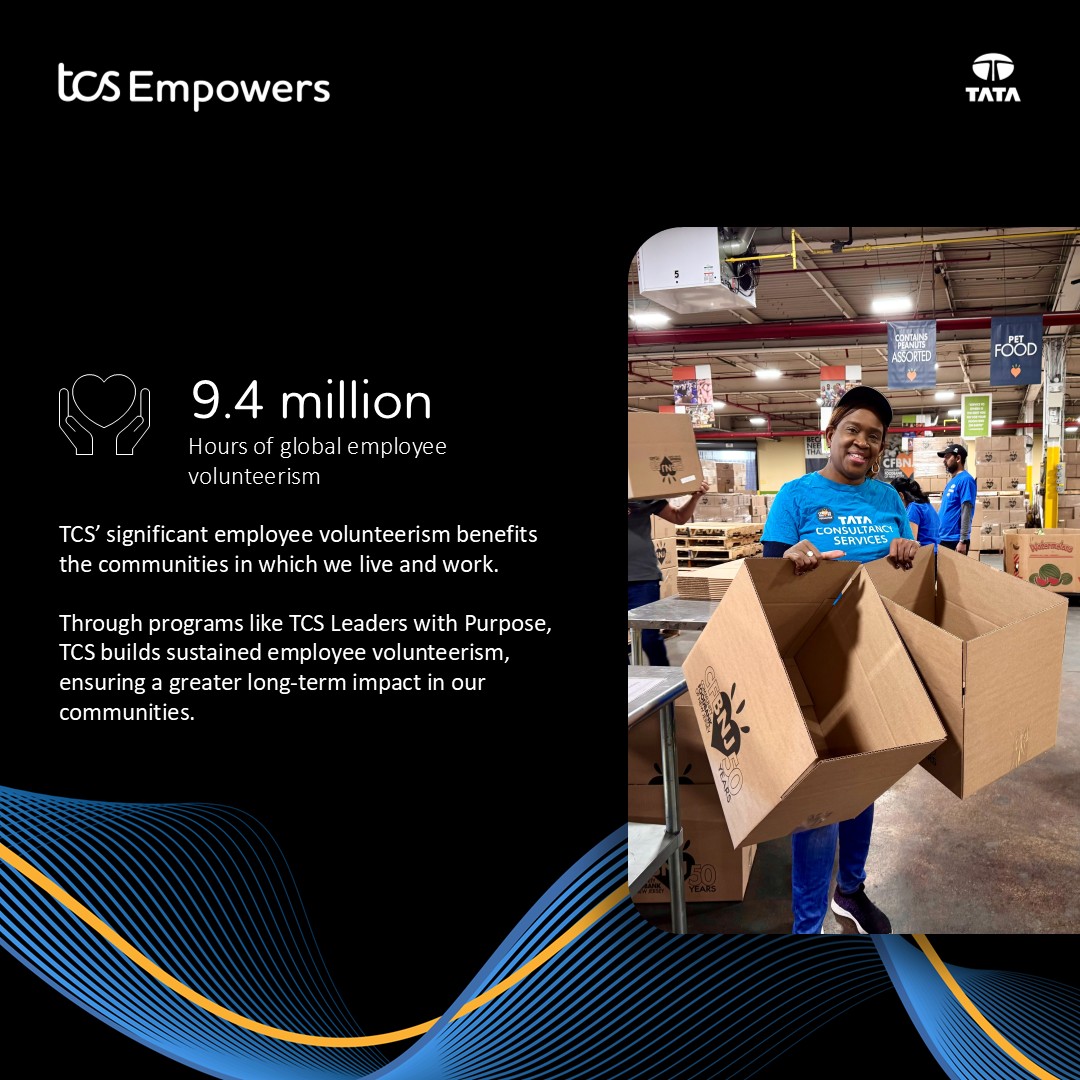
Giving back to our communities, and empowering them, is at the core of our corporate mission. In 2025, our continued focus on improving the lives of our customers and communities resulted in an economic impact of $145.3 million across our service area. Our dedicated employees contributed 169,000 hours of volunteer service, valued at $5.8 million.

The Civic 50 honoree 
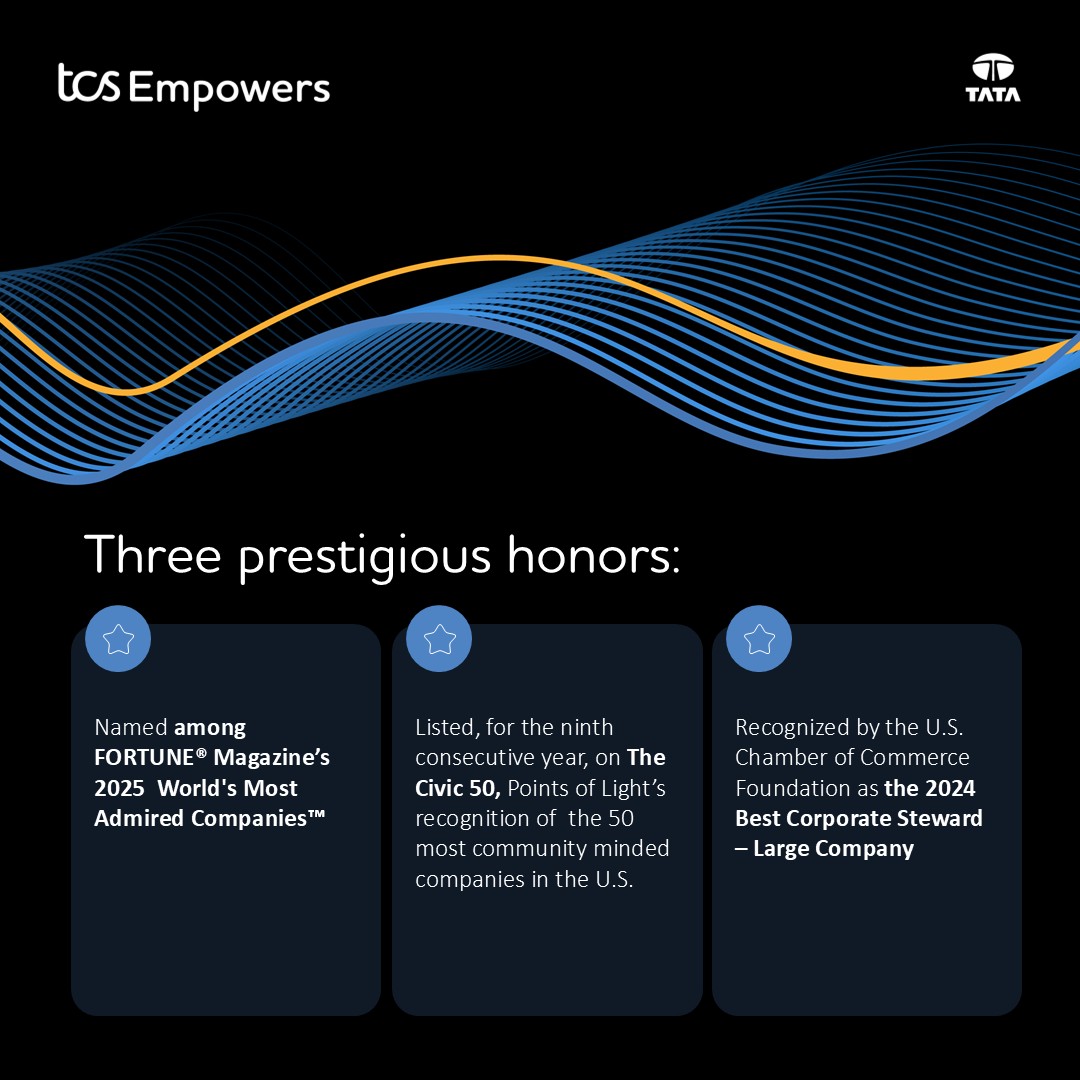
In 2025, Entergy was again recognized as an honoree of The Civic 50, in which Points of Light highlights U.S. companies leading the way in employee volunteerism and community investment. It was the 10th consecutive year that Entergy has received this significant honor. In addition, Entergy was named the Utilities Sector Leader for the third consecutive year and was named this year’s Volunteer Leader Awardee for the first time.

Helping our customers “Beat the Heat”
In response to high temperatures in summer 2025, our shareholders, customers and employees focused on helping customers who were struggling to pay their energy bills.

Through the 2025 program, we:

  • Donated $2.8 million from shareholders, employees and customers to The Power to Care program that helps older adults and customers with disabilities pay their energy bills.
  • Gave all residential customers access to Single Stop, an online platform that connects families in need with financial resources.
  • More than 6,000 customers were able to receive almost $500,000 in additional financial assistance and benefits from federal, state and local resources.
  • Awarded more than $100,000 in grants to provide electric fans and home weatherization kits to help customers stay cool and reduce their energy use.
  • Donated $25,000 to local organizations that weatherize homes for customers needing assistance.
  • Held community outreach fairs in underserved neighborhoods, where customers received on-site help and resources for managing their bills, energy efficiency kits, pro bono legal aid, Kids to College savings accounts, and more.
  • Provided more than 4,000 free electric fans to help customers beat high temperatures and save on electricity bills throughout the summer.
  • Distributed more than 1,000 energy efficiency kits to customers, with money-saving LED lightbulbs, advanced power strips, bathroom faucet aerators and V-seal weatherstripping.

Free tax preparation for our customers
For more than 15 years, we have provided free tax preparation for our low-to-moderate-income customers at Volunteer Income Tax Assistance sites across our service area in Arkansas, Louisiana, Mississippi and Texas. Every year, our IRS-certified employees help customers file their taxes and access valuable information on tax credits and deductions they are eligible for, maximizing their tax refunds. In 2025, Entergy helped low-to-moderate-income customers receive $54.2 million in federal tax refunds. Since 2009, our support of VITA sites has helped return $333 million to nearly 200,000 customers in our service area.

Read the full report here.

In 2024, the EU Cyber Resilience Act (CRA) became law, reshaping security expectations for digital products sold in the EU. By 2027, the regulation will be fully enforced, and new digital products will need to demonstrate compliance. The CRA introduces security-by-design and security-by-default requirements, raising the baseline for products that previously shipped with little or no protection.

To help manufacturers apply the CRA consistently, EU standards bodies are developing Harmonized Standards. Cybersecurity knowledge and resources are unevenly distributed across industry, and not every organization has the same in-house expertise to translate legislation into a robust test plan. Without a shared framework, vendors could interpret requirements differently, leading to inconsistent assessments, gaps in protection, and added risk for both manufacturers and the European marketplace. Harmonized Standards capture industry security expertise as risk-driven requirements. This approach offers a more straightforward path to compliance by defining process requirements in horizontal standards and specifying requirements for each device class in vertical standards.

The CRA aims to safeguard consumers and businesses by protecting not only personal data, such as credentials, but essentially any data that has value to its user. That can include, for example, operational data, configuration settings, usage information, or proprietary data processed by the device. Even if a product may not appear to handle “sensitive” data, this information can still reveal behavior, enable profiling, or be used to pivot into other systems. If a device is to be trusted to protect any data it handles, it is important that its functionality cannot be changed by adversaries. If an adversary can modify firmware, change configurations, or replace code with malicious code, they can bypass protections, alter outputs, or use the product as a foothold into a larger system. And even if the data itself isn’t valuable, users will still care that the device cannot be manipulated, because altered functionality can create safety or reliability risks.

Boot Managers appear as a line item in the CRA because of their vital role in the chain of trust. This function ensures a device only executes approved code and cannot be hijacked for malicious purposes. The Boot Manager sits in the SoC (System-on-Chip), the heart of any digital product, and consists of hardware and low-level software (firmware). The hardware consists of cryptographic functions, sensors, OTP registers, and memory. The firmware provides protected data flow, checkpoints, and error handling.

The new ETSI EN 304 623 draft standard elaborates the high-level CRA requirements for Boot Managers, such as the use of cryptography to protect data, and a standard configuration enabling these security features. The standard includes a total of 92 detailed requirements that Boot Managers need to satisfy to be considered secure. These are derived from a threat and risk assessment (TARA), which is also included in the standard to provide evidence that threats have been modelled.

For a Boot Manager to be CRA compliant, it is important that its features are not only designed well but also implemented well. The standard therefore includes a section on conformity assessment, describing what a test lab should do to verify correctness.

The release of this new draft standard underlines that CRA is not only about software, but also about hardware and firmware. As a result, many more chips will need to include a Boot Manager / Root of Trust, and developers will be expected to demonstrate that these security functions are implemented correctly and can withstand realistic threat scenarios.

Keysight supports its customers throughout every stage of CRA product security evaluation. From interpreting CRA requirements and emerging harmonized standards, to security evaluation and test execution, and ultimately evidence generation for conformity assessment, we work with your team to manage the complete security lifecycle of your product. Learn more about Keysight CRA services on this page.

Want more stories like this? Subscribe to the Keysight Device Security Bulletin for monthly highlights on device security trends and practical insights — brought to you by the Keysight device security team.

In 2024, the EU Cyber Resilience Act (CRA) became law, reshaping security expectations for digital products sold in the EU. By 2027, the regulation will be fully enforced, and new digital products will need to demonstrate compliance. The CRA introduces security-by-design and security-by-default requirements, raising the baseline for products that previously shipped with little or no protection.

To help manufacturers apply the CRA consistently, EU standards bodies are developing Harmonized Standards. Cybersecurity knowledge and resources are unevenly distributed across industry, and not every organization has the same in-house expertise to translate legislation into a robust test plan. Without a shared framework, vendors could interpret requirements differently, leading to inconsistent assessments, gaps in protection, and added risk for both manufacturers and the European marketplace. Harmonized Standards capture industry security expertise as risk-driven requirements. This approach offers a more straightforward path to compliance by defining process requirements in horizontal standards and specifying requirements for each device class in vertical standards.

The CRA aims to safeguard consumers and businesses by protecting not only personal data, such as credentials, but essentially any data that has value to its user. That can include, for example, operational data, configuration settings, usage information, or proprietary data processed by the device. Even if a product may not appear to handle “sensitive” data, this information can still reveal behavior, enable profiling, or be used to pivot into other systems. If a device is to be trusted to protect any data it handles, it is important that its functionality cannot be changed by adversaries. If an adversary can modify firmware, change configurations, or replace code with malicious code, they can bypass protections, alter outputs, or use the product as a foothold into a larger system. And even if the data itself isn’t valuable, users will still care that the device cannot be manipulated, because altered functionality can create safety or reliability risks.

Boot Managers appear as a line item in the CRA because of their vital role in the chain of trust. This function ensures a device only executes approved code and cannot be hijacked for malicious purposes. The Boot Manager sits in the SoC (System-on-Chip), the heart of any digital product, and consists of hardware and low-level software (firmware). The hardware consists of cryptographic functions, sensors, OTP registers, and memory. The firmware provides protected data flow, checkpoints, and error handling.

The new ETSI EN 304 623 draft standard elaborates the high-level CRA requirements for Boot Managers, such as the use of cryptography to protect data, and a standard configuration enabling these security features. The standard includes a total of 92 detailed requirements that Boot Managers need to satisfy to be considered secure. These are derived from a threat and risk assessment (TARA), which is also included in the standard to provide evidence that threats have been modelled.

For a Boot Manager to be CRA compliant, it is important that its features are not only designed well but also implemented well. The standard therefore includes a section on conformity assessment, describing what a test lab should do to verify correctness.

The release of this new draft standard underlines that CRA is not only about software, but also about hardware and firmware. As a result, many more chips will need to include a Boot Manager / Root of Trust, and developers will be expected to demonstrate that these security functions are implemented correctly and can withstand realistic threat scenarios.

Keysight supports its customers throughout every stage of CRA product security evaluation. From interpreting CRA requirements and emerging harmonized standards, to security evaluation and test execution, and ultimately evidence generation for conformity assessment, we work with your team to manage the complete security lifecycle of your product. Learn more about Keysight CRA services on this page.

Want more stories like this? Subscribe to the Keysight Device Security Bulletin for monthly highlights on device security trends and practical insights — brought to you by the Keysight device security team.

In 2024, the EU Cyber Resilience Act (CRA) became law, reshaping security expectations for digital products sold in the EU. By 2027, the regulation will be fully enforced, and new digital products will need to demonstrate compliance. The CRA introduces security-by-design and security-by-default requirements, raising the baseline for products that previously shipped with little or no protection.

To help manufacturers apply the CRA consistently, EU standards bodies are developing Harmonized Standards. Cybersecurity knowledge and resources are unevenly distributed across industry, and not every organization has the same in-house expertise to translate legislation into a robust test plan. Without a shared framework, vendors could interpret requirements differently, leading to inconsistent assessments, gaps in protection, and added risk for both manufacturers and the European marketplace. Harmonized Standards capture industry security expertise as risk-driven requirements. This approach offers a more straightforward path to compliance by defining process requirements in horizontal standards and specifying requirements for each device class in vertical standards.

The CRA aims to safeguard consumers and businesses by protecting not only personal data, such as credentials, but essentially any data that has value to its user. That can include, for example, operational data, configuration settings, usage information, or proprietary data processed by the device. Even if a product may not appear to handle “sensitive” data, this information can still reveal behavior, enable profiling, or be used to pivot into other systems. If a device is to be trusted to protect any data it handles, it is important that its functionality cannot be changed by adversaries. If an adversary can modify firmware, change configurations, or replace code with malicious code, they can bypass protections, alter outputs, or use the product as a foothold into a larger system. And even if the data itself isn’t valuable, users will still care that the device cannot be manipulated, because altered functionality can create safety or reliability risks.

Boot Managers appear as a line item in the CRA because of their vital role in the chain of trust. This function ensures a device only executes approved code and cannot be hijacked for malicious purposes. The Boot Manager sits in the SoC (System-on-Chip), the heart of any digital product, and consists of hardware and low-level software (firmware). The hardware consists of cryptographic functions, sensors, OTP registers, and memory. The firmware provides protected data flow, checkpoints, and error handling.

The new ETSI EN 304 623 draft standard elaborates the high-level CRA requirements for Boot Managers, such as the use of cryptography to protect data, and a standard configuration enabling these security features. The standard includes a total of 92 detailed requirements that Boot Managers need to satisfy to be considered secure. These are derived from a threat and risk assessment (TARA), which is also included in the standard to provide evidence that threats have been modelled.

For a Boot Manager to be CRA compliant, it is important that its features are not only designed well but also implemented well. The standard therefore includes a section on conformity assessment, describing what a test lab should do to verify correctness.

The release of this new draft standard underlines that CRA is not only about software, but also about hardware and firmware. As a result, many more chips will need to include a Boot Manager / Root of Trust, and developers will be expected to demonstrate that these security functions are implemented correctly and can withstand realistic threat scenarios.

Keysight supports its customers throughout every stage of CRA product security evaluation. From interpreting CRA requirements and emerging harmonized standards, to security evaluation and test execution, and ultimately evidence generation for conformity assessment, we work with your team to manage the complete security lifecycle of your product. Learn more about Keysight CRA services on this page.

Want more stories like this? Subscribe to the Keysight Device Security Bulletin for monthly highlights on device security trends and practical insights — brought to you by the Keysight device security team.

ORLANDO, Fla. and CHARLOTTE, N.C. April 17, 2026 /3BL/ – Caesarstone, the pioneer of surface innovation and a leader in premium multi-material, multi-surface design, earned the title of “Most Innovative” for its Caesarstone ICON™ collection in the inaugural Innovation Hour competition held at the 2026 Kitchen and Bath Industry Show (KBIS) in Orlando, Florida on February 17th.

Innovation Hour, held on the first day of KBIS, is billed as “a fast-paced, design-forward ‘show + tell’ session that highlights emerging materials, product features, and design details that are quietly shaping the future of kitchen and bath spaces.” Eight exhibitors competed for three winning titles (Most Innovative, Most Unexpected, I’d Spec That Tomorrow) selected by the audience via live voting on site during the event.

A captivating story with a future-focused edge

To earn the Most Innovative title, Caesarstone’s Mor Krisher, Caesarstone’s Product Design Director, showcased Caesarstone ICON™. Caesarstone ICON™ is the brand’s entirely new category of surfaces that marks a significant milestone in the industry. All Caesarstone ICON™ surfaces are crystalline silica-free* and include ~85% recycled materials, delivering a revolutionary blend of beauty, sustainability, and performance.

Krisher engaged the audience with his perspective on Caesarstone ICON™, recounting its journey from ambitious idea to R&D and finally, to trailblazing product. “People connected with Caesarstone ICON™ because it is sustainable, but also because of its story”, says Krisher. “I spoke about how we turned this product from concept to reality, focusing on the design and R&D aspects. I think the pioneering narrative resonated with a lot of listeners.” 

“This win is a great recognition for Caesarstone’s future-focused, progressive approach to surface innovation,” shares Lindsey Waldrep, Caesarstone’s vice president of marketing. “From day one of the company more than 37 years ago, we’ve been the inventor of surface categories, and that continues today with Caesarstone ICON™. We’re thrilled that specifying kitchen and bath designers realize the importance and possibilities of this exceptional new surface solution.”

In recognition of the Most Innovative honor, Caesarstone’s Krisher and Waldrep were interviewed by Chelsie Butler on the From the Tap podcast, recorded on site at the show. From the Tap is a production of KBB (Kitchen and Bath Business), the official publication of the National Kitchen and Bath Association and KBIS. The episode aired live from KBIS, and the recording will be available soon across all popular podcast streaming platforms.

A true Caesarstone achievement 

Caesarstone has always championed innovation, using cutting-edge R&D to forge new paths in the surface industry. As a global-leading category, Caesarstone ICON™ shines bright, highlighting the strength of our product innovation.

To date, Caesarstone ICON™ has won six leading international awards—reflecting not only the ingenuity of Caesarstone’s R&D department, but also the capabilities, commitment, and vision of its global teams. With 59 Caesarstone ICON™ models currently available in global markets—and a new collection to be unveiled in the coming months—Caesarstone is driven by this product category’s iconic achievements, and looks forward to the future with pride.

###

*May contain traces of crystalline silica less than 1%.

Caesarstone (CSTE) designs and manufactures premium surfaces for residential and commercial spaces. A global industry leader, Caesarstone leverages cutting-edge technology to redefine standards of aesthetics, durability, and sustainability. The company offers an extensive portfolio of over 100 colors, inspiring creativity and self-expression for a wide range of applications for indoor and outdoor living.

Among the pioneers of quartz surfaces, Caesarstone has since expanded into porcelain and natural stone and recently introduced a completely new category of advanced fusion surfaces. As a trusted design partner in over 50 countries worldwide, Caesarstone crafts beautiful, sustainable surfaces designed to last a lifetime.

For more information, please visit studio.caesarstoneus.com/icon.

For more information on Caesarstone, visit caesarstoneus.comInstagramFacebook and YouTube.

Media contact:
Irene Williams
irene@msg2mkt.com
615.429.8492

ORLANDO, Fla. and CHARLOTTE, N.C. April 17, 2026 /3BL/ – Caesarstone, the pioneer of surface innovation and a leader in premium multi-material, multi-surface design, earned the title of “Most Innovative” for its Caesarstone ICON™ collection in the inaugural Innovation Hour competition held at the 2026 Kitchen and Bath Industry Show (KBIS) in Orlando, Florida on February 17th.

Innovation Hour, held on the first day of KBIS, is billed as “a fast-paced, design-forward ‘show + tell’ session that highlights emerging materials, product features, and design details that are quietly shaping the future of kitchen and bath spaces.” Eight exhibitors competed for three winning titles (Most Innovative, Most Unexpected, I’d Spec That Tomorrow) selected by the audience via live voting on site during the event.

A captivating story with a future-focused edge

To earn the Most Innovative title, Caesarstone’s Mor Krisher, Caesarstone’s Product Design Director, showcased Caesarstone ICON™. Caesarstone ICON™ is the brand’s entirely new category of surfaces that marks a significant milestone in the industry. All Caesarstone ICON™ surfaces are crystalline silica-free* and include ~85% recycled materials, delivering a revolutionary blend of beauty, sustainability, and performance.

Krisher engaged the audience with his perspective on Caesarstone ICON™, recounting its journey from ambitious idea to R&D and finally, to trailblazing product. “People connected with Caesarstone ICON™ because it is sustainable, but also because of its story”, says Krisher. “I spoke about how we turned this product from concept to reality, focusing on the design and R&D aspects. I think the pioneering narrative resonated with a lot of listeners.” 

“This win is a great recognition for Caesarstone’s future-focused, progressive approach to surface innovation,” shares Lindsey Waldrep, Caesarstone’s vice president of marketing. “From day one of the company more than 37 years ago, we’ve been the inventor of surface categories, and that continues today with Caesarstone ICON™. We’re thrilled that specifying kitchen and bath designers realize the importance and possibilities of this exceptional new surface solution.”

In recognition of the Most Innovative honor, Caesarstone’s Krisher and Waldrep were interviewed by Chelsie Butler on the From the Tap podcast, recorded on site at the show. From the Tap is a production of KBB (Kitchen and Bath Business), the official publication of the National Kitchen and Bath Association and KBIS. The episode aired live from KBIS, and the recording will be available soon across all popular podcast streaming platforms.

A true Caesarstone achievement 

Caesarstone has always championed innovation, using cutting-edge R&D to forge new paths in the surface industry. As a global-leading category, Caesarstone ICON™ shines bright, highlighting the strength of our product innovation.

To date, Caesarstone ICON™ has won six leading international awards—reflecting not only the ingenuity of Caesarstone’s R&D department, but also the capabilities, commitment, and vision of its global teams. With 59 Caesarstone ICON™ models currently available in global markets—and a new collection to be unveiled in the coming months—Caesarstone is driven by this product category’s iconic achievements, and looks forward to the future with pride.

###

*May contain traces of crystalline silica less than 1%.

Caesarstone (CSTE) designs and manufactures premium surfaces for residential and commercial spaces. A global industry leader, Caesarstone leverages cutting-edge technology to redefine standards of aesthetics, durability, and sustainability. The company offers an extensive portfolio of over 100 colors, inspiring creativity and self-expression for a wide range of applications for indoor and outdoor living.

Among the pioneers of quartz surfaces, Caesarstone has since expanded into porcelain and natural stone and recently introduced a completely new category of advanced fusion surfaces. As a trusted design partner in over 50 countries worldwide, Caesarstone crafts beautiful, sustainable surfaces designed to last a lifetime.

For more information, please visit studio.caesarstoneus.com/icon.

For more information on Caesarstone, visit caesarstoneus.comInstagramFacebook and YouTube.

Media contact:
Irene Williams
irene@msg2mkt.com
615.429.8492

ORLANDO, Fla. and CHARLOTTE, N.C. April 17, 2026 /3BL/ – Caesarstone, the pioneer of surface innovation and a leader in premium multi-material, multi-surface design, earned the title of “Most Innovative” for its Caesarstone ICON™ collection in the inaugural Innovation Hour competition held at the 2026 Kitchen and Bath Industry Show (KBIS) in Orlando, Florida on February 17th.

Innovation Hour, held on the first day of KBIS, is billed as “a fast-paced, design-forward ‘show + tell’ session that highlights emerging materials, product features, and design details that are quietly shaping the future of kitchen and bath spaces.” Eight exhibitors competed for three winning titles (Most Innovative, Most Unexpected, I’d Spec That Tomorrow) selected by the audience via live voting on site during the event.

A captivating story with a future-focused edge

To earn the Most Innovative title, Caesarstone’s Mor Krisher, Caesarstone’s Product Design Director, showcased Caesarstone ICON™. Caesarstone ICON™ is the brand’s entirely new category of surfaces that marks a significant milestone in the industry. All Caesarstone ICON™ surfaces are crystalline silica-free* and include ~85% recycled materials, delivering a revolutionary blend of beauty, sustainability, and performance.

Krisher engaged the audience with his perspective on Caesarstone ICON™, recounting its journey from ambitious idea to R&D and finally, to trailblazing product. “People connected with Caesarstone ICON™ because it is sustainable, but also because of its story”, says Krisher. “I spoke about how we turned this product from concept to reality, focusing on the design and R&D aspects. I think the pioneering narrative resonated with a lot of listeners.” 

“This win is a great recognition for Caesarstone’s future-focused, progressive approach to surface innovation,” shares Lindsey Waldrep, Caesarstone’s vice president of marketing. “From day one of the company more than 37 years ago, we’ve been the inventor of surface categories, and that continues today with Caesarstone ICON™. We’re thrilled that specifying kitchen and bath designers realize the importance and possibilities of this exceptional new surface solution.”

In recognition of the Most Innovative honor, Caesarstone’s Krisher and Waldrep were interviewed by Chelsie Butler on the From the Tap podcast, recorded on site at the show. From the Tap is a production of KBB (Kitchen and Bath Business), the official publication of the National Kitchen and Bath Association and KBIS. The episode aired live from KBIS, and the recording will be available soon across all popular podcast streaming platforms.

A true Caesarstone achievement 

Caesarstone has always championed innovation, using cutting-edge R&D to forge new paths in the surface industry. As a global-leading category, Caesarstone ICON™ shines bright, highlighting the strength of our product innovation.

To date, Caesarstone ICON™ has won six leading international awards—reflecting not only the ingenuity of Caesarstone’s R&D department, but also the capabilities, commitment, and vision of its global teams. With 59 Caesarstone ICON™ models currently available in global markets—and a new collection to be unveiled in the coming months—Caesarstone is driven by this product category’s iconic achievements, and looks forward to the future with pride.

###

*May contain traces of crystalline silica less than 1%.

Caesarstone (CSTE) designs and manufactures premium surfaces for residential and commercial spaces. A global industry leader, Caesarstone leverages cutting-edge technology to redefine standards of aesthetics, durability, and sustainability. The company offers an extensive portfolio of over 100 colors, inspiring creativity and self-expression for a wide range of applications for indoor and outdoor living.

Among the pioneers of quartz surfaces, Caesarstone has since expanded into porcelain and natural stone and recently introduced a completely new category of advanced fusion surfaces. As a trusted design partner in over 50 countries worldwide, Caesarstone crafts beautiful, sustainable surfaces designed to last a lifetime.

For more information, please visit studio.caesarstoneus.com/icon.

For more information on Caesarstone, visit caesarstoneus.comInstagramFacebook and YouTube.

Media contact:
Irene Williams
irene@msg2mkt.com
615.429.8492

Every April, Record Store Day brings music fans together in celebration of independent record shops, culture, and community. But behind the scenes, delivering that experience at scale requires something equally powerful: precision logistics.

This year, the numbers tell a compelling story. At DP World’s Bicester facility alone, 8 million vinyl records were handled in 2025, marking a new annual record. Since opening in 2023, more than 15 million records have moved through the UK site — each one part of a tightly coordinated journey from production to shelf.

And with over 210,000 records expected to ship in April and 230+ exclusive releases heading to stores across the UK, the scale of orchestration becomes clear.

A Global Vinyl Revival

The resurgence of vinyl isn’t just cultural; it’s measurable.

According to the Recording Industry Association of America (RIAA), vinyl sales in the U.S. have grown for a 19th consecutive year, rising 9.3% in 2025 and surpassing US$1 billion in revenue – nearly half of global vinyl sales. Vinyl continues to dominate physical formats, generating more than three times the revenue of CDs and selling 46.8 million units compared to 29.5 million CDs.

This momentum is echoed in the UK. Data from the British Phonographic Industry (BPI) shows vinyl revenues rising 19.9% year-on-year in 2025 to £174.7 million (US$237.1 million), now accounting for 62.9% of all physical music sales, up from 59.1% the previous year.

Together, these trends highlight a format that is no longer niche, but a growing global category; one that requires supply chains capable of delivering consistency, speed, and precision at scale.

When Timing Is Everything

Unlike many supply chains, Record Store Day operates on a fixed, global deadline. Records must arrive on time, or they miss the moment entirely. That’s why reliability, not just cost efficiency, sits at the heart of execution.

From international freight and port operations to inland transport and final delivery, every handoff matters. Teams must anticipate disruptions, align capacity with demand spikes, and ensure inventory flows seamlessly across borders and into local communities.

More Than Music: A Broader Lesson

While Record Store Day is rooted in music culture, the operational discipline behind it reflects a broader shift across industries.

Whether it’s retail launches, consumer technology releases, or seasonal demand peaks, businesses are placing greater value on supply chain reliability, visibility, and resilience.

The lesson is simple: the most effective supply chains aren’t just efficient on paper; they consistently deliver when it matters most.

Delivering the Moment

For independent record stores, success is measured in moments: customers lining up early, shelves fully stocked, and the energy of discovery in the air.

What customers don’t see is the complexity behind that experience – the coordinated effort across global teams to ensure every record arrives exactly when it should.

But that’s the point.

Because when supply chains work seamlessly, the focus stays where it belongs: on the music, the community, and the moment.

Learn more about DP World’s end-to-end supply chain solutions

Every April, Record Store Day brings music fans together in celebration of independent record shops, culture, and community. But behind the scenes, delivering that experience at scale requires something equally powerful: precision logistics.

This year, the numbers tell a compelling story. At DP World’s Bicester facility alone, 8 million vinyl records were handled in 2025, marking a new annual record. Since opening in 2023, more than 15 million records have moved through the UK site — each one part of a tightly coordinated journey from production to shelf.

And with over 210,000 records expected to ship in April and 230+ exclusive releases heading to stores across the UK, the scale of orchestration becomes clear.

A Global Vinyl Revival

The resurgence of vinyl isn’t just cultural; it’s measurable.

According to the Recording Industry Association of America (RIAA), vinyl sales in the U.S. have grown for a 19th consecutive year, rising 9.3% in 2025 and surpassing US$1 billion in revenue – nearly half of global vinyl sales. Vinyl continues to dominate physical formats, generating more than three times the revenue of CDs and selling 46.8 million units compared to 29.5 million CDs.

This momentum is echoed in the UK. Data from the British Phonographic Industry (BPI) shows vinyl revenues rising 19.9% year-on-year in 2025 to £174.7 million (US$237.1 million), now accounting for 62.9% of all physical music sales, up from 59.1% the previous year.

Together, these trends highlight a format that is no longer niche, but a growing global category; one that requires supply chains capable of delivering consistency, speed, and precision at scale.

When Timing Is Everything

Unlike many supply chains, Record Store Day operates on a fixed, global deadline. Records must arrive on time, or they miss the moment entirely. That’s why reliability, not just cost efficiency, sits at the heart of execution.

From international freight and port operations to inland transport and final delivery, every handoff matters. Teams must anticipate disruptions, align capacity with demand spikes, and ensure inventory flows seamlessly across borders and into local communities.

More Than Music: A Broader Lesson

While Record Store Day is rooted in music culture, the operational discipline behind it reflects a broader shift across industries.

Whether it’s retail launches, consumer technology releases, or seasonal demand peaks, businesses are placing greater value on supply chain reliability, visibility, and resilience.

The lesson is simple: the most effective supply chains aren’t just efficient on paper; they consistently deliver when it matters most.

Delivering the Moment

For independent record stores, success is measured in moments: customers lining up early, shelves fully stocked, and the energy of discovery in the air.

What customers don’t see is the complexity behind that experience – the coordinated effort across global teams to ensure every record arrives exactly when it should.

But that’s the point.

Because when supply chains work seamlessly, the focus stays where it belongs: on the music, the community, and the moment.

Learn more about DP World’s end-to-end supply chain solutions

Privacy Overview

This website uses cookies so that we can provide you with the best user experience possible. Cookie information is stored in your browser and performs functions such as recognising you when you return to our website and helping our team to understand which sections of the website you find most interesting and useful.