Water sustains life. It also sustains global trade.

From the rivers that feed agricultural production to the oceans that carry 80% of global trade, water is the connective infrastructure of the global economy. Yet it is increasingly under pressure – from climate change and pollution to population growth and rising demand. For global logistics leaders, protecting water resources is not simply an environmental responsibility. It is a strategic imperative.

At DP World, water stewardship sits at the heart of our sustainability strategy because resilient supply chains depend on resilient ecosystems and thriving communities.

From Ports to Planet: A System-Level View of Water

Ports, terminals and logistics hubs exist where land and water meet. This unique position gives the trade sector a powerful opportunity – and responsibility – to protect freshwater and marine ecosystems.

DP World approaches water sustainability through a “source-to-sea” framework, recognizing that rivers, wetlands, coastlines and oceans are deeply interconnected. Sustainable management upstream affects ecosystems downstream, influencing biodiversity, water quality and coastal resilience.

By taking a holistic view, businesses can address water challenges at their root rather than treating them as isolated environmental issues.

Why Water Is a Business Imperative

The global economy depends on water far more than many realize.

Water underpins sectors responsible for around 40% of global jobs, including agriculture, fishing and tourism. At the same time, the majority of global trade moves by sea.

But the world faces a growing water crisis:

  • Half of the global population already experiences severe water scarcity.
  • Water-related health challenges cause hundreds of thousands of deaths each year.
  • Rising sea levels and extreme weather increasingly threaten coastal infrastructure and communities.

These risks affect not only ecosystems but also supply chains, workforce wellbeing and economic stability.

For companies operating at the intersection of trade and infrastructure, water resilience is inseparable from long-term business resilience.

Turning Commitment into Action

DP World’s water strategy focuses on three interconnected priorities: protecting ecosystems, improving operational water stewardship and expanding access to safe water in communities.

1. Protecting ecosystems and biodiversity

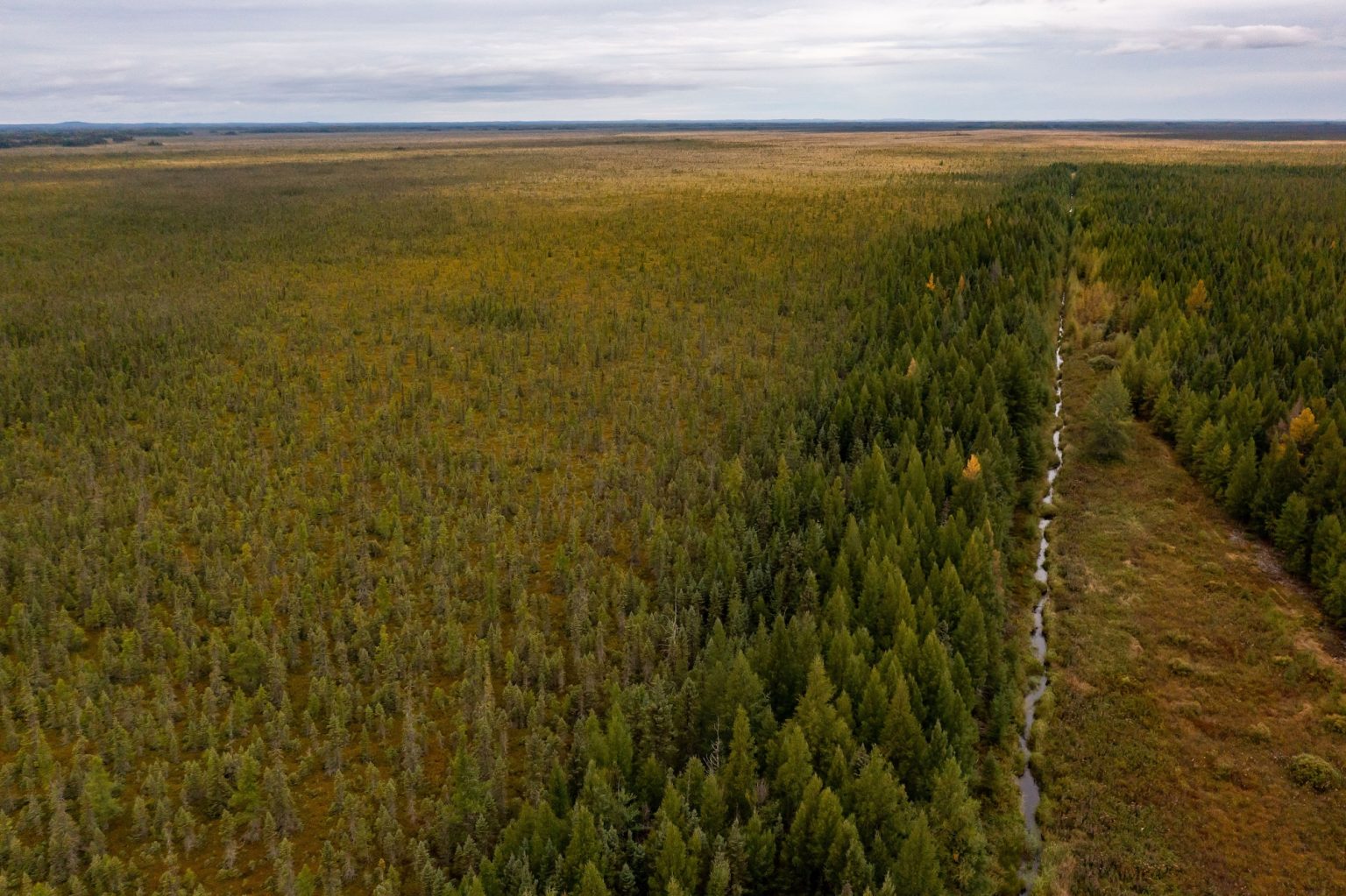
Healthy ecosystems are natural infrastructure. Mangroves, wetlands and estuaries filter pollution, stabilize coastlines and store carbon.

On Puná Island in Ecuador, DP World is working with partners to plant thousands of mangrove seedlings – helping restore marine biodiversity while strengthening natural coastal defenses.

Similar projects protect waterways from plastic pollution and restore wetlands that act as vital ecological buffers.

2. Driving responsible water management in operations

Across its global operations, DP World is implementing a Sustainable Water Conservation and Management Strategy designed to reduce consumption, improve efficiency and safeguard water quality.

Embedding stewardship principles into operations ensures that growth in global trade can occur alongside responsible resource management.

3. Expanding access to water, sanitation and hygiene

Access to clean water remains one of the most urgent global challenges.

DP World is investing in Water, Sanitation and Hygiene (WASH) programmes aimed at improving community access to safe water systems. By 2030, the company plans to invest over $5 million in WASH initiatives reaching more than 250,000 people worldwide.

Projects range from solar-powered water systems in healthcare centres in Mozambique to atmospheric water generators and infrastructure upgrades in water-stressed regions.

Collaboration Is the Only Path Forward

Water challenges cannot be solved by any single organization.

That is why DP World works with partners ranging from NGOs to international initiatives, including WaterAid and the Water Resilience Coalition. Through collaboration, companies can scale solutions that strengthen climate resilience, restore ecosystems and improve water access for communities.

Equally important is education and engagement. Empowering employees, communities and schools with knowledge about water stewardship ensures that sustainable practices extend far beyond individual projects.

Building a Sustainable Blue Economy

Water stewardship is closely linked to the broader vision of a Sustainable Blue Economy – an economic system where ocean resources are managed responsibly while supporting growth and livelihoods.

By protecting marine ecosystems, reducing pollution and investing in resilient infrastructure, businesses can help ensure that trade continues to thrive without compromising the natural systems that make it possible.

The Opportunity Ahead

The global water challenge is immense, but it is also an opportunity.

Companies that invest in water resilience today are investing in stronger supply chains, healthier communities and a more stable global economy tomorrow.

For the logistics sector, leadership means looking beyond the dockside and recognizing that the future of trade depends on the future of water.

And protecting that future must be a shared commitment—from source to sea.

Learn more here: https://www.dpworld.com/sustainability/water


What are DP World’s water sustainability and conservation strategies?

DP World actively advances water sustainability by targeting a net positive impact by 2030. Through enhancing sustainable water management, encouraging reuse, and supporting ecosystem restoration, we align with global water goals.

Why is water sustainability important at DP World?

Water sustainability is a priority at DP World to safeguard essential natural resources. By focusing on sustainable water management, we strengthen business resilience and support global communities, aligning with UN SDG 6.

How does DP World help maintain water sustainability?

DP World leads in water sustainability by investing in efficient technologies, developing resilient infrastructure, and fostering community partnerships. We improve access to clean water and educate communities on sustainable water practices.

How does DP World’s water conservation projects help the environment?

Our water conservation projects at DP World, including mangrove planting, wetland restoration, and solar water systems, enhance water quality and ecosystem resilience, while benefiting biodiversity and the communities we operate in.


Learn more here: https://www.dpworld.com/sustainability/water

The KeyBank Foundation has awarded a $200,000 grant to Capital for Change, a Connecticut‑based Community Development Financial Institution (CDFI), to expand affordable housing, small business lending, and community development initiatives across the state.

The investment is part of a nationwide KeyBank initiative focused on strengthening CDFIs in underserved and undercapitalized communities, helping drive long‑term economic stability and inclusive growth.

Strengthening affordable housing and economic opportunity

Founded in 2016, Capital for Change is headquartered in Wallingford, Connecticut, and was established to deliver comprehensive community development lending throughout the state. The organization focuses on supporting affordable housing development, small business growth, and neighborhood revitalization.

The KeyBank Foundation grant will enable Capital for Change to scale its lending capacity and expand access to capital for projects, particularly in communities vulnerable to economic disruption.

“We are proud to invest in organizations that share our mission of creating lasting, positive change in the communities we serve,” said Matt Hummel, President, Connecticut & Massachusetts Market, KeyBank. “This grant celebrates Capital for Change’s efforts to promote economic empowerment, business growth, and financial stability in Connecticut’s neighborhoods.”

Supporting underserved communities across Connecticut

With KeyBank’s support, Capital for Change will deepen its impact across urban and rural communities by addressing long‑standing gaps in access to financing for affordable housing and community‑based development projects.

“KeyBank’s support allows us to expand affordable housing, strengthen small businesses, and ensure that underserved communities have access to the capital they need to thrive,” said Diane Smith, CEO of Capital for Change. “This grant helps accelerate our mission of building equitable, resilient neighborhoods across Connecticut.”

Part of a nationwide KeyBank community development commitment

The $200,000 grant to Capital for Change is part of KeyBank’s broader commitment to invest $200,000 in community development efforts across each of its 27 markets nationwide. In total, the initiative represents $5.4 million in funding dedicated to strengthening local economies and advancing equitable access to opportunity.

These grants provide flexible funding to CDFIs and community foundations, supporting activities such as:

  • Expanding community lending programs
  • Enhancing organizational infrastructure
  • Scaling services to reach underserved populations
  • Driving long‑term sustainability and economic impact

Together, the investments reflect KeyBank’s enduring legacy of service, resilience, and community partnership, reinforcing its role as a leader in community development finance and inclusive economic growth.

# # #

“Beyond Words” is a story of kindness, empathy and friendship, teaching readers of all ages to express compassion without needing to say a word. The book follows Buddy as he discovers how to support a friend coming home from the hospital.

If you have a friend or loved one in need, it can be difficult to figure out what to do or say. Whether they have received a diagnosis, are recovering from an accident or are facing another kind of need, you want to support them in a truly helpful way, but perhaps you’re not sure how.

In honor of Children’s Book Day, read below to get some tips on how you can reach out to someone in your life — of any age — who might need a helping hand that goes beyond words.

Reach out and listen to what your loved one says in return

As overwhelming as it can be to figure out what to say, simply reaching out is a great way to start. Whether it’s a phone call, a text or a fun, handwritten card, they need a reminder that they aren’t alone. Health concerns can be scary and isolating for everyone, but especially for a younger person. It’s also important to just listen. Your loved one could be feeling a wide range of emotions right now, not all of which are comfortable or have answers.

Instead of focusing all the feelings on one conversation, try having steady communication about their health.1 That way, it’s less overwhelming for them and for you. It also allows them time to find the words for what they’re feeling and takes into account that feelings change over time. However often you have the conversation, make sure to be honest. A truthful, genuine conversation might also help a child — or any loved one — feel as though they are being heard and supported.1

Take on a few items on their to-do list

When the time comes for action, that can be confusing, too. Where do you start?

For the adults in your life who are working with changes in their health, think of their to-do list. From taking care of the laundry, running errands like grocery shopping or getting their car detailed, to walking their pup, the important thing is helping to take a bit of the load off their backs. You can also make it a group effort.2 Reach out to other friends and family members and get a schedule or a list going. That way, you can avoid burnout yourself, and you can also remind your loved one that they have a whole community rallying behind them.

For friends of any age, it’s important to continue to make them feel included in social settings.3 If they’re up to it, invite them out somewhere, whether it’s going to see a movie, heading to the mall or just taking a walk in the park. Don’t make an assumption about what they are capable of doing. Reach out and see what they would like to do.

Give the gifts they really need

Apart from your time, people dealing with health issues could also use simple, practical gifts. It doesn’t have to be anything big, whether in actual size or price tag. A pair of fuzzy slipper socks, a fluffy blanket or a comfortable bathrobe can bring them literal, tangible comfort at a time when they need it the most.

Kids especially might rely on toys or games at this time. Offer a fidget toy to keep their hands and minds busy, or some slime or silly putty to enable them to be creative without using up a lot of energy. Grab a coloring book and some markers when a more relaxing, slow-paced activity is required.4

You can also make it personal by making a basket of their favorite snacks, along with a book by an author they like, lotion or a scented candle in their favorite scent, or a journal so they have a safe space to vent their feelings. Whatever you offer, these simple little gifts can serve as a reminder that you’re thinking of them.

How ‘Beyond Words’ can help

“Beyond Words” is a great way to explore meaningful ways to show love and compassion without saying a word. If you’re interested in joining Buddy and his friends on their intergalactic adventures, it’s easy to grab a copy — visit Amazon or buy directly from the publisher, Archway. Just visit Aflac.com/BeyondWords to get started.

Proceeds from the book go directly to fund childhood cancer and blood disorders research and treatment. To learn more, and to find out other ways you can help, visit AflacChildhoodCancer.org.

1 Gillette Children’s (2026) “How to talk to your child about their diagnosis” https://www.gillettechildrens.org/stories/talk-about-diagnosis

2 Archbold (2025) “How to Support a Loved One with Cancer: Practical Tips That Really Help” https://www.archbold.org/articles/2025/may/how-to-support-a-loved-one-with-cancer-practical/

3 Rare Disease (Dec. 2025) “Inclusivity and Rare Diseases: 6 Things for Friends and Family to Consider” https://raredisease.net/living/inclusivity

4 Zip With Us (April 15, 2025) “What to Send When a Child Is Diagnosed: Age-Appropriate Gifts That Truly Help” https://zipwithus.org/blogs/news/what-to-send-when-a-child-is-diagnosed-age-appropriate-gifts-that-truly-help#:~:text=Activity%20Kits:%20Think%20coloring%20books,help%20kids%20understand%20what’s%20happening.

Aflac | Aflac NY | WWHQ | 1932 Wynnton Road | Columbus, GA 31999

Z2600143 
Exp. 3/27

Key Takeaways

Combatting Home Modality Loss: To help address the 30% of patients who leave peritoneal dialysis (PD)— a home treatment option — within two years of starting treatment, DaVita developed and deployed a predictive AI model that supports clinical teams in identifying patients needs to sustain home dialysis.

Closing the Visibility Gap: DaVita’s connected cyclers and CWOW system provide care teams with consistent patient updates and data to support adjusted care plans and tailored interventions before complications arise.

Seamless Transitions: When a transition off peritoneal dialysis is necessary, DaVita’s PD-to-HHD pathway enables and empowers patients to transition to home hemodialysis (HHD) in a mean of 6 days.

“Clinical teams now have better visibility into home treatments, equipping teams with insight on how to address issues before they escalate.”
— Dr. Mihran Naljayan


For approximately 80,000 Americans, home dialysis offers a sense of normalcy and stability amid many changes that inevitably come with a diagnosis of kidney failure. Home dialysis includes both peritoneal dialysis (PD) and home hemodialysis (HHD), differentiated options that allow patients to complete treatments with greater schedule flexibility. This not only provides a greater sense of control over treatment but also reduces the need for frequent trips to dialysis centers, giving patients time back to pursue employment, education, time with loved ones and personal hobbies.

Supporting patients with home treatments and sustaining success on therapy, like PD, requires a vigilant and proactive approach from care teams:

“Sustaining success on home dialysis requires true partnership with our patients,” Mihran Naljayan, MD, chief medical officer of clinical transformation, home and pediatric modalities for DaVita, says. “We must work hand-in-hand with patients to support their well-being and their success on their treatment of choice.”

Data from the National Institutes of Health show that home dialysis has steadily expanded during the past 10 years. In 2012, less than 9% of patients with newly diagnosed kidney failure chose home dialysis. By 2023, that statistic had increased to almost 15%.

“Impressive as that trend is, home dialysis would have expanded even more rapidly if patients were able to dialyze at home for a longer duration,” explains Eric Weinhandl, PhD, an epidemiologist at DaVita who has published dozens of studies about home dialysis. “Within two years of starting PD, more than 30% have transferred to in-center hemodialysis, whether because of medical complications or psychosocial obstacles, including a sense of burnout.”1

Complicating matters is that the transfer from PD to in-center hemodialysis is often accompanied by hospitalization.2  Weinhandl says, “Historically, we may have been too reactive, not proactive, when patients were struggling the most with home dialysis.”

Now, advances in artificial intelligence (AI) are providing clinicians with powerful new tools to support their patients. Kidney care leader DaVita has developed a predictive model that leverages machine learning to help clinical teams recognize and anticipate patient needs before they become critical problems.

The tool, known as the PD Loss predictive model, extracts hundreds of variables from a patient’s health record and creates a list of individuals each week who are at relatively high risk of discontinuing PD therapy during the next 90 days.3 This report helps care teams understand when people need extra support as well as why someone has been flagged as higher risk for transitioning off PD.

When a patient is identified, the system can suggest specific interventions, such as a medication review or a consultation with a specialist. The model doesn’t dictate care, though. Rather, it offers evidence-backed insights to inform care. Based on this feedback and interactions with the patients, nurses can tailor care activities with data-driven insights.

“When nurses initiate interventions within 5 days of a patient being identified as high-risk, we see that patients have approximately 15% lower risk of transferring to in-center hemodialysis during the next 2 to 3 months,” explains Weinhandl based on internal data from DaVita.

Keeping Care Close When Dialyzing from Home

What’s driving the availability of new technology? Data.

In the past, patients recorded treatments on paper and delivered this information to their care team when they saw them — often monthly. Now, at-home devices are helping close the gap between the home and the dialysis center.

At DaVita, the majority of patients treating on PD or HHD use connected cyclers — the machines that perform treatment — that record and integrate treatment data into their clinical profile within DaVita’s cloud-based platform, Center Without Walls™ (CWOW™).4

This gives care teams unprecedented visibility into what’s happening with a patient’s health while treating at home, tracking everything from treatment adherence to fluid removal trends.

“The physiologic and lifestyle benefits of home dialysis are readily apparent,” Dr. Naljayan says. “Historically, it has been difficult for the physician to manage the home dialysis treatment regimen in a timely manner, given once-a-month updates about blood pressure and fluid removal. Connected cyclers change that. Clinical teams now have better visibility into home treatments, equipping teams with insight on how to address issues before they escalate.”

Supporting Patients Through Their Kidney Health Journey

This data stream can also help clinical caregivers create pathways for safer, more thoughtful patient care journeys. This includes supporting DaVita teammates (employees) as they empower home dialysis patients in their “PD to HHD” pathway. This pathway helps identify PD patients who have one or more well-established risk factors for transfer to hemodialysis and provides education about HHD, a therapy that can allow the patient to continue dialyzing at home if the efficacy of PD eventually diminishes.

In a Kidney360 study published in 2022, Weinhandl reported that only 3% of patients who transfer from PD to hemodialysis select HHD. By flagging these patients early, care teams can provide enhanced education and proactive planning, whether it includes education, training, or helping the patient get a fistula (a dialysis access) placed if needed.

A pilot study of DaVita’s “PD to HHD” education process, presented at the 2025 National Kidney Foundation Spring Clinical Meeting, demonstrated a significant increase of people transitioning to HHD when PD was no longer an option. The study also highlighted that early education helped patients start HHD quickly, with a mean transition of just 6 days and the majority of patients making the transition without needing in-center hemodialysis.5

“We remain focused on supporting patients on their treatment of choice,” Dr. Naljayan adds. “Harnessing the power of predictive analytics and real-time data, we are building a more connected care ecosystem. The simple reality is that home dialysis requires effort, but that effort can unlock huge upsides. Our mission at DaVita is to share the load of that effort exerted by patients and their families.”

By combining the vast analytical power of AI with the irreplaceable expertise of clinicians, healthcare providers can create a more responsive, personalized and sustainable system of care that helps patients manage their health from their preferred environment: at home.


Service provider and modality select are choices made exclusively between the patient and nephrologist.

[1] United States Renal Data System. 2025 USRDS Annual Data Report: Epidemiology of kidney disease in the United States. Figure 3.11a, National Institutes of Health, National Institute of Diabetes and Digestive and Kidney Diseases, Bethesda, MD, 2025.

[2] Weinhandl, Eric D.1,2; Saffer, Tonya L.3; Aragon, Michael3. Hidden Costs Associated with Conversion from Peritoneal Dialysis to Hemodialysis. Kidney360 3(5):p 883-890, May 26, 2022. | DOI: 10.34067/KID.0007692021

[3] Transplant and renal recovery losses are not included in or predicted by the model, and these modality losses account for positive loss reasons to be encouraged. This flag is a tool to assist in identifying patients who may change modality within 90 days and RNs should use their clinical license to interpret if a patient is at risk of leaving their modality of choice. The RN should tie in the nephrologist and entire care team as needed and document interventions recorded. Service provider and modality selection are choices made exclusively between the patient and nephrologist.

[4] While connected cycler data can sometimes be impacted by malfunctions or patient user error, the data is one of several valuable sources of patient treatment completion that should be analyzed alongside patient submitted treatment records and clinic visit conversations.

[5] Increase in Conversions from Peritoneal Dialysis to Home Hemodialysis: A Pilot Study of a Structured Education Process; AJKD NKF 2025 Spring Clinical Meetings Abstracts

LINCOLN, Neb., April 2, 2026 /3BL/ – For a second consecutive year, Assurant, Inc. (NYSE: AIZ), a premier global protection company that safeguards and services connected devices, homes, and automobiles in partnership with the world’s leading brands — is collaborating with AT&T (NYSE: T) in a “Tree for Trade-In” initiative to support the Arbor Day Foundation’s ongoing forest restoration efforts in wildfire-impacted areas of California.

Launched on April 1 and running through the end of the month, every phone, tablet or device traded-in to AT&T online or -in-store will support the planting of a tree in the Placerville Nursery for California Wildfire Reforestation, the only forest service nursery in the state. This year’s “Tree for Trade-In” initiative will result in the planting of another 75,000 new trees at the Placerville Nursery, bringing the campaign’s total trees planted to 150,000 over the past two years. The trees that are planted through this project will later be transplanted into the forests and communities devastated by the January 2025 Los Angeles-area wildfires, supporting the restoration of these critical ecosystems and preserving California’s natural landscapes for future generations.

“This collaboration is helping accelerate critical restoration efforts in California by turning everyday consumer actions into long‑term environmental impact,” said Dan Lambe, chief executive of the Arbor Day Foundation. “Wildfire recovery efforts are a long‑term commitment, and projects like this help ensure that we can hit the ground running when these landscapes are ready. Thanks to the continued support from Assurant and AT&T, thousands of new trees are being grown at the Placerville Nursery and prepared for replanting in ecosystems that were severely burned, helping strengthen forest resilience and support communities as they recover.”

Assurant supports this initiative by helping ensure that traded-in devices returned by AT&T customers are securely processed and repurposed or responsibly recycled. The trade-in initiative supports circularity by repurposing devices to extend their useful life and responsibly recycling those that reach end of life.

“This initiative demonstrates how we support communities impacted by wildfires through our product offerings, our Assurant Foundation and our sustainability commitments,” said Michael Bellantis, Vice President of Sustainability at Assurant. “Our efforts with AT&T and the Arbor Day Foundation brings sustainability to life through trusted collaboration—showing how aligned priorities across the value chain can strengthen community resilience and create lasting environmental impact.”

In addition to these campaign efforts, AT&T commemorated the anniversary of the 2025 Los Angeles wildfires earlier this year by engaging local employee volunteers in a community tree planting event on the campus of a local Title I elementary school that was directly located in the Altadena burn area. Dozens of trees were planted to help provide much-needed shade during the warmer months, all while also creating a more natural and calming learning environment for students throughout the year.

“Our Tree for Trade-In initiative with the Arbor Day Foundation and Assurant highlights what we can accomplish when we work together,” said Mylayna Albright, Vice President of Corporate Responsibility at AT&T. “Building on more than 20 years of work with the Arbor Day Foundation, our collaborative community engagement and reforestation efforts have helped plant more than 1.3 million trees—supporting disaster recovery and long-term restoration in areas affected by wildfires and other events.”

About Assurant

Assurant, Inc. (NYSE: AIZ) is a premier global protection company that partners with the world’s leading brands to safeguard and service connected devices, homes, and automobiles. As a Fortune 500 company operating in 21 countries, Assurant leverages data-driven technology solutions to provide exceptional customer experiences.

Learn more about how Assurant is integrating sustainability into its business at https://www.assurant.com/about-us/sustainability.

About AT&T

We help more than 100 million U.S. families, friends and neighbors, plus nearly 2.5 million businesses, connect to greater possibility. From the first phone call 140+ years ago to our 5G wireless and multi-gig internet offerings today, we @ATT innovate to improve lives. For more information about AT&T Inc. (NYSE:T), please visit us at about.att.com. Investors can learn more at investors.att.com.

About the Arbor Day Foundation

The Arbor Day Foundation is a global nonprofit inspiring people to plant, nurture, and celebrate trees. They foster a growing community of more than 1 million leaders, innovators, planters, and supporters united by their bold belief that a more hopeful future can be shaped through the power of trees. For more than 50 years, they’ve answered critical need with action, planting more than half a billion trees alongside their partners. And this is only the beginning.

The Arbor Day Foundation is a 501(c)(3) nonprofit pursuing a future where all life flourishes through the power of trees. Learn more at arborday.org.

###

Originally published on PSEG ENERGIZE!

The end of 2025 and start of 2026 hasn’t exactly been gentle for New Jersey. Mother Nature came out swinging with back-to-back states of emergency, major weather events, and trying conditions for customers, employees and utility infrastructure alike. 

Since late December through mid-March, our state faced a lengthy period of extreme weather. Sleet. Heavy snow. Record-breaking cold. Powerful winds. Even an earthquake and a tornado warning.  A  relentless stretch of extreme weather that put our systems to the test. And through it all, our employees worked around the clock to support our customers and keep communities safe. 

Strong systems. Stronger response.

Despite punishing conditions — severe winds, heavy snowfall and frigid temperatures — our energy system held strong. 

Just over 4% of our electric customers experienced nominal power loss during major storm events this past winter.

During these winter weather events, our teams delivered where it mattered most: 

  • Restoring service to more than  99,650 customers. 
  • Responding to over  10,000 gas emergencies and no-heat calls.
  • Handling approximately 1,800 no-heat calls per day during the coldest stretch.  

Ready to be there — no matter the forecast

 Through these harsh conditions, our employees remained focused on restoring service safely.  

Working safely through snow,  ice and freezing temperatures, they: 

  • Replaced or repaired over 1,250 pieces of storm-damaged equipment. 
  • Mobilized thousands of employees, union partners,  contractors and mutual aid crews. 

That coordination didn’t stop at our state lines. Once local restoration was complete, mutual aid crews were released to support neighboring utilities — because resilience is a shared effort. 

Behind every restoration is preparation  

When storms cause damage and power disruptions, we work hard to replace poles, restore wires and bring service back online.

What makes fast restoration possible starts long before the first storm warning. We’ve made strategic investments over the last decade — investing $30 billion to strengthen the safety and reliability of our gas and electric infrastructure.

We also prepare year-round for major weather events, including: 

  • Storm simulations and training. 
  • Physical response drills with municipal partners and first responders.
  • Strategic equipment staging. 
  • Tree trimming around our facilities as part of vegetation management.
  • Ongoing system upgrades. 

It’s the behind-the-scenes work that strengthens the grid so when extreme weather hits, our system is ready. 

Reliability you can see — and feel

This winter demonstrated what long-term investment can really do. 

Our customers experienced fewer,  shorter outages. We also saw fewer pipe breaks and low-pressure issues than during past cold snaps, with an average of 4.4 cast iron breaks per day, compared to 16 per day during the 2018 deep freeze.  

These outcomes reflect the impact of sustained infrastructure investment and system modernization — improving performance under stress, increasing public safety and strengthening overall system resilience.

Reliability during extreme weather isn’t just about service — it’s about reducing risk for the communities and systems that depend on it.

Staying connected through it all

Even in the toughest conditions, staying connected matters. 

Throughout the winter, more than 250,000 customer calls were answered during declared storm events, alongside ongoing updates, safety guidance and real-time information shared across our social media, email and text. 

Jersey Ready, always

Winter tested us — and we showed up. 

Crews, union partners and teams across the state worked with skill and care to help keep homes warm and businesses running. Our customers played a role too, helping crews safely access homes and neighborhoods when it mattered most. 

That partnership is what keeps everything moving. 

Because being Jersey Ready means preparing for anything, responding to everything and putting safety first — every time. 

No matter the forecast. No matter the season.

Originally published on PSEG ENERGIZE!

The end of 2025 and start of 2026 hasn’t exactly been gentle for New Jersey. Mother Nature came out swinging with back-to-back states of emergency, major weather events, and trying conditions for customers, employees and utility infrastructure alike. 

Since late December through mid-March, our state faced a lengthy period of extreme weather. Sleet. Heavy snow. Record-breaking cold. Powerful winds. Even an earthquake and a tornado warning.  A  relentless stretch of extreme weather that put our systems to the test. And through it all, our employees worked around the clock to support our customers and keep communities safe. 

Strong systems. Stronger response.

Despite punishing conditions — severe winds, heavy snowfall and frigid temperatures — our energy system held strong. 

Just over 4% of our electric customers experienced nominal power loss during major storm events this past winter.

During these winter weather events, our teams delivered where it mattered most: 

  • Restoring service to more than  99,650 customers. 
  • Responding to over  10,000 gas emergencies and no-heat calls.
  • Handling approximately 1,800 no-heat calls per day during the coldest stretch.  

Ready to be there — no matter the forecast

 Through these harsh conditions, our employees remained focused on restoring service safely.  

Working safely through snow,  ice and freezing temperatures, they: 

  • Replaced or repaired over 1,250 pieces of storm-damaged equipment. 
  • Mobilized thousands of employees, union partners,  contractors and mutual aid crews. 

That coordination didn’t stop at our state lines. Once local restoration was complete, mutual aid crews were released to support neighboring utilities — because resilience is a shared effort. 

Behind every restoration is preparation  

When storms cause damage and power disruptions, we work hard to replace poles, restore wires and bring service back online.

What makes fast restoration possible starts long before the first storm warning. We’ve made strategic investments over the last decade — investing $30 billion to strengthen the safety and reliability of our gas and electric infrastructure.

We also prepare year-round for major weather events, including: 

  • Storm simulations and training. 
  • Physical response drills with municipal partners and first responders.
  • Strategic equipment staging. 
  • Tree trimming around our facilities as part of vegetation management.
  • Ongoing system upgrades. 

It’s the behind-the-scenes work that strengthens the grid so when extreme weather hits, our system is ready. 

Reliability you can see — and feel

This winter demonstrated what long-term investment can really do. 

Our customers experienced fewer,  shorter outages. We also saw fewer pipe breaks and low-pressure issues than during past cold snaps, with an average of 4.4 cast iron breaks per day, compared to 16 per day during the 2018 deep freeze.  

These outcomes reflect the impact of sustained infrastructure investment and system modernization — improving performance under stress, increasing public safety and strengthening overall system resilience.

Reliability during extreme weather isn’t just about service — it’s about reducing risk for the communities and systems that depend on it.

Staying connected through it all

Even in the toughest conditions, staying connected matters. 

Throughout the winter, more than 250,000 customer calls were answered during declared storm events, alongside ongoing updates, safety guidance and real-time information shared across our social media, email and text. 

Jersey Ready, always

Winter tested us — and we showed up. 

Crews, union partners and teams across the state worked with skill and care to help keep homes warm and businesses running. Our customers played a role too, helping crews safely access homes and neighborhoods when it mattered most. 

That partnership is what keeps everything moving. 

Because being Jersey Ready means preparing for anything, responding to everything and putting safety first — every time. 

No matter the forecast. No matter the season.

How are investors rethinking opportunity as water and climate dynamics reshape real‑asset markets?

A new episode of Bloomberg Intelligence’s ESG Currents Podcast explores this question with Cat Burns (NatureVest, The Nature Conservancy), Alyssa Go (RRG Capital Management), and host Melanie Rua. The discussion explores incorporating water risk, climate constraints, and natural‑system resilience into decision‑making across agriculture and other real‑asset portfolios.

Highlights include:

  • The market is starting to catch up to what’s already happening on the ground. Climate shocks and material shifts in growing conditions like temperature and water availability aren’t theoretical, they’re hitting yields, operations, and bottom lines in real time.
  • Water security is emerging as one of the most critical issues for producers. How water is valued (and managed) is changing quickly.
  • “Nature as infrastructure” isn’t just a concept. From groundwater recharge to healthy soils, natural systems can reduce risk and stabilize returns in very tangible ways.
  • With the right structure, investing in resilience can drive financial performance and better outcomes for communities and ecosystems.

Listen to the episode:
Apple: https://lnkd.in/eZZm4hdy 
Spotify: https://lnkd.in/gfiJPgGE

This conversation offers a timely look at how the investment community is beginning to more consistently assess, price, and manage water‑related risk, and how science‑driven, resilience‑focused collaborations like this can help bridge the gap.


About NatureVest:

NatureVest is the impact investing and nature finance team of The Nature Conservancy (TNC), one of the world’s leading environmental organizations. The team designs and executes innovative financial products and provides advisory services that align private capital with measurable conservation outcomes. Since its founding in 2014, NatureVest has helped mobilize over $4 billion in committed capital for projects that address climate change, biodiversity loss, and community resilience. Across more than 25 countries, these projects have collectively avoided or sequestered 5.1 million metric tons of CO₂e, improved management on over 8 million acres of land, and protected 172,000 square miles of ocean. For more information, visit www.naturevest.org.

Gina Adams, Executive Vice President, General Counsel, and Secretary at FedEx, has been recognized by Dress for Success Worldwide as part of its annual Women Who Inspire global campaign. The campaign, held each March to celebrate International Women’s Day and Women’s History Month, spotlights extraordinary leaders within the Dress for Success community who embody resilience, purpose, and a commitment to lifting others up.

Dress for Success Worldwide is the leading global resource for empowering people to achieve economic mobility through a network of support, workplace attire, and development tools. FedEx has worked with the organization as part of our broader commitment to creating opportunity.

“At FedEx, we are committed to creating pathways to economic mobility for people around the world,” Adams said. “Our partnership with Dress for Success allows us to invest in and deliver resources that open doors, and we are proud to help equip women with the tools, confidence, and opportunities they need to thrive in their careers and in life.”

For Adams, the recognition is both personal and deeply connected to the values she carries in her work at FedEx. “This initiative celebrates women whose stories reflect resilience, purpose, and the power of lifting one another up — values that have guided me throughout my life and career,” she shared.

Each year, the Women Who Inspire campaign raises vital funds to support programs that help women gain confidence, economic independence, and the tools to build stronger futures for themselves, their families, and their communities. Our support of Dress for Success is a natural extension of the FedEx culture. With more than 500,000 team members around the world, we see firsthand how creating opportunity creates lasting change.

“I’m grateful to Dress for Success Worldwide for this recognition and inspired by the extraordinary honorees featured this year,” Adams said. “I look forward to celebrating their stories and championing this important mission throughout the month of March.”

Click here to learn about FedEx Cares, our global community engagement program.

SAN DIEGO, Calif., April 1, 2026 /3BL/ – The specialty coffee industry knows that coffee’s future depends on farmers’ ability to adapt to a changing climate, but what is less known is if and how the market will pay their share to enable adaptation strategies.

Colleen Anunu, Sr. Advisor for Coffee, Fairtrade International and sustainable livelihoods experts, data scientists, and coffee industry professionals will gather for a panel at World of Coffee San Diego, April 10-12, to explore the question, “When farmers can’t afford to invest in resilience and supply chains inherit the risk, who pays the cost?”

The panel, The Value of Living Income: Understanding the Connection between Resilience and Prosperity, will take place Saturday, April 11, 2026 at 9:00 a.m. in room 24AB and feature the following panelists:

The panel will dig into the data and calculations needed to close income gaps and achieve true resilience, while highlighting models and tools, like Fairtrade’s Living Income Pricing framework, that link farm practices to prices that sustain dignified livelihoods and enable adaptation.

Living income commitments have increased despite recent economic uncertainty, according to Fairtrade’s most recent Living Income Progress Report. This growth is attributed to farmers’ focus on and dedication to sustainable production, companies’ prioritization of responsible procurement and progress towards a better enabling environment.

Theunissen will moderate another lecture, From Soil to Supply Chain: Regenerative Practices, Market Competitiveness, and Responsible Business Conduct, on Friday, April 10, 2026 at 9:00 a.m. also in room 24AB.

Approximately 125 million people around the world depend on coffee for their livelihood, but most do not earn enough to cover their costs. With so many farmers living in poverty, the conversation around resilience cannot be decoupled from the conversation around prosperity. Only when producers are able to make a decent living, cover their costs, and have the freedom to plan for their futures, will true resilience be achieved.

To connect with Fairtrade coffee experts and farmers who follow the Fairtrade Standards, visit Booth #3625 at World of Coffee San Diego April 10-12. The following events will be held:

  • 2:00 p.m. Friday, April 10 – Coffees from Fairtrade Africa
  • 3:00 p.m. Friday, April 10 – Happy Hour featuring Fairtrade’s Latin American producer network, CLAC
  • 11:00 a.m. Saturday, April 11 – Coffees from Latin America
  • 11:00 a.m. Sunday, April 12 – Coffees from Asia

Fairtrade takes human rights, sustainability and trade personally. Though consequences often go unseen, companies’ and consumers’ choices have human and environmental costs. By choosing Fairtrade, businesses, shoppers, farmers and workers can create a better world – one that puts people and planet over profits. Together, we can prioritize global partnership and our shared humanity.

###

About Fairtrade America

Fairtrade America works to rebalance trade, making it a system rooted in partnership and mutual respect rather than exploitation. It’s about businesses, shoppers, farmers and workers all working together so we can all experience the benefits of trade. Fairtrade America is the U.S. branch of Fairtrade International, the original and global leader in fair trade certification with more than 30 years of experience working for fair trading practices in more than 60 countries across the globe. A non-profit 501(c)3 organization, Fairtrade America is part of the world’s largest and most recognized fair trade certification program —part of a global movement for change. Learn more at fairtrade.net, and by connecting with Fairtrade America on Facebook, Instagram and LinkedIn.

Media Contact

Liz Davis, ldavis@fairtradeamerica.org | +1 202-930-4349

Privacy Overview

This website uses cookies so that we can provide you with the best user experience possible. Cookie information is stored in your browser and performs functions such as recognising you when you return to our website and helping our team to understand which sections of the website you find most interesting and useful.