At Comcast, we believe innovation begins with opportunity. That’s why we partner with organizations that help students build the skills, confidence, and networks needed to navigate an ever-changing world.
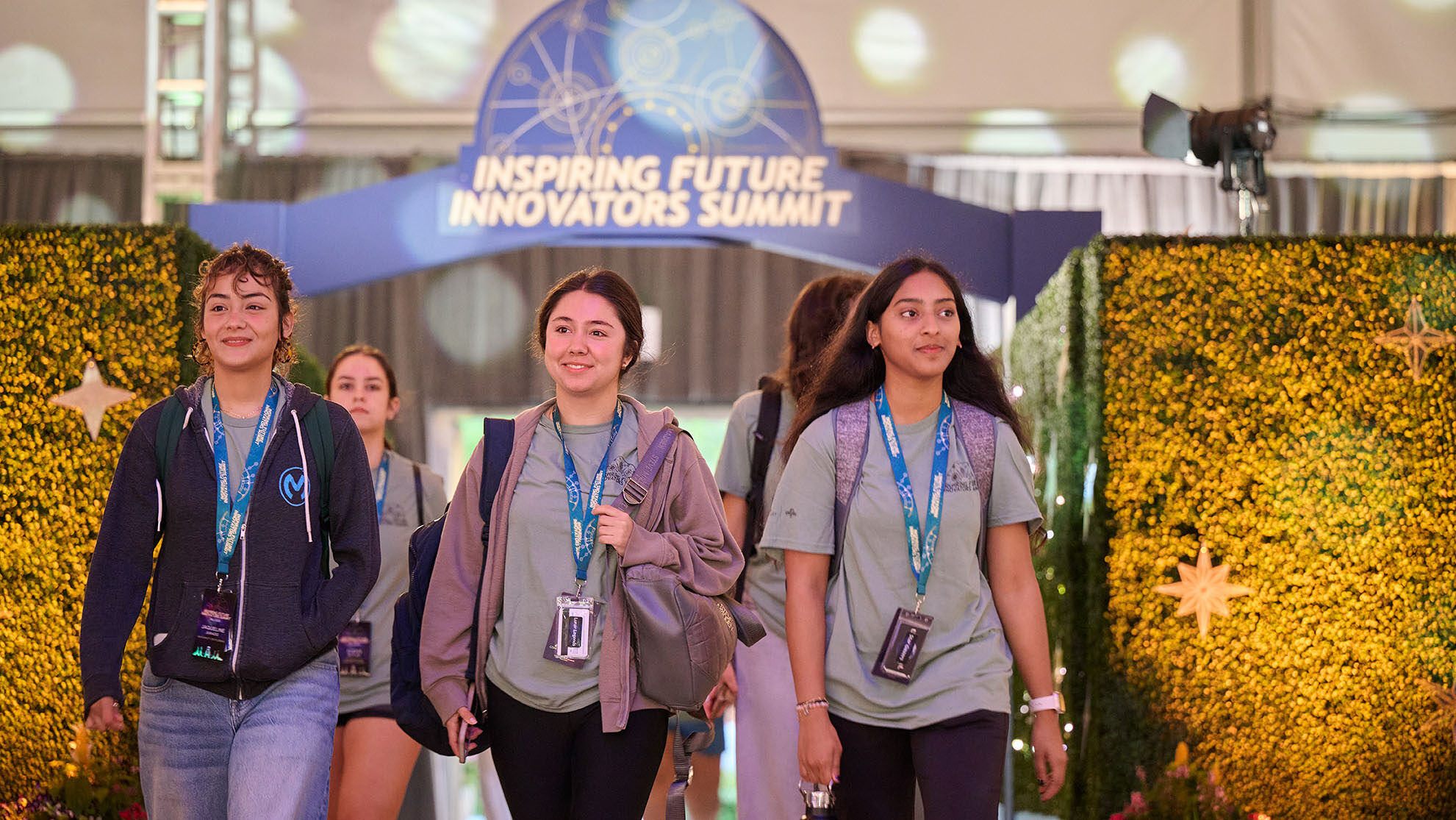
That commitment came to life at the second Inspiring Future Innovators Summit, where 40 college students from across the country representing CodePath, Urban Arts, Heights Philadelphia, and UCF Rosen College gathered at Universal Epic Universe. Pursuing fields ranging from software engineering and game design to hospitality management, they participated in an immersive three-day experience focused on creativity, career exploration, and professional growth.
Hosted in partnership with Universal Destinations & Experiences (UDX), the summit turned Universal Epic Universe into an interactive learning lab where students explored how innovation and creativity come together behind the scenes at one of the world’s most technologically advanced theme parks.
Students from CodePath, Urban Arts, Heights Philadelphia, and UCF Rosen College arrive at the summit.
Working in small teams alongside Comcast and UDX advisors, students tackled an innovation challenge to design a guest experience based on a fictional intellectual property. Inspired by Universal Epic Universe’s immersive worlds and attractions, they developed concepts, collaborated with mentors, and refined their ideas over three days.
On the final day, eight teams presented their solutions to a panel of Comcast and UDX leaders, bringing together the ideas, insights, and teamwork developed throughout the summit.
Beyond the challenge itself, students built meaningful relationships, expanded their professional networks, and gained firsthand insight into careers across technology, media, entertainment, and hospitality. Through conversations with industry leaders, professional development sessions, and behind-the-scenes access to Universal Epic Universe, they gained practical insights and a deeper understanding of the many paths available to them.
“My biggest takeaway from the summit was learning to think beyond my major and explore new possibilities. As an engineering student, I never imagined tackling challenges like this. Learning from others, discovering different career paths, and pushing myself outside my comfort zone made this an incredible experience and inspired me to pursue even more opportunities.”
– Nathan San Martin, Heights Philadelphia
“This experience taught me not to run away from challenges or failure, but to embrace them as part of growth. There is so much innovation and technology behind every guest experience and knowing that it takes teams with different backgrounds and perspectives, all willing to fail forward together, to create something magical was incredibly inspiring.”
– Hager Bahar, CodePath
The summit is part of Project UP, Comcast’s $1 billion commitment to advance digital opportunity and help build a future of unlimited possibilities.
“There is no single path to success. But by investing in programs and partnerships like this one, we can help connect young people to the skills, experiences, mentors, and networks that help open doors and create opportunity.”
Gwyneth Gaul, Vice President of Strategic Partnerships & Philanthropy at Comcast
For these 40 students, the experience provided more than a challenge to solve. It offered new perspectives, meaningful relationships, and a deeper understanding of how their talents can shape the future.
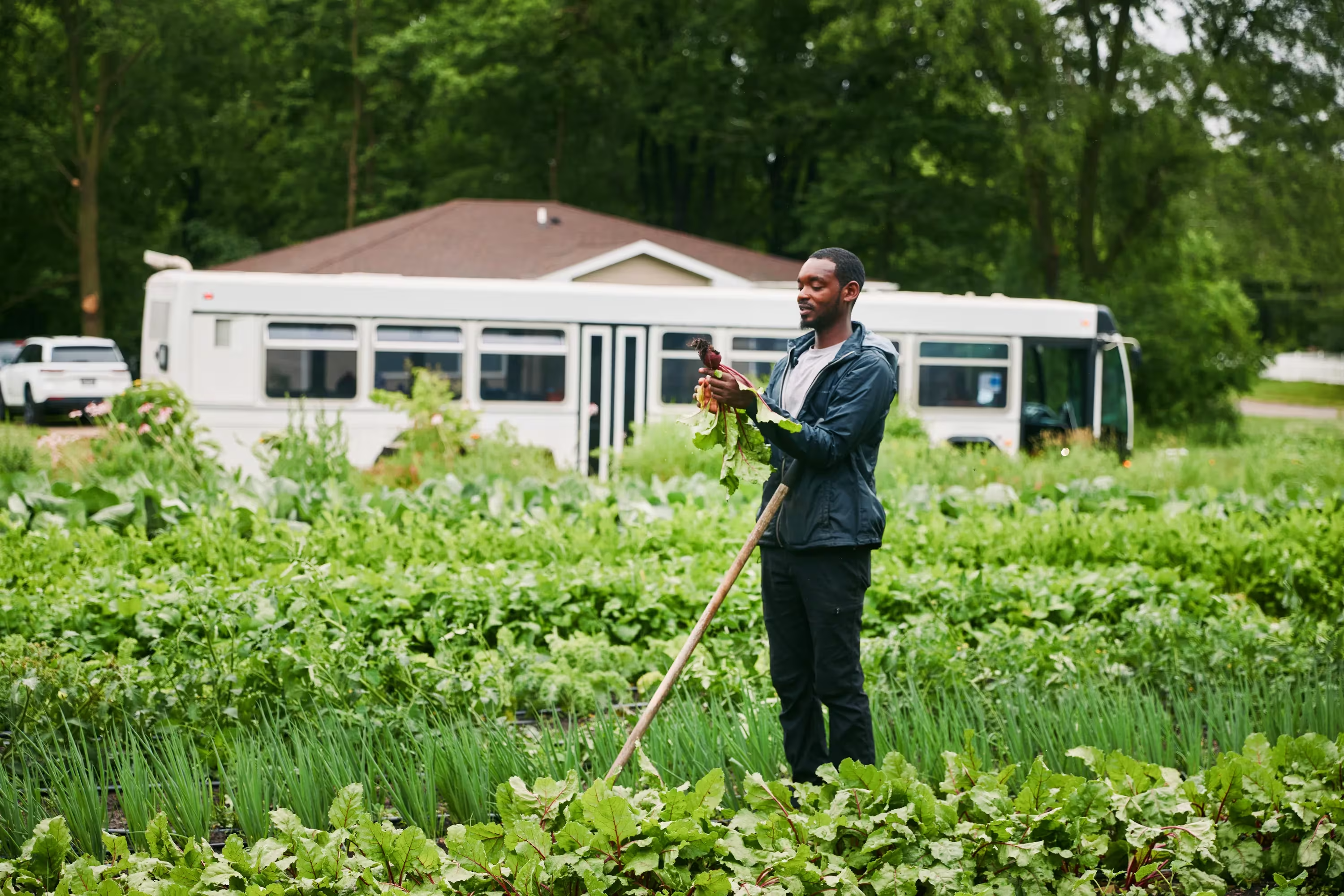
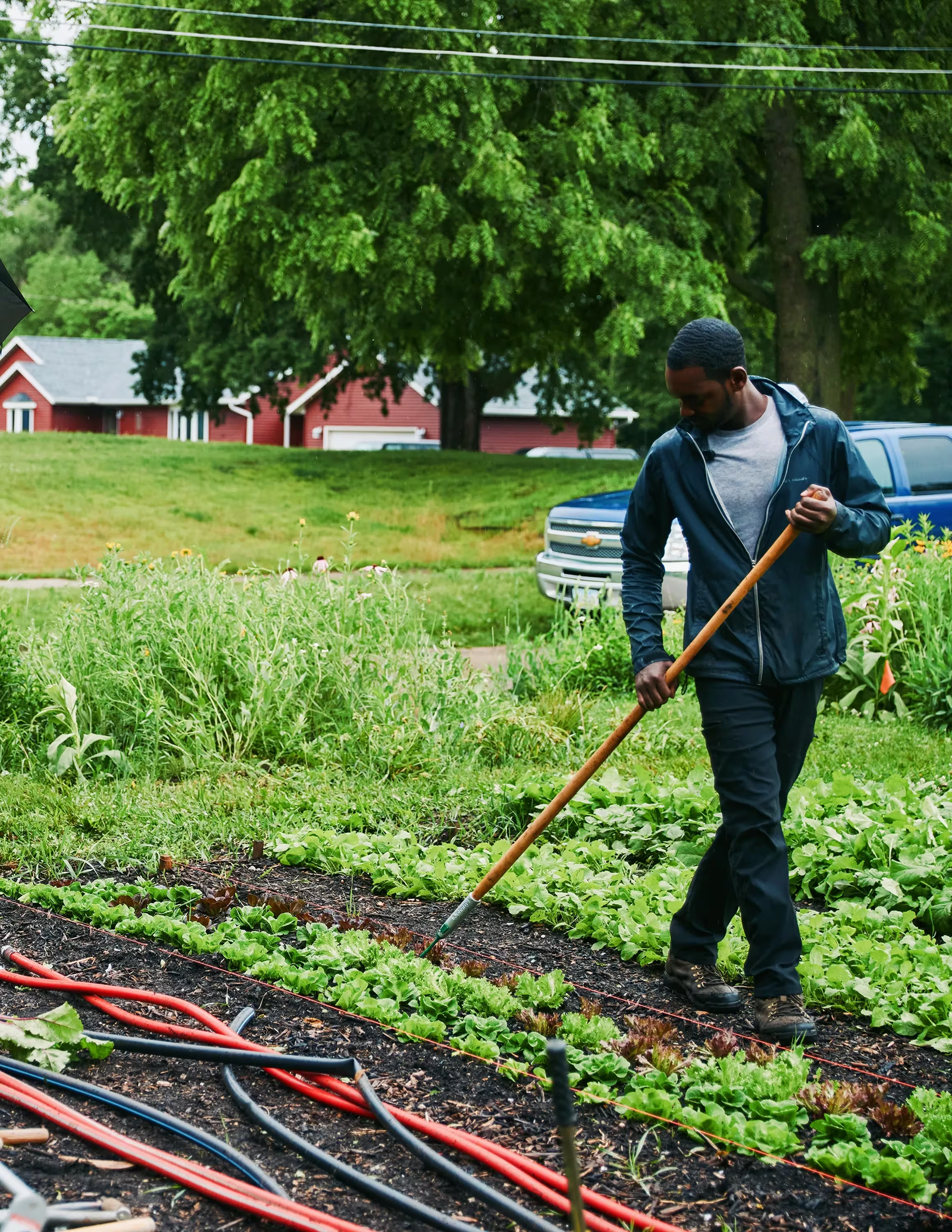
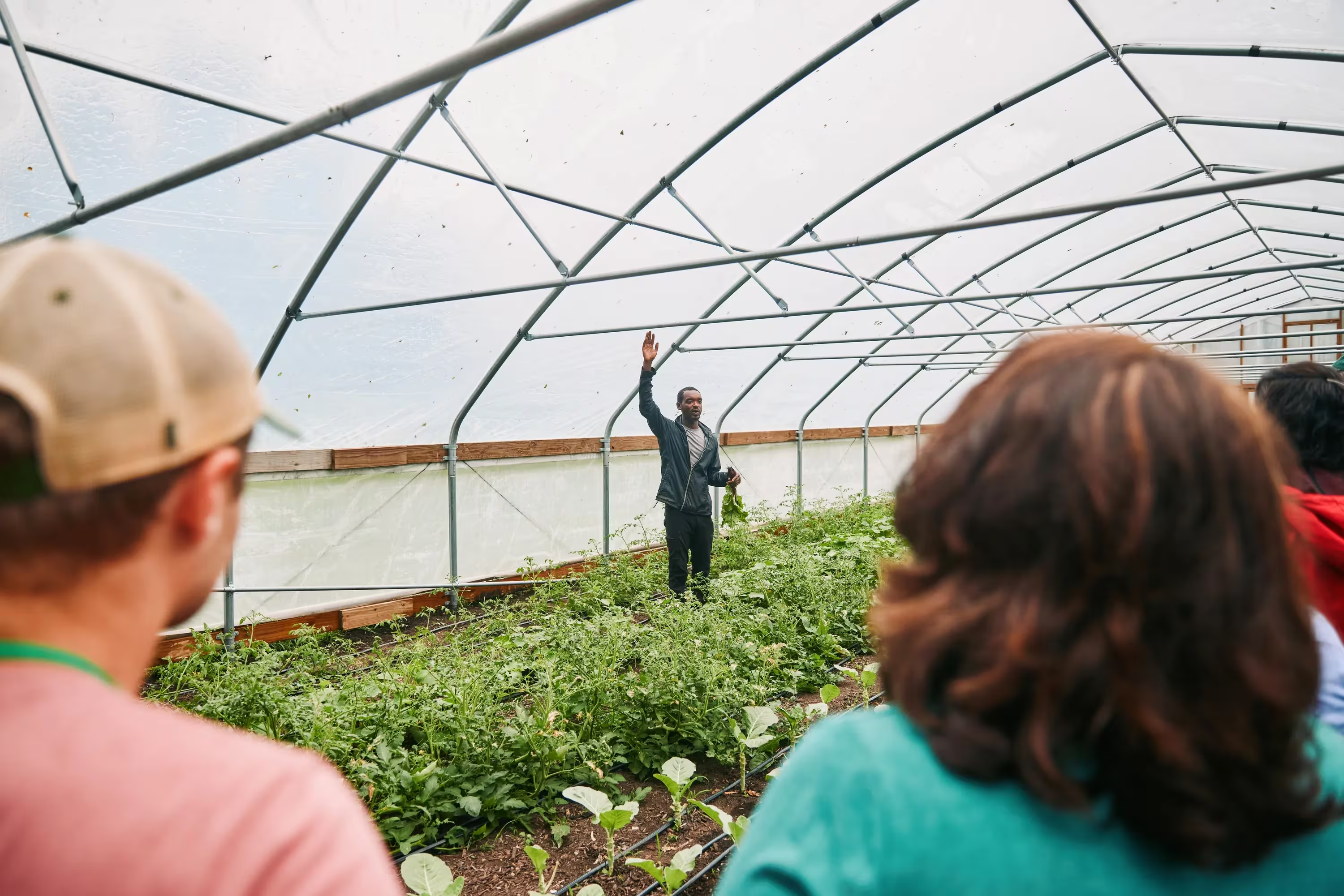
In Waterloo, Iowa, DaQuan Campbell’s urban farm is part of the neighborhood. Residents stop to ask what’s growing, and local farmers gain new ways to reach customers through We Arose, the business he founded to connect food, growers and community.
“That’s one of the things I value most about urban farming,” said Campbell. “The farm gets to be part of the community rather than something happening on the outskirts of town.”
Campbell did not expect farming to become his future. His great-great-grandparents owned a farm in the South, and later generations carried that connection to Iowa. He remembers tending his family’s garden, eating food he had watched grow and sharing harvests with neighbors. “There was pride in being able to grow something yourself, but part of it was also sharing what you had,” said Campbell.
Years later, he studied business and worked with the University of Northern Iowa’s Local Food Program, which showed him how agriculture could balance purpose and profit.
“I began to see agriculture not only as something that had been part of my family’s history, but as something I could build a future around,” he said.
Campbell started We Arose in 2019 as a small neighborhood garden. For two years, the team gave away its harvest while asking residents which crops mattered most and what prices could keep fresh food accessible while supporting a viable business. In 2021, We Arose moved into commercial production through farmers markets, home deliveries and a community-supported agriculture program, or CSA, which provides subscribers with regular selections of seasonal produce.
As We Arose grew, so did the challenge of helping more growers reach customers. Through a three-year PepsiCo-supported grant, Practical Farmers of Iowa has helped We Arose expand its farmers market and CSA work while connecting more growers to shared sales and distribution.
The name We Arose captures that community focus. “The ‘We’ is intentional,” said Campbell. “To me, farming and local food have always been about community. I wanted the name to make clear that this work was never just about one person.” The “Arose” evokes a rose growing through concrete — a symbol of moving forward despite historical barriers to land ownership and unequal access to land, capital and information. “The name acknowledges the challenges that have shaped our history, but it isn’t defined by those challenges,” said Campbell. “It’s about community and creating a path forward.”
Today, We Arose grows food and aggregates products from other small and emerging farmers, helping them reach customers through shared sales and distribution. Its CSA has grown from 15 subscribers to about 37, with a goal of 100. The local farmers market Campbell has managed since 2018 has expanded from 15 vendors to more than 40 and draws up to 1,200 customers a week during peak season.
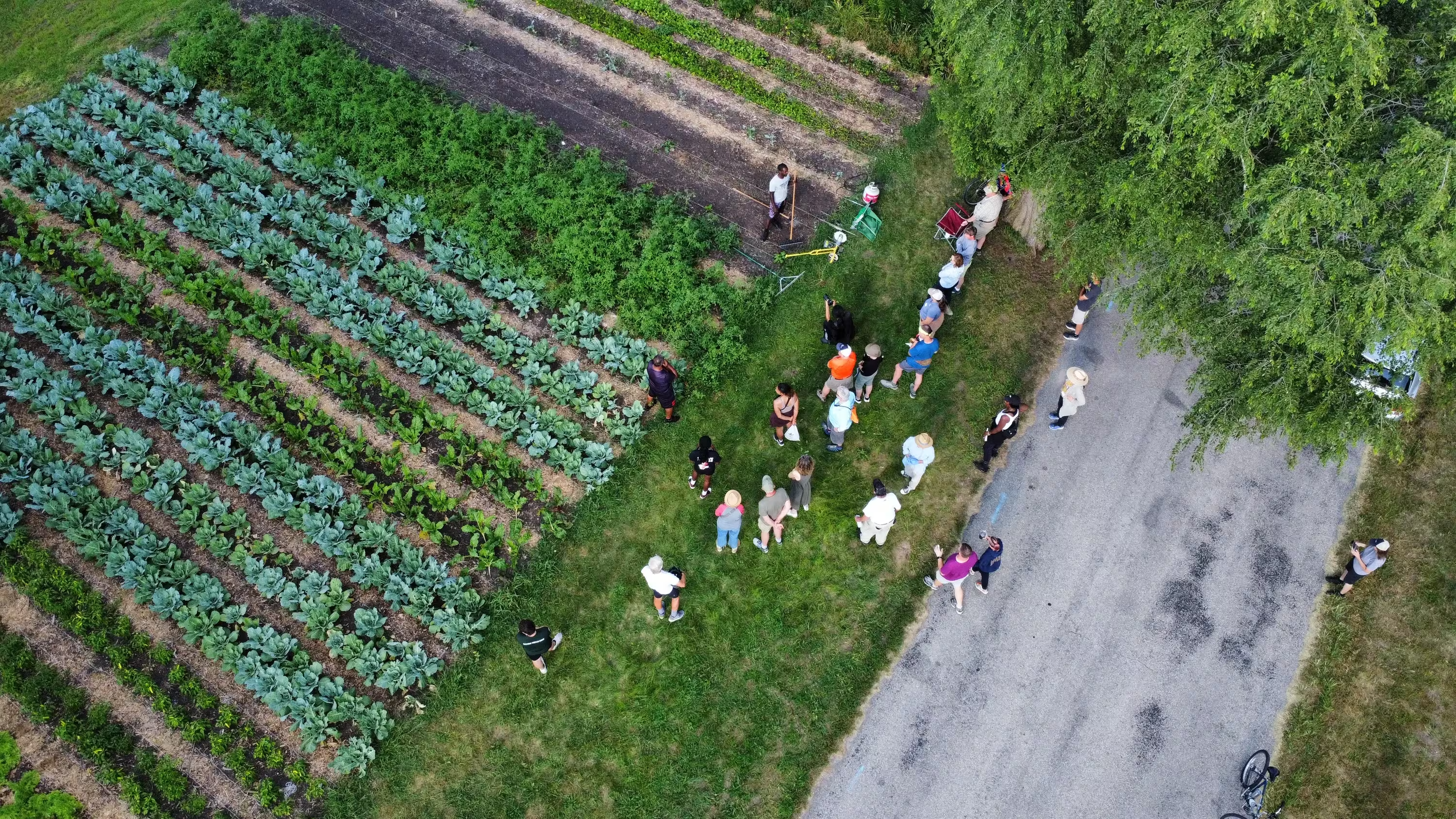
Those numbers tell only part of the story. Farmers markets have become community destinations, while volunteer sessions and monthly bike rides — including an annual farm crawl — bring people through the neighborhoods We Arose serves. Campbell also hears from residents who recognize culturally familiar crops. “It’s special hearing that a vegetable reminds someone of home, their Southern roots, or something their parents or grandparents used to grow and eat,” said Campbell.
For PepsiCo, whose food begins on farms, that growth reflects what the company hopes to support, which is local farmers, strong markets and the communities they serve.
“Strong food systems start with strong farming communities, and with the people who know those communities best. Organizations like We Arose understand what local farmers need and help them reach new customers and markets,” said Jonathan George, director of social impact, North America, PepsiCo. “By working alongside partners like Practical Farmers of Iowa to support locally led solutions, we’re helping build food systems that are more resilient for farming communities and the families they feed.”
For growers, the support has included seed grants, tools, supplies and specialized equipment such as walk-in coolers and wildlife exclusion fencing. Practical Farmers of Iowa has also provided workshops on food safety, funding applications and crop planning, including language-supported training for Congolese growers who contribute to We Arose’s collaborative CSA.
What matters most to me is creating an opportunity for a farmer, connecting a family with locally grown food, or building something that adds value to the community I call home.
– DaQuan Campbell
Behind the scenes, the Practical Farmers of Iowa partnership helped We Arose make targeted upgrades that keep an expanding farm operation moving. Improvements include a propagation greenhouse, a farm truck and bookkeeping support that introduced clearer accounts, a key performance indicator dashboard and stronger monthly financial processes.
“We Arose already had the foundations of a transformative organization. They are rooted in their community, with a humble and dedicated leader who was poised to grow as a professional while feeding his community,” said Natasha Hegmann, specialty crops business manager at Practical Farmers of Iowa. “Over the last three years we’ve worked more closely with DaQuan, providing financial and technical support for critical infrastructure like water access on urban plots and new production space, but also to support the development of the organization.”
For Campbell, success is measured not only in sales or subscriber totals, but in the relationships built around food. “What matters most to me is creating an opportunity for a farmer, connecting a family with locally grown food, or building something that adds value to the community I call home,” said Campbell.
As We Arose grows, that idea remains at the center: One farm can grow more than produce — it can help a wider local food economy take root.
New report shows warmer fall, later freeze and a longer allergy season across the country.i
Seasonal allergies increase the risk of itchy dogs, and nearly 9 in 10 dogs in the U.S. are “itchy dogs” according to their pet owners, having experienced symptoms of itchiness at some point in the year.ii
Zenrelia equips veterinarians and pet owners with an effective, convenient, and safe once-daily oral JAK inhibitor for control of itching and inflammation associated with skin allergies in dogs at least 12 months of age.
Real-world success and testimonials highlight the efficacy of Zenrelia with over 2 million dogs treated worldwideiii and 99% prescribing loyalty among U.S. veterinarians*.iv
INDIANAPOLIS, October 14, 2026 /3BL/ – Allergy season is getting longer, leaving people and their pets with more pollen-filled, itchy days ahead. A new Climate Central report shows that the “freeze-free” fall season–September through November– lengthened by an average of 11 days from 1970 to 2025, and by two weeks or more in about a third of U.S. cities studied.i For dogs with allergic itch, a longer season can mean more time spent itching and scratching. Elanco’s Zenrelia (ilunocitinib tablets) has already treated more than 2 million dogsiii in 48 countries worldwide including the U.S., EU, United Kingdom, Brazil, Canada, Australia and Japan. With allergy season not stopping just yet, Elanco is encouraging veterinarians and pet owners to be on the lookout for itchy dogs and work together to find itch relief.
“Pet owners and veterinarians need to be on high-alert and look for signs of allergic and atopic dermatitis, given that allergy season will be longer this year,” said Dr. Jennifer Miller, veterinarian and dermatology medical strategy lead at Elanco. “Itching, scratching, chewing, biting, even smelly skin are all signs that a dog’s immune system could be overreacting to environmental allergens.”
Zenrelia is an effective, convenient, once daily oral JAK inhibitor for control of itching associated with skin allergies in dogs at least 12 months of age. The product was first approved in the U.S. and launched in September 2024 and has since changed the lives of dogs like Trooper, Hunter, Scrappy and others. Since launch, Zenrelia has seen a 99% prescribing loyalty among U.S. veterinarians*.ii
Dogs should be up to date on vaccinations and should not have a serious infection before starting Zenrelia. You can learn more about Zenrelia at zenrelia.com.
Managing a Lengthened and More Intense Allergy Season
Since 1970, the annual freeze-free fall season has lengthened in 88% of U.S. cities analyzed,i, giving pollen-producing plants more time to grow. In some of the hardest-hit cities, the freeze-free fall season alone has stretched by more than three weeks, led by:
Toledo, Ohio (+28 days)
Reno, Nevada (+26 days)
Boise, Idaho and Tupelo, Mississippi (+24 days each),
Richmond, Virginia (+23 days)i
“In Toledo, we’ve seen the fall allergy season stretch later and later, and our exam rooms reflect it. More dogs are coming in scratching, licking and chewing well into the fall, and owners are exhausted from watching their pets struggle,” said Dr. Sarah Peton, Regional Consulting Veterinarian at Elanco. “Zenrelia has given us a once-daily option that helps get these dogs comfortable again, which makes a real difference for both the patient and the family at home.”
The America’s Itchy Dogs Report found that during allergy season dog owners invest more time and money on treatments, yet they strongly desire a simple, cost-effective solution to relieve their dogs’ itch. In fact, more than half of dog owners express a clear preference for a once-daily treatment over a complex regimen or frequent veterinary visits.ii
Meet Freddie: From Surrender to Second Chance
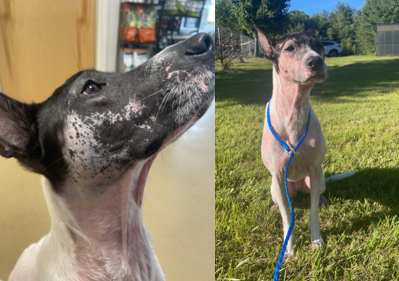
Freddie was surrendered to Tender Touch Veterinary Hospital in 2024 after her original owner considered euthanasia due to her uncontrolled itch. Upon surrender, her face was raw and bloody, and her skin was pink and inflamed. She tried multiple prescriptions and over-the-counter therapies, which improved her general skin condition, however she still experienced unresolved symptoms with her new owner and clinic staff member noting, “Before starting Zenrelia in 2025 Freddie still dealt with consistent allergy flare-ups that caused painful, raw hotspots in the same areas. Her paws were red and extremely itchy, and she would lick them until they were raw. Zenrelia reduced her itching and scratching, giving her the comfort she needed to just be a happy, normal dog again.”
Dogs should be monitored for infections because Zenrelia may increase the chances of developing an infection. The most common side effects of Zenrelia are vomiting, diarrhea and tiredness.
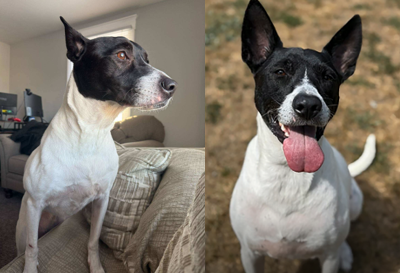
<em>Freddie, a five-year-old mixed-breed dog from Maine, was surrendered in early 2024 and was formally adopted by a clinic staff member in June 2024. Freddie’s skin condition began to improve under Tender Touch Veterinary Hospital’s care using other prescription medications and over-the-counter therapies; however, she still dealt with raw, irritated skin and hot spots. These photos show initial healing from July and August of 2024 prior to starting Zenrelia. </em><em>Freddie started Zenrelia in March of 2025, and these photos show the condition of her skin and coat after 3 months on Zenrelia. Individual results may vary.</em>
“Freddie’s case is an example of how persistent itching can eventually break down both the pet and owner’s quality of life,” said Dr. Miller. “Zenrelia offers veterinarians a critical tool for their toolbox and is an important addition to Elanco’s dermatology portfolio.”
The label’s Boxed Warning advises discontinuation of Zenrelia for at least 28 days to 3 months prior to vaccination and withholding Zenrelia for at least 28 days after vaccination due to the risk of inadequate immune response to vaccines.
Frequently Asked Questions about Zenrelia and Itchy Dogs:
How many dogs suffer from allergic and atopic itch?
The America’s Itchy Dogs Report found that nearly 9 in 10 dogs in the U.S. are “itchy dogs” according to their pet owners, having experienced symptoms of itchiness at some point in the year. That’s nearly 79 million “itchy dogs” across the country.ii
What is Zenrelia?
Zenrelia is a once-daily treatment that offers relief from itchy and irritated skin caused by allergic and atopic dermatitis. Zenrelia is a prescription medication used to control itching and inflammation associated with skin allergies for dogs over 12 months of age.
Is Zenrelia safe for dogs?
Yes. Zenrelia is FDA-approved, meaning it has undergone rigorous testing and has been shown to be safe and effective when used according to the label. Zenrelia does carry a Box Warning about an inadequate immune response to vaccines, meaning that it needs to be discontinued 28 days to 3 months before a vaccination, and withheld for at least 28 days afterward. Do not use in dogs with a serious infection.
What types of allergies can Zenrelia treat?
Zenrelia is approved to treat skin allergies in dogs, including canine atopic dermatitis, flea allergy, food allergies, and contact dermatitis.
When does Zenrelia begin working?
Zenrelia is rapidly absorbed after oral administration and begins to work quickly.[i]
Can Zenrelia be used long term?
There is no labeled limit to duration of Zenrelia use. One indication for Zenrelia is atopic dermatitis, which is a chronic condition. Safety studies evaluated use of Zenrelia for up to 6 months.[ii]
Should Zenrelia be used daily, or can it be stopped and started as needed?
Zenrelia should be given once daily. Use can be started or stopped at any time, without loading doses (multiple doses a day) or tapering (slowing stopping over time). Discuss any dosing changes with your veterinarian.
Zenrelia is a prescription medication used to control itching and inflammation associated with skin allergies for dogs over 12 months of age.
IMPORTANT SAFETY INFORMATION
Read the package insert, including the Boxed Warning, before using this drug. For full prescribing information speak with your veterinarian, call 1 888 545 5973 or visit www.elancolabels.com/us/zenrelia.
WARNING: INADEQUATE IMMUNE RESPONSE TO VACCINES. Based on results of the vaccine response study, dogs receiving Zenrelia are at risk of an inadequate immune response to vaccines. Discontinue Zenrelia for at least 28 days to 3 months prior to vaccination and withhold Zenrelia for at least 28 days after vaccination. Dogs should be up to date on vaccinations prior to starting Zenrelia. Do not use in dogs less than 12 months old or dogs with a serious infection. Dogs should be monitored for infections because Zenrelia may increase the chances of developing an infection. Neoplastic conditions (benign and malignant) were observed during clinical studies. The most common side effects were vomiting, diarrhea and tiredness. Zenrelia has not been tested in dogs used for breeding, pregnant, or lactating dogs and has not been evaluated in combination with glucocorticoids, cyclosporine, or other immune suppressive drugs.
ABOUT ELANCO
Elanco Animal Health Incorporated is a global leader in animal health dedicated to innovating and delivering products and services to prevent and treat disease in farm animals and pets, creating value for farmers, pet owners, veterinarians, stakeholders and society as a whole. With 70 years of animal health heritage, we are committed to breaking boundaries and going beyond to help our customers improve the health of animals in their care, while also making a meaningful impact on our local and global communities. At Elanco, we are driven by our vision of Food and Companionship Enriching Life and our purpose – all to Go Beyond for Animals, Customers, Society and Our People. Learn more at www.elanco.com.
iv Market research March 2026. Data from the Zenrelia SOV Refresh & Label Language Evaluation.
v Forster S, Boegel A, Despa S, et al. Comparative efficacy and safety of ilunocitinib and oclacitinib for the control of pruritus and associated skin lesions in dogs with atopic dermatitis. Veterinary Dermatology. 2025; 1–10.
vi Kuntz et al. Safety of ilunocitinib tablets (ZenreliaTM) after once daily oral administration in dogs. BMC Vet Research. (2025) 21:144
*Among surveyed veterinarians who are Zenrelia prescribers, 99% indicated they plan to continue prescribing Zenrelia.
NEW YORK and LONDON, October 14, 2026 /3BL/ –AccountAbility welcomes Dr. Fouad Khan as the new Global Head of Standards. Based in AccountAbility’s New York office, Dr. Khan will oversee the development, growth, and market adoption of the AA1000 Series of Standards.
“Dr. Khan brings a unique combination of scientific rigor, regulatory fluency, and hands-on experience advising some of the world’s largest organizations,” said Mr. Sunil (Sunny) A. Misser, CEO of AccountAbility. “As AccountAbility continues to ensure that the AA1000 Series of Standards drive resilience and value for our stakeholders, we look forward to working with Dr. Khan to ensure they remain practical, trusted, and relevant for the realities that organizations face today and tomorrow.”
Before joining AccountAbility, Dr. Khan advised some of the world’s largest companies, financial institutions, and development organizations on sustainability strategy, Net Zero, climate risk, and reporting against frameworks such as CSRD, ISSB, TCFD, GRI, and SASB. He has held senior roles at Deloitte, the World Bank, WWF, the United Nations Office for Project Services (UNOPS), Nature Research, and the Korea Water Resources Corporation and has had academic placements at University of Houston, Central European University, Lund University, and Aarhus University. He has also served on the Science Based Targets initiative’s Technical Advisory Group and its Expert Advisory Group on Measurement, Reporting and Verification.
“Dr. Khan has experience bridging science, policy, and business,” said Dr. Natasha Matic, Chairof the AccountAbility Standards Board. “His depth of experience makes him well placed to work with the Board, our working groups, and global stakeholders to strengthen the AA1000 Series and broaden its use across sectors and geographies.”
“This is an exciting time to join AccountAbility as the Global Head of Standards,” said Dr. Fouad Khan. “Organizations are increasingly being asked to justifytheir sustainability statements, and the AA1000 Series of Standards has helped do just that for more than two decades. Companies are also being challenged on the depth and inclusiveness of their stakeholder engagements, particularly for infrastructure projects, and the upcoming AA1000 Stakeholder Engagement Standards version 3 will be poised to serve as the only benchmark for companies to demonstrate rigor and completion in their interaction with the stakeholders. I look forward to working with the AccountAbility Team to continue to build on nearly three decades of standards leadership, combining rigorous science with business practice and using the new tools and technologies entering the market to make the Standards easy to apply and ready for practical use.”
Dr. Khan brings more than twenty years of international experience in corporate sustainability, standard setting, climate risk and disclosure, supply chain decarbonization, climate finance, and environmental and social safeguards. His work experience spans assignments in North America, Europe, South and East Asia, and Africa.
His appointment comes at a timely moment for AccountAbility as it advances the next generation of the AA1000 Series, including the forthcoming AA1000 Stakeholder Engagement Standard (AA1000SES v3).
Dr. Khan holds a PhD in Environmental Science and Policy from Central European University, Hungary, an MS in Environmental Engineering from the University of Houston, USA, and a BE in Civil Engineering from NED University of Engineering and Technology, Pakistan.
About AccountAbility
AccountAbility is an expert international Sustainability Advisory and Standards firm. Established in 1995 and structured as a Public Benefit Corporation, we work with businesses, investors, governments, and multilateral organizations to innovate and lead the global sustainability agenda by improving the practices and performance of organizations. We focus on delivering practical, effective, and enduring results that enable our clients and standards users to succeed.
AccountAbility operates globally from offices in New York, London, Riyadh, and Dubai, supported by a highly qualified team recognized by the Financial Times, Forbes, and Capital Finance International. AccountAbility is also acknowledged in the U.S. Library of Congress as a source of ESG & Sustainability research and thought leadership.
*********
For media inquiries or further information, please contact:
How to find holiday products customers want without blindly chasing trends
How to source products, price your offer and stand out from competitors
How AI can help you develop a holiday product and get your business online
You have a holiday business idea. Now comes the next question: What should you sell and why would someone buy it from you?
Whether you’re planning to sell handmade gifts, personalized products, digital downloads or seasonal services, the goal is the same: find something customers want, create an offer that stands out and make sure the numbers work before investing too much time or money.
Here’s how to turn a general idea into a product or service you’re ready to sell before the holidays.
How Do You Find Holiday Products That People Actually Want?
Start with customer needs, not just what’s trending. Research trending holiday products, Christmas products to sell and gifts to sell online to understand what shoppers are interested in. Then look for opportunities to serve a specific audience or solve a particular problem.
For example, instead of selling generic holiday decorations, you could offer personalized ornaments for new homeowners. Instead of a general gift basket, you could create a locally sourced bundle for coffee lovers.
You could also explore handmade holiday products, printable gift tags, custom invitations or services such as holiday home decorating.
Try this AI prompt:
“Suggest 10 holiday products or services I could sell before Christmas based on my skills, hobbies, interests and a budget of $[X]. Include physical products, handmade items, digital products and services. For each idea, identify the target customer, potential demand and what could make the offer different.”
Use the results as a starting point. Before committing, research competitors, customer feedback and relevant Christmas or Black Friday keywords to see how people describe what they want.
How Can You Make Your Holiday Product Stand Out?
You don’t need to invent something completely new. You need to give customers a compelling reason to choose your offer.
Consider these approaches:
Personalization: Add names, messages or custom designs.
Bundles: Combine complementary products into one convenient gift.
Convenience: Offer ready-to-gift packaging or products organized by recipient.
A specific audience: Create products for new parents, pet owners, teachers or local sports fans.
Private label products: Explore whether sourcing products under your own brand makes sense for your budget and timeline.
The right approach depends on your customers and resources. A digital planner might stand out through its design and niche audience, while a handmade gift could offer personalization that mass-market retailers don’t.
Think about the entire offer, not just the product itself. A thoughtful bundle, clear product description and simple buying experience can make a familiar item more appealing.
How Do You Source Holiday Products Without Overspending?
Before ordering inventory, understand your costs and how much you can realistically sell before the season ends.
If you’re researching private label holiday products or other products to source, compare suppliers, minimum order quantities, production times, shipping costs and reliability. Seasonal inventory can be difficult to sell once demand drops, so avoid committing more than you can reasonably afford to have left over.
Calculate your basic costs, including materials, packaging, shipping, payment processing and any marketplace fees. Then determine what price leaves enough margin to make the effort worthwhile.
For example, if a gift bundle costs $12 to assemble and package, selling it for $15 may leave little room for shipping, marketing and other expenses. A higher price could be justified if the bundle offers personalization or convenience customers value.
Start small when possible, test demand and adjust before placing larger orders.
What Holiday Offers Will Encourage Customers to Buy?
Your product is only part of the decision. Your offer helps customers understand its value.
Holiday promotion ideas include curated gift bundles, free personalization, tiered pricing or a limited-time discount. For Black Friday marketing ideas, you could introduce a special bundle or offer a discount on a product with healthy margins.
Avoid discounting simply because competitors are doing it. Calculate your costs first and make sure the promotion still supports your business goals.
Try this AI prompt:
“I sell [product] to [target customer] with a budget of $[X]. Suggest five holiday offers or gift bundles at different price points. Explain the appeal of each offer, estimate the costs I should consider and suggest ways to differentiate it from larger retailers.”
Once you have a product and offer worth promoting, you’ll need a place for customers to discover and purchase it.
How Can AI Help You Turn Your Product Idea into an Online Business?
A website gives customers a place to learn about your products, understand your offer and take the next step toward purchasing.
GoDaddy Airo uses AI to help you create a website and branding, including a logo, so you can establish an online presence without starting every element from scratch. You can use that foundation to showcase your holiday products, explain what makes them special and prepare your business for seasonal shoppers.
As you build, consider your holiday landing page, product descriptions and how customers will find you through search. Relevant ecommerce SEO and a clear shopping experience can help customers understand what you sell.
You can also plan how you’ll reach customers through email marketing for ecommerce, SMS marketing for ecommerce and a holiday marketing calendar. These activities work best when you have a defined product and a clear offer to promote.
How Do You Turn Your Holiday Product into a Business?
You don’t need a huge inventory or a completely original idea to get started. Focus on a specific customer, develop an offer that makes sense financially and test demand before investing more.
Then build the online presence you need to reach customers.
Ready to bring your holiday business idea to life? Try GoDaddy Airo to create your website and branding with AI and take the next step toward launching your business.
Frequently Asked Questions
How can you tell whether a holiday product has enough demand?
Look at customer search behavior, competitor offerings, product reviews and questions people ask about similar products. These signals can help you assess interest, although they don’t guarantee sales.
Is it better to sell seasonal products or products people buy year-round?
Both can work. Seasonal products may benefit from concentrated holiday demand, while year-round products can provide opportunities beyond December. Consider your budget, timeline and whether you want the business to continue after the holidays.
What should you know before selling private label holiday products?
Research supplier reliability, minimum orders, production timelines, product quality and total costs. Make sure you understand any applicable labeling, safety or regulatory requirements before selling.
How can you promote a new holiday product without a large advertising budget?
Start with the channels your target customers already use. Share useful product demonstrations, partner with relevant local businesses, build an email list and test small promotions. A focused audience and clear offer can be more useful than trying to reach everyone.
What website builders can help you launch an online store for the holidays?
AI-powered website builders can help simplify website creation and branding. GoDaddy Airo can help you establish your online presence with AI-generated website content and branding, giving you a starting point for showcasing your products and preparing to reach customers.
LONDON, October 14, 2026 /3BL/ – The International WELL Building Institute (IWBI), the global authority for advancing healthy buildings, organizations and communities, today introduced a WELL Interiors designation, tailored specifically to how interior spaces are designed to support health and well-being. The new designation will be a specialized subset of evidence-based strategies from the WELL Standard (WELL), and specifically curated for the Architecture and Design community. The announcement was made on the occasion of IWBI’s WELL 2026 London Summit.
By focusing on the physical elements of a space—from furniture specifications to material health—this new designation will empower interior designers, architects and design-build firms with strategies to ensure health-centric design is a core, protected component of every project.
“As human-centered design continues to reshape our spaces, health and well-being frameworks must evolve to better support architects and designers,” said IWBI President and CEO Rachel Hodgdon. “Recognizing this transformative shift, the WELL Interiors designation arrives at a critical moment, championing people-first places and empowering practitioners to create healthier, more resilient interior spaces.”
By prioritizing the first phase of a project’s lifecycle (interior design and construction), the WELL Interiors designation validates people-centric innovation as a standalone achievement, while eliminating the need for broader operational coordination like human resources policies or post-occupancy performance testing.
“Designers have long understood that our spaces should fundamentally be designed to prioritize people, and WELL has always recognized this, too,” said Jessica Cooper, IWBI Chief Product Officer. “This new specialty designation now presents an unprecedented opportunity to focus exclusively on design impact – ultimately making it simpler than ever to bring people-first interiors to life.”
Historically, full WELL certifications have presented scope-related challenges for projects in the midst of an interior renovation. The WELL Interiors designation removes these operational barriers, focusing exclusively on physical interior elements that fall directly under the design team’s purview and contractual control. In doing so, this new designation creates a streamlined, design-focused entry point into the WELL ecosystem. The framework draws on strategies across all 10 core WELL concepts, with deep emphasis on Materials, Light, Sound and Movement.
“Our primary goal is to support the A&D community with a designation that recognizes holistic health and well-being achievements, while offering a streamlined documentation process that preserves the health focus through value engineering,” said Ann Marie Aguilar, Senior Vice President, EMEA Region at IWBI, who has spearheaded the development process. “We welcome industry input that informs the WELL Interiors designation and helps shape the future of design.”
To ensure the designation seamlessly fits real-world practice, IWBI has convened the WELL Interiors Working Group. This advisory body brings together a diverse group of professionals from around the globe, including designers, engineers, lighting specialists, acousticians and real estate experts, alongside leading global firms. Key industry bodies are also joining the effort, in order to strengthen the bridge between standard design processes and health-based outcomes.
IWBI invites additional industry participation as it prepares to preview and launch this new designation. For more information and to participate in the WELL Interiors Working Group, please register your interest here.
About the International WELL Building Institute The International WELL Building Institute (IWBI) is a public benefit corporation and the global authority for transforming health and well-being in buildings, organizations and communities. In pursuit of its public-health mission, IWBI mobilizes its community through the development and administration of the WELL Building Standard (WELL), WELL for residential, WELL Community Standard, its WELL ratings and management of the WELL AP credential. IWBI also translates research into practice, develops educational resources and advocates for policies that promote people-first places for everyone, everywhere. More information on WELL can be found here.
International WELL Building Institute, IWBI, the WELL Building Standard, WELL v2, WELL Certified, WELL AP, WELL EP, WELL Score, The WELL Conference, We Are WELL, the WELL Community Standard, WELL Health-Safety Rated, WELL Performance Rated, WELL Equity Rated, WELL Equity, WELL Coworking Rated, WELL Residence, Works with WELL, WELL and others, and their related logos are trademarks or certification marks of International WELL Building Institute pbc in the United States and other countries.
COLUMBUS, Ga. — More than 40 Aflac employees recently rolled up their sleeves to help ensure local children have a safe and comfortable place to sleep, building 40 beds in partnership with nonprofit organization Sleep in Heavenly Peace (SHP). The volunteer event, held at Aflac’s Paul S. Amos Campus, brought employees together to saw, drill, sand and stain bed frames that will be delivered to children in need throughout the region. Aflac provided paid time off for participating volunteers.
The effort reflects Aflac’s longstanding commitment to supporting children and families in the communities it serves. In addition to providing the eager volunteers, the company donated $20,000 for the building materials and an additional $1,500, in honor of its volunteers to help purchase bedding.
“We’re blessed to be a part of the Columbus community,” said Matthew Owenby, Aflac’s chief human resources and administrative officer. “We’re a mainstay employer here, so we’re just trying to give back to the local community.”
Founded on the belief that no child should sleep on the floor, Sleep in Heavenly Peace builds and delivers beds to children who lack a bed of their own. SHP volunteers will deliver the beds constructed by Aflac volunteers to recipients’ homes and assemble them there, complete with mattresses and new bedding.
For volunteer Yvonne Corbin, the project was deeply personal. A longtime SHP supporter, Corbin said her own childhood experiences motivate her to help children facing similar challenges.
“Anything that I can do to help the life of a child who may be in a similar situation that I grew up in, not necessarily having everything that I needed, anything that I can do to help them, I’m willing to do it,” Corbin said.
The event marks Aflac’s second major partnership with SHP in Columbus in 2026, and comes amid significant community need. Previous volunteer efforts highlighted that nearly 2,000 children in the Columbus area are waiting for beds through the organization.
By day’s end, the stacks of newly built beds represented more than lumber and hardware. For the children who will receive them, volunteers said, a bed can provide dignity, better sleep and a stronger foundation for success at home and in school.
Aflac includes American Family Life Assurance Company of Columbus and/or American Family Life Assurance Company of New York.
Aflac | Aflac NY | WWHQ | 1932 Wynnton Road | Columbus, GA 31999
Dr. Lisa Allyn Dale | Senior Lecturer in Climate and Director—MA in Climate and Society Sara Rosner | Director—Responsible Investing Research Sydney Kane | Credit Research Analyst—Global Investment-Grade Credit
Wildfires offer a case study in how climate-related risks can spread to capital markets.
From severe wildfires in northern Ontario to record heat and fires across Europe, extreme weather is back in the headlines. Such events are becoming more frequent and intense, and the risks associated with them are testing the limits of insurability. With our research partners at Columbia Climate School, we examine how strains on the insurance system can transmit climate-related risks through the capital markets.
California’s 2025 wildfires provide a case study. The Palisades and Eaton wildfires in Los Angeles in January 2025 cost insurers $40 billion—a new loss record for that category of natural disaster and, according to Swiss Re Institute, among the top 10 costliest insured loss events across all natural disaster categories to date. But these losses should be seen in the context of historical data showing that global catastrophe claims have trended sharply higher, particularly over the past decade.
Because of this trend, insurance premiums are rising, coverage is becoming more restrictive, some policies aren’t being renewed, and some insurers are retreating from higher-risk markets. The challenge affects not only insurers and asset owners but investors—especially those with exposure to insurance companies, real assets or municipal bonds. The issue is global, but California’s wildfires help to illuminate its key aspects.
Humans and Nature: A Combustible Mix
Two factors are driving rising wildfire risk and related insurance losses. Rising global temperatures are leading to increased variability in precipitation patterns and earlier snowmelt, resulting in longer, more destructive fire seasons. And increasing housing developments in the Wildland-Urban Interface (WUI)—areas where homes are close to wildfire zones—are putting more homes at risk.
The area burned by US wildfires each year has increased markedly, with recent seasons among the most severe on record. At the same time, the number of homes in proximity to wildfire risk zones has risen substantially since the 1990s—reflecting both expansion into fire-prone areas and the growing frequency, size and intensity of wildfires themselves. Together, these trends mean more homes are exposed when fires occur, amplifying potential losses.
From an insurance perspective, risk is rising and becoming harder to assess. For example, as housing in the WUI proliferates, the risk is no longer simply direct proximity to wildfire risk zones but fire spreading from one property to another. Indeed, flying embers are the primary source of property loss in a wildfire. Insurers are working with private data providers to develop better risk-assessment techniques, but the research is expensive and contributes to rising insurance costs.
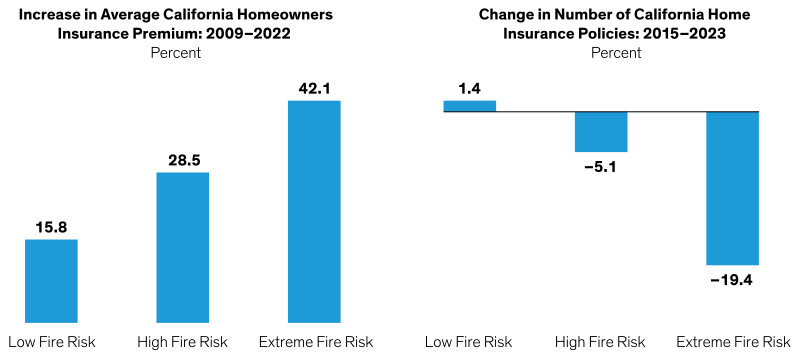
Even before the 2025 wildfires, many insurers in California either raised premiums in or withdrew from fire-prone areas (Display).
The social and economic costs are considerable. Most homebuyers require a mortgage but can’t obtain one without insurance, potentially limiting homeownership and affecting property values. Uninsured and underinsured households lack the resources to rebuild after a fire; as their numbers grow, state and local governments must provide more temporary housing and social services during recovery. Lower home values constrain property tax revenues and this, together with the rising costs of post-fire recovery, puts some municipalities’ bond ratings at risk.
States Struggle to Plug the Insurance Gap
Most US states have responded by introducing a Fair Access to Insurance Requirements (FAIR) plan for homeowners unable to obtain private coverage. Under the plan, insurers in each state contribute to a shared-risk fund. If catastrophic claims exceed the fund, assessments are levied on insurers in proportion to their market share.
But FAIR plans have limitations. While they are cheaper than indemnity plans offered in the private marketplace, they cover fewer hazards and pay out claims at smaller percentages. And the funding model is unwieldy: as greater fire risk causes premiums to rise, so too does demand for FAIR plans, the cost of which must be met through still-higher premiums.
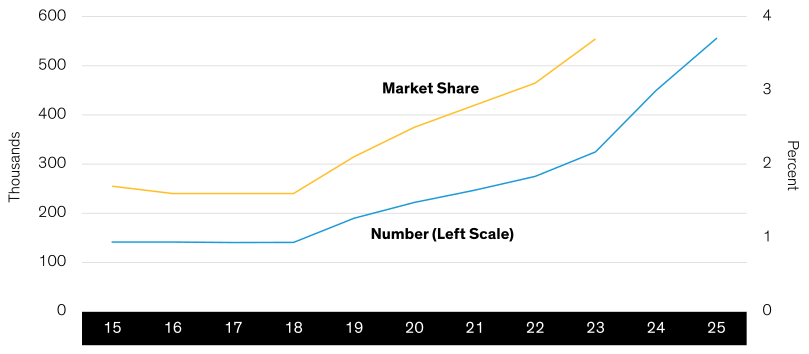
This hurts policyholders and insurers alike. In California, for example, some insurers are withdrawing from the state, leaving fewer insurers to shoulder the FAIR burden (Display).
Growth in California’s FAIR Plan Adds to Insurers’ Stress Personal and Commercial Residential Policies in Force
The 2025 fires overwhelmed California’s FAIR fund, which had only $377 million in its account when the blazes began. The state quickly authorized a $1 billion assessment, which insurers passed on to policyholders in higher premiums. FAIR plans may provide interim relief, but in our view, they aren’t sustainable solutions. Indeed, some states have begun to move homeowners off them and back to the private market.
One is parametric insurance, widely used by crop growers. It differs from indemnity insurance because it is triggered not by property loss or damage but by a predetermined condition. In crop insurance, this might be a specified amount of rainfall that could lead to flooding and crop loss.
Premiums are lower than for indemnity insurance, and payouts are quicker, but there are risks. For example, a weather event may not be strong enough to trigger a payout but may still cause damage. Parametric insurance’s application to wildfire coverage hasn’t been widely tested, but we see potential for it as a risk overlay used in conjunction with indemnity insurance.
Another approach under discussion is community-based insurance, in which coverage is offered to defined groups of homeowners rather than individuals. Advocates argue that it could help communities coordinate resilience measures and improve risk pricing. Regulatory barriers remain significant, however, limiting its use in many states.
Home hardening offers a more direct way to reduce risk. Homeowners can take steps to reduce their property’s vulnerability to wildfire, have the work professionally certified, and submit the certificate to an insurer. This may result in lower premiums or reversal of a previous denial. Such outcomes are not guaranteed, but the approach may make homes safer.
Understanding Insurance Risk Is Critical
We believe investors should understand where insurance markets are breaking down, where alternative risk-transfer mechanisms might emerge and how policy responses evolve. Understanding these dynamics will be key to managing exposures to insurers, real assets, mortgage portfolios, municipal bonds and insurance-linked strategies.
In our analysis, extreme weather is no longer merely a localized underwriting issue but a material factor shaping credit risk, asset valuation, municipal finance and long-term insurability.
The views expressed herein do not constitute research, investment advice or trade recommendations, do not necessarily represent the views of all AB portfolio-management teams and are subject to change over time.
Learn more about AB’s approach to responsibility here.
Because we lease the majority of our facilities, energy management is complex. We have limited direct control over building systems, making landlord engagement and strategic lease negotiations critical to achieving efficiency gains. Where we own facilities, we can implement improvements directly.
Building Certifications
Part of our facility management for sustainability includes Leadership in Energy and Environmental Design (LEED) and Building Research Establishment Environmental Assessment Method (BREEAM) certifications for several of our largest sites. These certifications span key locations across North America, including Avondale, Arizona; Charlotte, North Carolina; Alsip, Illinois; Lewisville, Texas; Medley, Florida and Pointe-Claire, Canada. Internationally, we maintain ISO 14001 and BREEAM certifications at major facilities in the U.K. and Dubai, UAE. Our most recent achievement includes LEED certification for our Avondale, Arizona facility in 2025.
Renewable Energy
Our renewable energy program launched in 2024 with strategic focus on our highest-consumption states. We invested in locally-generated, Green-e certified renewable energy certificates (RECs) for all electricity use in Illinois, Texas, and Georgia — targeting the regions where clean energy delivers maximum impact. We also sourced renewable energy guaranteed origin (REGO) certificates for 100% of our electricity use in the U.K. Across all renewable instruments in 2025, Wesco measures a total of 27,120 megawatt-hours (MWh) of renewable energy. Participation in tax credit and community solar programs further supports renewable development in our operating regions.
Meeting the renewable energy challenge at scale required innovation across multiple procurement strategies in 2025:
Utility partnerships: Green tariff agreements were onboarded for approximately 27 sites across eight states, creating direct connections to renewable energy sources through our utility providers
Certificate programs: Maintaining our REC purchasing commitment with continued investment in verified local renewable projects
International reach: Exploring procurement options in the U.K. and other countries, extending our clean energy strategy beyond the U.S.
Leased Facilities
Landlord partnerships create opportunities within leased spaces. We actively engage building owners and property managers to identify efficiency improvements, while new lease negotiations now include energy efficiency requirements as standard terms, establishing performance baselines for our growing portfolio.
Owned Facilities
Direct ownership enables direct action. At Wesco-owned buildings, we strive to implement comprehensive efficiency initiatives such as HVAC system modernization, electrification projects and renewable energy installations.
Spotlight: Avondale Solar Installation
In 2025, Wesco launched a new rooftop solar project at our 409,000-square-foot Avondale, Ariz. facility, one of the largest facilities in our portfolio. The installation will significantly reduce the building’s carbon emissions when complete. By repurposing solar panels and hardware from existing inventory, we’re demonstrating how circular economy principles create both environmental and business value while advancing our renewable energy goals.
Subaru of America, Inc. sets goal of over $360 million in donations through 19th year of the charitable initiative
National charity partners the ASPCA®, Make-A-Wish®, Meals on Wheels America, and National Park Foundation return, along with nearly 830 local hometown charities
CAMDEN, N.J., October 14, 2026 /3BL/ – Subaru of America, Inc. today announced the return of its charitable Subaru Share the Love® Event for the 19th consecutive year. Through this year’s event, Subaru and its participating retailers will aim to reach a cumulative total of more than $360 million in donations to charitable organizations, including returning national partners: The ASPCA® (The American Society for the Prevention of Cruelty to Animals®), Make-A-Wish®, Meals on Wheels America, and the National Park Foundation, as well as nearly 830 local hometown charities picked by Subaru retailers across the country.
Jeff Walters, President and Chief Operating Officer, Subaru of America, Inc: “Through the Subaru Share the Love Event, Subaru and our retailers nationwide connect customers with the organizations that make our communities thrive. Whether it’s a charity they’ve given to before, or one they learned about in the showroom, we’re proud to help support these efforts that resonate with our growing Subaru family.”
For every new Subaru vehicle purchased or leased at any of the more than 640 Subaru retailers from November 19, 2026, through January 4, 2027, Subaru will donate $250 when the customer chooses a participating charity*. Retailers also add local hometown charities with causes important to their communities to receive at least an additional $50 for each new vehicle sold or leased. Additionally, many retailers will donate $5 to their registered hometown charity for every qualifying Subaru vehicle routine service visit during the campaign period.
Over the last eighteen years of the Subaru Share the Love Event, Subaru and its participating retailers have already donated over $346 million to causes around the country and supported nearly 2,700 hometown charities. To learn more, visit: www.subaru.com/share.
The ASPCA® (The American Society for the Prevention of Cruelty to Animals®) Subaru is the largest corporate donor to the ASPCA. For more than 160 years, the ASPCA has been on the frontlines to save, transform, and protect millions of lives in the fight against animal cruelty, revolutionizing the way society cares for animals. The ASPCA is the voice for millions of animals across the country, and its commitment to eliminating animal cruelty is unwavering. Through our partnership with the ASPCA during the Subaru Share the Love Event, Subaru has had a significant impact on the rescue, transport, well-being, and adoption of more than 152,000 animals across the country.
Make-A-Wish® Subaru is the largest automotive donor to Make-A-Wish. Make-A-Wish creates life-changing wishes for children with critical illnesses. Research shows that children who have wishes granted can build the physical and emotional strength they need to fight a critical illness. A wish replaces fear with confidence, sadness with joy, and anxiety with hope. The impact of just one wish has the power to transform the lives of everyone involved and helps wish kids and their families believe in better days ahead. Through our partnership with Make-A-Wish during the Subaru Share the Love Event, Subaru and our retailers have helped to grant the life-changing wishes of more than 4,100 kids with critical illnesses.
Meals on Wheels America Subaru is the largest automotive donor to Meals on Wheels America, the leadership organization supporting a network of local, community-based providers dedicated to fighting hunger and isolation among our nation’s homebound seniors. This network serves virtually every community in America and, along with more than 280,000 staff and volunteers, delivers the nutritious meals, friendly visits, and safety checks that enable America’s seniors to live nourished lives with independence and dignity. Through our partnership with Meals on Wheels during the Subaru Share the Love Event, Subaru and our retailers have supported the delivery of more than 5.2 million meals and friendly visits to America’s seniors.
National Park Foundation Subaru is the largest corporate donor to the National Park Foundation. As the official nonprofit partner of the National Park Service, the National Park Foundation generates private support and builds strategic partnerships to protect and enhance America’s national parks for present and future generations. Through our partnership with the National Park Foundation during the Subaru Share the Love Event, Subaru is helping support and protect America’s more than 400 national parks.
*Subaru of America, Inc. (“SOA”) will donate $250 for every new Subaru vehicle sold or leased from November 19, 2026, through January 4, 2027,when one or more of the four national charities is designated by the purchaser or lessee. Pre-approved hometown charities may also be selected for the donation depending on retailer participation. In addition, for every new Subaru vehicle sold or leased during the campaign period, participating retailers will donate a minimum of $50 in total to their registered hometown charities. Subaru will donate a total of $5 to their registered hometown charities for every qualifying Subaru vehicle routine service visit during the campaign period at participating retailers. Purchasers/lessees must make their charity designations by January 15, 2027. The four national charities will receive a guaranteed minimum donation of $250,000 each. See your local Subaru retailer for details or visit subaru.com/share. All donations made by SOA. This promotion is void in the state of Hawaii.
About Subaru of America, Inc. Subaru of America, Inc. (SOA) is an indirect wholly owned subsidiary of Subaru Corporation of Japan. Headquartered in Camden, N.J., the company markets and distributes Subaru vehicles, parts, and accessories through a network of about 640 retailers across the United States. All Subaru products are manufactured in zero-landfill plants, including Subaru of Indiana Automotive, Inc., the only U.S. automobile manufacturing plant designated a backyard wildlife habitat by the National Wildlife Federation. SOA is guided by the Subaru Love Promise®, which is the company’s vision to show love and respect to everyone and to support its communities and customers nationwide. Over the past 20 years, SOA and the SOA Foundation have donated more than $357 million to causes that Subaru and its customers care about, and Subaru employees have logged more than 130,000 volunteer hours. Through these actions and more, Subaru is dedicated to being More Than a Car Company® and to making the world a better place. For additional information, visit media.subaru.com.