• Eaton AbleEdge smart breakers add intelligent load management to the FranklinWH System 
  • Collaboration makes it quicker and simpler to add and manage residential distributed energy resources 

PITTSBURGH, July 9, 2026 /3BL/ – Intelligent power management company Eaton today announces a collaboration with FranklinWH to make intelligent, flexible home energy systems easier to buy, install and scale across North America. The integration of Eaton’s AbleEdgeTM smart breakers with the FranklinWH System helps improve energy affordability by enabling more flexible, intelligent and simplified energy management at home. The companies will help make it easier for contractors and homeowners to integrate solar and energy storage, manage loads, expedite installation and extend backup duration during a grid outage. The joint solution is now available, with Eaton as FranklinWH’s preferred supplier for load management.

Eaton’s AbleEdge smart breakers will add intelligent load management and support virtual power plant (VPP) functionality for the FranklinWH System in retrofit and new construction projects. The collaboration aligns with Eaton’s Home as a Grid strategy that supports flexible power systems that enable customers to do more with the power they have. Eaton’s work with leading home energy management, solar and energy storage providers such as FranklinWH is transforming what is possible for the home as an energy source.

“This collaboration raises the bar for home electrification,” said Paul Ryan, vice president and general manager of energy transition at Eaton. “We’re bringing intelligence to residential circuit breakers—so homeowners can control the loads that matter most, extend backup power and reduce wasted energy. AbleEdge smart breakers integrate with multiple storage systems, work right out of the box and are available through Eaton’s established distributor network—making it easy for contractors to install at scale.”

“FranklinWH is committed to enabling more resiliency and energy freedom for homeowners looking to add storage to their home,” said Gary Lam, CEO and Co-Founder of FranklinWH. “By integrating Eaton’s AbleEdge smart breakers with our FranklinWH System, homeowners will gain new visibility and control over their energy use. Through the FranklinWH App, these insights enable smarter home energy management system, saving money and increasing energy security in the home.”

The Eaton smart breakers can be retrofitted into existing load centers and added to the FranklinWH Meter Adapter Controller to support both retrofit and new construction projects. Homeowners and electrical contractors will be able to use the FranklinWH App to install, commission, manage and monitor both companies’ technologies.

When deployed with participating utilities, the joint solution enables homes to operate as virtual power plants (VPPs). By utilizing intelligent load management, homeowners can shift or shed demand during peak times, store and discharge energy from onsite distributed energy resources, and support grid stability and resilience. Homeowners can use the functionality to participate in utility VPP programs that generate revenue or credits by exporting excess power back onto the local electric grid.

Eaton technologies are backed by the company’s secure-by-design philosophy that ensures its products meet rigorous cybersecurity and safety design standards.

Learn more about Eaton’s Home as a Grid approach.

Eaton is an intelligent power management company dedicated to protecting the environment and improving the quality of life for people everywhere. We make products for the data center, utility, industrial, commercial, machine building, residential, aerospace and mobility markets. We are guided by our commitment to do business right, to operate sustainably and to help our customers manage power ─ today and well into the future. By capitalizing on the global growth trends of electrification and digitalization, we’re helping to solve the world’s most urgent power management challenges and building a more sustainable society for people today and generations to come.

Founded in 1911, Eaton has continuously evolved to meet the changing and expanding needs of our stakeholders. With revenues of $27.4 billion in 2025, the company serves customers in 180 countries. For more information, visit www.eaton.com. Follow us on LinkedIn.

Contact:

Regina Parundik 
+1.412.559.1614
ReginaParundik@Eaton.com

###
Read on Cisco’s Blog

Smart buildings are no longer just about connected devices, sensors, and automation. The bigger opportunity is using workplace data to make buildings more efficient, more responsive, and better aligned to the people and businesses that depend on them.

The need is clear. Buildings accounted for about 28% of global energy consumption and 37% of global carbon dioxide emissions in 2024, according to a 2026 report from the UN Environment Programme. For businesses, workplace environments offer a practical place to reduce energy use, manage operating costs, and improve the experience of employees and visitors.

Achieving that requires more than isolated building upgrades. It requires connecting systems that have often operated in silos, understanding how spaces are actually used, and turning building data into better decisions about energy, real estate, and employee experience.

Turning building data into better decisions

Many building systems already generate useful data. Badge, HVAC, lighting, collaboration, and facilities systems may all capture useful information, but that data often lives in separate places, creating a fragmented view. A future-proof workplace starts by connecting those signals. Cisco technologies such as Cisco Spaces, Webex devices, Meraki cameras, and Power over Ethernet lighting and shading can help bring data together across workplace and building management platforms, creating a more complete and more accurate picture of how people are using a space.

That visibility matters because building usage is rarely uniform. Some areas may be heavily used while others sit empty for much of the day. Conference rooms may be booked but not occupied. Certain floors may need heating, cooling, or lighting at different levels based on real-time activity.

In other words, smart building data can help facilities and real estate teams make decisions based on how workplaces are actually used, not how they were planned on paper.

Smart building data in action

Cisco works with customers to connect networking, collaboration, and building systems, helping real estate and facilities teams use workplace data to improve efficiency, sustainability, and employee experience.

For example, Cisco worked with the U.S. General Services Administration on a Workplace Innovation Lab in Washington, D.C., testing a more modern workplace approach within a federal building environment. By renovating a portion of the space and comparing it to an unrenovated area, the project showed how workplace design and connected technology can support measurable efficiency gains. The organization reported that over one year, the renovated space was 73% more energy efficient than the unrenovated space and avoided five metric tonnes of greenhouse gas emissions.

Better workplaces, better outcomes

Smart building data can help organizations connect efficiency goals with a better workplace experience.

Energy use is one of the clearest opportunities. HVAC and lighting are typically among the largest sources of energy consumption in an office environment. With better visibility into occupancy and usage patterns, organizations can make more targeted decisions about when and where to use energy — instead of heating, cooling, or lighting spaces based only on fixed schedules or assumptions.

Those same insights can also support a better experience for employees and visitors. Data about room availability, occupancy, air quality, temperature, and noise levels can help people find spaces that fit the work they need to do, whether they are looking for a quiet area, a collaboration space, or a room with the right environmental conditions.

Cisco’s London office offers one example of how workplace technology can support a more inclusive environment. The space was designed with neuro-inclusivity in mind, including spatial organization, quieter and louder zones, wayfinding, lighting, furniture, air quality, and thermal comfort. Technology helps make those features more visible and usable, giving employees more ability to choose the environment that works best for them.

From measurement to action

Smart building technology can also support third-party certifications, including green building and wellness-focused standards, by helping teams capture and visualize data related to indoor air quality, temperature, humidity, and other building conditions. This also gives teams a clearer view of how buildings are performing, so they can identify opportunities to improve over time.

As more building data becomes connected, AI can add another layer. It can help teams identify patterns, surface issues, and recommend actions faster than manual analysis alone. For facilities and real estate teams, that could mean diagnosing why a conference room is too warm, understanding why a space is underused, or finding new ways to optimize energy use.

Smart buildings are not about technology for technology’s sake. They are about using data to future-proof workplaces; ultimately making them more efficient, more sustainable, and more responsive to the people who use them.

View original content here.
 

Verizon
By Stacy Morrison

At a glance

  • The Reality of Back-to-Back Devastation: When Hurricanes Helene and Milton struck Florida just two weeks apart, they didn’t just damage property—they left vulnerable residents completely displaced with no running water, electricity, or functioning kitchens.
  • An Inspiring Alliance for Long-Term Recovery: Discover how a critical grant between Verizon Community Disaster Resilience and the nonprofit Rebuilding Together Greater Florida (RTGFL) is stepping in to repair 43 heavily damaged homes for those who need it most.
  • More Than Just Repairs: See how these organizations went beyond standard fixes—installing advanced, storm-resilient upgrades and restoring a life-changing sense of safety and peace of mind.

In fall 2024, Hurricanes Helene and Milton struck Florida just two weeks apart. The storms overwhelmed households already stretched thin, leaving many people at risk of losing their homes.

To support long-term recovery in the Tampa Bay area, Verizon Community Disaster Resilience, an initiative that helps communities prepare for, respond to and recover from extreme weather events, provided a generous grant to Rebuilding Together Greater Florida (RTGFL), a nonprofit organization that provides free, critical home repairs to income-eligible homeowners. Together, they expect to repair 43 homes.

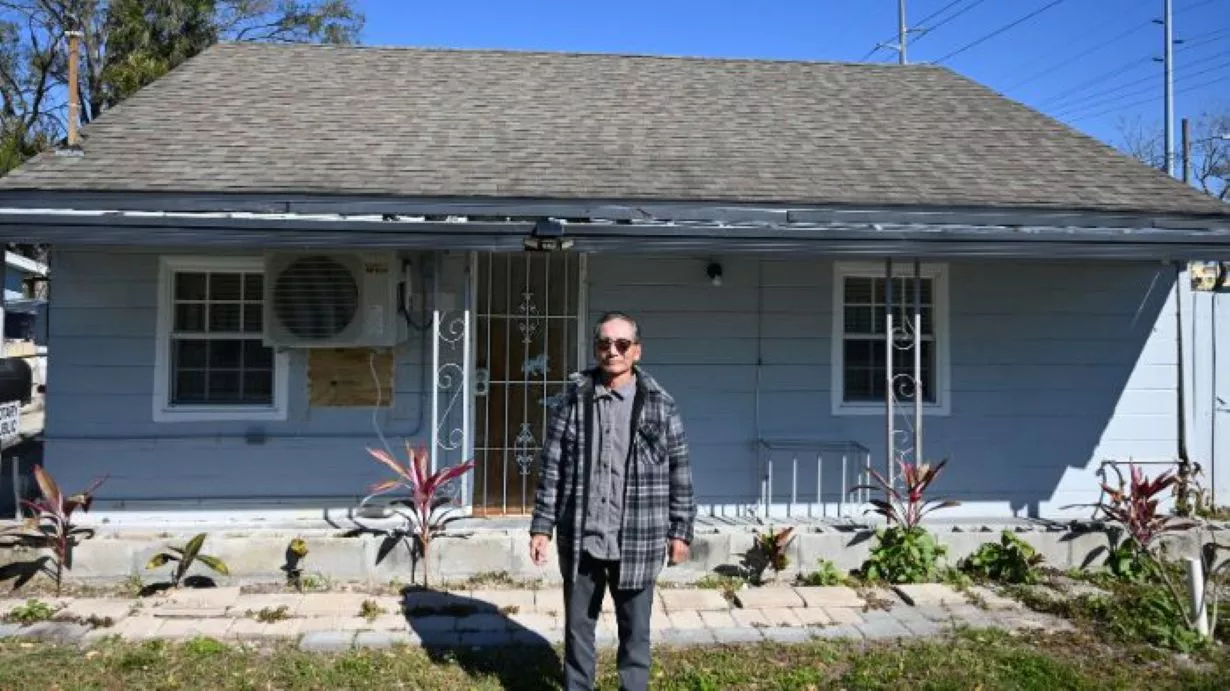
For Tampa residents Shamsher Lamba and Tommy Lam, this support helped them make their homes safe, livable and more resilient against future storms.

“I can’t even go into the house”

Shamsher Lamba, a teacher from Hudson, Florida, evacuated to a friend’s house during Hurricane Helene. The next morning, he returned home to find his neighborhood nearly destroyed. Debris blocked the road. A 60-foot boat rested in his front yard, carried there by floodwater. “It looked like a bomb had gone off,” Lamba says.

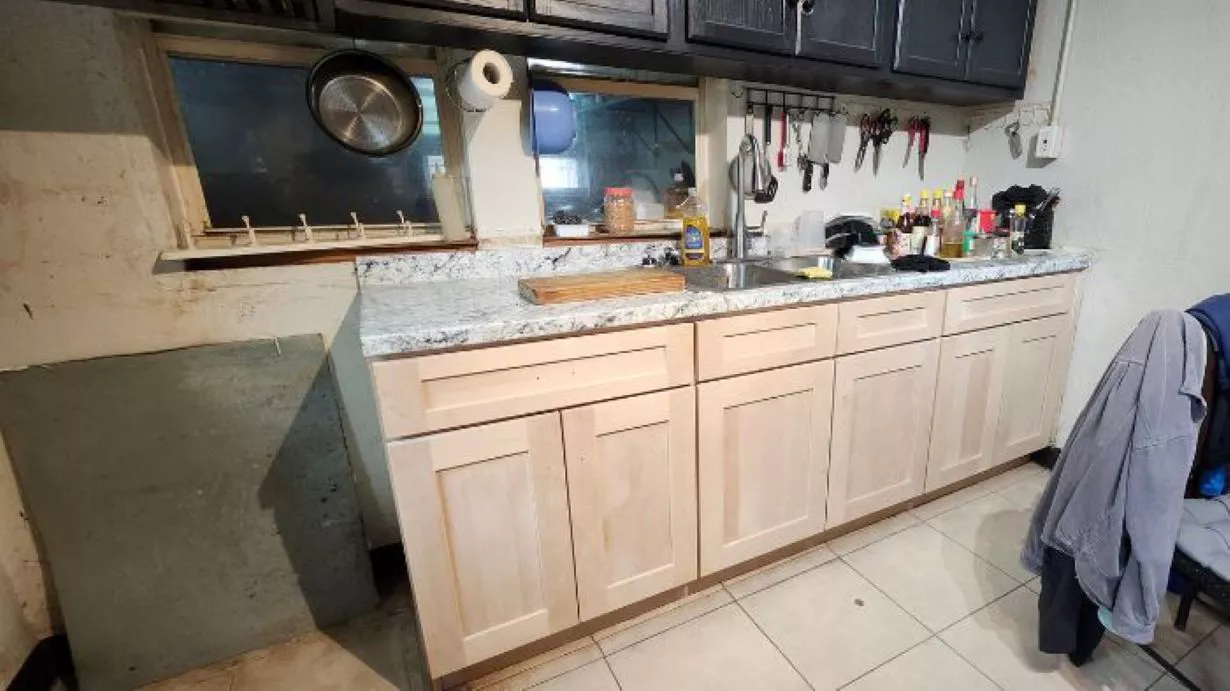
Five feet of water had flooded Lamba’s home during the storm. He called a friend—Lamba has a disability that made it difficult for him to navigate the debris—and said, “I need you over here. I can’t even go into the house.” His friend photographed the damage: Water had knocked over the appliances and carried his belongings throughout the house. Lamba’s home had no water, no plumbing, no functioning kitchen and a leaking roof.

Over the next two weeks, Lamba and a group of friends tried to make the house livable again. They worked through the wreckage, hauling out waterlogged debris, ruined appliances and damaged furniture. Then Hurricane Milton hit.

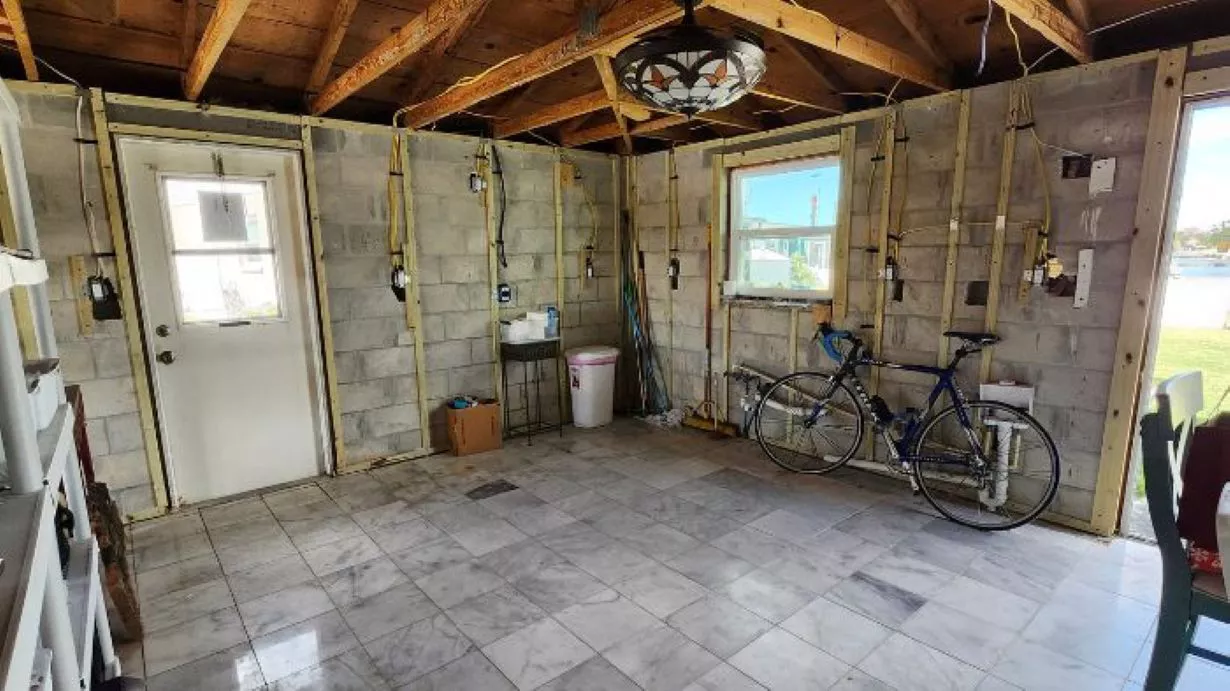
gutted kitchen

Living in the severely damaged house meant that Lamba had to shower at a local gym before work each day. He ate nothing but takeout, since he had no means to cook at home. While Lamba tried to fix his home as his finances allowed, progress was slow. He installed hurricane-resistant windows and had the electrical system rebuilt four feet off the ground to survive future flooding.

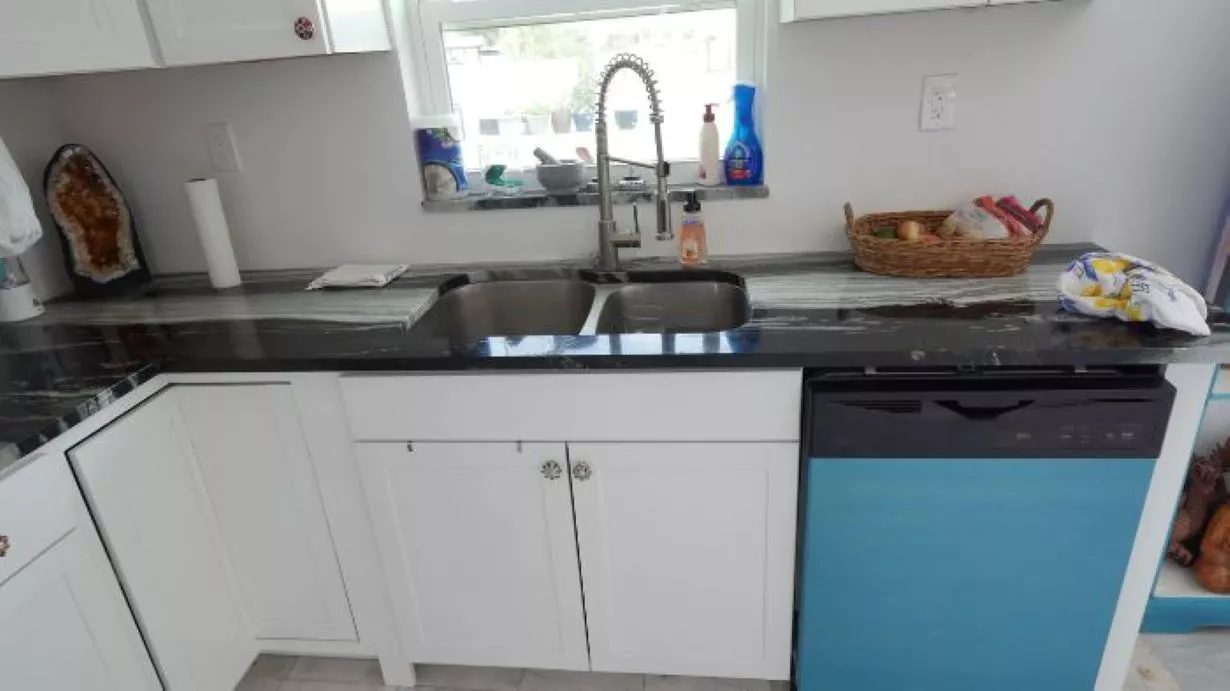
While seeking assistance with the repairs, Lamba connected with RTGFL through one of RTGFL’s partner organizations. Thanks to Community Disaster Resilience funding, the home received a complete insulation upgrade designed to make the home more weathertight and energy efficient. RTGFL completed the rest of the work: a new roof, roofline repairs to protect against water intrusion, new drywall, restored water service, an accessible shower, fresh paint and new appliances.

" "

After more than a year of hauling water and using a camp toilet, Lamba says he is newly appreciative of the home’s plumbing. “I’m still getting used to the fact that I can use a toilet in my house,” Lamba says. “I can do laundry at home again. I have running water. It’s like a novelty.”

For Lamba, who didn’t share his difficulties with his students or community, accepting help was new. “I’ve been through some hurricanes, but this one hit really hard,” he says.

Lamba’s story is like many people’s in the Tampa Bay area. “The people most likely to be left behind are older adults, people with disabilities, veterans and families who were already struggling to maintain their homes,” says José Garcia, CEO of RTGFL. “A neighborhood is only as resilient as its most vulnerable residents. If we want communities to recover fully, we have to ensure everyone has a path forward, not just those with the resources to recover on their own.”

“I didn’t think the hurricane would be dangerous”

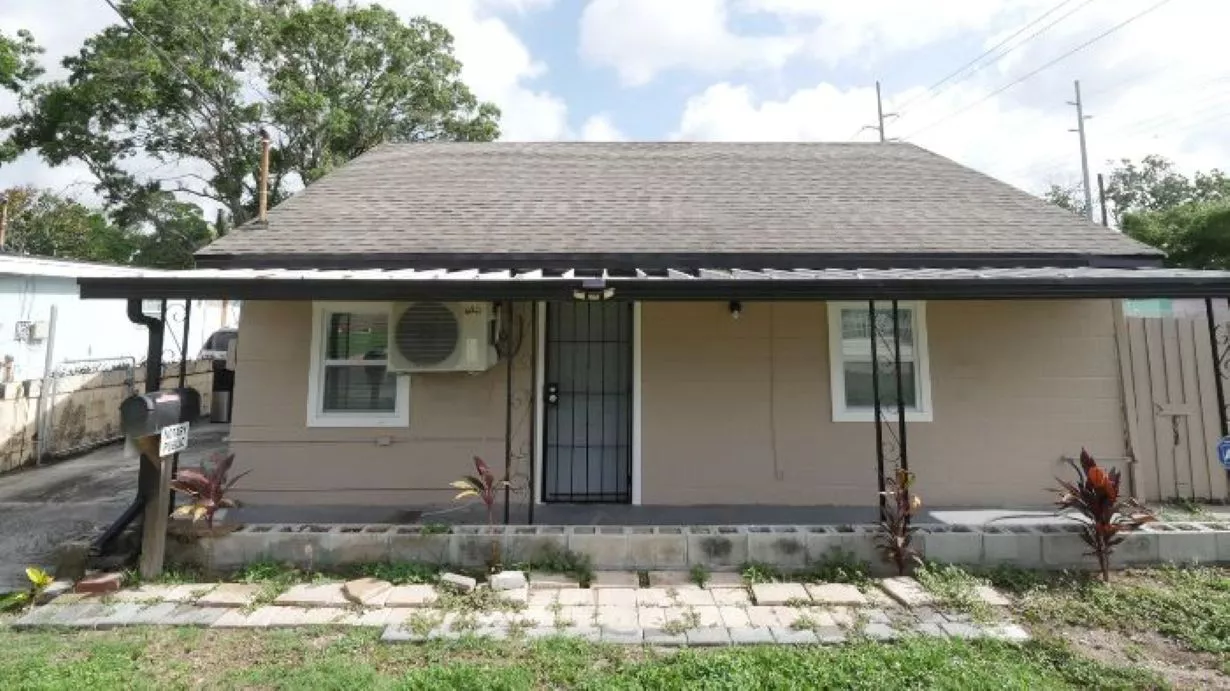
In nearby Tampa, Tommy Lam also survived both hurricanes, although with major damage to his home. Lam hadn’t heeded storm warnings for Hurricane Helene because his neighborhood isn’t a high-risk flood zone. But as the storm continued, water poured into the house. When it reached two feet, Lam finally evacuated. By the time the flood ended, the water had risen another two feet.

" "

“The refrigerator, the doors, everything—I had to take it all to the dump,” Lam says. He couldn’t afford essential renovations and had nowhere else to go. “All I have is my home,” he says.

Lam was also referred to the RTGFL and Community Disaster Resilience program by an RTGFL partner organization. His home received disaster-resilient repairs and improvements, including impact windows and exterior doors funded by the Community Disaster Resilience grant. RTGFL replaced the interior doors and installed new cabinets in both the kitchen and bathrooms, as well as a new stove. Lam also enrolled in home insurance coverage for the first time.

" "

Recovery work such as this tends to be underfunded and drawn out. Verizon seeks to address these issues through the Community Disaster Resilience initiative, both by staying present in affected communities and also by partnering with organizations such as RTGFL.

" "

“Our goal is not just to help families recover from the last storm,” Garcia says. “We strengthen their homes through critical repairs, resilience improvements and education that can reduce damage and improve safety during future disasters.”

For homeowners, that support also means a newfound sense of peace. “I feel safe now,” Lam says. “I’m happy. It feels very good.”

For more information on Verizon’s disaster resilience initiatives, visit Verizon Community Disaster Resilience.

Verizon Communications Inc. (NYSE, Nasdaq: VZ) powers and empowers how its millions of customers live, work and play, delivering on their demand for mobility, reliable network connectivity and security. Headquartered in New York City, serving countries worldwide and nearly all of the Fortune 500, Verizon generated revenues of $138.2 billion in 2025. Verizon’s world-class team never stops innovating to meet customers where they are today and equip them for the needs of tomorrow. For more, visit verizon.com or find a retail location at verizon.com/stores.

CLEVELAND, July 9, 2026 /3BL/ – KeyBank (NYSE: KEY) today announced that Check Control for Business is fully available to KeyBank Business Online® clients. This service, which is unique to KeyBank as to the size of business it supports paired with its minimal cost, can help small business owners address the growing risk of check fraud with the ability to monitor check activity, quickly spot suspicious check transactions, and mark checks for return.

As fraud practices continue to evolve, small business owners are faced with increasing challenges in protecting their operations. According to the Federal Reserve’s Business Payments Study, 83% of small firms use paper checks for business payments, and more than $1 billion is recovered each year in counterfeit checks and money orders. Check Control for Business helps combat this by alerting clients to check activity so they can review and act if necessary. 

“Check fraud continues to be a growing challenge for businesses as tactics evolve, and we know it’s top of the mind for many of our clients, especially small businesses, which are the backbone of our economy,” said Victor Alexander, Head of Key’s Consumer Bank. “At Key, we are committed to delivering for our clients by helping them stay ahead of emerging threats and protect what they’ve worked so hard to build. Check Control for Business is another way we’re empowering our clients with practical, effective tools to help prevent fraud and operate with confidence.”

Check Control for Business is a proactive alert system designed to help business owners monitor check activity from their online or mobile app.  In addition to being a fraud mitigation solution, Check Control for Business is also a convenient check reconciliation tool that helps businesses keep track of checks moving through their account.

Check Control for Business empowers small business clients to:

  • View checks daily from a PC or mobile device
  • Confirm check amounts, numbers, and payees
  • Return suspicious or duplicate checks in just a few clicks 
  • Stay in control with customized alerts and notification timing

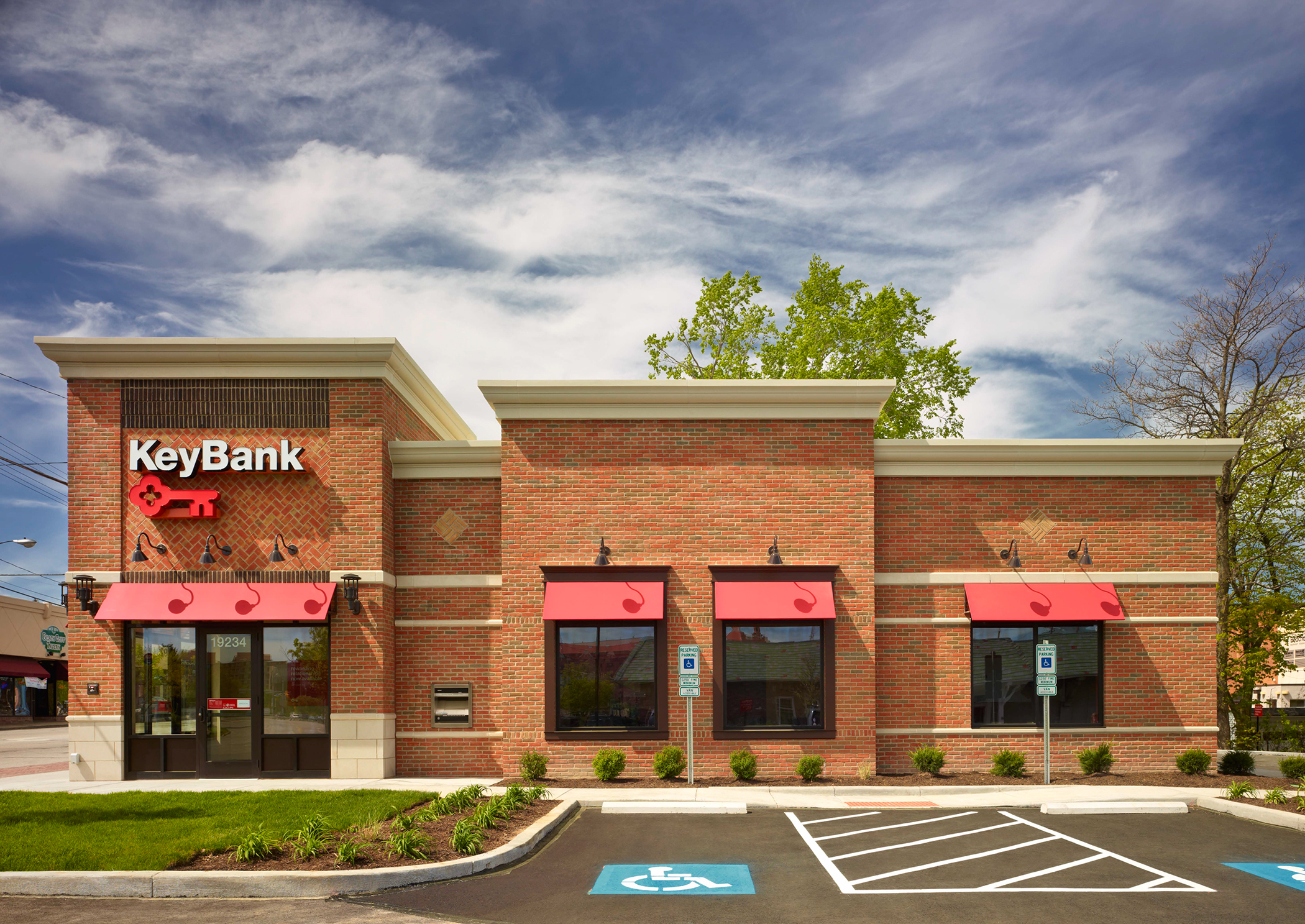
KeyBank branch

Clients can self-enroll within digital banking with a few simple steps that can be completed in under one minute. Enrolled users receive alerts when checks are ready for review, allowing clients to detect and address potential check fraud before it impacts their business, stopping fraud before it’s too late. This can save a business from potentially thousands of dollars in losses and the cascade of problems that follow, like bounced vendor payments and disrupted cash flow.

Check Control for Business is available to eligible KeyBank Business Online clients[i] (generally, small business clients with $10 million or less in revenue) at a cost of $5 per enrolled account per month. With the addition of this service, KeyBank continues to invest in digital capabilities that empower small businesses to operate more securely and efficiently in an increasingly complex financial environment.

“Check Control for Business is an exciting addition to our suite of digital capabilities and reflects our commitment to helping businesses of all sizes fight fraud, from emerging small businesses to large enterprises,” said Emily Gessner, Head of Commercial Digital for KeyBank. “Providing clients with simple, effective tools to help safeguard their businesses is critical to allowing them to focus on growth.” 

ABOUT KEYCORP
KeyCorp’s roots trace back more than 200 years to Albany, New York. Headquartered in Cleveland, Ohio, Key is one of the nation’s largest bank-based financial services companies, with assets of approximately $189 billion at March 31, 2026. 

Key provides deposit, lending, cash management, and investment services to individuals and businesses in 15 states under the name KeyBank National Association through a network of approximately 950 branches and approximately 1,100 ATMs. Key also provides a broad range of sophisticated corporate and investment banking products, such as merger and acquisition advice, public and private debt and equity, syndications and derivatives to middle market companies in selected industries throughout the United States under the KeyBanc Capital Markets® trade name. For more information, visit https://www.key.com/. KeyBank Member FDIC. 

###

CFMA 260706-4691646
©2026 KeyCorp. All rights reserved.

[i] Check Control for Business is available only to eligible business checking (DDA) subproduct accounts on the Key Business Banking Platform. Accounts enrolled in KeyNavigator® check fraud services (including Positive Pay) are not eligible to enroll.

A new Forbes Business Council article from DP World’s Brittany Caskey, Chief Commercial Officer for the Americas, highlights an emerging reality for supply chain leaders: technology alone isn’t enough to build resilient, high-performing operations. As organizations accelerate investments in AI, automation, and digital tools, workforce strategy is becoming a key differentiator.

The shift reflects a broader industry trend. While companies continue investing heavily in supply chain innovation, many still struggle to translate those investments into measurable operational improvements. Increasingly, success depends not only on deploying new technologies, but on ensuring employees have the skills, training, and decision-making capabilities to use them effectively.

Closing the Gap Between Technology and Execution

As outlined in the article, the next phase of supply chain performance will be defined less by who invests the most in technology and more by who can execute most effectively with the systems already in place. That requires organizations to treat workforce enablement as a strategic investment alongside digital transformation.

Rather than viewing workforce strategy as solely an HR function, leading organizations are aligning roles, workflows, and skills with increasingly data-driven operations – helping teams adapt more quickly to change while improving day-to-day execution.

Why It Matters for Business Leaders

For supply chain leaders, the implications extend well beyond employee development. Workforce capability increasingly influences:

  • Speed of technology adoption
  • Service reliability and operational resilience
  • Customer experience during disruptions
  • Long-term return on digital investments

As AI and automation continue reshaping logistics, people remain essential for interpreting data, managing exceptions, and delivering the consistency customers expect.

Read the Full Perspective

As supply chains become more complex and technology adoption accelerates, workforce strategy is emerging as a critical driver of operational performance and competitive advantage.

For a deeper look at how organizations can better align people, technology, and execution, read Brittany Caskey’s latest Forbes Business Council article, “How Workforce Strategy Is Shaping Supply Chain Reliability.”

At the Tandem Global Conference—where professionals from around the world gather to advance corporate action for nature—Chemours’ Fayetteville Works and Chambers Works were recognized for their ongoing environmental stewardship and biodiversity efforts.

Earlier in the year, both sites achieved recertification under the WHC Conservation Certification®. Powered by Tandem Global, the WHC Conservation Certification® is the only voluntary sustainability standard designed specifically for biodiversity enhancement and conservation education on corporate lands. Certification is awarded through an independent, third-party evaluation of on-site programs.

In addition to the Chemours’ sites being recognized for continued progress in maintaining and advancing certified conservation programs, Chemours’ Fayetteville Works was nominated for both the Avian Corporate Conservation Award and the Pollinator Corporate Conservation Award, highlighting the site’s strong focus on protecting wildlife habitats and supporting ecological balance.

Advancing Nature Through Everyday Operations

Across both sites, conservation efforts are embedded into how work gets done—from restoring habitats and supporting native species to engaging employees and local communities in environmental education. These programs reflect a broader commitment to responsible environmental management and to advancing Chemours’ Corporate Responsibility Commitment (CRC) goals.

By participating in globally recognized programs like WHC Conservation Certification®, Chemours sites are contributing to a growing network of corporate lands dedicated to biodiversity and conservation education—demonstrating how industry can play a meaningful role in supporting ecosystems while delivering business value.

NEW YORK–(BUSINESS WIRE)– #HydrometTechnology–Lifezone Metals Limited’s (NYSE: LZM) Chief Executive Officer, Chris Showalter, and Head of Sustainability, Catherine Nichas, today announced the publication of Lifezone’s Sustainability Report for the year ended December 31, 2025. The report outlines Lifezone’s comprehensive approach to environmental stewardship, social responsibility, safety and governance, and highlights the Company’s progress in embedding sustainability across its global operations including advan

Privacy Overview

This website uses cookies so that we can provide you with the best user experience possible. Cookie information is stored in your browser and performs functions such as recognising you when you return to our website and helping our team to understand which sections of the website you find most interesting and useful.