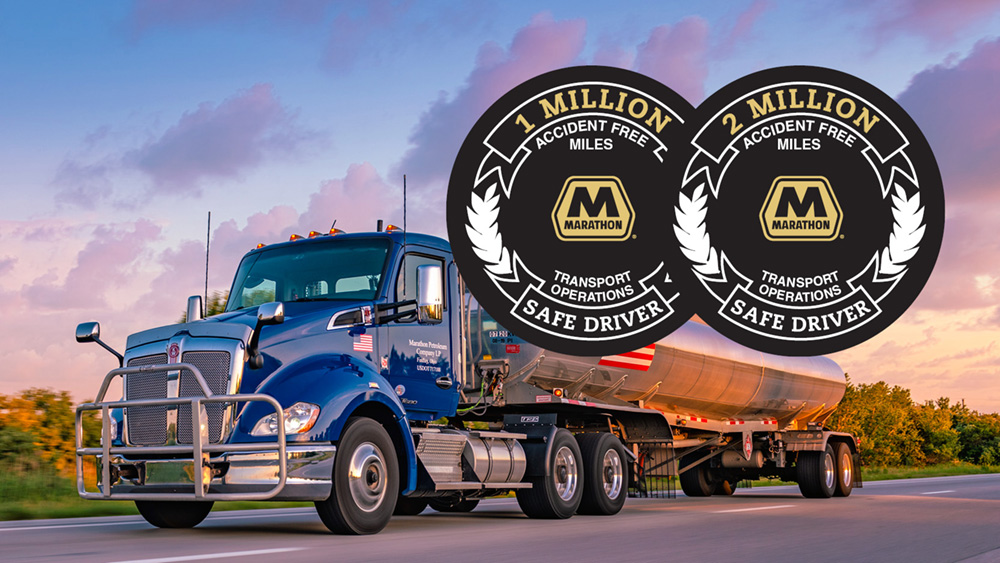
Marathon Petroleum recognized its Transport and Rail drivers who reached one million and two million miles without a preventable accident.
The award reflects years of disciplined driving, consistent training and a daily commitment to keeping themselves and others safe.
These drivers’ achievements highlight the professionalism, safety focus and operational excellence that define Transport and Rail.
Marathon Petroleum’s Transport and Rail organization is celebrating its transport drivers who have reached three or more years without a preventable accident and have driven over a million miles in that time. Seven drivers achieved the 2025 Million Mile Award for one million miles driven during that time. Two drivers were honored for reaching the two-million-mile mark, including Scott Wallace from Leach, Kentucky. Wallace has been a transport driver for Marathon since 2002.
“Safety is a decision you make every mile,” said Wallace. “Driving through storms, snow and ice is difficult, but anything can happen any day in any condition. We lean on our training and Marathon’s safety rules to stay safe and keep others safe every trip.”
Wallace said he always drives with patience and focus and never skips his pre-trip vehicle inspection checklist. He said he wants to get home to his family just as much as anyone else.
For this recognition, the drivers’ miles were accumulated for each full year driven without a preventable accident. After three years without a preventable accident, the driver is eligible to receive Marathon Petroleum’s Million Mile Award at intervals of one million, two million and three million miles.
“Safety is a decision you make every mile. We lean on our training and Marathon’s safety rules to stay safe and keep others safe every trip.”
“This is a remarkable milestone and a testament to the professionalism our transport drivers bring to their work,” said Mike Johnson, Vice President of Transport & Rail. “Their unwavering focus on safety, integrity and operational excellence reflects our core values and the high standards that define Marathon Petroleum.”
Marathon Petroleum recognized its Transport and Rail drivers who reached one million and two million miles without a preventable accident.
The award reflects years of disciplined driving, consistent training and a daily commitment to keeping themselves and others safe.
These drivers’ achievements highlight the professionalism, safety focus and operational excellence that define Transport and Rail.
Marathon Petroleum’s Transport and Rail organization is celebrating its transport drivers who have reached three or more years without a preventable accident and have driven over a million miles in that time. Seven drivers achieved the 2025 Million Mile Award for one million miles driven during that time. Two drivers were honored for reaching the two-million-mile mark, including Scott Wallace from Leach, Kentucky. Wallace has been a transport driver for Marathon since 2002.
“Safety is a decision you make every mile,” said Wallace. “Driving through storms, snow and ice is difficult, but anything can happen any day in any condition. We lean on our training and Marathon’s safety rules to stay safe and keep others safe every trip.”
Wallace said he always drives with patience and focus and never skips his pre-trip vehicle inspection checklist. He said he wants to get home to his family just as much as anyone else.
For this recognition, the drivers’ miles were accumulated for each full year driven without a preventable accident. After three years without a preventable accident, the driver is eligible to receive Marathon Petroleum’s Million Mile Award at intervals of one million, two million and three million miles.
“Safety is a decision you make every mile. We lean on our training and Marathon’s safety rules to stay safe and keep others safe every trip.”
“This is a remarkable milestone and a testament to the professionalism our transport drivers bring to their work,” said Mike Johnson, Vice President of Transport & Rail. “Their unwavering focus on safety, integrity and operational excellence reflects our core values and the high standards that define Marathon Petroleum.”
The saga of the U.S. Securities and Exchange Commission’s (SEC) climate disclosure rules may be coming to an end. Last week, the SEC formally proposed rescission of its 2024 rules, opening a 60-day comment period that is expected to close with the formal winding down of Biden-era requirements. What this long-anticipated proposal doesn’t close is the global drive toward corporate disclosure. The SEC speaks for the federal level — not for California or other states advancing their own climate requirements, not for the capital markets, and not for the global regulatory architecture that governs companies wherever they operate.
The clearest evidence that the business logic of climate action prevails can be found in capital flows. The International Energy Agency’s World Energy Investment 2026, out this week, finds global energy investment on track to reach $3.4 trillion, with $2.2 trillion — nearly two-thirds — flowing into clean and low-emissions categories: renewables, grids, storage, nuclear, efficiency, and electrification. Solar alone is running at roughly $365 billion annually, about $1 billion per day. Oil investment is falling for the third consecutive year, dropping below $500 billion despite elevated prices.
The global reporting architecture is consolidating around such current trends in capital allocation. As reported by ESG Today, the IFRS Foundation and Global Reporting Initiative (GRI) issued a joint statement this week committing to full interoperability between ISSB and GRI standards. The collaboration seeks to reduce duplication, fragmentation, and reporting complexity for companies navigating both frameworks. Priority areas include climate, nature, and human capital disclosures.
The ISSB standards at the center of that alignment are already being written into national laws. The United Kingdom finalized its Sustainability Reporting Standards — UK SRS S1 and S2 — earlier this year, and the Financial Conduct Authority is currently consulting on mandatory application for listed companies, which would begin as early as January 1, 2027. G&A Institute’s resource paper, The UK Sustainability Reporting Standards: What Do Companies Need to Know?, walks through what organizations should be doing now to prepare.
Taking the SEC and GRI-ISSB developments together, it is clear that U.S.-based multinationals – like Apple, which books IFRS-governed revenue through Irish subsidiaries – cannot simply take their cue from Washington, as they face binding obligations wherever they operate.
The financial architecture reflects the same trajectory. ESG News reports that the Organisation for Economic Co-operation and Development (OECD) has confirmed that developed countries exceeded the UN’s climate finance goal of $100 billion annually for the third consecutive year, mobilizing $136.7 billion in 2024. Moving forward, the ambition has been raised: the New Collective Quantified Goal, which governments adopted at the 2024 UN Climate Change Conference (COP29), sets a target of at least $300 billion per year from developed countries — and $1.3 trillion from all sources — by 2035.
Also in this issue: Trellis makes the case for candor in sustainability reporting as a competitive differentiator. ESG Today reports Morningstar data showing sustainable fund flows returning to positive territory, driven by a rebound in Europe. Our colleagues at Ropes & Gray flag the emerging TISFD framework — a people-focused addition to the TCFD/TNFD family — as the next frontier in disclosure architecture. The European Commission has updated CBAM guidance ahead of the 2026 full rollout. And G&A’s team has published an explainer on the EU Packaging and Packaging Waste Regulation, with the August 2026 deadline now close enough to demand attention.
This is just the introduction of G&A’s Sustainability Highlights newsletter this week. Click here to view the full issue.
KENNESAW, Ga.–(BUSINESS WIRE)–Yamaha Rightwaters™ marked its seventh anniversary on Monday, June 8, World Oceans Day 2026. Launched in 2019, Yamaha Rightwaters continues to support programs that make significant progress in keeping waterways clean and promoting sustainability for generations to come. Several key metrics over the course of the last 12 months include: More than 264.2 tons of debris removed from U.S. lakes, rivers and coastal waters through collaborations with clean up organizat
June 8, 2026 /3BL/ – Medtronic, a global leader in healthcare technology, announced FDA 510(k) clearance of its Nellcor™ pulse oximetry system with Nell-EQ™ intelligent processor. The Nell-EQ™ intelligent processor is a new pulse oximetry processing technology designed to support more consistent and reliable oxygen saturation (SpO₂) and pulse rate monitoring across diverse patient populations, skin tones, and clinical care settings.
“With this FDA clearance, our innovative Nell-EQ™ system expands the Medtronic pulse oximetry portfolio with an intelligent processing platform designed to support both clinical confidence and more inclusive care,” said Kate Benedict, president of the Medtronic Acute Care & Monitoring business, which is part of the company’s Medical Surgical Portfolio. “Our Nellcor™ pulse oximetry system with Nell-EQ™ intelligent processor builds on our longstanding commitment to delivering reliable monitoring performance for diverse patient populations across care environments.”
Pulse oximetry plays a critical role in clinical assessment and decision‑making. Yet, it is known in the industry that performance has historically varied depending on clinical conditions, patient physiology, and skin tone, which can impact signal reliability during monitoring. FDA 510(k) clearance of the Nell-EQ™ system comes shortly after the International Organization for Standardization (ISO) published ISO 80601-2-61:2026, at a time when evolving standards and regulatory expectations are placing greater focus on evaluating pulse oximeter performance across diverse patient populations, including defined skin tone groups.
Clinical studies for the Nell-EQ™ system included participants across the full range of skin tones, and the system uses advanced signal processing methods, incorporating patient-specific and sensor-specific signal characteristics to support more consistent and reliable interpretation of optical signals into SpO₂ values. In addition to SpO₂ and pulse rate, the platform supports parameters such as Perfusion Index (PI) and Heart Rate Variability (HRV).
“With our Nellcor™ pulse oximetry system with Nell-EQ™ intelligent processor, Medtronic continues to lead the industry in advancing pulse oximetry technology that helps clinicians deliver confident, equitable care for every patient, in every care setting,” said Dr. Jeb Denny, chief medical officer of the Medtronic Acute Care & Monitoring business. “Our continued leadership reflects a deep commitment to inclusive innovation and equipping clinicians with trusted technology that supports high-quality care for all patients across the continuum of care.”
Nellcor™ pulse oximetry technology with Nell-EQ™ intelligent processor will be available for sale globally in the upcoming months. Medtronic plans to support the rollout with clinician education and training resources.
Evidence shows the company’s Nellcor™ pulse oximeters lead the way in equitable patient monitoring,‡1,2 and Medtronic continues to partner and invest in professional education and continued innovation. Educational resources on how pulse oximeters work and tips for getting the most accurate SpO₂ readings from current devices are available through the Medtronic Academy. Medtronic remains committed to delivering better outcomes for all patients through continued innovation and is proud to participate in the STeP program. Learn more about equitable monitoring and the company’s commitment to patient safety at health equity in pulse oximetry monitoring.
Acute Care and Monitoring products should not be used as the sole basis for diagnosis or therapy and are intended only as an adjunct in patient assessment.
Note: Oxygen saturation accuracy can be affected by certain environmental, equipment, and patient physiologic conditions that influence readings of SpO2.
References
‡ Based on two studies (not funded by Medtronic) not designed for head-to-head comparison of devices. One study enrolled 146 healthy subjects in the 92-96% saturation range and examined paired readings from Nellcor™ N-595 and Masimo Radical 7™* pulse oximeters generated simultaneously. The second study enrolled 319 children with different skin tones undergoing cardiac catheterization and examined paired readings from Nellcor disposable SpO2 adhesive sensors and Masimo reusable child/adult clip sensors generated simultaneously.
Gudelunas MK, Lipnick M, Hendrickson C, et al. Low Perfusion and Missed Diagnosis of Hypoxemia by Pulse Oximetry in Darkly Pigmented Skin: A Prospective Study. Anesth Analg. 2024;138(3):552-561. doi:10.1213/ANE.0000000000006755
Starnes JR, Welch W, Henderson CC, Hudson S, Risney S, Nicholson GT, Doyle TP, Janssen DR, Londergan BP, Parra DA, Slaughter JC, Aliyu MH, Graves JA, Soslow JH. Pulse Oximetry and Skin Tone in Children. N. Engl J Med. 2025 Feb 12. doi: 10.1056/NEJMc2414937. Epub ahead of print.
About Medtronic Bold thinking. Bolder actions. We are Medtronic. Medtronic plc, headquartered in Galway, Ireland, is the leading global healthcare technology company that boldly attacks the most challenging health problems facing humanity by searching out and finding solutions. Our Mission — to alleviate pain, restore health, and extend life — unites a global team of 95,000+ passionate people across more than 150 countries. Our technologies and therapies treat 70 health conditions and include cardiac devices, surgical robotics, insulin pumps, surgical tools, patient monitoring systems, and more. Powered by our diverse knowledge, insatiable curiosity, and desire to help all those who need it, we deliver innovative technologies that transform the lives of two people every second, every hour, every day. Expect more from us as we empower insight-driven care, experiences that put people first, and better outcomes for our world. In everything we do, we are engineering the extraordinary. For more information on Medtronic, visit medtronic.com and follow Medtronic on LinkedIn.
Any forward-looking statements are subject to risks and uncertainties such as those described in Medtronic’s periodic reports on file with the Securities and Exchange Commission. Actual results may differ materially from anticipated results.
Tell us a little bit about yourself and your career journey to date.
I have spent the last 13 years at GoDaddy building, growing, and now leading our global Emerging Talent Programs and team. My journey to GoDaddy was a thread of gold woven through my interests and my own experiences as an intern through college. I studied organizational psychology and in my early years of college, I cold-emailed every company I thought would be so cool to work for, to see if they had any extra work for an intern. It worked a couple of times! Notably, I was in Los Angeles, a thriving heart of the music and entertainment industry and I was extremely curious about how I could apply what I was learning to some of those exciting companies. An HR manager at Warner Music Group replied to one of my emails, and I got to spend one of my first internships helping with onboarding employees who worked with bands I loved at the time, like My Chemical Romance, Paramore, and The Used. The swag was top tier – free band tees and cd’s galore! I went on to seek out an internship in HR every year of college. I joined a scholarship program with a group of students who had internships all over the world and I remember how curious and eager I was to hear about my classmates’ experiences as interns at other companies.
I had such a great experience interning over my college years that I took that with me into my career. Prior to GoDaddy, I was working for Disney as a Tech Recruiting Coordinator and my mentor there was the head of their global internships. I learned so much from her about how intern programs run behind the scenes and knew I wanted to shift gears towards working with students and programs eventually in my own career. I landed my first role at GoDaddy through a startup called Outright, which became GoDaddy’s first ever acquisition. Aside from helping new hires onboard, I jumped in to help represent GoDaddy at so many tech conferences locally and across the country. This was at a time where GoDaddy was really putting in the effort to form an established reputation in the tech space and we were turning the tides of our brand.
At the time, GoDaddy hadn’t yet built a formal internship program, but had just identified a single person on the Talent Acquisition team to take it over. I had enough flexibility in my role at the time, that I was able to partner closely with her on everything from the ideation phase to rolling out the first official offer letter to a new grad. I officially joined her team as our first University Recruiter and we launched a huge grassroots effort to build our program from the ground up. After we were able to expand our team with more recruiters, I moved over to the Program Manager position and focused on building and managing all program operations and the intern candidate experience. A couple of years later, I took over managing the entire team and have been leading our efforts in Emerging Talent globally for the past 9 years. Over this time we have explored and expanded roles across Canada, EMEA, and India. We’ve built strong partnerships with universities, inclusion‑focused hiring organizations, coding bootcamps, and student clubs to strengthen our employer brand and expand our talent pipeline. We have stood up several different programs over the years with the focus of bridging the gap of opportunity for emerging talent who are hungry to make a difference.
What excites you most about building and running the GoDaddy internship program?
Emerging talent is such an exciting part of Talent Acquisition to me. It is highly competitive and we need to move quickly, while understanding deeply what teams need from the next generation of talent. Running the intern programs also means going past the traditional recruiting process and timeline. We don’t stop at the hire and the onboarding; we go on to build and cater to the entire cycle which includes management of a program that creates meaningful experiences and connections, while building value for not only our interns but also for the business. I love being able to use my creative brain constantly in this role.
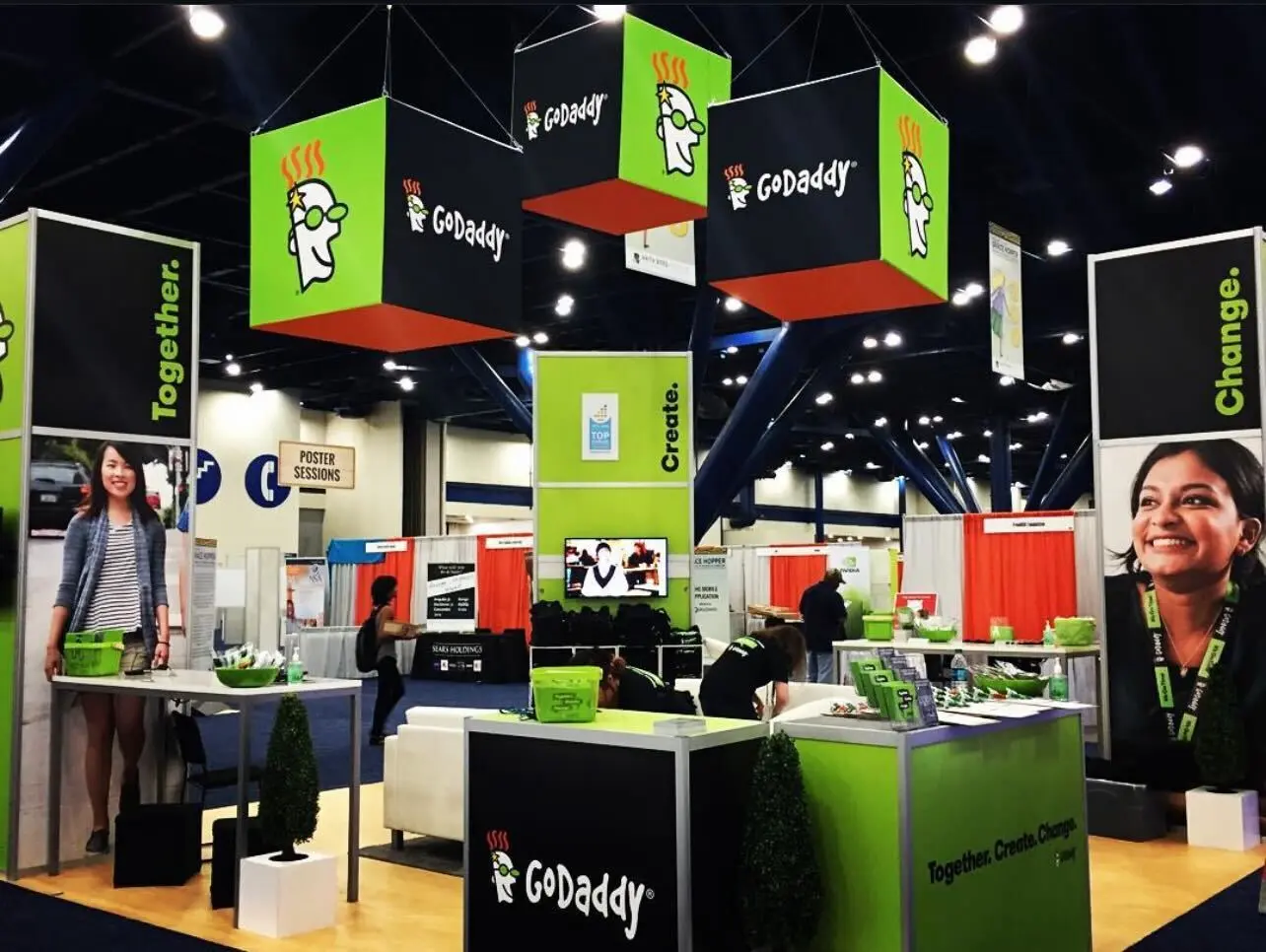
A great internship isn’t defined by the number of fun events, but by the sense of community we build together. That’s the real anchor. I am always thinking about ways to connect interns with our leaders, with former interns who are now employees, with all the resources GoDaddy has to offer, and also connect them to what is possible here at GoDaddy and beyond. What excites me the most is being able to witness interns grow their careers over the years, and to see where the launchpad of their internship takes them in life. I’ve seen early college students go from joining us for their first ever internship, to joining GoDaddy full-time and then seeing their self-portraits tower over me at our company booth at the National Grace Hopper Conference! Many of them, I consider good friends to this day. I just attended the wedding of the very first new grad we ever hired through our program 13 years ago. We’re fortunate to have former interns, now full‑time GoDaddy employees, who enthusiastically give back by mentoring new interns, speaking on panels, supporting events, and helping run our bootcamp programs. These interns have become senior engineers, TPMs, managers and directors. Other interns have gone on to successfully launch their own ventures, building from what they’ve learned from their internship experience with us… they represent what is possible, and their success continually motivates me to inspire other interns to imagine, pursue, and achieve their own dreams!
How do you go about getting buy-in from senior leaders across the company?
We launched our programs by first identifying the schools where our senior leaders were alumni and building a strategic list of target schools from there. They came with us to campus to help us grow our brand and recruit talent and because of that, they got to see the potential of talent first-hand and acted as key ambassadors for our programs. We gained buy-in naturally because our senior leaders were hands-on from the start. Because we launched the programs with leaders in the weeds with us, we didn’t have to pitch a whole idea of a program – they were already invested. When new leaders come along and/or we’re pitching a new idea or concept for our programs, I never feel alone in those efforts. I’ve always felt welcome sharing ideas early with senior leaders. They’ve consistently kept an open door, and I never hesitate to walk through it. Often, when I do, they not only advocate but also connect my team with other leaders who champion those ideas from day one. Having leadership so bullish on early talent has been instrumental in the success of our programs. Over the years, we’ve backed this up with data, showing future leaders the tangible value early talent brings to GoDaddy and our culture.
What’s the most challenging yet rewarding thing that you’ve worked on at GoDaddy?
Continuing to support the careers of new talent at GoDaddy has been a highlight of my career. Soon after starting the intern and new grad hiring programs, I attempted to launch an onboarding program for this new community we were building at the company. For many new grads, this was their first real job out of college and so many factors go into this life milestone: like moving to a brand new place, having benefits and 401K for the first time, and trying to understand equity and RSU’s. The list goes on! All of this on top of launching their career and the anxieties that go along with that. I had a goal of easing that burden for them so they could have a smoother transition into the workforce and dive into their new careers with confidence. I collected feedback from all of the new grads we had hired so far, and they were just as passionate about building this community and making it a little bit easier for the next wave of grads to jump into their careers.
Ultimately, we came together and built a formal pitch. Our executives thought it would be great to launch this program as an official Employee Resource Group (ERG). That was how the GD Next ERG was born and I’m so proud that it still exists today and has a group of remarkable employees running it; many of them are GoDaddy intern conversions. We run a mentorship program where GD Next members are matched with interns each year and that one connection has frequently turned into long-running mentorship and friendships. It’s amazing to see former interns who are now GoDaddy employees be so involved and enthusiastic about giving back to these programs. Their involvement isn’t just appreciated; the GD Next community has become a vital part of how our programs thrive. Recently, we were proud to send 3 GD Next members to the Forbes Under 30 Summit. When we had our round table to debrief their experience, it was discovered that all 3 of them had the same connection through our mentorship program! Such a small world, but also such a cool thing to see the real-life links of this community that functions like a chain – each link influencing and strengthening the next, forged through shared experience. This is truly how culture grows!
How does GoDaddy’s culture or values show up in the way you approach work?
The programs we run would not be possible without strong partnerships across SO many different teams. It’s incredibly important to me to be able to Fuse Forces and actually foster those relationships.
GoDaddy has a culture that allows for big ideas to have a life, through Working Courageously and experimentation.
I also love that we have a culture where everyone is open to helping other people learn. If I want to become more knowledgeable in what another person or team does, all I have to do is ask. Time and time again, I’ve witnessed new ideas and partnerships come from those curious conversations. It is such a valuable part of our culture that we have at our fingertips. I feel like no matter how much GoDaddy evolves, these core values of our culture continue to ring true and steady. It’s enabled me to stay confident in the way I approach my work every day!
What do you enjoy doing outside of work?
Outside of work, I have a 7 and almost 4-year old who keep my husband and I incredibly busy, and we go on family adventures almost every weekend. We live on the coast in the Bay Area, California so the local beaches, tidepools, parks and hikes are on heavy rotation! The kids are at an age where they are super curious about everything too, so we make it fun! I love studying astrology and going to see live shows at the theater. I also love exploring and supporting all of the local businesses in our coastal community. I feel like learning about small businesses is a genuine hobby of mine! Whether it’s a new coffee shop, a local artist, or a booth at the farmer’s market, I always have my eye out and will often go and support their events and new ventures. Small businesses here are such a web of connections to so many fun things! And it’s always a plus to catch a GoDaddy payments terminal out in the wild!
Are you enjoying this series and want to know more about life at GoDaddy? Check out our GoDaddy Life social pages! Follow us to meet our team, learn more about our culture (Teams, ERGs, Locations), careers, and so much more. You’re more than just your day job, so come propel your career with us.
Tetra Pak has launched its 27th Sustainability Report, detailing progress on GHG emissions reductions across its value chain and its own operations
The company developed and launched an integrated climate and nature risk and opportunity assessment in 2025 to guide its actions in strengthening food system resilience
LAUSANNE, Switzerland, June 8, 2026 /3BL/ – Tetra Pak has today launched its full-year 2025 (FY25) Sustainability Report, outlining how its continued emissions reductions are supporting greater resilience across the global food system.
In 2025, the company achieved a 34% reduction in greenhouse gas (GHG) emissions across its value chain since 2019,1 representing an improvement of almost 12 percentage points compared with the previous year,2 while also reducing emissions across its own operations by 56%3 and reaching 97% renewable energy consumption.
This progress reflects Tetra Pak’s growing focus on translating emissions reductions into long-term food system resilience. By directing efforts and investment towards areas where it can deliver the greatest long-term value, the company aims to support more efficient, robust food production while continuing to reduce its environmental impact.
Adolfo Orive, President & CEO at Tetra Pak, comments:“Feeding a growing global population is becoming ever more complex as environmental risks intensify. This is why we remain firmly committed to strengthening the resilience of the world’s food systems. With clear, measurable targets in place, 2025 marked a year of tangible progress, including passing the milestone of a one‑third reduction in greenhouse gas emissions across our value chain. Achieving lasting change depends on collaboration, and we look forward to continuing to work closely with our customers and partners to turn shared ambition into enduring progress.”
To guide its actions and investment decisions, and to support more efficient, resilient food systems, Tetra Pak developed and launched an integrated climate and nature risk and opportunity assessment in 2025. The assessment identified priority risks and opportunities to build resilience across the company’s operations and value chain, supported by plans to address each priority area. Tetra Pak also revised its Approach to Nature framework, reflecting learnings to ensure it remains relevant in a rapidly evolving industry landscape. As part of this, the company introduced new or updated targets in response to developments in specific action areas.
Several initiatives and innovations were introduced or developed in 2025 to help customers significantly reduce utility, material and energy use by embedding a total cost of ownership (TCO) mindset that assesses the overall lifecycle cost of equipment. This was reinforced by the launch of Tetra Pak® Factory OS™, a next-generation automation and digital ecosystem that combines modular, scalable and smart technologies with deep industry and equipment expertise to help customers better understand and mitigate losses in their operations.
This commitment to sustainable food production was further strengthened with the expansion of Tetra Pak’s global network of innovation centres. 2025 saw the launch of a new Product Development Centre in Cholet, France, a new Customer Innovation Centre in Bangkok, Thailand, and a Tetra Pak® New Food Technology Development centre in Karlshamn, Sweden. These centres give customers the space, support and expertise to test innovations and scale products to deliver food safely around the world.
Overall, 2025’s progress sees Tetra Pak on track to meet its long-term climate targets. These include achieving a 46% reduction in value chain GHG emissions by 2030, increasing renewable electricity consumption across operations to 100% by 2030, and reaching net-zero emissions by 2050.
Other notable achievements shared in the FY25 Sustainability Report include:
Investing approximately €100 million in packaging research and development to address the sustainability of Tetra Pak packages. This investment led to a world-first paper barrier for juice packages, delivering a 43% lower carbon footprint than an aseptic package with an aluminium foil layer and a fossil-based polymer.
Renewing its focus on decarbonising food systems by signing a Memorandum of Understanding (MoU) with the United Nations Industrial Development Organization (UNIDO) at COP30, to scale innovation in this area.
Providing 68 million children across 52 countries with milk or other beverages in its packages through school feeding programmes, an increase of two million children and three additional countries from 2024.
Conducting an in-depth review of priority human rights impacts along the full value chain.
Expanding restoration efforts through the Araucaria Conservation Project, with over 1,600 hectares added in 2025 alone, more than doubling the total area of land under restoration in a single year.
Every system, including heating, cooling and lighting, has to work seamlessly to support patient care around the clock. For Holy Name Medical Center, an accredited, not-for-profit hospital in Teaneck, New Jersey, that reliability is essential.
Serving more than 350,000 outpatients and 27,000 admissions each year, Holy Name supports patients at every stage, from prevention and early intervention to treatment and rehabilitation. That role makes it important for the hospital’s building systems to operate without disruption so care can continue uninterrupted.
Improving systems without interrupting care
Hospitals cannot pause operations for construction. Through our Engineered Solutions Program, one of several energy efficiency offerings we provide to businesses, our project team worked closely with hospital staff to phase the work and put temporary systems in place where needed.
We worked alongside engineering consultants and union construction labor to complete a comprehensive set of upgrades across the facility.
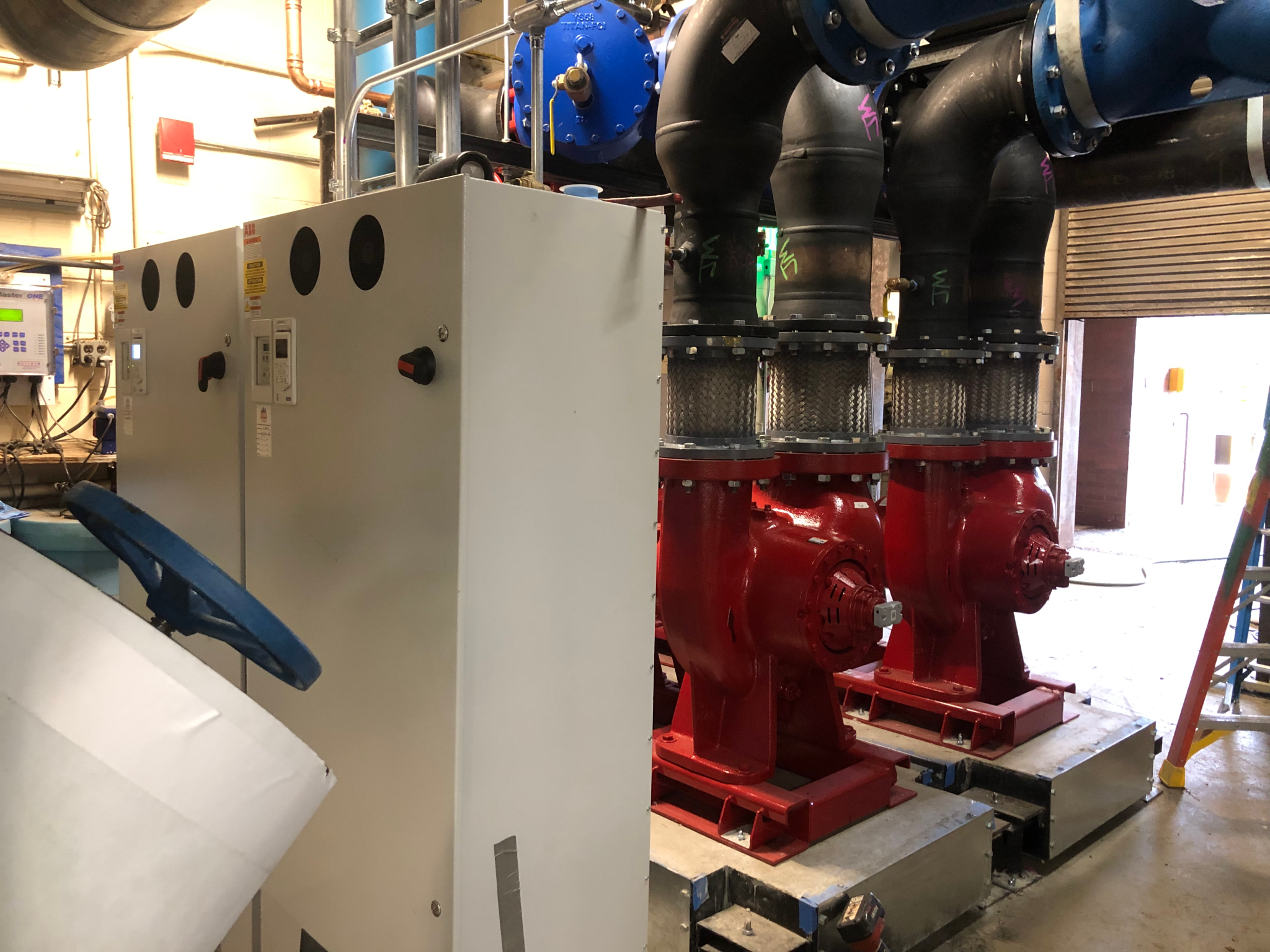
Lighting, heating and cooling systems, as well as controls and critical equipment, were modernized to improve performance, reliability and comfort.
How do hospital energy upgrades help improve reliability and lower operating costs?
The completed upgrades are helping Holy Name reduce energy use, improve system reliability and better manage operating costs, all without disrupting patient care.
The project represents a $12.7 million investment, supported by PSE&G incentives that covered approximately 35% of the total cost. The remaining balance is being repaid over time through interest-free, on-bill repayment, helping make the upgrades more manageable for the hospital.
As the improvements take effect, Holy Name is expected to reduce energy use by more than 5.2 million kilowatt-hours of electricity and 38,000 therms of natural gas each year. That’s roughly equivalent to the annual energy use of more than 590 homes.
The entire project took about four years, with construction beginning in December 2021 and wrapping up in December 2025. In the first year following completion, the hospital is expected to see about $750,000 in energy cost savings. Savings will change over time as equipment ages and on-bill repayment is completed, but the project helps reduce energy use, improve system performance and make energy costs more manageable.
For a not-for-profit hospital, those savings can make a meaningful difference. They help create flexibility to invest in patient care, upgrade equipment and continue supporting the programs and services the community relies on.
“Cost-effective energy efficiency is about responsible stewardship, ensuring our health system operates sustainably while directing more resources to patient care and safety,” said Steven Mosser, executive vice president of Operations at Holy Name.
Beyond energy savings: Improving day-to-day operations
Beyond the energy savings, the upgrades have also helped improve day-to-day operations across the hospital. Systems are easier to monitor, maintenance needs have been reduced and teams have better visibility into how the building is performing.
While many of the upgrades happened behind the scenes, they’ve helped support a more comfortable and consistent environment for patients and staff, highlighting how energy efficiency can help essential institutions operate more effectively so they can continue doing what matters most: caring for people.
This project shows how energy efficiency programs, along with incentives and on-bill repayment, can help hospitals move forward with major improvements while keeping their operations running and focused on patient care.”
-Rachael Fredericks, Director of Energy Services at PSE&G
To learn more about how your organization can benefit from our suite of energy efficiency programs, visit mybizenergy.pseg.com.
The amount of muscle on your body matters—for everyone. Whether you’re an athlete, on a weight loss journey, or enjoying your 8th decade of life (or more!), having adequate muscle is important for your health. Read on for details about what muscle does in the body, and how you can help preserve your precious muscle.
What Muscles Do
When someone says the word “muscle,” most of us think of things like our biceps. You know, the muscles we can easily see working for us. But many of the roughly 600 muscles we have in our bodies are hard to see. And the work they do is largely invisible to us. The majority of our muscles are skeletal muscles. They allow us to make voluntary movements like exercising, cooking, or turning the pages of a book. The other two categories of muscle are cardiac muscles and smooth muscles. These muscles perform involuntary movements that are controlled by the nervous system, like pumping blood and eliminating waste. The work of the muscles also impacts a number of body systems, including the respiratory, urinary, digestive, and reproductive systems. And this isn’t all that muscles do for us.
Muscle and Metabolism
One of muscle’s most important roles is its contribution to metabolism. All muscle is metabolically active tissue, meaning it requires energy in the form of calories from the food we eat. The more muscle mass you have, the more calories you burn, even while at rest (that’s your resting metabolic rate). Conversely, losing muscle—especially with age—can lower energy expenditure. Over time, this shift may make it easier to gain weight—even if dietary intake remains the same.
How Muscle Helps Regulate Blood Sugar
When we eat, insulin releases in response to the normal increase in circulating blood glucose (from the breakdown of food). Skeletal muscle is essential for glucose regulation, since it’s responsible for clearing 80% of post-meal glucose. When muscle mass reduces, this process becomes less efficient, which may contribute to insulin resistance over time. Maintaining muscle mass can help improve insulin sensitivity and support blood sugar control. It’s an important strategy for addressing pre-diabetes and managing type 2 diabetes as well.
The Link Between Muscle and Longevity
Muscle is a key contributor to long-term health outcomes and longevity. Research on the exact mechanisms involved is ongoing. But there are several aspects of muscle functions that likely support its role in helping us live better, for longer. One is that muscle mass and strength help people stay active. This allows them to enjoy the benefits of exercise, such as increased cardio fitness and endurance, greater mobility, and less risk of injury (more on that below). During periods of illness or physical stress, muscle also serves as a storage site for amino acids, which help us with recovery.
Muscle Improves Functional Fitness and Injury Prevention
Muscle is essential for maintaining the ability to perform everyday tasks. Standing up from a chair, climbing stairs, carrying groceries, or lifting a child or grandchild. All of these activities rely on adequate muscle strength. Unfortunately, starting at midlife, our muscle mass and strength naturally begin to decrease. And it picks up dramatically around age 65 or so, when sarcopenia becomes more noticeable. Sarcopenia is associated with increased risk of falls, osteoporosis, and frailty. Doing our best to preserve the muscle we have is important for maintaining mobility, stability, and overall quality of life.
How to Preserve Your Muscle
It doesn’t require major lifestyle changes or extreme amounts of exercise to support muscle maintenance. In fact, research consistently points to two primary strategies: adequate protein intake and regular resistance-based activity—two things we talk about regularly in this blog. Just doing one of these things and not the other, however, can limit your progress. Plan to take steps toward both strategies for true muscle support. In addition, staying hydrated helps your muscles function at their best, so don’t forget to drink plenty of water. (Click here to see how Guiding Stars can point you to some healthy beverage choices.)
Prioritize Protein. Protein provides the amino acids needed to repair and maintain muscle, and of course, to build more muscle. However, protein isn’t a one-size-fits-all thing. The amount you need depends on several factors, including your age, gender, weight, activity level, health status, and medications. General recommendations range from 0.8–1.2g/kg body weight/day for most adults, often on the higher end (1.2g/kg) for older adults. Regular exercisers may benefit from even higher amounts, up to around 1.5g/kg body weight or more, depending on the type of activity, intensity, and frequency.
Keep in mind that weight loss can negatively impact muscle mass. Consult with your physician or a Registered Dietitian about your protein needs if you are trying to manage your weight or taking a GLP-1 agonist medication. Other recommendations: Distribute your protein intake across your meals (aim for 20-30g per meal). And don’t get stuck on just one type of protein—enjoy both plant-based and animal sources.
Include Resistance Training. Resistance training stimulates muscle protein synthesis and helps maintain (or increase) muscle mass and strength over time. No gym membership is needed and you don’t need a lot of equipment. You can perform resistance exercises using your own body weight, or with a few hand weights or an exercise band. Moderate resistance training 2-3 times a week is often sufficient, and it’s never too late to start!
Author of the beloved book Braiding Sweetgrass, Robin Wall Kimmerer joins us this week for a wide-ranging and eye-opening exploration of Indigenous knowledge, academic science, and what their dialogue means for biomimicry and the humans striving to practice it.