
Author: sHq_LoGiNz
MEXICO CITY, Feb. 19, 2026 /PRNewswire/ — FIBRA Prologis (BMV: FIBRAPL 14), one of the leading owners and operators of Class A industrial real estate in Mexico, announces that on February 18, 2026, Terrafina (“TERRA“) (BMV: TERRA13), a subsidiary trust of Fibra Prologis, received from the National Banking and Securities Commission (Comisión Nacional Bancaria y de Valores, the “CNBV“) the official notice authorizing the cancellation of the registration of the real estate trust certificates (certificados bursátiles fiduciarios inmobiliarios) issued by Terrafina (the “CBFIs“) in the National Securities Registry (Registro Nacional de Valores, the “RNV“). Such authorization was granted in accordance with the resolutions adopted by Terrafina’s CBFI holders’ meeting held on December 1, 2025, at which its holders approved, among other matters, the cancellation of the registration of Terrafina’s CBFIs in the RNV.
As a result of such authorization Terrafina has carried out the process of delisting its CBFIs from the Mexican Stock Exchange (Bolsa Mexicana de Valores, S.A.B. de C.V.) (the “BMV“), and therefore, Terrafina’s CBFIs have ceased to be listed and traded on such stock exchange.
In this respect, Fibra Prologis hereby informs the public that, following the disclosure made in the last tender offer for the acquisition of Terrafina’s CBFIs made by Fibra Prologis and which concluded on November 12, 2025 (the “Tender Offer”), on February 16, 2026 Fibra Prologis incorporated a payment trust to which it contributed the necessary cash so that the holders of Terrafina’s CBFIs who have not attended the Tender Offer and have the intention to do so, may sell, for a period of six months, and at the same price as in the Tender Offer (i.e. MXN$42.5 pesos per CBFI), the Terrafina’s CBFIs that have not yet been acquired by Fibra Prologis.
The investing public is hereby informed that any additional information related to this process may be consulted through Terrafina’s official communication channels.
FIBRA PROLOGIS PROFILE
FIBRA Prologis is a leading owner and operator of Class A industrial real estate in Mexico. As of September 30, 2025, the company’s portfolio consisted of 515 investment properties totaling 87.0 million square feet (8.1 million square meters). This includes 348 logistics and manufacturing facilities located in the six primary industrial markets in Mexico, comprising 65.7 million square feet (6.1 million square meters) of Gross Leasable Area (GLA), as well as 167 buildings totaling 21.3 million square feet (2.0 million square meters) of non-strategic assets in other markets.
FORWARD-LOOKING STATEMENTS
The statements contained in this release that are not historical facts are forward-looking statements. These statements are based on current expectations, estimates and projections about the industry and the markets in which FIBRA Prologis operates, as well as on management’s beliefs and assumptions. Such statements involve uncertainties that could materially affect FIBRA Prologis’ financial results. Words such as “expects,” “anticipates,” “intends,” “plans,” “believes,” “seeks,” “estimates,” and variations of such words, as well as similar expressions, are intended to identify such forward-looking statements, which are generally not historical in nature. All statements that refer to operating performance, events or developments that are expected or anticipated to occur in the future are forward-looking statements. These statements are not guarantees of future performance and involve risks, uncertainties and assumptions that are difficult to predict. Although we believe that the expectations reflected in the forward-looking statements are based on reasonable assumptions, we cannot assure that such expectations will be achieved. Accordingly, actual results and outcomes may differ materially from those expressed or implied in such forward-looking statements. Some of the factors that may affect results include, among others: (i) national, international, regional and local economic conditions; (ii) changes in financial markets, interest rates and foreign exchange rates; (iii) increased (anticipated or unanticipated) competition for our properties; (iv) risks associated with property acquisitions, dispositions and development; (v) maintenance of our real estate investment trust (“FIBRA“) status and related tax structure; (vi) availability of financing and capital, debt levels and credit ratings; (vii) risks related to our investments; (viii) environmental uncertainties, including risks of natural disasters; and (ix) the additional factors described in the reports filed by FIBRA Prologis with the CNBV and the BMV under the section entitled “Risk Factors.” FIBRA Prologis undertakes no obligation to update any forward-looking statements contained in this release. Neither the CNBV nor any other authority has approved or disapproved the contents of this document or the accuracy, completeness or sufficiency of the information contained herein.
 View original content to download multimedia:https://www.prnewswire.com/news-releases/fibra-prologis-announces-that-terrafina-obtained-cnbv-authorization-for-the-cancellation-of-the-registration-of-its-cbfis-in-the-national-securities-registry-302693190.html
SOURCE FIBRA Prologis

Cascale recently joined a first-year course at the Parsons School of Design, part of The New School, to engage the next generation of designers on sustainability systems and supply chain realities.
The February 12 session took place within “Sustainable Systems,” a foundational course reaching all first-year Parsons students, approximately 1,300 students annually. Joleen Ong, Cascale’s senior director of brand and retailer membership, presented to the class. She introduced Cascale’s role as a global alliance convening brands, retailers, manufacturers, and stakeholders to drive measurable progress across the consumer goods value chain.
Students then presented findings from a traceability assignment that challenged them to map an item back to its factory and material origins.
The exchange underscored the growing interest among emerging designers in advancing sustainable design approaches in the existing and future sustainability landscape. Questions from students covered topics related to systems change, Cascale membership, NGO stakeholder engagement, and access to the Higg Index.
Since 2014, Parsons has required students to take sustainable design curriculum. As part of this focus, Parsons faculty is exploring ways to embed more sustainability coursework into the core and advanced curriculum. As a starting point, Cascale has been invited to participate as a recurring guest contributor in this required course, as well as others.
Shaping upstream talent entering the apparel and footwear industry is a powerful opportunity to embed systems-level sustainability from day one. Today’s students are tomorrow’s sustainability leads, sourcing managers, and Higg Index users. By connecting early with future practitioners, Cascale looks to strengthen the foundation for credible measurement, aligned standards, and collective action across the industry.
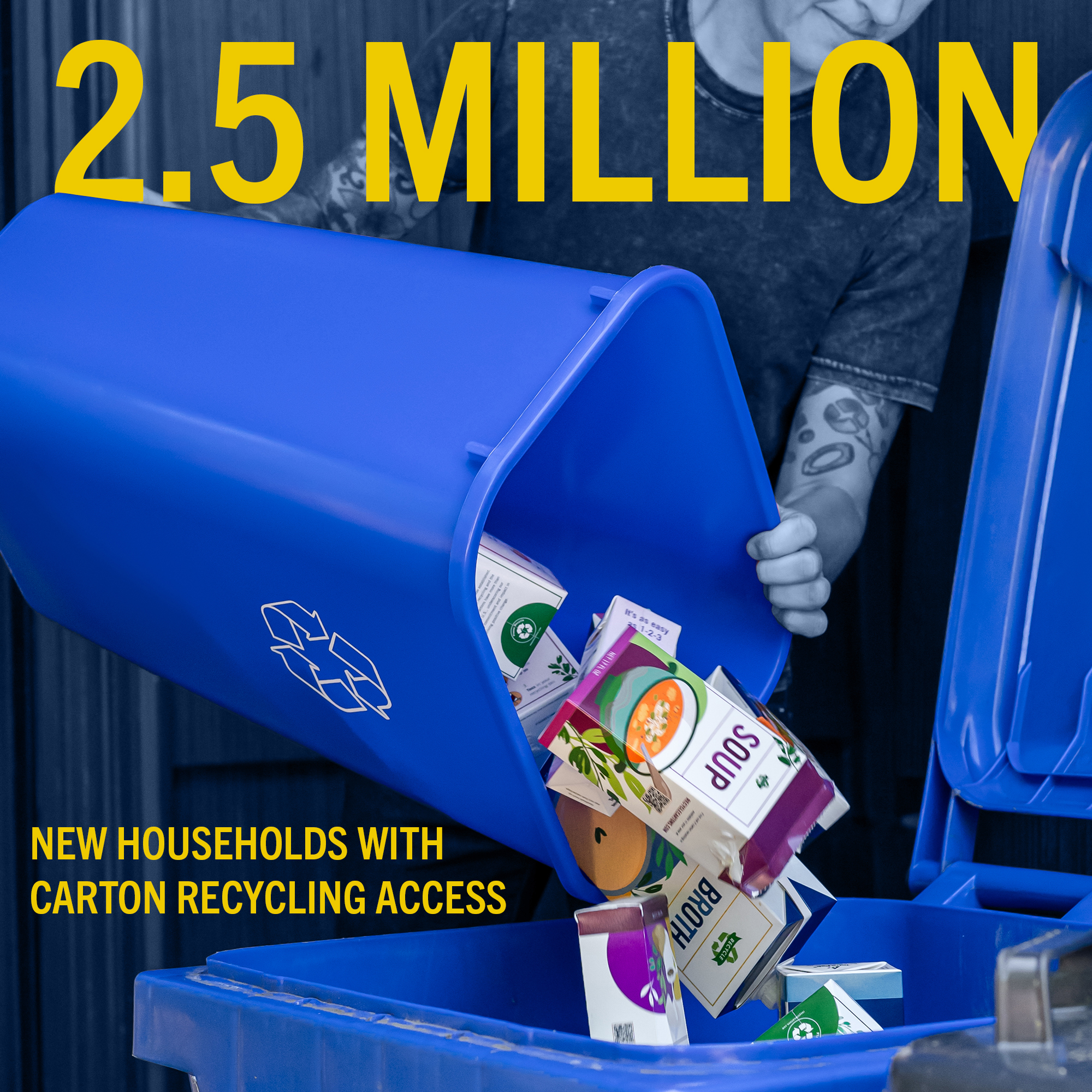
DENTON, Texas, February 19, 2026 /3BL/ – The Carton Council today announced continued growth in carton recycling access across the United States. In 2025, nearly 2.5 million additional households gained the ability to recycle food and beverage cartons, a figure that represents approximately 1.5% of all American households:
- Household growth in 2025 (net): 2,464,653
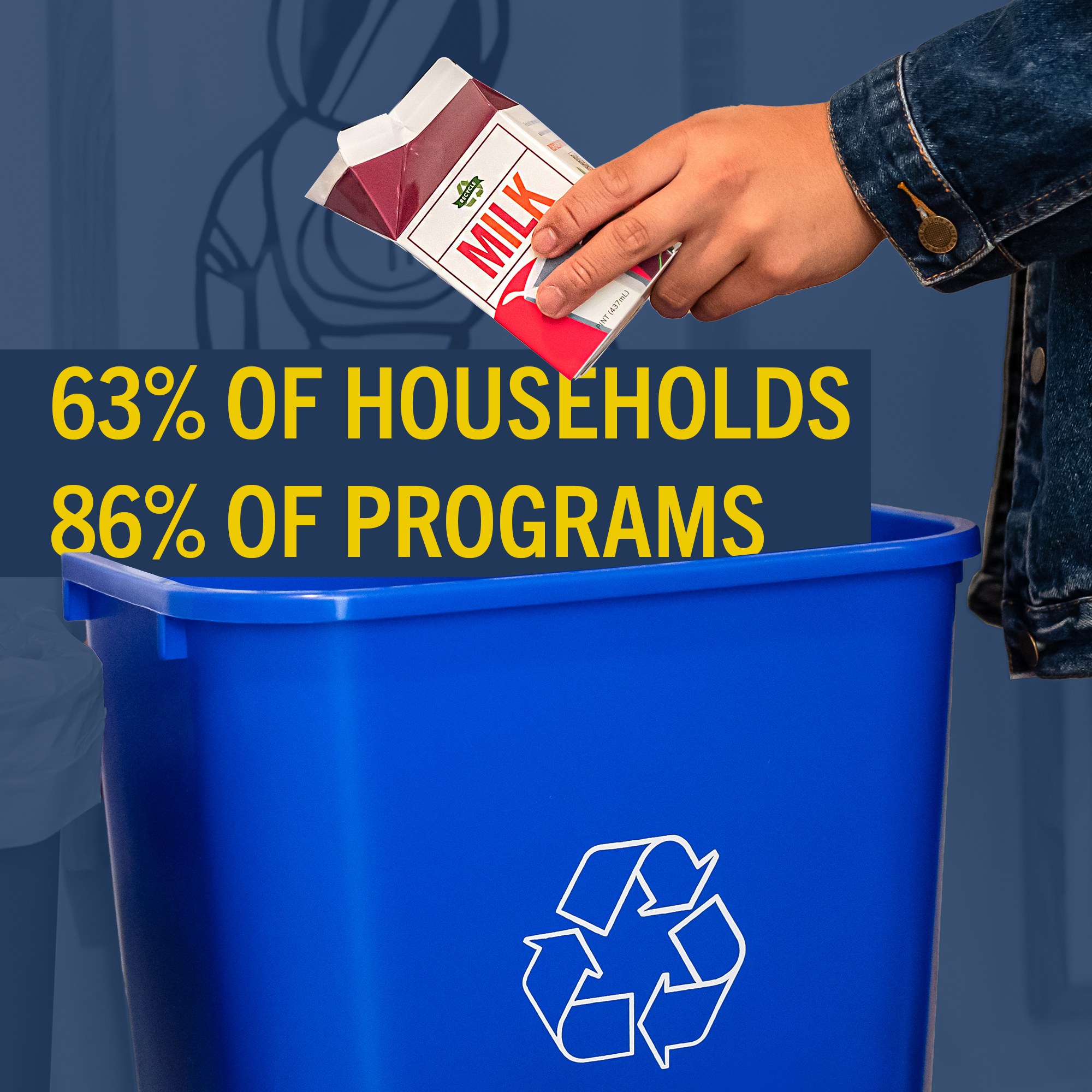
- 2025 year-end access: 63%
- Recycling programs that include cartons (by household): 86%
Carton recycling access is tracked through an independent third-party that measures whether households have a local recycling program that includes cartons. Today, 63% of U.S. households have access to carton recycling programs – up from 18% in 2009 when the Carton Council was founded. Residents can transparently view recycling access using the Carton Council’s address locator tool.
“Real-world recycling begins with household access,” said Jordan Fengel, Executive Director of the Carton Council. “Before a material can be sorted and recycled, residents must be able to place cartons in the recovery stream. This growth reflects direct collaboration with communities, recyclers, and policymakers to strengthen the recycling system.”
The Recycling Partnership has indicated that approximately 73% of U.S. households have access to recycling services. The Carton Council’s data indicates cartons are accepted in the vast majority of programs (86% by household), demonstrating broad compatibility with existing collection systems.
Diverse Community Partnerships Drive 2025 Growth
Because many regions already offer recycling services, recent progress increasingly comes from targeted improvements that are aligned with local capacity and existing infrastructure. Several 2025 additions illustrate this range of approaches:
- Austin, Texas
An expanded MRF partnership added carton access for approximately 500,000 households and created a foundation for future expansion into nearby communities. - Marion County, Florida
Targeted outreach supported the implementation of county-wide drop-off recycling, bringing access to about 127,000 households. - Robeson County, North Carolina
Updated program guidance provides roughly 35,000 households with county-wide drop-off recycling. - Cedar Falls, Iowa
Coordination with municipal staff established city-wide drop-off access for approximately 16,000 households. - Titusville, Florida
A curbside recycling program update added cartons to accepted materials for about 21,000 households. - Oregon – Statewide
With packaging extended producer responsibility (EPR) now active in Oregon, better aligned collection lists led to 627,000 households gaining access to carton recycling (38% increase).
“At this stage, progress happens one program at a time,” said Jason Pelz, Vice President of Recycling at the Carton Council. “We’re working directly with local governments and material recovery facilities to update accepted material lists, optimize sortation, and ensure cartons enter recycling streams. Each community addition strengthens supply for established and emerging recycling end markets.”
Access remains the entry point that enables the rest of the system to function. The 2025 increase reflects continued coordinated growth across collection programs, sorting facilities, and recyclers – demonstrating steady, measurable improvement in real-world recycling infrastructure.
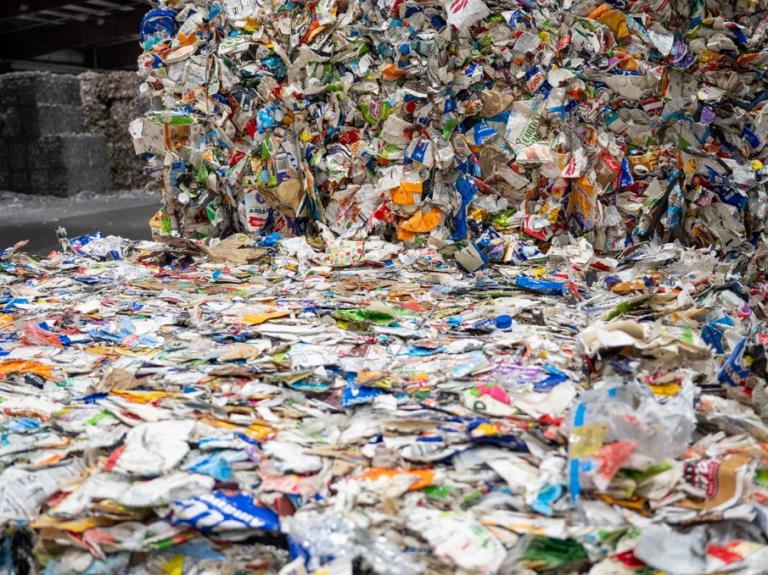
Photo Caption: Recovered cartons at a U.S. tissue mill are recycled into new paper products.
###
About the Carton Council
The Carton Council is composed of four leading carton manufacturers, Elopak, Novolex, SIG and Tetra Pak. Formed in 2009, the Carton Council works to deliver long-term collaborative solutions to divert valuable cartons from the landfill. Cartons are commonly used to package products like milk, broth, soup, juice and other beverages. When recycled, they can be transformed into premium building materials or new paper products, contributing to a circular economy.
Through a united effort, the Carton Council is committed to building a sustainable infrastructure for carton recycling in the U.S. and Canada and works toward its goals of adding access to carton recycling, as well as increasing recycling rates. For more information, visit recyclecartons.com.
Contact:
Brendon Holland Communications Manager
brendon.holland@cartoncouncil.org
940-999-7221