“Extreme winter weather just becomes your norm here,” says Brian Gould, Industry Segment Advisor, T-Mobile. “I love the snow but, sometimes, I feel like I’d be alright with moving somewhere I’d never have to see it again.”

As Gould looked at images of winter storm Fern, a storm that impacted millions in 34 states in January 2026, a familiar tension built. He knew better than most how extreme winter weather could affect a community after being at the forefront of emergency response during a historic blizzard just three years earlier in his home of Cheektowaga, New York.

Just days before Christmas in December 2022, with many residents on the roads for last-minute holiday shopping, a powerful blizzard struck Western New York, bringing a dangerous combination of heavy lake-effect snow, extreme winds and subzero wind chills.

“I remember sitting in the command center, hearing 911 calls of people having medical emergencies in their vehicles, knowing that if we didn’t get there, that person was likely going to die,” he says, reflecting on his time as a police chief.

As conditions worsened, police vehicles became stranded and power outages disrupted utilities, leaving some residents without heat. During the multi-day rescue operation, first responders were hampered by strained communication systems as the scale of the emergency intensified.
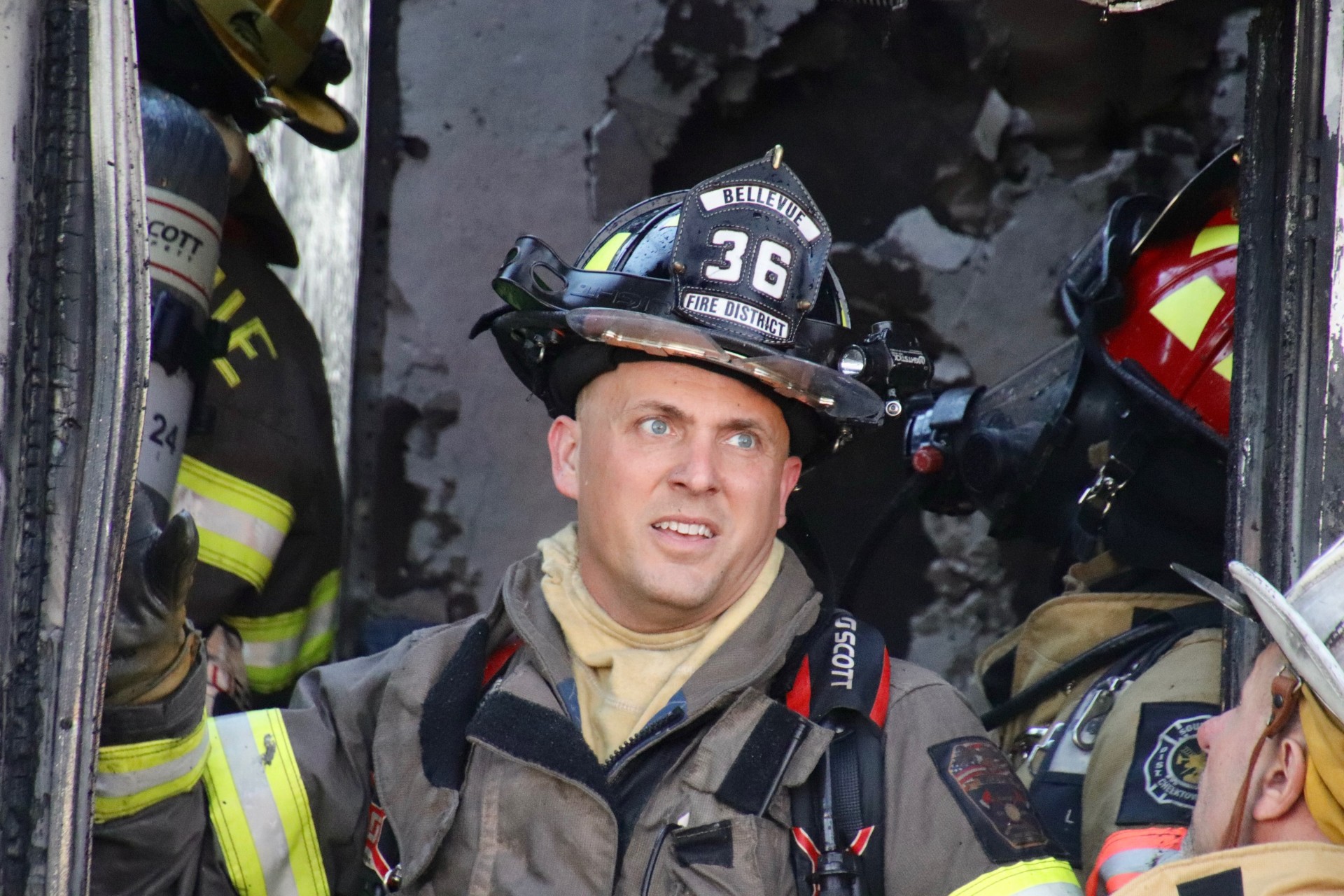
What I learned during the Buffalo blizzard is why I am here now: to ensure first responders’ voices are heard when it comes to having the lifesaving connectivity they need to do their jobs.

Brian Gould, Retired Police & Fire Chief, T-Mobile Industry Segment Advisor

“We were trying to coordinate across dozens of agencies, and it became incredibly difficult to keep people on the same page,” he says. “At the base of all of it with police, fire, highway crews, contractors and senior services was communication. And that became a major challenge during the storm.”

The event underscored how quickly emergencies can escalate and how critical real-time communication, coordination and preparedness are when every minute matters.

That’s why, after 30 years in public service in roles that span from 911 dispatcher, to volunteer fire chief and police chief in Cheektowaga, Gould is still focused on keeping people safe from the dangers of intense weather and helping first responders stay connected as a public safety strategist for T-Mobile, a role he’s had since 2023.

“It’s still service, it just looks a little different now,” he says. “I’m here to dig in, sit alongside first responders and make sure their technology works when they need it most. Serving the community has really formed who I am.”

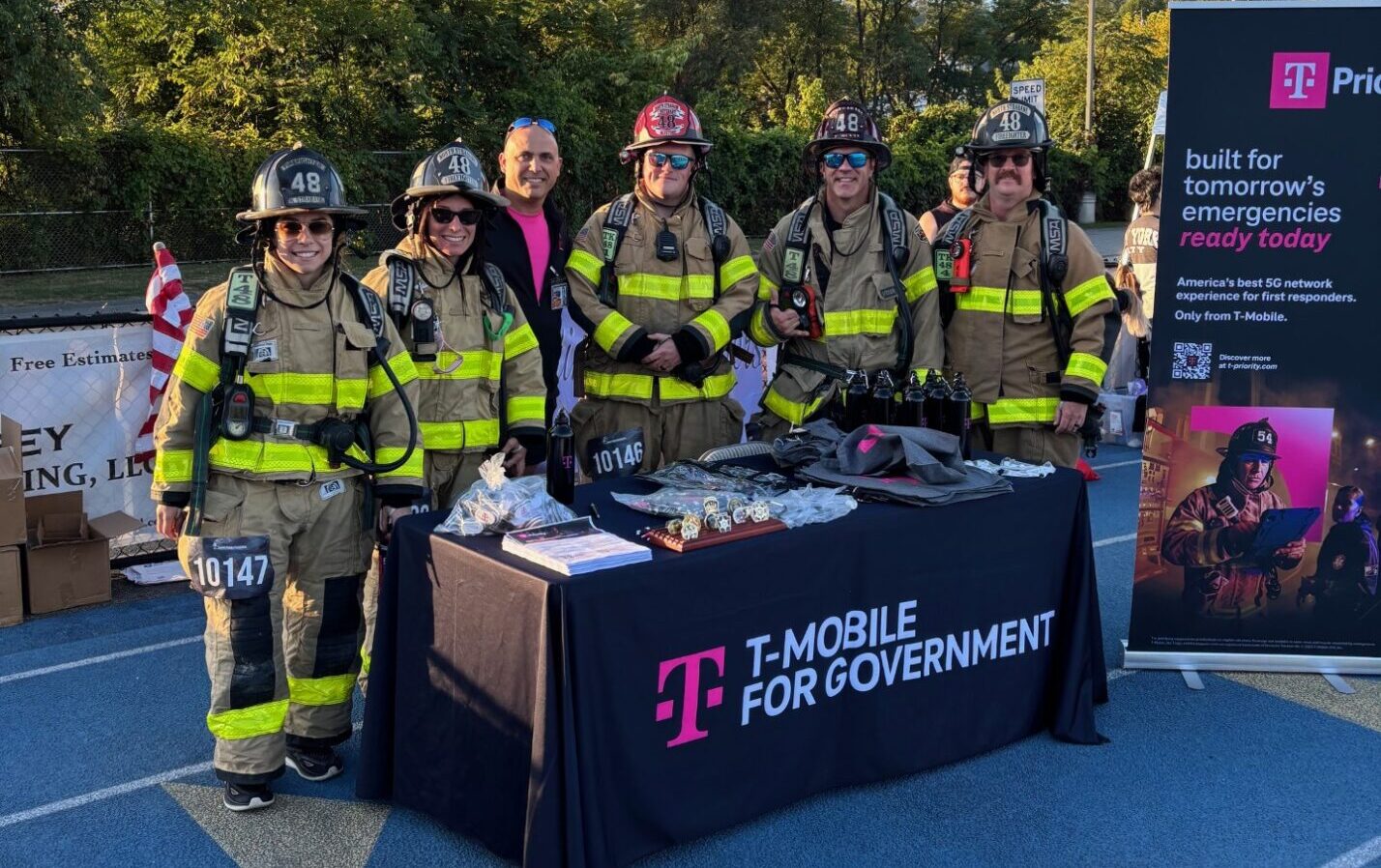
That technology comes from T-Mobile’s modern and intelligent network. From self-healing infrastructure powered by AI and data to 5G enabled drones, satellite connectivity and prioritized 5G for first responders, T-Mobile is evolving what it means to be ready.

Gould says he and almost 50 retired police officers on T-Mobile’s public safety team, who have nearly 1,400 years of combined experience, inform the company on ways to best keep communities and first responders connected nationwide.

“Our approach is layered, because that’s the kind of redundancy needed during an emergency,” says Gould. “What I learned during the Buffalo blizzard is why I am here now: to ensure first responders’ voices are heard when it comes to having the lifesaving connectivity they need to do their jobs.”


T-Mobile T-Priority

The Technology Behind T-Mobile’s Public Safety Strategy

T-Priority: A dedicated 5G network slice designed specifically for public safety, providing first responders with the highest priority access, lower latency and faster speeds across all 5G bands, especially during times of congestion. 
T-Satellite: The nation’s first direct-to-cell satellite service, enabling emergency texting and essential data connectivity in areas with no traditional cell coverage. T-Satellite now powers data on popular apps like WhatsApp, Google Maps and AllTrails on most smartphones from the last four years. 
Self-Organizing Network (SON): An AI-powered system that continuously monitors the network and makes real-time adjustments — such as tilting antennas, rerouting traffic and conserving power to keep people connected during outages and emergencies.


Technology at the Forefront

While sitting in his car, with a steady snowfall now covering his windshield, Gould took a video call with members of his public safety team regarding plans for storm Fern, the focus being on helping people stay safe, connected and informed while T-Mobile coordinated with public safety and emergency management partners to assess their needs.

“I support both sides — helping T-Mobile understand what first responders actually need and helping them understand what’s possible with today’s technology.” Gould explains. “T-Mobile’s technology is way more advanced than what agencies have traditionally relied on.”

T-Priority is a key T-Mobile public safety solution that opened his eyes to the innovation that sets the company apart, he says. T-Priority features a dedicated 5G network slice that helps provide first responders with lower latency and faster speeds more consistently to give them the highest priority across all 5G bands.

That means the essential tools that agencies depend on every day, like smartphones, tablets, thermal imaging and radios, run on a network that keeps up with them, even during times of extreme congestion.

“We optimize traffic around to help keep emergency communications moving,” Gould explains. “It’s technology that also comes with someone like me to reach out and see how I can fix this challenge you’re experiencing so you can focus on doing your job in those most critical moments. It’s what I would have wanted for me and my team during the 2022 blizzard.”

He often explains to people that if you don’t see a T-Mobile satellite truck out during an emergency, it doesn’t mean the network isn’t up and running. Alternatives like the company’s Self-Organizing Network (SON) are at play, using AI and automation to remotely tilt antennas and reroute signals around outages more efficiently and safely in harsh conditions.

“I mean it when I say T-Mobile saw the future and built for it,” Gould says. “T-Satellite is an example of a unique T-Mobile solution that already has proven data. It’s wild to think there are more than 650 satellites orbiting over the United States that our compatible smartphones can automatically connect to.”

Gould says when you combine T-Mobile’s technological innovation with his team’s personalized service, you get solutions before, during and after a major event.

“It’s not just about how we show up in the events,” he says, “but also on our blue-sky days, when nothing is happening, the real work begins to make sure first responders understand what’s available before they ever even need it.”

T-Mobile 5G drone program

How T-Mobile Responds When Disaster Strikes

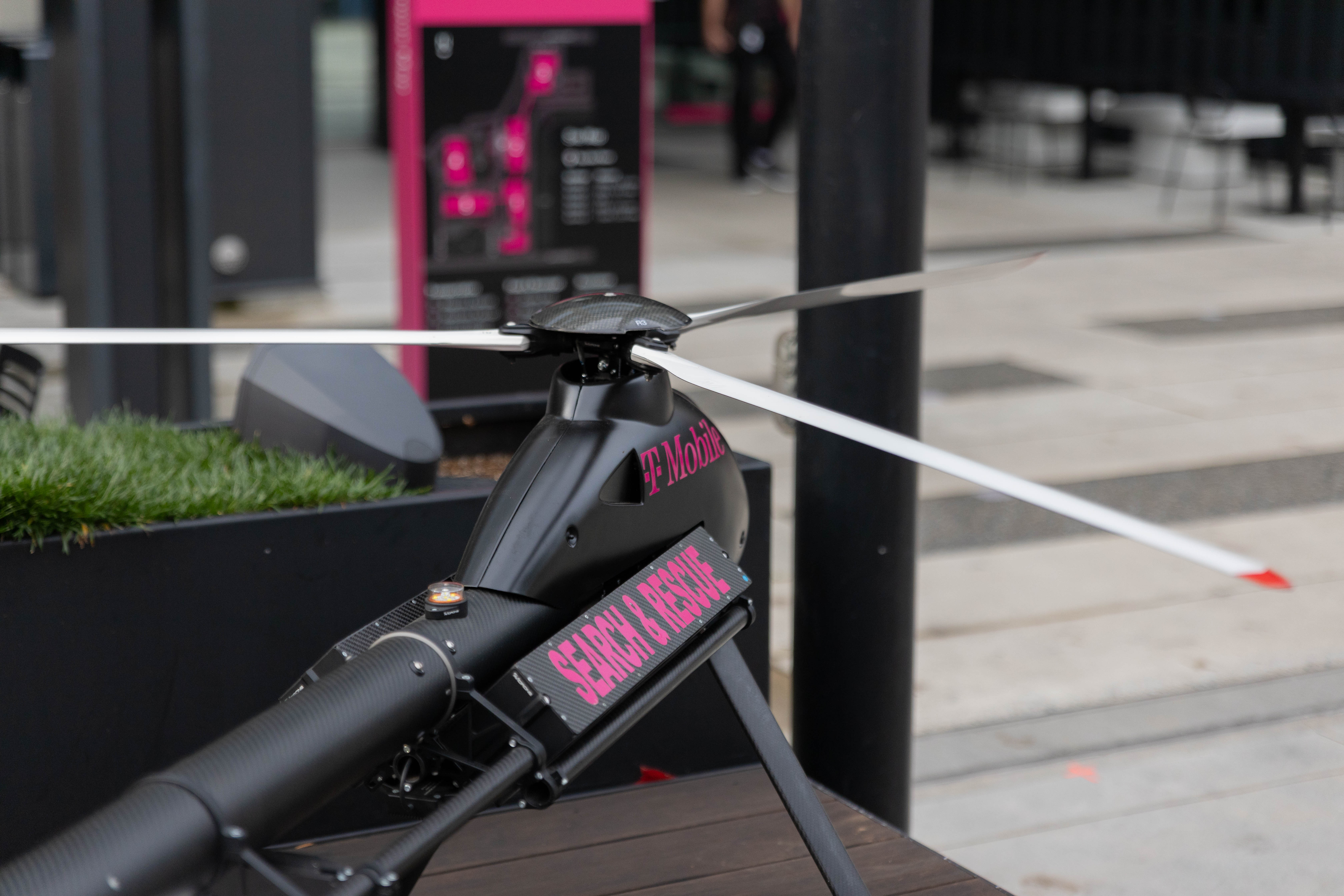
T-Mobile’s expanded drone program supports emergency response by providing temporary coverage, situational awareness and aerial visibility — especially in areas inaccessible by ground vehicles.

Vehicles such as SatCOWs (Satellite Cell on Wheels) and SatCOLTs (Satellite Cell on Light Trucks) can be quickly deployed to restore coverage when infrastructure is damaged or overwhelmed.


Service Before and After the Storm

In January, as he and his teammates discussed strategies to meet the needs of communities in Fern’s wintery path, Gould reflected on how the philosophy of his work has remained intact as he transitioned careers.

“I was a Boy Scout and a lifeguard before I became a 911 dispatcher and then a firefighter and police officer. I honestly feel this was a natural next step in my journey to serve,” Gould explains. “I know firsthand how the decisions to equip teams with the right connectivity tools can make all the difference and my job now is to prove that we’re looking, we’re listening, we’re learning and we’re always striving to do better.”

Later, as he passed by his locker of tactical gear at the fire station where he is still an active volunteer firefighter responding to emergencies in his free time, he picked up his black helmet — just one of many hats he’s worn as a public servant and now at T-Mobile.

“What I love about my role at T-Mobile is I am here to understand what communities need and to support them, whether they’re T-Mobile customers or not,” he says. “We are going to be reaching out to the agencies and communities that are affected by disasters, offering to support them however we can. We’re here to help and we’re here to keep communities safe.”


For more on how T-Mobile is responding to winter storm Hernando check out updates here. 
FORT LAUDERDALE, Fla., March 3, 2026 /PRNewswire/ — A groundbreaking antibiotic treatment used in many parts of the Caribbean and on Florida’s Coral Reef to combat stony coral tissue loss disease does not exhibit negative side effects, scientists at Nova Southeastern University, in collaboration with researchers from the University of Florida and the U.S. Geological Survey (USGS), have confirmed.

Beginning in 2019, NSU scientist Karen Neely and her team were among several groups that began applying an in-water topical antibiotic paste on diseased lesions on wild corals in Florida. The treatment resulted in extremely high coral survival and preservation of living coral tissue. As of May 2025, more than 31,000 corals have been treated using the paste in Florida’s Coral Reef, the only barrier reef system in the continental United States.

The use of antibiotics in a wild setting initially raised concerns that such an application could increase antibiotic-resistant genes in corals and possibly disrupt the microorganisms that live within and on corals. However, the latest research results show no disruption to the microbial community and no changes in antibiotic-resistant genes following treatments.

“We now have evidence that this treatment not only saves corals, but does so safely,” Neely said. “That’s critical as scientists look for tools to slow the loss of reefs.”

Stony coral tissue loss disease has greatly affected stony coral species in the Caribbean, including more than 20 of the about 45 species of reef-builders and five of the U.S. endangered species-listed Caribbean coral species. Since emerging in South Florida in 2014 and spreading through most of the Caribbean since 2017, the disease has caused mortality rates of 67 to 100 percent of some species, leading to significant losses in coral cover, biodiversity, and ecosystem function.

Coral reefs, often called the “rainforests of the sea,” play vital ecological and environmental roles in protecting coastlines, supporting fisheries, and sustaining tourism economies. Beyond their ecological importance, coral reefs also provide significant economic value. According to the USGS, U.S. reefs provide about $1.8 billion annually in flood protection benefits alone.

The findings validate disease intervention strategies used on Florida’s Coral Reef. As scientists and managers continue to work to protect reef systems, NSU researchers say the study offers evidence of science-based solutions that can help preserve coral reefs for future generations, ecosystem services, and economic value.

About Nova Southeastern University

Nova Southeastern University (NSU) is the largest private research university in Florida and a top employer in the state, with more than $6.7 billion in projected economic impact. NSU is classified as an R1 institution by the Carnegie Foundation among universities with the highest level of research activity. Visit www.nova.edu. 

Cision View original content to download multimedia:https://www.prnewswire.com/news-releases/study-confirms-safety-of-antibiotic-treatment-for-stony-coral-tissue-loss-disease-302702934.html

SOURCE Nova Southeastern University

Following the European Commission’s approval of the Apparel & Footwear Product Environmental Footprint Category Rules (PEFCR) in 2025, industry leaders gathered in Madrid to explore what implementation will require in practice — and whether companies are ready.

Opening the session, Baptiste Carriere-Pradal, cofounder of 2B Policy, presented the foundations of the Apparel & Footwear PEFCR: a harmonized, science-based methodology built on Life Cycle Assessment (LCA). Structured around 16 environmental impact indicators, it enables brands to identify environmental hotspots across a product’s lifecycle. The methodology goes beyond carbon, incorporating durability, repairability, and duration of service, reinforcing a broader approach to product performance.

Moderated by Sónia Flotats, director of Move!, the panel that followed examined how the PEFCR connects to the evolving European regulatory framework.

Marina Prados Espínola, director at Policy Hub, framed the broader legislative landscape, noting that the Joint Research Centre (JRC) is conducting the Preparatory Study that will inform the Textile Delegated Act under the Ecodesign for Sustainable Products Regulation (ESPR). This study aims to define how environmental footprint information is measured and reported.

María Gonzalez-Torres, project officer at the European Commission, JRC, provided insight into the technical reasoning behind including footprint-based requirements alongside parameters such as durability and fiber composition. A footprint-based approach, she explained, allows regulators to capture impacts that single-attribute requirements alone may miss. The discussion also touched on comparative scoring approaches — assessing whether a product performs better or worse than the average — rather than relying solely on absolute values.

Bringing the industry perspective, Jeremy Lardeau, senior vice president of the Higg Index at Cascale, emphasized that the core challenge is no longer methodology, but implementation. While the PEFCR provides a strong scientific foundation, the real challenge lies in delivering the level of data and collaboration required to implement it meaningfully at scale.

Bridging the Industry Data Gap

A central theme of the discussion was the data availability challenge. While simplified footprint methodologies exist, they rely on minimal inputs and can miss supply chain complexity. The Apparel & Footwear PEFCR, by contrast, requires more granular product-level information, including detailed bills of materials and manufacturing data.

Many brands do not yet systematically collect or structure this data at the product level. Products are composed of multiple materials and components sourced across global supply chains, and much of the required information sits beyond a brand’s direct control. Meaningful implementation will require stronger data exchange and collaboration with manufacturers across tiers.

Lardeau highlighted the role of secondary databases in supporting Life Cycle Assessment. These datasets help fill primary data gaps and enable full product footprint calculations when supplier-level data is incomplete. However, they are not a substitute for improving primary data collection.

From Measurement to Collaboration

The conversation surfaced a key trade-off: precision versus scalability. More granular primary data improves accuracy but is harder to scale. Simplified approaches enable broader uptake, but risk losing nuance.

Ultimately, speakers agreed that footprint calculation alone will not drive transformation. The greatest opportunity for impact lies at the factory level, where improvements in energy use, material efficiency, and production practices can materially reduce environmental impact.

As Lardeau emphasized, one brand alone cannot shift the sector’s footprint. Long-term progress will depend on structured collaboration between brands and manufacturers, shared data, and tangible operational improvements.

The PEFCR defines what and how to measure. Turning that measurement into meaningful impact will depend on collective action.

DENVER, March 3, 2026 /PRNewswire/ — Gradient Geothermal (“Gradient” or “the Company”), a Denver, Colorado-based geothermal company, will be supporting a major technical study led by the Colorado Energy and Carbon Management Commission (ECMC) and the Colorado Energy Office (CEO).

The project will evaluate the potential to repurpose orphaned oil and gas wells across Colorado for geothermal energy production and assess synergies between geothermal development and carbon capture and sequestration (CCS). The study aims to transform state liabilities into clean energy assets while advancing Colorado’s net-zero greenhouse gas goals.

As an expert in geothermal analysis, Gradient Geothermal will conduct engineering evaluations of wells within ECMC’s Orphaned Well Program to determine their suitability for electricity generation or direct-use geothermal applications. The effort will also inform regulatory pathways and policy frameworks to streamline safe, protective permitting for future projects.

“This study represents an important step in turning orphaned wells from environmental liabilities into community assets,” said Benjamin Burke, CEO of Gradient Geothermal. “Repurposing existing infrastructure for geothermal energy can reduce methane emissions, create local jobs, and deliver reliable, low-emission power to Colorado communities.”

“We are excited to collaborate with Gradient Geothermal on this evaluation of repurposing potential across existing orphaned wells in Colorado,” said Julie Murphy, Director of Colorado’s Energy and Carbon Management Commission. “This work will help inform related regulatory process development and help to better understand how existing wells may be safely and effectively repurposed for other beneficial uses.”

The project will culminate in a publicly available dataset of orphaned wells and a final report outlining technical findings, pilot project recommendations, and policy guidance. Through this collaboration, the State of Colorado continues to demonstrate how pragmatic, science-based energy transition strategies can reduce emissions, strengthen energy resilience, and accelerate energy-positive and economic innovation.

About Gradient Geothermal

Gradient Geothermal is a Denver-based energy technology company advancing modular, distributed thermal and geothermal energy solutions across diverse subsurface heat resources — delivering emissions-free power. The company partners with operators and industrial facilities to convert existing wells and produced heat streams into scalable renewable energy, improving asset value while reducing emissions.

Cision View original content to download multimedia:https://www.prnewswire.com/news-releases/gradient-geothermal-supporting-first-in-the-nation-colorado-initiative-to-transform-orphan-oil–gas-wells-into-geothermal-and-carbon-storage-assets-302702853.html

SOURCE Gradient Geothermal Inc.

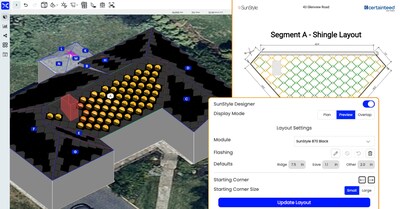
DENVER, March 3, 2026 /PRNewswire/ — Scanifly, the solar industry’s leader in PV design and field operations software, announced today an exclusive partnership with CertainTeed, a Saint-Gobain company and North American leader in building products, making Scanifly the official design platform for CertainTeed SunStyle solar roof systems. The SunStyle Designer gives contractors and roofers a dedicated, more intuitive way to design SunStyle systems, generate accurate production estimates, and export comprehensive installation reports—available across both Scanifly’s remote and drone-based design environments.

SunStyle is one of the most visually distinctive and premium solar roofing products on the market, characterized by its signature diamond-pattern shingle layout and architectural craftsmanship. CertainTeed has always prioritized quality and consistency in every SunStyle design. This partnership extends that commitment by giving contractors a faster, more accessible design experience, backed by the accuracy Scanifly is known for.

The Scanifly + SunStyle Designer delivers immediate advantages:

  • A contractor-friendly interface that simplifies the design process and reduces time from design to install-ready documentation
  • Automated shingle placement with adjustable layout parameters, including start points and small/large shingle selection
  • Real-time production calculations that update as active and inactive shingles are modified
  • Extensive reports that consolidate shingle layouts, batten layouts, cut sheets, and BOMs into a single export
  • Manufacturer-specific hardware lists that reflect actual roof conditions

“SunStyle is a cutting-edge product that is raising the ceiling for Building Integrated PV (BIPV) applications,” noted Jason Steinberg, CEO of Scanifly. “We built the SunStyle Designer to serve as a singular platform for contractors to sell, design, and install projects faster and more accurately, which is at the core of Scanifly’s holistic mission. We’re excited to introduce many current Scanifly contractors to the SunStyle product, while simultaneously continuing to deepen our relationship with CertainTeed.”

“Scanifly’s platform gives our contractor network the design experience SunStyle has always deserved,” said Andrew Wickham, Sr. Director of Product – Solar at CertainTeed. “Contractors can now design with a tool that reflects SunStyle’s commitment to quality, generate accurate reports, and go to market with confidence.”

From first layout to install-day documentation, the entire SunStyle design process lives inside Scanifly. Contractors can get started by reaching out to Scanifly or CertainTeed directly to set up an account, and Scanifly’s dedicated SunStyle training, led by an experienced solar professional, walks your team through everything they need to design with confidence.

For contractors interested in using the software to explore the SunStyle product, contact CertainTeed or Scanifly directly to access an account and experience the tools in real time. Scanifly provides custom training for this program, led by a seasoned solar professional.

Solar contractors and roofers can access the SunStyle Designer starting today. Visit https://scanifly.com/certainteed-sunstyle-design/ to learn more.

About Scanifly 

Scanifly is the only solar design software that lets you create PV layouts instantly with AI, then verify with drones for perfect install-day accuracy—all on one platform. Contractors using Scanifly’s mobile, web, and drone-based technology cut site survey time by 90% and eliminate design revisions. Learn more at scanifly.com.

About CertainTeed

With innovative building solutions made possible through its comprehensive offering of interior and exterior products, CertainTeed is transforming how the industry builds. As leaders in building science and sustainable construction, CertainTeed makes it easier than ever to create high-performance, energy-efficient places to live, work and play, so that together we can make the world a better home.

A subsidiary of Saint-Gobain, one of the world’s largest and oldest building products companies, CertainTeed has more than 6,900 employees and more than 60 manufacturing facilities throughout the United States and Canada. www.certainteed.com 

About Saint-Gobain

Worldwide leader in light and sustainable construction, Saint-Gobain designs, manufactures and distributes materials and services for the construction and industrial markets. Its integrated solutions for the renovation of public and private buildings, light construction and the decarbonization of construction and industry are developed through a continuous innovation process and provide sustainability and performance. The Group, celebrating its 360th anniversary in 2025, remains more committed than ever to its purpose, “MAKING THE WORLD A BETTER HOME”.

Contact:
Brad Knudsen
info@scanifly.com

Cision View original content to download multimedia:https://www.prnewswire.com/news-releases/scanifly-becomes-the-exclusive-design-platform-for-certainteed-sunstyle-solar-roofing-302702783.html

SOURCE Scanifly

IRVINE, Calif., March 3, 2026 /PRNewswire/ — Mazda North American Operations (MNAO) today reported total February sales of 33,497 vehicles, flat compared to February 2025. With 24 selling days in February, compared to 25 the year prior, the company posted an increase of 4 percent on a Daily Selling Rate (DSR) basis.

CPO sales totaled 5,954 vehicles in February, an increase of 6.4 percent compared to February 2025.

Sales highlights include:

  • 2nd Best February Total Sales ever
  • Best February Retail Sales since 2020 for Mazda 3 Sedan
  • Best February Total Sales ever for both CX-50 ICE and Hybrid

Mazda Canada, Inc., (MCI) reported February sales of 4,616 vehicles, an increase of 1.3 percent compared to February last year. 

Mazda Motor de Mexico (MMdM) reported February sales of 8,321 vehicles, a decrease of 11 percent compared to February last year.  

About Mazda North American Operations
Proudly founded in Hiroshima, Japan, Mazda has a history of sophisticated craftsmanship and innovation, and a purpose to enrich life-in-motion for those it serves. By putting humans at the center of everything it does, Mazda aspires to create uplifting experiences with our vehicles and for people. Mazda North American Operations is headquartered in Irvine, California, and oversees the sales, marketing, parts and customer service support of Mazda vehicles in the United States, Canada, Mexico and Colombia through approximately 795 dealers. Operations in Canada are managed by Mazda Canada Inc. in Richmond Hill, Ontario; operations in Mexico are managed by Mazda Motor de Mexico in Mexico City; and operations in Colombia are managed by Mazda de Colombia in Bogota, Colombia. For more information on Mazda vehicles, including photography and B-roll, please visit the online Mazda media center at news.mazdausa.com.

Follow @MazdaUSA on social media: Facebook, Instagram, X, YouTube, and Threads.

Month-To-Date

Year-To-Date

February

February

YOY %

% MTD

February

February

YOY %

% MTD

2026

2025

Change

DSR

2026

2025

Change

DSR

Mazda3

3,129

2,838

10.3 %

14.8 %

5,602

5,821

(3.8) %

(3.8) %

Mazda 3 Sdn

1,516

2,094

(27.6) %

(24.6) %

2786

4,190

(33.5) %

(33.5) %

Mazda 3 HB

1,613

744

116.8 %

125.8 %

2816

1,631

72.7 %

72.7 %

Mazda6

0

0

–

–

0

0

–

–

MX-5 Miata

330

843

(60.9) %

(59.2) %

725

1,524

(52.4) %

(52.4) %

MX-5 

194

382

(49.2) %

(47.1) %

414

645

(35.8) %

(35.8) %

MXR

136

461

(70.5) %

(69.3) %

311

879

(64.6) %

(64.6) %

CX-3

–

0

–

–

–

0

–

–

CX-30

2,339

5,709

(59.0) %

(57.3) %

4762

12,366

(61.5) %

(61.5) %

CX-5

13,701

10,876

26.0 %

31.2 %

23574

21,609

9.1 %

9.1 %

CX-9

0

0

0.0 %

0.0 %

0

0

–

–

CX-50 TTL

10,094

7,280

38.7 %

44.4 %

20,509

13,615

50.6 %

50.6 %

MX-30

0

0

–

–

0

0

–

–

CX-70 TTL

928

1,223

(24.1) %

(21.0) %

1600

2170

(26.3) %

–

CX-90 TTL

2,976

4,769

(37.6) %

(35.0) %

5683

10114

(43.8) %

(43.8) %

CARS

3,459

3,681

(6.0) %

(2.1) %

6,327

7,345

(13.9) %

(13.9) %

TRUCKS

30,038

29,857

0.6 %

4.8 %

56,128

59,874

(6.3) %

(6.3) %

TOTAL

33,497

33,538

(0.1) %

4.0 %

62,455

67,219

(7.1) %

(7.1) %

*Selling Days

24

25

50

50


Cision View original content to download multimedia:https://www.prnewswire.com/news-releases/mazda-reports-february-sales-results-302702722.html

SOURCE Mazda North American Operations

From a Games delivery model centred on existing and temporary venues to programmes that promote active lifestyles and socio-economic development across mountain and urban areas, Milano Cortina 2026 is designed to deliver outstanding sport while creating lasting value for host communities.

International Olympic Committee news

Key facts

  • Milano Cortina 2026’s iconic venues span Northern Italy, with 85 per cent of competition venues existing or temporary (11 of 13), significantly reducing the need for new construction.
  • More than 330 initiatives are inspiring healthy lifestyles and inclusion, including the Gen26 Education Programme (1.5 million students engaged) and Italia dei Giochi (which has involved over five million people).
  • According to estimates by Bocconi and Ca’ Foscari Universities, the Games are expected to generate over EUR 5 billion in net economic impact for Italy and create 36,000 new jobs.

For more than a century, the Olympic Winter Games have helped winter sport develop and deliver lasting benefits for host regions. Today, in the face of climate and socio-economic challenges, the Games are evolving. The IOC’s approach to Olympic legacy focuses on a more flexible model that maximises existing venues, reduces environmental impact and strengthens community resilience — and Milano Cortina 2026 reflects this evolution.

Designed around Northern Italy’s existing infrastructure, strong winter-sport heritage and clearly defined community priorities, Milano Cortina 2026 is not only about delivering outstanding sport but also about accelerating long-term development and strengthening resilience across both mountain and urban areas.

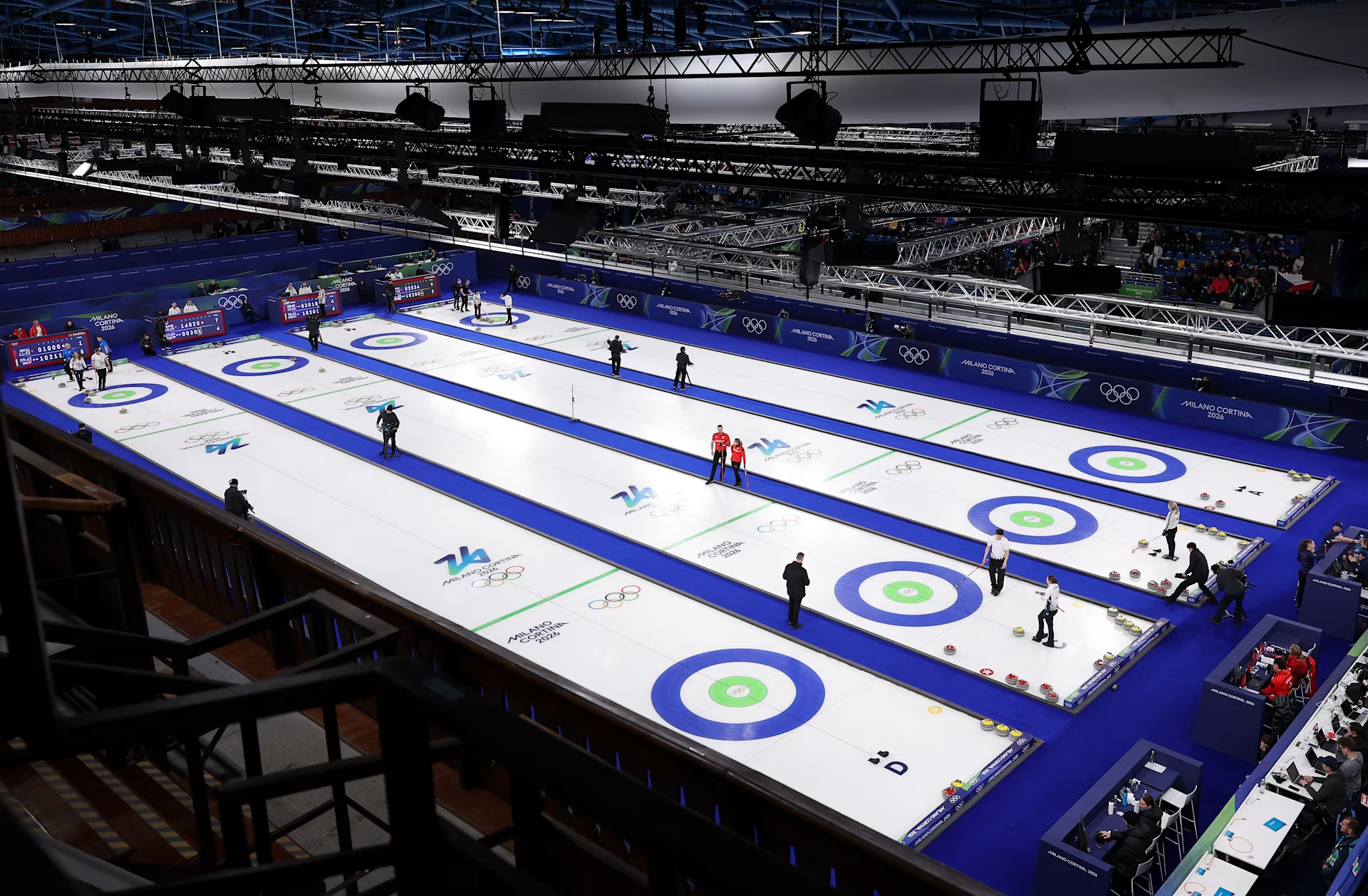
curling arena

© 2026 Getty Images

Making the most of existing venues

Milano Cortina 2026 spans Northern Italy’s iconic winter sports venues, with 85 per cent of competition venues existing or temporary, significantly reducing the need for new construction.

Eleven of the thirteen competition venues are existing or temporary, including established sites in Bormio, Val di Fiemme and Anterselva, which are continuing their legacy as world-class hosts of international events.

“By adapting to what already exists, the organisers are reducing environmental impact, leveraging proven local expertise, spreading opportunities across regions, and accelerating projects that meet community needs.”
Arram Kim
IOC Head of Legacy

winter sports arena

© © 2026 / International Olympic Committee (IOC) / CIANCAGLINI, Emmanuele

Inspiring active lifestyles

Milano Cortina 2026 is also supporting active lifestyles and inclusion through initiatives designed to reach people of all ages.

For the first time, sport is now explicitly referenced in the Italian Constitution, creating a stronger foundation for increased investment in sport at both national and regional levels.

More than 330 initiatives are already promoting movement and well-being. Through the Gen26 Education Programme, 1.5 million students have engaged in Olympic and Paralympic activities. Italia dei Giochi , has involved more than five million people nationwide through community sport events.

Smiling group of students

Accelerating socio-economic development

The Games are supporting Northern Italy’s long-term development by accelerating existing regional plans– from urban regeneration in Milan to improvements in transport links, accessibility, electricity distribution and medical services in mountain communities.

“These were investments that were already part of our long-term plans. Thanks to the Games, all these investments were accelerated, and Italian citizens will benefit from them,” said Iacopo Mazzetti, Legacy Director of the Fondazione Milano Cortina 2026.

In Milan, the Olympic Village has transformed a former railway yard into a sustainable urban district, which is set to become student housing after the Games. In mountain areas, upgrades to electricity distribution systems and medical services are improving energy resilience of local communities.

According to estimates by Bocconi and Ca’ Foscari Universities, the Games are expected to generate over EUR 5 billion in net economic impact for Italy and create 36,000 new jobs. A post-Games report is planned to compare outcomes against these pre-Games estimates.

People walking outside Olympic stadium

© Getty Images

Supporting local and social businesses

Through the Impact 2026 social procurement programme, more than EUR 1.77 million in Games-related procurement has been awarded to local social and micro-enterprises — supporting SMEs and helping create skills and jobs.

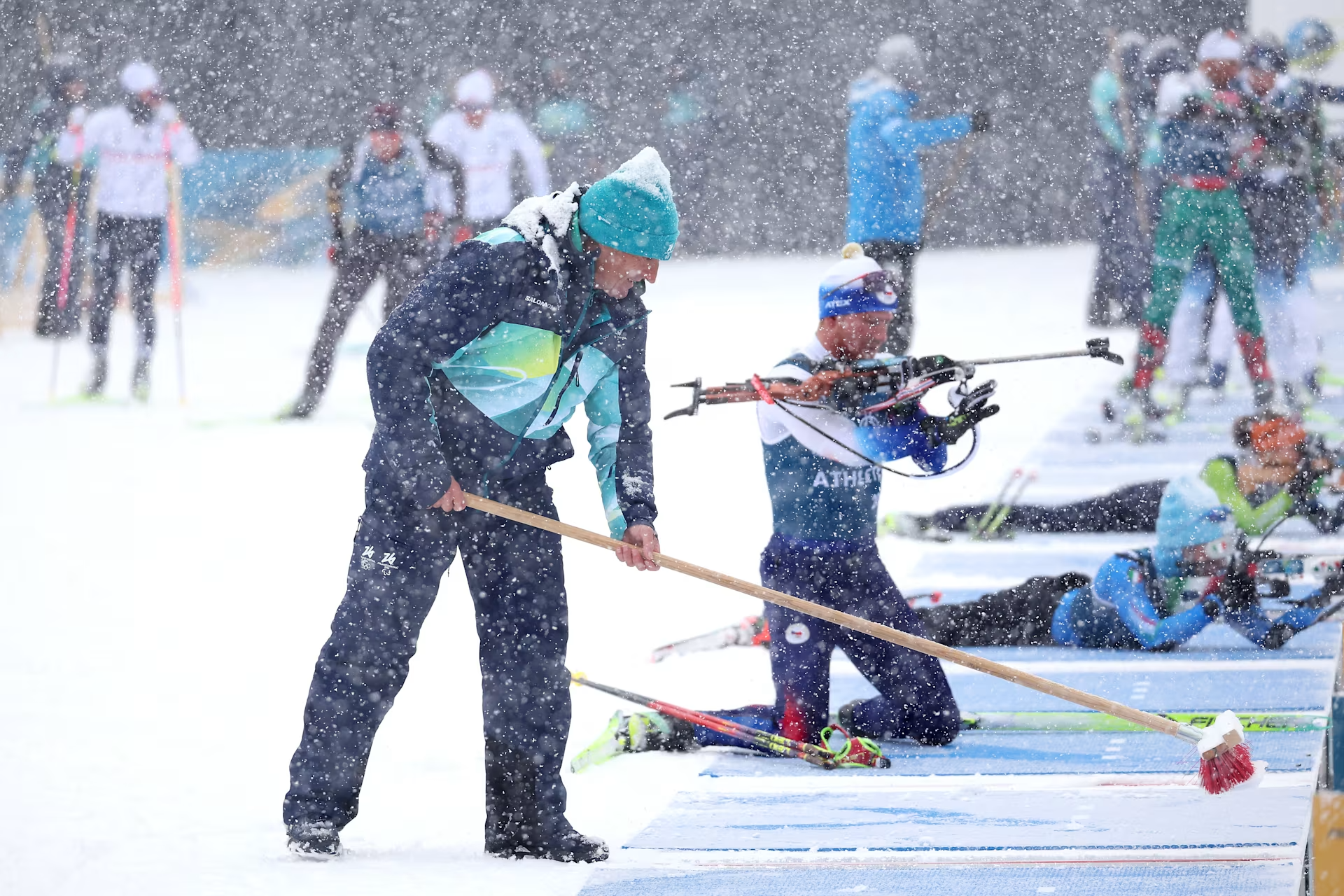
Athletes in the snow

© 2026 Getty Images

The legacy of this approach will extend beyond 2026, with the model also set to support the delivery of the Dolomiti Valtellina 2028 Winter Youth Olympic Games. The Games have also created opportunities for staff and volunteers to develop skills and experience can support future events.

“Volunteers are a fundamental heritage of Milano Cortina 2026,” said Iacopo Mazzetti. “More than 18,000 were trained, and they will benefit from it for their future lives, and also in the Italian sports system.”