More than 94% of participants achieved a ≥5-point MG-ADL improvement at Week 48

42% of telitacicept-treated participants achieved minimal symptom expression (MSE) at any time over 48 weeks, increasing from 23.7% over the first 24 weeks

After achieving MSE, 86.7% of MSE events were sustained at the next monthly assessment and participants spent 83-85% of remaining study follow-up in MSE

Approximately 51% of participants with baseline MG-ADL scores of 6-10 and 21% of participants with baseline MG-ADL scores ≥11 achieved MSE

BOSTON, Sept. 29, 2026 (GLOBE NEWSWIRE) — Vor Bio (Nasdaq: VOR), a clinical-stage biotechnology company transforming the treatment of autoimmune diseases, today announced a new post hoc analysis from the Phase 3 trial conducted in China by its collaborator, RemeGen Co., Ltd (HKEX: 9995, SHA: 688331), evaluating telitacicept in adults with generalized myasthenia gravis (gMG). The findings were presented in an oral presentation during the Myasthenia Gravis Foundation of America (MGFA) Scientific Session at the 2026 American Association of Neuromuscular & Electrodiagnostic Medicine (AANEM) Annual Meeting in Orlando, Florida.

The analysis evaluated the depth and durability of clinical response to telitacicept over 48 weeks, including achievement of MSE, defined as a Myasthenia Gravis Activities of Daily Living (MG-ADL) score of 0 or 1. In addition to evaluating whether participants achieved MSE, the analysis assessed whether MSE was sustained at the subsequent monthly assessment and the proportion of remaining follow-up participants spent in MSE after achieving it. The Phase 3 study randomized 114 adults with gMG to telitacicept 240 mg once weekly or placebo for 24 weeks, followed by a 24-week open-label extension (OLE), with those previously on placebo crossing over to telitacicept 240mg. The initial 48-week OLE data were presented at the MGFA Scientific Session at the 2025 AANEM Annual Meeting.

“Over the past decade, myasthenia gravis has seen meaningful therapeutic innovation, but patients and physicians still live with uncertainty about whether a treatment will work broadly and whether that benefit will last,” said Jean-Paul Kress, M.D., Chairman and Chief Executive Officer of Vor Bio. “What stands out in these data are the breadth, depth, and durability of response, with more than 94% of participants achieving at least a five-point improvement in MG-ADL, more than half of those starting with MG-ADL scores of 6-10 reaching MSE, and once MSE was achieved, participants spent the vast majority of their remaining follow-up in that state. If UPSTREAM MG can reproduce this profile globally, we believe telitacicept could give physicians greater confidence in treatment choice and patients greater predictability in how they live their lives.”

“Clinically, reaching MSE once or over a short period is not the same as sustaining that level of disease control over time,” said Richard J. Nowak, M.D., M.S., Director of the Yale Myasthenia Gravis Clinic and Associate Professor of Neurology at Yale School of Medicine. “Myasthenia gravis symptoms can fluctuate over time, so a single assessment provides only a limited window into patient outcomes. These data are encouraging because the response to telitacicept appears to deepen with continued treatment and extends across a broad range of baseline disease severity. As treatment options improve, longitudinal assessment and transparent reporting of MSE durability should become an increasingly important standard so patients and clinicians can better understand not only whether minimal symptoms can be achieved but how consistently they can be maintained.”

Key Findings from the Post Hoc 48-week Analysis:

  • Durability of MSE: Among participants who reached MSE, 86.7% of MSE events were sustained at the next monthly assessment. Following achievement of MSE, participants spent the vast majority of their remaining study follow-up in MSE, specifically 83% among those initially randomized to telitacicept and 85% among those who crossed over from placebo to telitacicept.
  • MSE across disease severity: More than half of participants with baseline MG-ADL scores of 6-8 (51.2%) and 9-10 (51.7%) achieved MSE during the 48-week study. Importantly, 20.5% of participants with baseline MG-ADL scores ≥11 also achieved MSE.
  • Depth of response increased with continued treatment: MG-ADL responses continued to deepen from Week 24 through Week 48, with increasingly stringent response thresholds achieved over time and MG-ADL improvements of up to 13 points observed at Week 48.
  • Overall MSE attainment: The probability of achieving MSE at any time over the 48-week study was approximately 42% among participants treated with telitacicept.
  • Safety: Telitacicept was generally well tolerated through 48 weeks with no new safety signals observed, consistent with the previously reported safety profile from the study.

About Generalized Myasthenia Gravis
gMG is a rare, chronic autoimmune neuromuscular disorder that disrupts communication between nerves and muscles, leading to muscle weakness that can impact mobility, vision, swallowing, and breathing. The disease is mediated by autoantibodies, most commonly targeting the acetylcholine receptor (AChR) or muscle-specific kinase (MuSK), which interfere with neuromuscular transmission. While several therapies are available, many patients continue to experience persistent symptoms or intolerable side effects. As a result, there remains a significant unmet need for new therapies that offer durable efficacy, a favorable safety profile, and convenient administration to improve the quality of life for people living with gMG.

About Telitacicept
Telitacicept is a novel recombinant fusion protein designed to treat autoimmune diseases through dual inhibition of BLyS (BAFF) and APRIL – two cytokines essential to B cell and plasma cell survival. This dual-target mechanism reduces autoreactive B cells and autoantibody production, key drivers of autoimmune pathology.

Telitacicept is approved in China for systemic lupus erythematosus (SLE), rheumatoid arthritis (RA), generalized myasthenia gravis (gMG), IgA nephropathy (IgAN), and Sjögren’s disease (SjD).

Vor Bio is advancing telitacicept in global Phase 3 trials in gMG and SjD to support potential regulatory approvals in the United States, Europe, and Japan.

About Vor Bio
Vor Bio is a clinical-stage biotechnology company transforming the treatment of autoimmune diseases. The Company is focused on rapidly advancing telitacicept, a novel dual-target fusion protein, through Phase 3 clinical development and potential commercialization to address serious autoantibody-driven conditions worldwide. For more information visit www.vorbio.com. Vor Bio routinely posts information that may be important to investors in the “Investors” section of its website. The Company encourages investors to consult that section of its website regularly.

Forward-Looking Statements
This press release contains forward-looking statements within the meaning of the Private Securities Litigation Reform Act of 1995. The words “anticipate,” “believe,” “continue,” “could,” “design,” “expect,” “intend,” “may,” “ongoing,” “plan,” “potential,” “should,” “update,” “will,” “would,” and similar expressions are intended to identify forward-looking statements, although not all forward-looking statements contain these identifying words. Forward-looking statements in this press release include telitacicept’s potential benefits, including its potential to give physicians greater confidence in treatment choice and patients greater predictability in how they live their lives, Vor Bio’s development and commercialization plans, including potential regulatory approvals in the United States, Europe, and Japan; and other statements that are not historical fact.

Vor Bio may not actually achieve the plans, intentions, or expectations disclosed in these forward-looking statements, and you should not place undue reliance on these forward-looking statements. Actual results or events could differ materially from the plans, intentions and expectations disclosed in these forward-looking statements as a result of various factors, including that the data for our product candidates may not be sufficient for obtaining regulatory approval to commercialize products; we may not be able to execute our business plans, including meeting our planned clinical and regulatory milestones and timelines, and possible limitations of financial and other resources. These and other risks are described in greater detail under the caption “Risk Factors” included in Vor Bio’s most recent annual or quarterly report and in other reports it has filed or may file with the Securities and Exchange Commission.

Any forward-looking statements contained in this press release speak only as of the date hereof, and Vor Bio expressly disclaims any obligation to update any forward-looking statements, whether because of new information, future events or otherwise, except as may be required by law.

CONTACT: Media & Investor Contacts:
Carl Mauch
cmauch@vorbio.com

Management believes that $14-$16 million of the 2027 revenue target will be supported by backlog, signed contracts or purchase orders, existing customer expansion, new customer, and additional commercial opportunities

NETANYA, Israel, Sept. 29, 2026 (GLOBE NEWSWIRE) — Tessera Defense and Homeland Security Inc. (NYSE American: HLSQ) (“Tessera”) (“the Company”) today announced its initial 2027 revenue target and longer-term financial targets through 2029, outlining a growth strategy centred on scaling the Tessera physical security platform across larger projects, additional customers, new markets and expanded capabilities.

The Company is targeting consolidated revenue of approximately $14 million to $16 million in 2027.

Tessera currently expects 2027 revenue to be weighted toward the second half of the year, reflecting the anticipated timing of platform deployments, customer projects’ cycles and commercial activity. Management believes the potential revenue targets will be comprised of the following: $7 million from backlog, signed contracts or purchase orders; $5 million from existing-customer expansion and identified commercial opportunities; $3 million from new customers and future commercial opportunities.

Using the midpoint of the Company’s 2027 revenue target, the 2029 target represents an implied revenue CAGR of approximately 40% from 2027 through 2029.

Looking beyond 2027, management is targeting consolidated revenue of approximately:

  • $21 million in 2028
  • $30 million in 2029

The targets reflect management’s current strategic plan, which combines organic growth from Tessera’s existing businesses, expansion of the Tessera platform and anticipated contributions from future acquisitions. None of these milestone targets include companies with which Tessera has an unexercised option to acquire.

From Sight to Foresight

At the center of Tessera’s growth strategy is its integrated, site-tailored physical security platform.

The Tessera platform brings together detection, intelligence and response capabilities, connecting cameras, sensors, detection technologies, AI, software and other security infrastructure into a unified system designed around the requirements of each customer site.

Today, the platform incorporates technologies from Tessera’s Zorronet and DFSL subsidiaries, as well as licenced 3rd party technologies, combining complementary detection and intelligence capabilities within the Tessera physical security platform. Tessera intends to continue expanding the platform by integrating additional technologies developed internally or added through future acquisitions, JV’s and licensing agreements.

Management believes this platform model creates multiple avenues for growth.

Tessera plans to increase the number of platform deployments, expand the size and scope of individual projects, add capabilities at existing customer sites, enter new verticals and geographies, and extend its reach through integrators and channel partners.

As the installed base grows, the Company also sees an opportunity to expand software, licensing, service and support revenue associated with the platform.

Building More Value Into Each Deployment

Tessera’s growth strategy is designed to move beyond selling individual technologies.

By combining multiple capabilities within a single platform, Tessera can address a broader portion of a customer’s physical security requirements and pursue larger, higher-value projects.

The Company expects growth to be supported by several key drivers:

  • More platform deployments: expanding adoption across critical infrastructure, energy, digital infrastructure and homeland security applications.
  • Larger projects: incorporating a broader mix of Tessera technologies and capabilities into individual deployments.
  • Expansion within existing customers: extending the platform to additional sites, systems and use cases.
  • New markets: entering additional verticals and geographies where the platform can be tailored to local security requirements.
  • Broader distribution: expanding relationships with integrators, channel partners and strategic partners capable of bringing Tessera into larger projects.
  • Recurring revenue opportunities: increasing software, licensing, service and support revenue as the platform’s installed base grows.
  • Additional capabilities: integrating complementary technologies through internal development and selective acquisitions.
  • B2B2C: increasing cooperation with existing clients who operate command and control centers to protect private and personal property.

2027 Priorities

Tessera’s 2027 priorities are focused on translating the platform strategy into measurable commercial growth.

The Company intends to:

Scale platform sales
Increase adoption of the Tessera platform across new and existing customers, with a focus on larger and more complex sites.

Grow the value of each customer relationship
Add technologies, capabilities, sites and applications within existing deployments.

Expand commercial reach
Increase Tessera’s presence across priority verticals and geographies, including primarily the EU and USA through direct sales, integrators, channel partners and strategic relationships.

Build recurring revenue
Expand software, licensing, service and support opportunities associated with the growing Tessera platform base.

Continue expanding the platform
Integrate additional complementary capabilities that broaden the range of physical security requirements Tessera can address.

Increase resources for potential acquisitions
To extent company decides to exercise acquisition options, deployment of financial resources towards such acquisitions, including use of expanded line of credit with Mandragola.

Key Milestones

Management expects to evaluate progress against its 2027 plan using a combination of financial and commercial indicators, including:

  • 70 Tessera platform deployments/customer sites
  • 60 new customers
  • 15 expansion projects with existing customers
  • Entry into 3 new geographies
  • Expansion into 2 new verticals
  • 16 new or expanded integrator and channel relationships
  • Integration of 5 additional platform capabilities
  • Approximately $7-8 million, or 50% of revenue, from recurring software, licensing, service and support
  • Approximately $14 million in backlog by year-end 2027

The Company may refine these indicators as its commercial model, reporting systems and platform deployment base develop.

Assumptions Underlying the Targets

Tessera’s 2027 revenue target and 2028–2029 long-term targets are based on management’s current expectations and assume continued demand for the Company’s platform and technologies, execution of anticipated customer projects, conversion of a portion of identified commercial opportunities into signed business, expansion within existing customers, growth through integrators and channel relationships, successful integration and commercialization of additional technologies and general market conditions.

The targets also assume contributions from future acquisitions consistent with management’s current strategic plan. The timing, size, completion and financial contribution of any future acquisition cannot be assured.

Customer procurement, installation and acceptance schedules, project timing, revenue recognition, market conditions and other factors may affect the timing and amount of revenue ultimately recognized.

The Company’s targets are forward-looking and do not represent guarantees of future performance. Actual results may differ materially due to project timing, customer procurement decisions, the timing and completion of acquisitions, integration execution, revenue recognition, competitive conditions and other risks described in the Company’s filings with the Securities and Exchange Commission.

About Tessera Defense and Homeland Security Inc. (Formerly BiomX Inc.)

Tessera Defense and Homeland Security Inc. (NYSE American: HLSQ) is a physical security technology company providing integrated, security solutions that connect detection, intelligence and response across complex security environments. The Tessera platform integrates cameras, sensors, detection technologies, AI and other security infrastructure to identify threats, understand events and coordinate response in real time. Tessera provides the technology, hardware and implementation expertise needed to tailor security solutions to the specific requirements of each site, helping customers deploy and optimize integrated security systems across critical infrastructure, energy, digital infrastructure and homeland security applications.

Forward Looking Statements

This press release contains “forward-looking statements” within the meaning of the “safe harbor” provisions of the Private Securities Litigation Reform Act of 1995 and Section 21E of the Securities Exchange Act of 1934, as amended. Forward-looking statements may be identified by words such as “expects,” “intends,” “plans,” “believes,” “targets,” “will,” “may,” “anticipates,” “estimates,” “potential,” “projects,” and similar expressions. These forward-looking statements include, among other things, statements regarding the Company’s 2027 revenue target and 2028 and 2029 long-term revenue targets; the expected timing and weighting of revenue during 2027; the Company’s expectations regarding future platform deployments, project size and scope, expansion within existing customers, entry into new verticals and geographies, integrator and channel relationships, recurring software, licensing, service and support revenue, and the addition and integration of complementary technologies; the Company’s expectations regarding backlog, pipeline, commercial opportunities and their potential conversion into contracts or revenue; and the Company’s expectations regarding future acquisitions and their potential contribution to the Company’s growth and financial results.

These statements are based on the Company’s current expectations, assumptions and strategic plans and are subject to a number of risks and uncertainties, many of which are beyond the Company’s control, that could cause actual results to differ materially from those expressed or implied. The Company’s revenue targets are not guarantees of future performance, and there can be no assurance that the Company will achieve such targets within the periods indicated or at all.

These risks and uncertainties include, among others: the risk that the Company may not achieve its 2027 revenue target or its 2028 and 2029 long-term revenue targets; the risk that anticipated customer projects, platform deployments, contracts, purchase orders or other commercial opportunities may be delayed, reduced, cancelled or not materialize; the risk that backlog, pipeline, proposals, framework agreements and other identified commercial opportunities may not convert into revenue in the amounts or within the time periods anticipated, or at all; the risk that the timing of customer procurement, installation, integration, acceptance and revenue recognition may differ from the Company’s expectations, including the expectation that 2027 revenue will be weighted toward the second half of the year; the Company’s ability to increase the number, size and scope of Tessera platform deployments and expand within existing customer relationships; the Company’s ability to enter new verticals and geographies and develop or expand integrator, channel and strategic relationships; the Company’s ability to generate and grow recurring software, licensing, service and support revenue; the ability of the Tessera platform and the technologies incorporated into it to perform as designed and integrate successfully with customer infrastructure and with one another; the Company’s ability to successfully develop, integrate and commercialize additional technologies; the Company’s ability to identify, negotiate, finance, complete and integrate future acquisitions on acceptable terms or at all, and the risk that any completed acquisitions may not contribute revenue or other benefits in the amounts or within the time periods anticipated; the fact that the Company’s long-term revenue targets assume contributions from future acquisitions that have not yet been completed and may not occur; changes in customer demand, competitive conditions, government or private-sector spending, procurement processes, regulatory requirements, geopolitical conditions, supply-chain conditions or other market factors; the Company’s ability to comply with applicable privacy, data protection, security and other regulatory requirements; the Company’s ability to raise additional capital and execute its business and strategic initiatives; the Company’s going concern qualification; the risk that the Company may not regain compliance with the NYSE American continued listing standards within the plan period or at all; the risk that the Company may not make progress consistent with its compliance plan; the possibility that the Company’s common stock may be suspended from trading or delisted from the NYSE American; and the other risks described in the Company’s filings with the Securities and Exchange Commission, including under the heading “Risk Factors” in the Company’s Annual Report on Form 10-K for the fiscal year ended December 31, 2025, filed with the SEC on February 19, 2026, as supplemented by the Form 10-K/A filed with the SEC on April 30, 2026, the Company’s current report on Form 8-K filed on May 5, 2026, and in the Company’s Quarterly Reports on Form 10-Q for the quarters ended March 31, 2026 and June 30, 2026, filed with the SEC on May 20, 2026 and August 19, 2026, respectively, as well as the Company’s other filings with the SEC.

The Company undertakes no obligation to update or revise any forward-looking statement, whether as a result of new information, future events or otherwise, except as required by law.

Contact
Yair Ohayon, IR & Communications Manager
Yairo@thlsq.ai

After more than two decades with Leidos and its predecessor company, SAIC, Mike Sapp had built an impressive career leading large, complex software programs. But like many professionals, there came a point where he wanted something different.

Today, he’s back at Leidos as the Director of Product Delivery for the Air Traffic team, helping pursue one of the company’s most significant opportunities: modernizing the nation’s aging air traffic control system.

For him, returning wasn’t simply about coming back, it was about finding the right role at the right time.

A career that started with curiosity

When Mike first joined the company in 2002, he was looking for an opportunity to expand his technical skills.

“I wanted to update my software development knowledge by learning Java,” he says. “The company was willing to invest in teaching me while I used my management experience to help lead a project.”

That willingness to learn set the stage for a career that would span more than 20 years, primarily leading large-scale software programs and eventually overseeing a portfolio of more than 400 employees as a vice president.

Stepping away to gain perspective

After years in senior leadership, he found himself ready for a change.

Following a challenging program transition, he began exploring new leadership opportunities. When the right fit didn’t materialize internally, he decided to take his career in a different direction.

“I wanted to experience working for a smaller company and have a more manageable schedule,” he says. “While I didn’t end up loving the role itself, I did enjoy working a true 40-hour week with less stress.”

That experience ultimately gave him something even more valuable: clarity. “It helped me figure out who I wanted to be at this point in my career and how I wanted to finish it.”

Finding the right opportunity to return

When his small company lost the contract he supported, he began exploring options once again. A conversation with a former Leidos colleague changed everything.

“He told me about a role that checked nearly every box,” he says. “It was mostly remote, outside the cleared community, and had a completely different pace and focus.”

Returning to Leidos suddenly felt like the perfect next step. “I finally felt like I was working the way I’d always wanted to, even if I hadn’t previously had the words to describe it.”

His second chapter at Leidos has been very different from the first. Instead of the demanding schedule that often comes with executive leadership, he has found the balance he had been seeking. “I work a much more natural schedule now and have the work-life balance I wanted.”

The experience also reinforced something many returning employees discover: a large organization offers the flexibility to reinvent your career without starting over somewhere else.

Turning a passion into a profession

Earlier this year, Mike transitioned to the Air Traffic Management team. Now he’s helping capture the next-generation FAA air traffic management program, work that feels especially meaningful because it aligns with a lifelong personal passion.

“I’ve been a private pilot since 1996,” he says. “Working on the future of air traffic management feels like I’m working on my hobby every day.”

One of the biggest surprises of this stage in his career has been rediscovering software development. Although he spent most of his career managing software teams rather than writing code himself, advances in AI have opened new possibilities.

“I had long ago accepted that I wasn’t going to build software anymore,” he says. “Then AI changed everything.”

Today, he uses AI to develop, debug, and deploy meaningful software while continuing to lead teams. “I’m still a software manager but now I’m one who produces code as well. It’s completely changed my day-to-day work.”

Advice for fellow alumni

Looking back, he says leaving Leidos ultimately helped him appreciate what the company could offer in a different role.

My return has changed my work life ten times for the better. I’m happier at work than I’ve been in years.

Mike Sapp, Director of Product Delivery, Air Traffic, Leidos

His advice for anyone considering coming back is simple. “We’re a very large organization, and there are opportunities in so many different corners of the business. If the path you’re on isn’t the right one, that doesn’t mean there isn’t another one that’s exactly what you’re looking for.”

For him, returning wasn’t about going backward. It was about discovering the next chapter of a career that still had plenty of opportunities ahead.


If you’re also a Leidos alumnus, we’d love to keep in touch!

Join the Leidos Alumni Network to receive company updates, including opportunities to rejoin the company or even earn up to $10,000 by referring your professional contacts, friends and family.

Transactions during 22 September 2026 – 28 September 2026
On 7 May 2026, Alm. Brand A/S announced a share buy-back program of up to DKK 593 million, as described in company announcement no. 23/2026.

The program is carried out in accordance with the Regulation No 596/2014 of the European Parliament and Council of 16 April 2014 (MAR) and the Commission Delegated Regulation (EU) 2016/1052, also referred to as the Safe Harbour Regulations.

The following transactions were made under the share buy-back program 22 September – 28 September 2026:

  Number of shares bought Average
purchase price
Amount (DKK)
Accumulated, last announcement
22 September 2026                    
23 September 2026
24 September 2026
25 September 2026
28 September 2026
13,154,667
260,000
 265,000
 200,000
 200,000
 270,000
16.44
17.17
16.80
16.43
16.37
16.43
216,203,800
4,463,004
4,452,451
3,285,080
3,274,040
4,436,910
Total, 22 September – 28 September 2026 1,195,000 16.66 19,911,485
Accumulated under the program 14,349,667 16.45 236,115,285

With the transactions stated above Alm. Brand A/S holds a total of 47,086,339 own shares, corresponding to 3.35% of the total number of outstanding shares.

Contact
Please direct any questions regarding this announcement to:

Investors and equity analysts:                                 

VP, Head of Investor Relations & ESG                    
Mads Thinggaard                                                       
Mobile no, +45 2025 5469                                      

Attachments

TORONTO, Sept. 29, 2026 (GLOBE NEWSWIRE) — Middlefield is pleased to announce the launch of the Middlefield Alternative Global Fixed Income Fund, available today in an ETF series (TSX:MAGF) and mutual fund format. The Fund is managed by Alexandre Cousineau, M.Sc, CFA, CAIA, head of fixed income at Middlefield. The fund is launching with a limited time Founders Series, with a management fee of 0.25%.

“Fixed income markets are increasingly global and interconnected, creating opportunities that extend well beyond traditional domestic bond portfolios,” said Dean Orrico, president and CEO of Middlefield. “Alexandre’s extensive global fixed income experience has been instrumental in developing a strategy that broadens the opportunity set for investors across changing market environments.”

Middlefield Alternative Global Fixed Income Fund is an actively managed, benchmark-agnostic strategy that invests across the global fixed income spectrum. The Fund seeks to maximize total risk-adjusted returns to unitholders while generating income, with an emphasis on capital preservation. It may use long and short credit positions, derivatives and leverage to pursue relative-value opportunities, actively manage duration and macroeconomic risks as conditions change, and access differentiated sources of return.

This launch marks another milestone for Middlefield as the firm continues to build out its fixed income platform. Under the leadership of Mr. Cousineau, the Fund will also receive support from Jack Boyd, principal, global fixed income; Gordon McKay, senior portfolio manager; Michael O’Donnell, portfolio manager; Karen Ko, investment strategist; and Sean Irvine, client portfolio manager.

Fund Fund Series Available
Middlefield Alternative Global Fixed Income Fund Series A (MID 201)
Series F (MID 251)
Series I (MID 257)
Series O (MID 256)
ETF Series (TSX:MAGF)


About Alexandre Cousineau

Alexandre Cousineau joined Middlefield in 2026 as head of fixed income. He has over 15 years of experience in active global fixed income portfolio management, credit trading and risk management. He most recently served as a vice president and portfolio manager at Fiera Capital, where he managed multi-billion-dollar mandates across investment-grade, high yield, securitization and emerging market debt.

Mr. Cousineau is a CFA and CAIA Charterholder with a bachelor’s degree in actuarial mathematics and a master’s degree in financial engineering.

About Middlefield

Founded in 1979, Middlefield is an income-focused asset manager with offices in Toronto, Canada and London, England. Our investment team has developed a disciplined investment process over many years that seeks to identify attractive opportunities while evaluating the risks that impact returns. Our specialized suite of innovative investment solutions for both individual and institutional investors include Exchange-Traded Funds trading in Canada, the UK, Italy and Germany as well as Canadian Mutual Funds, Split Share Corporations, Closed-End Funds and Flow-through LPs. Our core business currently includes seven income mandates: Real Estate, Healthcare, Innovation, Infrastructure, Energy, Diversified Income and Fixed Income, all of which incorporate our focus on diversification across market sectors and companies which can generate growing levels of cash flows. For more information about Middlefield’s income-generating investment solutions, please visit www.middlefield.com.

This press release contains forward-looking information. The forward-looking information contained in this press release is based on historical information concerning distributions and dividends paid on the securities of issuers historically included in the portfolio of the Fund. Actual future results, including the amount of distributions paid by the Fund, may differ from the monthly distribution amount. Specifically, the income from which distributions are paid may vary significantly due to: changes in portfolio composition; changes in distributions and dividends paid by issuers of securities included in the Fund’s portfolio from time to time; there being no assurance that those issuers will pay distributions or dividends on their securities; the declaration of distributions and dividends by issuers of securities included in the portfolio will generally depend upon various factors, including the financial condition of each issuer and general economic and stock market conditions; the level of borrowing by the Fund; and the uncertainty of realizing capital gains. The risks, uncertainties and other factors that could influence actual results are described under “Risk Factors” in the Fund’s prospectus and other documents filed by the Fund with the Canadian securities regulatory authorities. The forward-looking information contained in this press release constitutes the Fund’s current estimate, as of the date of this press release, with respect to the matters covered hereby. Investors and others should not assume that any forward-looking statement contained in this press release represents the Fund’s estimate as of any date other than the date of this press release.

For further information, please visit our website www.middlefield.com or contact our Sales and Marketing Department at 1.888.890.186

Cayman Islands, Sept. 29, 2026 (GLOBE NEWSWIRE) — Silexion Therapeutics Corp. (NASDAQ: SLXN) (“Silexion” or the “Company”), a clinical-stage biotechnology company pioneering RNA interference (RNAi) therapies for KRAS-driven cancers, today announced the entry into definitive agreements for the immediate exercise of certain outstanding series E warrants to purchase up to an aggregate of 3,216,928 of the Company’s ordinary shares originally issued in August 2026 having a reduced exercise price of $0.2603 per share. The ordinary shares issuable upon exercise of the warrants are registered pursuant to an effective registration statement on Form S-1 (File No. 333-298137). The gross proceeds to the Company from the exercise of the warrants are expected to be $837,366.36, prior to deducting placement agent fees and estimated offering expenses. The offering is expected to close on or about September 29, 2026, subject to satisfaction of customary closing conditions. The Company intends to use the net proceeds from the offering as working capital for general corporate purposes.

H.C. Wainwright & Co. is acting as the exclusive placement agent for the offering.

In consideration for the immediate exercise of the warrants for cash, the Company will issue new unregistered Series F warrants to purchase up to 3,216,928 of the Company’s ordinary shares and new unregistered Series G warrants to purchase up to 3,216,928 of the Company’s ordinary shares. The new warrants will have an exercise price of $0.2603 per share and will be exercisable upon the effective date of the increase of the Company’s authorized ordinary shares following shareholder approval (the “Authorized Share Increase Date”). The Series F new warrants will expire five years after the later of (i) the Authorized Share Increase Date and (ii) the effective date of the Resale Registration Statement (as defined below) and the Series G new warrants will expire twenty-four months after the later of (x) the Authorized Share Increase Date and (y) the effective date of the Resale Registration Statement.

The new warrants described above were offered in a private placement pursuant to an applicable exemption from the registration requirements of the Securities Act of 1933, as amended (the “1933 Act”) and, along with the ordinary shares issuable upon their exercise, have not been registered under the 1933 Act, and may not be offered or sold in the United States absent registration with the Securities and Exchange Commission (“SEC”) or an applicable exemption from such registration requirements. The Company has agreed to file a registration statement with the SEC covering the resale of the ordinary shares issuable upon exercise of the new warrants (the “Resale Registration Statement”).

In connection with the offering, the Company is reducing the exercise price for all outstanding series E warrants to purchase 3,846,161 ordinary shares, including the series E warrants to purchase up to 3,216,928 ordinary shares referred to above, such that all outstanding series E warrants have a reduced exercise price of $0.2603 per share.

This press release shall not constitute an offer to sell or a solicitation of an offer to buy nor shall there be any sale of these securities in any state or jurisdiction in which such offer, solicitation or sale would be unlawful prior to the registration or qualification under the securities laws of any such state or jurisdiction.

About Silexion Therapeutics
Silexion Therapeutics is a pioneering clinical-stage, oncology-focused biotechnology company dedicated to the development of innovative treatments for unsatisfactorily treated solid tumor cancers that have the mutated KRAS oncogene, generally considered to be the most common oncogenic gene driver in human cancers. The Company conducted a Phase 2a clinical trial in its first-generation product candidate, which showed a positive trend in comparison to the control of chemotherapy alone, and is now advancing its lead, second-generation, product candidate, SIL204, a small interfering RNA (siRNA), through Phase 2/3 clinical evaluation. Silexion is committed to pushing the boundaries of therapeutic advancements in the field of oncology and further developing its lead product candidate for locally advanced pancreatic cancer. For more information, please visit: https://silexion.com

Notice Regarding Forward-Looking Statements
This press release contains forward-looking statements within the meaning of the federal securities laws. All statements other than statements of historical fact contained in this communication, including statements regarding the completion of the offering, the satisfaction of customary closing conditions related to the offering, the receipt of shareholder approval and the intended use of net proceeds from the offering, are forward-looking statements. These forward-looking statements are generally identified by terminology such as “may”, “should”, “could”, “might”, “plan”, “possible”, “expect”, “intend”, “will”, “estimate”, “anticipate”, “believe”, “predict”, or “potential”, or the negatives of these terms or variations of them or similar terminology. Forward-looking statements involve a number of risks, uncertainties, and assumptions, and actual results or events may differ materially from those projected or implied in those statements. Important factors that could cause such differences include, but are not limited to: (i) the inherent uncertainties associated with translational and preclinical research and drug development, including the risk that preliminary in vitro findings regarding cellular uptake, lipoprotein association, and gene silencing may not translate to in vivo pharmacokinetic models or clinical outcomes; (ii) Silexion’s ability to successfully complete additional preclinical and pharmacokinetic studies and initiate and conduct clinical trials, including the Phase 2/3 trial of SIL204 in locally advanced pancreatic cancer; (iii) Silexion’s strategy, future operations, financial position, projected costs, prospects, and plans; (iv) the impact of the regulatory environment and compliance complexities, including site-level approvals, conditions, and clearances required prior to study commencement at clinical sites in Israel, Germany, and other jurisdictions; (v) expectations regarding future partnerships or other relationships with third parties; (vi) Silexion’s future capital requirements and sources and uses of cash, including its ability to obtain additional capital; (vii) Silexion’s ability to maintain its Nasdaq listing; and (viii) other risks and uncertainties set forth in the documents filed by the Company with the SEC, including the Company’s Annual Report on Form 10-K for the year ended December 31, 2025, filed with the SEC on March 17, 2026, and the Company’s Quarterly Report on Form 10-Q for the quarter ended June 30, 2026, filed with the SEC on August 14, 2026. Silexion cautions you against placing undue reliance on forward-looking statements, which reflect current beliefs and are based on information currently available as of the date a forward-looking statement is made. Forward-looking statements set forth herein speak only as of the date they are made. Silexion undertakes no obligation to revise forward-looking statements to reflect future events, changes in circumstances, or changes in beliefs, except as otherwise required by law.

Company Contact
Silexion Therapeutics Corp
Ms. Mirit Horenshtein Hadar, CFO
info@silexion.com

Investor Relations Contact
Arx Investor Relation
North American Equities Desk
silexion@arxhq.com

Originally published on 3M News Center

New products can come from anywhere – formal meetings, lab discoveries, customer conversations, or even running into a colleague in the hallway. 

The new 3M™ Adhesive Mix Monitor traces its origins to a conversation in the 3M Germany office between Benjamin Muenstermann, advanced research specialist, and Knut Schumacher, senior product development specialist.

Muenstermann was looking for input on a customer challenge with two-part adhesive dispensing. He wanted to know how they could, in real time, know that adhesive was being mixed correctly so they could improve first-pass quality, reduce scrap, and avoid the hidden cost of off-ratio dispensing. Schumacher realized that measurement expertise from an earlier project could provide that much-needed visibility and manufacturing confidence.

They quickly got to work on an early concept that eventually became the 3M Adhesive Mix Monitor.

A manufacturing challenge: ensuring mix quality during dispensing
In modern vehicles, two-part structural adhesives help bond roofs, doors and lightweight body panels made from steel, aluminum and composites. These materials are also used in electronics, medical devices and industrial equipment where strong, reliable bonds are critical. They are created by combining two components during dispensing, and their performance depends on those components being mixed as intended.

Even small deviations in mix ratio can affect bond strength and long-term reliability, yet the issue may not be visible when the adhesive is first dispensed. In some cases, it may only be discovered later, after parts have moved further down the production line or products are already in use

“Customers had been frustrated for years by the lack of a reliable way to verify mix quality during dispensing,” said Alissa Wenner, application engineering specialist in 3M’s Industrial Adhesives and Tapes Division. “In one case shared with the team, improper mixing led to thousands of dollars’ worth of scrapped parts.”

From hallway conversation to practical solution
The 3M Adhesive Mix Monitor was developed to help address that challenge. The system evaluates mixed adhesive during dispensing and determines whether the ratio remains within defined limits. It translates that complex measurement into a simple visual indication for operators and provides engineers with time-stamped data for quality monitoring, traceability and troubleshooting.

Turning that idea into a product required far more than adhesive expertise alone. The challenge was not only finding a way to evaluate mix quality during dispensing but also translating that insight into a system that could work reliably in a manufacturing environment.

What began with a hallway conversation grew into a broader effort across 3M teams in Germany and the United States, drawing on expertise in science, electronics, software, mechanical design and application engineering.

“There are outstanding experts across 3M,” Schumacher said. “What makes a difference is being able to connect with them easily and work together to solve a real problem.”

FAQ

What is the 3M Adhesive Mix Monitor?
The 3M Adhesive Mix Monitor is a process-monitoring system designed for use with 3M two-part structural adhesives. It evaluates mixed adhesive in real time during dispensing to help manufacturers improve visibility into a quality process that can be difficult to monitor.

Why is monitoring mix quality important?
If the two adhesive components are not mixed correctly, the adhesive may not perform as intended. The problem may not be obvious right away and may only be discovered later, after defective parts have already been produced or a finished product is already in use.

How does the system work during dispensing?
The system uses a disposable sensor at the outlet of the static mixer to evaluate mixed adhesive in real time during dispensing. For operators, the result appears as a simple visual signal: green when the adhesive is within the defined dispense zone and red when it is not.

How does the system support manufacturing teams?
Operators receive immediate visual feedback during dispensing, and engineers can use time-stamped data from the system to support process monitoring, traceability and troubleshooting.

Leah Operana, a program specialist helping bring Tata Consultancy Services’ Go Innovate Together (goIT) program to teachers all over the United States, has seen a pattern among the educators, parents and volunteers who bring TCS goIT to students. She calls it “The Boomerang Effect” because, once teachers and volunteers experience the student innovation and career-readiness program, they frequently come back to it as soon as possible, eager to see it benefit more young people.

“What I hear again and again from teachers and volunteers is that goIT gives students a different way to see themselves,” Operana said. “They witness the confidence young people build as they brainstorm ideas, solve problems and present their thinking to encouraging mentors from the IT and social enterprise industries. They want more students to have that experience.”

people holding up awards

goIT was created by TCS in 2009 for students in Greater Cincinnati. Its successful beginning led to its development as a hands-on, digital innovation and career-readiness program and, later, to its expansion across North America and around the world. By challenging students to innovate in ways that help advance the United Nations 2030 Sustainable Development Goals (SDGs), it helps young people develop the skills, confidence and mindset needed to pursue careers of the future. goIT activities emphasize design thinking, collaboration skills, presentation techniques, and the affirmation that youth are capable of developing creative solutions to real-world challenges.

Social Studies teacher John Peach is a prime example of Operana’s “Boomerang Effect” in action. Peach has brought goIT to students in New Jersey school districts in Edison and Metuchen, NJ annually since 2022. This past summer, he led summer programs at both school districts, giving more than 200 students access to goIT. His efforts enabled them to use part of their break to go through goIT modules such as Design Thinking, Generative AI, and Machine Learning before ideating in groups and taking their digital concept pitches to goIT volunteers, including TCS employees and customers.

group image of students

In Illinois, TCS employee Muralidhar Singh’s path with goIT was similar. He first served as a volunteer judge, coaching and mentoring appreciative students during a program culmination event. Murali enjoyed experiencing goIT’s impact on students, their abilities and self-confidence. He immediately sought to bring goIT to more youth through the Lake County Indians Association (LCIA), where he serves as an advisor.

“Watching young people strengthen their problem-solving, career readiness, and innovation skills inspired me to help expand the program locally,” said Singh. “I’m proud of the students who dedicated part of their summer to learning and deeply grateful to the volunteers who made the experience possible.”

students

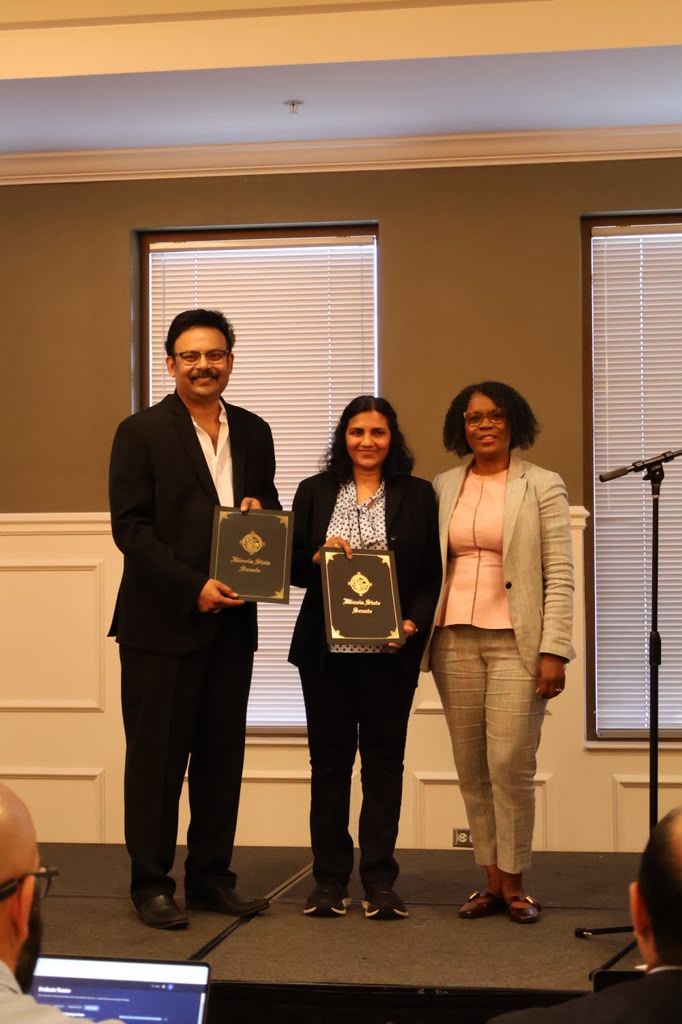
More than 60 students took part in LCIA’s 2026 summer program. With support from more than 30 volunteers and community partners who participated as facilitators, judges and guest speakers, the local high school students explored the SDGs and collaborated to solve problems related to education, health, poverty and the environment. When they finished, they had the honor of being present when Illinois State Senator Adriane Johnson presented LCIA and TCS with a proclamation acknowledging the power of the TCS STEM education-enhancement program.

Summer programs demonstrate multiple sides of TCS goIT’s impact, from what students gain from the goIT experience to the added benefits when participating during a long break from formal education. In the summer, goIT can help stave off learning losses while getting kids ready for confident learning and engagement from the start of the school year.

“No matter when it’s implemented, goIT shows people how youth can contribute to solving global human and environmental challenges, and how strongly the adults around them believe those benefits are worth making time for,” said Operana. “It works beautifully no matter what time of year it takes place and TCS has volunteers eager to help year-round.”

Learn more about TCS goIT here.

Learn more about Tata Consultancy Services’ work in North America here.


About Tata Consultancy Services

Tata Consultancy Services (BSE: 532540, NSE: TCS) is the technology partner of choice for industry-leading organizations worldwide. Since its inception in 1968, TCS has upheld the highest standards of innovation, engineering excellence, and customer service.

It has set an aspiration to become the world’s largest AI-led technology services company and is enabling its clients to transform themselves across the full AI stack, from infrastructure to intelligence.

Rooted in the heritage of the Tata Group, TCS is focused on creating long term value for its clients, its investors, its employees, and the community at large. With a highly skilled workforce spread across 56 countries and 194 service delivery centers across the world, the company has been recognized as a top employer in six continents. With the ability to rapidly apply and scale new technologies, the company has built long-term partnerships with its clients. Many of these relationships have endured into decades and navigated every technology cycle, from mainframes in the 1970s to artificial intelligence today.

TCS sponsors 14 of the world’s most prestigious marathons and endurance events, including the TCS New York City Marathon, TCS London Marathon, Tata Mumbai Marathon, and TCS Sydney Marathon with a focus on promoting health, sustainability, and community empowerment.

TCS generated consolidated revenues of over US $30 billion in the fiscal year ended March 31, 2026. For more information, visit www.tcs.com.

Follow TCS on LinkedIn | Instagram | YouTube | X.

  • New data show deepening improvement in ocular MG and sustained one-year efficacy in anti-AChR antibody-negative MG – broadening VYVGART’s potential to treat all MG patients
  • Real-world evidence from more than 1,100 U.S. MG patients indicates the value of treating earlier with VYVGART
  • Long-term data reinforce VYVGART’s consistent safety and efficacy profile in CIDP, and Phase 4 switch data support the feasibility of a direct, one-week transition from IVIg
  • Empasiprubart Phase 2 study results in MMN support its potential as a pathway-selective complement therapy

September 29, 2026, 8:00 AM EST

Amsterdam, the Netherlands – argenx SE (Euronext & Nasdaq: ARGX), a global immunology innovation company, will present new data from across its portfolio and pipeline at the 2026 American Association of Neuromuscular & Electrodiagnostic Medicine (AANEM) Annual Meeting and the Myasthenia Gravis Foundation of America (MGFA) Scientific Session in Orlando, Florida, from September 29 – October 2, 2026. Presentations will include clinical, long-term and real-world data for VYVGART (IV: efgartigimod alfa-fcab and SC or Hytrulo: efgartigimod alfa and hyaluronidase-qvfc) in myasthenia gravis (MG) and chronic inflammatory demyelinating polyneuropathy (CIDP), as well as results for empasiprubart and adimanebart, reflecting argenx’s innovative pipeline across rare neuromuscular diseases.

“The data we are presenting at AANEM and MGFA show how far the evidence for VYVGART now reaches – across years of treatment and into patient populations historically left out of clinical trials,” said Luc Truyen, M.D., Ph.D., Chief Medical Officer, argenx. “Our aim with VYVGART is to benefit as many patients as we can while simplifying treatment decisions for clinicians treating MG and CIDP. In MG, that means one clear treatment choice regardless of a patient’s antibody status. We are also seeing growing evidence that starting treatment earlier in MG and CIDP makes a difference. That same ambition to reach more patients drives our pipeline, where empasiprubart and adimanebart target distinct mechanisms in neuromuscular diseases that remain underserved.”

Expanding Breadth of Treatment in MG

  • Continued Improvement with Additional Cycles in Ocular MG. New data from the Phase 3 ADAPT OCULUS study show that improvements in ocular MG among patients treated with VYVGART continue to deepen with additional treatment cycles. After two cycles of VYVGART beyond the placebo-controlled period, mean Myasthenia Gravis Impairment Index (MGII) patient-reported ocular scores improved further from -4.5 to -6.8 points in AChR-Ab-positive patients and from -2.7 to -4.5 points in triple-seronegative patients, indicating that meaningful clinical benefit deepened with continued treatment. These results build on the evidence supporting VYVGART’s potential as the first targeted treatment for patients living with ocular MG. (AANEM Poster #328).
  • Sustained Efficacy in anti-AChR antibody-negative MG. One-year ADAPT SERON results show sustained efficacy and consistent safety in patients with generalized MG who do not have detectable anti-AChR antibodies, with mean Myasthenia Gravis Activities of Daily Living (MG-ADL) improvements of approximately 5 points maintained through Week 52 (MGFA Oral #72; AANEM Poster #151). The importance of addressing this historically underrepresented population is further reinforced by real-world evidence from the German Myasthenia Gravis Registry, which found a higher disease burden among patients without detectable anti-AChR antibodies than among AChR-Ab-positive patients, including greater impairment in activities of daily living (mean MG-ADL 6.9 versus 4.8), disease severity, quality of life, and fatigue (MGFA Poster #67).
  • Benefits of Earlier Treatment. A real-world analysis of more than 1,100 U.S. MG patients treated with VYVGART showed improvements in MG-ADL scores, steroid burden and exacerbation rates across all sub-cohorts, with the greatest gains among patients who initiated treatment earlier – whether defined by fewer prior treatments or shorter time from diagnosis. Patients treated with VYVGART within a year of diagnosis had a mean MG-ADL reduction of 4.7 points over the first three months, versus 3.5 points among those treated more than three years after diagnosis, and 50% reached minimal symptom expression (p<0.001; MGFA Poster #24).

Demonstrating Sustained Patient Benefit in CIDP

  • Long-term, Consistent Safety and Efficacy. An interim analysis of the ADHERE and ADHERE+ study reinforces the consistent safety profile of VYVGART Hytrulo with follow up of CIDP patients extending beyond five years of treatment. On measures of disability, approximately 40% of responding participants reached an INCAT score of 0 or 1 during the extension, indicating independence in most daily activities with little to no functional disability (AANEM Poster #391).
  • Early Grip Strength Improvement. A post hoc analysis shows VYVGART Hytrulo reduced the relative risk of grip strength deterioration in CIDP patients by 71.5% (hazard ratio 0.285; p<0.001), with early improvement detected faster through grip strength assessment than established disability measures (AANEM Poster #343).
  • One-week Direct Transition from IVIg. Data from the Phase 4 switch study evaluated the transition from IVIg to VYVGART Hytrulo one week after the last IVIg dose, with 87% of patients remaining on VYVGART Hytrulo through 12 weeks – supporting the feasibility of initiating VYVGART with a one-week interval after concluding treatment with IVIg (AANEM Poster #128).
  • Response as a First-Line Treatment. A longitudinal analysis of ADHERE and ADHERE+ shows that 87.5% of treatment-naïve patients treated with VYVGART Hytrulo achieved confirmed evidence of clinical improvement, and 44.4% of these patients improved by 2 or more INCAT points between the start of stage A and Week 36 of ADHERE+ (AANEM Poster #345).

Advancing into New Neuromuscular Targets and Indications

  • Sustained Benefit in MMN. Phase 2 ARDA+ results show sustained clinical benefit and consistent safety with empasiprubart in multifocal motor neuropathy (MMN) (AANEM Poster #175), supported by translational data on pathway-selective complement blockade (AANEM Poster #225).
  • Digital Gait Outcomes in CMS. The Phase 1b study of adimanebart in adults with DOK7- congenital myasthenic syndrome (CMS) reported in-clinic and real-world improvements in walking performance, measured by digital gait outcomes and informed by qualitative patient interviews (AANEM Posters #130 and #438)

Details for oral and poster presentations at MGFA and AANEM are as follows:

Oral Presentations at MGFA and AANEM
Title Presentation
Myasthenia Gravis (MG)
Psychometric Evaluation of the Myasthenia Gravis Impairment Index Patient Reported Outcome Ocular Score in Ocular Myasthenia Gravis: Results From a Phase 3 Clinical Trial in Ocular Myasthenia Gravis

Presenter: Jeffrey Guptill

MGFA
Oral Presentation
#58
Interpreting Clinically Meaningful Improvement on the Myasthenia Gravis Impairment Index (MGII) Patient Reported Outcome (PRO) Ocular Score: Responder Analyses From a Phase 3 Clinical Trial in Ocular MG

Presenter: Martina Orlovic

MGFA
Oral Presentation
#59
Efgartigimod in Acetylcholine Receptor Antibody Negative Generalized Myasthenia Gravis: Efficacy and Safety Results from ADAPT SERON

Presenter: James F. Howard Jr.

MGFA
Oral Presentation
#72
Efficacy and Safety of Subcutaneous Efgartigimod PH20 Administered by Prefilled Syringe in Adults With Ocular Myasthenia Gravis: Interim Results of ADAPT OCULUS Part A

Presenter: Vern C. Juel

AANEM
Oral Presentation

Poster Presentations* at MGFA and AANEM
Title Presentation
Myasthenia Gravis (MG)
Association of Earlier Efgartigimod Initiation with Improved Clinical Outcomes in Myasthenia Gravis MGFA
Poster #24
Psychometric Evaluation of the Myasthenia Gravis Impairment Index Patient Reported Outcome Ocular Score in Ocular Myasthenia Gravis: Results From a Phase 3 Clinical Trial in Ocular Myasthenia Gravis MGFA
Poster #58
Interpreting Clinically Meaningful Improvement on the Myasthenia Gravis Impairment Index (MGII) Patient Reported Outcome (PRO) Ocular Score: Responder Analyses From a Phase 3 Clinical Trial in Ocular MG MGFA
Poster #59
Comparing AChR-Ab-Positive and AChR-Ab-Negative Generalized Myasthenia Gravis: An ADAPT-SERON-Informed Analysis From the German Myasthenia Gravis Registry (MyaReg) Including Antibody-Defined Subtypes MGFA
Poster #67
Safety of Efgartigimod in Pregnancy: Bench-to-Bedside MGFA
Poster #69
Clinical and Molecular Differentiation of Efgartigimod in Generalized Myasthenia Gravis MGFA
Poster #70
Rapid, sustained improvements with efgartigimod in symptoms, daily life, and patient satisfaction in generalized myasthenia gravis: Initial results from the PREMIER study MGFA
Poster #71
Efgartigimod in Acetylcholine Receptor Antibody Negative Generalized Myasthenia Gravis: Efficacy and Safety Results from ADAPT SERON MGFA
Poster #72
Efficacy and Safety of Subcutaneous Efgartigimod PH20 Administered by Prefilled Syringe in Adults With Ocular Myasthenia Gravis: Interim Results of ADAPT OCULUS Part A AANEM
Poster #328
Poster Sessions I & III
Steroids Tapering Among Patients with Generalized Myasthenia Gravis Receiving Efgartigimod: Interim Results from the STRIVE-gMG Chart Review AANEM
Poster #273
Poster Sessions II & II
Efgartigimod Provides Rapid Clinical Improvements and Reduces Corticosteroid Use in Generalized Myasthenia Gravis: Initial Results From PREMIER AANEM
Poster #378
Poster Sessions I & III
Analysis of Real-World Data Following the Use of Efgartigimod for the Treatment of Myasthenia Gravis in the Canadian Population through the MyPATH Patient Support Program AANEM
Poster #271
Poster Sessions I & II
Long-Term Safety and Sustained Efficacy of Subcutaneous Efgartigimod PH20 in Participants With Generalized Myasthenia Gravis During ADAPT-SC+ AANEM
Poster #371
Poster Sessions I & III
Design of a Phase 2a Study to Evaluate the Safety, Efficacy, and Tolerability of Empasiprubart as an Add-On Therapy to Efgartigimod in Adult Participants With Generalized Myasthenia Gravis AANEM
Poster #270
Poster Sessions I & III
Sustained Clinical Efficacy and Long-Term Safety of Intravenous Efgartigimod for Generalized Myasthenia Gravis: Final Analysis of ADAPT NXT AANEM
Poster #127
Poster Sessions I & II
Results From the ADAPT JR Study Investigating Intravenous Efgartigimod in Juvenile Generalized Myasthenia Gravis AANEM
Poster #361
Poster Sessions I & II
Efficacy and Safety of Efgartigimod in Acetylcholine Receptor Antibody-Negative Generalized Myasthenia Gravis: Initial Results of ADAPT SERON AANEM
Poster #151
Poster Sessions I & II
Patient Perspectives on Meaningful Change in the Myasthenia Gravis Impairment Index Patient-Reported Outcome Ocular Score AANEM
Poster #245
Poster Sessions I &II
Chronic Inflammatory Demyelinating Polyneuropathy (CIDP)
Neurofilament Light Chain as a Biomarker in Chronic Inflammatory Demyelinating Polyradiculoneuropathy: Insights From ADHERE AANEM
Poster #288
Poster Sessions I & III
Long-Term Impact of Subcutaneous Efgartigimod PH20 on Treatment-Naïve Participants With Chronic Inflammatory Demyelinating Polyradiculoneuropathy: Post Hoc Analysis of the ADHERE/ADHERE+ Trial AANEM
Poster #345
Poster Sessions I & II
Long-Term Safety of Efgartigimod in Chronic Inflammatory Demyelinating Polyradiculoneuropathy: ADHERE/ADHERE+ Trial Interim Analysis AANEM
Poster #392
Poster Sessions I & III
Subcutaneous Efgartigimod PH20 Treatment of a Patient With Autoimmune Nodopathy AANEM
Poster #219
Poster Sessions I & II
Intravenous Immunoglobulin to Subcutaneous Efgartigimod PH20 Transition in Chronic Inflammatory Demyelinating Polyradiculoneuropathy: A Phase 4 Study in Progress AANEM
Poster #128
Poster Sessions I & II
Immunoglobulin-G Autoantibody Signatures in Chronic Inflammatory Demyelinating Polyradiculoneuropathy: Interpreting Glycolipid Reactivity From the ADHERE Trial AANEM
Poster #174
Poster Sessions I & III
Impact of Subcutaneous Efgartigimod PH20 on Grip Strength Assessment in Participants With Chronic Inflammatory Demyelinating Polyradiculoneuropathy: Post Hoc Analysis of the ADHERE/ADHERE+ Study AANEM
Poster #343
Poster Sessions I & II
Real-World Effectiveness and Use of Efgartigimod in Chronic Inflammatory Demyelinating Polyradiculoneuropathy: ADHERE REAL Study Design AANEM
Poster #420
Poster Sessions I & II
Empasiprubart Versus Placebo (EMNERGIZE) or Immunoglobulin (EMVIGORATE) in Chronic Inflammatory Demyelinating Polyradiculoneuropathy: Study Designs AANEM
Poster #124
Poster Sessions I & III
Multifocal Motor Neuropathy (MMN)  
Pathway-Selective Complement Blockade and its Impact on Bacterial Cell Killing AANEM
Poster #225
Poster Sessions I & II
Evaluation of the Effect of Empasiprubart on Nerve Morphology in Multifocal Motor Neuropathy: Study Design AANEM
Poster #176
Poster Sessions I & II
Understanding the Patient Journey in Multifocal Motor Neuropathy: Descriptive Insights From the iMMersioN Study AANEM
Poster #173
Poster Sessions I & II
Long-Term Safety and Efficacy Data of Empasiprubart in Multifocal Motor Neuropathy: Phase 2 ARDA+ Study AANEM
Poster #175
Poster Sessions I & II
Congenital Myasthenic Syndromes (CMS)
Phase 1b Study of Adimanebart in DOK7-Congenital Myasthenic Syndromes: Clinical Relevance of Digital Gait Outcomes AANEM
Poster #130
Poster Sessions I & III
Advancing Digital Measures of Walking With Qualitative Evidence: Findings From a Phase 1b Study in DOK7-Congenital Myasthenic Syndromes AANEM
Poster #438
Poster Sessions I & III
Idiopathic Inflammatory Myopathy (IIM)
Long-Term Safety and Efficacy of Subcutaneous Efgartigimod PH20 in Active Idiopathic Inflammatory Myopathy: Results From the Phase 2 Randomized ALKIVIA and Open-Label Extension ALKIVIA+ Trials AANEM
Poster #263
Poster Sessions I & II
Bridging Perspectives in Idiopathic Inflammatory Myopathies: An International Survey of Health care Specialist Practice Patterns, Treatment Goals, and Unmet Needs AANEM
Poster #399
Poster Sessions I & III
Efgartigimod Cross Indication
Safety of Intravenous and Subcutaneous Efgartigimod Reported From Multiple Global Clinical Trials in Immunoglobulin G-Mediated Autoimmune Diseases AANEM
Poster #391
Poster Sessions I & III
Efgartigimod Is a Unique Neonatal Fc Receptor Blocker That Allows Immunoglobulin G Reduction Without Broad Inhibition of Immune Responses AANEM
Poster #281
Poster Sessions I & II

*Session Times:

  • Session I: Wednesday, September 30, 6:15-6:45 p.m. ET
  • Session II: Thursday, October 1, 9:30-10:00 a.m. ET
  • Session III: Thursday, October 1, 2:45-3:15 p.m. ET

More information on the data presented at the 2026 AANEM Annual Meeting and MGFA Scientific Session can be found here.

Important Safety Information
What is VYVGART® (efgartigimod alfa-fcab) for intravenous (IV) infusion and what is VYVGART HYTRULO® (efgartigimod alfa and hyaluronidase-qvfc) for subcutaneous injection?
VYVGART and VYVGART HYTRULO are both prescription medicines used to treat adults with generalized myasthenia gravis (gMG).

It is not known if VYVGART or VYVGART HYTRULO is safe and effective in children.

IMPORTANT SAFETY INFORMATION
Do not take VYVGART if you are allergic to efgartigimod alfa or any of the ingredients in VYVGART. Do not take VYVGART HYTRULO if you are allergic to efgartigimod alfa, hyaluronidase, or any of the ingredients in VYVGART HYTRULO. VYVGART or VYVGART HYTRULO can cause serious allergic reactions and a decrease in blood pressure leading to fainting.

Before taking VYVGART or VYVGART HYTRULO, tell your healthcare provider about all of your medical conditions, including if you:

• have an infection or fever.

• have recently received or are scheduled to receive any vaccinations.

• have any history of allergic reactions.

• have kidney (renal) problems.

• are pregnant or plan to become pregnant. It is not known whether VYVGART or VYVGART HYTRULO will harm your unborn baby.

o Pregnancy Exposure Registry. There is a pregnancy exposure registry for women who use VYVGART or VYVGART HYTRULO during pregnancy. The purpose of this registry is to collect information about your health and your baby. Your healthcare provider can enroll you in this registry. You may also enroll yourself or get more information about the registry by calling 1-855-272-6524 or going to VYVGARTPregnancy.com

• are breastfeeding or plan to breastfeed. It is not known if VYVGART or VYVGART HYTRULO passes into your breast milk.

Tell your healthcare provider about all the medicines you take, including prescription and over-the-counter medicines, vitamins, and herbal supplements.

VYVGART or VYVGART HYTRULO can cause side effects which can be serious, including:

• Infection. VYVGART or VYVGART HYTRULO may increase the risk of infection. If you have an active infection, your healthcare provider should delay your treatment with VYVGART or VYVGART HYTRULO until your infection is gone. Tell your healthcare provider right away if you get any of the following signs and symptoms of an infection: fever, chills, frequent and painful urination, cough, pain and blockage of nasal passages, wheezing, shortness of breath, sore throat, excess phlegm, and nasal discharge.

• Allergic reactions (hypersensitivity reactions). VYVGART or VYVGART HYTRULO can cause allergic reactions that can be severe. These reactions can happen during, shortly after, or weeks after your VYVGART infusion or VYVGART HYTRULO injection. Tell your healthcare provider or get emergency help right away if you have any of the following symptoms of an allergic reaction with VYVGART or VYVGART HYTRULO: rash, swelling of the face, lips, throat, or throat, shortness of breath, trouble breathing, low blood pressure, and fainting.

An additional symptom of an allergic reaction with VYVGART HYTRULO can include hives.

• Infusion or injection-related reactions. VYVGART can cause infusion-related reactions. VYVGART HYTRULO can cause infusion or injection-related reactions. These reactions can happen during or shortly after your VYVGART infusion or VYVGART HYTRULO injection. Tell your healthcare provider if you have any of the following symptoms of an infusion or injection-related reaction: high blood pressure, chills, shivering, and chest, stomach, or back pain.

The most common side effects of VYVGART or VYVGART HYTRULO include respiratory tract infection, headache, and urinary tract infection. An additional common side effect with VYVGART HYTRULO includes injection site reactions.

These are not all the possible side effects of VYVGART or VYVGART HYTRULO. Call your doctor for medical advice about side effects. You may report side effects to FDA at 1-800-FDA-1088.

Please see the full Prescribing Information for VYVGART and full Prescribing Information for VYVGART HYTRULO.

About VYVGART and VYVGART Hytrulo
VYVGART® (efgartigimod alfa fcab) is a first-in-class human IgG1 antibody fragment that binds to the neonatal Fc receptor (FcRn), resulting in the reduction of circulating IgG autoantibodies. VYVGART Hytrulo® is a subcutaneous combination of efgartigimod alfa (VYVGART) and recombinant human hyaluronidase PH20 (rHuPH20), Halozyme’s ENHANZE® drug delivery technology to facilitate subcutaneous injection delivery of biologics. VYVGART is approved for generalized myasthenia gravis (gMG) and immune thrombocytopenia (Japan only). VYVGART Hytrulo is approved for gMG and chronic inflammatory demyelinating polyneuropathy (CIDP). VYVGART Hytrulo may be marketed under different proprietary names in other regions.

About Empasiprubart
Empasiprubart (ARGX-117) is a novel humanized monoclonal antibody that binds C2 and blocks activation of both the classical and lectin pathways of the complement cascade. By blocking complement activity upstream of C3 and C5, empasiprubart has the potential to reduce tissue inflammation and cellular damage, representing a broad pipeline opportunity across multiple severe autoimmune indications. In addition to multifocal motor neuropathy, argenx is evaluating empasiprubart in delayed graft function following kidney transplant, and chronic inflammatory demyelinating polyneuropathy (CIDP).

About Adimanebart
Adimanebart (ARGX-119) is a first-in-class humanized agonist monoclonal antibody (mAb) that specifically targets and activates muscle-specific tyrosine kinase (MuSK) to promote maturation and stabilization of the neuromuscular junction (NMJ). It is a mAb derived from llamas and discovered using the argenx SIMPLE Antibody™ platform technology. Adimanebart is being developed for patients with neuromuscular disease, including congenital myasthenic syndromes (CMS) and spinal muscular atrophy (SMA). Adimanebart was developed through argenx’s IIP program in collaboration with the world’s leading key opinion leaders on MuSK and the NMJ, Professor Steven J. Burden from MGH, Professor Shohei Koide from NYU and Professor Jan Verschuuren and Associate Professor Maartje Huijbers from LUMC.

About Myasthenia Gravis (MG)
Myasthenia gravis (MG) is a rare and chronic autoimmune disease where IgG autoantibodies disrupt communication between nerves and muscles, causing debilitating and potentially life-threatening muscle weakness. MG can present in different forms.

In generalized myasthenia gravis (gMG), weakness extends to muscles throughout the body. Approximately 20% of patients with gMG do not have detectable antibodies against the acetylcholine receptor (AChR-Ab). These patients may have detectable autoantibodies targeting other neuromuscular junction (NMJ) proteins, such as muscle-specific tyrosine kinase (MuSK) and low-density lipoprotein receptor-related protein 4 (LRP4), or others.

Ocular myasthenia gravis (oMG) is characterized by muscle weakness limited to the muscles controlling the eyes and eyelids, with common symptoms including ptosis (drooping eyelids), diplopia (double vision), and fluctuating visual disturbance that can impair daily activities.

About Chronic Inflammatory Demyelinating Polyradiculoneuropathy (CIDP)
Chronic inflammatory demyelinating polyradiculoneuropathy (CIDP) is a rare and serious autoimmune disease of the peripheral nervous system. CIDP is a heterogenous disease involving different yet overlapping pathways and a varied disease course. There is increasing evidence that IgG antibodies and the complement system play a key role in the damage to the peripheral nerves. People with CIDP experience fatigue, muscle weakness and a loss of feeling in their arms and legs that can worsen over time or may come and go. These symptoms can significantly impair a person’s ability to function in their daily lives. Without treatment, one-third of people living with CIDP will need a wheelchair.

About Multifocal Motor Neuropathy (MMN)
Multifocal motor neuropathy (MMN) is a rare, severe, chronic autoimmune disease of the peripheral nervous system. The disease is characterized by slowly progressive, asymmetric muscle weakness mainly of the hands, forearms and lower legs. MMN is often associated with the presence of anti-GM1 IgM autoantibodies, leading to activation of the classical complement pathway, driving subsequent axon damage. High-dose IVIg is the only approved treatment for MMN and patients typically experience disease progression despite therapy, indicating an unmet need for efficacious and better tolerated therapeutic options.

About Congenital Myasthenic Syndromes (CMS)
Congenital Myasthenic Syndromes (CMS) are an ultra-rare and heterogenous group of congenital neuromuscular disorders caused by genetic defects that are essential for the integrity of the neuromuscular junction. Early age of onset and fatigable muscle weakness are considered clinical hallmarks of CMS. Muscle weakness can be debilitating and life-threatening causing difficulties in speaking or swallowing, impaired or absent mobility, proximal arm and leg weakness, and respiratory insufficiency. DOK7 variations are one of the more frequent and severe causes of CMS, accounting for approximately 24% of CMS cases. There are no approved treatments. The prevalence of CMS is estimated to be 5 per 1M (DOK7-CMS estimated to be 1.2 per 1M).

About argenx
argenx is the global immunology innovation company committed to improving the lives of people suffering from severe autoimmune diseases. Partnering with leading academic researchers through its Immunology Innovation Program (IIP), argenx aims to translate immunology breakthroughs into a world-class portfolio of novel antibody-based medicines. argenx developed and is commercializing the first approved neonatal Fc receptor (FcRn) blocker and is evaluating its broad potential in multiple serious autoimmune diseases while advancing several earlier stage experimental medicines within its therapeutic franchises. For more information, visit  www.argenx.com  and follow us on LinkedIn, Instagram, Facebook, and YouTube.

Media:
Colin McBean
cmcbean@argenx.com

Investors:
Alexandra Roy
aroy@argenx.com

FORWARD LOOKING STATEMENTS
The contents of this announcement include statements that are, or may be deemed to be, “forward-looking statements.” These forward-looking statements generally can be identified by the use of forward-looking words, such as “aim”, “anticipate”, “aspire”, “believe”, “can”, “continue”, “could”, “estimate”, “expect”, “entail”, “forecast”, “future”, “goals”, “hope”, “intend”, “is designed to”, “likely”, “may”, “might”, “objective”, “plan”, “possible”, “potential”, “pursue”, “project”, “predict”, “seek”, “should”, “strategy”, “target”, “will” and other words and terms of similar meaning and expression, including in connection with any discussion of future operating or financial performance. By their nature, forward-looking statements involve risks and uncertainties and readers are cautioned that any such forward-looking statements are not guarantees of future performance. argenx’s actual results may differ materially from those predicted by the forward-looking statements as a result of various important factors, including but not limited to, the results of argenx’s clinical trials; uncertainties associated with the development of novel drug therapies; preclinical and clinical trial and product development risks and setbacks; interpretation of argenx’s clinical trial data by regulatory authorities and argenx’s ability to obtain regulatory approval; the risk that early stage clinical trials may not be predictive of results in later stage or large scale clinical trials; the occurrence of adverse safety events or participant dropouts; the acceptance of its products and product candidates by its patients as safe, effective, and cost-effective; the impact of governmental laws and regulations, including tariffs, export controls, sanctions and other regulations on its business; the impact of healthcare regulations, including rules on reimbursement for argenx’s products; competition in drug discovery, development and commercialization efforts; its reliance on third-party suppliers, service providers and manufacturers; and instability and conflicts in the regions in which the company has suppliers or markets for its products. A further list and description of these and other risks, uncertainties, and factors that could cause actual results to differ materially from those referred to in the forward-looking statements can be found in argenx’s U.S. Securities and Exchange Commission (SEC) filings and reports, including in argenx’s most recent annual report on Form 20-F filed with the SEC as well as subsequent filings and reports filed by argenx with the SEC. Given these risks and uncertainties, the reader is advised not to place undue reliance on such forward-looking statements. These forward-looking statements speak only as of the date of publication of this press release. argenx undertakes no obligation to publicly update or revise the information in this press release, including any forward-looking statements, except as may be required by law.

WeShop is a Community-Owned Shopping App

WeShop’s members shop on the app with participating retailers, earn ShareBack™ rewards and build a stake in the Company turning their purchases into equity.
  • Following a UK pilot that generated £108.5M in GMV, WeShop is bringing community-powered commerce to the United States, allowing members to shop hundreds of leading retailers while earning ownership in WeShop
  • As legacy programs wrestle with “loyalty fatigue,” WeShop is challenging the $26 billion-plus loyalty market1 with a novel approach: rewarding shoppers with equity in the very platform where they shop

NEW YORK, Sept. 29, 2026 (GLOBE NEWSWIRE) — WeShop Holdings Limited (“WeShop” or the “Company”) (NASDAQ: WSHP), the community-owned shopping app on a mission to make shopping more rewarding, today announced that the Company will officially launch its free app in the United States on November 16, 2026. WeShop’s members shop on the app with participating retailers, earn ShareBack™ rewards and build a stake in the Company turning their purchases into equity. Rather than offering conventional points or one-time cashback, WeShop is designed to give consumers a more meaningful way to participate in the value they help create. At the time of launch, shoppers will have access to hundreds of leading retailers and online travel agencies on the app, including eBay, Booking.com and more.

Beginning today, consumers nationwide can download the free app, reserve their personalized username and be among the first to join the community by signing up for WeShop’s waiting list. New members will be admitted on a rolling basis, beginning on November 16.

U.S. Launch Timed for Holiday Shopping Season
Timed in advance of the start of the peak holiday shopping season, members who shop on the app will earn ShareBack rewards that turn consumers into owners of the platform they are shopping on. Through its ShareBack program, members earn “WePoints” that may be redeemed for WeShop’s Class A ordinary shares, so a person making everyday purchases from buying pet food and sneakers to booking a hotel or vacation via the app gradually builds an ownership stake in WeShop, while still earning their usual credit card rewards, and any retailer-specific loyalty points.

“Consumers have spent decades being asked to give brands their attention, loyalty and purchasing power, often in exchange for rewards that are fragmented, restrictive or easy to forget,” said Maria Weaver, CEO of WeShop. “We believe shoppers should benefit and have ownership in the very platforms where they spend their money, turning consumption into financial participation. WeShop puts the consumer at the center of the shopping experience while giving them something more lasting in return: the opportunity to shop, earn and build equity in WeShop.”

Consumers Seek Greater Financial Value From Loyalty
The U.S. launch comes as younger consumers increasingly engage with investing earlier in life and expect more tangible value from loyalty programs. According to the Charles Schwab Modern Wealth Survey2, retail investing among 25-year-olds has grown from 6% in 2015 to 37% today, while according to JP Morgan3 Gen Z consumers are opening their first investment accounts at age 19 on average- far earlier than previous generations.

At the same time, consumers are placing greater value on loyalty programs that provide meaningful financial benefits. Eight in 10 consumers say the ability to earn and redeem meaningful financial value is the most important feature of a loyalty program, while Gen Z and Millennial shoppers are approximately 50% more likely than Baby Boomers to say loyalty programs influence what and when they buy.4

Together, these trends point to a shift in how consumers think about the value they get from the brands they shop with. WeShop is designed for consumers who want their everyday spending to work harder for them, without requiring them to become sophisticated investors or manage a patchwork of points, codes and reward balances.

UK Pilot Demonstrates Community-Led Growth Potential
WeShop’s UK pilot generated £108.5 million in gross merchandise value. Most new members joined through referrals rather than paid acquisition, demonstrating the potential for community-led growth as members share the platform with others.5 The experience also shaped WeShop’s approach to the U.S. market, where the Company plans to make financial education part of the member experience, helping consumers understand what they are earning and what it means to become an owner.

“WeShop was built to make everyday shopping more rewarding and financially beneficial for consumers,” said Weaver. “Holiday shopping naturally gets people thinking about where they spend, what they get back and which brands deserve their loyalty. Our goal is to make WeShop a trusted destination they want to return to again and again, because it provides a fun and seamless shopping experience while building equity in the platform they are helping create with each purchase.”

About WeShop
WeShop Holdings Limited (NASDAQ: WSHP) is a community-owned shopping platform that turns everyday purchases into ownership. Through its proprietary ShareBack™ program, members earn ownership in WeShop when they shop and refer others to the platform, giving the people who help grow the Company the opportunity to own a piece of it. With access to hundreds of leading retailers and more than a billion products, WeShop brings shopping, rewards and ownership together in one experience. By putting consumers at the center, WeShop is building a community where members are more than shoppers—they are shareholders.

Forward-Looking Statements
This press release contains forward-looking statements within the meaning of Section 27A of the Securities Act of 1933, as amended, and Section 21E of the Securities Exchange Act of 1934, as amended, and are subject to the safe harbor created thereby under the Private Securities Litigation Reform Act of 1995. Forward-looking statements involve risks and uncertainties, including statements regarding the timing of WeShop’s U.S. launch; access to retailers on the platform; the ability of members to earn ShareBack rewards and redeem WePoints for WeShop’s Class A ordinary shares; the expected benefits of WeShop’s community-owned shopping model; WeShop’s plans to incorporate financial education into the member experience; and the potential for community-led growth. These forward-looking statements are based on current expectations and WeShop assumes no obligation to update such statements. In addition, the events described in these forward-looking statements may not actually arise or may occur in a different manner than anticipated as a result of various factors, including market conditions and such other factors and risks described from time to time in WeShop’s filings with the U.S. Securities and Exchange Commission (“SEC”), including its Annual Report on Form 20-F for the year ended December 31, 2025, filed with the SEC on April 30, 2026, and its Report on Form 6-K filed with the SEC on August 24, 2026, which includes WeShop’s financials as of and for the period ended June 30, 2026. WeShop’s filings with the SEC are available at www.sec.gov.

Users may be able to earn WePoints for their purchases subject to applicable terms and conditions. Users may obtain a copy of the ShareBack™ program prospectus on the investor relations section of the website at www.we.shop and can register on the app through the app store on Apple iOS or Google Play. This news release shall not constitute an offer to sell or the solicitation of an offer to buy any securities. The offer is being made only pursuant to the ShareBack™ program prospectus.

Press: weshop@skyya.com
Corporate: corporate@we.shop
Commercial: partnerships@we.shop

1 Research and Markets. “United States Consumer Loyalty Business Report 2026: A $44.25 Billion Market by 2030—Competition Is Intensifying Around Customer Ownership and Engagement Depth.”
2 Charles Schwab, 2024 Modern Wealth Survey
3 JPMorganChase, A decade in the market: How retail investing behavior has shifted since 2015, August 2025
4 Deloitte, 2025 Consumer Loyalty Survey; Forrester, 2025 US Online Loyalty Program Data
5 WeShop UK pilot, 30 Jun 2022 – 31 Mar 2025

A photo accompanying this announcement is available at https://www.globenewswire.com/NewsRoom/AttachmentNg/c789c8e1-4443-45b5-9582-e5caab96d957

Privacy Overview

This website uses cookies so that we can provide you with the best user experience possible. Cookie information is stored in your browser and performs functions such as recognising you when you return to our website and helping our team to understand which sections of the website you find most interesting and useful.