By Sunil Patil and Hemanth Sampath

What you should know:

  • 6G is being designed with coverage, uplink performance, spectral efficiency and energy efficiency as first order goals. Wider contiguous spectrum, targeted uplink gains and more efficient device and network operation form the baseline required to support future AI driven services at scale.
  • Beyond connectivity, 6G integrates distributed compute and wide-area sensing as core capabilities. AI native architectures across device, RAN and Core enable context aware operation, dynamic QoS and real time adaptation to application intent.
  • With 6G, agentic AI, immersive XR, multi-device collaboration and sensing-based services become viable on the move, and Qualcomm Technologies is helping advance 6G development and commercialization. With standards work underway, pre commercial validation later this decade and early deployments around 2030, 6G is progressing with execution realism.

6G goes beyond wireless evolution to power an AI-native future. 6G begins by strengthening what matters most: reliable, efficient wireless connectivity everywhere it is needed. Unlike prior generations that emphasized peak downlink rates, 6G explicitly targets uplink performance, cell edge coverage and power efficiency, reflecting how traffic patterns are evolving in an AI-driven world.

AI agents and sensing-rich devices generate more uplink-heavy, continuous and autonomous traffic than traditional user-initiated applications. To support this shift, 6G air interface design focuses on improved uplink link budget, more efficient waveforms, advanced MIMO and longer effective transmission opportunities. These changes aim to deliver multi dB uplink coverage improvements while reducing power consumption at both the device and network level.

Spectrum strategy is equally foundational. 6G emphasizes large contiguous channels, enabling higher capacity, simpler scheduling, improved energy efficiency and better support for sensing. 

A single wideband carrier is more efficient than aggregating many narrow ones, benefiting both network economics and device design.

Just as important, 6G is being designed to avoid fragmentation. Rather than introducing IoT or reduced‑capability variants years after launch, the goal is a unified air interface that scales from low‑bandwidth, low‑power devices to high‑performance broadband from day one. This simplifies deployment and ensures the network can support diverse use cases without incremental architectural churn.
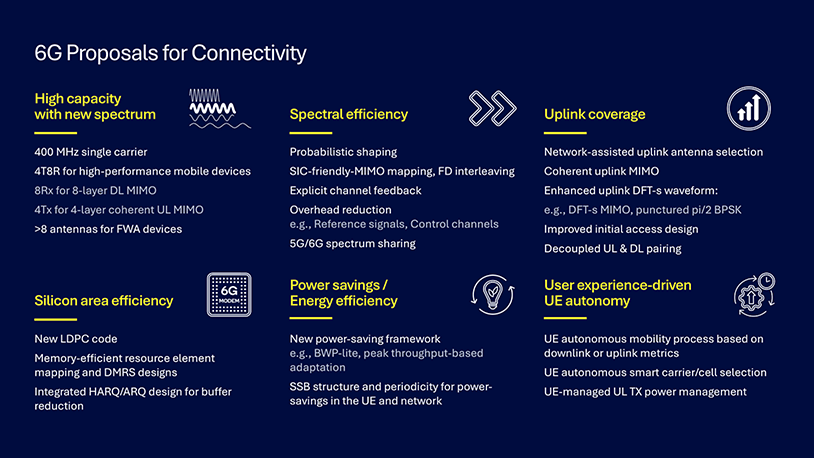
Figure 1. Support future AI driven services at scale with a strong 6G connectivity foundation.

Architect the air interface for capacity, efficiency and user‑centric performance

Designing the 6G air interface centers on scaling capacity without sacrificing wide‑area performance or system simplicity. New spectrum enables very wide single‑carrier operation, paired with advanced multi‑antenna configurations that scale across smartphones and fixed wireless access devices. High‑order downlink and uplink MIMO, extended transmit and receive chains, and antenna‑rich device designs are being explored to unlock higher throughput while maintaining a unified, non‑fragmented air interface. In parallel, spectral efficiency remains a first‑order objective. Techniques such as probabilistic shaping, interference‑aware MIMO mapping, frequency‑domain interleaving and explicit channel feedback are combined with streamlined reference signals and control overhead to extract more value from every hertz, including in 5G/6G spectrum sharing scenarios.

Equally important, 6G strengthens uplink robustness, device efficiency and user‑centric operation. Network‑assisted uplink antenna selection, coherent uplink MIMO, and enhanced DFT‑s waveforms improve uplink reliability, particularly at the cell edge, while more flexible initial access and uplink‑downlink pairing increase deployment robustness. Beneath the air interface, new LDPC codes, memory‑efficient signal designs, and integrated HARQ/ARQ concepts target reductions in silicon area and buffering requirements. These gains are reinforced by system‑level power‑saving frameworks, optimized synchronization signaling and adaptive bandwidth operation to reduce energy consumption across devices and networks. Together with user experience‑driven UE autonomy with network-defined guardrails, spanning mobility decisions, latency, reliability and ordering parameters, smart carrier selection and uplink power, these principles translate architectural rigor into scalable, real‑world connectivity improvements.
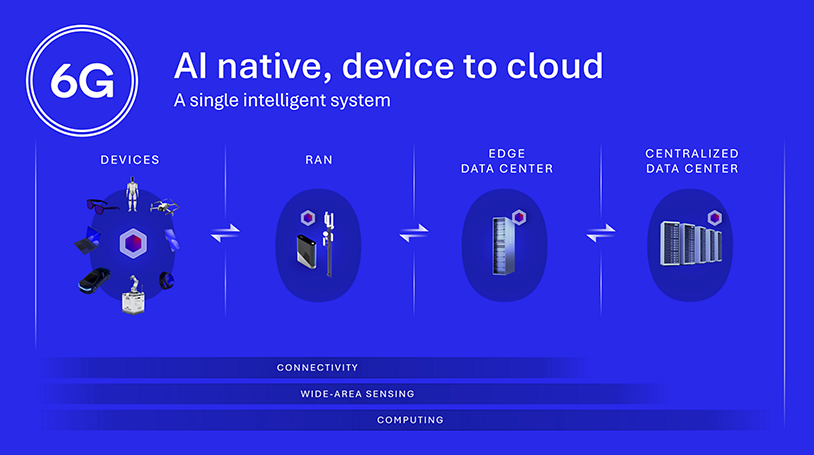
Figure 2. Create a single intelligent system that spans the device, network, edge and cloud with 6G.

Evolve connectivity into a platform: connectivity, compute and sensing

With a stronger wireless foundation, 6G expands the role of the network from transport to platform. Connectivity remains essential, but it is complemented by distributed compute and wide‑area sensing as native capabilities. Converging these three pillars into one system marks the essential shift from 5G to 6G. Together, they transform the network into an intelligent, perceptive platform, capable of supporting services that go well beyond data transport. We look at distributed compute and wide-area sensing in more detail later after setting the stage with an AI-native architecture.
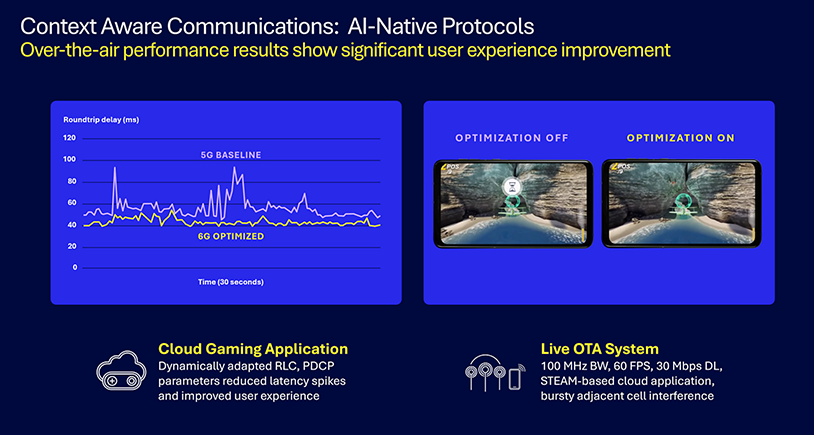
Figure 3. Use AI-native protocols for context-aware communications to improve experiences with demanding use cases.

AI‑native network architectures

Delivering this converged platform requires a fundamental architectural shift. 6G is being designed as an AI‑native, context-aware or intent-aware platform with intelligence embedded across device, RAN and core.

On-device intelligence can infer application type and user experience in real time, enabling adaptive behavior that better matches current communication needs. Devices can derive application and user experience context by classifying traffic flows with on-device AI, observing hardware and software signatures and leveraging proximity to application logic.   

This enables UE-autonomous adaptation of protocol and radio parameters within the guardrails prescribed by the network. Early experimentation shows that such adaptation can significantly reduce latency spikes and improve consistency for interactive applications.

In addition, context‑aware operation allows devices to share information about real-time user experience, context complexity and dynamically varying application QoS to the network. The network can then adapt scheduling, resource allocation, QoS and protocol behavior in real time. This enables timely handling of short-lived, bursty AI traffic, sensing data and other latency-sensitive flows.

Crucially, orchestration is not assigned to a single entity. Devices, networks and application ecosystems collaborate, exchanging context through standardized interfaces. The result is a system that optimizes for latency, power and experience outcomes rather than fixed configurations.
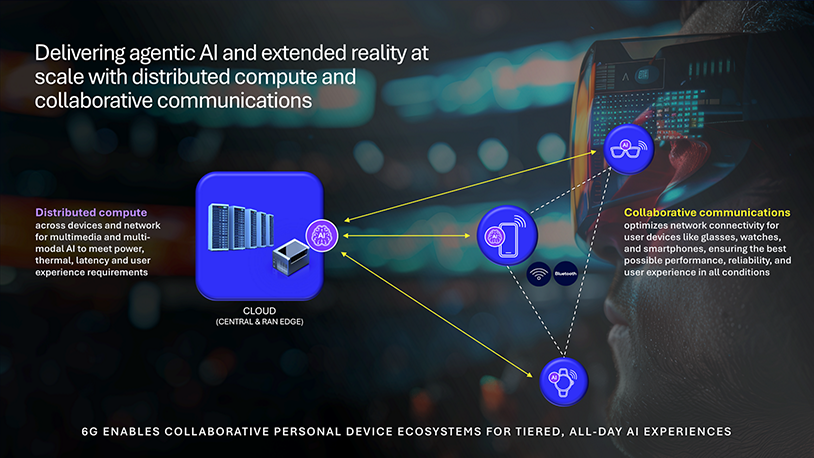
Figure 4. Gain coverage, capacity and battery life with distributed compute and collaborative communications.

Distribute compute and collaborative communications

Distributed compute recognizes that AI inference cannot live exclusively in centralized cloud infrastructure. Latency, power, privacy and reliability constraints require dynamic placement of workloads across devices, edge infrastructure and centralized resources. 6G is designed to support this flexibility, enabling operators to host compute closer to users and creating opportunities for new in‑network services.

In 6G, multiple personal devices like phones and wearables like glasses can act as a coordinated system rather than isolated endpoints. Multi-device collaborative communications can improve wearable performance by mitigating inherent device constraints such as a limited number of antennas, bandwidth, thermal headroom and battery capacity. For example, by enabling complementary communication paths through a companion device, the system can improve robustness to head and body shadowing and improve reliability, coverage and latency.

Distributed computing further complements this approach by allowing workloads such as rendering, perception and interference modeling to run either on-device or be offloaded to edge or cloud resources. When network conditions are favorable, offloading can provide access to larger models and higher-fidelity experiences while reducing device power consumption, though it increases network demand and sensitivity to latency and congestion. When connectivity degrades, workloads can shift back to on-device execution to preserve responsiveness, albeit with higher local power consumption.

Field experiments with distributed compute and collaborative communications already demonstrate gains in coverage, capacity and battery life, reinforcing this architectural direction.
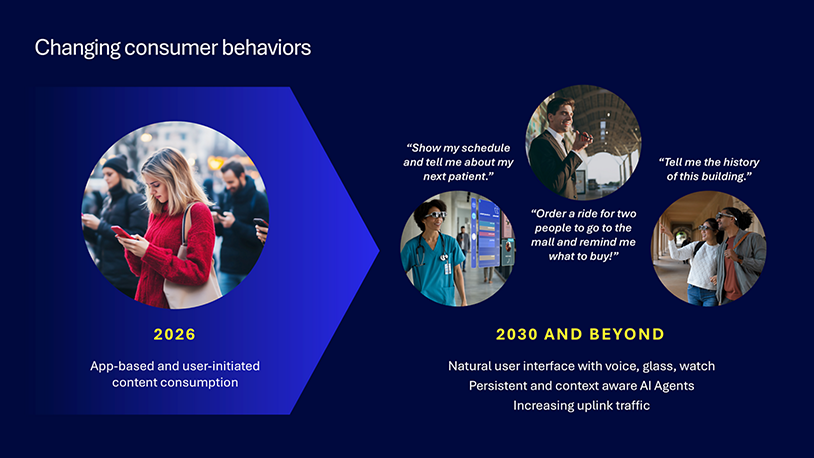
Figure 5. Prepare for AI-enhanced, heads-up lifestyles with 6G technology and network architecture.

Enable new AI‑driven and immersive user experiences

These foundations and architectures ultimately enable new classes of user experiences. Agentic AI moves interaction from episodic and app‑centric to continuous and context‑aware. Devices observe, infer and act with minimal user prompting, driving sustained uplink traffic and tighter latency requirements.

Immersive XR benefits from the same capabilities. Distributed compute allows lightweight devices to access powerful inference and rendering when available, while collaborative communications improve reliability and performance in dense or mobile scenarios.

These experiences are not treated as speculative endpoints. They directly inform 6G design assumptions regarding traffic, power, coverage and architecture to ensure that the system is built for how networks will be used over the next decade and beyond.
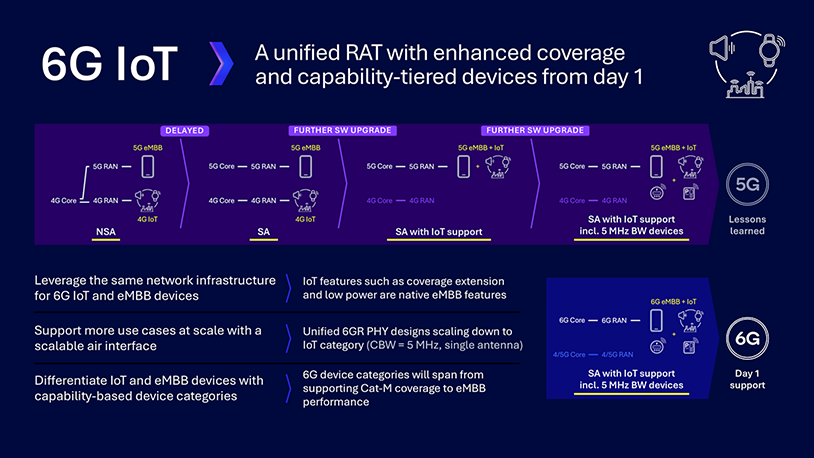
Figure 6. Scale IoT from day one with a unified radio access network.

Build one network for IoT and eMBB from day one

Instead of introducing IoT support through delayed architectural transitions or network‑wide software upgrades, 6G is envisioned to launch as a standalone system with native IoT support on day one, including devices operating on as little as 5 MHz bandwidth. A single, scalable radio access technology enables eMBB and IoT devices to share the same network infrastructure, with features such as coverage extension and low‑power operation treated as inherent capabilities of the air interface rather than bolt‑on modes.

Unified physical‑layer designs are being explored that can scale seamlessly from single‑antenna, narrow‑band IoT devices to high‑performance broadband platforms, while capability‑based device categories allow differentiation without fragmenting the system. This approach allows 6G device classes to span a wide performance range, from Cat‑M‑like coverage to full eMBB throughput, while simplifying deployment, accelerating adoption and ensuring the network is ready to support massive IoT growth from the very first release.
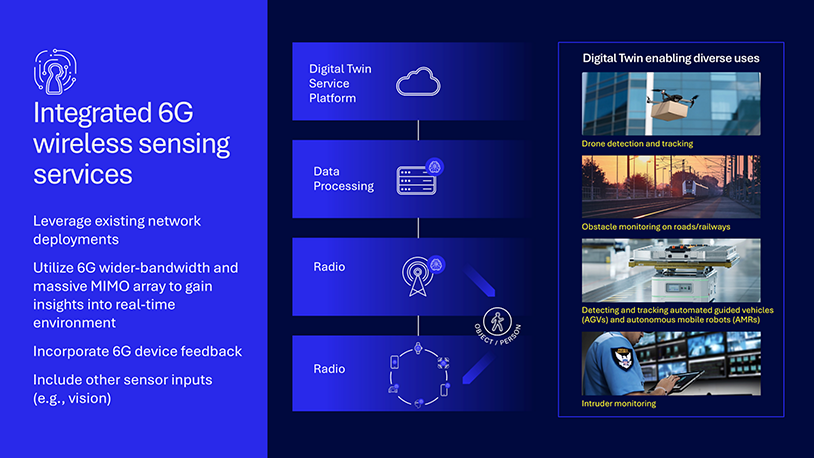
Figure 7. Grow beyond connectivity using RF sensing for new capabilities from a common network infrastructure.

Extend the network with wide‑area sensing

Wide‑area sensing extends the network’s capability further in 6G. By leveraging wide bandwidths and large antenna arrays, 6G radios can act as sensors that detect objects, movement and environmental context as part of normal operation. Combined with device sensors and analytics, this enables digital representations of the physical world, opening new classes of enterprise, industrial and public‑sector applications. Rather than deploying separate sensing infrastructure, 6G leverages existing cellular deployments to observe the physical environment.

Radio‑based sensing enables applications such as object detection, tracking and environmental awareness at scale. 6G enables both monostatic and multi-static sensing at both the gNodeB and device, with wider bandwidths as well as support for new waveforms. Early field testing has shown that sensing-enabled infrastructure is able to reliably detect drones and vehicles at long ranges from the base-station. When combined with device inputs and analytics, sensing capabilities support digital twins that reflect real‑world conditions in near real time.

Because sensing is integrated into the air interface, it benefits from the coverage, reliability and security properties of connectivity infrastructure. This integration allows operators to offer sensing‑based services using familiar equipment and operations, extending the value of the network without duplicative systems.
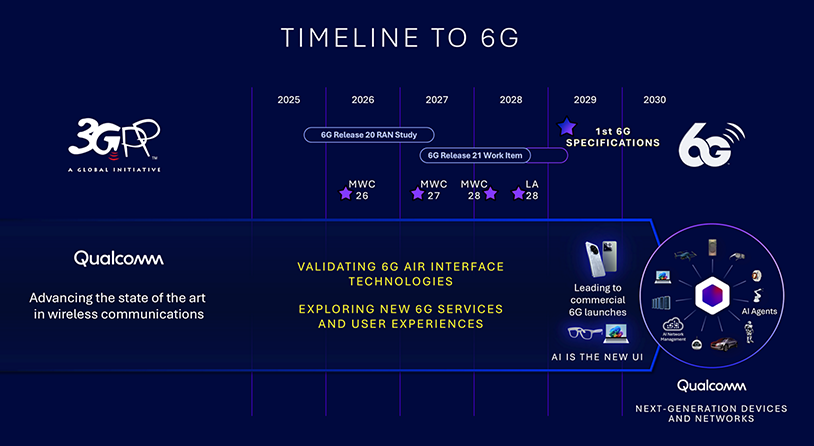
Figure 8. The 3GPP ecosystem is standardizing 6G now for commercial launch around 2030.

Sequence the path to commercialization

6G development follows a deliberate, staged path. Study and definition work is underway, with formal specifications expected in 2029. Pre‑commercial trials will validate air‑interface performance, sensing, AI‑native operation and distributed compute before large‑scale deployment. Commercial introduction is expected around 2030, with adoption varying by operator strategy and market conditions. 

Some will move quickly to enable AI driven services; others will progress more cautiously. The common thread is that not investing does not resolve the structural pressures on networks created by AI era demand.

By focusing early on fundamentals, architecture and realistic execution, Qualcomm Technologies is architecting 6G for the AI era — positioned to deliver durable value technically and economically across the ecosystem.

Go Deeper

What fundamentally sets 6G apart from 5G in terms of design philosophy?

Unlike prior generations that emphasized peak downlink rates, 6G explicitly prioritizes uplink performance, cell-edge coverage and power efficiency — reflecting how traffic patterns are evolving in an AI-driven world. The addition of distributed compute and wide-area sensing as native capabilities transforms the network from a transport layer into an intelligent platform built for how networks will be used over the next decade and beyond. Explore the full 6G vision with Qualcomm Technologies experts:

Visit our 6G research hub

When does 6G arrive, and how do I follow its progress?

Study and definition work is already underway, with formal specifications expected later this decade, pre-commercial validation to follow and commercial introduction expected around 2030. Stay ahead of the curve get the latest updates from our research teams:

Sign up for our wireless technology newsletter
Follow us on X

BONN, Germany, July 30, 2026 /3BL/ – Fairtrade announced updated minimum prices for coffee, providing stronger price security for farmers in the face of higher production costs and predictability for buyers in a volatile market, to take effect in December.

The new Fairtrade Minimum Prices for Arabica and Robusta coffee beans are the result of a year-long research and consultation process that included data collection, stakeholder consultations, market analysis, and democratic decision-making. Fairtrade’s Standards Committee, a multi-stakeholder body with representation from farmers and commercial partners, made the final price decision at its meeting earlier this month.

As of December 1, 2026, the new Fairtrade Minimum Price for washed Arabica beans will be USD $2.00 per pound, an increase of 20 cents, or 11 percent, over the previous price of $1.80 per pound. More than 80 percent of all Fairtrade coffee sold is washed Arabica. For natural Robusta beans, which represent less than 10 percent of all Fairtrade coffee sold, the price will increase by 10 cents to $1.30 per pound (an increase of about eight percent). Natural Arabica and washed Robusta Fairtrade Minimum Prices will also increase by 20 cents and 10 cents, respectively.

The Fairtrade organic differential and Fairtrade Premium – the additional amount on top of selling price that cooperatives choose how to invest in their businesses and communities – are remaining unchanged, providing greater price stability and market predictability for cooperatives and traders.

Fairtrade distinguishes itself from other voluntary sustainability systems through its pricing interventions. It has committed to conducting a full review of its coffee prices every four years to strengthen producer resilience and foster more sustainable supply chains.

Fairtrade Minimum Price: a stronger safety net

The Fairtrade Minimum Price is a global floor price that serves as a safety net, protecting farmers from severe price drops and market volatility. It is based on the sustainable cost of production, as established through a rigorous process that combines production cost data, stakeholder consultation, and dialogue. Fairtrade’s Standards Committee approves all Fairtrade prices.

The Fairtrade Minimum Price only comes into effect when market prices fall below the Fairtrade floor price, providing farmers and cooperatives with greater protection during periods of low prices, and flexibility to earn more when the market price rises. For reference, coffee price has not fallen below $2.00 since March 2024.

Fairtrade Premium and organic differential remain stable

The review process resulted in Fairtrade maintaining the existing values for the Fairtrade Premium and organic differential, at $0.20/lb and $0.40/lb, respectively. Market considerations – specifically the recent historically high prices – and maintaining predictability of these pricing mechanisms were factors in this decision.

Fairtrade coffee cooperatives earned more than €57 million in Fairtrade Premium in 2024, a highly valued benefit that supports farmers to improve production methods, cooperatives to strengthen their business through infrastructure or other investments, and communities to achieve their priorities.

The organic differential provides a financial incentive for farmers to adopt organic production, reflecting higher farm and cooperative costs. Fairtrade’s cost of production study as part of the price review found that average organic production costs were broadly in line with the existing differential. The input from stakeholders during the consultation period supported maintaining the organic differential value, as well as the Fairtrade Premium value.

Process brings together farmer and trader representatives

Fairtrade’s review process involved collection of expert advice from the coffee industry, collection and validation of data on coffee production costs, stakeholder feedback via a consultation period, and analysis by a project team with equal participation from coffee experts from Fairtrade organizations representing both producer and commercial perspectives.

The cost of production data came from 57 cooperatives in 13 countries for the 2023–2024 crop period, updated to September 2025 inflation and exchange rates and validated by Fairtrade experts in-country to provide a reliable representation of current production costs. The project team also gathered and analyzed external data sources to sense-check the findings and develop proposals for the two-month consultation period.

Based on the feedback from more than 600 respondents, the project team considered a range of factors including fairness, accountability, impact, market conditions, and the interaction between Fairtrade prices, Premium, and the organic differential. This team worked with Fairtrade International to send a final price proposal to the Fairtrade Standards Committee for decision.

Prices that support sustainable coffee into the future

“Fairtrade’s price review process is unique in the coffee sector, as the only methodology that provides an essential understanding of the various stakeholders in the value chain – from farmer cooperatives to roasters to brands and retailers – as well as civil society pushing to create a thriving coffee system,” said Colleen Anunu, Fairtrade International’s Senior Advisor for Coffee. “Coffee farmers want to earn a dignified livelihood. The Fairtrade pricing structure is a critical safety net for cooperatives that supports farmer resilience in the face of climate change and emerging regulatory pressures, and also supports the security of global supply chains. It is the only market pricing intervention that involves such rigor and transparency.”

For more information, please visit the Fairtrade Minimum Price and Premium database.

###

Editor’s Note:

Comparison of current prices and new prices as of December 1, 2026


Fairtrade Minimum Price

(USD per lb)

Current price

Fairtrade Minimum Price

(USD per lb)

as of 1 Dec 2026

Fairtrade Premium (USD per lb)

(no change)

Organic differential (USD per lb)

(no change)

Arabica washed $ 1.80 $ 2.00 $ 0.20 $ 0.40
Arabica natural $ 1.75 $ 1.95
Robusta washed $ 1.25 $ 1.35
Robusta natural $ 1.20 $ 1.30


In addition to the mandatory Fairtrade Minimum Prices, Fairtrade also establishes voluntary Living Income Reference Prices (LIRPs) through a separate process that reflect what a farmer would need to be paid to enable a living income, based on cost of production, living income benchmarks, a viable farm size and sustainable yields. Any company can commit to paying these prices to pay their fair share toward decent livelihoods for farmers and supply chain resilience.

Fairtrade currently has 13 Living Income Reference Prices for coffee, updated most recently in 2025. Visit the Fairtrade Reference Prices map for more information: https://reference-prices.fairtrade.net/.

About Fairtrade America

Fairtrade America works to rebalance trade, making it a system rooted in partnership and mutual respect rather than exploitation. It’s about businesses, shoppers, farmers and workers all working together so we can all experience the benefits of trade. Fairtrade America is the U.S. branch of Fairtrade International, the original and global leader in fair trade certification with more than 30 years of experience working for fair trading practices in more than 60 countries across the globe. A non-profit 501(c)3 organization, Fairtrade America is part of the world’s largest and most recognized fair trade certification program —part of a global movement for change. Learn more at fairtrade.net, and by connecting with Fairtrade America on Facebook, Instagram and LinkedIn.

Media Contact

Liz Davis, ldavis@fairtradeamerica.org | +1 202-930-4349

BONN, Germany, July 30, 2026 /3BL/ – Fairtrade announced updated minimum prices for coffee, providing stronger price security for farmers in the face of higher production costs and predictability for buyers in a volatile market, to take effect in December.

The new Fairtrade Minimum Prices for Arabica and Robusta coffee beans are the result of a year-long research and consultation process that included data collection, stakeholder consultations, market analysis, and democratic decision-making. Fairtrade’s Standards Committee, a multi-stakeholder body with representation from farmers and commercial partners, made the final price decision at its meeting earlier this month.

As of December 1, 2026, the new Fairtrade Minimum Price for washed Arabica beans will be USD $2.00 per pound, an increase of 20 cents, or 11 percent, over the previous price of $1.80 per pound. More than 80 percent of all Fairtrade coffee sold is washed Arabica. For natural Robusta beans, which represent less than 10 percent of all Fairtrade coffee sold, the price will increase by 10 cents to $1.30 per pound (an increase of about eight percent). Natural Arabica and washed Robusta Fairtrade Minimum Prices will also increase by 20 cents and 10 cents, respectively.

The Fairtrade organic differential and Fairtrade Premium – the additional amount on top of selling price that cooperatives choose how to invest in their businesses and communities – are remaining unchanged, providing greater price stability and market predictability for cooperatives and traders.

Fairtrade distinguishes itself from other voluntary sustainability systems through its pricing interventions. It has committed to conducting a full review of its coffee prices every four years to strengthen producer resilience and foster more sustainable supply chains.

Fairtrade Minimum Price: a stronger safety net

The Fairtrade Minimum Price is a global floor price that serves as a safety net, protecting farmers from severe price drops and market volatility. It is based on the sustainable cost of production, as established through a rigorous process that combines production cost data, stakeholder consultation, and dialogue. Fairtrade’s Standards Committee approves all Fairtrade prices.

The Fairtrade Minimum Price only comes into effect when market prices fall below the Fairtrade floor price, providing farmers and cooperatives with greater protection during periods of low prices, and flexibility to earn more when the market price rises. For reference, coffee price has not fallen below $2.00 since March 2024.

Fairtrade Premium and organic differential remain stable

The review process resulted in Fairtrade maintaining the existing values for the Fairtrade Premium and organic differential, at $0.20/lb and $0.40/lb, respectively. Market considerations – specifically the recent historically high prices – and maintaining predictability of these pricing mechanisms were factors in this decision.

Fairtrade coffee cooperatives earned more than €57 million in Fairtrade Premium in 2024, a highly valued benefit that supports farmers to improve production methods, cooperatives to strengthen their business through infrastructure or other investments, and communities to achieve their priorities.

The organic differential provides a financial incentive for farmers to adopt organic production, reflecting higher farm and cooperative costs. Fairtrade’s cost of production study as part of the price review found that average organic production costs were broadly in line with the existing differential. The input from stakeholders during the consultation period supported maintaining the organic differential value, as well as the Fairtrade Premium value.

Process brings together farmer and trader representatives

Fairtrade’s review process involved collection of expert advice from the coffee industry, collection and validation of data on coffee production costs, stakeholder feedback via a consultation period, and analysis by a project team with equal participation from coffee experts from Fairtrade organizations representing both producer and commercial perspectives.

The cost of production data came from 57 cooperatives in 13 countries for the 2023–2024 crop period, updated to September 2025 inflation and exchange rates and validated by Fairtrade experts in-country to provide a reliable representation of current production costs. The project team also gathered and analyzed external data sources to sense-check the findings and develop proposals for the two-month consultation period.

Based on the feedback from more than 600 respondents, the project team considered a range of factors including fairness, accountability, impact, market conditions, and the interaction between Fairtrade prices, Premium, and the organic differential. This team worked with Fairtrade International to send a final price proposal to the Fairtrade Standards Committee for decision.

Prices that support sustainable coffee into the future

“Fairtrade’s price review process is unique in the coffee sector, as the only methodology that provides an essential understanding of the various stakeholders in the value chain – from farmer cooperatives to roasters to brands and retailers – as well as civil society pushing to create a thriving coffee system,” said Colleen Anunu, Fairtrade International’s Senior Advisor for Coffee. “Coffee farmers want to earn a dignified livelihood. The Fairtrade pricing structure is a critical safety net for cooperatives that supports farmer resilience in the face of climate change and emerging regulatory pressures, and also supports the security of global supply chains. It is the only market pricing intervention that involves such rigor and transparency.”

For more information, please visit the Fairtrade Minimum Price and Premium database.

###

Editor’s Note:

Comparison of current prices and new prices as of December 1, 2026


Fairtrade Minimum Price

(USD per lb)

Current price

Fairtrade Minimum Price

(USD per lb)

as of 1 Dec 2026

Fairtrade Premium (USD per lb)

(no change)

Organic differential (USD per lb)

(no change)

Arabica washed $ 1.80 $ 2.00 $ 0.20 $ 0.40
Arabica natural $ 1.75 $ 1.95
Robusta washed $ 1.25 $ 1.35
Robusta natural $ 1.20 $ 1.30


In addition to the mandatory Fairtrade Minimum Prices, Fairtrade also establishes voluntary Living Income Reference Prices (LIRPs) through a separate process that reflect what a farmer would need to be paid to enable a living income, based on cost of production, living income benchmarks, a viable farm size and sustainable yields. Any company can commit to paying these prices to pay their fair share toward decent livelihoods for farmers and supply chain resilience.

Fairtrade currently has 13 Living Income Reference Prices for coffee, updated most recently in 2025. Visit the Fairtrade Reference Prices map for more information: https://reference-prices.fairtrade.net/.

About Fairtrade America

Fairtrade America works to rebalance trade, making it a system rooted in partnership and mutual respect rather than exploitation. It’s about businesses, shoppers, farmers and workers all working together so we can all experience the benefits of trade. Fairtrade America is the U.S. branch of Fairtrade International, the original and global leader in fair trade certification with more than 30 years of experience working for fair trading practices in more than 60 countries across the globe. A non-profit 501(c)3 organization, Fairtrade America is part of the world’s largest and most recognized fair trade certification program —part of a global movement for change. Learn more at fairtrade.net, and by connecting with Fairtrade America on Facebook, Instagram and LinkedIn.

Media Contact

Liz Davis, ldavis@fairtradeamerica.org | +1 202-930-4349

BEREA, Ohio, July 30, 2026 /3BL/ – Baldwin Wallace University received a $500,000 grant from KeyBank to launch the Unlock Bright Futures Fund. The initiative seeks to remove financial and structural barriers that have historically hindered college completion among first-generation and low- to moderate-income (LMI) students.

“At KeyBank, we are proud to partner with Baldwin Wallace University to expand opportunities for students through the Unlock Bright Futures Fund,” said Mattie Jones Hollowell, Corporate Responsibility Officer at KeyBank. “We are committed to helping students overcome financial barriers and access the resources, support and professional connections they need to succeed. This investment reflects our belief that education creates stronger individuals, stronger communities and a stronger future for Northeast Ohio.”

Bridging gaps

Currently, 35% of Baldwin Wallace students are low- to moderate-income, and just over half of the University’s first-generation students fall into that category. These students bring tremendous talent and potential, but they often face financial constraints and limited professional networks, which can make earning a degree more challenging.

Although Baldwin Wallace demonstrates strong student success overall, retention and graduation outcomes are lower for students from low- and moderate-income (LMI) backgrounds, with first-generation LMI students experiencing the greatest challenges. These persistent gaps underscore the importance of targeted support to ensure all students have an equal opportunity to persist, graduate and achieve long-term success.

Through the Fund’s targeted scholarships and a coordinated support system, it aims to close those gaps — raising LMI retention rates and graduation rates. These goals reflect BW’s commitment to student success by expanding support where it is needed most.

“We are deeply grateful to KeyBank for their partnership and commitment to student success,” said Carrie Short, BW director of financial aid. “Many of our students are balancing academic responsibilities with financial and personal challenges. This grant will help us provide meaningful support that empowers students to persist, graduate, and build brighter futures for themselves and their families.”

Coordinated Ecosystem for Student Success

The initiative identifies students using the Free Application for Federal Student Aid (FAFSA) and creates accessible pathways through local high schools and partner institutions, such as Cuyahoga Community College (Tri-C).

Once on campus, the program goes beyond financial aid, connecting students with a relationship-based support network. Faculty and staff will work closely with students to provide individualized guidance, while structured programs will connect students with peers, alumni, and employers. These resources are tailored to equip students with the critical skills and professional networks necessary to thrive in an evolving workforce.

Investing in Northeast Ohio

KeyBank’s funding joins a robust, multi-source financial model. BW will leverage the grant alongside philanthropic support from private donors, corporate partnerships, federal Pell and Supplemental Educational Opportunity Grants, and State of Ohio need-based aid, which together provide more than $6 million annually in direct aid to Baldwin Wallace students.

The long-term impact of this investment will extend far beyond campus borders since more than 68% of BW graduates remain in Northeast Ohio. The program is expected to strengthen the region’s workforce by helping more students complete their degrees and pursue meaningful careers, supporting BW’s commitment to preparing graduates who are Leader-Ready, Team-Ready, Career-Ready and Future-Ready.


BEREA, Ohio, July 30, 2026 /3BL/ – Baldwin Wallace University received a $500,000 grant from KeyBank to launch the Unlock Bright Futures Fund. The initiative seeks to remove financial and structural barriers that have historically hindered college completion among first-generation and low- to moderate-income (LMI) students.

“At KeyBank, we are proud to partner with Baldwin Wallace University to expand opportunities for students through the Unlock Bright Futures Fund,” said Mattie Jones Hollowell, Corporate Responsibility Officer at KeyBank. “We are committed to helping students overcome financial barriers and access the resources, support and professional connections they need to succeed. This investment reflects our belief that education creates stronger individuals, stronger communities and a stronger future for Northeast Ohio.”

Bridging gaps

Currently, 35% of Baldwin Wallace students are low- to moderate-income, and just over half of the University’s first-generation students fall into that category. These students bring tremendous talent and potential, but they often face financial constraints and limited professional networks, which can make earning a degree more challenging.

Although Baldwin Wallace demonstrates strong student success overall, retention and graduation outcomes are lower for students from low- and moderate-income (LMI) backgrounds, with first-generation LMI students experiencing the greatest challenges. These persistent gaps underscore the importance of targeted support to ensure all students have an equal opportunity to persist, graduate and achieve long-term success.

Through the Fund’s targeted scholarships and a coordinated support system, it aims to close those gaps — raising LMI retention rates and graduation rates. These goals reflect BW’s commitment to student success by expanding support where it is needed most.

“We are deeply grateful to KeyBank for their partnership and commitment to student success,” said Carrie Short, BW director of financial aid. “Many of our students are balancing academic responsibilities with financial and personal challenges. This grant will help us provide meaningful support that empowers students to persist, graduate, and build brighter futures for themselves and their families.”

Coordinated Ecosystem for Student Success

The initiative identifies students using the Free Application for Federal Student Aid (FAFSA) and creates accessible pathways through local high schools and partner institutions, such as Cuyahoga Community College (Tri-C).

Once on campus, the program goes beyond financial aid, connecting students with a relationship-based support network. Faculty and staff will work closely with students to provide individualized guidance, while structured programs will connect students with peers, alumni, and employers. These resources are tailored to equip students with the critical skills and professional networks necessary to thrive in an evolving workforce.

Investing in Northeast Ohio

KeyBank’s funding joins a robust, multi-source financial model. BW will leverage the grant alongside philanthropic support from private donors, corporate partnerships, federal Pell and Supplemental Educational Opportunity Grants, and State of Ohio need-based aid, which together provide more than $6 million annually in direct aid to Baldwin Wallace students.

The long-term impact of this investment will extend far beyond campus borders since more than 68% of BW graduates remain in Northeast Ohio. The program is expected to strengthen the region’s workforce by helping more students complete their degrees and pursue meaningful careers, supporting BW’s commitment to preparing graduates who are Leader-Ready, Team-Ready, Career-Ready and Future-Ready.


When disaster strikes, the speed of recovery often depends on something people rarely think about: logistics.

In the aftermath of the recent earthquakes in Venezuela, communities urgently needed medical supplies, food, infant care products, and other essentials. Meeting that need required more than generous donations — it required the infrastructure, coordination, and partnerships to move critical aid quickly to the people who needed it most.

That’s why DP World joined forces with UniWorld Air Cargo, Grupo Velutini, and Athiopica to help transport more than 27 tons of humanitarian supplies from the Dominican Republic to Venezuela, demonstrating how logistics expertise can help communities recover when every hour counts.

Logistics That Support Communities in Times of Crisis

Working together, the four organizations completed two humanitarian relief flights carrying essential supplies from Punta Cana to Caracas. The shipments included medical equipment, medicine, infant care products, hydration beverages, canned food, rescue supplies, and other critical items identified as urgent following the disaster.

The operation was coordinated through Air Cargo Hub Punta Cana, the joint logistics platform developed by DP World and Grupo Puntacana. The hub managed logistics planning, cargo processing, and operational support to facilitate the efficient movement of relief supplies.

Meanwhile, Grupo Velutini, in coordination with Athiopica, managed the collection, sorting, and consolidation of donated goods, while UniWorld Air Cargo provided the aircraft capacity needed to transport the shipments to Venezuela. Together, the organizations demonstrated how integrated logistics networks can be mobilized to support humanitarian response when communities need them most.

The Power of Partnership

Disaster response depends on organizations working together — combining expertise, resources, and capabilities to reach affected communities as quickly as possible.

For DP World, contributing logistics expertise is one way the company can help strengthen humanitarian efforts when every hour counts.

Manuel Martínez, CEO of DP World in the Dominican Republic, said: “At DP World, we believe logistics is about more than moving cargo — it is about connecting people and supporting communities, particularly when it matters most. By working alongside our partners, we were able to leverage our infrastructure and operational expertise to help deliver critical humanitarian supplies quickly and efficiently to those affected by this disaster.”

“This initiative reflects the power of collaboration across business sectors. We are grateful to UniWorld Air Cargo, Grupo Velutini, and Athiopica for joining us in making this humanitarian operation possible and demonstrating what can be achieved when organizations work together with a shared purpose,” added Martinez.

That shared commitment was echoed by the organization’s partners.

Luis Emilio Velutini, CEO of Grupo Velutini, said: “For Grupo Velutini, it was essential to rise to the occasion during such a difficult time for Venezuela. We established BlueMall as a collection center and became fully involved in every stage of the operation: collection, sorting, repackaging, and preparing the shipments. This effort was only possible thanks to the dedication of dozens of volunteers and the work of Athiopica, which ensured that the aid reached those who needed it most. We are proud to see what can be achieved when all partners come together around a cause that matters to all of us.”

Romen González, CEO of UniWorld Air Cargo, said: “At UniWorld Air Cargo, we believe that air cargo has a purpose that goes beyond transportation. When communities face emergencies, it is our responsibility to put our operational capabilities at the service of those who need them most. Contributing to the delivery of this humanitarian aid to Venezuela is a commitment we embraced with a deep sense of responsibility and humanity.”

Building Community Resilience Beyond the Supply Chain

Whether facilitating global trade or responding to humanitarian emergencies, logistics has the power to connect people with what they need — especially during moments of crisis.

The relief effort in Venezuela reflects DP World’s broader commitment to supporting the resilience of the communities where it operates. Across Latin America, the company continues to invest in initiatives that help people prepare for, respond to, and recover from unexpected challenges.

Earlier this year, for example, DP World established a US$2 million housing fund to help employees in Lirquén, Chile rebuild permanent homes after devastating wildfires destroyed their communities. Combined with ongoing investments in community wellbeing and sustainable development across the region, these efforts reflect a simple belief: the role of logistics extends far beyond moving cargo.

By working alongside partners with a shared purpose, DP World is helping ensure supply chains can serve not only commerce, but also communities — delivering essential support when it matters most and helping build resilience long after the immediate crisis has passed.

When disaster strikes, the speed of recovery often depends on something people rarely think about: logistics.

In the aftermath of the recent earthquakes in Venezuela, communities urgently needed medical supplies, food, infant care products, and other essentials. Meeting that need required more than generous donations — it required the infrastructure, coordination, and partnerships to move critical aid quickly to the people who needed it most.

That’s why DP World joined forces with UniWorld Air Cargo, Grupo Velutini, and Athiopica to help transport more than 27 tons of humanitarian supplies from the Dominican Republic to Venezuela, demonstrating how logistics expertise can help communities recover when every hour counts.

Logistics That Support Communities in Times of Crisis

Working together, the four organizations completed two humanitarian relief flights carrying essential supplies from Punta Cana to Caracas. The shipments included medical equipment, medicine, infant care products, hydration beverages, canned food, rescue supplies, and other critical items identified as urgent following the disaster.

The operation was coordinated through Air Cargo Hub Punta Cana, the joint logistics platform developed by DP World and Grupo Puntacana. The hub managed logistics planning, cargo processing, and operational support to facilitate the efficient movement of relief supplies.

Meanwhile, Grupo Velutini, in coordination with Athiopica, managed the collection, sorting, and consolidation of donated goods, while UniWorld Air Cargo provided the aircraft capacity needed to transport the shipments to Venezuela. Together, the organizations demonstrated how integrated logistics networks can be mobilized to support humanitarian response when communities need them most.

The Power of Partnership

Disaster response depends on organizations working together — combining expertise, resources, and capabilities to reach affected communities as quickly as possible.

For DP World, contributing logistics expertise is one way the company can help strengthen humanitarian efforts when every hour counts.

Manuel Martínez, CEO of DP World in the Dominican Republic, said: “At DP World, we believe logistics is about more than moving cargo — it is about connecting people and supporting communities, particularly when it matters most. By working alongside our partners, we were able to leverage our infrastructure and operational expertise to help deliver critical humanitarian supplies quickly and efficiently to those affected by this disaster.”

“This initiative reflects the power of collaboration across business sectors. We are grateful to UniWorld Air Cargo, Grupo Velutini, and Athiopica for joining us in making this humanitarian operation possible and demonstrating what can be achieved when organizations work together with a shared purpose,” added Martinez.

That shared commitment was echoed by the organization’s partners.

Luis Emilio Velutini, CEO of Grupo Velutini, said: “For Grupo Velutini, it was essential to rise to the occasion during such a difficult time for Venezuela. We established BlueMall as a collection center and became fully involved in every stage of the operation: collection, sorting, repackaging, and preparing the shipments. This effort was only possible thanks to the dedication of dozens of volunteers and the work of Athiopica, which ensured that the aid reached those who needed it most. We are proud to see what can be achieved when all partners come together around a cause that matters to all of us.”

Romen González, CEO of UniWorld Air Cargo, said: “At UniWorld Air Cargo, we believe that air cargo has a purpose that goes beyond transportation. When communities face emergencies, it is our responsibility to put our operational capabilities at the service of those who need them most. Contributing to the delivery of this humanitarian aid to Venezuela is a commitment we embraced with a deep sense of responsibility and humanity.”

Building Community Resilience Beyond the Supply Chain

Whether facilitating global trade or responding to humanitarian emergencies, logistics has the power to connect people with what they need — especially during moments of crisis.

The relief effort in Venezuela reflects DP World’s broader commitment to supporting the resilience of the communities where it operates. Across Latin America, the company continues to invest in initiatives that help people prepare for, respond to, and recover from unexpected challenges.

Earlier this year, for example, DP World established a US$2 million housing fund to help employees in Lirquén, Chile rebuild permanent homes after devastating wildfires destroyed their communities. Combined with ongoing investments in community wellbeing and sustainable development across the region, these efforts reflect a simple belief: the role of logistics extends far beyond moving cargo.

By working alongside partners with a shared purpose, DP World is helping ensure supply chains can serve not only commerce, but also communities — delivering essential support when it matters most and helping build resilience long after the immediate crisis has passed.

Previously published by Blood Cancer United

By E. Anders Kolb, MD, President and CEO, Blood Cancer United

As a pediatric hematologist-oncologist, I learned early on in my career that treating cancer takes more than medicine—it takes support, compassion, and a community that shows up for families.

When someone is diagnosed with blood cancer—whether it’s leukemia, lymphoma, myeloma, or one of more than 100 other types—in that moment, life changes. Families are pulled into appointments, test results, and treatment decisions. Caregivers become advocates and anchors. Patients balance fear with the need to keep moving forward.

And in the middle of it all, people need comfort, practical support, and to know they are not alone.

A Partnership Built on Care

That belief has been at the heart of Subaru Loves to Care®, an initiative built from Subaru of America ‘s longstanding partnership with Blood Cancer United. For more than a decade, Subaru, its retailers, customers, and employees have helped bring warmth, encouragement, and tangible relief to people facing cancer across the country.

Since 2016, the program has reached more than 550,000 patients with blankets, care kits, educational resources, handwritten messages, and financial assistance. This year, Subaru retailers delivered more than 51,000 blankets and over 9,000 patient care kits, along with Blood Cancer United resources and messages of hope written by retailer employees and customers in their local communities.

A soft blanket or handwritten note may seem like simple gestures. But for someone in an infusion chair or waiting to complete their treatment that day, they mean something larger: care that can be felt.

United by a Bold Mission

At Blood Cancer United, our mission is to cure blood cancer and improve the quality of life of all patients and their families. We’ve set a bold goal: by 2040, to enable people with blood cancer to gain more than one million years of life.

That goal reflects the future we are working toward: more birthdays, more graduations, more family dinners, and more everyday moments made possible because patients are living longer, fuller lives.

But we cannot reach this goal alone.

That is part of why we are now Blood Cancer United. The word “united” reflects what has always been true. Progress happens when patients, families, clinicians, researchers, volunteers, advocates, donors, and partners come together around a shared purpose. We need mission-aligned partners who understand that impact is strongest when we work together.

Subaru is one of those partners—committed to turning national purpose into local impact through the Subaru Love Promise®.

Helping Families Through Financial Strain

A blood cancer diagnosis often brings financial strain that families are not prepared for. Even with insurance, the cost of care is high and extends far beyond treatment.

In 2026, Subaru retailers once again raised over $1 million for our Urgent Need Pediatric, Adolescent and Young Adult Fund, helping more than 1,800 families cover essentials like food, housing, transportation, and utilities. This is especially important knowing half of recipients live on less than $40,000 per year, and 15 percent are in medically underserved areas.

For these families, this support brings stability when everything feels uncertain.

As one patient shared: “My phone was going to get cut off this month. This helped with gas, extra food, and things my children needed for school.”

No one facing cancer should have to worry about life’s most basic needs. This is what meaningful partnership looks like for the families we serve: gas in the car, groceries on the table, a phone still connected, and one less burden to carry.

National Scale, Local Heart

Along with its national reach, what makes Subaru Loves to Care so powerful is its local impact.

Across the country, Subaru retailers served as local hubs of compassion. Customers and retailer employees wrote messages of hope. Retailer teams delivered blankets and care kits to nearby treatment centers. Local Blood Cancer United teams helped connect resources with the patients and families who need them. What began as a national initiative becomes personal in each community.

That local connection matters because cancer can be extremely isolating. When a patient receives a handwritten card from someone in their own community, it breaks through that isolation. It says: we may not know each other, but you matter.

Inviting More People Into the Mission

Subaru has also helped expand our community of support. In 2025, its $100,000 matching gift helped double June online giving and triple October one-time donations—driving a 240 percent year-over-year increase. Building on that success, Subaru again supported our June Match campaign this year, helping amplify donor impact and extend the reach of our mission to support blood cancer patients and their families. Every gift fuels research, patient support, and advocacy. Every new supporter strengthens our lifesaving mission and the community standing behind people with blood cancer.

This partnership at its best is all about extending reach, deepening impact, and bringing organizational values to life through action.

A Decade Plus of Showing Up

Eleven years in, Subaru Loves to Care is more than a campaign. It is a sustained commitment to showing up.

It has brought comfort into treatment centers, relief to families in crisis, and connection to blood cancer patients who might otherwise feel alone. It has mobilized customers, employees, and retailers as messengers of hope.

At Blood Cancer United, we are accelerating research, supporting patients and families, advocating for policy change, and building a community that helps people live longer, fuller lives.

The work ahead requires urgency, collaboration, and a shared belief that no one should face blood cancer alone. Subaru has shown what it means to turn that belief into action — bringing comfort, relief, and hope to patients and families when they need it most.

For U.S. healthcare systems, clinical and financial stability can be achieved when we look beyond treatment options for individual disease states and instead take a more holistic approach that also addresses the pathological mechanisms that extend across multiple disease states.

The American Heart Association definition of the cardiovascular-kidney-metabolic syndrome (CKM syndrome), a systemic overlap of heart disease, kidney disease, diabetes and obesity, is one important step in advancing integrated care. According to the American Heart Association, nearly nine out of 10 U.S. adults have at least one of the risk factors that make up CKM syndrome, but most people have not heard of CKM syndrome and don’t know how closely these health issues are connected.

This knowledge gap highlights a critical blind spot in American healthcare. The result is a tidal wave of preventable adverse health outcomes — from undiagnosed hypertension to end stage kidney disease — that are often first identified during a hospitalization rather than being proactively identified and treated in outpatient care settings.

By treating conditions like heart disease and diabetes early and together, providers can proactively help manage risks to support healthier futures for their patients.

Breaking the Cycle of Siloed Care

Cardiovascular, kidney and metabolic conditions don’t progress independently — they compound each other. Risk accumulates across systems, not solely within the purview of a given specialty. When care is fragmented, these compounding risks can go unmanaged. Conversely, when care is integrated, these risks can be addressed earlier, more effectively and at lower cost.

This clinical reality is what makes integrated care uniquely powerful for CKM health. Models that treat cardiac care, kidney care and metabolic care in tandem are not simply better coordinated — they are structurally better suited to manage shared risk, intervene earlier and prevent downstream complications.

“CKM conditions don’t exist in silos, and care shouldn’t either,” says Michael O’Shea, MD, vice president for DaVita Integrated Kidney Care. “When we address comorbid conditions together — rather than one at a time — we create better outcomes for patients and more sustainable systems of care.”

When care teams take a cohesive, interdisciplinary approach, they can unlock three critical advantages:

  • Precise Risk Stratification: Breaking down data silos to view comorbidities holistically, enabling more accurate identification of potential adverse events.
  • Optimized Therapeutics: Leveraging earlier identification to initiate organ-protective therapies (e.g., SGLT2 inhibitors, GLP-1 RAs) that offer multi-system benefits and help slow disease progression.
  • Reduced Total Cost of Care: Mitigating the clinical and financial burden of downstream complications, including end stage kidney disease (ESKD) or heart failure.

How DaVita is Broadening Access to Integrated Care

Integrated care relies on robust infrastructure, advanced technology and a reimagined clinical culture. DaVita is working to bridge care gaps through key innovations and investments:

Taking Action: The American Heart Association’s CKM Health Initiative

Accelerating this shift requires system-wide standardization. To further establish integrated care from concept to practice, the American Heart Association launched its groundbreaking CKM Health Initiative.

Sponsored by DaVita and other industry leaders, this four-year effort offers clinicians evidence-based tools to help operationalize new standards:

  • Goal: Establish best practices for interdisciplinary care impacting 250,000+ patients.
  • Focus: Implementing evidence-based guidelines to bridge the gap between specialty practices.
  • Scope: 150 healthcare sites across 15 regions.

“Expanding access to integrated care is an imperative,” says Dr. O’Shea. “The American Heart Association’s initiative provides health systems with a framework and equips clinicians with actionable, cross-specialty insights to help drive more precise interventions and support improved population health outcomes.”

3 American Heart Association Tools for Clinicians

The American Heart Association offers evidence-based tools to help clinicians implement integrated CKM care models:

DaVita is a Champion Sponsor of the American Heart Association’s Cardiovascular-Kidney-Metabolic (CKM) Health Initiative.

Originally published on CVS Health Company Newsroom

Key points

  • SPF is becoming a daily wellness essential
  • The top SPF myths consumers still believe
  • What shoppers are looking for in SPF today
  • How to support everyday sun protection

SPF every day? What consumers are getting right — and wrong — about sun protection

Sun protection is essential. But according to frontline beauty experts at CVS Pharmacy, there’s still a gap in SPF knowledge and use.

Consumers are paying more attention to sun protection than ever before. According to a survey of 520 CVS Beauty Consultants, 72% report that shoppers are increasingly prioritizing SPF as part of their everyday routine. That’s great news.

The challenge? Awareness doesn’t always translate into action. CVS Beauty Consultants across the country are hearing the same misconceptions from consumers, revealing a gap between knowing SPF matters and understanding how to use it effectively.

SPF is becoming a daily wellness essential

For years, sunscreen was viewed as a seasonal purchase, something reserved for beach vacations and summer weekends. Today, more consumers are treating SPF as part of their everyday wellness routine.

“We’re seeing SPF evolve from a seasonal category into a wellness essential, with consumers increasingly viewing sun protection as part of their whole-body skin health routine,” says Michelle LeBlanc, Vice President of Merchandising, Beauty & Personal Care and Hispanic Strategy Team, CVS Health. “CVS is helping drive that behavior change through trusted guidance, accessible education, and a curated assortment that makes SPF easier to understand and incorporate into daily life.”

The top SPF myths consumers still believe

Despite growing awareness, misconceptions remain common.

According to CVS Beauty Consultants:

  • 67% say consumers believe SPF is only necessary on sunny days.
  • 55% report shoppers think sunscreen isn’t needed during winter months.
  • 42% regularly hear that higher SPF means sunscreen doesn’t need to be reapplied.

In reality, UV rays can penetrate clouds, reflect off snow and ice, and contribute to skin damage year-round. And regardless of SPF level, sunscreen should be reapplied every two hours when spending time outdoors, according to the Skin Cancer Foundation. Dermatologists recommend using a broad spectrum sunscreen with an SPF of 30 or higher daily.

“One of the biggest misconceptions is that SPF is only needed when the sun is visible,” says Dr. Camille Howard-Verovic, CVS Beauty Dermatologist Advisor and Board-Certified Dermatologist. “In reality, daily SPF should be viewed as a foundational part of routine-based care, just like cleansing or moisturizing.”

What consumers are looking for in SPF today

As shoppers become more educated, they’re also becoming more sophisticated in what they want from their products. The result is a growing demand for products that combine protection, skincare benefits, and convenience — making daily use easier than ever.  

The CVS Beauty Consultant survey found:

  • 61% of Beauty Consultants report growing interest in makeup and SPF hybrid products.
  • 46% say shoppers are seeking formulas with added skincare benefits, such as anti-aging and dark spot prevention.
  • 78% report that consumers rely on dermatologists and healthcare professionals when making SPF purchasing decisions.

How to support everyday sun protection

The SPF conversation is evolving. Consumers increasingly understand that sun protection is an important part of overall skin health, but misconceptions around when and how to use sunscreen remain.

The opportunity now is helping more consumers move from seasonal SPF habits to consistent, year-round protection. With the right products to make routine use easy paired with education, small shifts in behavior can have a meaningful impact on long-term skin health.

A few things to keep in mind:

  • Sunscreen is for every day, every season — not just beach days or summer months.
  • Higher SPF doesn’t mean longer protection. Reapplication every two hours is still necessary.
  • Broad-spectrum SPF 30 or higher is the baseline recommended by dermatologists.
  • The SPF category is evolving — hybrid formulas, skincare-infused options, and convenient formats make it easier than ever to find a product that works for any routine.

CVS is a leader with a proven commitment to sun safety. CVS was the first national retailer to remove all sunscreens under SPF 15, and has recently removed sunscreen with SPF below 30 from its Store Brands assortment. Consumers looking for a sunscreen to add to their routine will find a wide range of sunscreen in many formats and brands available in CVS Pharmacy stores and at CVS.com, along with Beauty Consultants available to help them find the right product for their needs.


Survey data sourced from the CVS Whole-Body Beauty Brief: SPF Edition, conducted April 2026 among 520 CVS Beauty Consultants across the United States.

Privacy Overview

This website uses cookies so that we can provide you with the best user experience possible. Cookie information is stored in your browser and performs functions such as recognising you when you return to our website and helping our team to understand which sections of the website you find most interesting and useful.