
Month: June 2026
Henkel manufacturing sites are proud to produce quality adhesive and consumer brands products that have become must-haves in homes and for businesses across North America, and around the world.
More than ever, our production teams are finding innovative ways to produce these high-quality products with less impact on the environment. In recognition of World Environment Day, we are proud to highlight a few of many sustainability success stories from Henkel’s front lines.
Adhesive Technologies

Enoree, South Carolina
Targeting the steam system’s heavy usage of energy and water, in October 2025 the team at Enoree installed energy-efficient upgrades to the boiler and steam traps, reducing natural gas and water consumption and contributing to the site’s water circularity goals. These upgrades are part of a three-phase plan to add efficiency measures throughout the steam system, which will ultimately save more than 8,000 MWh of electricity, 7,300 cubic meters of water and 1,400 metric tons of carbon dioxide emissions.
Warren, Michigan
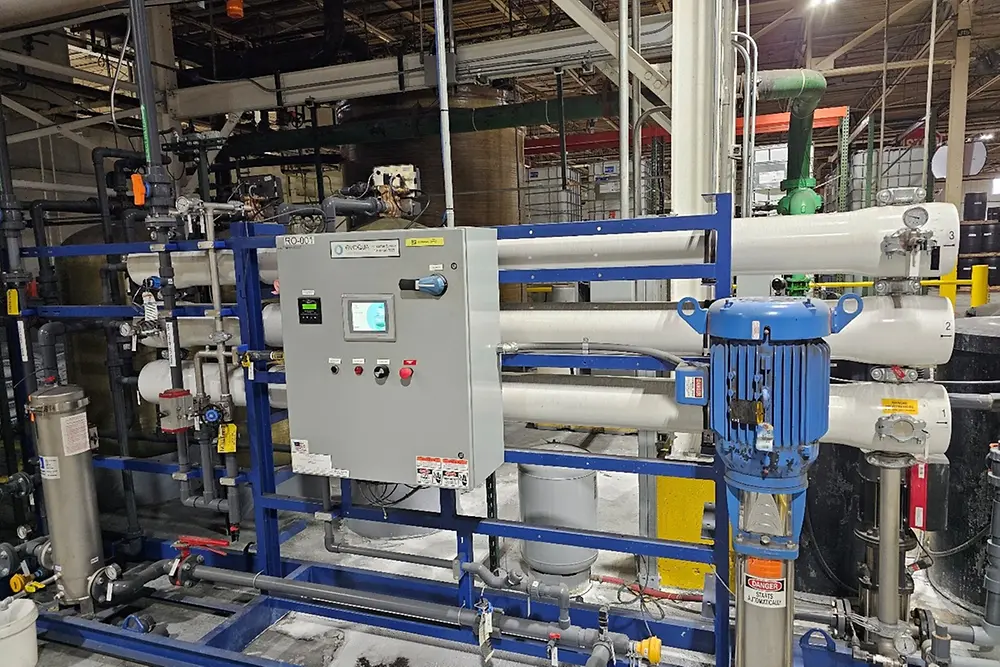
Thirsty for water savings, the team in Warren developed a 3D printed spacer for use as the membrane in the site’s reverse osmosis (RO) water purification system, which feeds the deionization (DI) water system. Since installation of this RO element in October 2025, the site has seen improved DI water flow, reduced system pressure, and increases in overall water efficiency to the tune of 8,000+ cubic meters per year.
Mentor, Ohio
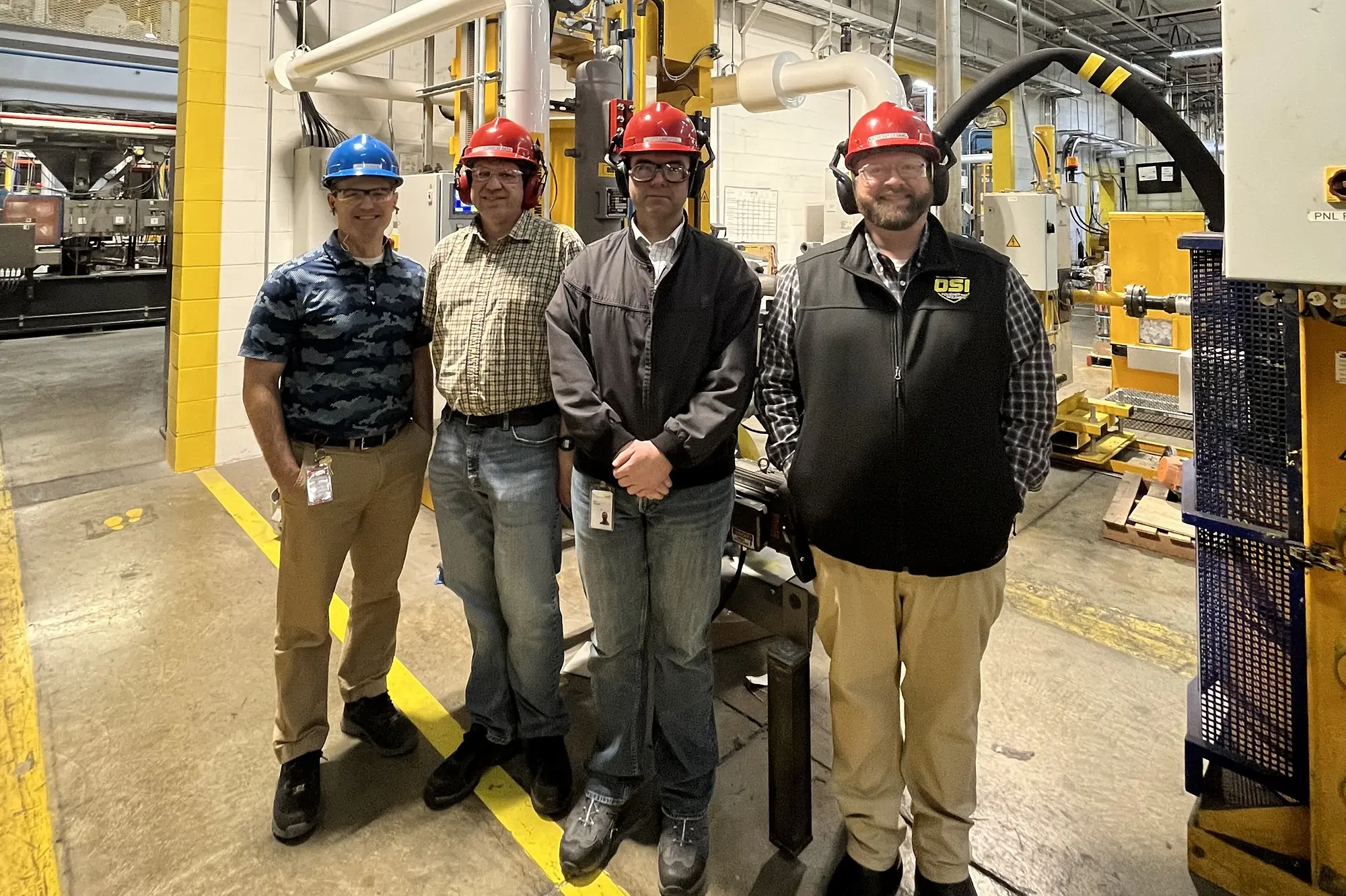
With production increasingly focused on silane modified polymer (SMP) adhesive products, the team in Mentor sought a cure for material waste. In the manufacturing process, once SMP material is exposed to moisture in the atmosphere, the material cures and cannot be re-worked. In the past, this led to large volumes of high-value material going to waste. In November 2025, the site installed an additional buffer press to reclaim previously scrapped material and slowly feed it back into the system. As a result, the site is now producing 272 fewer tons of waste every year and saving significantly in raw materials and disposal costs.

Brandon, South Dakota
When our Brandon facility doubled its size to better serve the evolving needs of the electric vehicle (EV) and electronics industries, sustainability became part of the blueprint. As a result, this flagship facility became the first in Henkel’s North American Adhesive Technologies business to achieve a LEED® (Leadership in Energy and Environmental Design) certification, the most widely recognized green building rating system. The Brandon plant’s LEED Silver status reflects enhanced performance in sustainability, energy efficiency, water conservation, indoor environmental quality, and waste management.
“Finding more efficient ways to make quality products is an integral part of our plant teams’ focus across both businesses. As we celebrate Henkel’s 150th anniversary in 2026, we are excited to bring our founder’s pioneering spirit to building a legacy of conservation for the generations to come.”
– Bjoern Jackisch, Senior Vice President Operations and Supply Chain, Henkel Adhesive Technologies
Henkel Consumer Brands
St. Louis, Missouri
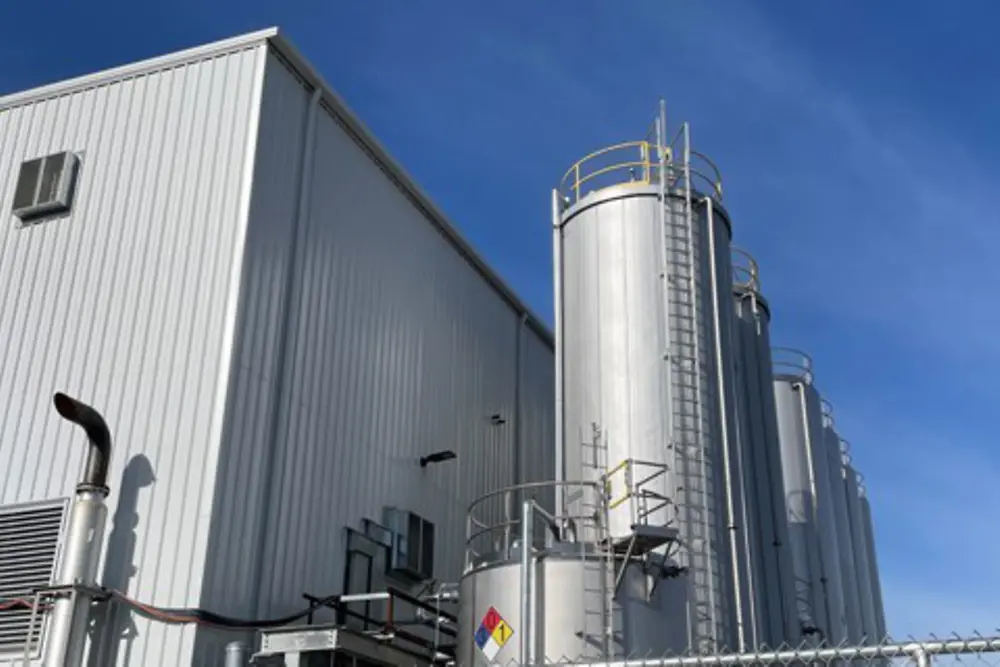
At our consumer brands St. Louis facility, which produces ingredients used in laundry detergents, the wastewater pretreatment process is particularly challenging due to the onsite sulfonation chemical manufacturing process. The plant’s commitment to environmental responsibility and outstanding efforts to protect public water quality through effective wastewater pretreatment earned Henkel the prestigious 2025 Gold Award from the Missouri Water Environment Association (MWEA).
Bowling Green, Kentucky
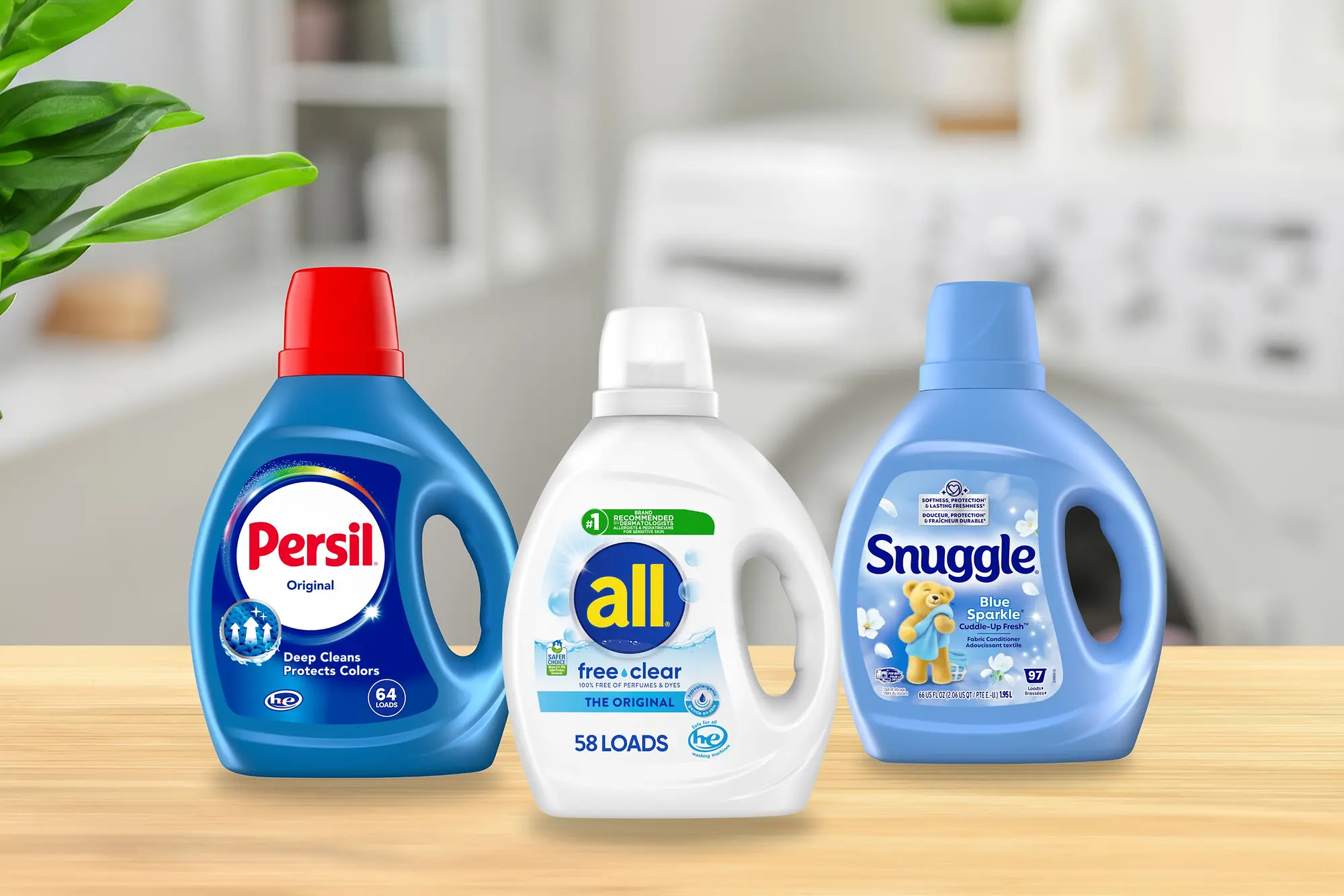
The 2025 launch of concentrated laundry detergent formulas and smaller, more sustainable bottles recently earned Henkel the American Cleaning Institute’s 2026 Sustainability Spotlight Award. At the Bowling Green consumer brands facility, concentrated formulas were introduced across the all® free clear, Persil® and Snuggle® brands. This effort helped reduce water usage by 9 million gallons of water a year, while redesigned packaging reduced net plastic use by 5% and increased shipping efficiency, resulting in fewer trucks on the road.
“Our manufacturing plants are at the heart of Henkel’s sustainability journey, where innovation meets execution every day. By empowering our teams to rethink processes, reduce resource consumption, and scale impactful solutions, we are driving measurable progress toward our sustainability goals while continuing to deliver high-quality products to our customers.”
– Gianmatteo Cingano, Vice President of Manufacturing, Henkel Consumer Brands
These sustainability success stories are just a few ways Henkel employees are leveraging technology and outside-the-box thinking to make manufacturing processes more sustainable.
Henkel manufacturing sites are proud to produce quality adhesive and consumer brands products that have become must-haves in homes and for businesses across North America, and around the world.
More than ever, our production teams are finding innovative ways to produce these high-quality products with less impact on the environment. In recognition of World Environment Day, we are proud to highlight a few of many sustainability success stories from Henkel’s front lines.
Adhesive Technologies
Enoree, South Carolina
Targeting the steam system’s heavy usage of energy and water, in October 2025 the team at Enoree installed energy-efficient upgrades to the boiler and steam traps, reducing natural gas and water consumption and contributing to the site’s water circularity goals. These upgrades are part of a three-phase plan to add efficiency measures throughout the steam system, which will ultimately save more than 8,000 MWh of electricity, 7,300 cubic meters of water and 1,400 metric tons of carbon dioxide emissions.
Warren, Michigan
Thirsty for water savings, the team in Warren developed a 3D printed spacer for use as the membrane in the site’s reverse osmosis (RO) water purification system, which feeds the deionization (DI) water system. Since installation of this RO element in October 2025, the site has seen improved DI water flow, reduced system pressure, and increases in overall water efficiency to the tune of 8,000+ cubic meters per year.
Mentor, Ohio
With production increasingly focused on silane modified polymer (SMP) adhesive products, the team in Mentor sought a cure for material waste. In the manufacturing process, once SMP material is exposed to moisture in the atmosphere, the material cures and cannot be re-worked. In the past, this led to large volumes of high-value material going to waste. In November 2025, the site installed an additional buffer press to reclaim previously scrapped material and slowly feed it back into the system. As a result, the site is now producing 272 fewer tons of waste every year and saving significantly in raw materials and disposal costs.
Brandon, South Dakota
When our Brandon facility doubled its size to better serve the evolving needs of the electric vehicle (EV) and electronics industries, sustainability became part of the blueprint. As a result, this flagship facility became the first in Henkel’s North American Adhesive Technologies business to achieve a LEED® (Leadership in Energy and Environmental Design) certification, the most widely recognized green building rating system. The Brandon plant’s LEED Silver status reflects enhanced performance in sustainability, energy efficiency, water conservation, indoor environmental quality, and waste management.
“Finding more efficient ways to make quality products is an integral part of our plant teams’ focus across both businesses. As we celebrate Henkel’s 150th anniversary in 2026, we are excited to bring our founder’s pioneering spirit to building a legacy of conservation for the generations to come.”
– Bjoern Jackisch, Senior Vice President Operations and Supply Chain, Henkel Adhesive Technologies
Henkel Consumer Brands
St. Louis, Missouri
At our consumer brands St. Louis facility, which produces ingredients used in laundry detergents, the wastewater pretreatment process is particularly challenging due to the onsite sulfonation chemical manufacturing process. The plant’s commitment to environmental responsibility and outstanding efforts to protect public water quality through effective wastewater pretreatment earned Henkel the prestigious 2025 Gold Award from the Missouri Water Environment Association (MWEA).
Bowling Green, Kentucky
The 2025 launch of concentrated laundry detergent formulas and smaller, more sustainable bottles recently earned Henkel the American Cleaning Institute’s 2026 Sustainability Spotlight Award. At the Bowling Green consumer brands facility, concentrated formulas were introduced across the all® free clear, Persil® and Snuggle® brands. This effort helped reduce water usage by 9 million gallons of water a year, while redesigned packaging reduced net plastic use by 5% and increased shipping efficiency, resulting in fewer trucks on the road.
“Our manufacturing plants are at the heart of Henkel’s sustainability journey, where innovation meets execution every day. By empowering our teams to rethink processes, reduce resource consumption, and scale impactful solutions, we are driving measurable progress toward our sustainability goals while continuing to deliver high-quality products to our customers.”
– Gianmatteo Cingano, Vice President of Manufacturing, Henkel Consumer Brands
These sustainability success stories are just a few ways Henkel employees are leveraging technology and outside-the-box thinking to make manufacturing processes more sustainable.
Originally published on Aflac Newsroom
When it comes to cancer, progress is often measured not only by new treatments, but by how early the disease can be found. For Ryan Schoenfeld, Ph.D., CEO of The Mark Foundation for Cancer Research, that distinction has become a defining focus — one that is reshaping how scientists, funders and institutions work together to confront some of cancer’s most urgent challenges.
At the helm of the New York-based philanthropic organization, Dr. Schoenfeld is championing an approach grounded in collective action. While advances in treatment have improved survival rates for many cancers, some of the most deadly — such as pancreatic, ovarian and liver cancers — remain notoriously difficult to identify early. Symptoms often appear late, and reliable screening tools are limited or nonexistent. The result is a sobering reality: Too many patients are diagnosed only after the disease has progressed.
For Dr. Schoenfeld, addressing this gap is among the most pressing trials in modern oncology. Tackling this truth is why Dr. Schoenfeld has been recognized as an Aflac Check for Cancer Champion.
Building a new model of collaboration and turning breakthroughs into reality
This philosophy recently took shape through a new coalition, led by The Mark Foundation and launched to advance early detection tools for the world’s most difficult-to-diagnose cancers.
The coalition, which also includes the American Association for Cancer Research, Lustgarten Foundation, Break Through Cancer, and The Honorable Tina Brozman Foundation (Tina’s Wish), has so far invested $12 million in six collaborative research projects focused on pancreatic, ovarian and esophageal cancers, as well as cancer predisposition syndromes.
The grant program represents a notable shift in approach. Historically, research efforts have often unfolded in parallel, with funders and institutions pursuing similar goals independently. The coalition upends that paradigm by bringing together philanthropic organizations, scientists and research institutions to align resources, share knowledge and accelerate progress.
By fostering collaboration at this scale, the coalition aims to overcome one of the field’s greatest obstacles, which is not a lack of scientific ingenuity, but the fragmentation that can slow its application.
Dr. Schoenfeld sees this unified strategy as essential.
“I’m proud to lead a foundation that prioritizes the ‘big swings’ in science, and to work alongside a coalition of partners and scientists who are working tirelessly to make early detection a clinical reality,” Dr. Schoenfeld said. “We can’t cure what we can’t detect, and initiatives like Aflac’s Check for Cancer highlights the urgent need to work together to ensure that every patient benefits from an early, lifesaving diagnosis.”
The coalition’s focus on early detection comes at a pivotal moment. Advances in fields such as genomics, biomarker discovery and artificial intelligence are opening new pathways for identifying cancer long before symptoms emerge. Yet significant challenges remain in translating these discoveries into practical, widely accessible screening tools.
By aligning funding and expertise, Dr. Schoenfeld and his partners hope to bridge that divide, moving promising science out of the lab and into clinical use more quickly.
A shared commitment to patients
Despite the complexity of the scientific challenges, Dr. Schoenfeld remains focused on the human stakes. Every initiative, every partnership and every grant ultimately ties back to a single goal: improving outcomes for patients and their families, because for them, the potential impact is profound. Early detection not only increases survival rates but can also expand treatment options and improve quality of life. It shifts cancer care from reactive to proactive, offering a chance to intervene before the disease takes hold.
Looking ahead, Dr. Schoenfeld is both realistic and hopeful. Progress will require sustained effort, continued collaboration and an openness to rethinking long-standing approaches. In that sense, his work is less about singular breakthroughs and more about building a system capable of delivering them faster, more effectively and for the benefit of all. And for Dr. Schoenfeld, that vision — of catching cancer earlier, when it can be treated and even cured — is one worth pursuing with unwavering determination. It is the vision of a champion.
The Check for Cancer Champions program is part of Aflac’s Check for Cancer initiative, a bold, national movement to increase cancer screenings by 10% over 10 years. Learn more about the Check for Cancer movement by visiting Aflac.com/CheckForCancer.
Aflac WWHQ | 1932 Wynnton Road | Columbus, GA 31999
Z2600376
EXP 6/27
The Seattle Mariners solid start to the 2026 season is already giving fans plenty to cheer about the partnership with KeyBank is adding even more excitement to the club’s milestone 50th anniversary celebration.
This season, KeyBank is presenting sponsor of the Seattle Mariners 50th Season Pin Series, a season-long promotion that invites fans to celebrate each decade of Mariners baseball through exclusive commemorative pins. These have been a must-have for longtime supporters and collectors alike.
On Monday, June 15th, collectors can visit any of the five participating KeyBank branches to collect the KeyBank Exclusive, branch-only pin while supplies last. This special release is designed specifically for in-person visitors and not available at the stadium. The promotion offers fans an added incentive to engage with local branches while securing a key piece of the commemorative series while supplies last. Participating branches include:
Additional pins representing each era of Mariners history will continue to roll out throughout the season, with availability split between select home games and these participating KeyBank locations.
- July 19 – ‘00s Pin Day
- August 9 – 50 Seasons Pin Day
- August 23 – ‘10s Pin Day
- September 26 – ‘20s Pin Day
Fans can get their seats at Mariners.com/Tickets.
This collaboration reflects a shared commitment between the Mariners and KeyBank to celebrate community, history, and fan loyalty during one of the most significant seasons in franchise history.
With the Mariners off to a promising start on the field and a lineup of fan-focused activations like the Eras Pin Series, the 2026 season is shaping up to be a memorable one across the Puget Sound region. Visit www.mariners.com/pins for more information. For more information, visit https://www.key.com/. KeyBank Member FDIC.
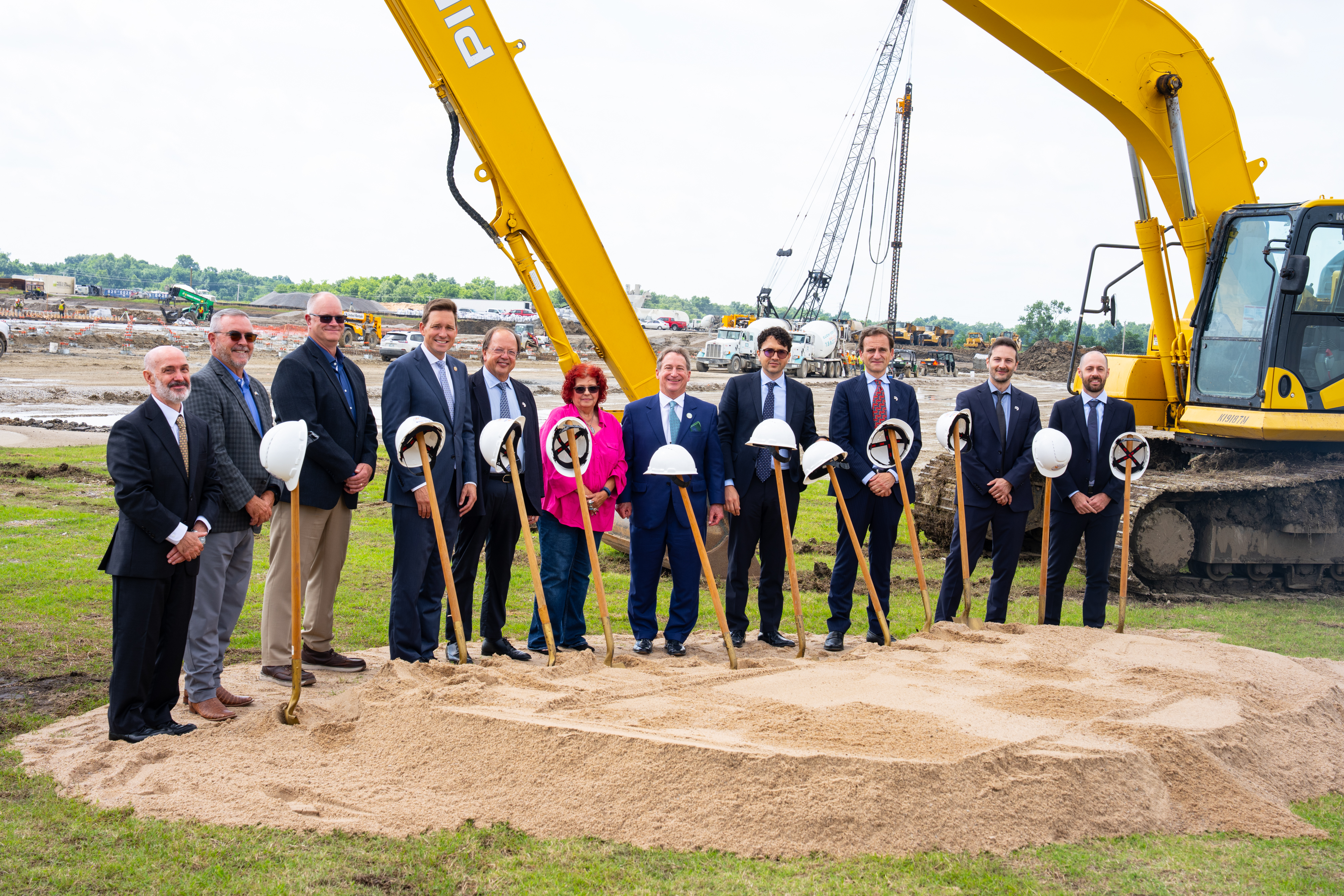
June 4th 2026 – In Inola, Oklahoma, Sofidel America held a groundbreaking ceremony – traditionally marking the start of construction in the United States – for the expansion of its integrated facility in Inola.
Joining Sofidel CEO Luigi Lazzareschi at the event were Oklahoma Lieutenant Governor Matt Pinnell, Inola Mayor Darlene Shear, and other local authorities.
The project, announced over the past few months and representing a total investment of $775 million, includes the construction of a new building to house a 75,000 tonnes per year Valmet Through-Air-Drying (TAD) tissue machine, along with the installation of converting lines with matching capacity, the expansion of the pulp and parent reel warehouse, and the construction of a fully automated finished goods warehouse with 100,000 pallet positions. Overall, approximately 1,000,000 square feet (90,000 square meters) of new built surface area will be developed.
Start-up of the new machine is scheduled for the second quarter of 2028. The Inola facility, fully operational since 2020, will increase its production capacity by more than 50%, reaching over 200,000 tonnes per year, becoming one of the Group’s main production sites globally.
This investment has also been made possible thanks to the strong relationships built over time with local institutions and communities, based on collaboration and continuous support.
In the year of its 60th anniversary, Sofidel is taking another strategic step in the United States to strengthen its offering of premium products and meet the growing demand of an expanding market.
Sofidel Group
The Sofidel Group, headquartered in Porcari (Lucca, Italy), is one of the leading manufacturers of paper for hygienic and household use worldwide. Established in 1966, the Group is active in 13 countries, 12 in Europe and the United States (12 States), with over 9,500 employees and a production capacity of 2,002,000 metric tons per year. In 2025, the Group had Net Sales of 4.018 billion Euros. “Regina”, its most well-known brand, is present on almost all the reference markets. Other brands include: Sopalin, Le Trèfle, Hakle, Softis, Nalys, Cosynel, KittenSoft, Nicky and Papernet.
SLB and Ormat Technologies have selected Desert Peak in Nevada as the preferred location for a planned enhanced geothermal system (EGS) pilot, following a multi-site evaluation across existing geothermal fields.
Understanding subsurface conditions is critical to the successful industrialization of EGS activities. Early evaluation, modeling and simulation of subsurface conditions help reduce uncertainty because geology, stress conditions and heat distribution directly influence project feasibility and long-term reservoir performance.
SLB evaluated multiple Ormat-operated geothermal fields across Nevada using an integrated subsurface workflow. The approach combined geological interpretation, geomechanical analysis and development inputs to enable consistent comparison across candidate sites and address key EGS challenges, including stimulation efficiency, fluid flow consistency, parasitic losses, water loss, and geochemical complications.
Desert Peak emerged as the strongest candidate based on its combination of technical potential and development practicality. The site also benefits from proximity to existing infrastructure, along with defined corridors for potential well placement between known structural features.
With the site selected, the appraisal phase will further refine the development concept and reduce remaining uncertainty. Planned activities include new magnetotelluric and seismic surveys to support development of a 3D mechanical earth model for fracture, thermal, hydraulic and mechanical analysis, as well as optimized well placement and stimulation program design.
This approach reflects SLB and Ormat’s view that a focus on structured, data-driven evaluation is needed to improve development predictability and reduce execution risk in complex geothermal environments, and to scale and industrialize EGS. The work builds on the companies’ October 2025 agreement to co-develop integrated geothermal assets and progress EGS from pilot to commercial deployment.
View original content here.
Too often, rural road improvements occur only after a tragedy. Refusing to accept a reactive approach to infrastructure budget allocation, The Ray recently submitted a joint response with Abley to the USDOT’s ROUTES Initiative Request for Information (RFI). This submission pairs The Ray’s transportation technology focus with Abley’s safety software to deliver a proactive, data-backed methodology already recognized by the FHWA.
The joint roadmap outlines three key pillars to establish a Safe System Approach for the nation’s rural roads:
Predictive Risk Assessment: Evaluating a road’s physical characteristics rather than its crash history to address danger before accidents happen. The work shows that targeting just 6% of high-risk rural networks can prevent up to 20% of severe traffic incidents.
Eliminating Data Deserts: Utilizing AI-driven vision models to automatically generate high-fidelity digital inventories of road assets. This removes the technical burden from understaffed local agencies and gives small communities equal grant readiness.
Network-Wide Safety Treatments: Prioritizing funding for low-cost, high-impact countermeasures like rumble strips and enhanced signage. These Whole-of-Network analysis tools allow rural practitioners to simulate benefits and secure competitive federal funding.
A Blueprint for Prevention
Geographic location should never dictate a community’s safety. By leveraging geospatial and AI analysis, this partnership provides small towns and Tribal Nations with the data fidelity needed to win federal grants. The Ray and its partners are proud to offer the USDOT an actionable path toward a culture of risk prevention and long-term infrastructure resilience.
Published by Las Vegas Sands on May 8, 2026
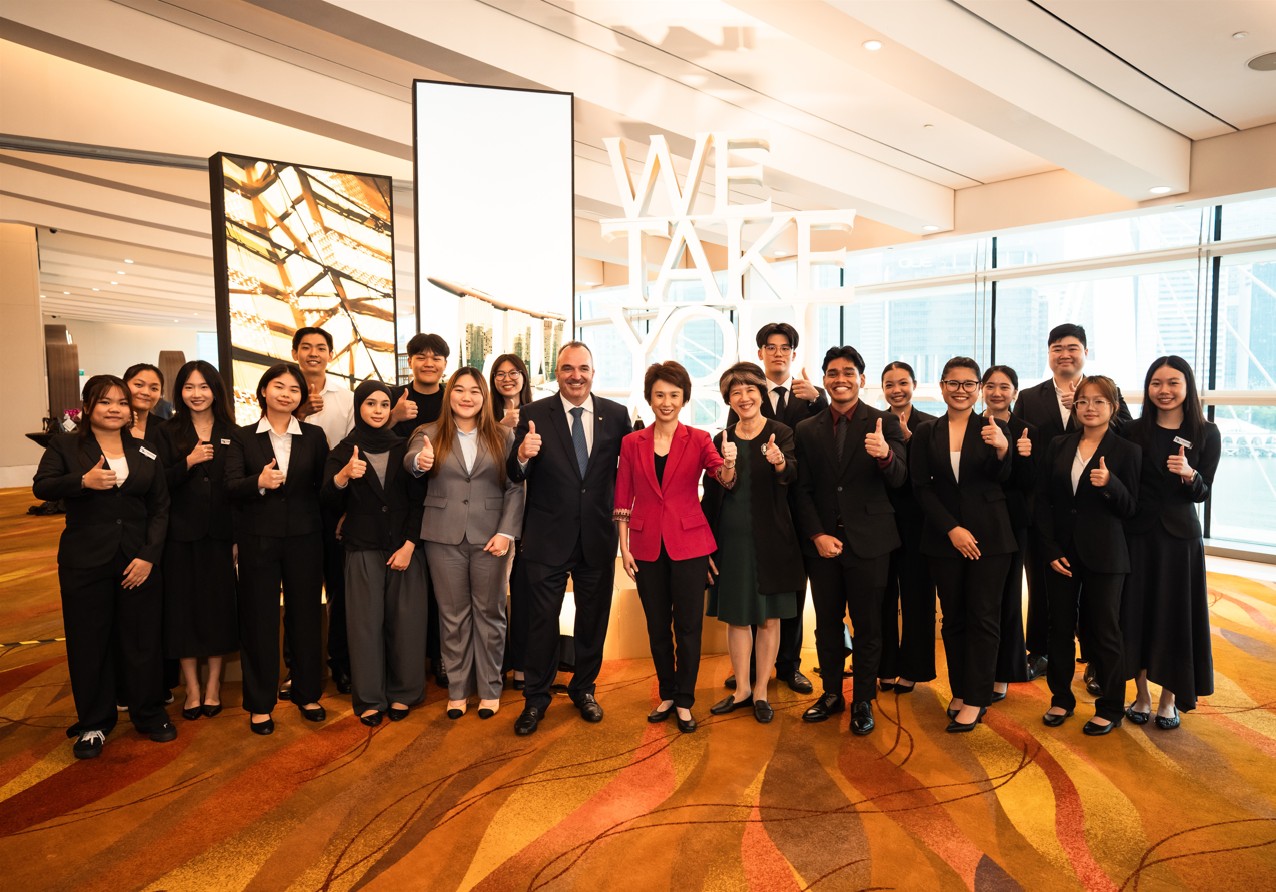
On April 21, Sands and Marina Bay Sands reaffirmed their commitment to nurturing the next generation of hospitality professionals at the Sands Future Talent ceremony to commemorate a commitment of more than $1.5 million to help build a future‑ready and inclusive workforce for Singapore.
Funding will support the second phase of the Sands Hospitality Scholarship Program for students at seven Institutes of Higher Learning (IHLs), as well as an industry-first partnership between Marina Bay Sands and the TomoWork Talent Uplift Program to enable scholarships for undergraduates with disabilities or tailored assistance needs.
Sands Hospitality Scholarship Program
Running from 2026 to 2029, the expanded and evolved Sands Hospitality Scholarship Program will benefit more than 160 Singaporean students who are pursuing hospitality and tourism courses. The IHLs include the Institute of Technical Education, a new member, and existing members Nanyang Polytechnic, Ngee Ann Polytechnic, Republic Polytechnic, Singapore Polytechnic, Temasek Polytechnic and Singapore Institute of Technology.
Marina Bay Sands is complementing the program with participation in the Singapore Industry Scholarship (SgIS) by the Ministry of Education, facilitated by the Singapore Tourism Board. Through this effort, the resort will support scholarships for 10 undergraduates over the next three years.
“From day one, we understood that building a world‑class integrated resort also meant developing quality hospitality talent for Singapore,” Paul Town, chief operating officer of Marina Bay Sands, said. “Over the past 16 years, we’re proud to have helped so many Team Members grow their careers with us and contribute meaningfully to the industry.
“By co‑creating value with educators and industry partners, we and our parent company Sands are strengthening talent pipelines and supporting Singapore’s vision to hone a skills‑first society. As we prepare for our next phase of growth, we remain focused on investing in our people – the single greatest contributor to exceptional service.”
During the ceremony, Marina Bay Sands presented certificates to the third and final group of recipients from the first iteration of the Sands Hospitality Scholarship Program, which was launched in 2022. These scholars are part of more than 100 Singaporean students from six IHLs who have received both financial support and meaningful industry exposure through a series of networking and engagement opportunities at the integrated resort.
“Learning about the vibrant tourism landscapes in Singapore and overseas has given me invaluable insights into how guest experiences are crafted,” Sharifah ‘Aishah Binti Syed Ali Alhinduan, a Sands Hospitality Scholar who is in year three of pursuing a diploma in Tourism Management with Technology at Republic Polytechnic’s School of Hospitality, said. “Being a Sands Hospitality Scholar has strengthened my confidence in this path, and I look forward to contributing and growing in this dynamic industry.”
TomoWork Talent Uplift Program
The ceremony also highlighted Marina Bay Sands’ new partnership with the TomoWork Talent Uplift Program, a first-of-its kind initiative for the hospitality industry. The integrated resort’s nearly $60,000 donation to the program will enable 15 scholarship recipients to pursue their studies and explore inclusive career opportunities with Marina Bay Sands.
The partnership advances TomoWork’s mission to support its clients in the areas of employability, workplace readiness and confidence to succeed in their chosen careers.
“We are delighted to partner with Marina Bay Sands in advancing meaningful and gainful employment opportunities for tertiary students requiring tailored assistance,” Jenny Yang, CEO of TomoWork, said. “This collaboration enables us to further our mission of expanding
opportunities for our program participants alongside an organization that demonstrates strong leadership and generosity in developing future hospitality talent.”
This collaboration underscores Marina Bay Sands’ broader efforts to promote inclusive career opportunities and its vision of cultivating a diverse and resilient workforce equipped to thrive in a changing world. To date, Marina Bay Sands has employed 93 people with disabilities in customer-facing roles in the areas of attractions, food and beverage, and front office operations.
To learn more about Sands’ investments in hospitality education, read the company’s latest ESG report: https://www.sands.com/resources/reports/