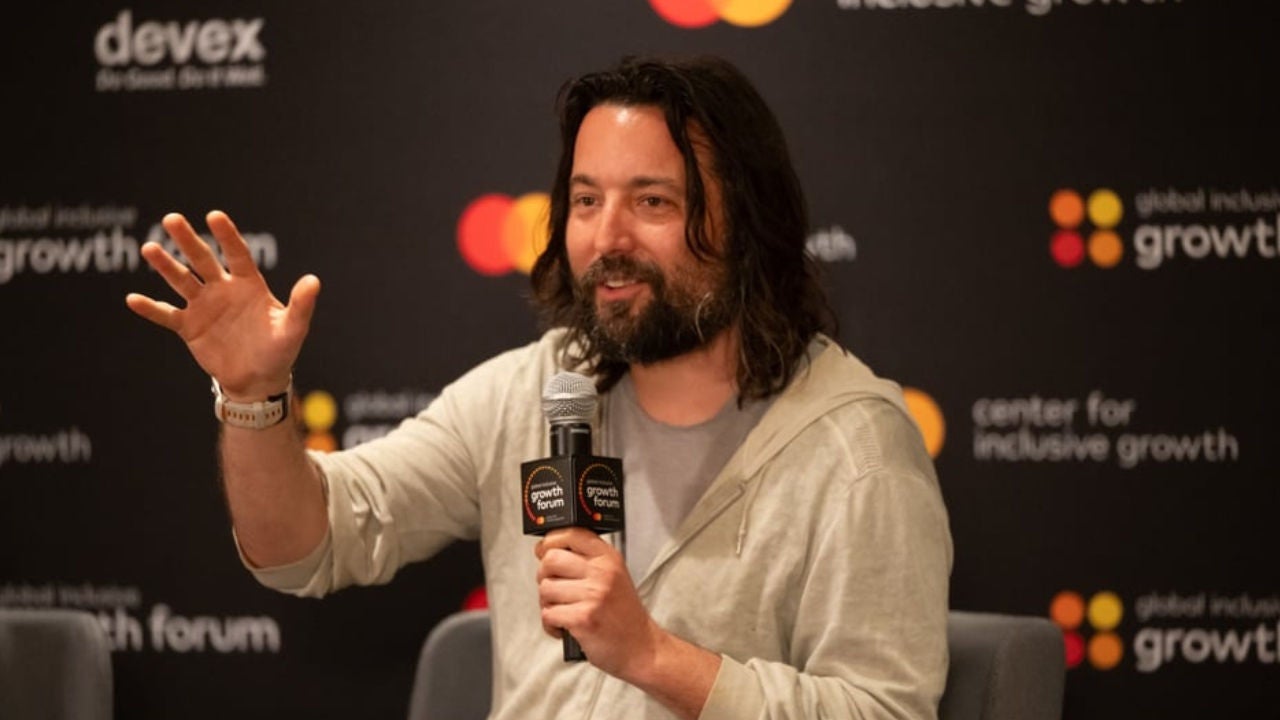
LINCOLN, Neb., May 4, 2026 /3BL/ – The Arbor Day Foundation and Funga are expanding their strategic collaboration to broaden market access for Funga’s biodiversity-powered forest carbon project. This go-to-market partnership builds on the catalytic capital investment made by the Arbor Day Impact Fund in 2025, now evolving into a joint effort with the Foundation, with a shared goal of expanding market access for Funga’s soil restoration work across U.S. forests.

The partnership brings together Funga’s science-driven carbon removals and the Foundation’s corporate partner and buyer network to solve a persistent challenge in the voluntary carbon market: connecting high-integrity carbon removals with companies building credible climate strategies at scale.

“This partnership with Funga aims to demonstrate how reforestation projects can function as durable climate infrastructure—delivering trees planted, land restored, and economic benefits today, while building the financial foundations needed to sustain impact for decades to come,” said Pete Davis, Managing Director of the Arbor Day Impact Fund.

This partnership expands the Foundation’s portfolio with a scientifically rigorous, nature-based removal that meets what their partners are increasingly looking for. For Funga, it creates a meaningful path to scale, expanding native soil restoration across more forests, alongside partners who share that ambition.

“We are proud to expand our collaboration with the Arbor Day Foundation. Their endorsement of Funga’s innovative tech and carbon program traction is a powerful signal to the market, helping us leverage the Foundation’s longstanding relationships to connect our projects with buyers looking to lead on climate and biodiversity,” Colin Averill, Founder and CEO of Funga.

Together, the Arbor Day Foundation and Funga are demonstrating how technical innovation and established market credibility can work in tandem to drive ecosystem restoration and climate impact at scale.

About the Arbor Day Foundation

The Arbor Day Foundation is a global nonprofit inspiring people to plant, nurture, and celebrate trees. They foster a growing community of more than 1 million leaders, innovators, planters, and supporters united by their bold belief that a more hopeful future can be shaped through the power of trees. For more than 50 years, they’ve answered critical need with action, planting more than half a billion trees alongside their partners. And this is only the beginning.

The Arbor Day Foundation is a 501(c)(3) nonprofit pursuing a future where all life flourishes through the power of trees. Learn more at arborday.org.

About Funga

Funga is restoring soil biodiversity to address the climate crisis. By reintroducing native, growth-promoting fungal communities to soils, they are working to accelerate one of the biggest carbon-storing mechanisms on the planet: forests. Trees inoculated with a healthy soil microbiome are reunited with critical symbiotic partners, allowing them to grow faster and stronger — sequestering significantly more carbon in the process.

Funga is a Public Benefit Corporation (PBC) that is dedicated to delivering measurable environmental outcomes and durable economic value through the power of the microbiome. To learn more, go to funga.earth.

###
LINCOLN, Neb., May 4, 2026 /3BL/ – The Arbor Day Foundation and Funga are expanding their strategic collaboration to broaden market access for Funga’s biodiversity-powered forest carbon project. This go-to-market partnership builds on the catalytic capital investment made by the Arbor Day Impact Fund in 2025, now evolving into a joint effort with the Foundation, with a shared goal of expanding market access for Funga’s soil restoration work across U.S. forests.

The partnership brings together Funga’s science-driven carbon removals and the Foundation’s corporate partner and buyer network to solve a persistent challenge in the voluntary carbon market: connecting high-integrity carbon removals with companies building credible climate strategies at scale.

“This partnership with Funga aims to demonstrate how reforestation projects can function as durable climate infrastructure—delivering trees planted, land restored, and economic benefits today, while building the financial foundations needed to sustain impact for decades to come,” said Pete Davis, Managing Director of the Arbor Day Impact Fund.

This partnership expands the Foundation’s portfolio with a scientifically rigorous, nature-based removal that meets what their partners are increasingly looking for. For Funga, it creates a meaningful path to scale, expanding native soil restoration across more forests, alongside partners who share that ambition.

“We are proud to expand our collaboration with the Arbor Day Foundation. Their endorsement of Funga’s innovative tech and carbon program traction is a powerful signal to the market, helping us leverage the Foundation’s longstanding relationships to connect our projects with buyers looking to lead on climate and biodiversity,” Colin Averill, Founder and CEO of Funga.

Together, the Arbor Day Foundation and Funga are demonstrating how technical innovation and established market credibility can work in tandem to drive ecosystem restoration and climate impact at scale.

About the Arbor Day Foundation

The Arbor Day Foundation is a global nonprofit inspiring people to plant, nurture, and celebrate trees. They foster a growing community of more than 1 million leaders, innovators, planters, and supporters united by their bold belief that a more hopeful future can be shaped through the power of trees. For more than 50 years, they’ve answered critical need with action, planting more than half a billion trees alongside their partners. And this is only the beginning.

The Arbor Day Foundation is a 501(c)(3) nonprofit pursuing a future where all life flourishes through the power of trees. Learn more at arborday.org.

About Funga

Funga is restoring soil biodiversity to address the climate crisis. By reintroducing native, growth-promoting fungal communities to soils, they are working to accelerate one of the biggest carbon-storing mechanisms on the planet: forests. Trees inoculated with a healthy soil microbiome are reunited with critical symbiotic partners, allowing them to grow faster and stronger — sequestering significantly more carbon in the process.

Funga is a Public Benefit Corporation (PBC) that is dedicated to delivering measurable environmental outcomes and durable economic value through the power of the microbiome. To learn more, go to funga.earth.

###
By: Vicki Hyman
Director, Global Communications, Mastercard

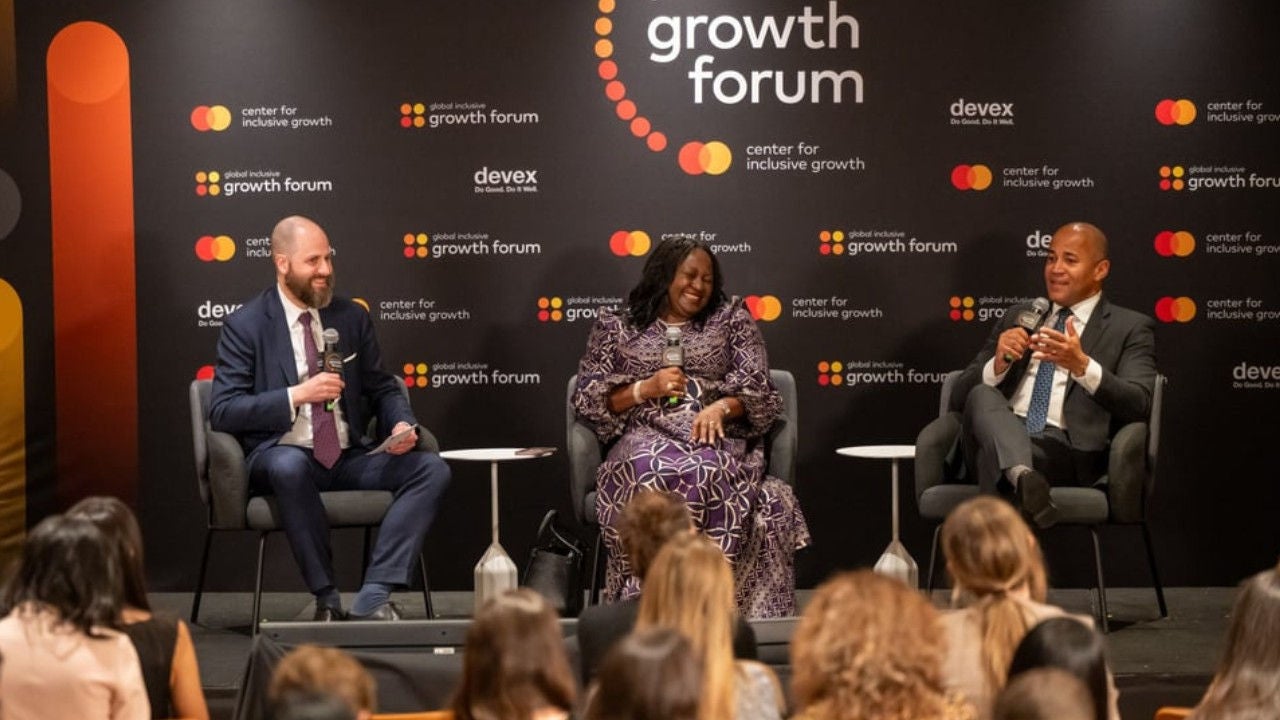
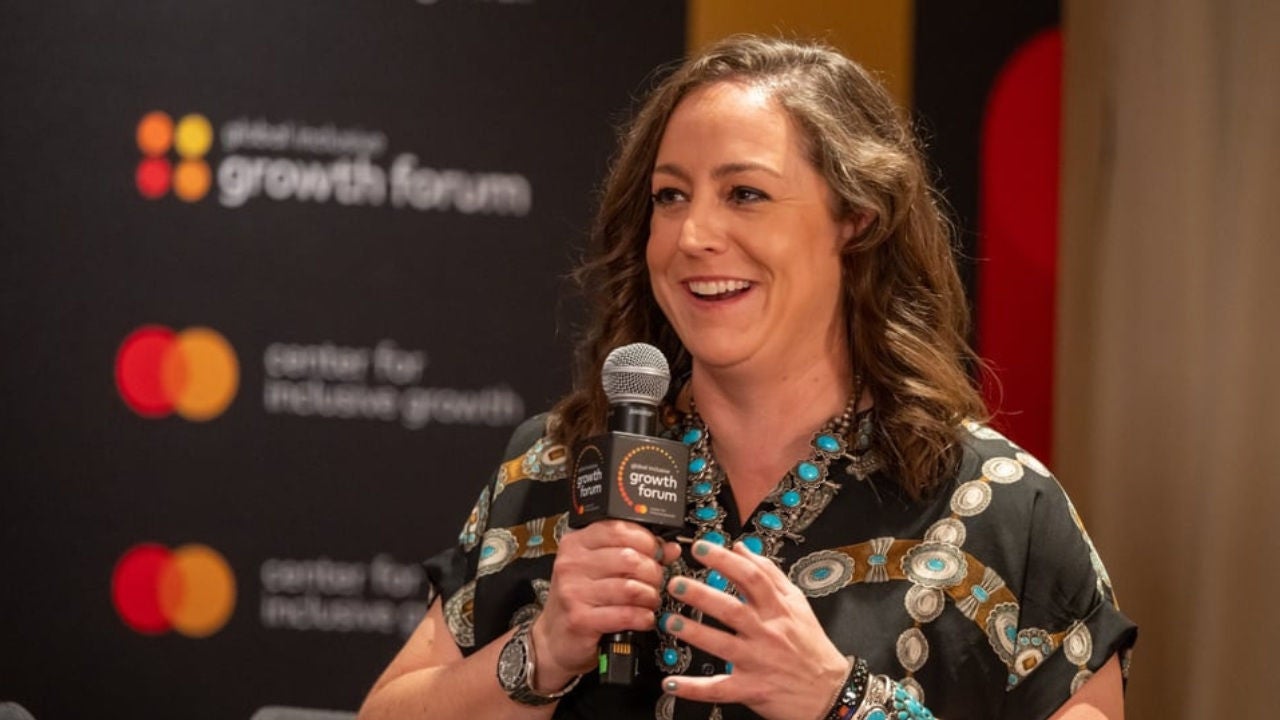
Global development priorities, fast-advancing technologies and shifting consumer behavior are reshaping what financial health looks like and how digital innovations can reach small businesses and those traditionally left behind. At the 2026 Global Inclusive Growth Forum, hosted by the Mastercard Center for Inclusive Growth in Washington, D.C., on Wednesday, leaders from across the public, private and social sectors dug into how digital economies can expand opportunity and deepen resilience. Here are six takeaways from the day.

“If AI is allowing us to rethink how everything works, that actually means there are no legacy limitations for us. We can design new systems that work for the future, that work for today, using 2026 tools. We do not have to use yesterday’s programs and tools and try to retrofit them into today’s system.”

Shamina Singh, the founder and president of the Center for Inclusive Growth, on AI as an opportunity to redesign how markets and institutions work, particularly for those left behind.

“At these events, we all talk about really big figures, but behind every figure is a life, and how they feel about their future. While we know a job on its own is not a guarantee for everything else we want to achieve, we do know that with the absence of that job we can’t make the progress we want to achieve.”

Paschal Donohoe, managing director and chief knowledge officer, World Bank Group, on how understanding personal experiences behind macroeconomic data helps achieve inclusive growth.

Global development priorities, fast-advancing technologies and shifting consumer behavior are reshaping what financial health looks like and how digital innovations can reach small businesses and those traditionally left behind. At the 2026 Global Inclusive Growth Forum, hosted by the Mastercard Center for Inclusive Growth in Washington, D.C., on Wednesday, leaders from across the public, private and social sectors dug into how digital economies can expand opportunity and deepen resilience. Here are six takeaways from the day.

“If AI is allowing us to rethink how everything works, that actually means there are no legacy limitations for us. We can design new systems that work for the future, that work for today, using 2026 tools. We do not have to use yesterday’s programs and tools and try to retrofit them into today’s system.”

Shamina Singh, the founder and president of the Center for Inclusive Growth, on AI as an opportunity to redesign how markets and institutions work, particularly for those left behind.

“At these events, we all talk about really big figures, but behind every figure is a life, and how they feel about their future. While we know a job on its own is not a guarantee for everything else we want to achieve, we do know that with the absence of that job we can’t make the progress we want to achieve.”

Paschal Donohoe, managing director and chief knowledge officer, World Bank Group, on how understanding personal experiences behind macroeconomic data helps achieve inclusive growth.

“All too often, the rise of digital currencies and stablecoins and blockchains and alternative payment systems are treated as a substitute for cash. But if you want a fast, secure, resilient, 21st-century-ready payment system, you have to also include the preservation of cash and then support widespread payment systems optionality.”

Dante Disparte, chief strategy officer and head of Global Policy and Operations at the stablecoin giant Circle, on building better payment systems. 

“We want to support those people who are out there who are going to say, ‘I’m going to take the hit first. My personal financial stability is not as important as my business becoming more stable.’”

Tim Ogden, managing director of the Financial Access Initiative at NYU Wagner, on the findings of his Small Firm Diaries research, which shows most entrepreneurs aren’t chasing hypergrowth but are seeking resiliency.

“It’s about sustaining, but not necessarily taking over the world. I want to make sure that my uniquely American craft continues to thrive, and that comes through slow, intentional work.”

Morgan Buckert, a custom artisan bootmaker based in Idaho and Texas, about being deliberate about growing her small business.

“How do you take the friction down of the reuse moment? The reason we love disposability is it’s so easy to throw something away. So if we’re going to ask someone to bring it back and take that extra effort, we’ve got to take all the friction out of it, because that’s what we’re competing against.”

Tom Szaky, founder and CEO of TerraCycle, a global leader in recycling, recycled content, and reuse, on one of the keys to scaling circular systems. 

Continue reading here

Follow along Mastercard’s journey to connect and power an inclusive, digital economy that benefits everyone, everywhere.


By: Vicki Hyman
Director, Global Communications, Mastercard

Global development priorities, fast-advancing technologies and shifting consumer behavior are reshaping what financial health looks like and how digital innovations can reach small businesses and those traditionally left behind. At the 2026 Global Inclusive Growth Forum, hosted by the Mastercard Center for Inclusive Growth in Washington, D.C., on Wednesday, leaders from across the public, private and social sectors dug into how digital economies can expand opportunity and deepen resilience. Here are six takeaways from the day.

“If AI is allowing us to rethink how everything works, that actually means there are no legacy limitations for us. We can design new systems that work for the future, that work for today, using 2026 tools. We do not have to use yesterday’s programs and tools and try to retrofit them into today’s system.”

Shamina Singh, the founder and president of the Center for Inclusive Growth, on AI as an opportunity to redesign how markets and institutions work, particularly for those left behind.

“At these events, we all talk about really big figures, but behind every figure is a life, and how they feel about their future. While we know a job on its own is not a guarantee for everything else we want to achieve, we do know that with the absence of that job we can’t make the progress we want to achieve.”

Paschal Donohoe, managing director and chief knowledge officer, World Bank Group, on how understanding personal experiences behind macroeconomic data helps achieve inclusive growth.

Global development priorities, fast-advancing technologies and shifting consumer behavior are reshaping what financial health looks like and how digital innovations can reach small businesses and those traditionally left behind. At the 2026 Global Inclusive Growth Forum, hosted by the Mastercard Center for Inclusive Growth in Washington, D.C., on Wednesday, leaders from across the public, private and social sectors dug into how digital economies can expand opportunity and deepen resilience. Here are six takeaways from the day.

“If AI is allowing us to rethink how everything works, that actually means there are no legacy limitations for us. We can design new systems that work for the future, that work for today, using 2026 tools. We do not have to use yesterday’s programs and tools and try to retrofit them into today’s system.”

Shamina Singh, the founder and president of the Center for Inclusive Growth, on AI as an opportunity to redesign how markets and institutions work, particularly for those left behind.

“At these events, we all talk about really big figures, but behind every figure is a life, and how they feel about their future. While we know a job on its own is not a guarantee for everything else we want to achieve, we do know that with the absence of that job we can’t make the progress we want to achieve.”

Paschal Donohoe, managing director and chief knowledge officer, World Bank Group, on how understanding personal experiences behind macroeconomic data helps achieve inclusive growth.

“All too often, the rise of digital currencies and stablecoins and blockchains and alternative payment systems are treated as a substitute for cash. But if you want a fast, secure, resilient, 21st-century-ready payment system, you have to also include the preservation of cash and then support widespread payment systems optionality.”

Dante Disparte, chief strategy officer and head of Global Policy and Operations at the stablecoin giant Circle, on building better payment systems. 

“We want to support those people who are out there who are going to say, ‘I’m going to take the hit first. My personal financial stability is not as important as my business becoming more stable.’”

Tim Ogden, managing director of the Financial Access Initiative at NYU Wagner, on the findings of his Small Firm Diaries research, which shows most entrepreneurs aren’t chasing hypergrowth but are seeking resiliency.

“It’s about sustaining, but not necessarily taking over the world. I want to make sure that my uniquely American craft continues to thrive, and that comes through slow, intentional work.”

Morgan Buckert, a custom artisan bootmaker based in Idaho and Texas, about being deliberate about growing her small business.

“How do you take the friction down of the reuse moment? The reason we love disposability is it’s so easy to throw something away. So if we’re going to ask someone to bring it back and take that extra effort, we’ve got to take all the friction out of it, because that’s what we’re competing against.”

Tom Szaky, founder and CEO of TerraCycle, a global leader in recycling, recycled content, and reuse, on one of the keys to scaling circular systems. 

Continue reading here

Follow along Mastercard’s journey to connect and power an inclusive, digital economy that benefits everyone, everywhere.


CHARLOTTE, N.C., May 4, 2026 /3BL/ – Discovery Education today announced the recipients of its third annual Discovery Education Awards, recognizing districts, schools, and educators who are redefining what impactful teaching and learning look like in today’s classrooms.

As a trusted partner supporting teaching and learning in nearly half of U.S. K-12 schools, Discovery Education established these awards to elevate education leaders addressing education challenges through innovative, student-centered instruction. Award recipients were selected through a competitive national nomination and application process that evaluates evidence of academic growth and the effective use of instructional solutions to meet the evolving needs of students.

At a time when educators are being asked to improve outcomes while engaging learners despite resource constraints and student attention gaps, the 2026 honorees demonstrate how thoughtful design and real-world relevance translate into measurable impact. Together, this year’s winners span eight states and share a commitment to creating learning experiences that are results-focused and relevant. The 2026 Discovery Education Awards recipients are:

Districts of the Year

  • Barbers Hill Independent School District – Texas
  • Waterford School District – Michigan
  • Westinghouse Arts Academy Charter School – Pennsylvania

Schools of the Year

  • Alexander D. Henderson University School, FAU Lab Schools – Florida
  • Alternative Paths Training School – Virginia
  • Armwood High School, Hillsborough County Public Schools – Florida
  • Checotah Intermediate School, Checotah School District – Oklahoma
  • Florida Atlantic University High School, FAU Lab Schools – Florida
  • Phillis Wheatley Elementary School, Woodbridge School District – Delaware

Educators of the Year

  • Dr. Amber Dumbuya, School for Arts Infused Learning – Georgia
  • Milton Fernandez, Miami-Dade County Public Schools – Florida
  • Mayank Handa, Arizona Autism Charter Schools – Arizona
  • Melissa Myer, Lancaster-Lebanon Intermediate Unit 13 – Pennsylvania
  • Holly Thomas, Burke County Public Schools – North Carolina
  • Samantha Westerlind, Cherokee County School District – Georgia

“The recipients of the 2026 Discovery Education Awards represent what’s possible when K-12 learning is grounded in intention and impact,” said Brian Shaw, Chief Executive Officer of Discovery Education. “Across districts and classrooms nationwide, this year’s honorees demonstrate that when instruction is relevant, rigorous, and connected to the real world, engagement deepens and academic growth follows. We established these awards to recognize that commitment, and we applaud how this cohort of leaders and educators turns student potential into progress every day.”

Learn more about the 2026 Discovery Education Awards recipients at www.discoveryeducation.com/de-awards.

###

About Discovery Education
Discovery Education is a global education technology leader whose innovative solutions empower educators and advance student learning. Discovery Education’s solutions have served more than 100 million students globally, supporting effective teaching and learning in 45% of U.S. K-12 schools and in 100+ countries and territories. The company’s portfolio includes award-winning core and supplemental curriculum, high-quality standards-aligned content, and AI-enabled teaching and learning tools. Solutions span math, science, literacy, social studies, and career-connected learning, including instructionally-aligned content developed through one-of-a-kind partnerships with industry leaders to bring real-world relevance into every lesson. Learn more at www.DiscoveryEducation.com.

Contacts
Ali Koper
Discovery Education
Akoper@discoveryed.com

CHARLOTTE, N.C., May 4, 2026 /3BL/ – Discovery Education today announced the recipients of its third annual Discovery Education Awards, recognizing districts, schools, and educators who are redefining what impactful teaching and learning look like in today’s classrooms.

As a trusted partner supporting teaching and learning in nearly half of U.S. K-12 schools, Discovery Education established these awards to elevate education leaders addressing education challenges through innovative, student-centered instruction. Award recipients were selected through a competitive national nomination and application process that evaluates evidence of academic growth and the effective use of instructional solutions to meet the evolving needs of students.

At a time when educators are being asked to improve outcomes while engaging learners despite resource constraints and student attention gaps, the 2026 honorees demonstrate how thoughtful design and real-world relevance translate into measurable impact. Together, this year’s winners span eight states and share a commitment to creating learning experiences that are results-focused and relevant. The 2026 Discovery Education Awards recipients are:

Districts of the Year

  • Barbers Hill Independent School District – Texas
  • Waterford School District – Michigan
  • Westinghouse Arts Academy Charter School – Pennsylvania

Schools of the Year

  • Alexander D. Henderson University School, FAU Lab Schools – Florida
  • Alternative Paths Training School – Virginia
  • Armwood High School, Hillsborough County Public Schools – Florida
  • Checotah Intermediate School, Checotah School District – Oklahoma
  • Florida Atlantic University High School, FAU Lab Schools – Florida
  • Phillis Wheatley Elementary School, Woodbridge School District – Delaware

Educators of the Year

  • Dr. Amber Dumbuya, School for Arts Infused Learning – Georgia
  • Milton Fernandez, Miami-Dade County Public Schools – Florida
  • Mayank Handa, Arizona Autism Charter Schools – Arizona
  • Melissa Myer, Lancaster-Lebanon Intermediate Unit 13 – Pennsylvania
  • Holly Thomas, Burke County Public Schools – North Carolina
  • Samantha Westerlind, Cherokee County School District – Georgia

“The recipients of the 2026 Discovery Education Awards represent what’s possible when K-12 learning is grounded in intention and impact,” said Brian Shaw, Chief Executive Officer of Discovery Education. “Across districts and classrooms nationwide, this year’s honorees demonstrate that when instruction is relevant, rigorous, and connected to the real world, engagement deepens and academic growth follows. We established these awards to recognize that commitment, and we applaud how this cohort of leaders and educators turns student potential into progress every day.”

Learn more about the 2026 Discovery Education Awards recipients at www.discoveryeducation.com/de-awards.

###

About Discovery Education
Discovery Education is a global education technology leader whose innovative solutions empower educators and advance student learning. Discovery Education’s solutions have served more than 100 million students globally, supporting effective teaching and learning in 45% of U.S. K-12 schools and in 100+ countries and territories. The company’s portfolio includes award-winning core and supplemental curriculum, high-quality standards-aligned content, and AI-enabled teaching and learning tools. Solutions span math, science, literacy, social studies, and career-connected learning, including instructionally-aligned content developed through one-of-a-kind partnerships with industry leaders to bring real-world relevance into every lesson. Learn more at www.DiscoveryEducation.com.

Contacts
Ali Koper
Discovery Education
Akoper@discoveryed.com

NASHVILLE, Tenn., May 4, 2026 /PRNewswire/ — As interest in land conservation continues to grow across Tennessee and beyond, Champagne Law Firm provides legal services to assist individuals, families, and business entities exploring the sale or donation of land for conservation purposes. 

Led by attorney Kelly Champagne-Deutekom, the firm brings a unique perspective to conservation transactions by combining legal expertise with real-world, personal experience navigating the process firsthand. This dual insight allows Champagne Law Firm to provide clients with strategic, practical guidance when considering how to preserve land while maximizing financial and legacy outcomes. 

“Land conservation is not just a transaction, it is a long-term decision that impacts families, communities, and future generations,” said Attorney Champagne-Deutekom. “Having personally navigated this process, I understand both the opportunities and complexities involved. Our goal is to help clients make informed decisions that align with their financial goals and their vision for the land.” 

Have you been approached by a conservation group seeking to purchase your property?

While these offers are often rooted in environmental preservation and public benefit, they can involve complex legal and financial considerations that should not be overlooked. Conservation purchases may include permanent land use restrictions, specialized valuation methods, tax implications, and coordination with land trusts or government entities. Before moving forward, property owners should carefully evaluate the terms of the offer, understand how it aligns with their long-term financial and estate planning goals, and ensure that any agreement is properly structured to protect their interests while preserving the intended legacy of the land. 

National Land Conservation Groups Active in Tennessee

When looking at the some of largest national land conservation groups operating in Tennessee, several stand out based on scale, national footprint, and active projects within the state. These are among the organizations most likely to be involved in major land purchases, conservation easements, or structured transactions with landowners. Landowners may be approached by well-known conservation organizations, including: 

The Nature Conservancy – Large-scale acquisitions and conservation easements
The Conservation Fund – Fast, creative purchase structures and public-private partnerships
Trust for Public Land – Parkland, greenways, and public-use acquisitions
Ducks Unlimited – Wetlands, farmland, and habitat-focused transactions

While these organizations bring significant resources and conservation expertise, the legal and financial structures behind these transactions are often complex. In our experience, the assistance of legal counsel can be a valuable resource to ensure your interests, tax position, and long-term objectives are fully protected. Champagne Law Firm works with clients seeking to integrate land preservation into broader wealth and succession strategies. With deep roots in Middle and East Tennessee, the firm recognizes the growing importance of conservation in areas experiencing rapid development. 

How Conservation Groups Typically Interact with Landowners

Across these major organizations, most transactions fall into a few categories:

  • Outright purchase (full sale of property)
  • Conservation easement (you retain ownership but restrict development)
  • Bargain sale (partial donation combined with a discounted sale)
  • Full donation (often tied to tax planning strategies)

These transactions often involve:

  • Permanent restrictions on land use
  • IRS-qualified appraisals
  • Coordination with federal and state funding
  • Long-term stewardship obligations

Champagne Law Firm

Champagne Law Firm is a full-service law firm with offices in Sevierville, Nashville, and Rogersville, Tennessee, serving clients across Middle and East Tennessee. The firm focuses on complex estate planning, business transactions, and litigation, with a commitment to delivering strategic and efficient legal representation. 

The firm is particularly known for its work with high-net-worth individuals and entrepreneurs, helping clients navigate sophisticated legal structures designed to preserve wealth, facilitate business succession, and protect generational assets. Founded by Kelly Champagne-Deutekom, the firm reflects a unique combination of legal and financial experience. Before becoming an attorney, Kelly Champagne-Deutekom was one of the youngest licensed financial advisors in the country while attending Vanderbilt University. Her background in wealth management, investment advisory services, and insurance planning provides a distinct approach in handling complex legal matters involving high-value assets, business interests, and long-term planning.

The firm is uniquely positioned at the intersection of finance and law, delivering strategic legal solutions tailored to each client’s objectives.

For more information about Champagne Law Firm and its conservation-related legal services, please visit: www.champagne.law

Contact Information:
Champagne Law Firm
Kelly Champagne-Deutekom Esq.
T.   865-228-8080
E.   frontdesk@champagne.law
W.  www.champagne.law

Cision View original content to download multimedia:https://www.prnewswire.com/news-releases/from-landowner-to-advocate-tennessee-attorney-helps-others-considering-selling-or-donating-land-for-conservation-302760868.html

SOURCE Champagne Law Firm

NASHVILLE, Tenn., May 4, 2026 /PRNewswire/ — As interest in land conservation continues to grow across Tennessee and beyond, Champagne Law Firm provides legal services to assist individuals, families, and business entities exploring the sale or donation of land for conservation purposes. 

Led by attorney Kelly Champagne-Deutekom, the firm brings a unique perspective to conservation transactions by combining legal expertise with real-world, personal experience navigating the process firsthand. This dual insight allows Champagne Law Firm to provide clients with strategic, practical guidance when considering how to preserve land while maximizing financial and legacy outcomes. 

“Land conservation is not just a transaction, it is a long-term decision that impacts families, communities, and future generations,” said Attorney Champagne-Deutekom. “Having personally navigated this process, I understand both the opportunities and complexities involved. Our goal is to help clients make informed decisions that align with their financial goals and their vision for the land.” 

Have you been approached by a conservation group seeking to purchase your property?

While these offers are often rooted in environmental preservation and public benefit, they can involve complex legal and financial considerations that should not be overlooked. Conservation purchases may include permanent land use restrictions, specialized valuation methods, tax implications, and coordination with land trusts or government entities. Before moving forward, property owners should carefully evaluate the terms of the offer, understand how it aligns with their long-term financial and estate planning goals, and ensure that any agreement is properly structured to protect their interests while preserving the intended legacy of the land. 

National Land Conservation Groups Active in Tennessee

When looking at the some of largest national land conservation groups operating in Tennessee, several stand out based on scale, national footprint, and active projects within the state. These are among the organizations most likely to be involved in major land purchases, conservation easements, or structured transactions with landowners. Landowners may be approached by well-known conservation organizations, including: 

The Nature Conservancy – Large-scale acquisitions and conservation easements
The Conservation Fund – Fast, creative purchase structures and public-private partnerships
Trust for Public Land – Parkland, greenways, and public-use acquisitions
Ducks Unlimited – Wetlands, farmland, and habitat-focused transactions

While these organizations bring significant resources and conservation expertise, the legal and financial structures behind these transactions are often complex. In our experience, the assistance of legal counsel can be a valuable resource to ensure your interests, tax position, and long-term objectives are fully protected. Champagne Law Firm works with clients seeking to integrate land preservation into broader wealth and succession strategies. With deep roots in Middle and East Tennessee, the firm recognizes the growing importance of conservation in areas experiencing rapid development. 

How Conservation Groups Typically Interact with Landowners

Across these major organizations, most transactions fall into a few categories:

  • Outright purchase (full sale of property)
  • Conservation easement (you retain ownership but restrict development)
  • Bargain sale (partial donation combined with a discounted sale)
  • Full donation (often tied to tax planning strategies)

These transactions often involve:

  • Permanent restrictions on land use
  • IRS-qualified appraisals
  • Coordination with federal and state funding
  • Long-term stewardship obligations

Champagne Law Firm

Champagne Law Firm is a full-service law firm with offices in Sevierville, Nashville, and Rogersville, Tennessee, serving clients across Middle and East Tennessee. The firm focuses on complex estate planning, business transactions, and litigation, with a commitment to delivering strategic and efficient legal representation. 

The firm is particularly known for its work with high-net-worth individuals and entrepreneurs, helping clients navigate sophisticated legal structures designed to preserve wealth, facilitate business succession, and protect generational assets. Founded by Kelly Champagne-Deutekom, the firm reflects a unique combination of legal and financial experience. Before becoming an attorney, Kelly Champagne-Deutekom was one of the youngest licensed financial advisors in the country while attending Vanderbilt University. Her background in wealth management, investment advisory services, and insurance planning provides a distinct approach in handling complex legal matters involving high-value assets, business interests, and long-term planning.

The firm is uniquely positioned at the intersection of finance and law, delivering strategic legal solutions tailored to each client’s objectives.

For more information about Champagne Law Firm and its conservation-related legal services, please visit: www.champagne.law

Contact Information:
Champagne Law Firm
Kelly Champagne-Deutekom Esq.
T.   865-228-8080
E.   frontdesk@champagne.law
W.  www.champagne.law

Cision View original content to download multimedia:https://www.prnewswire.com/news-releases/from-landowner-to-advocate-tennessee-attorney-helps-others-considering-selling-or-donating-land-for-conservation-302760868.html

SOURCE Champagne Law Firm

Pro-Khalistan Group Calls on NYC Mayor to Withdraw Koh-i-Noor Remarks
In Light of the Historical Record.

NEW YORK, May 4, 2026 /PRNewswire/ — Sikhs For Justice (SFJ) has sent a formal memorandum to Mayor Mamdani demanding that he withdraw and clarify his Koh-i-Noor statement in light of the historical record. SFJ stated that the Mayor’s remarks create a false impression that the Koh-i-Noor is associated with India, a claim not supported by documented history. The memorandum follows his statement during the visit of King Charles III to the 9/11 Memorial that he would “encourage the King to return the Koh-i-Noor.”

SFJ issued a fact-check stating that the Koh-i-Noor was not taken from India, and that any claim framing the diamond as “India’s” is bogus and not supported by the historical record.

SFJ stated that the Koh-i-Noor is an asset of the Sikh Empire of Punjab and is currently in the possession of the British Government. The organization noted that the Union of India came into existence only in 1947, and that no sovereign country called India existed in 1849.

SFJ cited the Treaty of Lahore (29 March 1849), under which the Koh-i-Noor was formally transferred to the British Crown. The treaty records:

“The gem called the Koh-i-Noor, which was taken from Shah Shuja Durrani by Maharaja Ranjit Singh, shall be surrendered by the Maharaja of Lahore to the Queen of England.”

Gurpatwant Singh Pannun, General Counsel for SFJ, stated:

“Mayor Mamdani amplified India’s bogus claim over the Koh-i-Noor — as historical documents prove it was transferred following the annexation of Punjab under the 1849 Treaty of Lahore.”

“As a New York City Mayor, public statements must reflect verified historical facts, not political narratives.”

SFJ reiterated that the Koh-i-Noor remains in the possession of the British Government, while its historical and legal origin lies with the Sikh Empire of Punjab.

“The Democratic Republic of Khalistan, once established, will take over possession of the Koh-i-Noor from the UK Government through international law,” Pannun added.

During the visit, pro-Khalistan Sikhs challenged the transfer of Punjab to the Union of India as “1947 — Britain’s Blunder” and held a “RIGHT THE 1947 WRONG” rally seeking support for the Khalistan Referendum.

Issued by:

Gurpatwant Singh Pannun
General Counsel – Sikhs For Justice

Cision View original content to download multimedia:https://www.prnewswire.com/news-releases/koh-i-noor-sikh-empires-diamond-not-indias-302760484.html

SOURCE Sikhs For Justice

Pro-Khalistan Group Calls on NYC Mayor to Withdraw Koh-i-Noor Remarks
In Light of the Historical Record.

NEW YORK, May 4, 2026 /PRNewswire/ — Sikhs For Justice (SFJ) has sent a formal memorandum to Mayor Mamdani demanding that he withdraw and clarify his Koh-i-Noor statement in light of the historical record. SFJ stated that the Mayor’s remarks create a false impression that the Koh-i-Noor is associated with India, a claim not supported by documented history. The memorandum follows his statement during the visit of King Charles III to the 9/11 Memorial that he would “encourage the King to return the Koh-i-Noor.”

SFJ issued a fact-check stating that the Koh-i-Noor was not taken from India, and that any claim framing the diamond as “India’s” is bogus and not supported by the historical record.

SFJ stated that the Koh-i-Noor is an asset of the Sikh Empire of Punjab and is currently in the possession of the British Government. The organization noted that the Union of India came into existence only in 1947, and that no sovereign country called India existed in 1849.

SFJ cited the Treaty of Lahore (29 March 1849), under which the Koh-i-Noor was formally transferred to the British Crown. The treaty records:

“The gem called the Koh-i-Noor, which was taken from Shah Shuja Durrani by Maharaja Ranjit Singh, shall be surrendered by the Maharaja of Lahore to the Queen of England.”

Gurpatwant Singh Pannun, General Counsel for SFJ, stated:

“Mayor Mamdani amplified India’s bogus claim over the Koh-i-Noor — as historical documents prove it was transferred following the annexation of Punjab under the 1849 Treaty of Lahore.”

“As a New York City Mayor, public statements must reflect verified historical facts, not political narratives.”

SFJ reiterated that the Koh-i-Noor remains in the possession of the British Government, while its historical and legal origin lies with the Sikh Empire of Punjab.

“The Democratic Republic of Khalistan, once established, will take over possession of the Koh-i-Noor from the UK Government through international law,” Pannun added.

During the visit, pro-Khalistan Sikhs challenged the transfer of Punjab to the Union of India as “1947 — Britain’s Blunder” and held a “RIGHT THE 1947 WRONG” rally seeking support for the Khalistan Referendum.

Issued by:

Gurpatwant Singh Pannun
General Counsel – Sikhs For Justice

Cision View original content to download multimedia:https://www.prnewswire.com/news-releases/koh-i-noor-sikh-empires-diamond-not-indias-302760484.html

SOURCE Sikhs For Justice

Privacy Overview

This website uses cookies so that we can provide you with the best user experience possible. Cookie information is stored in your browser and performs functions such as recognising you when you return to our website and helping our team to understand which sections of the website you find most interesting and useful.