Originally published by MIT Technology Review Insights
In partnership with Everpure

Loudoun County, Virginia, once known for its pastoral scenery and proximity to Washington, DC, has earned a more modern reputation in recent years: The area has the highest concentration of data centers on the planet.

Ten years ago, these facilities powered email and e-commerce. Today, thanks to the meteoric rise in demand for AI-infused everything, local utility Dominion Energy is working hard to keep pace with surging power demands. The pressure is so acute that Dulles International Airport is constructing the largest airport solar installation in the country, a highly visible bid to bolster the region’s power mix.

Prioritizing energy intelligence for sustainable growth

DOWNLOAD THE REPORT

Data center campuses like Loudoun’s are cropping up across the country to accommodate an insatiable appetite for AI. But this buildout comes at an enormous cost. In the US alone, data centers consumed roughly 4% of national electricity in 2024. Projections suggest that figure could stretch to 12% by 2028. To put this in perspective, a single 100-megawatt data center consumes roughly as much electricity as 80,000 American homes. Data centers being built today are gearing up for gigawatt scale, enough to power a mid-sized city.

For enterprise leaders, energy costs associated with AI and data infrastructure are quickly becoming both a budget concern and a potential bottleneck on growth. Meeting this moment calls for a capability most organizations are only beginning to develop: energy intelligence. The emerging discipline refers to understanding where, when, and why energy is consumed, and using that insight to optimize operations and control costs.

These efforts stand to address both immediate financial pressures and longer-term reputational risks, as communities like Loudoun County grow increasingly concerned about the energy demands associated with nearby data center development.

In December 2025, MIT Technology Review Insights conducted a survey of 300 executives to understand how companies are thinking about energy intelligence today, as well as where they’re anticipating challenges in the future.

Here are five of our most notable findings:

  • Energy intelligence is becoming a universal business priority. One hundred percent of executives surveyed expect the ability to measure and strategically manage power consumption to become an important business metric in the next two years.
  • AI workloads are already driving measurable cost increases, and the surge is just beginning. Two-thirds of executives (68%) report their companies have faced energy cost increases of 10% or more in the past 12 months due to AI and data workloads. Nearly all respondents (97%) anticipate their organization’s AI-related energy consumption will increase over the next 12-18 months.
  • Mounting costs are the top energy-related threat to AI innovation. Half of executives (51%) rank rising costs as the single greatest energy-related risk to their digital and AI initiatives. Most companies currently tracking and attempting to optimize data center energy consumption are motivated by cost management.
  • Organizations are responding through infrastructure optimization and energy-efficient partnerships. To address mounting energy demands, three in four leaders (74%) are optimizing existing infrastructure, while 69% are partnering with energy-efficient cloud and storage providers. More than half are also implementing AI workload scheduling (61%) and investing in more efficient hardware (56%).
  • Closing the measurement gap is the next frontier. Most enterprises still lack the granular data needed for true energy intelligence. This gap is especially pronounced for companies relying on third-party cloud providers and managed services for their data compute and storage needs, where 71% say rising consumption-based costs originate, yet energy metrics are often opaque.

Download the full report.

This content was produced by Insights, the custom content arm of MIT Technology Review. It was not written by MIT Technology Review’s editorial staff. It was researched, designed, and written by human writers, editors, analysts, and illustrators. This includes the writing of surveys and collection of data for surveys. AI tools that may have been used were limited to secondary production processes that passed thorough human review.

Originally published by MIT Technology Review Insights
In partnership with Everpure

Loudoun County, Virginia, once known for its pastoral scenery and proximity to Washington, DC, has earned a more modern reputation in recent years: The area has the highest concentration of data centers on the planet.

Ten years ago, these facilities powered email and e-commerce. Today, thanks to the meteoric rise in demand for AI-infused everything, local utility Dominion Energy is working hard to keep pace with surging power demands. The pressure is so acute that Dulles International Airport is constructing the largest airport solar installation in the country, a highly visible bid to bolster the region’s power mix.

Prioritizing energy intelligence for sustainable growth

DOWNLOAD THE REPORT

Data center campuses like Loudoun’s are cropping up across the country to accommodate an insatiable appetite for AI. But this buildout comes at an enormous cost. In the US alone, data centers consumed roughly 4% of national electricity in 2024. Projections suggest that figure could stretch to 12% by 2028. To put this in perspective, a single 100-megawatt data center consumes roughly as much electricity as 80,000 American homes. Data centers being built today are gearing up for gigawatt scale, enough to power a mid-sized city.

For enterprise leaders, energy costs associated with AI and data infrastructure are quickly becoming both a budget concern and a potential bottleneck on growth. Meeting this moment calls for a capability most organizations are only beginning to develop: energy intelligence. The emerging discipline refers to understanding where, when, and why energy is consumed, and using that insight to optimize operations and control costs.

These efforts stand to address both immediate financial pressures and longer-term reputational risks, as communities like Loudoun County grow increasingly concerned about the energy demands associated with nearby data center development.

In December 2025, MIT Technology Review Insights conducted a survey of 300 executives to understand how companies are thinking about energy intelligence today, as well as where they’re anticipating challenges in the future.

Here are five of our most notable findings:

  • Energy intelligence is becoming a universal business priority. One hundred percent of executives surveyed expect the ability to measure and strategically manage power consumption to become an important business metric in the next two years.
  • AI workloads are already driving measurable cost increases, and the surge is just beginning. Two-thirds of executives (68%) report their companies have faced energy cost increases of 10% or more in the past 12 months due to AI and data workloads. Nearly all respondents (97%) anticipate their organization’s AI-related energy consumption will increase over the next 12-18 months.
  • Mounting costs are the top energy-related threat to AI innovation. Half of executives (51%) rank rising costs as the single greatest energy-related risk to their digital and AI initiatives. Most companies currently tracking and attempting to optimize data center energy consumption are motivated by cost management.
  • Organizations are responding through infrastructure optimization and energy-efficient partnerships. To address mounting energy demands, three in four leaders (74%) are optimizing existing infrastructure, while 69% are partnering with energy-efficient cloud and storage providers. More than half are also implementing AI workload scheduling (61%) and investing in more efficient hardware (56%).
  • Closing the measurement gap is the next frontier. Most enterprises still lack the granular data needed for true energy intelligence. This gap is especially pronounced for companies relying on third-party cloud providers and managed services for their data compute and storage needs, where 71% say rising consumption-based costs originate, yet energy metrics are often opaque.

Download the full report.

This content was produced by Insights, the custom content arm of MIT Technology Review. It was not written by MIT Technology Review’s editorial staff. It was researched, designed, and written by human writers, editors, analysts, and illustrators. This includes the writing of surveys and collection of data for surveys. AI tools that may have been used were limited to secondary production processes that passed thorough human review.

In recognition of National Volunteer Month, employees across WK Kellogg came together throughout April to support their communities in meaningful and lasting ways, contributing more than 950 volunteer hours in just one month.

From food security and disaster response to housing projects and community events, teams across multiple locations demonstrated a shared commitment to service and impact. These efforts reflect WK’s ongoing focus on bettering our communities, and on fostering a culture rooted in care, collaboration and purpose.

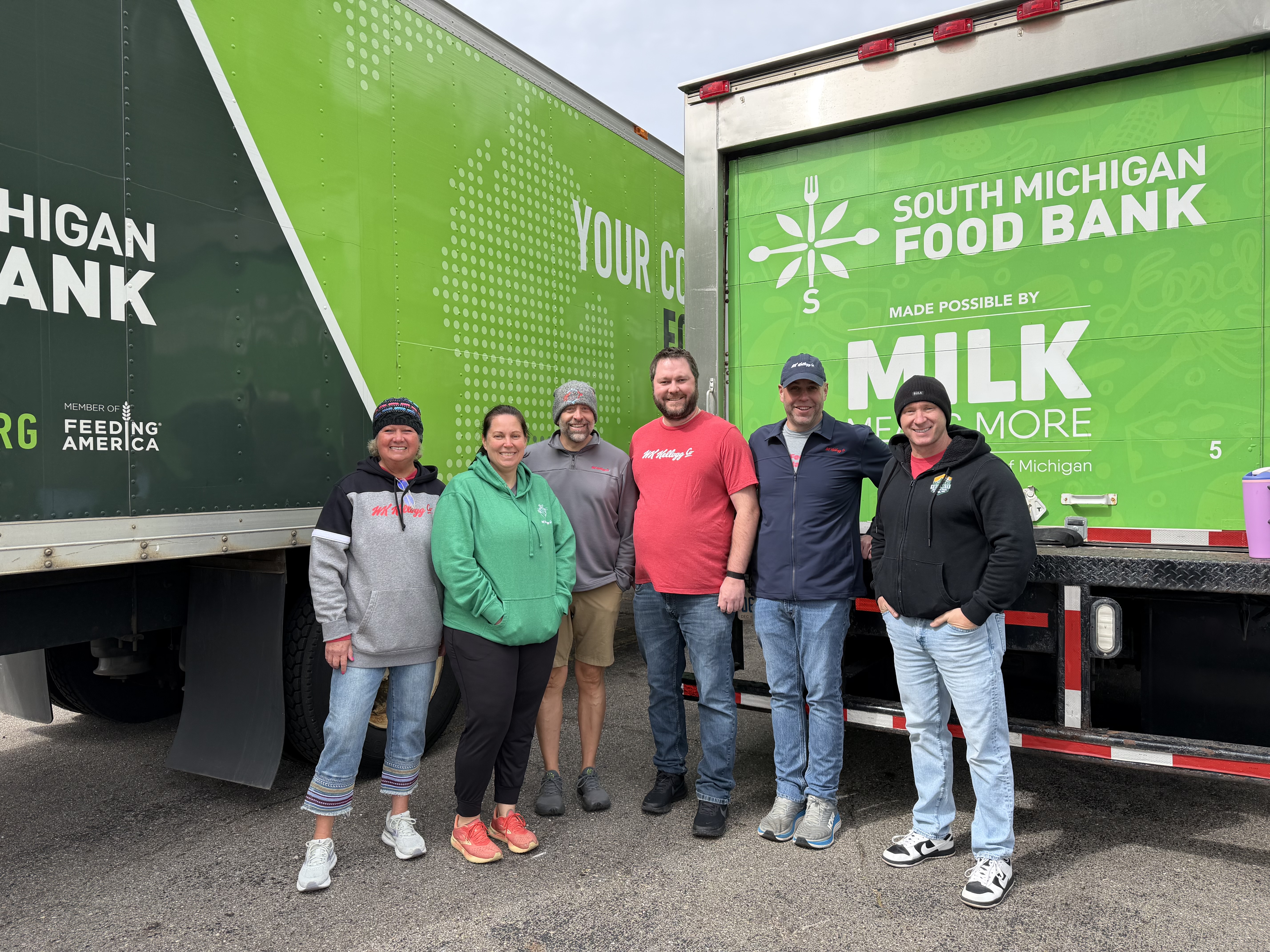
WK employees helping to distribute food at the Mobile Market in Union City.

Supporting Communities Where It’s Needed Most

Across Battle Creek, Belleville, Lancaster, Mexicali and additional locations, employees volunteered their time and talents to address critical local needs.

In Battle Creek, teams supported food security initiatives and disaster response efforts, helping families impacted by severe weather and ensuring access to essential resources. Employees also partnered with local organizations to contribute to housing projects aimed at supporting families in need.

Elsewhere, WK locations found meaningful ways to give back locally. Teams collaborated with food banks, prepared meals for community programs, supported local events, and assisted families facing food insecurity.

The Battle Creek plant team volunteering with Habitat for Humanity

A Culture of Service

While National Volunteer Month offers a moment to spotlight service, volunteerism is not confined to April alone. WK employees regularly engage with nonprofit partners and community organizations throughout the year, supported by company programs that encourage and enable giving back.

The more than 950 hours volunteered in April represent more than time; they reflect compassion, teamwork and a collective dedication to making a difference. Employees across functions and locations stepped forward, often working side by side, to improve lives and strengthen their communities.

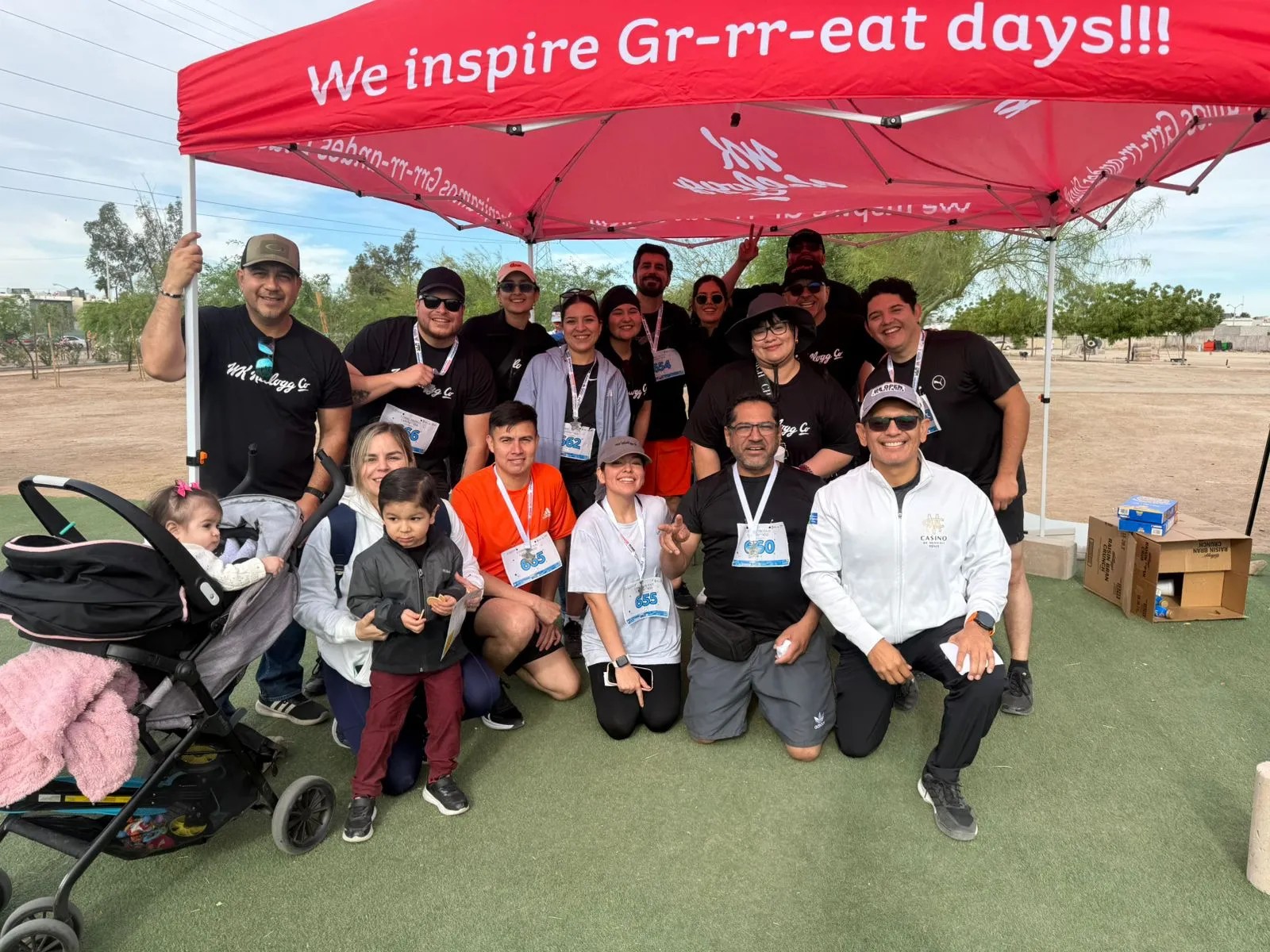
Mexicali team handing out food and cheering on participants at a local race.

Looking Ahead

WK is proud of the impact made possible by the dedication of its employees and grateful to everyone who volunteered their time during National Volunteer Month 2026. Together, these efforts help build stronger communities today, and a more hopeful tomorrow.

In recognition of National Volunteer Month, employees across WK Kellogg came together throughout April to support their communities in meaningful and lasting ways, contributing more than 950 volunteer hours in just one month.

From food security and disaster response to housing projects and community events, teams across multiple locations demonstrated a shared commitment to service and impact. These efforts reflect WK’s ongoing focus on bettering our communities, and on fostering a culture rooted in care, collaboration and purpose.

WK employees helping to distribute food at the Mobile Market in Union City.

Supporting Communities Where It’s Needed Most

Across Battle Creek, Belleville, Lancaster, Mexicali and additional locations, employees volunteered their time and talents to address critical local needs.

In Battle Creek, teams supported food security initiatives and disaster response efforts, helping families impacted by severe weather and ensuring access to essential resources. Employees also partnered with local organizations to contribute to housing projects aimed at supporting families in need.

Elsewhere, WK locations found meaningful ways to give back locally. Teams collaborated with food banks, prepared meals for community programs, supported local events, and assisted families facing food insecurity.

The Battle Creek plant team volunteering with Habitat for Humanity

A Culture of Service

While National Volunteer Month offers a moment to spotlight service, volunteerism is not confined to April alone. WK employees regularly engage with nonprofit partners and community organizations throughout the year, supported by company programs that encourage and enable giving back.

The more than 950 hours volunteered in April represent more than time; they reflect compassion, teamwork and a collective dedication to making a difference. Employees across functions and locations stepped forward, often working side by side, to improve lives and strengthen their communities.

Mexicali team handing out food and cheering on participants at a local race.

Looking Ahead

WK is proud of the impact made possible by the dedication of its employees and grateful to everyone who volunteered their time during National Volunteer Month 2026. Together, these efforts help build stronger communities today, and a more hopeful tomorrow.

In recognition of National Volunteer Month, employees across WK Kellogg came together throughout April to support their communities in meaningful and lasting ways, contributing more than 950 volunteer hours in just one month.

From food security and disaster response to housing projects and community events, teams across multiple locations demonstrated a shared commitment to service and impact. These efforts reflect WK’s ongoing focus on bettering our communities, and on fostering a culture rooted in care, collaboration and purpose.

WK employees helping to distribute food at the Mobile Market in Union City.

Supporting Communities Where It’s Needed Most

Across Battle Creek, Belleville, Lancaster, Mexicali and additional locations, employees volunteered their time and talents to address critical local needs.

In Battle Creek, teams supported food security initiatives and disaster response efforts, helping families impacted by severe weather and ensuring access to essential resources. Employees also partnered with local organizations to contribute to housing projects aimed at supporting families in need.

Elsewhere, WK locations found meaningful ways to give back locally. Teams collaborated with food banks, prepared meals for community programs, supported local events, and assisted families facing food insecurity.

The Battle Creek plant team volunteering with Habitat for Humanity

A Culture of Service

While National Volunteer Month offers a moment to spotlight service, volunteerism is not confined to April alone. WK employees regularly engage with nonprofit partners and community organizations throughout the year, supported by company programs that encourage and enable giving back.

The more than 950 hours volunteered in April represent more than time; they reflect compassion, teamwork and a collective dedication to making a difference. Employees across functions and locations stepped forward, often working side by side, to improve lives and strengthen their communities.

Mexicali team handing out food and cheering on participants at a local race.

Looking Ahead

WK is proud of the impact made possible by the dedication of its employees and grateful to everyone who volunteered their time during National Volunteer Month 2026. Together, these efforts help build stronger communities today, and a more hopeful tomorrow.

At Medtronic, supporting mental health means offering employees practical tools they can use in real life — from counseling and therapy resources, to digital well‑being tools for managing stress, to employee networks that foster connection and belonging. These resources recognize that mental health exists on a spectrum and is an essential part of overall well-being.

Confidential support through the Employee Assistance Program (EAP)

For any struggles employees may face, help is only a phone call away. The Medtronic EAP offers a variety of services at no cost, from help finding childcare to free financial consultations and confidential mental health counseling. All are available through a 24-hour phone line, and they’re not just for employees — household family members can also take advantage of EAP services.

Everyday mental well-being tools with Headspace

Mental health isn’t only about support during difficult moments. It’s also about caring for yourself day to day. Headspace offers effective, convenient, and confidential mental health support from the privacy of your smartphone. Available to employees and their family members (age 13+), Headspace can help with anything from stress and depression to issues with work and relationships.

Support for neurodiversity in the workplace

Resources are available to support neurodivergent employees and those who support them. These tools help promote understanding, inclusion, and practical support — recognizing that different ways of thinking and working are part of a healthy, innovative workplace. Resources are available through Rethink Care for employees.

Networks and ERGs that foster connection and belonging

Social connection is a critical part of mental well-being. Employee networks and resource groups bring employees together around shared identities, experiences, and interests — creating spaces for connection, dialogue, and peer support across the organization.

Well-being grants to support team-based initiatives

Employees can apply for a well-being grant to support initiatives that promote well-being within their teams. These grants empower employees to bring ideas to life that encourage connection, balance, and a healthier work experience.

Supporting employee well-being helps foster innovation, collaboration, and a culture of care — helping employees do their best work for the patients and communities they serve.

Learn more about Medtronic here.

At Medtronic, supporting mental health means offering employees practical tools they can use in real life — from counseling and therapy resources, to digital well‑being tools for managing stress, to employee networks that foster connection and belonging. These resources recognize that mental health exists on a spectrum and is an essential part of overall well-being.

Confidential support through the Employee Assistance Program (EAP)

For any struggles employees may face, help is only a phone call away. The Medtronic EAP offers a variety of services at no cost, from help finding childcare to free financial consultations and confidential mental health counseling. All are available through a 24-hour phone line, and they’re not just for employees — household family members can also take advantage of EAP services.

Everyday mental well-being tools with Headspace

Mental health isn’t only about support during difficult moments. It’s also about caring for yourself day to day. Headspace offers effective, convenient, and confidential mental health support from the privacy of your smartphone. Available to employees and their family members (age 13+), Headspace can help with anything from stress and depression to issues with work and relationships.

Support for neurodiversity in the workplace

Resources are available to support neurodivergent employees and those who support them. These tools help promote understanding, inclusion, and practical support — recognizing that different ways of thinking and working are part of a healthy, innovative workplace. Resources are available through Rethink Care for employees.

Networks and ERGs that foster connection and belonging

Social connection is a critical part of mental well-being. Employee networks and resource groups bring employees together around shared identities, experiences, and interests — creating spaces for connection, dialogue, and peer support across the organization.

Well-being grants to support team-based initiatives

Employees can apply for a well-being grant to support initiatives that promote well-being within their teams. These grants empower employees to bring ideas to life that encourage connection, balance, and a healthier work experience.

Supporting employee well-being helps foster innovation, collaboration, and a culture of care — helping employees do their best work for the patients and communities they serve.

Learn more about Medtronic here.

At Medtronic, supporting mental health means offering employees practical tools they can use in real life — from counseling and therapy resources, to digital well‑being tools for managing stress, to employee networks that foster connection and belonging. These resources recognize that mental health exists on a spectrum and is an essential part of overall well-being.

Confidential support through the Employee Assistance Program (EAP)

For any struggles employees may face, help is only a phone call away. The Medtronic EAP offers a variety of services at no cost, from help finding childcare to free financial consultations and confidential mental health counseling. All are available through a 24-hour phone line, and they’re not just for employees — household family members can also take advantage of EAP services.

Everyday mental well-being tools with Headspace

Mental health isn’t only about support during difficult moments. It’s also about caring for yourself day to day. Headspace offers effective, convenient, and confidential mental health support from the privacy of your smartphone. Available to employees and their family members (age 13+), Headspace can help with anything from stress and depression to issues with work and relationships.

Support for neurodiversity in the workplace

Resources are available to support neurodivergent employees and those who support them. These tools help promote understanding, inclusion, and practical support — recognizing that different ways of thinking and working are part of a healthy, innovative workplace. Resources are available through Rethink Care for employees.

Networks and ERGs that foster connection and belonging

Social connection is a critical part of mental well-being. Employee networks and resource groups bring employees together around shared identities, experiences, and interests — creating spaces for connection, dialogue, and peer support across the organization.

Well-being grants to support team-based initiatives

Employees can apply for a well-being grant to support initiatives that promote well-being within their teams. These grants empower employees to bring ideas to life that encourage connection, balance, and a healthier work experience.

Supporting employee well-being helps foster innovation, collaboration, and a culture of care — helping employees do their best work for the patients and communities they serve.

Learn more about Medtronic here.

In an evolutionary step toward intelligent, autonomous business decision-making, SAP announced this week that it will make new sustainability AI agents generally available by the end of 2026.

SAP Sapphire in 2026: Advancing the Autonomous Enterprise

Read the innovation news guide

Currently in beta, the agents help organizations deliver measurable results: a greater than 50% reduction in packaging compliance review hours, scenario simulation time cut from a day to 20 minutes, up to 80% reduction in manual GHS classification effort, and over 20% fewer packaging compliance errors.

The agents handle multi-step workflows that previously required hand-offs between teams and systems, including sustainability reporting preparation, packaging and product compliance assessments, carbon footprint simulation, and workplace safety documentation. They address mounting pressure across the enterprise: giving finance teams visibility into how carbon exposure affects forecasts; helping procurement teams manage regulatory risk without slowing down innovation; enabling supply chain teams to spot emission hotspots while maintaining service levels; and supporting operations in connecting safety observations to proactive, audit-ready actions.

New AI sustainability agents

The Sustainability Regulatory Readiness Agent helps organizations prepare for upcoming sustainability regulations such as the Corporate Sustainability Reporting Directive (CSRD) by translating materiality assessments into a defensible reporting scope and mapping the right data and metrics to each disclosure requirement. This enables sustainability teams to capture, validate, track, and ultimately disclose ESG information with far less manual effort.

For finance teams that need to manage carbon costs and disclosure risk while balancing the financial implications of sustainability performance, the agent automates financial-grade data mapping between material topics, regulatory requirements, and SAP finance data, improving audit readiness and turning an existing materiality assessment into a clear, defensible reporting scope. Unlike a standalone sustainability point solution that only surfaces issues or a generic AI model that drafts narrative text, this agent works inside SAP Sustainability Control Tower and the broader SAP landscape to keep reporting scopes aligned to policy and keep underlying data structured and traceable.

The Footprint Optimization Agent brings together carbon, energy, and waste data from across Scope 1, 2, and 3 sources and pinpoints where emissions and other environmental impacts are highest across products, plants, and supply chains. It then runs side‑by‑side simulations of different reduction levers and turns the results into reports, supplier requests, and targeted initiatives that support decarbonization projects and ESG goal tracking. For operations, the agent makes it easy to test “what‑if” operational changes and see their projected impact on carbon and other environmental footprints. It reduces scenario simulation time from approximately one day to about 20 minutes, making operational decisions based on real impact projections available at workers’ fingertips. This directly addresses the financial implications of carbon exposure: with ESG data often derived from industry averages that can vary by 30 to 40% or more from actual values, the ability to simulate and act on granular, accurate data carries significant margin protection value.

The Packaging Compliance Agent reads and interprets evolving packaging regulations starting with the Packaging and Packaging Waste Regulation (PPWR), maps supplier and product documentation to a structured data model, infers and flags missing information, and checks product designs for conformity at scale. It turns scattered, often unstructured packaging data into an auditable compliance record for each SKU, shipment, and product run, reducing manual review effort and error rates in the process.

Procurement and sourcing teams facing growing pressure to ensure supplier eligibility, material compliance, and traceability while managing cost and availability now have an agent that helps protect revenue by catching packaging issues before they block orders or trigger fines. This equates to a greater than 50% reduction in manual compliance review hours and over 20% reduction of packaging compliance assessment errors. As sustainability moves to the transaction level—compliance per SKU, per shipment, per product run—this kind of automated, embedded compliance capability becomes an operational necessity.

The GHS Classification and Labeling Agent collects the required input data, applies the relevant Globally Harmonized System (GHS) rules, and proposes classifications and label elements that can be used directly in downstream product compliance processes.

By automating these steps, it delivers up to an 80% reduction in manual efforts and a 60% reduction in GHS labeling and classification errors. For product and compliance teams that must keep launches on schedule and avoid shipment holds or market access denials, the agent embeds GHS product compliance into everyday workflows, turning a historically expert‑driven, error‑prone process into a consistent, auditable control point across the portfolio.

The Workplace Safety Agent supports workplace safety by analyzing reported observations and proposing follow-up tasks, risk assessments, and controls. It generates updated, approved safety instructions based on those observations to help organizations strengthen safety governance. With operations under increased pressure to ensure safe work environments without compromising service and speed of production, the agent delivers proactive, standardized safety management at scale, reducing the risk of incidents and unplanned downtime. At the same time, HR and EHS leaders can point to a clear trail of actions and updated instructions to demonstrate continuous improvement in safety culture to employees, regulators, and boards.

Only AI can deliver sustainability at scale

To ensure compliance and enhance strategic decision-making, sustainability data needs to become granular. It should move beyond a record of what happened and become a driver of future outcomes. To reach this level of insight, sustainability data needs to be analyzed at transaction level. Getting transaction-level data at scale is not something that can be done manually.

Granular sustainability data allows businesses to ensure compliance, control carbon and cost exposure, safeguard product marketability, and strengthen supply chain transparency and resilience. Perhaps most important is the ability to embed sustainability into business performance and across all business functions. This final point is the key to unlocking sustainable business autonomy.

In the sustainability context, becoming an Autonomous Enterprise means that sustainability policies are executed automatically inside enterprise workflows. This includes connecting financial and sustainability data for trusted steering, automating disclosure and performance insights, and blocking non-compliant shipments. Ultimately, sustainability becomes a governing factor in enterprise decisions, as opposed to a reporting or compliance activity.

Enterprise autonomy entails gradual AI maturation:

  • Intelligence: Faster visibility into reporting and materials compliance risks across the enterprise
  • Optimization: Data-driven decisions that balance cost, risk, and sustainability impact
  • Autonomy: Actions executed directly within operational workflows, eliminating manual coordination

The choices enterprises make now—how data is structured, how decisions are supported, and how sustainability is integrated—will determine whether they can safely scale automation later or whether complexity and risk increase as systems evolve.

With the Autonomous Enterprise, leaders can deliver sustainable outcomes at scale.

Why SAP?

AI needs three things to successfully run autonomously: business and process context, data connection and integration, and a reliable governance structure.

Generic models can read data, but without business context they cannot reason how a business actually runs. They see tables, not operations, and provide recommendations that may be commercially or operationally unviable. Without data that is integrated and connected across all business departments, AI has to perform in siloes, unaware of how sustainability decisions might impact financial targets, or how procurement decisions affect supply chain risk. SAP’s rich ERP data foundation ensures that enterprise AI has the full business picture, not just fragments of it.

Finally, AI that lacks governance and cannot be audited or controlled can be more harmful than helpful to a business. SAP’s more than five decades of business process expertise anchored in governance, risk, and compliance, mean that AI for enterprise deployment can be managed safely and reliably. Sustainability agents operate within defined parameters, ensuring that automation scales without sacrificing control or compliance.

This is the foundation that makes everything possible. Without it, an enterprise has AI experiments. With it, it has an operating model.


Sophia Mendelsohn is chief sustainability and commercial officer at SAP.
Gunther Rothermel is chief product officer of SAP Sustainability.

SAP Sapphire in 2026: Discover our bold new vision for how businesses will run from now on
Read the latest from the event

Access to basic medical care remains out of reach for many people across the United States due to cost, transportation challenges, and limited time away from work. Through a collaboration with Heart to Heart International (HHI), FedEx is helping remove those barriers by supporting the delivery of critical medical laboratory supplies, bringing faster testing and earlier treatment directly to patients.

Since 2007, HHI’s Point‑of‑Care (POC) Laboratory Program has worked to equip free and charitable clinics with modern diagnostic tools. These on‑site labs allow healthcare providers to perform tests and receive results during a single visit, enabling quicker diagnoses and more timely treatment decisions for patients who might otherwise delay or forego care.

Making an Immediate Impact

In 2025, HHI installed nine point‑of‑care labs in free and charitable clinics, supporting an estimated 5,054 tests and reaching more than 4,100 patients. Clinics participating in the program can select from 14 different point‑of‑care lab tests, ensuring testing capabilities align with the needs of the communities they serve.

Clinical data from participating clinics indicate clinically significant improvements in patient outcomes, including declines in average hemoglobin A1c levels among diabetic patients—an important marker for managing chronic disease. Just as importantly, on‑site testing helps patients receive answers and begin care without the delays that can come from off‑site lab referrals.

FedEx Support Behind the Scenes

FedEx plays a critical role in enabling this work through in‑kind shipping support, which is used to deliver laboratory equipment, testing supplies, and temperature‑sensitive products to clinics nationwide. This includes hundreds of shipments reaching dozens of clinics across multiple states, with FedEx Priority Overnight® services used to support urgent and cold‑chain deliveries.

By ensuring supplies arrive safely and on time, FedEx helps clinics remain ready to serve patients the moment they arrive—whether at a fixed clinic or a mobile care site.

Looking Ahead

Heart to Heart International projects continued growth for the Point‑of‑Care Laboratory Program over the next five years, with plans to expand to additional clinics, deliver tens of thousands of tests, and reach thousands more patients nationwide.

Together, FedEx and Heart to Heart International are helping strengthen access to care—demonstrating how logistics, when paired with purpose, can make a lasting difference in communities across the country. 
 

Click here to learn about FedEx Cares, our global community engagement program. 

Privacy Overview

This website uses cookies so that we can provide you with the best user experience possible. Cookie information is stored in your browser and performs functions such as recognising you when you return to our website and helping our team to understand which sections of the website you find most interesting and useful.