International Olympic Committee news

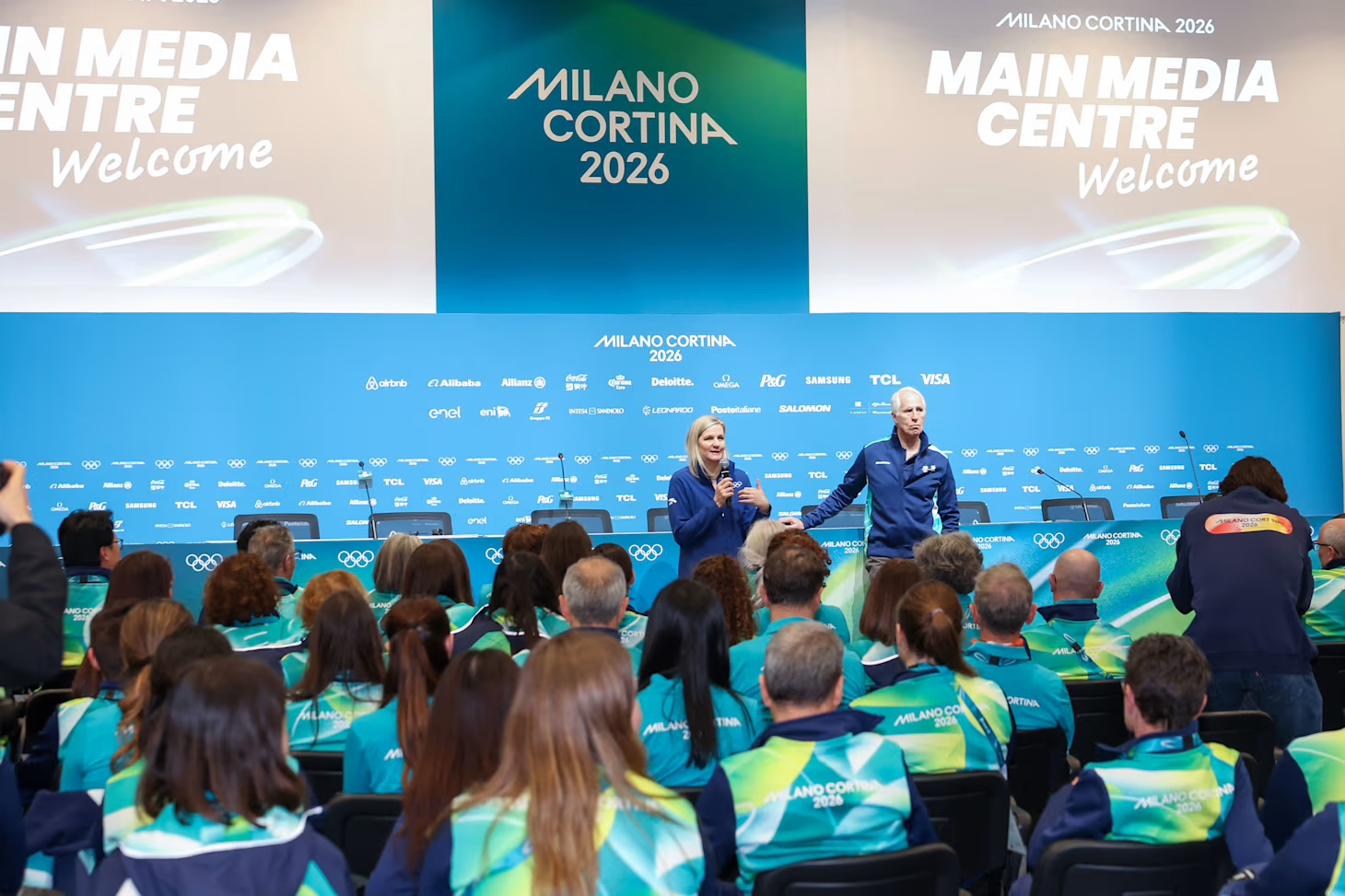
“You’re going to make these Games so special for millions of people,” said International Olympic Committee (IOC) President Kirsty Coventry, as she greeted volunteers in the Main Press Centre (MPC) in Milan today. “Thank you, thank you, thank you for everything that you have done and that you will be doing throughout the Games,” she said, wrapping up her motivational speech.

Key facts

  • IOC President celebrates Milano Cortina 2026 volunteers
  • Volunteers play a key role in welcoming the athletes to the Games
  • Milano Cortina President Giovanni Malagò praises volunteers

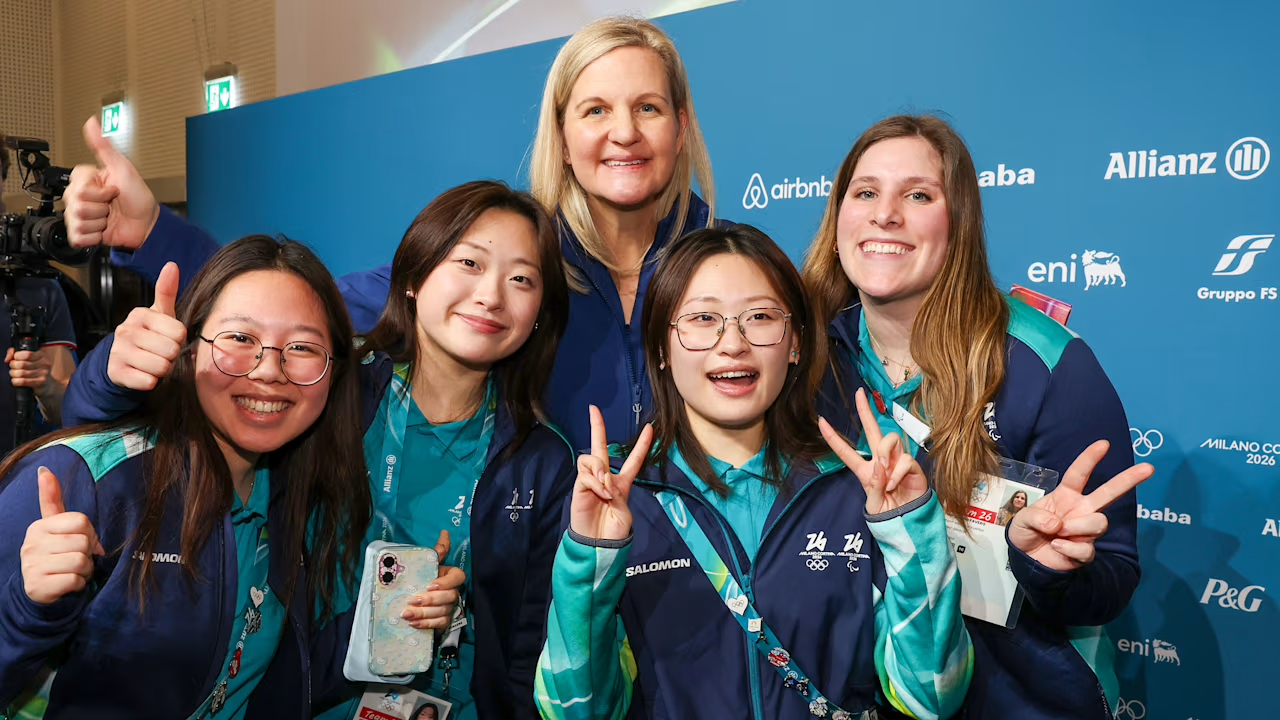
Famed for their smiles, willingness to help and their Olympic spirit, Olympic volunteers help to make special Games memories for the athletes, fans and officials that they encounter in their different roles. More of those special memories were created, as President Coventry, Milano Cortina 2026 President Giovanni Malagò and 100 volunteers met. Gathering together for a group photo, the volunteers showed their Olympic spirit in a celebratory image that underlined their high spirits before the Games get underway.

President Coventry emphasised to the volunteers the key role that they play in welcoming the world to their Games. “I’ve been to five Olympic Games and the volunteers during the Games were like the special secret source of magic. So, it is really exciting to be here with all of you. I can’t emphasise enough how the atmosphere is created around the Games by all of you, and all of the thousands of volunteers around Italy, because, a lot of the time, you are the first people that athletes, that their families, and that the fans come into contact with.”

© IOC/Sara Cavallini

She continued with her own experience from London 2012. “I remember in London, you would get on the train and there were volunteers in all the train stations. And all the way from the train station to the Olympic Park, the volunteers were sitting on big chairs with microphones and they were calling out: ‘Zimbabwe! How are you doing? South Africa! Italy!’ Everyone was just like: ‘wow’. It was so cool and that excitement was just incredible for us as athletes because you felt the excitement and the passion of everyone around.”

She continued, “What those volunteers did for the spectators and the crowds that were coming to watch, was to get them excited about being there and what they were going to get to experience, and they became the best spectators to swim in front of, because they were loud and they were excited. The atmosphere that you’re going to help create is so important. So again, from all of us at the Olympic Movement, thank you so much for everything that you’re going to be doing.”

Milano Cortina 2026 President Malagò spoke about his pride in the diversity of the volunteers, “I think there’s about 100 volunteers representing more than 18,000.” He continued, “I’m sure that all of you will have a unique experience.”

“I know very well that you are from all parts of Italy and further afield. I know that you have contributed a lot and that you have made great sacrifices to be here. Some have taken holidays, some have missed special occasions in order to live this experience, and we are very grateful. There are three, maybe four generations here, male and female, and there’s no difference between the social classes. This is a fantastic world that you represent. I think you are the best example of Italy.”

After the meeting with the volunteers, President Coventry answered a few questions about the volunteers in an interview. Her answers can be found here:

How is it going? How is the feel of the Games?

It’s been great. It’s been so nice to finally get here and to have a feel of the ground in Milan. I think the last couple of weeks we started having more teams arrive in Milan, and I was feeling a little left out. So, I’m very happy to be here now with everybody.

Things are moving really well. The organising committee and all of our stakeholders… I think everyone is at the realisation that it’s so close, that things are really moving in the right direction. And it’s so exciting. All the excitement is starting to come. We’re just really happy to be here.

And this was a good start—meeting the volunteers. How would you best describe the volunteers?

The volunteers… I shared with them a story that I remember from the volunteers in London and how they changed the Games. They were the heartbeat of the Games. for all spectators, and they got the crowds excited about going in, watching, filling the venues, and allowing all the athletes to have the best experience ever.

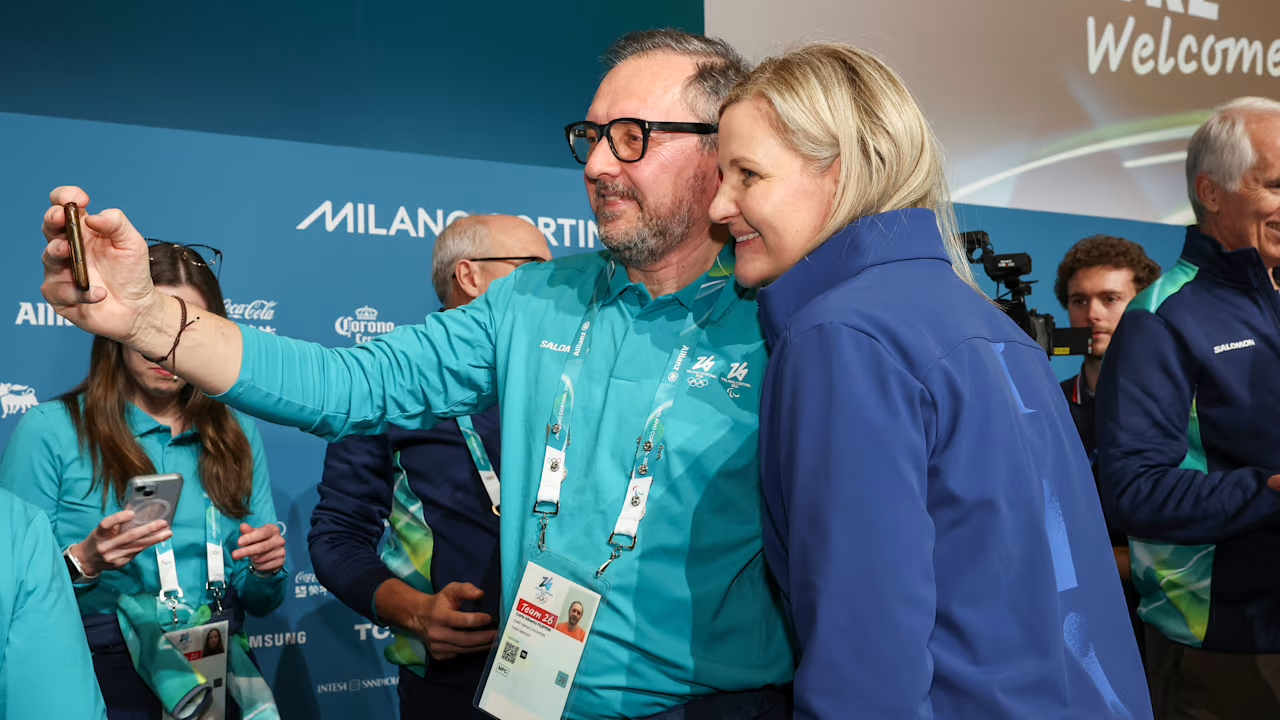
I was telling them they’re sort of like the secret sauce to the spirit and the magic of the Olympic Games. What they’re doing every day is so important for the entire Movement. It was a really nice opportunity to spend time with them, say hello and thank them. We took a few pictures, and they came and said, “We’re so excited.” So, I think that was good.

© IOC/Sara Cavallini


© IOC/Sara Cavallini

What do they represent for the Olympic family and the Olympic Games?

I think the volunteers showcase the true spirit of Olympism. They’ve given up their time to come because they believe in something and they want to be a part of it. I don’t think even they realise that they’re a part of making the Games an even bigger success, because they help create this environment and the spirit of the Olympic Games.

Especially for spectators—they are sometimes the first point of contact that visitors, families of athletes, spectators, fans, everyone will meet. If they’re happy and proud to be doing this, that will shine through and change the experience for all stakeholders, which is invaluable.

What message would you send out to the athletes and the others who are ready?

I’d say to them: have fun. Enjoy the moment. Like in everything, it’s not always going to be the easiest ride. You’re going to come across sometimes, like we do everywhere, people who may be having a bad day, and the challenge is to try to turn their day into a good one. Embrace everyone and get everyone excited about the Olympic Games and the movement—about what they’re about to go and watch.

The volunteers at the airport are welcoming everybody to Italy and to the Italian spirit. The Italians—they love sport. We’re going to see incredible venues in the most iconic, beautiful areas of Italy. Be proud of that. Be proud that you’re helping shape what these Games will be remembered for in the future.

Thank you so much. Enjoy the rest of your stay and the Games.

I look forward to it. I’m very excited. Thank you so much.

Image credits: © IOC/Sara Cavallini

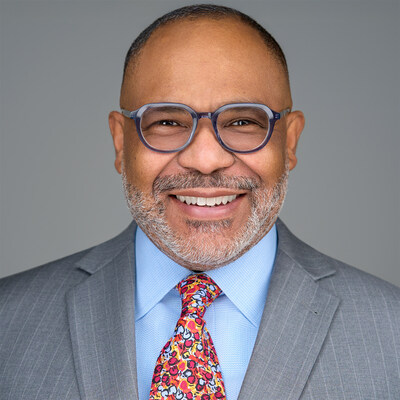
VERO BEACH, Fla., Feb. 6, 2026 /PRNewswire/ — Watercrest Senior Living Group proudly announces Kyle Satterwhite as Executive Director of Watercrest Richmond Assisted Living and Memory Care in Moseley, Virginia.

Satterwhite has spent the past five years serving as an Executive Director in senior living, leading communities with a focus on quality care, operational efficiencies, and meaningful resident experiences. Previously, he served as Center Manager with JenCare Senior Medical Centers in Richmond and as Director of Patient Services for Advanced Orthopedics. Across these roles, Satterwhite built high-performing teams and strengthened organizations to support sustainable growth and improved outcomes.

With a foundation in hospitality, Satterwhite enjoyed 17 years with Marriott International where he successfully led hotel operations and developed a passion for service excellence. He later managed a VIP Concierge Service with Allianz Global Assistance, helping design customer service programs recognized for delivering exceptional experiences. This blend of hospitality and healthcare continues to shape his people-first leadership style.

“Joining the Watercrest family allows me to serve our seniors with excellence in an organization who models and celebrates servant leadership,” says Kyle Satterwhite, Executive Director of Watercrest Richmond. “We serve a generation that raised us and must do so with compassion, care, and respect.”

Watercrest principals, Marc Vorkapich, CEO and Joan Williams, CFO, are setting exceptional standards of quality for seniors and their families in the development of upscale senior living communities from South Florida to Virginia.  This is the first of two Watercrest senior living development projects in Virginia, with Watercrest Fredericksburg preparing to open this spring.

Watercrest Richmond is a signature Watercrest product offering 76 assisted living and 22 memory care apartments with resort-style amenities and exceptional care.  The architecture and design boast a stunning fountain and promenade, art studio with gallery, music room, fireplace, multiple dining venues, theater, salon and spa, and the charming atmosphere of Bogey’s Cigar and Scotch lounge.  The coveted Spa W offers world-class wellness amenities including light and salt therapy, and a state-of-the-art fitness and physical therapy center. Watercrest Richmond is conveniently located at 5250 Grandin Avenue in Moseley, Virginia. For information or to schedule a tour, contact the community at 804-294-3508.

About Watercrest Senior Living Group
Watercrest Senior Living Group was founded to honor our mothers and fathers, aspiring to become a beacon for quality in senior living by surpassing standards of care, service and associate training. Watercrest senior living communities are recognized for their luxury aesthetic, exceptional amenities, world-class care, and innovative memory care programming offering unparalleled service to seniors living with Alzheimer’s and dementia. An eight-time certified Great Place to Work, Watercrest specializes in the development and operations of assisted living and memory care communities and the growth of servant leaders.  For information, visit www.watercrestseniorliving.com.

Cision View original content to download multimedia:https://www.prnewswire.com/news-releases/watercrest-senior-living-group-welcomes-kyle-satterwhite-as-executive-director-of-watercrest-richmond-assisted-living-and-memory-care-302681443.html

SOURCE Watercrest Senior Living Group

NEW YORK, Feb. 6, 2026 /PRNewswire/ — At a time when diversity, equity, and inclusion initiatives face heightened scrutiny, new research from The Conference Board delivers a clear message: Despite broad support, 50% of US workers are unconvinced that current diversity, equity, and inclusion efforts improve their experience at work.

Findings from two reports—one that is US-centric and the other with a global focus—show that an organization’s diversity, equity, and inclusion credibility is no longer built by the visibility of programs, but through evidence that employees can feel in their daily work. And as the report reveals, there is a big opportunity to improve the tangible impact of diversity, equity, and inclusion initiatives.

“The research suggests that organizations may be doing more diversity, equity, and inclusion work while employees feel less benefit. This is not a communication problem that can be solved by explaining it louder. Employees want to see fairness in how pay is set, how opportunities are assigned, and how leaders behave when it matters,” said Matthew Maloof, Researcher, Human Capital, The Conference Board.

Fewer employees report that diversity, equity & inclusion efforts meaningfully improve their work experience.

  • In the US, the share of workers and leaders reporting a positive personal impact from diversity, equity, and inclusion initiatives fell from 57% in 2024 to 50% in 2025.
  • Fewer than half of respondents say common diversity, equity, and inclusion activities—such as training, formal discussions, or tracking metrics—positively affect their daily work.

Across all regions surveyed, employees continue to value diversity in the workplace.

  • On average, 77% of US respondents, 70% of Asia-based respondents, and 67% of Europe-based respondents say it is important to work in organizations with a broad mix of people across dimensions such as race, gender, age, and thinking styles.
  • Nearly two-thirds (63%) of US respondents say they would not, or would only reluctantly, work for an organization that does not take diversity, equity, and inclusion seriously, down slightly from 68% in 2024.

Executives are consistently more optimistic about diversity, equity, and inclusion initiatives than employees.

  • 71% of US executives say their organization is dedicating more diversity, equity, and inclusion resources than last year, compared with 57% of managers and just 41% of employees.
  • 62% of executives say it positively affects their work experience, versus 50% of managers and 48% of employees.
  • 66% of executives report that these efforts, on average, have a positive impact on business outcomes––including improved collaboration, innovation, and engagement––versus 57% of managers and workers.

“When leaders measure progress by what they launch and employees measure it by what they experience, a credibility gap opens. The future of diversity, equity, and inclusion is not about doing more. It’s about doing what works—and proving it,” said Allan Schweyer, Principal Researcher, Human Capital, The Conference Board.

Managers’ behavior is strongly linked to impact.

  • Employees who feel included and respected by their manager are more than twice as likely to say diversity and inclusion efforts improve factors like job satisfaction, collaboration, and trust in leaders.
  • They are also three to four times more likely to say these initiatives positively shape work experience.
  • This effect is strongest in Asia, where employees who feel included by their managers are up to eight times more likely to report positive business outcomes from diversity, equity, and inclusion efforts.

“Across regions and roles, one factor stands out in the data: manager behavior. This signals that leaders should prioritize equipping and holding managers accountable for inclusion,” said Diana Scott, US Human Capital Center Leader, The Conference Board.

Outcomes outperform optics.

  • Respondents place higher value on diversity and inclusion efforts when they are most visible, tangible, and impactful. Equitable pay, fair promotion processes, inclusive leadership behaviors, and collaborative decision-making receive the strongest positive ratings.
  • In the US, the share of respondents saying their organization’s diversity, equity, and inclusion effort is “about right” dropped from 58% to 47% year over year, while those saying their organization is doing “too much” rose to 31%, up from 21% in 2024.
  • Respondents in Europe and Asia also believe their firms’ efforts are about right, at an average of 54% and 57%, respectively.

Global differences matter. US and Europe-based workers report lower diversity benefits than those in Asia.

  • While a majority of US and Europe-based respondents say they want to work in organizations that take it seriously, almost half of Asian respondents do not care or would prefer to work where it is minimized.
  • At the same time, employees in Asia report higher levels of implementation and stronger perceived impact on both work experience (56% positive) and business outcomes (63% positive).
  • Europe-based respondents are the most skeptical, reporting the lowest perceived impact across most measures (50% positive work experience and 51% positive business outcomes).
  • In all regions, negative perceptions remain below 10%, but neutral responses are growing—signaling uncertainty rather than rejection.

What credible diversity, equity, and inclusion looks like now:

  • Anchor diversity, equity, and inclusion in core business practices. Focus on pay equity, hiring, promotion, and advancement transparency, shifting resources away from low-impact programs to practices that shape real outcomes.
  • Make managers the primary drivers of inclusion and accountability. Equip them with practical tools and coaching, and tie inclusive leadership behaviors to performance goals, reviews, and advancement.
  • Shift from training and communication volume to capability and relevance. Move from broad training and messaging to role-specific, scenario-based learning that improves how decisions are made.
  • Measure what employees experience. Track visible outcomes—pay, promotion flow, retention, scheduling fairness, safety, and participation—using pulse surveys and simple scorecards.
  • Close the perception gap through visibility, access, and trust. Make progress visible where work happens, expand access to opportunities, and treat feedback as a signal to adjust and improve.

About The Conference Board
The Conference Board is the member-driven think tank that delivers trusted insights for what’s ahead. Founded in 1916, we are a non-partisan, not-for-profit entity holding 501 (c) (3) tax-exempt status in the United States. www.TCB.org

Cision View original content to download multimedia:https://www.prnewswire.com/news-releases/report-support-for-diversity-equity–inclusion-remains-highbut-only-50-of-us-employees-see-real-impact-302681436.html

SOURCE The Conference Board

NEW YORK, February 6, 2026 /3BL/ – For the third year in a row, Idealist surveyed their communities of hiring managers and job seekers to better understand the state of work and job seeking in the U.S. nonprofit sector. Over 5,800 total individuals participated in two surveys in October through November 2025. The results uncovered a social-impact sector that is reeling from external pressure, bringing instability to the way nonprofits hire and the professionals in pursuit of mission-driven careers.

Idealist, founded in 1996, serves millions of people looking for ways to build a better world, through full-time jobs, internships, volunteerism, and connecting with neighbors to address local problems.

Some high level findings of the 2026 Idealist Employer Report include:

  • The percentage of individuals who are employed full time dropped 10% this year, to 32%.
  • 84% of all individuals are currently job seeking, whether they’re employed full time, unemployed, or retired.
  • Job seekers are more likely to be frequently or constantly applying for jobs (81%) when compared with last year.
  • 57% of those surveyed are primarily or exclusively looking for social-impact jobs, but the percentage of those that are “open to jobs of any type” has risen to 37%. This could be interpreted as a solution in a tough job seeking market, with an upside for companies looking to hire dedicated, mission-driven talent.
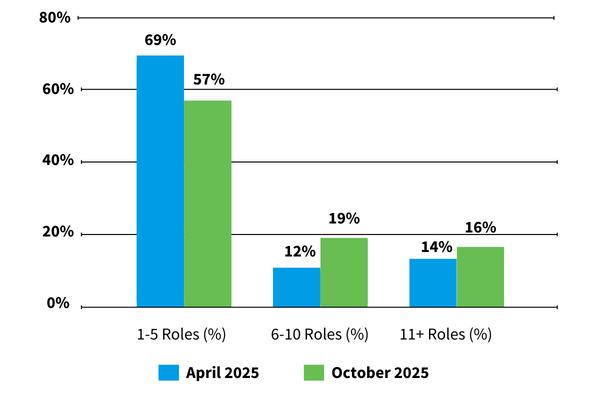
  • When compared with a pulse survey from April, Idealist found that
    • Less nonprofits are hiring (53% vs. 47%).
    • More nonprofits are in a hiring freeze (8% vs. 10%).
  • For organizations that are planning on hiring, recruitment has picked up and they’re hiring for more roles than what was projected in April.

Blue and green bar graph describes the change in number of roles organizations are hiring for in April 2025 versus October 2025. Hiring for 1-5 roles decreased from 69% to 57%. Hiring for 6-10 roles increased from 12% to 19%. Hiring for 11+ roles increased from 14% to 16%.

“What these voices from the social-impact sector reveal is a climate of heightened caution for nonprofits, and difficulty and instability for job seekers,” said Kevin Kennedy, Idealist’s head of client and audience success. “But our sector has weathered difficult times before. Our resilience comes from our belief in a better world that we’ll build together.”

Read the 2026 Idealist Employer Report here.

About Idealist

For 30 years, Idealist has worked to bridge the gap between intention and action by connecting organizations and people who want to do good. With the 2025 merger with VolunteerMatch, Idealist has connected 200,000+ organizations with tens of millions of people. Over the years, the combined organizations facilitated posting of over a million jobs and over a million volunteer opportunities. Additionally, Idealist empowers businesses to make a difference through volunteering via API technology and other means. Find out more at idealist.org and on LinkedIn and Instagram.

Media Contact

Emily Hashimoto: media@idealist.org

SLB has been recognized for its sustainability leadership in the 2026 SEAL Business Sustainability Awards, which spotlight leadership, innovation and commitment to sustainable business practices.

This year, SLB has been honored in the Environmental Initiative category for our Sustainability Impact Awards program.

Tell me more

The Sustainability Impact Awards (SIA) program is a grassroots initiative that provides funding for SLB employees across the globe to facilitate sustainability projects that positively impact people’s lives, climate and nature.

Through the program, employees are empowered to design and lead projects locally, embedding sustainability into day-to-day operations.

Why it matters

The program, which began as a small initiative four years ago, has now become a key vehicle for SLB to cut emissions, strengthen water stewardship, embed circularity, and create value in the communities where we operate.

In 2025, we continued expanding SIA’s reach and impact, awarding capital funding for the following:

  • 15 projects focused on climate action;
  • 13 community initiatives focused on STEM education and access to essential resources;
  • 6 nature-based projects promoting water efficiency, circularity and biodiversity.

A history of recognition

This marks the fourth consecutive year that SLB initiatives have been honored by SEAL. Last year, we received awards in two categories: Sustainable Service and Environmental Initiative. In the Sustainable Service category, we were recognized for our efforts to reduce the environmental impact of lithium production, and in the Environmental Initiative category, we were recognized for our ‘Record, Reduce, Replace’ strategy, which focuses on transforming SLB’s facilities into more sustainable workspaces.

What we’re saying

“Not only does sustainability happen at the corporate level but it also happens in the business, where our people work and where they live,” said Gwen Boyault, vice president of sustainability, SLB. “We are thrilled SEAL has recognized the impact our employees are making through this program — supporting their communities, reducing emissions, and conserving vital natural resources to drive progress toward a more balanced planet.”

Learn more about SLB sustainability initiatives here.

View original content here.

Galaxy360™ Slim Rotating Convertible Car Seat Reveal

CHICAGO, Feb. 6, 2026 /PRNewswire/ — Britax®, a global leader in child passenger safety, proudly unveiled its first-ever rotating car seat for the U.S. market — the Galaxy360™ slim rotating convertible car seat — today, at an exclusive media preview at the 2026 Chicago Auto Show.

Designed to elevate the parent-loved rotating car seat category, the Galaxy360™ combines effortless rotation with enhanced stability and intuitive use. The seat turns smoothly, a full 360 degrees with one hand, thanks to the Britax-exclusive SwivelSmooth™ steel ring, while a secure, one-piece design means that the seat and base stay connected at all times. Built to grow with children through rear- and forward-facing stages, the Galaxy360 offers an extended rear-facing capacity up to 50 lbs, along with trusted safety features including high-strength steel in the base and an integrated anti-rebound panel.

“It’s incredibly meaningful and a point of personal pride to see Britax expand our portfolio with the Galaxy360™ rotating convertible car seat, especially as we celebrate 60 years of manufacturing car seats,” said Nancy Heaton, President, Commercial Americas at Britax.  “Debuting it here at the Chicago Auto Show makes this moment even more special. This category expansion helps us meet families where they are today, with smarter design and uncompromising safety.”

The Galaxy360™ is designed to simplify installation, featuring an auto-opening design, QuickStand™ seat prop that holds the seat up and out of the way, and ClickTight® technology that automatically tightens and locks the seat belt for a confident installation in seconds. Designed to reduce common installation mistakes, Galaxy360™ also includes a built-in tether indicator that helps caregivers confirm proper tether use from the start – eliminating the need to remember to attach it later. The tether can be used in both rear- and forward-facing modes to support best practice.

Early research feedback has praised Galaxy360 for its intuitive design and consumer-friendly features, reinforcing Britax’s continued focus on innovation that supports modern families. From proper-use indicators and easy-clean shell surfaces to washer- and dryer-friendly, naturally flame-retardant fabrics in modern, neutral tones – every detail is intended to simplify daily use without compromising comfort or safety.

Britax x Chicago Auto Show Family Zone

Britax invites Chicago Auto Show attendees to visit the Britax booth (FZ06) in the Family Zone during Opening Weekend (Feb. 7–8) to experience Galaxy360™ up close. Families can take part in live, expert-led car seat demonstrations, connect one-on-one with certified child passenger safety experts, and learn practical tips for choosing and installing the right car seat with confidence.

Throughout the weekend, the Britax booth will also feature interactive, kid-friendly activities, giveaway moments, and hands-on opportunities designed to make car seat education engaging and approachable for the whole family.

Live Galaxy360 Demo Schedule – Family Zone:

  • Saturday, Feb. 7: 12 PM, 2 PM, 4 PM, 7 PM
  • Sunday, Feb. 8: 11 AM, 12:30 PM, 1:30 PM

The Britax Galaxy360™ slim rotating convertible car seat will be available beginning early March 2026 at us.britax.com and select retailers.

For more information, visit us.britax.com or follow @BritaxUS on Instagram and Facebook.

About Britax
Established in Britain in 1938, the Britax journey has been one of safety innovations – from pioneering adult seat belts to introducing our first child car seat in 1966. Since then, we have been guided by our steadfast mission of “Protecting What Matters Most,” and we uphold this commitment by providing secure, comfortable, and easy-to-use child mobility solutions worldwide. We take pride in being a part of families’ lives, knowing that our products not only help ensure safe travels but also create lasting memories. For a closer look, visit us.britax.com or follow the brand on Facebook (https://www.facebook.com/BritaxUS/) or Instagram (https://www.instagram.com/britaxus).

CONTACT:
Kristen Caruso
Amplicity Communications
kristen@amplicitybuzz.com
917-747-0906

Cision View original content to download multimedia:https://www.prnewswire.com/news-releases/britax-americas-debuts-first-rotating-car-seat-at-chicago-auto-show-302681150.html

SOURCE Britax Child Safety, Inc.

OSLO, Norway, Feb. 6, 2026 /PRNewswire/ — Agilyx ASA (OSE: AGLX: OTCQX: AGXXF: ISIN: NO0010872468: WKN: A2QGQ) (“Agilyx” or the “Company”) references the November 4 and October 24, 2025 stock exchange notices regarding the successful placements of Tranche 1 of EUR 24 million subordinated convertible bonds with maturity date 30 June 2028 and with ISIN NO0013684860 (the “Convertible Bonds”).

Agilyx today announces a bond tap issue of EUR 14 million of the Convertible Bonds (the “Bond Tap Issue”). Following the Bond Tap Issue, the total issued amount of the Convertible Bonds is EUR 37.4 million. The Bond Tap Issue was priced at 80% of par value. The placement is expected to settle on 5th March 2026. The Bond Tap Issue was executed following a reverse enquiry through Arctic Securities. The Company will convene an extraordinary general meeting of its shareholders to be held on or around 2nd March 2026 to seek a resolution to make the Convertible Bonds convertible into Shares while disapplying shareholders’ preferential rights, in line with the previous Bond issues under Tranche 1. “The placement of these additional convertible bonds together with our pending redemption of our senior bonds materially strengthens Agilyx’s liquidity position and provides funding visibility through 2027 as we execute our updated strategy” said Ranjeet Bhatia, CEO of Agilyx. “Our near-term priority is disciplined execution at GreenDot, where we see a clear path to near-term earnings growth and strong value creation.” “At the same time, Agilyx retains exposure to attractive, capital-light upside through its technology portfolio. Styrenyx represents a scalable licensing opportunity, while long-term offtake agreements at Agilyx provide strategic positioning and optionality without incremental capital commitments. Following the strategic reorganization, Agilyx is structured to combine near-term cash generation with longer-term growth opportunities in a more resilient and value-focused way.” This information is subject to the disclosure requirements pursuant to MAR article 19 and Section 5-12 of the Norwegian Securities Trading Act. About Agilyx Agilyx ASA is a leading global investment platform supporting the development of plastic waste feedstock supply to the recycling industry. Through its 44% stake in GreenDot Global, Europe’s largest waste plastic recycling platform, generating over EUR 400 million in annual revenues, Agilyx has access to large volumes of post-use plastic and advanced sorting and recycling infrastructure in Germany, Austria, and Italy, helping supply critical European-sourced feedstock to the European recycling markets. Agilyx markets Styrenyx, its proprietary advanced recycling technology, to recycle polystyrene waste into recycled styrene monomers for reuse in new, high-quality products. By enabling the shift from a linear “make-take-waste” model to a circular economy, Agilyx helps solve the crisis of plastic waste and supports the global transition to a low-carbon future. Inquiries: investors@agilyx.com Learn more at: www.agilyx.com For media resources, visit: https://www.agilyx.com/media-room/

This information was brought to you by Cision http://news.cision.com

https://news.cision.com/agilyx/r/agilyx-asa—eur-14-million-placement-of-the-convertible-bonds-fully-funds-execution-of-updated-stra,c4304058

Cision View original content:https://www.prnewswire.com/news-releases/agilyx-asa—eur-14-million-placement-of-the-convertible-bonds-fully-funds-execution-of-updated-strategy-through-2027-302681355.html

SOURCE Agilyx

Green spaces are the heart of our communities. They provide a place to rest, play, and grow together. 

Since 2020, the Martin Luther King Jr. Corridor Grants with Keep America Beautiful have transformed underserved urban areas into vibrant hubs of art, nature and connection through mural installations, litter pickups, tree plantings and community gardens. We’re honored to support this work through The Scotts Miracle-Gro Foundation. 

The 2026 grant applications are now open through February 16 to Keep America Beautiful affiliates, local governments and other nonprofits.

However, you don’t need a grant to make a difference. We invite everyone to join us in the Greatest American Cleanup as we work toward removing 25 billion pieces of litter from our shared spaces: https://kab.org/greatest-american-cleanup/
 

View original content here.

About ScottsMiracle-Gro
With approximately $3.4  billion in sales, the Company is the leading marketer of branded consumer lawn and garden products in North America.  The Company’s brands are among the most recognized in the industry. The Company’s Scotts®, Miracle-Gro®, Ortho® and Tomcat®  brands are market-leading in their categories. For additional information, visit us at www.scottsmiraclegro.com.

Many of us remember the iconic scene from Disney’s The Lion King where Mufasa teaches Simba about the “circle of life:” a powerful metaphor illustrating the interconnectedness of all living beings and the delicate balance of nature.

Protecting that ecosystem and supporting the local communities who live there is the core mission of the Connected Conservation Foundation, which, in partnership with Cisco, is training and empowering individuals worldwide to safeguard protected areas and species, with the support of Cisco Networking Academy.

A decade of partnership: Cisco and the Connected Conservation Foundation

For over ten years, Cisco has partnered with the Connected Conservation Foundation (CCF) to harness technology in safeguarding biodiversity hotspots across Africa and beyond. This collaboration has evolved from focusing on protecting rhinos to deploying advanced digital tools for ecosystem management across 46 conservancies in 13 countries.

Together, they tackle critical challenges such as poaching, human-wildlife conflict, habitat loss, and supporting community-wildlife coexistence by integrating IoT sensors, AI analytics, satellite tracking, and real-time data platforms.

However, technology alone is not enough; there’s a growing need for skilled conservation technology professions that understand how to install, maintain, and manage these systems to keep critical data flowing.

Introducing the Protected Area Technician (PAT) Training Program

To help solve this, Cisco Networking Academy and CCF launched the Protected Area Technician (PAT) Training Program in summer 2025. The launch was also made possible by the Open University, who provided guidance, content, and significant logistical support. This initiative equips local communities with the skills to operate and maintain the sophisticated and vital conservation technologies deployed in protected areas.

As part of the PAT Program, 10 expert-led, free online courses are offered covering essential topics such as sensor deployment, networking, off-grid infrastructure, cybersecurity, data management, and system integration. Course content was developed by industry leaders and leading professionals in conservation technology, including Sabi San Nature Reserve and African Parks — and it’s already changing lives and careers.

“As a student in Ecology and Conservation at the University of Fianarantsoa, Madagascar, I strengthened my understanding of environmental monitoring, conservation strategies, and field data collection methods,” shared PAT participant, Razafinandrasana Gerard. “The knowledge and skills I gained are directly applicable to my fieldwork, research activities, and my future career in biodiversity conservation.”

Recently, CCF delivered its first in-field PAT training in Kenya, bringing its online curriculum directly to conservancies and government teams on the ground. During that time, staff from the local government Kenya Wildlife Service were trained to independently deploy, manage, and troubleshoot their own IoT digital infrastructure for conservation.

The results were immediate. Shortly after the training, the Masai Mara Triangle successfully re-deployed their gateways onto the new soverign Konza server — entirely in-house.

Impact and outcomes: Building local capacity for conservation

Since its inception just over six months ago, the PAT Training Program has grown rapidly to meet an urgent need. With 529 learners enrolled and 530 certificates issued, this growing cadre of skilled technicians enables conservation teams to:

  • Maintain critical sensor networks independently, reducing reliance on costly external experts.
  • Integrate real-time environmental and wildlife data into platforms like EarthRanger, facilitating rapid and informed decision-making.
  • Understand how to scale network infrastructure confidently across protected areas, expanding the reach and effectiveness of conservation efforts.

“My park has challenges with communication,” shared Martin Ndego Abodiba, a PAT participant and part of the Wildlife Division Forestry Commission in Ghana. “This course has made me aware of how communication should flow from field rangers to the control room. It has helped my thinking and enhanced operations activities, including how to brief my rangers before and after patrols.”

By fostering local expertise, the program not only strengthens wildlife protection but also creates new career pathways, supporting community-led stewardship of natural resources.

Technology and training: A holistic approach to conservation

The partnership between Cisco Networking Academy and CCF exemplifies how technology and education can combine to create lasting conservation impact. Keeping advanced digital tools online provides the means to monitor ecosystems, improve the detection of threats, and reduce the downtime of critical infrastructure, while the PAT program ensures that these tools are effectively managed by skilled professionals on the ground. Furthermore, the PAT program creates new career opportunities and pathways in rural communities, enabling graduates to return to their communities with skills that support conservation and environmental stewardship across Africa, home to a quarter of the world’s biodiversity. Collaborative initiatives that bring together technology, training, and community engagement help further conservation efforts.

Continuing the legacy of the Circle of Life

Just as Mufasa’s lesson reminds us of our responsibility to maintain the balance of life, the Cisco-CCF partnership and the PAT Training Program embody this in action. By supporting local communities with technology and skills, they nurture a future where wildlife and people coexist.

Together, these efforts are not only protecting endangered species and vital ecosystems – but building more resilient communities and inclusive opportunities. This is how the circle of life continues: through respect, responsibility, and the power of collaboration.

View original content here.

Many of us remember the iconic scene from Disney’s The Lion King where Mufasa teaches Simba about the “circle of life:” a powerful metaphor illustrating the interconnectedness of all living beings and the delicate balance of nature.

Protecting that ecosystem and supporting the local communities who live there is the core mission of the Connected Conservation Foundation, which, in partnership with Cisco, is training and empowering individuals worldwide to safeguard protected areas and species, with the support of Cisco Networking Academy.

A decade of partnership: Cisco and the Connected Conservation Foundation

For over ten years, Cisco has partnered with the Connected Conservation Foundation (CCF) to harness technology in safeguarding biodiversity hotspots across Africa and beyond. This collaboration has evolved from focusing on protecting rhinos to deploying advanced digital tools for ecosystem management across 46 conservancies in 13 countries.

Together, they tackle critical challenges such as poaching, human-wildlife conflict, habitat loss, and supporting community-wildlife coexistence by integrating IoT sensors, AI analytics, satellite tracking, and real-time data platforms.

However, technology alone is not enough; there’s a growing need for skilled conservation technology professions that understand how to install, maintain, and manage these systems to keep critical data flowing.

Introducing the Protected Area Technician (PAT) Training Program

To help solve this, Cisco Networking Academy and CCF launched the Protected Area Technician (PAT) Training Program in summer 2025. The launch was also made possible by the Open University, who provided guidance, content, and significant logistical support. This initiative equips local communities with the skills to operate and maintain the sophisticated and vital conservation technologies deployed in protected areas.

As part of the PAT Program, 10 expert-led, free online courses are offered covering essential topics such as sensor deployment, networking, off-grid infrastructure, cybersecurity, data management, and system integration. Course content was developed by industry leaders and leading professionals in conservation technology, including Sabi San Nature Reserve and African Parks — and it’s already changing lives and careers.

“As a student in Ecology and Conservation at the University of Fianarantsoa, Madagascar, I strengthened my understanding of environmental monitoring, conservation strategies, and field data collection methods,” shared PAT participant, Razafinandrasana Gerard. “The knowledge and skills I gained are directly applicable to my fieldwork, research activities, and my future career in biodiversity conservation.”

Recently, CCF delivered its first in-field PAT training in Kenya, bringing its online curriculum directly to conservancies and government teams on the ground. During that time, staff from the local government Kenya Wildlife Service were trained to independently deploy, manage, and troubleshoot their own IoT digital infrastructure for conservation.

The results were immediate. Shortly after the training, the Masai Mara Triangle successfully re-deployed their gateways onto the new soverign Konza server — entirely in-house.

Impact and outcomes: Building local capacity for conservation

Since its inception just over six months ago, the PAT Training Program has grown rapidly to meet an urgent need. With 529 learners enrolled and 530 certificates issued, this growing cadre of skilled technicians enables conservation teams to:

  • Maintain critical sensor networks independently, reducing reliance on costly external experts.
  • Integrate real-time environmental and wildlife data into platforms like EarthRanger, facilitating rapid and informed decision-making.
  • Understand how to scale network infrastructure confidently across protected areas, expanding the reach and effectiveness of conservation efforts.

“My park has challenges with communication,” shared Martin Ndego Abodiba, a PAT participant and part of the Wildlife Division Forestry Commission in Ghana. “This course has made me aware of how communication should flow from field rangers to the control room. It has helped my thinking and enhanced operations activities, including how to brief my rangers before and after patrols.”

By fostering local expertise, the program not only strengthens wildlife protection but also creates new career pathways, supporting community-led stewardship of natural resources.

Technology and training: A holistic approach to conservation

The partnership between Cisco Networking Academy and CCF exemplifies how technology and education can combine to create lasting conservation impact. Keeping advanced digital tools online provides the means to monitor ecosystems, improve the detection of threats, and reduce the downtime of critical infrastructure, while the PAT program ensures that these tools are effectively managed by skilled professionals on the ground. Furthermore, the PAT program creates new career opportunities and pathways in rural communities, enabling graduates to return to their communities with skills that support conservation and environmental stewardship across Africa, home to a quarter of the world’s biodiversity. Collaborative initiatives that bring together technology, training, and community engagement help further conservation efforts.

Continuing the legacy of the Circle of Life

Just as Mufasa’s lesson reminds us of our responsibility to maintain the balance of life, the Cisco-CCF partnership and the PAT Training Program embody this in action. By supporting local communities with technology and skills, they nurture a future where wildlife and people coexist.

Together, these efforts are not only protecting endangered species and vital ecosystems – but building more resilient communities and inclusive opportunities. This is how the circle of life continues: through respect, responsibility, and the power of collaboration.

View original content here.

Privacy Overview

This website uses cookies so that we can provide you with the best user experience possible. Cookie information is stored in your browser and performs functions such as recognising you when you return to our website and helping our team to understand which sections of the website you find most interesting and useful.