Showcases next-generation power solutions at infraXchange Singapore 2025

NEW DELHI, Dec. 8, 2025 /PRNewswire/ — Eastman Auto & Power Ltd., one of India’s fastest-growing energy transition solutions providers in the energy transition landscape, today announced its participation at infraXchange Singapore, held from 3rd–4th December 2025. The showcase reinforces Eastman’s commitment to delivering advanced and reliable power backup solutions across India, Africa, GCC, Middle East, and Latin America, guided by its global vision of “Made in India for the World.”

Powering telecom excellence: Eastman’s latest Hybrid Inverters and Lithium Battery portfolio built for global, high-performance deployments.

With nine state-of-the-art manufacturing facilities, Eastman continues to scale high-quality energy solutions engineered for global deployment. At the event, the company exhibited its energy solutions portfolio featuring advanced lithium batteries and high-efficiency inverters, designed to support the evolving needs of international telecom infrastructure.

Product Highlights at infraXchange Singapore 2025

Single & Three Phase Hybrid Inverters with 10-Year Warranty

  • Eastman unveiled its range of Hybrid Inverter for Telecom Tower application. Designed for superior efficiency and long operational life, the portfolio supports seamless backup, solar integration, and grid-smart performance, making it ideal for maintaining Power Availability for Telecom Towers.

Next-Gen Telecom Lithium Batteries: Three Variants for Global Needs with 5-Year Warranty

Telecom Battery with LCD Display + MCB + Connector

  • Built for advanced monitoring and maximum safety, this variant features a smart LCD panel displaying voltage, current, SOC, temperature, alarms, and system status. An integrated MCB ensures automatic overload and short-circuit protection, while the telecom-grade connector offers secure, error-free installation.

Telecom Battery with MCB + Connector

  • A balanced solution providing dependable electrical protection. With an integrated MCB and standard connector interface, this model offers strong, consistent performance for mainstream telecom deployments and ensures easy system integration.

Telecom Battery with Connector

  • A cost-efficient, plug-and-play model designed for flexible telecom setups. Despite its simplified architecture, it includes essential protections such as over-voltage, under-voltage, and over-temperature safeguards, making it ideal for wide-scale installations.

“At Eastman, our commitment has always been to drive meaningful innovation and deliver world-class energy solutions tailored for diverse international markets. infraXchange Singapore 2025 offered an excellent platform to engage with global stakeholders, strengthen long-term partnerships, and showcase our latest advancements in telecom power backup solutions. As we expand our global footprint, we remain focused on building solutions that not only empower today’s infrastructure needs but also align with our vision of enabling a more reliable, energy-secure world.” said Mr. Shekhar Singal, Managing Director, Eastman Auto & Power Ltd.

Eastman’s enhanced telecom portfolio is designed to meet the critical uptime, durability, and safety requirements of operators worldwide. From remote sites in Africa to dense networks across the Middle East the solutions deliver reliable power performance tailored to local conditions.

For product details visit – www.eaplworld.com 

About – Eastman Auto & Power Ltd: Eastman Auto & Power Limited (EAPL), one of India’s fastest-growing energy transition solutions providers, offering innovative solutions across energy generation, storage, and transition. The company operates in three key verticals: Last-mile E-Mobility, Solar Solutions, and Continued Energy Solutions. Eastman delivers a wide range of technology-driven products, including energy storage systems and power conversion solutions designed for solar and backup applications. With a strong manufacturing base and an expanding global footprint, the company is committed to deliver clean, accessible, and reliable energy solutions. Backed by a deep-rooted distribution and service network, Eastman partners with OEMs and end users to deliver seamless product and service experiences. Through continuous innovation and customer-centricity, the company is helping accelerate the shift toward sustainable and self-reliant energy ecosystems both in India and internationally.

For more details please visit: https://eaplworld.com/

For media queries please contact: aanchal.wadhwa@eaplworld.com

Photo: https://mma.prnewswire.com/media/2839509/Eastman_Auto_and_Power.jpg
Logo: https://mma.prnewswire.com/media/2839508/Eastman_Auto_and_Power_Logo.jpg

Eastman Auto and Power Ltd.


Cision View original content:https://www.prnewswire.com/news-releases/eastman-auto–power-accelerates-its-global-energy-portfolio-with-new-telecom-battery–hybrid-inverter-range-302634342.html

SOURCE Eastman Auto and Power Ltd.

NORTH VANCOUVER, BC, Dec. 7, 2025 /PRNewswire/ – Hydron Energy, a leading innovator in clean fuel and gas separation technologies, today announced the successful demonstration of carbon-negative Xenon and Krypton production from air. The initiative focused on application of Hydron’s next generation metal-organic framework (MOF) in the company’s INTRUPTor™ gas separation platform for direct air carbon capture in conjunction with Xenon and Krypton production.

The technology development program concluded in fall 2025, achieving key performance milestones and validating Hydron’s INTRUPTor™ technology for sustainable, low-cost Xenon and Krypton gas production. This accomplishment represents a major step forward in Hydron Energy’s mission to produce carbon-negative Xenon and Krypton at a fraction of current global market costs.

Xenon and Krypton play a critical role in the space industry as fuel for satellite propulsion. Global supply has faced significant disruption since the onset of the Russia-Ukraine conflict, as Ukraine had been a leading producer of Xenon and Krypton. Hydron Energy’s INTRUPTor™ platform operates under ambient conditions and dramatically simplifies plant design and fabrication. This innovative approach enables substantial cost reductions and delivers a carbon-negative footprint, in stark contrast to conventional cryogenic distillation methods, which are both energy and carbon intensive.

“Our breakthrough technology will disrupt the rare gas market, offering Xenon and Krypton at a fraction of today’s cost,” said Hydron Energy CEO Soheil Khiavi. “The market is set to double in size in the coming years due to the rapid growth of the commercial satellite industry, and Hydron Energy plans to deliver the fuel while sequestering a sizable amount of carbon—creating both economic and environmental value.”

About Hydron Energy Inc.

Hydron Energy is a British Columbia (B.C.) based company that was formed in 2020 and is providing novel clean energy solutions for various applications at lower cost and less carbon emissions. To learn more, visit https://hydron.ca/

Cision View original content to download multimedia:https://www.prnewswire.com/news-releases/hydron-energy-demonstrates-low-cost-production-of-xenon-with-negative-carbon-footprint-for-satellite-propulsion-302634543.html

SOURCE Hydron Energy Inc.

 Firm Wins “Best Law Firm,” “Best Personal Injury Lawyer,” “Best Accident Lawyer,” “Best Law Customer Service,” and celebrates 34 Years of Serving the Las Vegas Community 

LAS VEGAS, Dec. 7, 2025 /PRNewswire/ —  Adam S. Kutner, Injury Attorneys, the leading personal injury law firm in Las Vegas and proud official partner of the Vegas Golden Knights, is celebrating a landmark achievement with four Best of Las Vegas Gold Awards for 2025. Voted by the readers of the Las Vegas Review-Journal, the firm earned top honors in the categories of “Best Law Firm,” “Best Personal Injury Lawyer,” “Best Accident Lawyer,” and “Best Law Customer Service.”

This recognition represents one of the most decorated years in the firm’s history, highlighting more than 34 years of trusted legal service, consistent case results, exceptional client care, and deep-rooted commitment to the Southern Nevada community.  

A Year of Impact: Strengthening Southern Nevada Through Community Service

The firm’s dedication to giving back through Adam Kutner Cares reached new heights in 2025. Throughout the year, Adam S. Kutner, Injury Attorneys continued its support of vital nonprofit partners including the Clark County School District, Three Square, Opportunity Village, Candlelighters Childhood Cancer Foundation of Nevada, the Shero Foundation, Nevada Child Seekers, and the National Center for Missing & Exploited Children. These partnerships helped fund critical programs, expand services, and support families across the Las Vegas Valley.

2025 Community Champion Highlights

The firm continued to honor outstanding members of the community through the Adam Kutner Cares Community Champion Award, recognizing Southern Nevadans who exemplify compassion leadership, and service. Each Champion was recognized at various Vegas Golden Knights home games, where they received on-ice acknowledgment and complimentary tickets for a memorable night shared with family and friends. This program continued to grow in visibility and impact, inspiring thousands across the region.

Fan Engagement and Giveaways

The firm also delivered an exciting year of fan-forward initiatives, gifting thousands of Golden Knights tickets through Adam Kutner social promotions, community nominations, and surprise giveaways. The popular #AdamKutnerPowerPlay activations on X (formerly Twitter) reached an all-time high in engagement, allowing fans to enjoy thrilling experiences and exclusive opportunities throughout the hockey season.

In addition, Adam Kutner contributed direct donations and special fan gifts across multiple platforms, even launching a Friday Facebook Live, further strengthening his firm’s reputation as one of the community’s most generous and engaged supporters.

“We are truly honored and humbled to receive four Best of Las Vegas Gold Awards this year,” said Adam S. Kutner, President and Founder of Adam S. Kutner, Injury Attorneys. “For more than 34 years, our team has cared deeply about this community, not just as legal advocates, but as neighbors. These awards reflect our commitment to exceptional service, strong results, and meaningful community work. We couldn’t be more grateful to everyone who voted for us and supported our mission.”

  To download images and video of past giveaways and donations, click here.

For more information on future giveaways, visit FacebookInstagram, and X to follow Adam S. Kutner, Injury Attorneys. For trusted expert personal injury legal needs as well as more information on the award-winning team at Adam S. Kutner, Injury Attorneys, visit www.AskAdamKutner.com.

ABOUT ADAM S. KUTNER, INJURY ATTORNEYS 
Adam S. Kutner, Injury Attorneys, is a highly respected personal injury law firm based in Las Vegas, Nevada. With over 34 years of experience, the firm handles a wide range of personal injury cases, including auto accidents, slip and falls, dog bites, and more. Led by Adam S. Kutner, the team provides personalized legal representation and fighting tirelessly for the rights of their clients. Adam S. Kutner, Injury Attorneys, is also proud to be an official partner of the Vegas Golden Knights, supporting the team and the local community with Adam Kutner Cares. Adam S. Kutner, Injury Attorneys was also just voted by the readers of the Las Vegas Review-Journal as the Best of Las Vegas Gold Winner for 2025 as Best Law Firm, Best Personal Injury Lawyer, Best Accident Lawyer, and Best Law Customer Service over all other category nominees in Southern Nevada.

MEDIA CONTACT:

Chandra Stepanovich
Dandelion Public Relations
chandra@dandelionpr.com
www.dandelionpr.com
702.683.6004

Cision View original content to download multimedia:https://www.prnewswire.com/news-releases/adam-s-kutner-injury-attorneys-celebrates-four-prestigious-2025-best-of-las-vegas-gold-awards-302634732.html

SOURCE Adam S. Kutner, Injury Attorneys

  • University of Wisconsin wins Abbott and the Big Ten Conference’s “We Give Blood” drive, awards $1 million from Abbott to advance student or community health
  • Second year of nationwide blood drive saw a 319% increase in overall participation with 83,043 donations and a 168% jump in student donors compared to 2024
  • Big Ten students, alumni, and fans helped save up to 250,000 lives during the college football season
  • A recent ‘We Give Blood’ survey found 92% of participants are very likely to donate again, a promising sign for building a sustainable blood supply for years to come

ABBOTT PARK, Ill. and INDIANAPOLIS, Dec. 6, 2025 /PRNewswire/ — Amid the nation’s worst blood shortage in a generation, the University of Wisconsin rallied Big Ten students, fans and alumni to take action, winning the Abbott and the Big Ten Conference “We Give Blood” competition and inspiring 15,476 blood donations that could save up to 46,428 lives. Overall donations in the competition surged 319% compared to 2024, marking a dramatic expansion of efforts to confront the national blood shortages. In just the first 22 days of the initiative, donations surpassed last year’s total as the entire Big Ten community united to strengthen the blood supply.

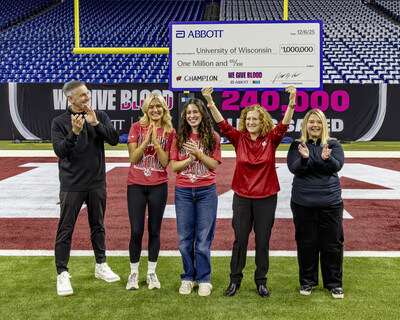
University of Wisconsin won the Abbott and Big Ten “We Give Blood” competition, receiving $1 million from Abbott to advance student or community health

The University of Wisconsin held off the 2024 champion, the University of Nebraska, in a close battle and will receive $1 million from Abbott to advance student or community health. Overall, the conference recorded 83,043 blood donations, which could help save up to 250,000 lives in Big Ten communities and across the country, as each donation has the potential to save up to three lives. Several schools stayed neck and neck throughout the competition, with classic rivals like The Ohio State University and the University of Michigan locked in close races.

“This year’s competition not only helped to save a record-breaking number of lives, but it also showed the power of using sports for good with all schools increasing their participation from year one,” said Robert B. Ford, chairman and chief executive officer, Abbott.  “We are proud of the students, alumni, and fans who united to make a lasting impact on the blood supply, and we hope this spirit continues well beyond the season.”

Blood donations are essential in many medical situations, including for trauma patients, accident victims, cancer patients, mothers facing complications before, during, and after childbirth, and premature babies. In the U.S., someone needs blood every two seconds.

“This life-saving partnership demonstrates the tremendous passion of the Big Ten community,” said Tony Petitti, commissioner, Big Ten Conference. “We’re proud to help activate our fans from coast-to-coast in support of such a valuable mission and excited for the opportunity to honor the University of Wisconsin during the 2025 Discover Big Ten Football Championship Game.”

The national blood donor pool is aging and shrinking, creating an urgent need for younger donors. Blood donations among 19- to 24-year-olds have fallen by nearly one-third in recent years. This makes college students a critical audience for the “We Give Blood” drive, and results show the message is working. Nearly 37% of student donors said the campaign inspired them to donate blood for the first time, and more than 90% reported they are likely to donate again.

“I am incredibly proud of our Badger community for showing up with generosity, compassion, and fantastic teamwork,” said Jennifer Mnookin, chancellor, University of Wisconsin-Madison. “And I’m grateful to our peers in the Big Ten for their passionate engagement in this friendly competition, and to Abbott for the opportunity. Together, we’re saving lives. A huge thank you to our students, faculty, and staff and broader Badger community for demonstrating once again the power of our Wisconsin Idea commitment to public service.”

This year’s competition offered people more reasons to participate:

  • Student ambassadors championed the “We Give Blood” cause at every Big Ten university, bringing together Greek life, student governments, registered student organizations, university leadership and local blood centers to have the biggest impact.
  • Abbott and the Big Ten also hosted 12 “We Give Blood” Weekly One-Up Challenges. These mini competitions tapped into collegiate rivalries, pitting two Big Ten schools against each other to see which could show up to donate the most blood during the week. In addition to saving lives, donors from the winning school received a chance to win select memorable campus experiences offered by the universities.

The “We Give Blood” competition ran throughout the college football season, from Aug. 27 through Dec. 5. Donation totals were tracked live and the final results are available at BigTen.Org/Abbott.  

Participants donated blood on campuses and at U.S. blood centers across the country and uploaded proof of donation to the campaign website or via text message to have their donation count for a Big Ten school. The donations received throughout the competition helped boost blood centers’ supply throughout the holiday season, when donations tend to drop. 

“The competition may be over, but the need for blood never ends,” said Ford. “We encourage everyone to make blood donation a regular habit and help save lives year-round, ensuring a sustainable blood supply for years to come.” 

People can find a place to donate blood near them at BigTen.Org/Abbott.

About the Big Ten Conference:

The Big Ten Conference is an association of world-class universities whose member institutions share a common mission of research, graduate, professional and undergraduate teaching and public service. Founded in 1896, the Big Ten has sustained a comprehensive set of shared practices and policies that enforce the priority of academics in the lives of students competing in intercollegiate athletics and emphasize the values of integrity, fairness and competitiveness. The Big Ten Conference sponsors 28 official sports, 14 for men and 14 for women, and the broad-based programs of the 18 Big Ten institutions provide direct financial support for more than 14,000 student-athletes. For more information, visit BigTen.org.

About Abbott:

Abbott (NYSE: ABT) is a global healthcare leader that helps people live more fully at all stages of life. Our portfolio of life-changing technologies spans the spectrum of healthcare, with leading businesses and products in diagnostics, medical devices, nutritionals and branded generic medicines. Our 114,000 colleagues serve people in more than 160 countries. Connect with us at abbott.com and on LinkedInFacebookInstagramX and YouTube.

Abbott Big Ten Logo


Cision View original content to download multimedia:https://www.prnewswire.com/news-releases/university-of-wisconsin-wins-abbott-and-big-tens-we-give-blood-competition-as-campaign-donations-surge-319-helping-save-nearly-250-000-lives-302634697.html

SOURCE Abbott

  • University of Wisconsin wins Abbott and the Big Ten Conference’s “We Give Blood” drive, awards $1 million from Abbott to advance student or community health
  • Second year of nationwide blood drive saw a 319% increase in overall participation with 83,043 donations and a 168% jump in student donors compared to 2024
  • Big Ten students, alumni, and fans helped save up to 250,000 lives during the college football season
  • A recent ‘We Give Blood’ survey found 92% of participants are very likely to donate again, a promising sign for building a sustainable blood supply for years to come

ABBOTT PARK, Ill. and INDIANAPOLIS, Dec. 6, 2025 /PRNewswire/ — Amid the nation’s worst blood shortage in a generation, the University of Wisconsin rallied Big Ten students, fans and alumni to take action, winning the Abbott and the Big Ten Conference “We Give Blood” competition and inspiring 15,476 blood donations that could save up to 46,428 lives. Overall donations in the competition surged 319% compared to 2024, marking a dramatic expansion of efforts to confront the national blood shortages. In just the first 22 days of the initiative, donations surpassed last year’s total as the entire Big Ten community united to strengthen the blood supply.

University of Wisconsin won the Abbott and Big Ten “We Give Blood” competition, receiving $1 million from Abbott to advance student or community health

The University of Wisconsin held off the 2024 champion, the University of Nebraska, in a close battle and will receive $1 million from Abbott to advance student or community health. Overall, the conference recorded 83,043 blood donations, which could help save up to 250,000 lives in Big Ten communities and across the country, as each donation has the potential to save up to three lives. Several schools stayed neck and neck throughout the competition, with classic rivals like The Ohio State University and the University of Michigan locked in close races.

“This year’s competition not only helped to save a record-breaking number of lives, but it also showed the power of using sports for good with all schools increasing their participation from year one,” said Robert B. Ford, chairman and chief executive officer, Abbott.  “We are proud of the students, alumni, and fans who united to make a lasting impact on the blood supply, and we hope this spirit continues well beyond the season.”

Blood donations are essential in many medical situations, including for trauma patients, accident victims, cancer patients, mothers facing complications before, during, and after childbirth, and premature babies. In the U.S., someone needs blood every two seconds.

“This life-saving partnership demonstrates the tremendous passion of the Big Ten community,” said Tony Petitti, commissioner, Big Ten Conference. “We’re proud to help activate our fans from coast-to-coast in support of such a valuable mission and excited for the opportunity to honor the University of Wisconsin during the 2025 Discover Big Ten Football Championship Game.”

The national blood donor pool is aging and shrinking, creating an urgent need for younger donors. Blood donations among 19- to 24-year-olds have fallen by nearly one-third in recent years. This makes college students a critical audience for the “We Give Blood” drive, and results show the message is working. Nearly 37% of student donors said the campaign inspired them to donate blood for the first time, and more than 90% reported they are likely to donate again.

“I am incredibly proud of our Badger community for showing up with generosity, compassion, and fantastic teamwork,” said Jennifer Mnookin, chancellor, University of Wisconsin-Madison. “And I’m grateful to our peers in the Big Ten for their passionate engagement in this friendly competition, and to Abbott for the opportunity. Together, we’re saving lives. A huge thank you to our students, faculty, and staff and broader Badger community for demonstrating once again the power of our Wisconsin Idea commitment to public service.”

This year’s competition offered people more reasons to participate:

  • Student ambassadors championed the “We Give Blood” cause at every Big Ten university, bringing together Greek life, student governments, registered student organizations, university leadership and local blood centers to have the biggest impact.
  • Abbott and the Big Ten also hosted 12 “We Give Blood” Weekly One-Up Challenges. These mini competitions tapped into collegiate rivalries, pitting two Big Ten schools against each other to see which could show up to donate the most blood during the week. In addition to saving lives, donors from the winning school received a chance to win select memorable campus experiences offered by the universities.

The “We Give Blood” competition ran throughout the college football season, from Aug. 27 through Dec. 5. Donation totals were tracked live and the final results are available at BigTen.Org/Abbott.  

Participants donated blood on campuses and at U.S. blood centers across the country and uploaded proof of donation to the campaign website or via text message to have their donation count for a Big Ten school. The donations received throughout the competition helped boost blood centers’ supply throughout the holiday season, when donations tend to drop. 

“The competition may be over, but the need for blood never ends,” said Ford. “We encourage everyone to make blood donation a regular habit and help save lives year-round, ensuring a sustainable blood supply for years to come.” 

People can find a place to donate blood near them at BigTen.Org/Abbott.

About the Big Ten Conference:

The Big Ten Conference is an association of world-class universities whose member institutions share a common mission of research, graduate, professional and undergraduate teaching and public service. Founded in 1896, the Big Ten has sustained a comprehensive set of shared practices and policies that enforce the priority of academics in the lives of students competing in intercollegiate athletics and emphasize the values of integrity, fairness and competitiveness. The Big Ten Conference sponsors 28 official sports, 14 for men and 14 for women, and the broad-based programs of the 18 Big Ten institutions provide direct financial support for more than 14,000 student-athletes. For more information, visit BigTen.org.

About Abbott:

Abbott (NYSE: ABT) is a global healthcare leader that helps people live more fully at all stages of life. Our portfolio of life-changing technologies spans the spectrum of healthcare, with leading businesses and products in diagnostics, medical devices, nutritionals and branded generic medicines. Our 114,000 colleagues serve people in more than 160 countries. Connect with us at abbott.com and on LinkedInFacebookInstagramX and YouTube.

Abbott Big Ten Logo


Cision View original content to download multimedia:https://www.prnewswire.com/news-releases/university-of-wisconsin-wins-abbott-and-big-tens-we-give-blood-competition-as-campaign-donations-surge-319-helping-save-nearly-250-000-lives-302634697.html

SOURCE Abbott

  • University of Wisconsin wins Abbott and the Big Ten Conference’s “We Give Blood” drive, awards $1 million from Abbott to advance student or community health
  • Second year of nationwide blood drive saw a 319% increase in overall participation with 83,043 donations and a 168% jump in student donors compared to 2024
  • Big Ten students, alumni, and fans helped save up to 250,000 lives during the college football season
  • A recent ‘We Give Blood’ survey found 92% of participants are very likely to donate again, a promising sign for building a sustainable blood supply for years to come

ABBOTT PARK, Ill. and INDIANAPOLIS, Dec. 6, 2025 /PRNewswire/ — Amid the nation’s worst blood shortage in a generation, the University of Wisconsin rallied Big Ten students, fans and alumni to take action, winning the Abbott and the Big Ten Conference “We Give Blood” competition and inspiring 15,476 blood donations that could save up to 46,428 lives. Overall donations in the competition surged 319% compared to 2024, marking a dramatic expansion of efforts to confront the national blood shortages. In just the first 22 days of the initiative, donations surpassed last year’s total as the entire Big Ten community united to strengthen the blood supply.

University of Wisconsin won the Abbott and Big Ten “We Give Blood” competition, receiving $1 million from Abbott to advance student or community health

The University of Wisconsin held off the 2024 champion, the University of Nebraska, in a close battle and will receive $1 million from Abbott to advance student or community health. Overall, the conference recorded 83,043 blood donations, which could help save up to 250,000 lives in Big Ten communities and across the country, as each donation has the potential to save up to three lives. Several schools stayed neck and neck throughout the competition, with classic rivals like The Ohio State University and the University of Michigan locked in close races.

“This year’s competition not only helped to save a record-breaking number of lives, but it also showed the power of using sports for good with all schools increasing their participation from year one,” said Robert B. Ford, chairman and chief executive officer, Abbott.  “We are proud of the students, alumni, and fans who united to make a lasting impact on the blood supply, and we hope this spirit continues well beyond the season.”

Blood donations are essential in many medical situations, including for trauma patients, accident victims, cancer patients, mothers facing complications before, during, and after childbirth, and premature babies. In the U.S., someone needs blood every two seconds.

“This life-saving partnership demonstrates the tremendous passion of the Big Ten community,” said Tony Petitti, commissioner, Big Ten Conference. “We’re proud to help activate our fans from coast-to-coast in support of such a valuable mission and excited for the opportunity to honor the University of Wisconsin during the 2025 Discover Big Ten Football Championship Game.”

The national blood donor pool is aging and shrinking, creating an urgent need for younger donors. Blood donations among 19- to 24-year-olds have fallen by nearly one-third in recent years. This makes college students a critical audience for the “We Give Blood” drive, and results show the message is working. Nearly 37% of student donors said the campaign inspired them to donate blood for the first time, and more than 90% reported they are likely to donate again.

“I am incredibly proud of our Badger community for showing up with generosity, compassion, and fantastic teamwork,” said Jennifer Mnookin, chancellor, University of Wisconsin-Madison. “And I’m grateful to our peers in the Big Ten for their passionate engagement in this friendly competition, and to Abbott for the opportunity. Together, we’re saving lives. A huge thank you to our students, faculty, and staff and broader Badger community for demonstrating once again the power of our Wisconsin Idea commitment to public service.”

This year’s competition offered people more reasons to participate:

  • Student ambassadors championed the “We Give Blood” cause at every Big Ten university, bringing together Greek life, student governments, registered student organizations, university leadership and local blood centers to have the biggest impact.
  • Abbott and the Big Ten also hosted 12 “We Give Blood” Weekly One-Up Challenges. These mini competitions tapped into collegiate rivalries, pitting two Big Ten schools against each other to see which could show up to donate the most blood during the week. In addition to saving lives, donors from the winning school received a chance to win select memorable campus experiences offered by the universities.

The “We Give Blood” competition ran throughout the college football season, from Aug. 27 through Dec. 5. Donation totals were tracked live and the final results are available at BigTen.Org/Abbott.  

Participants donated blood on campuses and at U.S. blood centers across the country and uploaded proof of donation to the campaign website or via text message to have their donation count for a Big Ten school. The donations received throughout the competition helped boost blood centers’ supply throughout the holiday season, when donations tend to drop. 

“The competition may be over, but the need for blood never ends,” said Ford. “We encourage everyone to make blood donation a regular habit and help save lives year-round, ensuring a sustainable blood supply for years to come.” 

People can find a place to donate blood near them at BigTen.Org/Abbott.

About the Big Ten Conference:

The Big Ten Conference is an association of world-class universities whose member institutions share a common mission of research, graduate, professional and undergraduate teaching and public service. Founded in 1896, the Big Ten has sustained a comprehensive set of shared practices and policies that enforce the priority of academics in the lives of students competing in intercollegiate athletics and emphasize the values of integrity, fairness and competitiveness. The Big Ten Conference sponsors 28 official sports, 14 for men and 14 for women, and the broad-based programs of the 18 Big Ten institutions provide direct financial support for more than 14,000 student-athletes. For more information, visit BigTen.org.

About Abbott:

Abbott (NYSE: ABT) is a global healthcare leader that helps people live more fully at all stages of life. Our portfolio of life-changing technologies spans the spectrum of healthcare, with leading businesses and products in diagnostics, medical devices, nutritionals and branded generic medicines. Our 114,000 colleagues serve people in more than 160 countries. Connect with us at abbott.com and on LinkedInFacebookInstagramX and YouTube.

Abbott Big Ten Logo


Cision View original content to download multimedia:https://www.prnewswire.com/news-releases/university-of-wisconsin-wins-abbott-and-big-tens-we-give-blood-competition-as-campaign-donations-surge-319-helping-save-nearly-250-000-lives-302634697.html

SOURCE Abbott

Leading tire retailer sponsors Inter Miami CF during 2025 MLS season resulting in Philip F. Anschutz Trophy

MIAMI, Dec. 6, 2025 /PRNewswire/ — Discount Tire, a leading retailer of tires and wheels, is celebrating the Major League Soccer Cup victory by Inter Miami CF, which Discount Tire has sponsored since 2024. Inter Miami beat the Vancouver Whitecaps FC at Chase Stadium 3-1 to secure the season’s top honors. Discount Tire is the Official Tire Retailer of Inter Miami CF and the Official Tire Retailer of the MLS.

“Congratulations to the entire Inter Miami CF organization for an amazing season and championship win in the MLS Cup,” said Tom Williams, chief experience officer at Discount Tire. “We’re proud to partner with Inter Miami CF on their season-long victory and look forward to celebrating many more wins in the MLS together.”

About Discount Tire
Discount Tire is a leading independent retailer of tires, wheels, and windshield wipers. Founded in 1960 by Bruce T. Halle, the company serves customers at more than 1,250 stores in 39 states. The company does business as Discount Tire in most of the U.S. and as America’s Tire in parts of California and Pennsylvania. Treadwell, Discount Tire’s proprietary online tire recommendation tool, uses decades of data and individual driving habits to recommend the right tires for each driver’s unique needs. Discount Tire is a primary sponsor of the No. 2 Ford Mustang in the NASCAR Cup Series and the Official Tire Retailer of Major League Soccer. For more information, visit www.discounttire.com.

About Inter Miami CF
Club International de Fútbol Miami, known as Inter Miami CF, is an American professional sports team in its fifth season in Major League Soccer. Inter Miami plays and trains at its 34-acre centralized facility, which includes Chase Stadium, a 50,000-square-foot training center, and seven fields in Fort Lauderdale, Florida. In addition to the MLS team, the Club fields MLS NEXT Pro team Inter Miami CF II and has a youth Academy for ages U-12 to U-19. Inter Miami CF Main Partners include: Royal Caribbean, Fracht Group, JPMorgan Chase, Baptist Health and Florida Blue. Please visit www.intermiamicf.com for more information.

MEDIA CONTACT: Rachel Baker, pressemails@discounttire.com

Cision View original content to download multimedia:https://www.prnewswire.com/news-releases/discount-tire-celebrates-inter-miami-cf-mls-cup-championship-302634686.html

SOURCE Discount Tire

Leading tire retailer sponsors Inter Miami CF during 2025 MLS season resulting in Philip F. Anschutz Trophy

MIAMI, Dec. 6, 2025 /PRNewswire/ — Discount Tire, a leading retailer of tires and wheels, is celebrating the Major League Soccer Cup victory by Inter Miami CF, which Discount Tire has sponsored since 2024. Inter Miami beat the Vancouver Whitecaps FC at Chase Stadium 3-1 to secure the season’s top honors. Discount Tire is the Official Tire Retailer of Inter Miami CF and the Official Tire Retailer of the MLS.

“Congratulations to the entire Inter Miami CF organization for an amazing season and championship win in the MLS Cup,” said Tom Williams, chief experience officer at Discount Tire. “We’re proud to partner with Inter Miami CF on their season-long victory and look forward to celebrating many more wins in the MLS together.”

About Discount Tire
Discount Tire is a leading independent retailer of tires, wheels, and windshield wipers. Founded in 1960 by Bruce T. Halle, the company serves customers at more than 1,250 stores in 39 states. The company does business as Discount Tire in most of the U.S. and as America’s Tire in parts of California and Pennsylvania. Treadwell, Discount Tire’s proprietary online tire recommendation tool, uses decades of data and individual driving habits to recommend the right tires for each driver’s unique needs. Discount Tire is a primary sponsor of the No. 2 Ford Mustang in the NASCAR Cup Series and the Official Tire Retailer of Major League Soccer. For more information, visit www.discounttire.com.

About Inter Miami CF
Club International de Fútbol Miami, known as Inter Miami CF, is an American professional sports team in its fifth season in Major League Soccer. Inter Miami plays and trains at its 34-acre centralized facility, which includes Chase Stadium, a 50,000-square-foot training center, and seven fields in Fort Lauderdale, Florida. In addition to the MLS team, the Club fields MLS NEXT Pro team Inter Miami CF II and has a youth Academy for ages U-12 to U-19. Inter Miami CF Main Partners include: Royal Caribbean, Fracht Group, JPMorgan Chase, Baptist Health and Florida Blue. Please visit www.intermiamicf.com for more information.

MEDIA CONTACT: Rachel Baker, pressemails@discounttire.com

Cision View original content to download multimedia:https://www.prnewswire.com/news-releases/discount-tire-celebrates-inter-miami-cf-mls-cup-championship-302634686.html

SOURCE Discount Tire

With an emphasis on real-world data, studies guide application of both longstanding and emerging therapies

ORLANDO, Fla., Dec. 6, 2025 /PRNewswire/ — Five studies presented at the 67th American Society of Hematology (ASH) Annual Meeting and Exposition reveal new opportunities to improve care for people living with sickle cell disease.

Sickle cell disease is the most common inherited blood disorder, affecting around 100,000 individuals in the United States and one out of every 365 Black or African American births. It is characterized by abnormal blood cells that can block blood vessels, leading to complications such as episodes of severe pain, as well as damage to tissues and organs. Despite extensive health care needs, many people living with sickle cell disease have difficulty accessing appropriate care and report feeling stigmatized or having their symptoms dismissed when they do seek care. Treatments include drugs to help prevent or relieve pain crises and reduce organ damage, as well as curative stem cell transplants and new gene therapies.

“These studies allow us to be more accountable to our patients in terms of care and pain management, and to give context about the next phase of sickle cell therapies,” said Titilope Fasipe, MD, PhD, associate professor of pediatrics at Baylor College of Medicine and co-director of the sickle cell and thalassemia program at Texas Children’s Hospital, who moderated the press briefing Sickle Cell Disease: From Discovery to Access. “In studying the good, the bad, and the ugly for both our tried-and-true therapies and emerging treatments, we can get the information that our community needs to better inform shared decision-making,” she added.

Several of the studies draw upon real-world data to understand some of the barriers to care access and how various practical factors influence clinical decision making and patient outcomes.

“In our current era, innovation has been defined by cutting-edge advances like gene therapy. However, clinically meaningful innovation also occurs when we learn new ways to care for patients with the treatments that have been available, like insights on what it means to use hydroxyurea during pregnancy,” said Dr. Fasipe.

The first study presents striking evidence of gaps in the delivery of evidence-based care, showing that two-thirds of people visiting emergency departments for sickle cell pain did not receive timely pain relief in accordance with medical guidelines.

The second study calls for a pragmatic approach to continuing or stopping hydroxyurea for pregnant women, based on findings that taking the drug during pregnancy does not appear to cause specific harms to a developing fetus.

In the third study, researchers analyzed long-term outcomes in over 1,000 patients who underwent bone marrow transplant for sickle cell disease, revealing an overall positive outlook for most patients and the best outcomes among younger patients who had a matched related donor.

The final two studies examine gene therapies, which became available over the past few years as a curative option for both sickle cell disease and beta thalassemia, another disorder affecting red blood cells. The fourth study tracks the clinical practices and timelines involved in implementation of two gene therapies, while the fifth study reports preliminary results from the first clinical trial to examine the gene therapy exagamglogene autotemcel in children younger than 12.

Emergency Departments Fall Short on Delivering Timely Treatment for Sickle Cell Pain 
121: Multicenter evaluation of guideline adherence for the timeliness of pain medication for acute sickle cell disease pain  

A new study finds that only one in three patients visiting emergency departments (EDs) for severe pain associated with sickle cell disease received appropriate opioid-based pain-relieving medications within the first hour as recommended by the American Society of Hematology (ASH) and National Heart, Lung, and Blood Institute (NHLBI).   

Based on data from several hundred medical centers across the United States, the research represents the first large, national study to assess guideline adherence across diverse EDs. It shows substantially lower guideline adherence than has been reported in smaller studies focused on pediatric specialty EDs.

The results suggest that a majority of patients experience prolonged suffering while waiting to receive opioids as recommended for pain. Patients over age 19, female patients, and those with public health insurance were less likely to receive guideline-adherent care compared with younger patients, male patients, and those with private health insurance.

“We want to call attention to the fact that there is huge room for improvement across the board, particularly in general EDs that primarily attend to adults,” said lead study author Ibrahim Gwarzo, MD, DrPH, MBBS, research scientist at Nemours Children’s Health, Delaware Valley and research assistant professor Sidney Kimmel Medical College at Thomas Jefferson University. “Some strategies for improvement include greater dissemination of the guidelines, integration of the sickle cell care protocol into general EDs, and continued advocacy for this population.”

Sickle cell disease causes red blood cells to become sickle-shaped, and when these misshapen blood cells accumulate in a vessel, they can cause episodes of severe pain, known as vaso-occlusive crises. ASH and NHLBI guidelines recommend that patients experiencing vaso-occlusive crises receive opioid pain medication within 60 minutes of arrival at a hospital ED. After the initial dose, ASH guidelines recommend evaluating the patient’s pain level and administering further doses as needed at intervals of 30-60 minutes, while NHLBI guidelines recommend subsequent evaluations and doses at intervals of 30 minutes.

To study the implementation of these guidelines in practice, researchers analyzed electronic health records on 398,895 ED visits for vaso-occlusive crises between 2019 and 2024 in which at least one opioid pain medication was administered. These visits occurred among 41,547 unique patients at 233 medical centers.

The results showed that the first opioid dose was given within 60 minutes of arrival in just 32.5% of visits. Among the approximately three-quarters of visits in which multiple doses of opioid medications were administered, the timing of the second dose also failed to meet guideline recommendations in most instances. In these cases, the second dose was administered within 60 minutes after the first dose (in accordance with ASH guidelines) 36% of the time, while the second dose was administered within 30 minutes after the first dose (in accordance with NHLBI guidelines) just 9% of the time.

Researchers found that patients younger than 19 received guideline-adherent care far more often – in 52% of cases – compared with older patients, who received timely treatment in just 30% of cases. They suggested that clinicians’ familiarity with sickle cell treatment protocols may play a role in this disparity.

“Generally, pediatric EDs might be more familiar with sickle cell disease because those are typically near more academic sites and may have more specialized care, as opposed to freestanding adult or general EDs in more remote locations where the exposure to sickle cell disease is pretty limited,” said Dr. Gwarzo.

As a result of the ongoing epidemic of opioid dependence, ED clinicians sometimes encounter patients who request opioid medications as a result of their dependence but are not actually experiencing severe pain. Given this context, researchers suggested that some clinicians may be concerned about giving opioid medications to people they suspect of opioid dependence.

“One of the challenges of identifying sickle cell disease pain is that there is no biomarker for it, and as a provider, you rely on what the patient tells you about how severe the pain is,” said Dr. Gwarzo. “Providers are more likely to be hesitant to administer opioids for the adult population than for little kids.” He added that implicit bias may also influence a clinician’s decision on whether to give opioids when a patient visits the ED for pain.

The study found that guideline adherence was higher when patients were male, with 37% of male patients receiving their first dose within 60 minutes compared with 29% of female patients. Adherence was also higher among the one-quarter of patients who were privately insured compared with those on public insurance. Arriving at the ED overnight was also associated with higher adherence, perhaps because patient volumes are generally lower at night.  

Opiate medications can be administered orally, injected, or infused. The study showed no difference in guideline adherence by route of administration for the first dose, but adherence was significantly higher for the second dose when medications were given orally (which showed guideline adherence in 24% of cases) compared with injection or infusion (less than 8%). 

Overall, researchers said that the findings underscore the importance of improving clinician training and awareness to ensure people living with sickle cell disease receive recommended treatments in a timely manner, wherever they receive treatment. Dr. Gwarzo added that further studies could assess interventions to improve guideline adherence and elucidate the benefits of compliance, such as potential reductions in hospitalization.

Dr. Ibrahim Gwarzo, of Nemours Children’s Health, Delaware Valley and Sidney Kimmel Medical College at Thomas Jefferson University, will present this study on Saturday, December 6, 2025, at 9:30 a.m. Eastern time in W311E-H of the Orange County Convention Center.

Study Shows No Clear Evidence of Harm from Hydroxyurea Use During Pregnancy 
2:  Outcomes of pregnancies in sickle cell patients treated with hydroxyurea: Findings from the escort-HU cohort studies  

Taking the sickle cell drug hydroxyurea during or shortly before pregnancy does not appear to cause specific issues in newborns, according to the first prospective study of pregnancies involving hydroxyurea exposure.

Since there may yet be undocumented effects, the authors still recommend discontinuing the drug before pregnancy, if possible. However, the findings offer reassurance that hydroxyurea exposure may not cause harm when unplanned pregnancies occur or when the drug is the only or best option for managing sickle cell complications during pregnancy. Blood transfusions can offer an alternative treatment for some, but they are not available in all countries and not safe for all patients.

“Overall, the rate of live births was better than that seen in previous studies, and we had no maternal mortality, even though these patients were highly symptomatic,” said lead study author Anoosha Habibi, MD, associate professor in the sickle cell referral center of Hôpitaux Universitaires Henri Mondor in Créteil, France. “Based on these findings, we call for a pragmatic approach. We have to decide case by case and evaluate the risk from transfusion and stopping hydroxyurea.”

Hydroxyurea is an oral medication that helps blood cells maintain a healthy shape, aiding in the prevention of sickle cell complications like painful vaso-occlusive crises and tissue damage. Since the drug has never been tested in pregnant women, its effects during pregnancy are unknown, and as a precaution, women are advised to stop taking the drug three to six months before they plan to conceive.

“Women are usually advised to stop hydroxyurea several months before pregnancy, but this is extremely difficult because these patients are often highly symptomatic and no one knows exactly when pregnancy will occur,” said Dr. Habibi. “So, many women remain without treatment for months, during which some develop severe vaso-occlusive crises and complications.”

“In higher-resourced settings, we can manage treatment interruption and provide safe transfusions for most patients, but in many regions in Africa, India, and the Caribbean, the safety of transfusion is limited, or the access is simply unavailable,” said Dr. Habibi. “In those contexts, asking women to stop hydroxyurea may actually put them in danger of vaso-occlusive crises, and both maternal and fetal outcomes can worsen.”

Drawing from a collection of prospective cohort studies involving 77 medical centers in Europe, the study included data from 245 pregnancies that occurred in 183 women taking hydroxyurea between 2009 to 2025. Most of the women had been taking hydroxyurea for many years before conceiving. In 84% of cases, the women were taking hydroxyurea when they became pregnant, suggesting that many of the pregnancies may have been unplanned.

Researchers analyzed outcomes from a subset of 178 pregnancies after excluding pregnancies that were voluntarily aborted, ongoing at the time of analysis, and those in which hydroxyurea was discontinued before conception. Of these 178 pregnancies, three-quarters resulted in live births. No maternal deaths and no hydroxyurea-related newborn malformations were reported.

The rate of miscarriage (17%) was similar to that seen in the general population, and the rate of premature birth (17%) was similar to that seen in previous studies of people living with sickle cell disease. Two pregnancies were discontinued in the hydroxyurea-exposed group for maternal medical reasons, and two fetal deaths occurred, one a late-term miscarriage before 21 weeks and one a stillbirth at 34 weeks, with neither death deemed to be related to hydroxyurea exposure.

Overall, the results provide no evidence of specific harms related to hydroxyurea exposure during pregnancy. This suggests that continuing hydroxyurea during pregnancy could be a reasonable choice when transfusion is not an option and a woman is at high risk of complications of untreated sickle cell disease, according to researchers.

While the data were collected prospectively, the researchers pointed out that the cohort study was not designed to monitor pregnancies, so the data regarding pregnancy outcomes are limited and the data on the percentage of transfusions performed may not be exhaustive. Dr. Habibi said that more studies are needed to confirm the research findings and assess long-term outcomes in children who were exposed to hydroxyurea in the womb.

The study was requested by the European Medicines Agency and funded by AddMedica.

Anoosha Habibi, MD, of Hôpitaux Universitaires Henri Mondor, will present this study on Sunday, December 7, 2025, at 2:25 p.m. Eastern time during the plenary scientific session in West Hall D2 of the Orange County Convention Center.

Long-Term Outlook Is Positive for Most After Hematopoietic Cell Transplant for Sickle Cell Disease
1051:  Longterm survival and late effects following hematopoietic cell transplantation for sickle cell disease into a modern era: A center for international blood and marrow transplant research (CIBMTR) analysis

Patients who underwent hematopoietic cell transplantation for sickle cell disease saw high rates of survival without disease symptoms and low rates of severe side effects or complications years after their procedure, according to a new study. The study included over 1,000 patients, representing the largest and most comprehensive analysis of long-term transplant outcomes to date in people living with sickle cell disease.

“A majority of patients in this cohort are alive; the transplant worked so they no longer show symptoms of their sickle cell disease, and most have had no late effects post-transplant,” said lead study author Elizabeth Stenger, MD, associate professor in the department of pediatrics at Emory University School of Medicine and pediatric hematologist/oncologist at the Aflac Cancer and Blood Disorders Center of Children’s Healthcare of Atlanta in Georgia. “There are families that really want to know the data, and this will be among the largest and most statistically well-powered studies that can provide this information to patients we are counseling about transplant.”

Hematopoietic cell transplantation can eliminate symptoms of sickle cell disease by giving patients the ability to make healthy blood cells instead of ones prone to sickling. For the procedure, patients first undergo a chemotherapy-based conditioning regimen to clear the bone marrow of their own stem cells. Stem cells from a healthy donor are then infused and migrate to the bone marrow, where they begin producing healthy blood cells.

This procedure has been in use for several decades, but strategies for donor matching and conditioning have evolved over time. Long-term outcomes from hematopoietic cell transplantation, as it is currently practiced, have not been well studied in people living with sickle cell disease. In particular, it is unknown whether patients may face unique long-term effects of chemotherapy conditioning due to sickle cell disease-related organ damage.

Researchers analyzed data from 1,013 patients who received a hematopoietic cell transplant at 112 medical centers in the United States and internationally between 1996 to 2022. About half were female and just over half had a matched related donor. Procedures that resulted in primary graft failure (meaning that the donor stem cells did not persist early after transplant) were excluded from the data set.

At seven years post-transplant, 90% of transplant recipients remained alive, 83% were alive and had experienced no issues with transplant rejection, and 63% were alive without having experienced any late rejection or severe graft-versus-host disease (GVHD), a condition in which the transplanted donor cells attack the recipient’s body.

Sickle cell disease outcomes, which were assessed at a median of five years post-transplant, were also largely positive. Most patients (86%) remained free from sickle cell disease symptoms with hemoglobin S levels at or below 50%, and most (74%) had no sickle cell disease-related complications reported at any time point post-transplant.

Excluding infections, the most common late effects of transplant were those affecting the liver (seen in 10% of patients at seven years post-transplant), lungs (8%), reproductive organs (6%), and pancreas (i.e., diabetes; 6%). Of the 9% of patients who died, the most common causes of death were organ failure, infection, and GVHD.

Factors associated with better outcomes included being younger at the time of transplant, having a matched related donor instead of a genetically mismatched or unrelated donor, and having bone marrow instead of peripheral blood as the source of donated cells.

Remaining free of GVHD was also significantly associated with better long-term outcomes. At a median of five years, 26% of patients had experienced chronic GVHD and 30% had experienced acute GVHD, both of any severity.

Given its uniquely large sample with heterogenous transplant characteristics, researchers said that the study findings can help families and doctors make informed decisions about whether – and when – to pursue a transplant. “This study can provide more concrete data about [the risks and benefits] if transplant is undertaken early versus waiting,” said Dr. Stenger. “Right now, allogeneic hematopoietic cell transplantation is the only known and available option for this population capable of eliminating the full spectrum of disease symptoms. Especially if we do it while patients are young or before the onset of organ damage, these patients can go on to live much more normal lives.”

The study also underscores the importance of ongoing health monitoring following a transplant. “From a clinical standpoint, [it reinforces] the need to make sure these patients are having the recommended annual follow-up to screen and monitor for late effects so that if they are happening, we can catch them early and hopefully prevent them from becoming symptomatic and more clinically significant,” said Dr. Stenger. 

Since the study relied on data provided to a registry, researchers noted that the level of detail is somewhat limited for some factors.

Researchers are now working to compare survival outcomes among people living with sickle cell disease who received a hematopoietic cell transplant versus those who did not receive a transplant including those who received disease-modifying treatment. Dr. Stenger said that additional insights on potential late effects could be gained through future studies with a longer follow-up period.

Elizabeth Stenger, MD, of Emory University School of Medicine and the Aflac Cancer and Blood Disorders Center of Children’s Healthcare of Atlanta, will present this study on Monday, December 8, 2025, at 4:30 p.m. Eastern time in W331 of the Orange County Convention Center.

Study Offers Real-World Data on Commercial Implementation of Gene Therapies for Sickle Cell Disease and Beta Thalassemia 
948: Accelerating access to gene therapy: Lessons from commercial implementation in sickle cell disease and transfusion-dependent thalassemia

The first study assessing the real-world commercial roll-out of gene therapies for sickle cell disease and beta thalassemia offers lessons learned to inform best practices as manufacturers and medical centers prepare to meet growing demand for gene therapies in the coming years.

“Gene therapy requires system-level coordination and close collaboration across patients, treatment centers, payers, and manufacturers,” said study author Joanne Lager, MD, chief medical officer at Genetix Biotherapeutics Inc. “The demand for these one-time durable gene therapies is growing, and we’re learning how to deliver treatment more efficiently as we gain more experience.” 

Sickle cell disease and beta thalassemia are both inherited disorders that affect the hemoglobin in red blood cells. In beta thalassemia, not enough functional hemoglobin is produced, which impacts the ability of red blood cells to carry oxygen, leading to debilitating symptoms and cumulative organ damage. In sickle cell disease, abnormal hemoglobin production causes the red blood cells to become rigid and sickle-shaped, leading to blood vessel blockages and subsequent pain and organ damage.

Betibeglogene autotemcel (beti-cel) and lovotibeglogene autotemcel (lovo-cel) are autologous ex vivo gene therapies in which a patient’s own stem cells are collected, manufactured to add functional copies of a modified gene, and then infused back into the patient to engraft in the bone marrow and begin producing red blood cells with functional hemoglobin. The U.S. Food and Drug Administration (FDA) approved beti-cel for transfusion dependent beta thalassemia in 2022 under the name Zynteglo, and lovo-cel for sickle cell disease in 2023 under the name Lyfgenia.

To study the process and timing of real-world commercial implementation of these therapies, researchers analyzed data from 392 U.S. patients who enrolled to receive either beti-cel or lovo-cel between 2022 and 2025. To date, 29% (115) of these patients have received treatment, with 72% of beti-cel patients and 76% of lovo-cel patients having done so within a year of enrollment.

According to the findings, the median time elapsed from the decision to enroll and the one-time infusion of drug product was 9.8 months for beti-cel and 7.9 months for lovo-cel. Time for enrollment, scheduling, and cell collection varied across patients, with the most variability seen in the time elapsed between the decision to enroll in gene therapy and the collection of stem cells. The median time to complete this step – during which centers prepare patients for therapy medically and financially – was 4.4 months.

Most patients required only one cell collection for both beti-cel (79%) and lovo-cel (63%), consistent with experience from clinical trials. The number of stem cell collection procedures played a role in the overall treatment timeline, with about 80 days added per collection cycle. Once stem cells were collected, the median time it took to manufacture, test, and deliver the gene therapy drug product to a treatment center was 3.2 months for beti-cel and 3.5 months for lovo-cel.

“We’ve identified areas of opportunity to enhance the treatment journey for patients and providers,” said Dr. Lager. “We recognize the importance of delivering our therapies to patients as soon as possible and remain committed to improving the treatment experience.”

The results showed some operational differences between the two gene therapies. The time between FDA approval and first commercial patient enrollment was about half as long for lovo-cel as for beti-cel. Since beti-cel was approved about 16 months before lovo-cel, the researchers suggest that early experience implementing beti-cel meant that more centers were prepared to begin treating patients with lovo-cel.

Researchers said that operational factors such as insurance approvals, the number of cell collections required, and manufacturing capacity play an important role in influencing treatment timelines. Finding opportunities for greater efficiency across these areas remains a key focus.

“Demand for our gene therapies continue to build. We are actively working toward ensuring that we have the manufacturing capacity to deliver gene therapy to all patients seeking a path to a cure,” said Dr. Lager. 

The researchers noted that insurance coverage for these treatments has continued to expand. To facilitate further progress in overcoming barriers and increasing efficiency, they plan continued process improvements and collaboration with medical centers to share lessons learned and develop best practices. 

Anjulika Chawla, MD, of Genetix Biotherapeutics Inc., will present this study on Monday, December 8, 2025, at 4:00 p.m. Eastern time in W311A-D of the Orange County Convention Center.

Early Results Suggest Exa-Cel Gene Therapy Works Well In Children
379: First results of exagamglogene autotemcel in pediatric patients aged 5-11 years with transfusion-dependent β-thalassemia or sickle cell disease with recurrent severe vaso-occlusive crises  

Preliminary results from two trials of the gene therapy exagamglogene autotemcel (exa-cel) suggest the therapy offers an effective cure for beta-thalassemia and sickle cell disease in children younger than 12. Researchers say the therapy’s potential to offer a cure at an early age – before organ damage accumulates – could make exa-cel even more beneficial in children than adults.

“All younger patients with sufficient follow-up met the primary endpoint of being transfusion independent in those with beta thalassemia and free of vaso-occlusive crises for those with sickle cell disease,” said lead study author Haydar Frangoul, MD, medical director of pediatric hematology/oncology at Sarah Cannon Research Institute at TriStar Centennial Children’s Hospital in Nashville, Tennessee.  “A 100% success rate is rare in anything that we do.”

Exa-cel is approved for patients 12 years and older who have transfusion-dependent beta-thalassemia or sickle cell disease with recurrent vaso-occlusive crises (when blood cells become lodged in the vessels, causing severe pain and tissue damage). Both conditions are caused by genetic abnormalities that affect the ability for blood to carry oxygen throughout the body; exa-cel works by genetically modifying a patient’s own blood stem cells to correct this abnormality.

For the treatment, patients undergo a procedure to harvest their blood stem cells, which are then genetically edited in the lab using CRISPR/Cas9. The patient then undergoes a chemotherapy-based conditioning regimen to clear the bone marrow before the genetically edited stem cells are implanted back into the body, where they begin making healthy blood cells.

Researchers report preliminary results from two trials of exa-cel that are underway in children 5-11 years old. To date, the CLIMB THAL-141 trial has dosed 13 patients with beta-thalassemia, and the CLIMB SCD-151 trial has dosed 11 patients with sickle cell disease.

In CLIMB THAL-141, six of 13 patients to date have been evaluated for the primary endpoint of transfusion independence for 12 consecutive months, meaning that they maintained a weighted average hemoglobin of 9 g/dL or higher without a red blood cell infusion. All six met this endpoint. In addition, participants showed increases in hemoglobin and fetal hemoglobin production.

In CLIMB SCD-151, 4 of 11 patients to date have been evaluated for the primary endpoint of freedom from severe vaso-occlusive crises and the secondary endpoint of freedom from inpatient treatment for severe vaso-occlusive crises for 12 consecutive months. All four met these endpoints. No study participants have experienced a vaso-occlusive crisis after their exa-cel infusion to date. Increases in fetal hemoglobin production have been similar to the levels in teens and adults in previous studies, with mean total hemoglobin reaching a normal level by month six and remaining stable thereafter.

According to researchers, the results not only provide evidence that the gene therapy works in younger patients, but suggest it could be even more beneficial in this age group. “We think treating them at an earlier age may be better because you could potentially prevent some irreversible complications that lead to chronic issues,” said Dr. Frangoul.

Based on experiences to date, the safety profile of the therapy in these pediatric trials also appears to be consistent with trials in adolescents and adults and with the known side effects and complications associated with autologous stem cell transplantation and busulfan conditioning. One study participant in CLIMB THAL-141 developed severe veno-occlusive disease, related to busulfan, with fatal multi-organ failure. Veno-occlusive disease is a known risk of busulfan that occurs more frequently in children. Despite several decades of research on busulfan and alternative conditioning regimens in the context of stem cell transplantation, there is no known strategy to completely eliminate this risk. 

The CLIMB THAL-141 and CLIMB SCD-151 trials will continue to accrue participants and track outcomes to assess the safety and efficacy of the therapy over a longer period of time and in a larger patient group. Dr. Frangoul noted that a future study could test the therapy in children two to four years old.

The CLIMB THAL-141 and CLIMB SCD-151 trials are sponsored by Vertex Pharmaceuticals Incorporated and CRISPR Therapeutics.

Haydar Frangoul, MD, of Sarah Cannon Research Institute at TriStar Centennial Children’s Hospital, will present this study on Saturday, December 6, 2025, at 4:00 p.m. Eastern time in W320 of the Orange County Convention Center.

The American Society of Hematology (ASH) (hematology.org) is the world’s largest professional society of hematologists dedicated to furthering the understanding, diagnosis, treatment, and prevention of disorders affecting the blood. Since 1958, the Society has led the development of hematology as a discipline by promoting research, patient care, education, training, and advocacy in hematology. Join the #Fight4Hematology by visiting hematology.org/fight4hematology.

The Blood journals (https://ashpublications.org/journals) are the premier source for basic, translational, and clinical hematologic research. The Blood journals publish more peer-reviewed hematology research than any other academic journals worldwide.

The ASH Center for Sickle Cell Disease Initiatives (hematology.org/ash-center-for-sickle-cell-disease-initiatives) is committed to progressing research in sickle cell disease by targeting critical needs and generating powerful, real-world evidence to create impact and change.

Cision View original content to download multimedia:https://www.prnewswire.com/news-releases/research-reveals-avenues-for-informing-and-improving-sickle-cell-care-302634277.html

SOURCE American Society of Hematology

Company urges customers to conserve water as New Jersey Department of Environmental Protection issues Drought Warning

CAMDEN, N.J., Dec. 5, 2025 /PRNewswire/ — Following the New Jersey Department of Environmental Protection (NJ DEP)’s issuance of a Drought Warning today, New Jersey American Water has issued a mandatory conservation notice for all customers across the state. The company requests that customers limit all nonessential water usage by conserving as much water as possible indoors. 

“Water is our most precious resource, and during times like these, every drop counts,” said Ben Morris, Vice President of Operations for New Jersey American Water. “We’re working closely with state officials and monitoring conditions across our systems, but conservation starts at home. By reducing nonessential water use now, we can help protect our water supplies.”

In October, the NJ DEP issued a Drought Watch following a prolonged period of low precipitation. The Watch was upgraded to a Warning today, following a public hearing yesterday to gauge the severity of water supply concerns.

“The precipitation and water supply uncertainty we’ve experienced over the past year is a symptom of the impacts of climate change here in New Jersey,” said Environmental Protection Commissioner Shawn M. LaTourette. “We ask residents, businesses, and partners in local government to join us in spreading the urgency of the need to conserve water.”

As a result of this public hearing and escalation, New Jersey American Water is urging customers to limit all non-essential water use and providing the following guidelines below:

Indoor Conservation Guidelines:

  • Turn off the tap while brushing your teeth, shaving, or washing dishes in the sink.
  • Run dishwashers and clothes washers only when full. If you have a water-saver cycle, use it.
  • Take shorter showers. Try to shower in five minutes or less.
  • Be a leak detective. Find and fix leaks and breaks in hoses, sprinkler systems, pipes and toilets. For help, download New Jersey American Water’s Leak Detection Kit at newjerseyamwater.com under Water Information.
  • Insulate exposed water pipes with pre-slit foam insulation to maintain warmth and avoid wasting water while it heats up.
  • Consider water and energy-efficient appliances. Products and services that have earned the US EPA WaterSense label have been certified to be at least 20 percent more efficient without sacrificing performance.

“These small but impactful actions not only protect our water supplies but also help customers save money on their water bills,” added Morris. “For those who may need extra support with bills this season, we have various assistance programs available to help customers manage costs.”

New Jersey American Water has been closely monitoring supply levels in coordination with operation centers across its system. The company does not anticipate a major threat to its water supply and is leveraging redundancies to shift between water sources to provide uninterrupted water service at this time. The DEP’s Drought Warning designation and New Jersey American Water’s Mandatory Water Conservation Notice prioritize preserving available water supplies to avert a more serious water shortage.

New Jersey American Water customers can monitor their water usage and find ways to use water more wisely and apply for bill assistance if needed online through their MyWater account. More indoor and outdoor water-saving tips can be found on New Jersey American Water’s website at newjerseyamwater.com/conservation and the New Jersey Department of Environmental Protection’s Water Conservation Website. More information about New Jersey American Water’s customer assistance programs can be found at newjerseyamwater.com/h2oprogram.

About New Jersey American Water
New Jersey American Water, a subsidiary of American Water (NYSE: AWK), is the largest regulated water utility in the state, providing safe, clean, reliable and affordable water and wastewater services to approximately 2.9 million people. For more information, visit www.newjerseyamwater.com and follow New Jersey American Water on LinkedInFacebookX, and Instagram

Media Contact: 
Erin Banes
Sr. Manager of External Communications
New Jersey American Water
erin.banes@amwater.com 

Cision View original content to download multimedia:https://www.prnewswire.com/news-releases/new-jersey-american-water-issues-statewide-mandatory-conservation-notice-302634474.html

SOURCE American Water

Privacy Overview

This website uses cookies so that we can provide you with the best user experience possible. Cookie information is stored in your browser and performs functions such as recognising you when you return to our website and helping our team to understand which sections of the website you find most interesting and useful.