The Carajás Mining Complex is Brazil’s largest mine and the world’s largest source of iron ore. Mine operator Vale is converting Carajás Plant 1 to operate entirely with natural moisture, aiming to reduce process water consumption by 100% and eliminate tailings waste while also increasing production capacity. Rockwell is Vale’s end-to-end integration partner for the retrofit project, responsible for orchestrating and integrating automation, electrical systems, and equipment from six different suppliers.

“It’s a very complex project,” said José Roberto Silva Muniz, Control and Automation, Iron Ore North Projects Engineering Team, Vale. “Precise planning is critical because we have just a few days at a time to stop production, upgrade systems, and ensure the plant immediately reaches specified performance. We preferred an industrial automation partner with technical skills who can work with us. Rockwell is supporting us for the entire project—the hardware, the software, and the management.”

Rockwell’s PlantPAx® Distributed Control System will help Vale securely control plant operations, including waterless production processes, to optimize productivity and reduce overall operations risks. Rockwell’s Engineer-to-Order (ETO) panels, drives, and other power management components are core to the plant’s electrical systems. Rockwell’s Lifecycle Services is providing engineering services that span the full project lifecycle, from design and commissioning to optimization and support.

“The Carajás project is inside the National Forest of Carajás, and we are responsible, together with Brazil’s government, to guarantee its care,” said Muniz. “It’s also an opportunity to help change the lives of people in a region of Brazil that is far away from large industrial centers and cities.”

Discover additional sustainability stories by reading the Rockwell Automation 2025 Sustainability Report.

By Renee Thompson, Sustainability Director, Wesco International

Sustainability and security have long been treated as separate concerns — one focused on the planet, the other on protecting business. Many people don’t realize how much common ground they share, and recognizing this connection is increasingly important.

Why These Two Things Are Being Talked About Together

At first glance, sustainability and security seem very different. Sustainability is about how an organization manages its environmental impact—generally focusing on topics like reducing energy use, cutting carbon emissions, and minimizing waste. Security is about protecting the organization from harm, focusing on safeguarding data, defending systems, and keeping operations running safely.

So why are the two increasingly being discussed together now? Because the risks they deal with are starting to overlap in ways that are hard to ignore. A major storm that floods a data center is, all at once, a climate event and a security incident. A supplier without environmental governance may also lack standards across the board, including those for handling sensitive data. These aren’t coincidences, they are patterns.

Both sustainability and security are really about the same thing: making sure your organization can keep operating, today and in the future.

The Shared Language of Resilience

The word that brings them together is resilience, the ability to withstand disruption and bounce back from setbacks. Security teams have used it for years to describe systems that can withstand attacks. Sustainability professionals often use it to describe how businesses and communities cope with climate events, resource shortages, and shifting regulations.

Once you frame the goals of both teams this way, the overlap becomes clear. Reducing an organization’s dependency on a single energy source makes an organization more environmentally responsible and less vulnerable to outages. Knowing exactly who is in your supply chain helps you track emissions and reduces the risk of a security breach.

Where the Overlap Shows Up in Practice

Think about the buildings and systems that organizations rely on every day. Office buildings, warehouses, and server rooms all consume energy and need to be physically secure. When an organization upgrades to smart building technology to reduce its energy footprint, it installs connected devices, such as sensors, automated controls, and networked systems. Those same systems need to be secured against unauthorized access. A greener building and a safer building are, in this case, the same building.

The same logic applies to supply chains. Most organizations today source products and services from dozens, hundreds, or possibly thousands of external partners. Tracking the environmental information of those partners, where materials come from, and how much carbon their operations produce, requires the same kind of detailed supplier mapping that security teams use to understand who has access to their systems and data. Many organizations are starting to combine these assessments into a single process, saving time while building a more complete picture of their overall risk.

Practical examples of where sustainability and security meet:

  • Smart building upgrades that save energy also introduce connected devices that need to be secured.
  • Supplier audits for environmental standards and security practices can be run together.
  • Business continuity plans increasingly need to account for extreme weather events.
  • Reducing energy waste in data centers lowers costs, emissions, and points of failure.
  • Transparent reporting requirements for both sustainability and security push organizations to improve record-keeping and data governance across the board.

The Role of Regulation

In the EU, for example, Corporate Sustainability Reporting Directive (CRSD) requires larger organizations to report not just on their carbon footprint but also on broader risks, including operational and digital risks that could undermine their ability to meet their sustainability commitments. This is new territory for most companies and their compliance teams, and it is nudging sustainability and security colleagues to work more closely together than they ever have before.

For many organizations, the compliance process itself is where collaboration begins. A shared deadline has a way of bringing people to the same table.

What This Means for People and Culture

Beyond systems and processes, there is a human dimension to this shift. People working in sustainability and security often face the same internal challenge – making the case for investment in something whose benefits are difficult to see. You cannot point to the cyberattack that didn’t happen, just as you cannot show someone the emissions that weren’t produced. Both require organizations to look into the future and trust that prevention is worth the cost.

The shared experience of advocating for future-focused thinking in organizations that often prioritize short-term results has become an unexpected bond between professionals in both fields. They are increasingly finding that they have more to learn from each other than they once assumed.

The best organizations are not asking whether this is a sustainability problem or a security problem. They are asking: What is the right thing to do to keep this organization safe and responsible in the long term?

A Starting Point, not a Destination

For most organizations, thinking about sustainability and security together is still relatively new. There is no single established model for how to do it. The important thing is to start looking for connections by noticing when a decision in one area has implications for the other, and to make sure the right people are in the conversation when it does.

That might mean a joint review of a supplier shortlist. It might mean including sustainability considerations in a business continuity plan. It may mean scheduling a regular conversation between two teams that have historically had little reason to meet. Small steps, consistently taken, tend to compound.

Over the next decade, the organizations that successfully navigate this collaboration will likely be the ones that stop treating these as separate problems a little earlier than everyone else.

Industry-recognized indoor air quality certification from SCS Global Services strengthens compliance with leading green building standards.

AJMAN, United Arab Emirates, April 16, 2026 /3BL/ – GIBCA Furniture has achieved Indoor Advantage™ Gold certification from SCS Global Services across its core product categories, becoming the first UAE-based manufacturer to secure this certification across its full product range.

“Performance today extends beyond functionality to include indoor air quality and environmental responsibility. Achieving Indoor Advantage™ Gold certification across our product portfolio reflects our long‑term commitment to responsible manufacturing and healthier indoor environments, while supporting architects and consultants with solutions that simplify compliance and meet the evolving expectations of the built environment,” said Imran Khan, General Manager for Gibca Furniture.

As indoor environments continue to take priority in building design, material selection is no longer limited to aesthetics and durability. Emissions, air quality impact, and compliance with global standards are now central to specification decisions, particularly across commercial offices, education, and healthcare projects.

By achieving Indoor Advantage™ Gold certification, Gibca Furniture provides architects and consultants with independently verified products that meet the CDPH/EHLB Standard Method (CA 01350), complying with stringent low‑emission criteria suitable for sensitive indoor environments such as offices, schools, and residential developments. This eliminates the need for additional testing, simplifies documentation, and supports faster, more confident specification—particularly for projects pursuing LEED®, BREEAM®, and WELL™ certifications.

The certification covers Gibca’s Hufcor operable wall systems, demountable partition solutions, and its HPL product range – systems that are widely used in projects where flexibility, performance, and long-term usability are critical.

Certified product categories include:

  • 600 Series Acoustic Operable Walls: 641, 642, 643E, 645V, 363, 5630, GF Series
  • Demountable Partition Systems: Auralis 30, Auralis 100, Auralux, Linea
  • HPL Solutions: Kitchen Cabinets, Kitchen Countertops, Toilet Cubicles, Wall Cladding

For project teams, this certification directly supports compliance requirements tied to indoor air quality credits, helping reduce risk during design approvals and certification audits. It also ensures that materials used within enclosed environments contribute to healthier indoor conditions over the life of the building.

“GIBCA Furniture Company has shown a clear dedication to product transparency and indoor air quality by achieving certification across multiple product categories. The achievement reflects a growing commitment to delivering low‑emitting products that support high‑performance, sustainable buildings,” states Rob Emelander, Operations Director for Environmental Certification Services at SCS Global Services.

About GIBCA Furniture Company

Gibca Furniture, part of the GIBCA Group, is a leading space management solutions provider across the MENA region. Since the 1990s, the company has delivered workspace solutions across more than 75,000 installations spanning the Middle East, Central Asia, and Africa. Gibca Furniture offers a comprehensive range of systems designed to support evolving interior requirements, including operable partitions, demountable partition systems, high-pressure laminate (HPL) applications, and acoustic solutions. With Hufcor now part of Gibca Furniture, the company further strengthens its offering in operable wall systems, bringing globally recognized solutions into the regional market with local expertise and execution. For more information, visit www.gfiuae.com

About SCS Global Services

SCS Global Services is an international leader in third-party environmental and sustainability verification, certification, auditing, testing, and standards development. Its programs span a cross-section of industries, recognizing achievements in climate mitigation, green building, product manufacturing, food and agriculture, forestry, consumer products, and more. Headquartered in Emeryville, California and celebrating over 40 years in business, SCS has representatives and affiliate offices throughout the Americas, Asia/Pacific, Europe, and Africa. Its broad network of auditors are experts in their fields, and the company is a trusted partner to companies, agencies, and advocacy organizations due to its dedication to quality and professionalism. SCS is a chartered Benefit Corporation, reflecting its commitment to socially and environmentally responsible business practices. SCS is also a Participant of the United Nations Global Compact and adheres to its principles-based approach to responsible business. For more information, visit www.SCSGlobalServices.com.

  • 32 grants totaling more than $250,000 enable communityled park and green space projects across six states

CHARLOTTE, N.C., April 16, 2026 /PRNewswire/ — The Duke Energy Foundation has awarded 32 grants totaling more than $250,000 to local nonprofit organizations working to revitalize parks, playgrounds and shared green spaces across North Carolina, South Carolina, Ohio, Indiana, Kentucky and Florida.

Grant funding will support community‑led cleanups, public landscaping efforts, playground improvements and trail enhancements – helping strengthen outdoor spaces where families and individuals gather for recreation, connection and community events.

Why It Matters

These grants represent the first announced awards under the Duke Energy Foundation’s America250 initiative, a more than $1 million investment supporting community‑driven projects across the company’s service territories in recognition of America’s 250th anniversary.

The investment coincides with Earth Day volunteer efforts, as Duke Energy employees participate in park cleanups and beautification projects across the communities they live and work in. Together, these grants and volunteer efforts help improve shared spaces while delivering tangible, local impact.

Additional America250 grant recipients will be announced later this spring, including support for veterans’ workforce pathways and initiatives that expand access to history and civics education.

Duke Energy Foundation
Duke Energy Foundation provides nearly $30 million annually in philanthropic support to meet the needs of communities where Duke Energy customers live and work. The Foundation is funded by Duke Energy shareholders.

Duke Energy
Duke Energy (NYSE: DUK), a Fortune 150 company headquartered in Charlotte, N.C., is one of America’s largest energy holding companies. The company’s electric utilities serve 8.7 million customers in North Carolina, South Carolina, Florida, Indiana, Ohio and Kentucky, and collectively own 55,700 megawatts of energy capacity. Its natural gas utilities serve 1.6 million customers in North Carolina, South Carolina, Ohio and Kentucky.

Duke Energy is executing an energy modernization strategy, keeping customer value at the forefront as it invests in electric grid upgrades and efficient generation resources to strengthen the system and serve growing energy needs.

More information is available at duke-energy.com. Follow Duke Energy on X, LinkedIn, Instagram, TikTok and Facebook for stories about the people and innovations powering its communities.

Media Contact: Gina DiPietro
24-hour: 800.559.3853

Cision View original content to download multimedia:https://www.prnewswire.com/news-releases/ahead-of-earth-day-duke-energy-foundation-announces-first-round-of-america250-grants-to-revitalize-local-parks-and-green-spaces-302738772.html

SOURCE Duke Energy

Originally published by Mastercard

By Vicki Hyman
Director, Global Communications, Mastercard

Financial health is often framed as a long-term goal: building wealth, buying a “forever home,” planning for retirement, perhaps even early retirement. But new global research from Mastercard suggests that for many consumers today, financial health is far more immediate and practical.

Across 11 markets, consumers defined being “financially well” first and foremost as paying bills on time without stress (50%) and being free from debt (50%; rising to 56% and ranking most important of those with low income), followed closely by having emergency savings (47%) and being able to comfortably afford everyday essentials (45%) — gas, not tropical getaways; medicine, not Michelin-star meals.

Longer-term goals like building wealth or retiring when they want fall much lower on the list, underscoring how rising costs, economic uncertainty and day-to-day pressures are reshaping what “doing well” really means.

The findings come from a 2026 survey of 9,605 consumers and 2,276 small businesses across the United States, Canada, Brazil, Mexico, Colombia, the United Kingdom, France, Germany, Australia, India and China, offering a broad view into how people are experiencing their financial lives today.

The survey found that fewer than 1 in 4 (24%) people describe their current financial situation as “very comfortable,” with nearly 3 in 10 (29%) saying they are “just getting by” or “struggling,” more common among lower income segments (46%) and those who are underbanked (35%).

But despite the pressures shaping today’s definition of financial health, optimism remains resilient, with 61% of consumers (65% underbanked) saying they believe their best days are still ahead.

Back to basics

When asked what it means to be financially well, consumers consistently prioritized stability over aspiration. Barely a third named building wealth, and just over a quarter said being able to retire when they want.

“People need to feel confident about getting through the day before planning for the future,” says Shamina Singh, president and founder of the Mastercard Center for Inclusive Growth. “True financial health depends on whether people can use financial tools with confidence, manage short-term needs and weather unexpected shocks.”

That understanding underpins Mastercard’s next chapter in this space — a commitment to connect and protect 500 million people and small businesses on their pathways to financial health by 2030. The focus is on supporting the full journey, from access to active use, from use to security, and from security to long-term resilience, so that participation in the digital economy feels safe, practical and reliable.

This work follows Mastercard’s work during the last decade to bring more than 1 billion people and 65 million small businesses into the formal financial system, which was a critical first step in providing access to digital and financial tools.

This new commitment may look different in different markets. In Africa, farmers are creating a digital profile that can unlock affordable digital financial services through the MADE Alliance initiative. In Southeast Asia, factory workers are receiving digital wages, a safer option than cash, and one that gives them more control over their finances. In North America, small business owners are accessing affordable cyber solutions to protect their enterprises and AI-powered agents that can act as digital executives to gain deeper insights into their operations so they can grow smarter and faster.

And around the world, the Global Financial Health Coalition, launched last year by Mastercard, is convening leaders across the ecosystem to strengthen trust, expand protection and embrace innovation, moving people beyond short-term survival toward lasting financial confidence and opportunity.

“Advancing financial health at scale requires shared insight and collective action,” says Bunita Sawhney, chief consumer product officer at Mastercard. “By bringing different perspectives together, we can better understand what people and small businesses actually need — and design solutions that help them build resilience in ways that are trusted and relevant to their everyday lives.”

Global research data from Mastercard’s Global Financial Sentiment Survey 2026. Contact Jenna.Yasgur@mastercard.com for more information.

Continue reading here.

Follow along Mastercard’s journey to connect and power an inclusive, digital economy that benefits everyone, everywhere.

WHO

Fairtrade America, Marketplace of the Future, D.C. Climate Week

WHAT

Approaching its 10th annual event in NYC, the Marketplace of the Future is the longest running consecutive event in NYC Climate Week history and is making its second year return in D.C. this month. The Marketplace of the Future, as one of D.C. Climate Week’s primary features, shows the public what the future could look like if we give ourselves full permission to envision the ideas, products, services that collectively form a model of a healed planet – whether it’s repair stations or solar infrastructure companies. Marketplace of the Future offers achievable steps toward creating a more sustainable future.

Fairtrade America sees a future where exploitative trade no longer exists, where fair trade becomes the normalized, integrated structure of global trade. We see a future where consumers don’t have to choose Fairtrade products because fair trade practices like market minimums and additional premiums are built into standard practice.

You’ll see Fairtrade America at this year’s D.C. Climate Week Marketplace for the Future, representing a future where all individuals – farmers, traders, manufacturers, shippers, labelers and consumers – equitably share trade’s benefits.

WHEN

April 25, 2026
12-10:00 p.m. Eastern

WHERE

The Square at 1875 I. St. N.W.
Washington, D.C.

WHY

Fairtrade works to rebalance trade, making it a system rooted in partnership and mutual respect rather than exploitation. It’s about businesses, shoppers, farmers and workers all working together so we can all experience the benefits of trade. We envision a future where all producers can enjoy secure and sustainable livelihoods, fulfil their potential and decide on their future.

Despite mounting pressure from economic uncertainty and inflation, recent consumer research from GlobeScan shows that 72% of U.S. consumers who said they have seen the Fairtrade Mark are willing to pay more for a product to help farmers earn a fair price. In fact, ⅔ of shoppers who know Fairtrade are willing to pay more for certified products: $1.50 more for a Fairtrade bar of chocolate, $3.40 more for a bag of Fairtrade coffee and $0.80 more per pound for Fairtrade bananas.

ABOUT FAIRTRADE AMERICA

Fairtrade America works to rebalance trade, making it a system rooted in partnership and mutual respect rather than exploitation. It’s about businesses, shoppers, farmers and workers all working together so we can all experience the benefits of trade. Fairtrade America is the U.S. branch of Fairtrade International, the original and global leader in fair trade certification with more than 30 years of experience working for fair trading practices in more than 30 countries across the globe. A non-profit 501(c)3 organization, Fairtrade America is part of the world’s largest and most recognized fair trade certification program — part of a global movement for change. Learn more at fairtrade.net, and by connecting with Fairtrade America on Facebook, Instagram and LinkedIn.

Fairtrade takes human rights, sustainability and trade personally. Though consequences often go unseen, companies’ and consumers’ choices have human and environmental costs. By choosing Fairtrade, businesses, shoppers, farmers and workers can create a better world – one that puts people and planet over profits. Together, we can prioritize global partnership and our shared humanity.

ABOUT MARKETPLACE OF THE FUTURE

Inspired by the 1939 New York World’s Fair, Marketplace for the Future in Washington, D.C. is an expo designed to highlight climate solutions and the possibilities of a more sustainable future. Scheduled for April 25, 2026, the event will feature exhibitors, panels, live jazz and more to create an immersive experience for attendees.

MEDIA CONTACT

Liz Davis, Fairtrade America

202.930.4349 | ldavis@fairtradeamerica.org

BUENOS AIRES, Argentina, April 16, 2026 /3BL/ – DP World’s Terminales Río de la Plata (TRP) has been ranked 19th out of 100 companies in the Great Place To Work® “Best Places to Work in Argentina 2026” list in the mid-size company category (251–1,000 employees), reflecting strong employee engagement and workplace culture at the company’s Buenos Aires operations.

The recognition is supported by employee feedback collected through Great Place To Work’s independent workplace culture assessment:

  • 90% of TRP employees say TRP is a great place to work, outperforming the national average of 85% across Argentina’s workforce.
  • 92% of employees say they feel treated fairly
  • 93% express pride in their work at the company.

These results reflect a high level of employee trust, engagement, and satisfaction within TRP’s Buenos Aires operations.

Gustavo Figuerola, CEO of DP World in Argentina, said: “Being recognized among Argentina’s best workplaces reflects the strength of our people and the culture they create every day at Terminales Río de la Plata. By investing in our teams and building an environment based on trust, safety, and opportunity, we enable our workforce to deliver reliable operations that support Argentina’s role in global trade.”

Located in the Port of Buenos Aires, Terminales Río de la Plata is a key gateway supporting Argentina’s international trade flows. As part of DP World’s global network of ports, terminals, and logistics services, TRP connects Argentine importers and exporters with global markets while supporting efficient cargo handling and supply chain reliability.

The Great Place To Work ® ranking highlights the company’s continued investment in workforce development, safety, and a collaborative workplace culture. TRP employs more than 680 people and focuses on initiatives that promote employee well-being, leadership development, and continuous professional growth while maintaining high operational standards across its port operations.

“Port activity requires high levels of coordination, safety, and operational efficiency. Having teams that take pride in what they do, work collaboratively, and have a strong sense of responsibility is key to maintaining reliable operations and supporting the growth of Argentina’s foreign trade,” added Fernando de Vera, VP, Operations at TRP / DP World in Buenos Aires.

The recognition reinforces DP World’s broader commitment to building high-performing workplaces across its Americas network, where employee engagement and professional development play a critical role in maintaining resilient and efficient trade infrastructure.

– END –

For more insights into how DP World is reshaping global trade, visit our website: www.dpworld.com

For media enquiries, please contact:

Melina Vissat, Head of Communications
M: (+1) 704-605-6159
E: melina.vissat@dpworld.com

About DP World

DP World is reshaping the future of global trade to improve lives everywhere. Operating across six continents with a team of over 125,000 employees, we combine global infrastructure and local expertise to deliver seamless supply chain solutions. From Ports and Terminals to Marine Services, Logistics and Technology, we leverage innovation to create better ways to trade, minimizing disruptions from the factory floor to the customer’s door.

In the Americas, DP World operates with a team of over 16,000 people across 12 countries, driving excellence through a robust network of 14 ports and terminals and more than 40 warehouses. By harnessing our global reach and local expertise, we simplify logistics, enhance operational performance, and redefine the boundaries of what’s possible in global trade.

WE MAKE TRADE FLOW.

BEAVERCREEK, Ohio, April 16, 2026 /PRNewswire/ — The 9th Annual Rafi’s Amigos Golf Outing will once again bring together community leaders, businesses, and golf enthusiasts for a day of friendly competition and philanthropy, all in support of a program that helps Dayton-area students explore careers in STEM (Science, Technology, Engineering and Math) through aviation principles. The event is scheduled for Friday, June 5, 2026, at the Beavercreek Golf Club, in Greene County.

Hosted by community advocate Rafi Rodriguez, Colonel (Retired) USAF, the annual outing raises funds to sponsor an exclusive one-day session at Air Camp for selected Junior Reserve Officers’ Training Corps (JROTC) cadets from participating local high schools (so far: Fairborn, Beavercreek, and Bellbrook). The immersive aviation experience allows students to explore hands-on STEM modules, including each cadet flying with an instructor pilot, often for the first time.

FULL VIDEO STORY: https://youtu.be/o8jBUdD6N0M?si=_Mu_TkBJdkRnqhgu

The event’s presenting sponsors, White Allen European Auto Group, White Allen Chevrolet, and White Allen Volkswagen, have played a key role in helping the outing grow into a community tradition that blends recreation with opportunity for local students.

“It’s been a long-standing priority of White Allen to focus on supporting the local community, and Rafi’s Amigos provides a great way to help area JROTC cadets have the chance to examine their potential through Air Camp,” said Scott Da Costa Gomez, general manager of White Allen European Auto Group. “We really enjoy the event, and our team has a great time at an event celebrating these amazing cadets.”

Over the past several years, proceeds from the event have helped ensure that dozens of JROTC cadets can participate in the Air Camp experience at no cost to their families. For many students, the day provides an early glimpse into aviation careers and the confidence to pursue them.

One such student is Annaleese Theodor, a 2024 graduate of Bellbrook High School whose experience at Air Camp helped shape her future. Now a student at Sinclair Community College, Theodor is working toward a bachelor’s degree in helicopter aviation and credits her Air Camp experience with sparking that interest.

“My experience at Air Camp inspired me to learn more about becoming a pilot—specifically, I wanted to be a helicopter pilot,” Theodor said. She added that the opportunity would not have been possible without the support of the golf outing’s donors and sponsors. “My parents couldn’t have afforded to send me to Air Camp and thanks to Rafi’s Amigos Golf Outing, I had an experience that helped inspire a future career as a helicopter pilot.”

Despite being only in her second year of college, Theodor has already completed her flight training and is now a certified helicopter pilot instructor—an accomplishment that organizers say reflects the long-term impact the event is designed to create.

Rodriguez said stories like Theodor’s are exactly why the outing continues to grow each year. “The goal has always been simple,” he said. “Give young people a chance to see what’s possible.”

Community members and businesses still have several ways to get involved with this year’s event. Sponsorship opportunities remain available, including hole sponsorships and additional partnership packages. A limited number of foursomes are also open for golfers who want to participate in the outing.

Volunteers are also welcome to help support event logistics and ensure a successful day for participants. As the outing enters its ninth year, organizers say the focus remains on creating opportunities that extend far beyond the golf course—helping local students discover passions that may one day turn into lifelong careers.

More information about sponsorships, golf registrations, and volunteer opportunities can be found at askrafi.com/events or by contacting the official public affairs agency, and sponsor, GLD Communications at 937-675-6169.

Media Contact:
Gery Deer
937-902-4857
412279@email4pr.com

Cision View original content to download multimedia:https://www.prnewswire.com/news-releases/9th-annual-rafis-amigos-golf-outing-continues-mission-to-inspire-future-aviation-and-stem-leaders-302744016.html

SOURCE Rafi Rodriguez

Key points

  • A faster, easier prior authorization experience ensures providers can focus on their patients, helps ensure members get their medications quickly
  • CVS Caremark is using Surescripts Touchless Prior Authorization for select specialty drugs
  • The expansion of Touchless Prior Authorization into specialty drugs helps members start treatment sooner, improving medication adherence and health outcomes

Originally published on CVS Health Company News

CVS Caremark is deploying innovative new processes and technology to simplify the prior authorization process for medications and make it faster for members and providers while upholding rigorous clinical integrity and quality. As part of this effort, CVS Caremark is expanding use of Surescripts Touchless Prior Authorization. Touchless Prior Authorization is an industry-leading technology that anticipates what clinical information will be needed to complete a prior authorization, connects directly to a patient’s electronic health record to retrieve that information, and shares that information back to CVS Caremark.

When prior authorization requirements are met, CVS Caremark can immediately approve the medication. The process of automatically matching clinical data with determination criteria at the time of prescribing enables CVS Caremark to reach approvals as quickly as possible, often in as little as 22 seconds*.

CVS Caremark is using this approach for select specialty medications. Specialty medications are essential for patients managing chronic, rare, or serious conditions, but the prior authorization process for these drugs can sometimes be complex. The first specialty medications added — Vivitrol and Epidiolex, used to treat substance use disorder and epilepsy, respectively — represent high impact therapies for which complex approval requirements are needed.

“CVS Caremark and Surescripts share a commitment to transform the prior authorization approval process through innovation,” said Dr. Michelle Gourdine, Senior Vice President, CVS Health; Chief Medical Officer, CVS Caremark. “By helping to make prior authorization instant and seamless, we reduce administrative burden while maintaining clinical integrity, helping to ensure the people we serve receive the medications they need more quickly.”

The expansion of Touchless Prior Authorization is one part of CVS Caremark’s broader commitment to enhancing the prior authorization experience by leveraging technology and optimizing process across a multitude of initiatives. Last year, these combined efforts reduced the median time to process a prior authorization to 34 minutes, down from 2-3 hours in 2024, with nearly 4 million prior authorizations approved automatically through use of responsible technology.

A faster, easier prior authorization experience ensures providers and colleagues can focus on their patients, and that members get their medications quickly.

The adoption and expansion of Touchless Prior Authorization is another step in CVS Health’s commitment to reduce administrative obstacles, resulting in less friction for providers, and expediting care and improved health outcomes for patients.

About CVS Health

CVS Health is a leading health solutions company building a world of health around every consumer, wherever they are. As of December 31, 2025, the Company had approximately 9,000 retail pharmacy locations, more than 1,000 walk-in and primary care medical clinics and a leading pharmacy benefits manager with approximately 87 million plan members. The Company also serves an estimated more than 37 million people through traditional, voluntary and consumer-directed health insurance products and related services, including highly rated Medicare Advantage offerings and a leading standalone Medicare Part D prescription drug plan. The Company’s integrated model uses personalized, technology driven services to connect people to simply better health, increasing access to quality care, delivering better outcomes, and lowering overall costs. 

Chemours Fayetteville Works has once again earned Gold in the Wildlife Habitat Council (WHC) Conservation Certification®, recognizing the site’s continued commitment to environmental stewardship, biodiversity, and community engagement.

Powered by Tandem Global, the WHC Conservation Certification® is the only voluntary sustainability standard designed specifically for broad‑based biodiversity enhancement and conservation education on corporate lands. Certification is awarded through an objective, third‑party evaluation of on‑site conservation and education programs. Achieving Gold status reflects both the strength of Fayetteville Works’ environmental initiatives and the dedication of employee volunteers who lead them.

“The Chemours Fayetteville Works site is recognized as meeting the strict requirements of WHC Certification,” said Margaret O’Gorman, Chief Executive Officer, Tandem Global. “Companies achieving WHC Certification, like Chemours Fayetteville Works, are environmental leaders, voluntarily managing their lands to support sustainable ecosystems and the communities that surround them.”

This milestone underscores Chemours’ continued commitment to being a good neighbor and advancing biodiversity and conservation education across its operations, including Fayetteville Works and five additional WHC‑certified sites in Delaware, Mississippi, New Jersey, and West Virginia.

A Comprehensive Approach to Habitat, Wildlife, and Education

Fayetteville Works’ Gold certification is supported by a focused portfolio of habitat management, wildlife conservation, and education programs developed in partnership with local schools and community organizations.

Forest Habitat Stewardship

  • 1,500 acres of managed forest habitat, including longleaf pine and bottomland hardwood forests
  • Regular monitoring of plant and wildlife diversity to assess forest health and inform long‑term stewardship
  • Alignment with regional conservation priorities, including the North Carolina State Wildlife Action Plan

Wildlife, Pollinator, and Avian Conservation

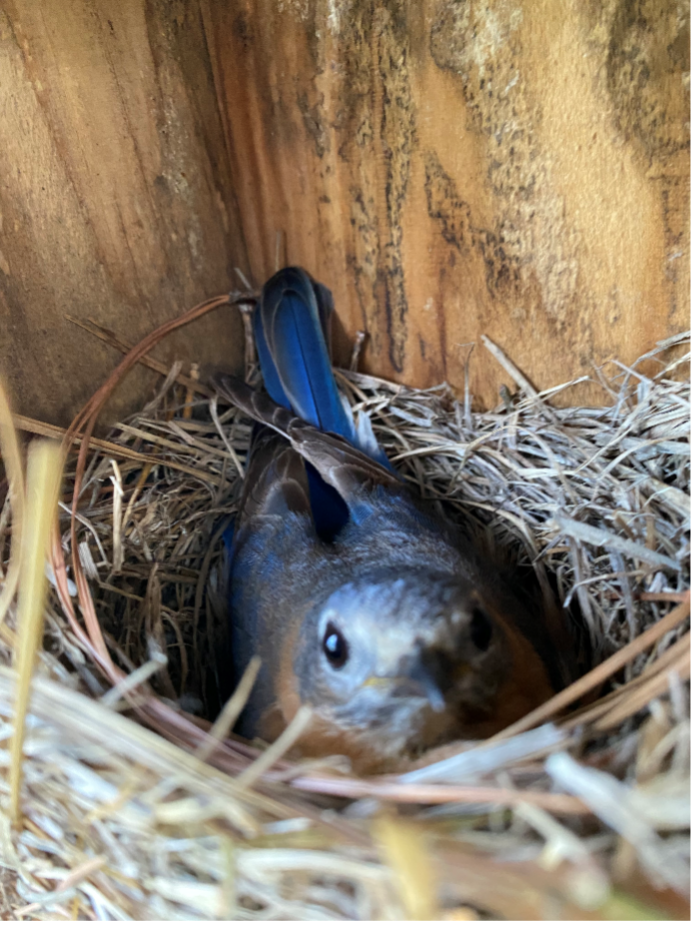
  • Bluebird Program: Installation and monitoring of more than 70 nesting boxes, improving nesting success through adaptive management
  • Eastern Wild Turkey Habitat Management: Food plots, forest thinning, and delayed mowing to support nesting and broader wildlife populations
  • Bird‑Safe Buildings: Window deflectors installed on office buildings to reduce bird strikes
  • Pollinators: Native plantings and pollinator habitats supporting bees, butterflies, and other essential species
  • Whitetail Deer: Habitat management practices that support healthy populations while maintaining balanced forest ecosystems
  • Bats: Protection and monitoring of bat habitats, supporting local populations and their role in natural insect control

bee landing on white flower bluebird nesting in box

Conservation Education and Community Engagement

  • School Partnerships: Hands‑on environmental education with Gray’s Creek High School, Future Farmers of America students, and Mac Williams Middle School, reaching hundreds of students each year
  • Youth Outreach: Nature‑based learning activities through events such as Kids Day at Work, introducing children to local wildlife and conservation concepts

Together, these site‑led initiatives demonstrate how employee volunteers and community partnerships are making a positive impact on local ecosystems and communities.

Chemours recognizes the Fayetteville Works employee volunteers and community partners whose dedication made this achievement possible and remains committed to advancing conservation and biodiversity across its global footprint.

Learn more about Chemours commitment to innovation, safety, and sustainability at https://www.chemours.com/en/sustainability.