• Cordant™ 26.1 brings together asset strategy, health insights and AI‑driven risk intelligence to reduce unplanned downtime and support faster, higher‑value decisions
  • Expanded platform capabilities deliver greater usability, global flexibility and scalability
  • Strong demand across energy and industrial sectors resulted in a 20% increase in software orders in 2025

FLORENCE, Italy February 26, 2026 /3BL/ – Baker Hughes, an energy technology company, announced the latest release of Cordant™ (Release 26.1) industrial software, featuring expanded capabilities to help customers improve operational reliability, enhance performance consistency, and support sustainability initiatives. Cordant™ 26.1 enhances energy and industrial operators’ enterprise-wide visibility across assets, delivering improved access to decision-grade data, and empowering a broader range of users through an increasingly open, composable and scalable platform architecture. The announcement was made at the 2026 Baker Hughes Annual Meeting in Florence.

“Energy and industrial operators are being asked to deliver more, with greater speed, precision and accountability,” said Aravind Yarlagadda, senior vice president of Industrial Solutions, Industrial & Energy Technology at Baker Hughes. “This release advances Cordant’s ability to connect asset insights, risk and operations data in a single environment, designed to reduce unplanned downtime, prioritize capital more effectively, and improve day-to-day operational performance across complex assets.”

Expanding Asset Performance Management for Greater Reliability and Risk Visibility 
This release strengthens reliability and risk visibility by integrating asset strategy, integrity and health insights into a unified workflow. Updates include enhanced Failure Mode Analytics, waveform analysis and KPI drilldowns. These now connect directly to risk modelling, capital planning and integrity workflows, enabling teams to quantify asset risk more clearly and align on actions that reduce downtime. New AI-enabled capabilities, such as failure mode mapping between domains and automated risk alignment, aims to cut manual effort and help organizations drive consistent long-term asset strategies.

Process Optimization designed to Maximize Efficiency and Margin 
Cordant™ Process Optimization introduces a flexible objective function that enables operators to evaluate multiple operational scenarios, whether maximizing production, reducing energy use or optimizing both. Real-time, context-aware recommendations provide users with clear pathways to impact throughput, efficiency, and margin performance. These enhancements support customers in navigating increasingly dynamic market and operational environments, while embedding sustainability into process decisions. Outcomes depend on site conditions, configurations and user choices.

Enabling Sustainability at Scale
A new integration between Baker Hughes Energy & Emissions Management (EEM) and Cordant™ FastLCA, helps customers centralize emissions and energy data across assets and sites. This unified view can help operators identify hotspots, optimize energy use, and prioritize decarbonization actions based on consistent, auditable methodologies. By embedding trusted lifecycle data into day-to-day operations, Cordant™ supports compliance efforts and advances customers’ sustainability goals without adding complexity for users.

Enhancing Usability, Security and Global Flexibility
Foundational platform updates improve usability, adaptability, and enterprise readiness across all Cordant™ applications. Multi-language support, notifications, self-guided walkthroughs, and customizable reporting tools support faster onboarding and broader coverage across diverse roles and regions.

With a 100-year heritage of energy innovation, Baker Hughes is integrating digital solutions such as Cordant™ with the company’s proven technologies to help customers achieve greater efficiency, extend asset life, and maximize returns. Learn more about the company’s end-to-end digital portfolio here.

About Baker Hughes
Baker Hughes (NASDAQ: BKR) is an energy technology company that provides solutions to energy and industrial customers worldwide. Built on a century of experience and conducting business in over 120 countries, our innovative technologies and services are taking energy forward – making it safer, cleaner and more efficient for people and the planet. Visit us at bakerhughes.com.

For more information, please contact:

Media relations
Kerry Davis
Kerry.Davis@BakerHughes.com
+44 7443 157 262
Partnership Promotes Healthier, Greener Spaces in Downtown Louisville

LOUISVILLE, Ky., Feb. 26, 2026 /PRNewswire/ — Gresham Smith, a premier architecture, engineering, and consultancy services firm, and the University of Louisville (UofL) Christina Lee Brown Envirome Institute have entered a five-year memorandum of understanding (MOU) to collaborate as part of the Greenprint Initiative, a 10-year program in partnership with Metro Louisville to develop a systemic, evidence-based approach to making downtown Louisville healthier and greener.

The partnership aims to combine scientific research, design coordination and shared learning to transform underutilized areas into healthier, greener public and private spaces. The Greenprint Initiative applies the latest science on how nature influences human health and strengthens environmental resilience.

“The strength of this collaboration lies in establishing reliable environmental baselines before development and assessing outcomes after construction and planting,” said Kathryn Cardarelli, Executive Vice President and Provost of UofL. “This data-driven approach will inform future design decisions and investments to maximize community health and environmental benefits.”

Under the MOU, Gresham Smith will partner with the Envirome Institute to address research needs and develop design strategies for various projects within the Greenprint footprint—a segment of downtown Louisville bounded by the Ohio River to the north, York Street to the south, 9th Street to the west, and Hancock Street to the east. This collaboration aims to integrate environmental and health goals into urban redevelopment. The Envirome Institute will conduct research, maintain environmental and human activity data and provide timely findings to support effective design strategies. Both organizations are committed to aligning design and research to enhance the partnership’s impact on downtown.

“This collaboration sets a precedent for how cities can use data-driven green design to improve quality of life,” said Louis Johnson, Executive Vice President of Land Planning at Gresham Smith. “We are excited to work alongside UofL to realize the vision of a greener, healthier Louisville.”

The new agreement builds on years of work and collaboration between Gresham Smith and the downtown Louisville community on projects like the Trager MicroForest, LOUMED, Broadway All the Way and more.

About Gresham Smith

We are a premier architecture, engineering and consultancy services firm providing integrated, comprehensive solutions for private- and public-sector clients. With $354 million in annual gross revenue and 27 offices throughout the United States, our expertise encompasses eight strategic sectors: aviation, building engineering, healthcare, industrial, land planning, life and work places, transportation, and water and environment. Throughout all of our work, we focus on providing exceptional client experience and outcomes.

Repeatedly recognized by Fast Company as one of the World’s Most Innovative Companies and consistently listed as a “Best Place to Work,” we are committed to delivering on our Core Purpose—to plan, design and consult to create healthy and thriving communities—through our brand promise of Genuine Ingenuity.

Learn more at GreshamSmith.com.

About University of Louisville

Founded in 1798 as one of the nation’s first city-owned, public universities, the University of Louisville (UofL) is a vital ecosystem that creates thriving futures for students, community and society. As one of only 13 universities in the United States to earn recognition by the Carnegie Foundation as a Research 1, Opportunity College and Community Engaged university, we impact lives in areas of student success, research and innovation, while our dynamic connection with our local and global communities provides unparalleled opportunities for students and citizens alike. The university serves as an engine that powers Metro Louisville and the commonwealth and as a classroom for UofL’s more than 25,000 students, who benefit from partnerships with top employers and a wide range of community service opportunities. Through the university’s approach to education, innovation and connection, Cardinals make impacts that make a difference, shaping a better future for all.

Learn more at Louisville.edu.

Cision View original content to download multimedia:https://www.prnewswire.com/news-releases/gresham-smith-and-university-of-louisville-christina-lee-brown-envirome-institute-create-strategic-partnership-for-urban-greening-302697515.html

SOURCE Gresham Smith

Partnership Promotes Healthier, Greener Spaces in Downtown Louisville

LOUISVILLE, Ky., Feb. 26, 2026 /PRNewswire/ — Gresham Smith, a premier architecture, engineering, and consultancy services firm, and the University of Louisville (UofL) Christina Lee Brown Envirome Institute have entered a five-year memorandum of understanding (MOU) to collaborate as part of the Greenprint Initiative, a 10-year program in partnership with Metro Louisville to develop a systemic, evidence-based approach to making downtown Louisville healthier and greener.

The partnership aims to combine scientific research, design coordination and shared learning to transform underutilized areas into healthier, greener public and private spaces. The Greenprint Initiative applies the latest science on how nature influences human health and strengthens environmental resilience.

“The strength of this collaboration lies in establishing reliable environmental baselines before development and assessing outcomes after construction and planting,” said Kathryn Cardarelli, Executive Vice President and Provost of UofL. “This data-driven approach will inform future design decisions and investments to maximize community health and environmental benefits.”

Under the MOU, Gresham Smith will partner with the Envirome Institute to address research needs and develop design strategies for various projects within the Greenprint footprint—a segment of downtown Louisville bounded by the Ohio River to the north, York Street to the south, 9th Street to the west, and Hancock Street to the east. This collaboration aims to integrate environmental and health goals into urban redevelopment. The Envirome Institute will conduct research, maintain environmental and human activity data and provide timely findings to support effective design strategies. Both organizations are committed to aligning design and research to enhance the partnership’s impact on downtown.

“This collaboration sets a precedent for how cities can use data-driven green design to improve quality of life,” said Louis Johnson, Executive Vice President of Land Planning at Gresham Smith. “We are excited to work alongside UofL to realize the vision of a greener, healthier Louisville.”

The new agreement builds on years of work and collaboration between Gresham Smith and the downtown Louisville community on projects like the Trager MicroForest, LOUMED, Broadway All the Way and more.

About Gresham Smith

We are a premier architecture, engineering and consultancy services firm providing integrated, comprehensive solutions for private- and public-sector clients. With $354 million in annual gross revenue and 27 offices throughout the United States, our expertise encompasses eight strategic sectors: aviation, building engineering, healthcare, industrial, land planning, life and work places, transportation, and water and environment. Throughout all of our work, we focus on providing exceptional client experience and outcomes.

Repeatedly recognized by Fast Company as one of the World’s Most Innovative Companies and consistently listed as a “Best Place to Work,” we are committed to delivering on our Core Purpose—to plan, design and consult to create healthy and thriving communities—through our brand promise of Genuine Ingenuity.

Learn more at GreshamSmith.com.

About University of Louisville

Founded in 1798 as one of the nation’s first city-owned, public universities, the University of Louisville (UofL) is a vital ecosystem that creates thriving futures for students, community and society. As one of only 13 universities in the United States to earn recognition by the Carnegie Foundation as a Research 1, Opportunity College and Community Engaged university, we impact lives in areas of student success, research and innovation, while our dynamic connection with our local and global communities provides unparalleled opportunities for students and citizens alike. The university serves as an engine that powers Metro Louisville and the commonwealth and as a classroom for UofL’s more than 25,000 students, who benefit from partnerships with top employers and a wide range of community service opportunities. Through the university’s approach to education, innovation and connection, Cardinals make impacts that make a difference, shaping a better future for all.

Learn more at Louisville.edu.

Cision View original content to download multimedia:https://www.prnewswire.com/news-releases/gresham-smith-and-university-of-louisville-christina-lee-brown-envirome-institute-create-strategic-partnership-for-urban-greening-302697515.html

SOURCE Gresham Smith

Partnership Promotes Healthier, Greener Spaces in Downtown Louisville

LOUISVILLE, Ky., Feb. 26, 2026 /PRNewswire/ — Gresham Smith, a premier architecture, engineering, and consultancy services firm, and the University of Louisville (UofL) Christina Lee Brown Envirome Institute have entered a five-year memorandum of understanding (MOU) to collaborate as part of the Greenprint Initiative, a 10-year program in partnership with Metro Louisville to develop a systemic, evidence-based approach to making downtown Louisville healthier and greener.

The partnership aims to combine scientific research, design coordination and shared learning to transform underutilized areas into healthier, greener public and private spaces. The Greenprint Initiative applies the latest science on how nature influences human health and strengthens environmental resilience.

“The strength of this collaboration lies in establishing reliable environmental baselines before development and assessing outcomes after construction and planting,” said Kathryn Cardarelli, Executive Vice President and Provost of UofL. “This data-driven approach will inform future design decisions and investments to maximize community health and environmental benefits.”

Under the MOU, Gresham Smith will partner with the Envirome Institute to address research needs and develop design strategies for various projects within the Greenprint footprint—a segment of downtown Louisville bounded by the Ohio River to the north, York Street to the south, 9th Street to the west, and Hancock Street to the east. This collaboration aims to integrate environmental and health goals into urban redevelopment. The Envirome Institute will conduct research, maintain environmental and human activity data and provide timely findings to support effective design strategies. Both organizations are committed to aligning design and research to enhance the partnership’s impact on downtown.

“This collaboration sets a precedent for how cities can use data-driven green design to improve quality of life,” said Louis Johnson, Executive Vice President of Land Planning at Gresham Smith. “We are excited to work alongside UofL to realize the vision of a greener, healthier Louisville.”

The new agreement builds on years of work and collaboration between Gresham Smith and the downtown Louisville community on projects like the Trager MicroForest, LOUMED, Broadway All the Way and more.

About Gresham Smith

We are a premier architecture, engineering and consultancy services firm providing integrated, comprehensive solutions for private- and public-sector clients. With $354 million in annual gross revenue and 27 offices throughout the United States, our expertise encompasses eight strategic sectors: aviation, building engineering, healthcare, industrial, land planning, life and work places, transportation, and water and environment. Throughout all of our work, we focus on providing exceptional client experience and outcomes.

Repeatedly recognized by Fast Company as one of the World’s Most Innovative Companies and consistently listed as a “Best Place to Work,” we are committed to delivering on our Core Purpose—to plan, design and consult to create healthy and thriving communities—through our brand promise of Genuine Ingenuity.

Learn more at GreshamSmith.com.

About University of Louisville

Founded in 1798 as one of the nation’s first city-owned, public universities, the University of Louisville (UofL) is a vital ecosystem that creates thriving futures for students, community and society. As one of only 13 universities in the United States to earn recognition by the Carnegie Foundation as a Research 1, Opportunity College and Community Engaged university, we impact lives in areas of student success, research and innovation, while our dynamic connection with our local and global communities provides unparalleled opportunities for students and citizens alike. The university serves as an engine that powers Metro Louisville and the commonwealth and as a classroom for UofL’s more than 25,000 students, who benefit from partnerships with top employers and a wide range of community service opportunities. Through the university’s approach to education, innovation and connection, Cardinals make impacts that make a difference, shaping a better future for all.

Learn more at Louisville.edu.

Cision View original content to download multimedia:https://www.prnewswire.com/news-releases/gresham-smith-and-university-of-louisville-christina-lee-brown-envirome-institute-create-strategic-partnership-for-urban-greening-302697515.html

SOURCE Gresham Smith

With the ten year anniversary of the Winter Youth Olympic Games (YOG) Lillehammer 2016 approaching on 12 February, the edition stands as a model of how an existing Olympic legacy can be adapted to serve a new generation.

International Olympic Committee news

Key facts

  • Lillehammer 2016 relied entirely on an existing Olympic venue network, limiting new construction and reducing environmental impact.
  • These were the first YOG to achieve ISO 20121 certification for sustainable event management.
  • The Youth Olympic Village was designed for conversion, and now operates as fully occupied student housing with 360 apartments.

Leveraging the venues and expertise of the Lillehammer 1994 Olympic Winter Games, the 2016 organisers delivered a YOG edition centred on high-level sport, education and leadership development — while embedding sustainability and long-term use into planning and delivery.

A decade on, that approach continues to deliver impact across sport, communities and international cooperation.

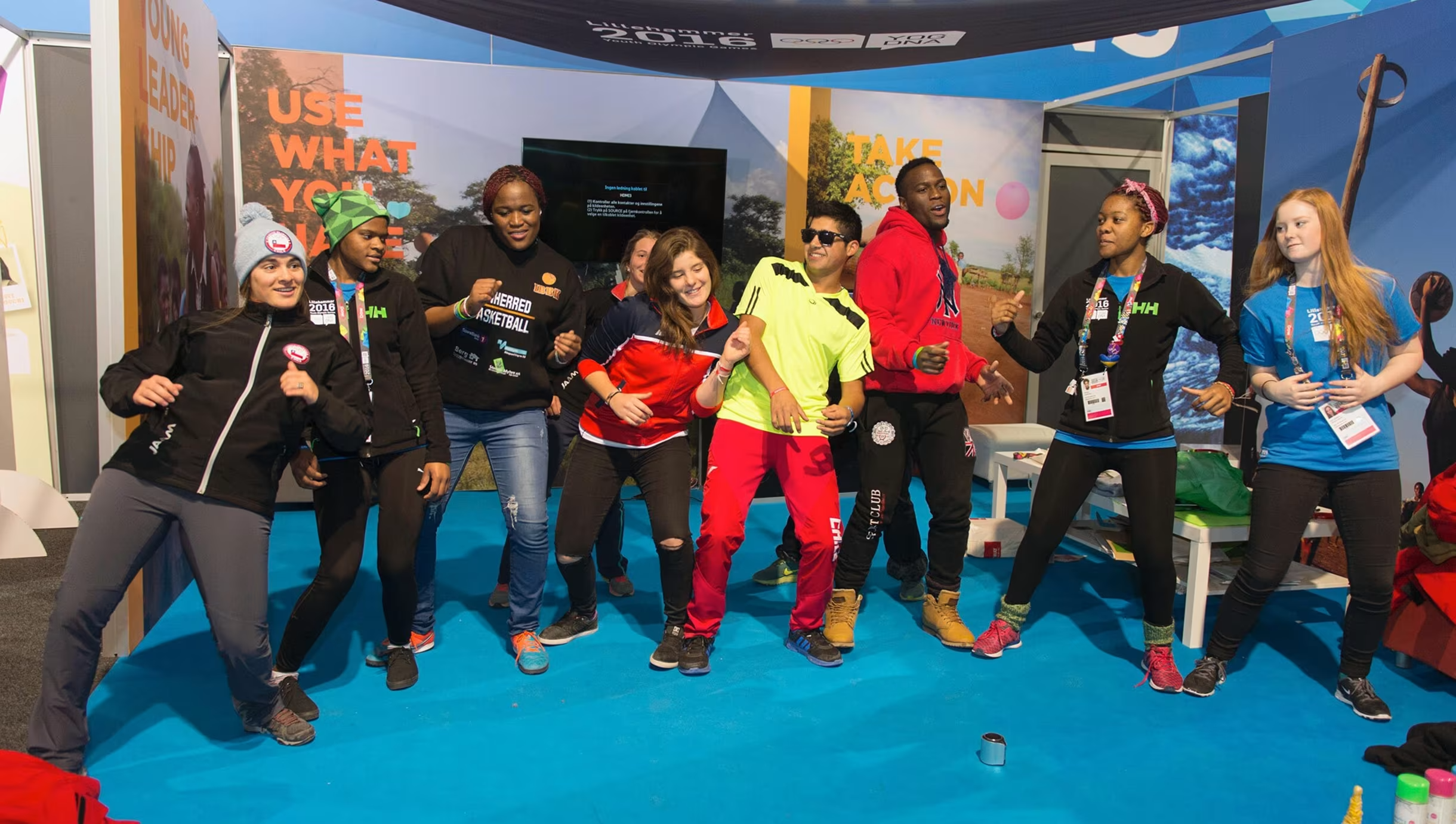
Group posing for pictures together

© IOC/Arnaud Meylan

A legacy rooted in 1994

The Lillehammer 1994 Olympic Winter Games remain a benchmark for sustainable Games delivery, with venues planned for long-term use and strong reliance on public transport.

More than two decades later – at the time of the Lillehammer 2016 Winter YOG – those venues were still active and regularly upgraded through sport and community use. By 2018, they had hosted 32 World and European Championships, 129 World Cups and 161 national competitions – demonstrating sustained relevance well beyond Games time.

Passing the baton in 2016

Lillehammer 2016 translated this continuity into a Youth Olympic model designed for the next generation.

Competitions were staged across Lillehammer, Hamar, Gjøvik, Øyer and Oslo, combining established venues with regional flexibility and a focus on lasting local benefit. The Games advanced the region’s sustainability approach, becoming the first YOG edition certified to ISO 20121 sustainable event standards.

person sledding downhill

© Youth Information Service (YIS)/IOC

The sports programme introduced several YOG debuts, including cross-country cross, snowboard cross, ski slopestyle, biathlon super sprint and monobob. Lillehammer 2016 also launched Coaches’ Corner, offering workshops for coaches and support staff, and including early experimentation with virtual reality as a learning tool.

Person using VR headset to practice skiing

© Youth Information Service (YIS)/IOC

The Games provided an early international stage for athletes who have since progressed to senior Olympic and World Cup success, including Marius Lindvik, Kajsa Vickhoff Lie, Anne Odine Strøm and Birk Ruud. That progression is also visible at Milano Cortina 2026, where French biathlete Lou Jeanmonnot, who competed at Lillehammer 2016, has since gone on to win Olympic gold.

woman in Olympic sports gear shooting

Designed with the future in mind

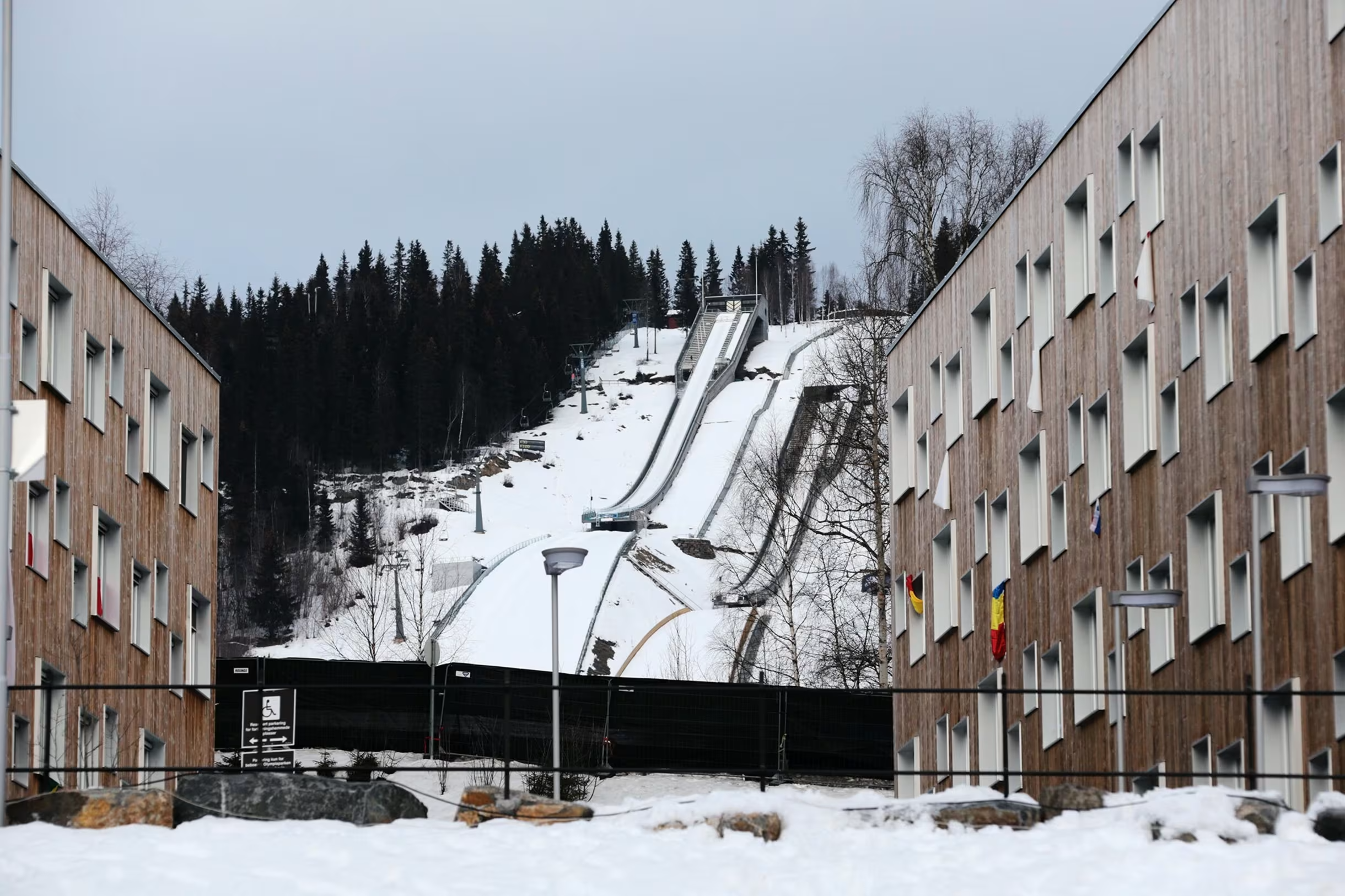
Among the most tangible legacies is the Youth Olympic Village. Supported by an IOC contribution of EUR 13.5 million, it was planned from the outset for post-Games use and now provides 360 student apartments in four buildings.

apartment buildings near ski slope

© IOC/Ian Jones

The Lillehammer Olympic venue network also remains highly active today. Hafjell has returned to the Alpine World Cup calendar and will host the World Cup Finals later in 2026. Lysgårdsbakken continues to stage international ski jumping, Birkebeineren remains central to Nordic disciplines, and the Olympic Sliding Centre will host the IBSF World Championships in 2027.

Inspiring the next generation

Youth development was placed alongside sports performance. The Learn and Share programme offered structured activities across five themes — Your Career, Your Body and Mind, Your Stories, Your Discovery and Your Actions — addressing topics from nutrition and injury prevention to media skills and life beyond elite sport.

Community engagement was equally strong. Dream Day reached more than 17,500 school pupils, while Active Mind – Active Body encouraged daily physical activity. Volunteering was also positioned as a legacy pillar, with 3,200 volunteers from 81 nations supporting the Games, the majority under the age of 30.

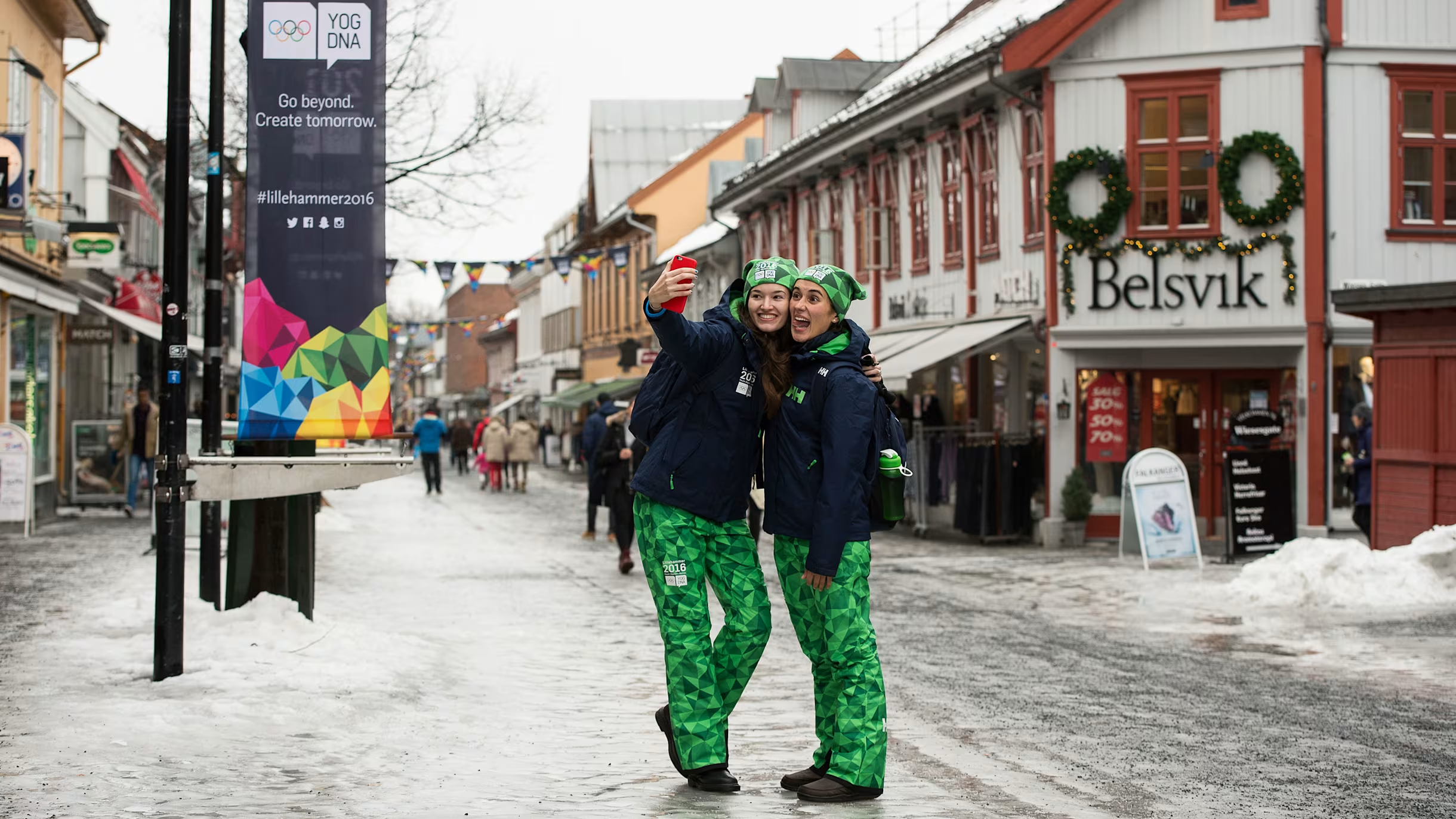
Two women taking a selfie

© Youth Information Service (YIS)/IOC

Sharing expertise globally

The Lillehammer 2016 legacy also extended beyond Norway. The Lillehammer Olympic Legacy Sports Centre, established in 2017, was created to share expertise with athletes, coaches and organisers, particularly from nations with developing winter sports programmes.

To date, it has engaged participants from 83 countries, including more than 1,000 athletes, 200 coaches and around 140 young sports leaders. A few examples help to illustrate that reach. Norway’s Heidi Dyhre Traaserud and Canada’s Abigail Strate took part in Lillehammer’s international ski jumping camps and have since progressed to senior success, including major championship and Olympic appearances.

The pathway also extends beyond the field of play. Ludovica Sini, a participant in Lillehammer’s Young Leaders programme, has since taken on a protocol coordination role for Milano Cortina 2026. The Olympic Sliding Centre continues to host international teams for early-season preparation, contributing to regional activity and visitor spending.

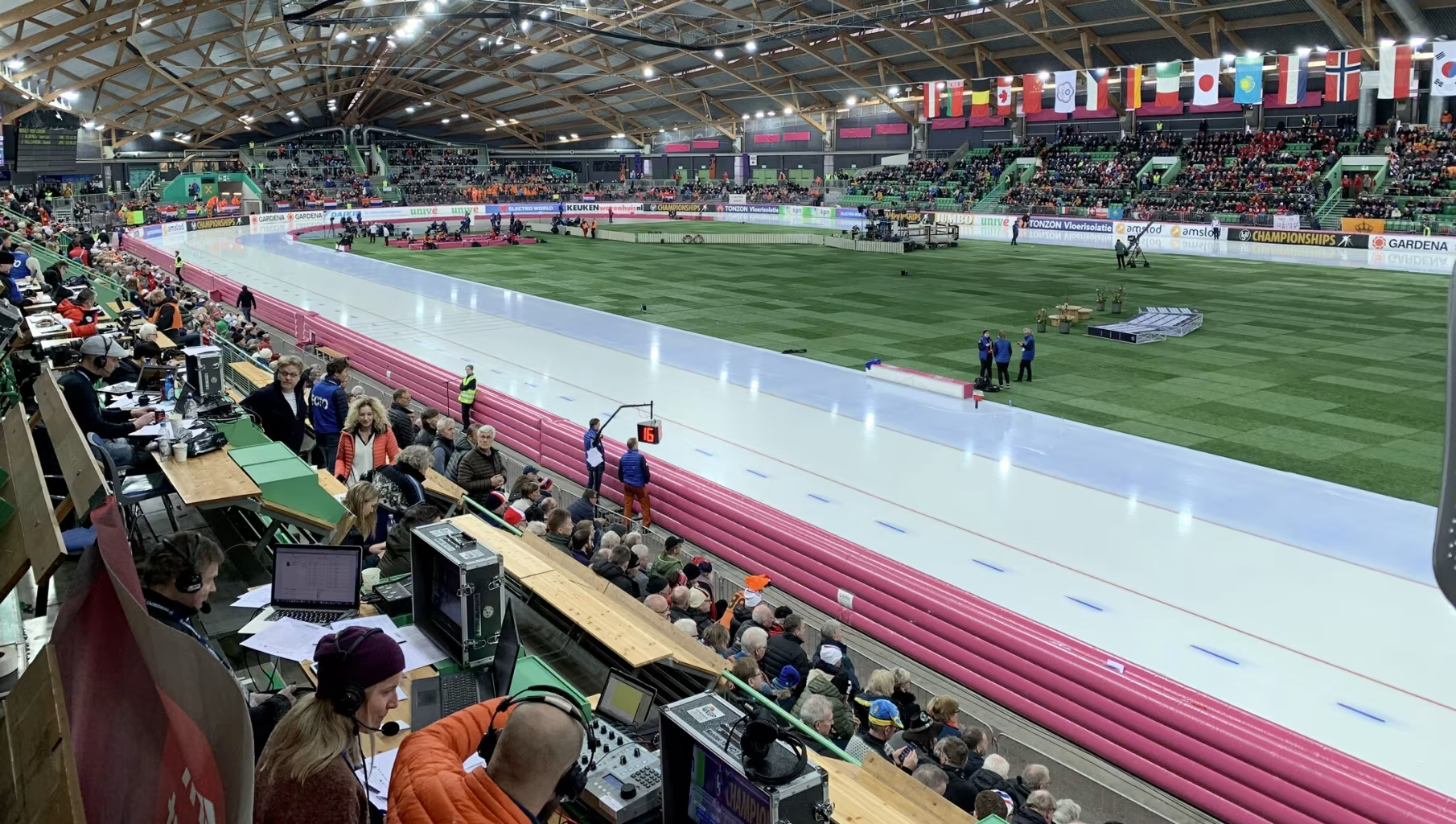
Indoor skating arena

Ten years on

A decade later, Lillehammer 2016 stands as a perfect example of how a forward-looking legacy strategy, implemented in advance, can create lasting benefits for local communities.

Venues remain active, systems and expertise endure, and the Youth Olympic Village continues to host students. Building on the legacy created by Lillehammer 1994, the 2016 Winter YOG strengthened education and leadership programming, advanced sustainable event management, and reinforced the principle that Olympic investments are designed to serve communities long after the flame is extinguished.

With the ten year anniversary of the Winter Youth Olympic Games (YOG) Lillehammer 2016 approaching on 12 February, the edition stands as a model of how an existing Olympic legacy can be adapted to serve a new generation.

International Olympic Committee news

Key facts

  • Lillehammer 2016 relied entirely on an existing Olympic venue network, limiting new construction and reducing environmental impact.
  • These were the first YOG to achieve ISO 20121 certification for sustainable event management.
  • The Youth Olympic Village was designed for conversion, and now operates as fully occupied student housing with 360 apartments.

Leveraging the venues and expertise of the Lillehammer 1994 Olympic Winter Games, the 2016 organisers delivered a YOG edition centred on high-level sport, education and leadership development — while embedding sustainability and long-term use into planning and delivery.

A decade on, that approach continues to deliver impact across sport, communities and international cooperation.

Group posing for pictures together

© IOC/Arnaud Meylan

A legacy rooted in 1994

The Lillehammer 1994 Olympic Winter Games remain a benchmark for sustainable Games delivery, with venues planned for long-term use and strong reliance on public transport.

More than two decades later – at the time of the Lillehammer 2016 Winter YOG – those venues were still active and regularly upgraded through sport and community use. By 2018, they had hosted 32 World and European Championships, 129 World Cups and 161 national competitions – demonstrating sustained relevance well beyond Games time.

Passing the baton in 2016

Lillehammer 2016 translated this continuity into a Youth Olympic model designed for the next generation.

Competitions were staged across Lillehammer, Hamar, Gjøvik, Øyer and Oslo, combining established venues with regional flexibility and a focus on lasting local benefit. The Games advanced the region’s sustainability approach, becoming the first YOG edition certified to ISO 20121 sustainable event standards.

person sledding downhill

© Youth Information Service (YIS)/IOC

The sports programme introduced several YOG debuts, including cross-country cross, snowboard cross, ski slopestyle, biathlon super sprint and monobob. Lillehammer 2016 also launched Coaches’ Corner, offering workshops for coaches and support staff, and including early experimentation with virtual reality as a learning tool.

Person using VR headset to practice skiing

© Youth Information Service (YIS)/IOC

The Games provided an early international stage for athletes who have since progressed to senior Olympic and World Cup success, including Marius Lindvik, Kajsa Vickhoff Lie, Anne Odine Strøm and Birk Ruud. That progression is also visible at Milano Cortina 2026, where French biathlete Lou Jeanmonnot, who competed at Lillehammer 2016, has since gone on to win Olympic gold.

woman in Olympic sports gear shooting

Designed with the future in mind

Among the most tangible legacies is the Youth Olympic Village. Supported by an IOC contribution of EUR 13.5 million, it was planned from the outset for post-Games use and now provides 360 student apartments in four buildings.

apartment buildings near ski slope

© IOC/Ian Jones

The Lillehammer Olympic venue network also remains highly active today. Hafjell has returned to the Alpine World Cup calendar and will host the World Cup Finals later in 2026. Lysgårdsbakken continues to stage international ski jumping, Birkebeineren remains central to Nordic disciplines, and the Olympic Sliding Centre will host the IBSF World Championships in 2027.

Inspiring the next generation

Youth development was placed alongside sports performance. The Learn and Share programme offered structured activities across five themes — Your Career, Your Body and Mind, Your Stories, Your Discovery and Your Actions — addressing topics from nutrition and injury prevention to media skills and life beyond elite sport.

Community engagement was equally strong. Dream Day reached more than 17,500 school pupils, while Active Mind – Active Body encouraged daily physical activity. Volunteering was also positioned as a legacy pillar, with 3,200 volunteers from 81 nations supporting the Games, the majority under the age of 30.

Two women taking a selfie

© Youth Information Service (YIS)/IOC

Sharing expertise globally

The Lillehammer 2016 legacy also extended beyond Norway. The Lillehammer Olympic Legacy Sports Centre, established in 2017, was created to share expertise with athletes, coaches and organisers, particularly from nations with developing winter sports programmes.

To date, it has engaged participants from 83 countries, including more than 1,000 athletes, 200 coaches and around 140 young sports leaders. A few examples help to illustrate that reach. Norway’s Heidi Dyhre Traaserud and Canada’s Abigail Strate took part in Lillehammer’s international ski jumping camps and have since progressed to senior success, including major championship and Olympic appearances.

The pathway also extends beyond the field of play. Ludovica Sini, a participant in Lillehammer’s Young Leaders programme, has since taken on a protocol coordination role for Milano Cortina 2026. The Olympic Sliding Centre continues to host international teams for early-season preparation, contributing to regional activity and visitor spending.

Indoor skating arena

Ten years on

A decade later, Lillehammer 2016 stands as a perfect example of how a forward-looking legacy strategy, implemented in advance, can create lasting benefits for local communities.

Venues remain active, systems and expertise endure, and the Youth Olympic Village continues to host students. Building on the legacy created by Lillehammer 1994, the 2016 Winter YOG strengthened education and leadership programming, advanced sustainable event management, and reinforced the principle that Olympic investments are designed to serve communities long after the flame is extinguished.

With the ten year anniversary of the Winter Youth Olympic Games (YOG) Lillehammer 2016 approaching on 12 February, the edition stands as a model of how an existing Olympic legacy can be adapted to serve a new generation.

International Olympic Committee news

Key facts

  • Lillehammer 2016 relied entirely on an existing Olympic venue network, limiting new construction and reducing environmental impact.
  • These were the first YOG to achieve ISO 20121 certification for sustainable event management.
  • The Youth Olympic Village was designed for conversion, and now operates as fully occupied student housing with 360 apartments.

Leveraging the venues and expertise of the Lillehammer 1994 Olympic Winter Games, the 2016 organisers delivered a YOG edition centred on high-level sport, education and leadership development — while embedding sustainability and long-term use into planning and delivery.

A decade on, that approach continues to deliver impact across sport, communities and international cooperation.

Group posing for pictures together

© IOC/Arnaud Meylan

A legacy rooted in 1994

The Lillehammer 1994 Olympic Winter Games remain a benchmark for sustainable Games delivery, with venues planned for long-term use and strong reliance on public transport.

More than two decades later – at the time of the Lillehammer 2016 Winter YOG – those venues were still active and regularly upgraded through sport and community use. By 2018, they had hosted 32 World and European Championships, 129 World Cups and 161 national competitions – demonstrating sustained relevance well beyond Games time.

Passing the baton in 2016

Lillehammer 2016 translated this continuity into a Youth Olympic model designed for the next generation.

Competitions were staged across Lillehammer, Hamar, Gjøvik, Øyer and Oslo, combining established venues with regional flexibility and a focus on lasting local benefit. The Games advanced the region’s sustainability approach, becoming the first YOG edition certified to ISO 20121 sustainable event standards.

person sledding downhill

© Youth Information Service (YIS)/IOC

The sports programme introduced several YOG debuts, including cross-country cross, snowboard cross, ski slopestyle, biathlon super sprint and monobob. Lillehammer 2016 also launched Coaches’ Corner, offering workshops for coaches and support staff, and including early experimentation with virtual reality as a learning tool.

Person using VR headset to practice skiing

© Youth Information Service (YIS)/IOC

The Games provided an early international stage for athletes who have since progressed to senior Olympic and World Cup success, including Marius Lindvik, Kajsa Vickhoff Lie, Anne Odine Strøm and Birk Ruud. That progression is also visible at Milano Cortina 2026, where French biathlete Lou Jeanmonnot, who competed at Lillehammer 2016, has since gone on to win Olympic gold.

woman in Olympic sports gear shooting

Designed with the future in mind

Among the most tangible legacies is the Youth Olympic Village. Supported by an IOC contribution of EUR 13.5 million, it was planned from the outset for post-Games use and now provides 360 student apartments in four buildings.

apartment buildings near ski slope

© IOC/Ian Jones

The Lillehammer Olympic venue network also remains highly active today. Hafjell has returned to the Alpine World Cup calendar and will host the World Cup Finals later in 2026. Lysgårdsbakken continues to stage international ski jumping, Birkebeineren remains central to Nordic disciplines, and the Olympic Sliding Centre will host the IBSF World Championships in 2027.

Inspiring the next generation

Youth development was placed alongside sports performance. The Learn and Share programme offered structured activities across five themes — Your Career, Your Body and Mind, Your Stories, Your Discovery and Your Actions — addressing topics from nutrition and injury prevention to media skills and life beyond elite sport.

Community engagement was equally strong. Dream Day reached more than 17,500 school pupils, while Active Mind – Active Body encouraged daily physical activity. Volunteering was also positioned as a legacy pillar, with 3,200 volunteers from 81 nations supporting the Games, the majority under the age of 30.

Two women taking a selfie

© Youth Information Service (YIS)/IOC

Sharing expertise globally

The Lillehammer 2016 legacy also extended beyond Norway. The Lillehammer Olympic Legacy Sports Centre, established in 2017, was created to share expertise with athletes, coaches and organisers, particularly from nations with developing winter sports programmes.

To date, it has engaged participants from 83 countries, including more than 1,000 athletes, 200 coaches and around 140 young sports leaders. A few examples help to illustrate that reach. Norway’s Heidi Dyhre Traaserud and Canada’s Abigail Strate took part in Lillehammer’s international ski jumping camps and have since progressed to senior success, including major championship and Olympic appearances.

The pathway also extends beyond the field of play. Ludovica Sini, a participant in Lillehammer’s Young Leaders programme, has since taken on a protocol coordination role for Milano Cortina 2026. The Olympic Sliding Centre continues to host international teams for early-season preparation, contributing to regional activity and visitor spending.

Indoor skating arena

Ten years on

A decade later, Lillehammer 2016 stands as a perfect example of how a forward-looking legacy strategy, implemented in advance, can create lasting benefits for local communities.

Venues remain active, systems and expertise endure, and the Youth Olympic Village continues to host students. Building on the legacy created by Lillehammer 1994, the 2016 Winter YOG strengthened education and leadership programming, advanced sustainable event management, and reinforced the principle that Olympic investments are designed to serve communities long after the flame is extinguished.

TRAVERSE CITY, Mich., Feb. 26, 2026 /PRNewswire/ — How can older adults protect themselves from scams during a move? In HelloNation, real estate expert Ginny Fey of Real Estate One in Traverse City, Michigan, offers practical advice for staying safe when relocating later in life. She explains that while moving comes with many emotional and logistical challenges, safety is often overlooked, leaving seniors vulnerable to fraudulent schemes.

Fey emphasizes that awareness is the best defense. Scammers often target older adults during transitions, taking advantage of high emotions and quick decisions. She urges individuals and families to pay attention to red flags, such as high-pressure tactics, unusually low offers, or requests for large deposits upfront. If something feels rushed or suspicious, it is usually a sign to walk away.

Among the most common scams are fake or unlicensed movers. These individuals may disappear after taking deposits or inflate prices after loading belongings, effectively holding items hostage until more money is paid. To avoid these situations, Fey advises working only with trusted and verified senior relocation services. Professional providers should offer contracts, transparency, and clear communication at every step.

She notes that reputable moving companies will be able to provide referrals, reviews, and proof of insurance. Asking questions, requesting written agreements, and comparing quotes are important steps in safeguarding the process. Avoiding cash payments whenever possible also adds another layer of protection.

Fey also highlights the importance of safeguarding sensitive information. Financial statements, medical records, and other private documents should always be packed securely and kept in personal possession rather than with movers. This helps prevent identity theft or accidental loss during the transition.

Loved ones can also provide valuable support. Adult children or trusted friends can assist in vetting vendors, reviewing contracts, and spotting potential warning signs. Having a second set of eyes and ears creates an added safeguard against scams.

While moving later in life can feel overwhelming, Fey stresses that staying informed and alert makes all the difference. By prioritizing safety and using trusted professionals, seniors can focus on the positives of their transition rather than worrying about risks.

These safety tips are outlined in real estate expert Ginny Fey’s article, Stay Safe, Stay Smart: Avoiding Scams During a Senior Move, where she shares how to protect peace of mind during one of life’s biggest changes.

About HelloNation
HelloNation is a premier media platform that connects readers with trusted professionals and businesses across various industries. Through its innovative “edvertising” approach that blends educational content and storytelling, HelloNation delivers expert-driven articles that inform, inspire, and empower. Covering topics from home improvement and health to business strategy and lifestyle, HelloNation highlights leaders making a meaningful impact in their communities.

Cision View original content to download multimedia:https://www.prnewswire.com/news-releases/in-hellonation-real-estate-expert-ginny-fey-shares-safety-tips-for-avoiding-scams-during-senior-moves-302698480.html

SOURCE HelloNation

TRAVERSE CITY, Mich., Feb. 26, 2026 /PRNewswire/ — How can older adults protect themselves from scams during a move? In HelloNation, real estate expert Ginny Fey of Real Estate One in Traverse City, Michigan, offers practical advice for staying safe when relocating later in life. She explains that while moving comes with many emotional and logistical challenges, safety is often overlooked, leaving seniors vulnerable to fraudulent schemes.

Fey emphasizes that awareness is the best defense. Scammers often target older adults during transitions, taking advantage of high emotions and quick decisions. She urges individuals and families to pay attention to red flags, such as high-pressure tactics, unusually low offers, or requests for large deposits upfront. If something feels rushed or suspicious, it is usually a sign to walk away.

Among the most common scams are fake or unlicensed movers. These individuals may disappear after taking deposits or inflate prices after loading belongings, effectively holding items hostage until more money is paid. To avoid these situations, Fey advises working only with trusted and verified senior relocation services. Professional providers should offer contracts, transparency, and clear communication at every step.

She notes that reputable moving companies will be able to provide referrals, reviews, and proof of insurance. Asking questions, requesting written agreements, and comparing quotes are important steps in safeguarding the process. Avoiding cash payments whenever possible also adds another layer of protection.

Fey also highlights the importance of safeguarding sensitive information. Financial statements, medical records, and other private documents should always be packed securely and kept in personal possession rather than with movers. This helps prevent identity theft or accidental loss during the transition.

Loved ones can also provide valuable support. Adult children or trusted friends can assist in vetting vendors, reviewing contracts, and spotting potential warning signs. Having a second set of eyes and ears creates an added safeguard against scams.

While moving later in life can feel overwhelming, Fey stresses that staying informed and alert makes all the difference. By prioritizing safety and using trusted professionals, seniors can focus on the positives of their transition rather than worrying about risks.

These safety tips are outlined in real estate expert Ginny Fey’s article, Stay Safe, Stay Smart: Avoiding Scams During a Senior Move, where she shares how to protect peace of mind during one of life’s biggest changes.

About HelloNation
HelloNation is a premier media platform that connects readers with trusted professionals and businesses across various industries. Through its innovative “edvertising” approach that blends educational content and storytelling, HelloNation delivers expert-driven articles that inform, inspire, and empower. Covering topics from home improvement and health to business strategy and lifestyle, HelloNation highlights leaders making a meaningful impact in their communities.

Cision View original content to download multimedia:https://www.prnewswire.com/news-releases/in-hellonation-real-estate-expert-ginny-fey-shares-safety-tips-for-avoiding-scams-during-senior-moves-302698480.html

SOURCE HelloNation

TRAVERSE CITY, Mich., Feb. 26, 2026 /PRNewswire/ — How can older adults protect themselves from scams during a move? In HelloNation, real estate expert Ginny Fey of Real Estate One in Traverse City, Michigan, offers practical advice for staying safe when relocating later in life. She explains that while moving comes with many emotional and logistical challenges, safety is often overlooked, leaving seniors vulnerable to fraudulent schemes.

Fey emphasizes that awareness is the best defense. Scammers often target older adults during transitions, taking advantage of high emotions and quick decisions. She urges individuals and families to pay attention to red flags, such as high-pressure tactics, unusually low offers, or requests for large deposits upfront. If something feels rushed or suspicious, it is usually a sign to walk away.

Among the most common scams are fake or unlicensed movers. These individuals may disappear after taking deposits or inflate prices after loading belongings, effectively holding items hostage until more money is paid. To avoid these situations, Fey advises working only with trusted and verified senior relocation services. Professional providers should offer contracts, transparency, and clear communication at every step.

She notes that reputable moving companies will be able to provide referrals, reviews, and proof of insurance. Asking questions, requesting written agreements, and comparing quotes are important steps in safeguarding the process. Avoiding cash payments whenever possible also adds another layer of protection.

Fey also highlights the importance of safeguarding sensitive information. Financial statements, medical records, and other private documents should always be packed securely and kept in personal possession rather than with movers. This helps prevent identity theft or accidental loss during the transition.

Loved ones can also provide valuable support. Adult children or trusted friends can assist in vetting vendors, reviewing contracts, and spotting potential warning signs. Having a second set of eyes and ears creates an added safeguard against scams.

While moving later in life can feel overwhelming, Fey stresses that staying informed and alert makes all the difference. By prioritizing safety and using trusted professionals, seniors can focus on the positives of their transition rather than worrying about risks.

These safety tips are outlined in real estate expert Ginny Fey’s article, Stay Safe, Stay Smart: Avoiding Scams During a Senior Move, where she shares how to protect peace of mind during one of life’s biggest changes.

About HelloNation
HelloNation is a premier media platform that connects readers with trusted professionals and businesses across various industries. Through its innovative “edvertising” approach that blends educational content and storytelling, HelloNation delivers expert-driven articles that inform, inspire, and empower. Covering topics from home improvement and health to business strategy and lifestyle, HelloNation highlights leaders making a meaningful impact in their communities.

Cision View original content to download multimedia:https://www.prnewswire.com/news-releases/in-hellonation-real-estate-expert-ginny-fey-shares-safety-tips-for-avoiding-scams-during-senior-moves-302698480.html

SOURCE HelloNation