What Is Comprehensive Cleft Care?
Cleft lips and cleft palates affect far more than a child’s appearance. They can impact feeding, nutrition, speech, hearing, dental development, emotional wellbeing, and long-term healthcare from the moment a child is born.
Comprehensive cleft care is coordinated treatment provided by a multidisciplinary cleft team from infancy through adulthood. Depending on a patient’s needs, this care may include feeding and nutrition support, cleft surgery, speech therapy, dental and orthodontic treatment, hearing care, and psychosocial support. Together, these services help people with clefts eat, speak, hear, smile, and thrive.
What Treatments Are Involved in Comprehensive Cleft Care?
Comprehensive cleft care is not a series of isolated interventions. Around the world, cleft experts recognize multidisciplinary team care as the gold standard for treating cleft lips and palates because it is an integrated, multidisciplinary approach where each specialty strengthens the next, creating a continuum of care that supports children throughout every stage of life.
Major areas of comprehensive cleft care include:
- Feeding and nutrition support for newborns
- Safe cleft surgery
- Speech-language therapy
- Orthodontic and dental treatment
- Ear and hearing care
- Emotional and psychosocial support
These services are most effective when they are coordinated through a multidisciplinary cleft team. For example, good nutrition can help prepare a child for surgery, surgery can improve speech outcomes, and hearing care can support language development. Comprehensive cleft care recognizes that each stage of treatment influences the next.
How Long Does Cleft Lip and Palate Treatment Last?
Cleft treatment often extends across many years and may continue into adolescence or adulthood. While every patient is unique, many people with clefts receive care at multiple stages of life as their needs evolve.
Feeding and Nutrition Support for Babies with Clefts
Cleft-related feeding challenges can make it difficult for infants to receive the nourishment they need to grow and thrive, particularly in low- and middle-income countries, where access to specialized support may be limited. That’s why feeding support is often the first cleft intervention a baby receives and may begin within days of birth.
A 2022 peer-reviewed study commissioned by Smile Train in partnership with the Institute for Health Metrics and Evaluation found that more than 45,000 children under the age of five died from cleft-related malnutrition between 2000 and 2020.
By expanding access to early feeding interventions, nutrition counseling, and specialized support, Smile Train helps local multidisciplinary cleft care teams address these challenges from the start — saving lives, improving surgical readiness, and laying the foundation for better long-term health outcomes.

Early feeding and nutrition support can help babies with clefts grow stronger and prepare for surgery
Smile Train empowers local nutritionists to help families navigate these early challenges through:
- Breastfeeding and bottle-feeding guidance
- Safe cup-feeding techniques
- Specialized feeding equipment when needed
- Nutritional monitoring and support
2025 Impact
25,500+ nutritional interventions supported across 35+ countries
A Warrior at Heart
At one month old, Mirian weighed just four pounds. Five months later, with the support of our local partners, she had transformed into a happy, chubby baby.

Cleft Lip and Palate Surgery
Surgery is a transformative milestone in the cleft treatment journey. It not only treats the cleft itself, it lays the foundation for other aspects of comprehensive cleft care to succeed.
Cleft palate surgery is particularly important. By closing the opening in the palate, it can improve feeding, support healthy growth and development, and enable other interventions — including speech therapy, dental and orthodontic care, and ear and hearing care — to be more effective.

Cleft surgery is just one facet of the comprehensive cleft care journey, and Paulwin’s smile reflects years of care and support
How Many Surgeries Do People With Clefts Need?
The number varies by individual. Some children may need only one or two surgeries, while others may require additional procedures. Common surgical milestones include:
| Optimal Age | Procedure |
|---|---|
| 3-6 months | Cleft lip surgery |
| 9-18 months | Cleft palate surgery |
| 7-9 years | Alveolar bone graft surgery |
| Adolescence through adulthood | Additional procedures as needed |
While these milestones represent the ideal timeline for most children, it is never too late to seek treatment. Cleft surgery can meaningfully improve health, function, and quality of life at any age. Through Smile Train’s sustainable local model, children and adults alike can access the care they need, when and where it is right for them.
2025 Impact
94,400+ cleft surgeries supported across 75+ countries
Recipient of Our 2 Millionth Surgery Witnesses a Generational Transformation
Rajib’s life will not be like his father’s
Speech Services for Children with Clefts
For many children with clefts, learning to communicate clearly is one of the most time-intensive stages of the treatment journey. Structural differences in the lip and palate can affect how speech sounds are produced, making it more difficult to develop clear and understandable speech.
Children with clefts may experience:
- Delayed speech and language development
- Difficulty producing certain speech sounds
- Hypernasal speech
- Air escaping through the nose during speech
- Voice and resonance challenges
Early access to nutrition support, surgery, and hearing care can help reduce some of these challenges. However, many children will still require ongoing speech therapy to develop the communication skills necessary to fully participate in school, relationships, and everyday life.
The impact of speech difficulties extends beyond communication. Children who struggle to make themselves understood may also face stigma, social isolation, bullying, and reduced self-confidence. That makes speech outcomes among the most important measures of long-term treatment success, and speech-language pathologists core members of multidisciplinary cleft teams.
Smile Train’s model recognizes this. By funding speech therapy for cleft-affected children in need while training speech-language professionals to deliver high-quality, cleft-specialized speech therapy in areas where it had never been available before, the organization is making sure this critical service is available to children now and well into the future.

Speech therapy is a vital part of comprehensive cleft care, supporting communication long after surgery
The Mentoring Alliance for Global Speech (MAGS) is an excellent example. This structured virtual mentorship program connects Smile Train partner mentors — from regional leaders and trainers to global experts in cleft speech therapy — with Smile Train partner mentees in low- and middle-income countries. These specialists work with cleft-affected patients every day but may not have access to specialized guidance on the more complex cases they encounter.
The MAGS program has trained over 150 speech-language professionals across 34 low- and middle-income countries in just four years, delivering more than 1,000 hours of mentorship to date.
Smile Train has also developed free speech therapy apps for families and providers and offers multilingual educational resources to help caregivers practice speech exercises at home.
Access our free speech resource library
2025 Impact
80,000+ speech intervention sessions in 30+ countries
95+ languages supported by Smile Train-supported speech therapists
Fares Speaks Up
Fares felt closed off from the world, but a local Smile Train partner is helping him express himself
Dental and Orthodontic Care for Children with Clefts
Children with clefts are more likely than their peers to experience oral health challenges such as:
- Misaligned teeth
- Missing or extra teeth
- Delayed eruption of permanent teeth adjacent to the cleft
- Tooth decay and gum disease
- Jaw and bite irregularities
These issues are about more than appearance. Oral health plays a critical role in a child’s overall cleft care journey, influencing speech development, nutrition, readiness for future procedures, and confidence in social settings.
Because comprehensive cleft care is a connected system of support, dental and orthodontic specialists work alongside surgeons, speech therapists, nutritionists, and other providers to help children achieve the best possible outcomes. Each intervention strengthens the next, creating a foundation for lifelong health and overall well-being.
What Specialized Oral Health Care Do Children with Clefts Need?
Children with clefts often require specialized care that evolves as they grow. Smile Train’s local model allows patients to access the support they need close to home from infancy through adulthood.
This care may include:
- Pre-surgical infant orthopedics, including nasoalveolar molding devices
- Long-term orthopedic/orthodontic treatment
- Preventive dental care
- Ongoing oral health monitoring and follow-up
By investing in local expertise and long-term care, Smile Train helps strengthen oral health systems while ensuring children with clefts have access to the specialized treatment they need throughout their lives.

Specialized dental care supports lifelong oral health and strengthens the broader comprehensive cleft care journey
Advancing Oral Health Around the World
Expanding access to cleft-specialized dental and orthodontic care requires collaboration. Smile Train works alongside leading oral health organizations and advocates to build local capacity, share expertise, and advance standards of care globally.
Key partners include:
- Dentsply Sirona, a global leader in professional dental technologies and education
- FDI World Dental Federation, the leading representative body for the dental profession worldwide
Together, these partnerships help equip cleft teams with the tools, training, and resources needed to deliver high-quality care and create healthier futures for children around the world.
2025 Impact
25,700+ orthodontic interventions provided across 30+ countries
Dental Care for Those Who Need it Most
It broke Dr. Meza’s heart to see his patients with clefts struggle to eat, speak, sleep, or even feel good about themselves because of poor dental health. So he partnered with Smile Train to do something about it.

Ear and Hearing Care for Children with Clefts
The ability to hear clearly is fundamental to how children learn, communicate, and connect with the world around them. For children with cleft palates, access to hearing and ear, nose, and throat (ENT) care is an especially important part of comprehensive cleft care.
How do clefts affect hearing?
Cleft palates can cause fluid buildup in the middle ear (otitis media with effusion), putting affected children at significantly higher risk of chronic ear infections and hearing loss. Without timely intervention, these challenges can affect speech development, educational outcomes, social connections, and overall well-being.
Because hearing is deeply connected to communication and learning, investing in hearing care helps create opportunities for children to reach important developmental milestones and participate fully in their communities.

Ear and hearing care helps children with clefts develop speech, language, and learning skills
What Specialized Ear and Hearing Care Do Children with Clefts Need?
Comprehensive cleft care addresses hearing health early and throughout childhood to help prevent long-term complications and support healthy development.
Smile Train’s local model empowers partner specialists to provide cleft-specific services such as:
- Hearing evaluations and monitoring
- ENT consultations
- Ear tube placement procedures
- Audiology support before and after cleft surgery
These interventions help identify challenges early, improve hearing outcomes, and support children’s ability to develop speech and language skills.
A Team-Based Approach To Better Outcomes
Hearing care does not happen in isolation. Audiologists and ENT specialists work closely with surgeons, speech therapists, psychologists, nutritionists, and other members of the multidisciplinary cleft care team to ensure every aspect of a child’s development is supported.
This collaborative approach reflects the core principle of comprehensive cleft care: when specialists work together, children receive more effective, coordinated care. By investing in multidisciplinary teams and strengthening local expertise, Smile Train is helping build healthcare systems that can support children with clefts throughout their lives — ensuring they have the opportunity to learn, communicate, and thrive.
2025 Impact
1,500+ hearing and ENT interventions provided across 9 countries
Destiny’s Journey from Silence to Song
A story of the miracles you make possible for World Hearing Day
Emotional and Psychosocial Support for Cleft-Affected Children and Families
Research shows that children with clefts and their families face higher rates of stigma, bullying, social isolation, anxiety, and depression. These experiences can affect confidence, relationships, educational outcomes, and overall quality of life.
That is why psychosocial support is a critical component of comprehensive cleft care. Just as surgeons help restore function and speech therapists help children find their voice, mental health professionals help children and families build resilience, confidence, and a sense of belonging.
Care Rooted in Trust
Support is most effective when it is delivered by people who understand the communities they serve.
Smile Train’s local model allows children and families to receive care from providers who share their language, culture, and lived experiences. The organization has built these trusted relationships over years to create a foundation of continuity and support that extends far beyond a single appointment or procedure.
When families know their care team will be there throughout their journey, they are more likely to seek support, remain engaged in treatment, and feel empowered to face challenges with confidence.

Creative programs, like art therapy, can help children with clefts and families build confidence, connection, and belonging
What Mental Health Resources Are Available To Children with Clefts and Their Families?
Smile Train supports a range of programs designed to strengthen emotional well-being, foster connection, and create supportive communities for children and caregivers, including:
- Counseling and mental health services
- Parent and caregiver support groups
- Camps and peer connection programs
- Art therapy and recreational activities
- Online support communities
Together, these services help children develop confidence, build meaningful relationships, and see new possibilities for their future.
Healing is not measured only by surgical outcomes. It is also measured by a child’s ability to participate fully in school, connect with others, pursue their goals, and feel a sense of belonging in the world around them.
2025 Impact
1,300+ patients received psychosocial interventions across 8 countries
Monica’s Inner Strength Shows in Her Smile
Monica has been through more than any child should, but today she shines bright.
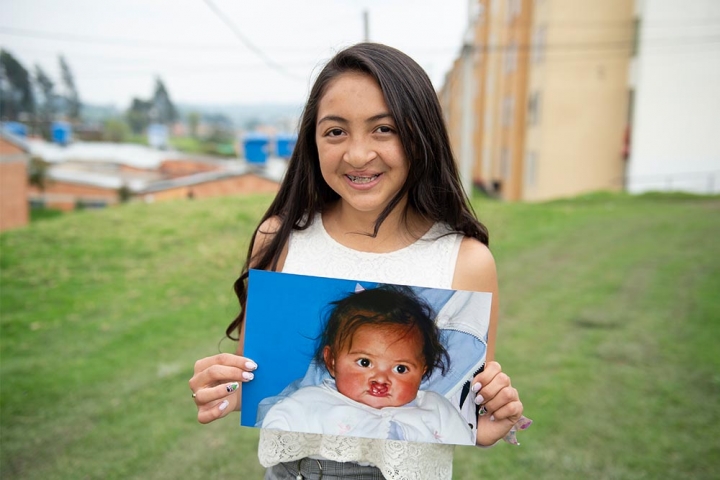
The Takeaway
A cleft lip or palate cannot be fully treated in a single day or with a single surgery.
From feeding support in infancy to speech therapy, oral health treatments, ear and hearing care, and emotional support, children with clefts often require years of coordinated, interdisciplinary care.
Smile Train is helping make this vital comprehensive cleft care accessible, sustainable, and safe for children around the world through our local model and unparalleled global network of medical partners.
Because every child deserves access not only to surgery, but to the full spectrum of care needed to eat, speak, hear, smile, and thrive.