CINCINNATI, July 16, 2025 /3BL/ – The Fifth Third Foundation has made education programs a top priority since its founding in 1948. To honor students with high achievements, Fifth Third established its Scholarship Program. These one-time $2,500 scholarships are awarded annually to children of Fifth Third employees for educational purposes at college or university. This year’s scholarships total $62,500. Nearly 500 students have been recognized since 2005.

Chosen and administered by the National Merit Scholarship Corp., the Fifth Third Scholarship Program recognizes the academic achievements of the following students, listed with their employee parent or parents and their work location:

  • Emily Balent, Child of Maureen Balent, Cincinnati, Ohio
  • Addison J. Wagner*, Child of Dana Berning, Cincinnati, Ohio
  • Kolin L. Cafferky, Child of Traci Cafferky, Cincinnati, Ohio
  • Dominic Capretti, Child of Donna Capretti, Crown Point, Indiana
  • Brandon Fu*, Child of Heather Chu, Weston, Massachusetts
  • Brennan Connor, Child of Trista Connor, Cincinnati, Ohio
  • Alyssa L. Davis, Child of April Davis, Raleigh, North Carolina
  • Parthav Gavini, Child of Raghuram Gavini and Swapna Peram, Cincinnati, Ohio
  • Andrew T. Gillespie, Child of Benjamin Gillespie, Madisonville, Ohio
  • Dominic M. Giordano, Child of Michelle Giordano, Cincinnati, Ohio
  • Michael Granger*, Child of Lidia Granger, South Elgin, Illinois
  • Aishani Kamath, Child of Sarojini Hejamady and Dinesh Kamath, Cincinnati, Ohio
  • Avaneesh Konda*, Child of Anand Kumar Konda, Cincinnati, Ohio
  • Madeline Leete, Child of Ashley Leete, Tyler, Texas
  • Julia E. McTaggart, Child of Allison McTaggart, Hart, Michigan
  • Jenna O’Driscoll*, Child of Eric O’Driscoll, Cincinnati, Ohio
  • Ethan J. Park*, Child of Sung Park, Lincolnwood, Illinois
  • Rudraa Patel, Child of Vidhi Patel and Niral Patel, Cincinnati, Ohio
  • Hadley P. Robinson, Child of Brian Robinson, Cincinnati, Ohio
  • Tanya Zhang*, Child of Rui Shen, Cincinnati, Ohio
  • Quinn A. Smith*, Child of Rodney Smith, Greenwood, Indiana
  • Suzanne I. Summers, Child of Lori Summers, Evergreen Park, Illinois
  • Aliya Harris, Child of Damien Todd, Nashville, Tennessee
  • Nubia Xochitl Zapata, Child of Ruben Zapata, Cicero, Illinois

‘’Here at the Fifth Third Foundation, we recognize access to higher education is essential for the growth of the next generation,’’ said Kala Gibson, chief corporate responsibility officer at Fifth Third Bank, ‘’We are committed to supporting our employees and their families by helping their children pursue both personal and professional development.’’

The National Merit Scholarship Corp. is an independent nonprofit organization. The National Merit Scholarship Program was designed to identify and honor exceptionally able high school students, and to provide a system of services for corporations, foundations and other organizations that wish to sponsor college undergraduate scholarships to students who interest them. All aspects of the selection of winners and the administration of their awards are handled by the NMSC.

*National Merit Scholarship finalist

About the Fifth Third Foundation

Established in 1948, the Fifth Third Foundation was one of the first charitable foundations created by a financial institution. The Fifth Third Foundation supports worthy causes in the areas of health and human services, education, community development and the arts in the states where Fifth Third Bank operates.

About Fifth Third

Fifth Third is a bank that’s as long on innovation as it is on history. Since 1858, we’ve been helping individuals, families, businesses and communities grow through smart financial services that improve lives. Our list of firsts is extensive, and it’s one that continues to expand as we explore the intersection of tech-driven innovation, dedicated people and focused community impact. Fifth Third is one of the few U.S.-based banks to have been named among Ethisphere’s World’s Most Ethical Companies® for several years. With a commitment to taking care of our customers, employees, communities and shareholders, our goal is not only to be the nation’s highest performing regional bank, but to be the bank people most value and trust.

Fifth Third Bank, National Association is a federally chartered institution. Fifth Third Bancorp is the indirect parent company of Fifth Third Bank and its common stock is traded on the NASDAQ® Global Select Market under the symbol “FITB.” Investor information and press releases can be viewed at www.53.com. Deposit and credit products provided by Fifth Third Bank, National Association. Member FDIC.

Amanda Nageleisen (Media Relations)
amanda.nageleisen@53.com
Matt Curoe (Investor Relations)
matt.curoe@53.com | 513-534-2345

Source: Fifth Third Foundation

  • S3 million fund will support programs that aid recovery for individuals, families and communities impacted by the Los Angeles wildfires earlier this year 

LOS ANGELES, July 16, 2025 /PRNewswire/ – BMO today announced the BMO Wildfire Recovery Fund is now accepting applications. BMO created the $3 million fund to support the Los Angeles-area community in its ongoing recovery from the devastating wildfires earlier this year.

BMO is directing funds toward eligible nonprofit organizations with programs or initiatives in the following key areas: 

  • Helping People Rebuild: Funding will support programs that aid recovery for individuals and families with an emphasis on small businesses and home ownership, including:
    • Services that help navigate the administrative requirements of the recovery process
    • Community-driven information sessions with trusted, local agencies
    • Mental health support for those affected by trauma 
  • Community Rebuilding: Funding will support programs that aid recovery for communities with an emphasis on cleanup, safety, and essential needs, including:
    • Addressing food insecurity, shelter, access to healthcare and education
    • Rebuilding community infrastructure and assets including community centers, parks and shared public spaces
    • Community cleanup, safety and preparedness initiatives, including local convenings 

“The wildfires earlier this year caused heartbreaking devastation, with homes and businesses lost and lives changed. BMO is a proud member of the Los Angeles community, and we’re committed to supporting our impacted neighbors and neighborhoods – we’re in it for the long-term with them,” said Halé Behzadi, Vice Chair, California, BMO U.S. “We believe focusing on these areas and working collaboratively with local partners will help strengthen recovery efforts, ensuring long-term resilience and a path toward rebuilding.” 

BMO is committed to building thriving communities through its community giving. The BMO Wildfire Recovery Fund is focused specifically on wildfire relief and builds on more than $21 million in support for nonprofits across the state. The bank will also encourage additional giving by its employees and organize volunteer events to further support recovery efforts.  

“As someone who lost their home in the wildfire, I know firsthand how emotional and complex the recovery process can be,” said Michele Havens, Head, U.S. Private Wealth, BMO. “I’m proud that our team is taking the time to truly listen, learn, and focus where we can make the greatest impact. This fund is more than financial support; it reflects BMO’s deep commitment to standing alongside Californians every step of the way.” 

Local nonprofit organizations aligned with one or both of the fund pillars and serving the affected areas of Los Angeles County are invited to apply for funding through the BMO grants portal: https://our-impact.bmo.com/us/bmo-gives.

Grant awards start at $25,000 and will be based on alignment with the fund’s criteria, the scope of services, and demonstrated need. 

BMO Gives. Good grows here.  

Helping communities thrive by supporting the organizations that sustain them and encouraging employee giving and volunteerism is at the heart of BMO’s Purpose, to Boldly Grow the Good in business and life.  

In 2024, we directed more than $80 million to drive progress for communities, which included $74.3 (USD) million in philanthropic contributions to hundreds of charities and nonprofit organizations across North America.  

Our colleagues spent over 54,000 hours volunteering in the community and contributed more than $28.7 (USD) million of donations through employee-driven giving in our annual campaigns. 

For more information, please visit BMO.com.  

About BMO Financial Group

BMO Financial Group is the seventh largest bank in North America by assets, with total assets of $1.4 trillion as of April 30, 2025. Serving customers for 200 years and counting, BMO is a diverse team of highly engaged employees providing a broad range of personal and commercial banking, wealth management, global markets and investment banking products and services to 13 million customers across Canada, the United States, and in select markets globally. Driven by a single purpose, to Boldly Grow the Good in business and life, BMO is committed to driving positive change in the world, and making progress for a thriving economy, sustainable future, and inclusive society.

Cision View original content:https://www.prnewswire.com/news-releases/bmo-los-angeles-wildfire-recovery-fund-now-accepting-applications-302506074.html

SOURCE BMO Financial Group

In 2023, we rolled out a multi-year development plan code-named Sugar Ray.

The plan resulted in the redesign of our large format Ready To Use bottles for 30 products, including Ortho Home Defense, Bug-B-Gon, and Ortho GroundClear. The design objectives included a consumer and manufacturing-friendly, lighter weight package with maintained or improved strength and performance.

“In the end, we had a new bottle with optimized geometry, a more ergonomic handle and an expanded label panel for consumer information,” says Brad Schultz, senior research principal.  “More importantly, these new bottles arrived at stores with an average of 10% less plastic resin than previous designs.” The bottle redesign was made possible by improving the manufacturing processes at both our supplier and internal manufacturing plants, optimizing energy use and by reducing scrap and waste. 

Additionally, the closure that accompanies our large ready-to-use offerings was redesigned to be more intuitive and easy-to-use, while reducing the overall component weight by 20% compared to the previous design.

Once fully implemented across our product lines, the redesign will reduce our use of High Density Polyethylene plastic resin by 1.24 million pounds, while delivering a robust, high quality consumer friendly packaging solution. 

About ScottsMiracle-Gro
With approximately $3.6 billion in sales, the Company is the world’s largest marketer of branded consumer products for lawn and garden care. The Company’s brands are among the most recognized in the industry. The Company’s Scotts®, Miracle-Gro®, and Ortho® brands are market-leading in their categories. The Company’s wholly-owned subsidiary, The Hawthorne Gardening Company, is a leading provider of nutrients, lighting, and other materials used in the indoor and hydroponic growing segment. For additional information, visit us at www.scottsmiraclegro.com

Originally published by Mastercard

July 16, 2025 /3BL/ – Mastercard showcases how it is advancing against its mission to power economies and empower people, building a sustainable economy where everyone prospers, in its 2024 Impact Report. The report details the meaningful progress the company has made across its impact strategy pillars — People, Prosperity and Planet — and the connection of these efforts to its business objectives.

The report reflects on the year’s progress, outlines areas of opportunity and reinforces a deep commitment to driving inclusive, sustainable growth for the long term. With a focus on transparency, accountability and innovation, Mastercard remains steadfast in its efforts to build a thriving economy where people prosper on a healthy planet.

Progress and highlights from Mastercard’s impact efforts in 2024 include:

Empowering all people to reach their full potential

Mastercard continues to foster a workplace and world where everyone has the opportunity to succeed, empowered by a culture of community and belonging.

  • Over 90% of employee respondents to a 2024 employee survey said they are proud to work at Mastercard.
  • Employees volunteered over 135,000 hours serving local communities in 2024, up 11% from 2023.
  • 309,000 students educated through Kids4TechTM and Girls4TechTM in 2024, reaching more than 12 million students in 65 countries and territories since the program’s inception in 2014.

Advancing prosperity around the world

Mastercard is focused on helping everyone participate in the digital economy, connecting people to the tools and resources that can help them chart pathways to prosperity for their families, communities and beyond. This work is a collaborative effort with the company’s partners.

  • Connected 960 million people to the digital economy since 2015 through 2024, toward the company’s goal to connect 1 billion people to the digital economy by 2025.
  • Connected 65 million micro, small and medium enterprises (MSMEs) to the digital economy since 2020 through 2024, surpassing the company’s goal.
  • Reached 19 million micro and small businesses through Mastercard Strive from 2021 through 2024, surpassing the company’s goal.
  • Registered 7 million users on the Community Pass platform since 2018, across Ethiopia, India, Kenya, Tanzania and Uganda.
  • Prevented over $47.9 billion in fraud losses over the last three years through one AI-powered cybersecurity solution alone.

Preserving the planet for future generations

Mastercard understands a thriving economy requires a healthy planet, which is why it is driving toward net zero emissions and accelerating the transition to a low-carbon, regenerative economy.

  • Decreased Scope 1, 2 and 3 emissions by 7% year-over-year, while experiencing 12% growth in net revenue, reflecting continued decoupling of corporate growth from greenhouse gas emissions.
  • 71% of the company’s top emitting suppliers have committed to science-based targets to reduce emissions, and reported through CDP, public reporting or supplier agreement.
  • For the eighth consecutive year, continued to generate or source 100% renewable energy for its operations.
  • 26 million trees funded for restoration through the Priceless Planet Coalition since 2020, toward the goal of 100 million trees.

“Our work supports people in Kennesaw, café owners in Kuala Lumpur, smallholder farmers in Kenya and everywhere in between,” said Jon Huntsman, vice chairman and president, Strategic Growth, Mastercard. “It’s about bringing new technologies, insights, tools and resources that connect them to the digital economy while keeping them protected. That way they can focus on what’s important – achieving their dreams, growing their operations and contributing to the prosperity of their communities.”

Mastercard’s 2024 Impact Report is available online.

Media contact
Sarah Ely
914-325-4716 | Sarah.Ely@mastercard.com

About Mastercard

Mastercard powers economies and empowers people in 200+ countries and territories worldwide. Together with our customers, we’re building a resilient economy where everyone can prosper. We support a wide range of digital payments choices, making transactions secure, simple, smart and accessible. Our technology and innovation, partnerships and networks combine to deliver a unique set of products and services that help people, businesses and governments realize their greatest potential.

www.mastercard.com

Originally published by Mastercard

Follow along Mastercard’s journey to connect and power an inclusive, digital economy that benefits everyone, everywhere.

NEW YORK–(BUSINESS WIRE)–Humankind Investments announces the release of 2025’s “Humankind 100” company list.

MUMBAI, India, July 16, 2025 /3BL/ – Federal Express Corporation (“FedEx”), the world’s largest express transportation company, continues to drive inclusive entrepreneurship in India through collaboration with United Way Mumbai’s flagship initiative, Saksham. Originally launched to support women entrepreneurs from challenging backgrounds, the program has steadily expanded its reach. Today, it enables individuals across gender identities and economic circumstances to unlock opportunity through skills and self-reliance.

“At FedEx, we’re committed to creating spaces where everyone has the chance to grow, contribute, and be seen for who they truly are. That’s what building a better tomorrow looks like—for our communities and for our company,” said Suvendu Choudhury, vice president of India operations and planning and engineering at FedEx, Middle East, Indian Subcontinent, and Africa.

Now in its fourth year, Saksham has emerged as a force for providing equal opportunity for all. The initiative has supported thousands of women small business owners and over 160 individuals from diverse communities, including those across gender identities helping turn aspiration into action through targeted interventions and sustained engagement.

In 2025 alone, 60 individuals from across gender identities enrolled in vocational training, with more than 40 successfully certified and now equipped to pursue independent income opportunities. According to United Way Mumbai’s 2024 impact assessment, 90% of these beneficiaries to date are meaningfully engaged*: either employed or running their own ventures, compared to just 45% prior to the program. Of these, 68% are now working in the private sector, while 23% have become entrepreneurs in domains like tailoring, baking, cultural performances, and makeup artistry.

Real stories. Real transformation.
“The Saksham training gave me confidence and direction. From learning to bake to earning my first income, I now see a future where my identity is my strength, not a barrier.” — Ronny, Saksham beneficiary and aspiring baker

“Escaping a high-risk life felt impossible—until Saksham gave me a second chance. Today, I earn with dignity through makeup artistry and finally feel safe, seen, and empowered.”
— Nadim, Saksham beneficiary and makeup artist

Beyond skills and certification, Saksham provides comprehensive support to ensure participants are workplace-ready and self-reliant. This includes:

  • Mobilization, screening, and identification of beneficiaries from high-need communities
  • Scholarships for vocational training across trades like baking, tailoring, beauty services, and more
  • Personality development and grooming sessions to boost workplace and customer-facing readiness
  • Entrepreneurship training and capacity-building support to help launch or scale ventures
  • Distribution of Saksham kits containing occupational toolkits and materials required to kickstart economic activity

Through Saksham, FedEx and United Way Mumbai are not just offering skill development, they are building a pathway to dignity, opportunity, and economic resilience. The initiative continues to spark real change on the ground, turning potential into progress and contributing to a more equitable and atmanirbhar Bharat.
* As per the United Way Mumbai Saksham project impact assessment report.

Click here to learn about FedEx Cares, our global community engagement program.

Expanding Actum’s Leadership in California Through Strategic Communications, Advocacy, and Community Engagement

LOS ANGELES, July 16, 2025 /PRNewswire/ — Actum, a global consulting firm built to solve complex problems for clients around the world, today announced that Elevate Public Affairs, a female-owned California-based communications firm is joining Actum. Elizabeth Hansell and Becky Warren who co-founded Elevate join Actum as Partners.

“Elizabeth and Becky are two of the most talented and impactful communications leaders in California, intensely focused on delivering measurable business wins for their clients,” said Fabian Núñez, Co-Founder and Managing Partner at Actum. “They have built Elevate into a great firm with an exceptional team organized around a results-driven, collaborative culture and we are thrilled that they are now part of Actum,” added Mr. Núñez.

Elevate, recently recognized as one of the best places to work in Los Angeles, is a full-service communications firm known for developing strategic, results-driven campaigns. The firm specializes in media relations, public affairs, community engagement, and issue advocacy. Elevate has led successful statewide ballot measure efforts, issue campaigns and advised clients across dynamic sectors including artificial intelligence, cryptocurrency, and online platforms. The team also brings deep experience managing public and community engagement for airports and local governments, advancing complex land use and renewable energy projects, and supporting nonprofit and social impact projects.

“In less than four years, Actum has built one of the most influential and effective consultancies in California, they are the future of our industry,” said Elizabeth Hansell, Principal and Co-Founder of Elevate Public Affairs. “California’s economy is the fourth largest in the world, and the consulting model developed by Actum—where the focus is on senior people, deeply engaged at every touchpoint, solving incredibly nuanced challenges—is a perfect fit for Elevate,” added Ms. Hansell.

“I joined Actum because I believe that solving complex problems at the intersection of business, media, politics and government is how I can best impact issues that I deeply believe in,” said Laphonza Butler, former United States Senator and current Actum Partner. “Actum is building a global platform that focuses on recruiting and acquiring the most talented practitioners in our field. Becky and Liz have proven themselves as world-class entrepreneurs, business leaders and client facing practitioners,” concluded Butler.

“Actum is relentlessly focused on delivering real business results through a sharply differentiated platform and ensuring that our clients win,” said Becky Warren, Principal and Co-Founder of Elevate Public Affairs. “We’re thrilled to build a world-class consultancy as part of Actum,” added Ms. Warren.

Media Contact: Laziza Lambert, llambert@actumllc.com

About Actum
Actum is a global consulting firm built to solve complex problems for our clients around the world. Our capabilities in strategy, management, execution, communications, government relations, storytelling and narrative development, digital and social media, advocacy mobilization, special groups, political consulting, public opinion research, and data, are all best in class because our people are best in class. For our clients, we provide seasoned and experienced advisors and partners, from the highest levels of government, media, business, advocacy, politics, technology, and special groups, who lead teams of subject matter experts to deliver exceptional, measurable value and outcomes.

www.actumllc.com

Cision View original content:https://www.prnewswire.com/news-releases/elevate-public-affairs-joins-actum-302506851.html

SOURCE Actum LLC

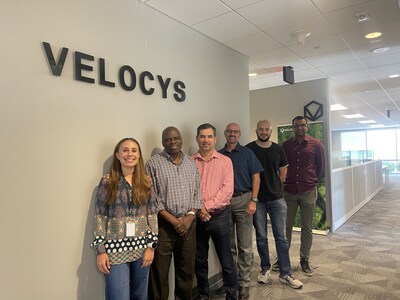
HOUSTON, July 16, 2025 /PRNewswire/ — Syzygy Plasmonics is rewriting the rules of sustainable aviation fuel (SAF) production with a first-of-its-kind commercial project in Uruguay—now supported by Fischer-Tropsch technology leader Velocys. The NovaSAF 1 facility will convert dairy waste and biogas into drop-in jet fuel with a nameplate capacity of 500,000 gallons annually, using only renewable electricity and waste gas—no green hydrogen, no complex gasification.

At the heart of the project is Syzygy’s light-driven GHG e-Reforming technology, which produces the ideal 2:1 syngas ratio for Fischer-Tropsch (FT) synthesis directly from biogenic methane and CO₂. This breakthrough eliminates the need for water-intensive steam reforming or expensive electrolyzers, radically simplifying the SAF value chain.

To convert that syngas into high-yield jet fuel, Syzygy has selected Velocys and its microFTL technology, known for reliability and for maximizing fuel output, both critical factors in driving down the total cost required to produce synthetic fuel.

“This project proves that profitable SAF production doesn’t have to wait on future infrastructure,” said Trevor Best, CEO of Syzygy Plasmonics. “With Velocys, we’re bringing in a complete, modular solution that drives down overall production costs and is ready to scale. Uruguay is only the start.”

“We’re proud to bring our FT technology into a project that’s changing the game,” said Matthew Viergutz, CEO of Velocys. “This is what innovation looks like—fast, flexible, and focused on making SAF production affordable.”

NovaSAF 1 Project Highlights:

  • Nameplate Capacity: 500,000 gallons/year of ASTM D7566-compliant SAF
  • Feedstocks: Dairy waste, biogenic methane, and CO₂
  • Power Source: 100% renewable electricity
  • Technology: Syzygy’s NovaSAF™ platform + Velocys’ microFTL™ technology
  • FID: Q4 2025 | Start of Operations: Q1 2027
  • Certifications in Progress: CORSIA, EU RED II and RFNBO, LCFS, U.S. RFS
  • With its modular design and feedstock flexibility, NovaSAF 1 is built for replication across 50,000+ untapped biogas sites worldwide—unlocking a new era of profitable, policy-aligned SAF production.

About Syzygy Plasmonics
Syzygy Plasmonics develops light-driven chemical reactors that electrify and decarbonize fuel and chemical production. Based in Houston, the company’s NovaSAF™ platform converts biogenic CO₂ and methane into ultra-low carbon fuels using renewable electricity.

About Velocys
Velocys is a leader in advanced biofuels technology, providing compact, high-yield Fischer-Tropsch reactor technology for sustainable fuel production.

Media Contact:
Suzanne Foti
suzanne@plasmonics.tech

Velocys
info@velocys.com


Image of Estancia Del Lago Site, courtesy EDL. This is the location where Syzygy will locate its project that has licensed Velocys technology.


(PRNewsfoto/Syzygy Plasmonics)


Cision View original content to download multimedia:https://www.prnewswire.com/news-releases/syzygy-surges-ahead-uruguay-saf-project-gains-momentum-with-velocys-onboard-as-ft-licensor-302506178.html

SOURCE Syzygy Plasmonics

TEMPE, Ariz., July 16, 2025 /3BL/ — A new GoDaddy (NYSE: GDDY) survey reveals a surprising paradox among younger consumers: while Gen Z and Millennials appear less concerned about protecting themselves online, they have little tolerance for businesses that fall short on security.

In the latest GoDaddy Consumer Pulse* survey of 1,500 U.S. consumers, 42% of Gen Z and 40% of Millennial respondents admit they would not immediately change their passwords or credit card information after being notified of a data breach at a business they use—if they act at all. In contrast, 72% of Gen X and Boomers would take immediate action.

Meanwhile, these same younger consumers are the first to walk away when a business fails to protect their data.

  • More than half of Gen Z (53%) and 42% of Millennials surveyed have cut ties with a business because it experienced a security incident—notably higher than the 37% of Gen X and Boomers
  • When faced with data breaches at both a large corporation and a small business, 1 in 3 (34%) Gen Z and Millennials say they would stop shopping with both entirely, compared to 27% of Gen X and Boomers

Consumers assess business credibility with a fine-tooth comb
Most consumers (68%) surveyed expect small businesses to maintain the same level of digital security as large corporations or better.

A website with misspelled or grammatically incorrect words, broken links, a poor design, slow load times, or an unfriendly mobile user experience rank among the top five red flags that deter consumer purchases.

However, younger generations find a few things more concerning than older shoppers:

  • About 1 in 3 (30%) Gen Z and Millennials say sites that are not mobile-friendly are concerning vs. 24% of Gen X and Boomers
  • 31% of Gen Z and 27% of Millennials feel uneasy when websites have ads vs. 18% of Gen X and Boomers
  • Nearly 1 in 4 (21%) Gen Z and Millennials feel businesses using a free email address like Gmail or Yahoo are concerning vs. 15% of Gen X or Boomers

“With younger consumers, you might not get more than one chance to earn their trust,” said Dennis Smith, director of security go-to-market at GoDaddy. “They assume some risk but expect businesses to take responsibility for keeping their data safe. If small businesses don’t invest in a secure, professional online presence and clearly demonstrate to their customers how they’re protecting their data, these younger shoppers will take their business elsewhere.”

Consumers lack cybersecurity hygiene
Although more than 1 in 3 (38%) consumers report they have been a victim of identity theft in the past, people across all generations have quite relaxed security habits.

The majority of consumers (61%) repeat passwords across their various accounts—a habit slightly more common among Gen Z and Millennials compared to Gen X and Boomers. Notably, 69% of consumers also do not check if a website has a secure padlock icon before making online purchases.

As a consumer, what steps do you take to help protect yourself from being hacked?
  Total Gen Z Millennials Gen X and
Boomers
I use a different password for every
account
39 % 38 % 33 % 42 %
I don’t save my credit / debit card
information in brand accounts
35 % 33 % 32 % 37 %
I use a credit monitoring service 35 % 26 % 34 % 38 %
I use a password manager that creates
secure passwords
32 % 33 % 36 % 30 %
I check that the website has a padlock
icon before visiting and/or purchasing
anything
31 % 36 % 31 % 30 %
I froze my credit 22 % 26 % 20 % 21 %
None of the above 9 % 10 % 10 % 8 %

Personal risk is perceived as inevitable
The findings suggest a growing sense of cybersecurity fatigue among consumers. While 65% of all consumers say they’re more concerned about online security than they were five years ago, a small subset of younger consumers (21% of Gen Z and 16% of Millennials) report being less concerned than they were five years ago, compared to 7% of Gen X and Boomers.

Meanwhile, the majority (67%) of consumers believe that their personal information is already on the dark web.

“The data points to classic signs of consumers feeling overwhelmed,” said Smith. “Businesses that can step in to take security concerns off consumers’ plates will build deep loyalty, while those that ignore or downplay security risks will forfeit long–term growth.”

What can small businesses do?
The survey found consumers are more likely to remain loyal to businesses that respond to breaches with transparency and extend support to their customers.

  • More than 2 in 5 (43%) of consumers appreciate when a business is open and transparent about a security breach
  • Half (53%) of consumers would stay loyal to a business that takes immediate steps to fix a breach and offers proactive protection like credit card monitoring
  • 1 in 4 (23%) consumers said having loyalty or rewards points on the line would influence your decision to remain a customer

There are some simple, cost-effective changes small businesses can implement to improve consumers’ perception of their business. For example, they can test that their website loads quickly and renders well across Apple and Android mobile devices. Or they can upgrade to an email address that matches their business’s domain name, if they don’t already use one.

To help small businesses protect their website, GoDaddy offers a suite of security solutions—from Website Security firewall bundles to a range of SSL certificates and Managed SSL plans. These tools, paired with sound security practices, can help businesses of every size meet rising consumer expectations.

To learn more about GoDaddy and its products, visit www.GoDaddy.com.

*GoDaddy Consumer Pulse is a series of surveys of consumers ages 18 and above conducted throughout the year.

About GoDaddy
GoDaddy helps millions of entrepreneurs globally start, grow, and scale their businesses. People come to GoDaddy to name their idea, build a website and logo, sell their products and services and accept payments. GoDaddy Airo®, the company’s AI-powered experience, makes growing a small business faster and easier by helping them to get their idea online in minutes, drive traffic and boost sales. GoDaddy’s expert guides are available 24/7 to provide assistance. To learn more about the company, visit www.GoDaddy.com.

Source: GoDaddy Inc.

Explore the often-overlooked “hidden middle” of agrifood value chains, which offers a key opportunity for global food-system transformation.

The world is at a pivotal moment in the global climate conversation. As nations grapple with the urgent need to curb greenhouse gas emissions and enhance food security, the transformation of food systems has become a top priority. And as the latest Climate COP in Baku (COP29) highlighted, world leaders, policymakers, and sustainability advocates are focused on an often-overlooked segment:the hidden middle of agri-food chains.

“Working together, we aim to enable policies, technology, financing, and partnerships that can shine light on this under-appreciated yet essential segment.” 

This segment, which includes critical midstream activities such as processing, packaging, storage, transportation, and distribution, plays an essential yet underappreciated role in food systems. While it accounts for 18% of food-related emissions, it contributes up to 40% of the economic value added within food systems.

“Ignoring the hidden middle means missing a critical piece of the sustainability puzzle,” says Lars Holmquist, Executive Vice President Sustainability at Tetra Pak. “And while discussions on food systems are often focused on agriculture and consumption – the beginning and the end of the supply chain – this undervalued segment has the power to make a big difference on the environment and economy. Improving the hidden middle is not just an opportunity, but a necessity for building sustainable, resilient and just food systems.”

The Food and Agriculture Organisation (FAO) reports that approximately one-third of food produced for human consumption is lost or wasted globally each year. By investing in midstream infrastructure and technologies, these losses can be substantially decreased, leading to better resource efficiency and increased availability of food. It can also bolster economic growth through job creation, support rural and urban livelihoods, and empower smallholder farmers and marginalised groups by integrating them into value-added activities.

Why the hidden middle is under-financed on the world stage

The hidden middle represents a range of critical functions that bridge the gap between farm and fork. These activities support social stability and economic development, and are instrumental in ensuring that farmed ingredients are transformed into food products that actually reach consumers – in a safe and nutritious form.

“Improving the hidden middle is not just an opportunity, but a necessity for building sustainable, resilient and just food systems.”

But despite recent data highlighting the hidden middle’s significant environmental and economic impact, it continues to receive only a fraction of climate financing: while food systems contribute about 30% of total greenhouse gas emissions, only 2.5-4% of climate finance goes towards transforming this sector. Small and medium enterprises (SMEs) in this segment face a $106 billion financing gap globally, and limited investment results in inefficiencies, food loss (which can reach 14% globally), and bottlenecks that affect the entire chain.

“There are many reasons why this midstream segment can be overlooked, including that tracking emissions and efficiencies, when so many stakeholders are involved, can be logistically tricky,” says Lars. “But the truth is that this is essential: the hidden middle is exactly where we have the biggest opportunities to improve food systems and cut emissions.”

What opportunities for improvement does the hidden middle contain?

Harnessing the potential contained in the hidden middle could be a game-changer for achieving global climate targets. According to recent estimates, addressing inefficiencies and emissions in the midstream could provide up to 20% of the emissions reductions required to meet the Paris Agreement’s goals by 2050.

It also holds vast untapped potential for optimising food systems, reducing waste, and improving food security. Improved midstream infrastructure can dramatically reduce food loss and increase food access, particularly in developing regions where up to 40% of food can be lost post-harvest. This loss is due in part to lack of refrigerated transport infrastructure in many regions – and that is where smart, aseptic packaging solutions can help bridge the gap in protecting food safety during transport and preventing waste through spoilage.

“We have been working hard to improve midstream infrastructure in vulnerable regions, through partnering with local governments and organisations,” says Lars. “We’ve implemented renewable-powered cold chain solutions to help reduce food loss and enhance food security in areas where these systems are lacking. And as we announced at COP29, we’re committed to investing in innovating packaging solutions and energy-efficient processing equipment to further support the hidden middle.”

Change can take place on the production floor, too. The best-performing factories take a holistic approach to resource optimisation, delivering sustainability, performance, and cost benefits. Tetra Pak’s best-practice line for UHT milk with OneStep technology, for example, combines several process steps – separation, standardisation, blending, and heat treatment – into one.

This results in using less equipment and ultimately massive energy savings, as demonstrated by Mengniu’s Ningxia dairy factory, which was recently awarded World Economic Forum “Lighthouse Factory” status with the help of Tetra Pak technology. One of the world’s most intelligent dairy factories, it has leveraged cutting-edge Tetra Pak equipment and technology to reduce operational costs by 32% and delivery lead time by 55%.

Investment and policy gap: the key to unlocking the hidden middle

Bridging the gap between funding and impact requires governments and international organisations to create enabling policies and financial incentives that recognise the hidden middle’s value, such as subsidies for midstream innovations or tax breaks for sustainable practices.

“Our goal is to drive progress in critical discussions on food systems by convening policymakers, government leaders, NGOs, IGOs, and industry stakeholders, and we encourage these conversations through forums like COP29,” says Lars. “Together, we aim to explore actionable solutions through collaboration and dialogue, working to enable policies, technology, financing, and partnerships that can shine light on this under-appreciated yet essential segment.”

There is great opportunity for integrating the hidden middle of food value chains, especially as countries are actively revising their Nationally Determined Contributions (NDCs) for submission by 2025 – a crucial step toward aligning policy with climate goals and ensuring this vital segment receives the funding it deserves. Transformative public-private partnerships will also be essential for scaling up the infrastructure and innovations needed to unlock the hidden middle’s potential.

“Success in this area would help ensure a future where the hidden middle operates efficiently to reduce emissions, support livelihoods, and bolster food security for all communities around the globe.”

What’s next? Looking ahead to COP30 in Brazil

The outcomes of COP29 have laid a strong foundation for the future of food systems transformation. Tetra Pak has long been committed to enabling change in food systems, and our support of improvement within the hidden middle continues this work, helping the transition to secure, sustainable, and resilient food systems. From advanced manufacturing processes to renewable energy-powered processing equipment and sustainable packaging solutions, we are working to extend the shelf life of foods and reduce waste throughout the supply chain.

“Looking ahead to COP30 in Belem, Brazil, there is growing momentum for policy shifts and funding initiatives to improve midstream food systems infrastructure,” says Lars. “This is hopeful – and success in this area would help ensure a future where the hidden middle operates efficiently to reduce emissions, support livelihoods, and bolster food security for all communities around the globe.”

Learn more about the hidden-middle and other related topics discussed at COP29 here.