Corporate Social Responsibility: A Commitment to Sustainability and Shared Prosperity

BETHESDA, Md., February 10, 2026 /3BL/ – Tandem Global announces the release of a new white paper, Corporate Social Responsibility: A Commitment to Sustainability and Shared Prosperity, available for download today. This white paper is sponsored by DTE Energy.

Corporate social responsibility (CSR) has become an increasingly important measure of legitimacy in the modern business landscape. As stakeholders gain greater access to information and corporate actions are scrutinized in real time, organizations are being evaluated not only on financial performance, but on how responsibly they operate and contribute to society. Consumers, employees, and investors alike expect companies to demonstrate meaningful action that reflects their stated values.

CSR represents a company’s commitment to operate ethically and sustainably by considering the social, environmental, and economic impacts of its decisions. While profitability remains essential, responsible business practices challenge organizations to broaden their definition of success. By integrating CSR into core operations, companies can strengthen trust, reduce risk, and build long-term resilience while supporting the communities and ecosystems on which they depend.

This white paper examines how corporations are advancing environmental responsibility through the principles of corporate social responsibility. By focusing on conservation, remediation, and community engagement, it highlights how CSR initiatives can support environmental stewardship while promoting social and economic well-being. These examples illustrate the growing importance of CSR as a framework for ethical corporate conduct and shared value creation.

Featured case studies include:

  • Ashland, 009 Landfill: Georgia, U.S.A.
  • Cemex, Canteras Norte, Sur, Zona 3 y Zona 4: Panamá, Panamá
  • Freeport-McMoRan, Unidad de Produccion Cerro Verde: Arequipa, Peru
  • General Motors, GM Korea Gunsan Site: Gunsan, South Korea
  • INVISTA, Victoria Site: Texas, U.S.A.
  • Ontario Power Generation, Niagara Operations Sites: Ontario, Canada
  • Sibelco, Unidade Jaguaruna: Santa Catarina, Brazil

Sponsored by DTE Energy, this white paper features a foreword from Shawn P. Patterson, Vice President of Environmental Management and Safety, offering insight into the role of CSR in driving sustainable business practices.

About Tandem Global

Tandem Global (formerly Wildlife Habitat Council and World Environment Center), provides the know-how and the network to move business and the environment forward, together. Across sectors and at all levels of its member organizations, Tandem Global works to facilitate long-term and lasting impact on all aspects of our natural world. It connects leading thinking with practical solutions that positively impact climate, nature, and water. From field operations to boardrooms and beyond, corporate leaders turn to Tandem Global for impact strategies and resilient solutions that can support a better future. Tandem Global is headquartered in Bethesda, MD, USA, with locations across the U.S., in Latin America and Munich, Germany. For more information visit tandemglobal.org

Posted in UncategorizedTagged

Leidos Recognized by CDP for Environmental Transparency in 2025

CDP Leidos

Leidos has again been recognized by global environmental non‑profit CDP for its corporate sustainability and emissions management efforts. The company received a “B” score in CDP’s 2025 assessment for its commitment to transparency and governance around climate change. Leidos has disclosed through CDP since 2015.

Over 22,100 companies disclosed environmental data through CDP in 2025. These companies represent more than half of global market capitalization, including some of the world’s largest and most impactful companies. CDP’s annual disclosure and scoring process remains a widely recognized measure of corporate environmental transparency and performance. By disclosing, companies are better positioned to meet growing expectations for environmental transparency from investors, customers, and policymakers.

“For 25 years, CDP has stood shoulder to shoulder with companies leading the way on environmental action and creating a world where people, planet and profit are balanced and protected. Environmental risk is financial risk and operational risk. By disclosing data through CDP, companies like Leidos are taking the first step in measuring and managing their impacts, reducing the risks to their bottom line and seizing opportunities for growth. 

And the results are clear—investing in resilience and mitigating climate risk can deliver returns of up to $21 for every $1 spent, while within two years of their first CDP disclosure, companies can reduce their emissions by 7–10%. Tackling environmental risks head-on creates a more resilient economy, increases companies’ ability to innovate and invest, and protects our planet. Disclosure is a critical tool, underpinning and guiding the action companies take to drive change for the future. We truly appreciate the support of Leidos as we encourage transparency, action and Earth-positive decision making for the benefit of all.” 
— Simon Fischweicher, Head of Corporations and Supply Chains, CDP North America

Leidos continues to report progress on emissions reduction and governance measures as part of its ongoing environmental transparency efforts.

Posted in UncategorizedTagged

Leidos Recognized by CDP for Environmental Transparency in 2025

CDP Leidos

Leidos has again been recognized by global environmental non‑profit CDP for its corporate sustainability and emissions management efforts. The company received a “B” score in CDP’s 2025 assessment for its commitment to transparency and governance around climate change. Leidos has disclosed through CDP since 2015.

Over 22,100 companies disclosed environmental data through CDP in 2025. These companies represent more than half of global market capitalization, including some of the world’s largest and most impactful companies. CDP’s annual disclosure and scoring process remains a widely recognized measure of corporate environmental transparency and performance. By disclosing, companies are better positioned to meet growing expectations for environmental transparency from investors, customers, and policymakers.

“For 25 years, CDP has stood shoulder to shoulder with companies leading the way on environmental action and creating a world where people, planet and profit are balanced and protected. Environmental risk is financial risk and operational risk. By disclosing data through CDP, companies like Leidos are taking the first step in measuring and managing their impacts, reducing the risks to their bottom line and seizing opportunities for growth. 

And the results are clear—investing in resilience and mitigating climate risk can deliver returns of up to $21 for every $1 spent, while within two years of their first CDP disclosure, companies can reduce their emissions by 7–10%. Tackling environmental risks head-on creates a more resilient economy, increases companies’ ability to innovate and invest, and protects our planet. Disclosure is a critical tool, underpinning and guiding the action companies take to drive change for the future. We truly appreciate the support of Leidos as we encourage transparency, action and Earth-positive decision making for the benefit of all.” 
— Simon Fischweicher, Head of Corporations and Supply Chains, CDP North America

Leidos continues to report progress on emissions reduction and governance measures as part of its ongoing environmental transparency efforts.

Posted in UncategorizedTagged

Pulses: A Powerful, Practical Solution to Hunger and Malnutrition

Across the world, millions of families face hunger driven by conflict, climate shocks, economic instability, and fragile food systems. In these contexts, solutions must be nutritious, affordable, resilient, and locally adaptable. Pulses meet all of these criteria.

Though small in size, pulses have a big role to play in supporting nutrition, food security, and climate resilience around the world, making them a critical food group in the fight against hunger.

What Are Pulses?

Pulses are the dry, edible seeds of plants in the legume family, such as beans, lentils, and chickpeas. The Food and Agriculture Organization of the United Nations recognizes 11 types of pulses, including dry beans, lentils, chickpeas, dry peas, cowpeas, pigeon peas, faba beans, and Bambara beans, among others.

Hundreds of pulse varieties are grown globally, forming dietary staples in many low- and middle-income countries.

Why Pulses Matter for Nutrition

Malnutrition is not only about insufficient calories—it is also about a lack of essential nutrients. Pulses are uniquely positioned to address both. They are rich in complex carbohydrates and provide high levels of plant-based protein, making them an important alternative where animal-source foods are scarce or unaffordable.

Beyond protein, pulses are packed with vital micronutrients including iron, zinc, folate, magnesium, potassium, and calcium, as well as B-vitamins and dietary fiber. These nutrients are essential for child growth, cognitive development, immune function, and maternal health. For children, pregnant and breastfeeding women, and people recovering from illness, pulses can play a key role in preventing undernutrition and micronutrient deficiencies.

Diets that include higher amounts of beans, peas, and lentils have been consistently associated with positive health outcomes and improved intake of key micronutrients. That is why the 2025–30 US Dietary Guidelines Advisory Committee has increased the recommended amount of pulses that should be eaten per week.

Importantly, pulses are one of the few foods that can contribute to both the vegetable and protein components of a healthy diet. This flexibility is particularly valuable in humanitarian settings, where dietary diversity is often limited and food choices are constrained.

Affordable Nutrition in Times of Crisis

In emergency and protracted crisis settings, cost and practicality matter. Pulses are among the lowest-cost sources of protein and essential nutrients, making them accessible to households with limited resources.

Their long shelf life and ease of storage make them well suited for food assistance, emergency distributions, and household reserves during periods of instability.

Because pulses are widely consumed and culturally familiar in many regions affected by food insecurity, they are more likely to be enjoyed and used effectively by communities.

For Action Against Hunger, integrating pulses into nutrition and food security programs supports both immediate needs and longer-term recovery. Pulses can be incorporated into school feeding programs, climate-smart agricultural trainings, and other community-based nutrition interventions, helping to improve diet quality while maintaining affordability and scale.

Strengthening Food Security and Local Food Systems

Food security is not only about access to food today, but also about stable and sustainable food systems over time. Pulses are staple crops for millions of smallholder farmers and play an important role in strengthening local food production and markets.

By supporting pulse cultivation, humanitarian and development programs can help reduce reliance on imported foods and more expensive protein options. Pulses offer farmers a crop that can be consumed at home, sold locally, or stored for future use, increasing both household food security and income stability.

Their adaptability to different agroecological zones makes pulses suitable for diverse regions, from drylands to mixed farming systems. This versatility supports local solutions rather than one-size-fits-all approaches to hunger.

Pulses and Climate Resilience

Climate change is one of the greatest threats to global food security. Increasing droughts, erratic rainfall, and soil degradation disproportionately affect communities already facing hunger. Pulses are a climate-smart crop that can help mitigate these challenges.

Pulses naturally fix nitrogen from the atmosphere, enriching soil fertility and reducing the need for synthetic fertilizers, according to FAO.

This not only lowers production costs for farmers but also reduces greenhouse gas emissions associated with fertilizer use. Including pulses in crop rotations helps restore degraded soils and improves yields of subsequent crops; cereals grown after pulses yield, on average, significantly more than those grown without them

Many pulse varieties are also relatively drought-tolerant, making them better suited to withstand climate shocks than more water-intensive crops. Compared to other protein sources, pulses have a much lower environmental footprint while remaining highly nutritious and affordable, demonstrating that sustainable diets do not have to compromise nutrition or cost.

Pulses as a Pathway to Resilience

Pulses align closely with Action Against Hunger’s integrated approach to tackling hunger—addressing immediate nutritional needs while building resilience and sustainable food systems. They are a practical food choice for both emergency response and long-term development programs.

In nutrition programs, pulses can help improve dietary diversity and nutrient intake at the household level. In food security and livelihoods programming, supporting pulse production strengthens local markets and incomes for families. Pulses also contribute to more sustainable and productive farming systems, ensuring that food security is strengthened in the long-term.

Ending hunger requires solutions that are practical, evidence-based, and adaptable to complex humanitarian contexts. Pulses meet these criteria. They are nutritious enough to fight malnutrition, affordable enough to reach the most vulnerable, resilient enough to withstand climate shocks, and familiar enough to be embraced by communities worldwide. As we continue to work with communities on locally-led solutions to hunger, pulses are a strong ally — offering a scalable pathway to a healthier, more resilient future.

***

Action Against Hunger leads the global movement to end hunger. We innovate solutions, advocate for change, and reach 26.5 million people every year with proven hunger prevention and treatment programs. As a nonprofit that works across over 55 countries, our 8,500+ dedicated staff members partner with communities to address the root causes of hunger, including climate change, conflict, inequity, and emergencies. We strive to create a world free from hunger, for everyone, for good.

Posted in UncategorizedTagged

Pulses: A Powerful, Practical Solution to Hunger and Malnutrition

Across the world, millions of families face hunger driven by conflict, climate shocks, economic instability, and fragile food systems. In these contexts, solutions must be nutritious, affordable, resilient, and locally adaptable. Pulses meet all of these criteria.

Though small in size, pulses have a big role to play in supporting nutrition, food security, and climate resilience around the world, making them a critical food group in the fight against hunger.

What Are Pulses?

Pulses are the dry, edible seeds of plants in the legume family, such as beans, lentils, and chickpeas. The Food and Agriculture Organization of the United Nations recognizes 11 types of pulses, including dry beans, lentils, chickpeas, dry peas, cowpeas, pigeon peas, faba beans, and Bambara beans, among others.

Hundreds of pulse varieties are grown globally, forming dietary staples in many low- and middle-income countries.

Why Pulses Matter for Nutrition

Malnutrition is not only about insufficient calories—it is also about a lack of essential nutrients. Pulses are uniquely positioned to address both. They are rich in complex carbohydrates and provide high levels of plant-based protein, making them an important alternative where animal-source foods are scarce or unaffordable.

Beyond protein, pulses are packed with vital micronutrients including iron, zinc, folate, magnesium, potassium, and calcium, as well as B-vitamins and dietary fiber. These nutrients are essential for child growth, cognitive development, immune function, and maternal health. For children, pregnant and breastfeeding women, and people recovering from illness, pulses can play a key role in preventing undernutrition and micronutrient deficiencies.

Diets that include higher amounts of beans, peas, and lentils have been consistently associated with positive health outcomes and improved intake of key micronutrients. That is why the 2025–30 US Dietary Guidelines Advisory Committee has increased the recommended amount of pulses that should be eaten per week.

Importantly, pulses are one of the few foods that can contribute to both the vegetable and protein components of a healthy diet. This flexibility is particularly valuable in humanitarian settings, where dietary diversity is often limited and food choices are constrained.

Affordable Nutrition in Times of Crisis

In emergency and protracted crisis settings, cost and practicality matter. Pulses are among the lowest-cost sources of protein and essential nutrients, making them accessible to households with limited resources.

Their long shelf life and ease of storage make them well suited for food assistance, emergency distributions, and household reserves during periods of instability.

Because pulses are widely consumed and culturally familiar in many regions affected by food insecurity, they are more likely to be enjoyed and used effectively by communities.

For Action Against Hunger, integrating pulses into nutrition and food security programs supports both immediate needs and longer-term recovery. Pulses can be incorporated into school feeding programs, climate-smart agricultural trainings, and other community-based nutrition interventions, helping to improve diet quality while maintaining affordability and scale.

Strengthening Food Security and Local Food Systems

Food security is not only about access to food today, but also about stable and sustainable food systems over time. Pulses are staple crops for millions of smallholder farmers and play an important role in strengthening local food production and markets.

By supporting pulse cultivation, humanitarian and development programs can help reduce reliance on imported foods and more expensive protein options. Pulses offer farmers a crop that can be consumed at home, sold locally, or stored for future use, increasing both household food security and income stability.

Their adaptability to different agroecological zones makes pulses suitable for diverse regions, from drylands to mixed farming systems. This versatility supports local solutions rather than one-size-fits-all approaches to hunger.

Pulses and Climate Resilience

Climate change is one of the greatest threats to global food security. Increasing droughts, erratic rainfall, and soil degradation disproportionately affect communities already facing hunger. Pulses are a climate-smart crop that can help mitigate these challenges.

Pulses naturally fix nitrogen from the atmosphere, enriching soil fertility and reducing the need for synthetic fertilizers, according to FAO.

This not only lowers production costs for farmers but also reduces greenhouse gas emissions associated with fertilizer use. Including pulses in crop rotations helps restore degraded soils and improves yields of subsequent crops; cereals grown after pulses yield, on average, significantly more than those grown without them

Many pulse varieties are also relatively drought-tolerant, making them better suited to withstand climate shocks than more water-intensive crops. Compared to other protein sources, pulses have a much lower environmental footprint while remaining highly nutritious and affordable, demonstrating that sustainable diets do not have to compromise nutrition or cost.

Pulses as a Pathway to Resilience

Pulses align closely with Action Against Hunger’s integrated approach to tackling hunger—addressing immediate nutritional needs while building resilience and sustainable food systems. They are a practical food choice for both emergency response and long-term development programs.

In nutrition programs, pulses can help improve dietary diversity and nutrient intake at the household level. In food security and livelihoods programming, supporting pulse production strengthens local markets and incomes for families. Pulses also contribute to more sustainable and productive farming systems, ensuring that food security is strengthened in the long-term.

Ending hunger requires solutions that are practical, evidence-based, and adaptable to complex humanitarian contexts. Pulses meet these criteria. They are nutritious enough to fight malnutrition, affordable enough to reach the most vulnerable, resilient enough to withstand climate shocks, and familiar enough to be embraced by communities worldwide. As we continue to work with communities on locally-led solutions to hunger, pulses are a strong ally — offering a scalable pathway to a healthier, more resilient future.

***

Action Against Hunger leads the global movement to end hunger. We innovate solutions, advocate for change, and reach 26.5 million people every year with proven hunger prevention and treatment programs. As a nonprofit that works across over 55 countries, our 8,500+ dedicated staff members partner with communities to address the root causes of hunger, including climate change, conflict, inequity, and emergencies. We strive to create a world free from hunger, for everyone, for good.

Posted in UncategorizedTagged

G&A Institute Issues Resource Paper on U.S. Extended Producer Responsibility (EPR) Laws for Packaging

NEW YORK, February 10, 2026 /3BL/ – Governance & Accountability Institute (G&A), a leading sustainability consulting and research firm, has issued a Resource Paper on Extended Producer Responsibility (EPR) laws for packaging in the U.S. The new Resource Paper, which is available at link, examines the adoption of EPR packaging regulations across states and outlines the compliance, reporting, and financial implications for companies that sell packaged products in the U.S.

Key findings of the new Resource Paper include:

  • EPR packaging laws are expanding rapidly across the U.S., with seven states having adopted legislation and approximately 14 additional states actively considering similar laws as of early 2026.
  • EPR packaging laws generally cover paper, plastic, glass, and metal packaging, food service ware, and paper products sold to consumers and, in some cases, business-to-business (B2B) packaging.
  • Compliance obligations are administered through state-approved Producer Responsibility Organizations (PROs), which require producers to register, submit annual supply data, and pay fees based on the weight, type, and recyclability of packaging materials.
  • Companies face increasing legal, operational, and reporting complexity due to differences in state-level requirements, deadlines, and fee structures, as well as potential financial penalties and reputational risks for noncompliance.

Packaging EPR laws represent a fundamental shift in how packaging waste is funded and managed in the United States,” said Louis Coppola, CEO & Co-Founder at G&A Institute. “As these programs expand, companies must understand whether they qualify as covered producers, what data they are required to report, and how EPR fees may impact their financial planning.”

Coppola added, “G&A is available to help companies assess their exposure to packaging EPR laws, navigate PRO registration and reporting, and develop strategies to reduce long-term costs through improved packaging design and material choices.”

About G&A Institute, Inc.
Founded in 2006, Governance & Accountability Institute, Inc. (G&A) is a sustainability consulting and research firm headquartered in New York City. G&A helps corporate and investor clients recognize, understand, and develop winning strategies for sustainability and ESG issues to address stakeholder and shareholder concerns. G&A’s proprietary, comprehensive full-suite process for sustainability reporting is designed to help organizations achieve sustainability leadership in their industry and sector and maximize return on investment for sustainability initiatives.

Since 2011, G&A has been building and expanding a comprehensive database of corporate sustainability reporting data based on analysis of thousands of ESG and sustainability reports to help steer strategy for our clients and improve their disclosure and reporting. More information is available on our website at ga-institute.com.

FOR MEDIA INQUIRIES & INTERVIEWS, CONTACT
Louis D. Coppola
CEO & Co-Founder 
Governance & Accountability Institute, Inc. 
Tel 646.430.8230 ext 14 
Email lcoppola@ga-institute.com

Posted in UncategorizedTagged

G&A Institute Issues Resource Paper on U.S. Extended Producer Responsibility (EPR) Laws for Packaging

NEW YORK, February 10, 2026 /3BL/ – Governance & Accountability Institute (G&A), a leading sustainability consulting and research firm, has issued a Resource Paper on Extended Producer Responsibility (EPR) laws for packaging in the U.S. The new Resource Paper, which is available at link, examines the adoption of EPR packaging regulations across states and outlines the compliance, reporting, and financial implications for companies that sell packaged products in the U.S.

Key findings of the new Resource Paper include:

  • EPR packaging laws are expanding rapidly across the U.S., with seven states having adopted legislation and approximately 14 additional states actively considering similar laws as of early 2026.
  • EPR packaging laws generally cover paper, plastic, glass, and metal packaging, food service ware, and paper products sold to consumers and, in some cases, business-to-business (B2B) packaging.
  • Compliance obligations are administered through state-approved Producer Responsibility Organizations (PROs), which require producers to register, submit annual supply data, and pay fees based on the weight, type, and recyclability of packaging materials.
  • Companies face increasing legal, operational, and reporting complexity due to differences in state-level requirements, deadlines, and fee structures, as well as potential financial penalties and reputational risks for noncompliance.

Packaging EPR laws represent a fundamental shift in how packaging waste is funded and managed in the United States,” said Louis Coppola, CEO & Co-Founder at G&A Institute. “As these programs expand, companies must understand whether they qualify as covered producers, what data they are required to report, and how EPR fees may impact their financial planning.”

Coppola added, “G&A is available to help companies assess their exposure to packaging EPR laws, navigate PRO registration and reporting, and develop strategies to reduce long-term costs through improved packaging design and material choices.”

About G&A Institute, Inc.
Founded in 2006, Governance & Accountability Institute, Inc. (G&A) is a sustainability consulting and research firm headquartered in New York City. G&A helps corporate and investor clients recognize, understand, and develop winning strategies for sustainability and ESG issues to address stakeholder and shareholder concerns. G&A’s proprietary, comprehensive full-suite process for sustainability reporting is designed to help organizations achieve sustainability leadership in their industry and sector and maximize return on investment for sustainability initiatives.

Since 2011, G&A has been building and expanding a comprehensive database of corporate sustainability reporting data based on analysis of thousands of ESG and sustainability reports to help steer strategy for our clients and improve their disclosure and reporting. More information is available on our website at ga-institute.com.

FOR MEDIA INQUIRIES & INTERVIEWS, CONTACT
Louis D. Coppola
CEO & Co-Founder 
Governance & Accountability Institute, Inc. 
Tel 646.430.8230 ext 14 
Email lcoppola@ga-institute.com

Posted in UncategorizedTagged

G&A Institute Issues Resource Paper on U.S. Extended Producer Responsibility (EPR) Laws for Packaging

NEW YORK, February 10, 2026 /3BL/ – Governance & Accountability Institute (G&A), a leading sustainability consulting and research firm, has issued a Resource Paper on Extended Producer Responsibility (EPR) laws for packaging in the U.S. The new Resource Paper, which is available at link, examines the adoption of EPR packaging regulations across states and outlines the compliance, reporting, and financial implications for companies that sell packaged products in the U.S.

Key findings of the new Resource Paper include:

  • EPR packaging laws are expanding rapidly across the U.S., with seven states having adopted legislation and approximately 14 additional states actively considering similar laws as of early 2026.
  • EPR packaging laws generally cover paper, plastic, glass, and metal packaging, food service ware, and paper products sold to consumers and, in some cases, business-to-business (B2B) packaging.
  • Compliance obligations are administered through state-approved Producer Responsibility Organizations (PROs), which require producers to register, submit annual supply data, and pay fees based on the weight, type, and recyclability of packaging materials.
  • Companies face increasing legal, operational, and reporting complexity due to differences in state-level requirements, deadlines, and fee structures, as well as potential financial penalties and reputational risks for noncompliance.

Packaging EPR laws represent a fundamental shift in how packaging waste is funded and managed in the United States,” said Louis Coppola, CEO & Co-Founder at G&A Institute. “As these programs expand, companies must understand whether they qualify as covered producers, what data they are required to report, and how EPR fees may impact their financial planning.”

Coppola added, “G&A is available to help companies assess their exposure to packaging EPR laws, navigate PRO registration and reporting, and develop strategies to reduce long-term costs through improved packaging design and material choices.”

About G&A Institute, Inc.
Founded in 2006, Governance & Accountability Institute, Inc. (G&A) is a sustainability consulting and research firm headquartered in New York City. G&A helps corporate and investor clients recognize, understand, and develop winning strategies for sustainability and ESG issues to address stakeholder and shareholder concerns. G&A’s proprietary, comprehensive full-suite process for sustainability reporting is designed to help organizations achieve sustainability leadership in their industry and sector and maximize return on investment for sustainability initiatives.

Since 2011, G&A has been building and expanding a comprehensive database of corporate sustainability reporting data based on analysis of thousands of ESG and sustainability reports to help steer strategy for our clients and improve their disclosure and reporting. More information is available on our website at ga-institute.com.

FOR MEDIA INQUIRIES & INTERVIEWS, CONTACT
Louis D. Coppola
CEO & Co-Founder 
Governance & Accountability Institute, Inc. 
Tel 646.430.8230 ext 14 
Email lcoppola@ga-institute.com

Posted in UncategorizedTagged

Second to None in Business Excellence: Mary Kay Named #2 on the Forbes 2026 Best Customer Service List

Originally published on newsroom.marykay.com

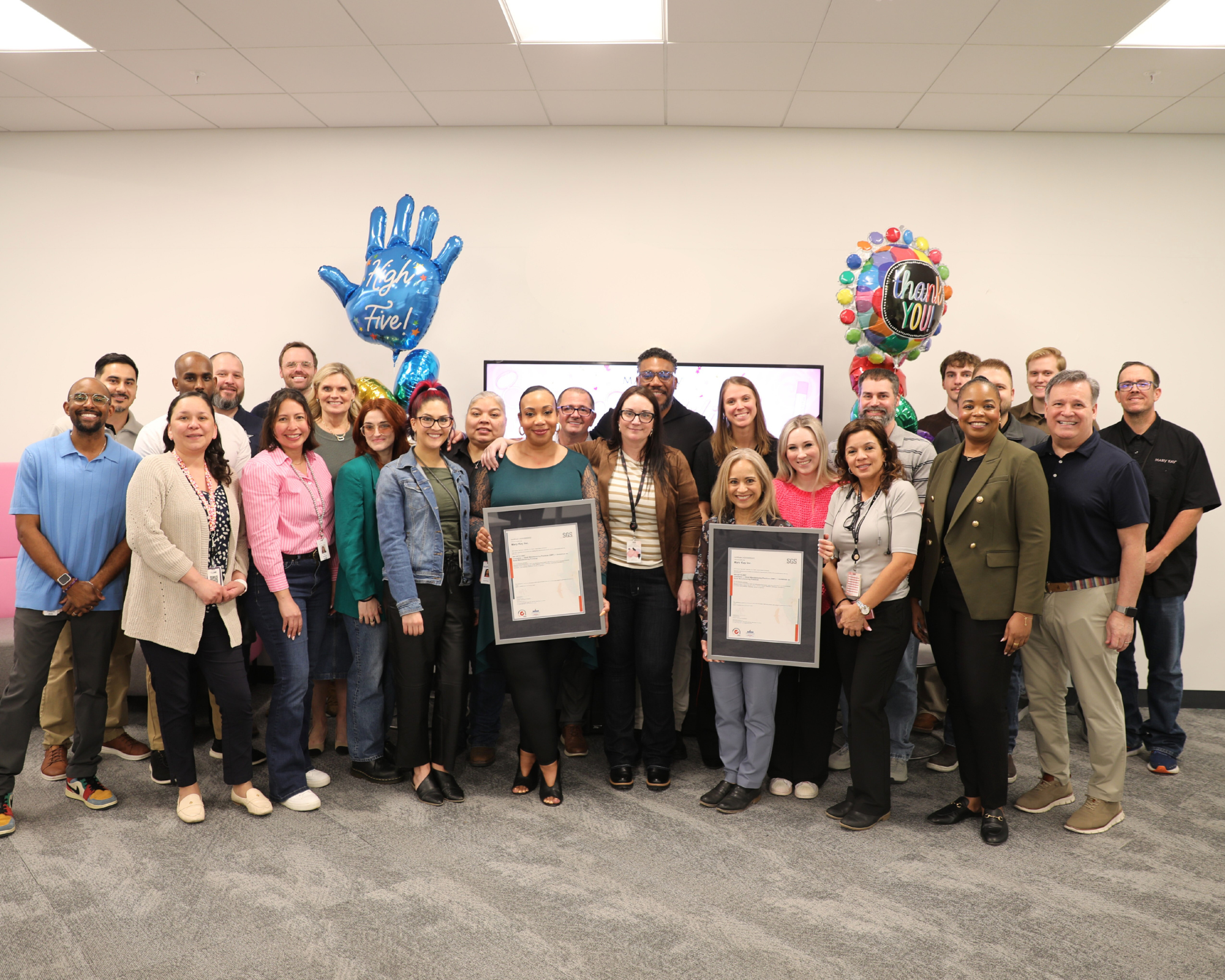
DALLAS, February 10, 2026 /3BL/ – Mary Kay Inc., a global direct sales leader in beauty and skincare innovation, entered 2026 with momentum, securing a top-tier distinction on Forbes’ 2026 Best Customer Service list, where the company ranked #2 overall. The honor follows a standout year for Mary Kay, which concluded 2025 with a total of 25 global awards, underscoring its continued focus on corporate excellence, direct selling industry, social impact, environmental sustainability, science, and innovation.

The recent recognition highlights Mary Kay’s enduring commitment to putting the customer at the heart of everything it does, from seamless digital support to personalized beauty advice. The Forbes Best Customer Service ranking spotlights organizations that have set the gold standard for responsiveness, empathy, and excellence in service delivery – and Mary Kay’s placement at number two reflects a remarkable year of business transformation.

Ryan Rogers, CEO of Mary Kay Inc.

“Climbing to the No. 2 spot in the Forbes ranking is a strong validation of our people-powered culture and demonstrates the significance of what we can accomplish together. It speaks to the second-to-none reputation of our Independent Beauty Consultants, the passion of our customer service teams, and company values built on service and making time for others,” said Ryan Rogers, CEO of Mary Kay Inc. (Image Courtesy: Mary Kay Inc.)

“Every interaction with our customers is an opportunity to make someone feel seen, supported, and valued,” said Ryan Rogers, CEO of Mary Kay Inc. “Climbing to the No. 2 spot in the Forbes ranking is a strong validation of our people-powered culture and demonstrates the significance of what we can accomplish together. It speaks to the second-to-none reputation of our Independent Beauty Consultants, the passion of our customer service teams, and company values built on service and making time for others. That foundation is what inspires us to consistently deliver unforgettable customer experiences through our tried-and-true products.”

“Our Best Customer Service list relies on 3.8 million customer ratings each year to capture how real users rate thousands of brands and products,” said Forbes Assistant Managing Editor Alan Schwarz, who oversees the annual list. “More than 3,500 different brands were reviewed. To even make the top 300 list is an achievement — Mary Kay placing No. 2 overall indicates just how highly its customers feel about the company.”

The Forbes recognition is the latest of a series of reputation awards garnered by Mary Kay in 2025:   

Corporate Excellence

  • Forbes #2 | Best Customer Service list
  • Newsweek | America’s Greatest Workplaces for Women 2025
  • Newsweek | America’s Greatest Workplaces 2025
  • WWD Beauty Inc. #11 | The 2024 Top 100 Beauty Companies
  • Happi #13 | Top 50 U.S. Companies
  • Forbes Diamonds 2025 – Mary Kay Poland
  • EXPANSIÓN | 2025 Compliance Awards – Mary Kay Spain
  • China Association for Business Culture | 2025 Enterprise of Excellence Award – Mary Kay China

Brand Performance

  • Euromonitor International #1 | Direct Selling Brand of Skin Care and Color Cosmetics in the World[1] for three consecutive years (2023, 2024, 2025)
  • Euromonitor International #1 Brand of Facial Make-Up in Latin America[2]
  • Euromonitor International #1 Brand of Lip Products in Latin America[3]
  • Euromonitor International #1 Brand of Skincare and Color Cosmetics in Mexico[4]
  • Euromonitor International #1 Brand of Color Cosmetics in Mexico[5]
  • Nielsen | #1 Brand in Foundations in Brazil
  • Nielsen | #1 Brand in Makeup in Brazil
  • 2025 Superbrands | Mary Kay Slovakia and Mary Kay Czech Republic

Direct Selling & Innovation

  • Respected Direct Selling Enterprise 2025 Award – Mary Kay China
  • Direct Selling News (DSN) | 2025 DSN 40 Under 40: Megan Gregg for Legal Excellence
  • Direct Selling News (DSN) | 2025 DSN 40 Under 40: Julia Santosuosso for Corporate Social Responsibility Impact
  • German Direct Selling Association (BDD) | “2025 Innovation” Award for Mary Kay’s AI-powered Foundation Finder – Mary Kay Germany

Social Impact & Environmental Sustainability

  • Forbes #9 | Best Brands for Social Impact list – 2025
  • Golden Bee | 2025 Outstanding Corporate Sustainability Report for “Gender Equality Information Disclosure” Award – Mary Kay China
  • Cemefi | Distintivo ESR®  Socially Responsible Company (Empresa Socialmente Responsable) – Mary Kay Mexico (2024, 2025)
  • The Dallas Entrepreneurship Center (DEC) Network State of Entrepreneurship | “Large Corporation of the Year” Award
  • Baylor Scott & White Dallas Foundation | “Circle of Care” Award.

***

About Mary Kay
One of the original glass ceiling breakers, Mary Kay Ash founded her dream beauty brand in Texas in 1963 with one goal: to enrich women’s lives. That dream has blossomed into a global company with millions of independent sales force members in more than 40 markets. For over 60 years, the Mary Kay opportunity has empowered women to define their own futures through education, mentorship, advocacy, and innovation. Mary Kay is dedicated to investing in the science behind beauty and manufacturing cutting-edge skincare, color cosmetics, nutritional supplements, and fragrances. Mary Kay believes in preserving our planet for future generations, protecting women impacted by cancer and domestic abuse, and encouraging youth to follow their dreams. Learn more at marykayglobal.com. Find us on FacebookInstagram, and LinkedIn, or follow us on X.

About Forbes
Forbes is an iconic global media brand that has symbolized success for over a century. Fueled by journalism that informs and inspires, Forbes spotlights the doers and doings shaping industries, achieving success and making an impact on the world. Forbes connects and convenes the most influential communities ranging from billionaires, business leaders and rising entrepreneurs to creators and innovators. The Forbes brand reaches more than 140 million people monthly worldwide through its trusted journalism, signature ForbesLive events and 49 licensed local editions in 81 countries.

###

[1] “Source Euromonitor International Limited; Beauty and Personal Care 2025 Edition, value sales at RSP, 2024 data”
[2] “Source Euromonitor International Limited; Beauty and Personal Care 2025 Edition, value sales at RSP, 2024 data”
[3] “Source Euromonitor International Limited; Beauty and Personal Care 2025 Edition, value sales at RSP, 2024 data”
[4] “Source Euromonitor International Limited; Beauty and Personal Care 2025 Edition, value sales at RSP, 2024 data”
[5] “Source Euromonitor International Limited; Beauty and Personal Care 2025 Edition, value sales at RSP, 2024 data”

Posted in UncategorizedTagged

Second to None in Business Excellence: Mary Kay Named #2 on the Forbes 2026 Best Customer Service List

Originally published on newsroom.marykay.com

DALLAS, February 10, 2026 /3BL/ – Mary Kay Inc., a global direct sales leader in beauty and skincare innovation, entered 2026 with momentum, securing a top-tier distinction on Forbes’ 2026 Best Customer Service list, where the company ranked #2 overall. The honor follows a standout year for Mary Kay, which concluded 2025 with a total of 25 global awards, underscoring its continued focus on corporate excellence, direct selling industry, social impact, environmental sustainability, science, and innovation.

The recent recognition highlights Mary Kay’s enduring commitment to putting the customer at the heart of everything it does, from seamless digital support to personalized beauty advice. The Forbes Best Customer Service ranking spotlights organizations that have set the gold standard for responsiveness, empathy, and excellence in service delivery – and Mary Kay’s placement at number two reflects a remarkable year of business transformation.

Ryan Rogers, CEO of Mary Kay Inc.

“Climbing to the No. 2 spot in the Forbes ranking is a strong validation of our people-powered culture and demonstrates the significance of what we can accomplish together. It speaks to the second-to-none reputation of our Independent Beauty Consultants, the passion of our customer service teams, and company values built on service and making time for others,” said Ryan Rogers, CEO of Mary Kay Inc. (Image Courtesy: Mary Kay Inc.)

“Every interaction with our customers is an opportunity to make someone feel seen, supported, and valued,” said Ryan Rogers, CEO of Mary Kay Inc. “Climbing to the No. 2 spot in the Forbes ranking is a strong validation of our people-powered culture and demonstrates the significance of what we can accomplish together. It speaks to the second-to-none reputation of our Independent Beauty Consultants, the passion of our customer service teams, and company values built on service and making time for others. That foundation is what inspires us to consistently deliver unforgettable customer experiences through our tried-and-true products.”

“Our Best Customer Service list relies on 3.8 million customer ratings each year to capture how real users rate thousands of brands and products,” said Forbes Assistant Managing Editor Alan Schwarz, who oversees the annual list. “More than 3,500 different brands were reviewed. To even make the top 300 list is an achievement — Mary Kay placing No. 2 overall indicates just how highly its customers feel about the company.”

The Forbes recognition is the latest of a series of reputation awards garnered by Mary Kay in 2025:   

Corporate Excellence

  • Forbes #2 | Best Customer Service list
  • Newsweek | America’s Greatest Workplaces for Women 2025
  • Newsweek | America’s Greatest Workplaces 2025
  • WWD Beauty Inc. #11 | The 2024 Top 100 Beauty Companies
  • Happi #13 | Top 50 U.S. Companies
  • Forbes Diamonds 2025 – Mary Kay Poland
  • EXPANSIÓN | 2025 Compliance Awards – Mary Kay Spain
  • China Association for Business Culture | 2025 Enterprise of Excellence Award – Mary Kay China

Brand Performance

  • Euromonitor International #1 | Direct Selling Brand of Skin Care and Color Cosmetics in the World[1] for three consecutive years (2023, 2024, 2025)
  • Euromonitor International #1 Brand of Facial Make-Up in Latin America[2]
  • Euromonitor International #1 Brand of Lip Products in Latin America[3]
  • Euromonitor International #1 Brand of Skincare and Color Cosmetics in Mexico[4]
  • Euromonitor International #1 Brand of Color Cosmetics in Mexico[5]
  • Nielsen | #1 Brand in Foundations in Brazil
  • Nielsen | #1 Brand in Makeup in Brazil
  • 2025 Superbrands | Mary Kay Slovakia and Mary Kay Czech Republic

Direct Selling & Innovation

  • Respected Direct Selling Enterprise 2025 Award – Mary Kay China
  • Direct Selling News (DSN) | 2025 DSN 40 Under 40: Megan Gregg for Legal Excellence
  • Direct Selling News (DSN) | 2025 DSN 40 Under 40: Julia Santosuosso for Corporate Social Responsibility Impact
  • German Direct Selling Association (BDD) | “2025 Innovation” Award for Mary Kay’s AI-powered Foundation Finder – Mary Kay Germany

Social Impact & Environmental Sustainability

  • Forbes #9 | Best Brands for Social Impact list – 2025
  • Golden Bee | 2025 Outstanding Corporate Sustainability Report for “Gender Equality Information Disclosure” Award – Mary Kay China
  • Cemefi | Distintivo ESR®  Socially Responsible Company (Empresa Socialmente Responsable) – Mary Kay Mexico (2024, 2025)
  • The Dallas Entrepreneurship Center (DEC) Network State of Entrepreneurship | “Large Corporation of the Year” Award
  • Baylor Scott & White Dallas Foundation | “Circle of Care” Award.

***

About Mary Kay
One of the original glass ceiling breakers, Mary Kay Ash founded her dream beauty brand in Texas in 1963 with one goal: to enrich women’s lives. That dream has blossomed into a global company with millions of independent sales force members in more than 40 markets. For over 60 years, the Mary Kay opportunity has empowered women to define their own futures through education, mentorship, advocacy, and innovation. Mary Kay is dedicated to investing in the science behind beauty and manufacturing cutting-edge skincare, color cosmetics, nutritional supplements, and fragrances. Mary Kay believes in preserving our planet for future generations, protecting women impacted by cancer and domestic abuse, and encouraging youth to follow their dreams. Learn more at marykayglobal.com. Find us on FacebookInstagram, and LinkedIn, or follow us on X.

About Forbes
Forbes is an iconic global media brand that has symbolized success for over a century. Fueled by journalism that informs and inspires, Forbes spotlights the doers and doings shaping industries, achieving success and making an impact on the world. Forbes connects and convenes the most influential communities ranging from billionaires, business leaders and rising entrepreneurs to creators and innovators. The Forbes brand reaches more than 140 million people monthly worldwide through its trusted journalism, signature ForbesLive events and 49 licensed local editions in 81 countries.

###

[1] “Source Euromonitor International Limited; Beauty and Personal Care 2025 Edition, value sales at RSP, 2024 data”
[2] “Source Euromonitor International Limited; Beauty and Personal Care 2025 Edition, value sales at RSP, 2024 data”
[3] “Source Euromonitor International Limited; Beauty and Personal Care 2025 Edition, value sales at RSP, 2024 data”
[4] “Source Euromonitor International Limited; Beauty and Personal Care 2025 Edition, value sales at RSP, 2024 data”
[5] “Source Euromonitor International Limited; Beauty and Personal Care 2025 Edition, value sales at RSP, 2024 data”

Posted in UncategorizedTagged