Originally published by TriplePundit
By Gary E. Frank
The framework for assessing global risk has shifted significantly in recent years, moving toward a more holistic understanding of how our natural world supports every level of society. Understanding these systemic connections allows us to identify where our greatest risks – and our greatest strengths – truly lie.
According to the World Economic Forum Global Risk Report 2026, three of the top five risks facing our world today are climate-related: extreme weather events, biodiversity loss and ecosystem collapse, and critical change to Earth systems. This assessment serves as a clear call to action, signaling that future resiliency depends on our ability to protect and restore these foundational systems that underpin the global economy.
The natural world is humanity’s greatest ally in the fight against climate change. Forests, wetlands, prairies and other wild ecosystems are better at capturing carbon at scale than any technology we have today, and they keep our air and water cleaner while supporting healthy soils and species biodiversity.
Nature-based climate solutions focused on protecting and restoring the world’s ecosystems can provide over a third of the climate mitigation needed through 2030 to meet the goals of the Paris agreement. That’s why corporate foundations like the Everpure Foundation are focused on nature-based solutions as a way to invest in both climate mitigation and community resilience.
Founded over 10 years ago by the data management company Everpure, the Everpure Foundation makes strategic grants in support of the environment, workforce development, and basic human needs and disaster response.
We recently spoke with two of the Everpure Foundation’s flagship environmental grantees who are leveraging the power of nature to fight climate change while supporting community resilience from the Great Lakes to the Czech Republic.
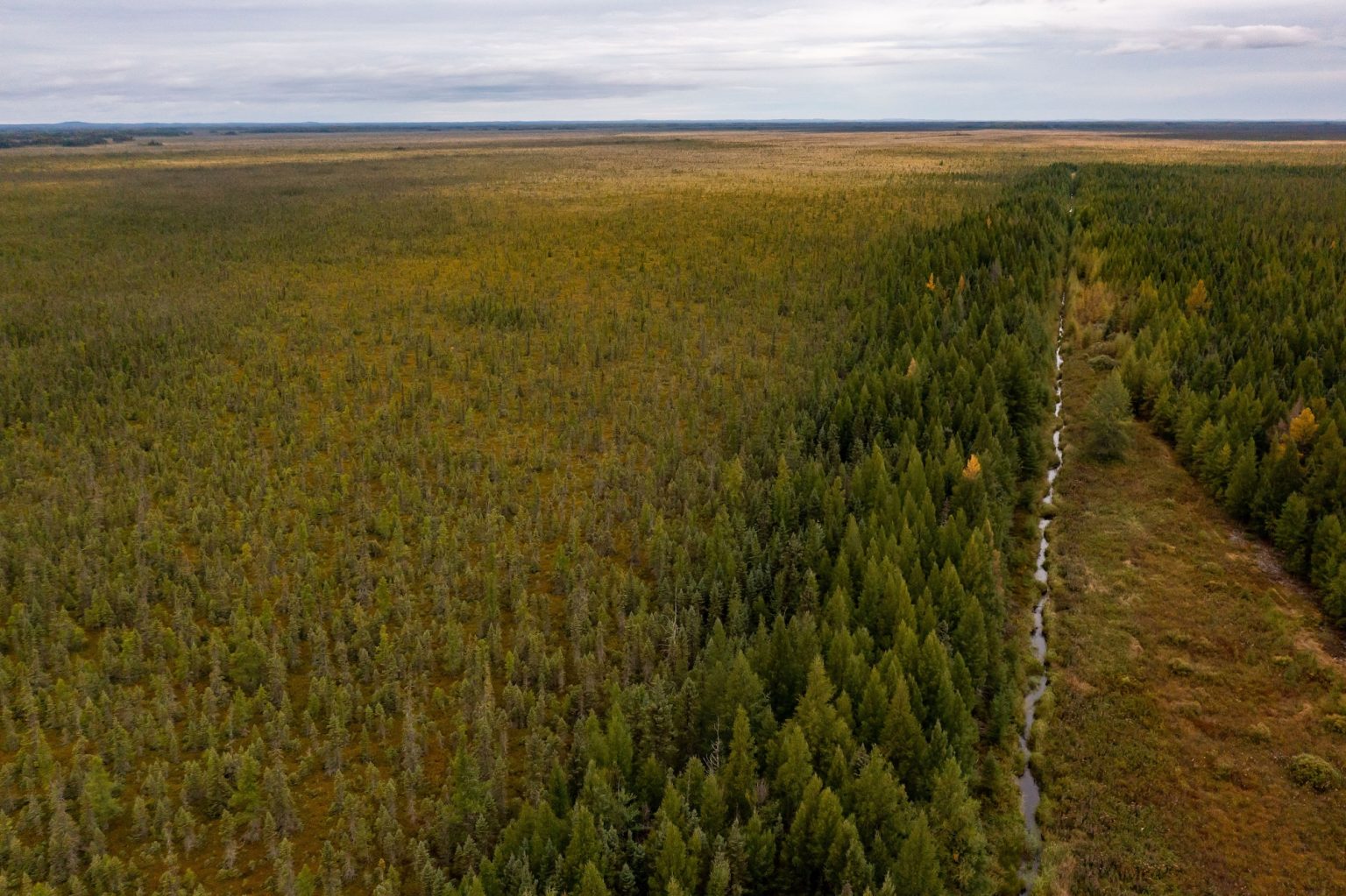
The Nature Conservancy protects and restores peatlands in Minnesota
“Peatlands cover only 3 percent of the Earth’s surface, but they store 33 percent of global soil carbon,” says Carl McGuinness, natural climate solutions director for The Nature Conservancy, a global environmental nonprofit and 2025 Everpure Foundation grantee.
That means peatlands store twice as much carbon as all of the world’s forests combined, not to mention roughly 10 percent of global freshwater.
“Peatlands are a type of ancient wetland. They’ve been around for millennia, and you find them all over the world,” McGuinness explains. Often called bogs, fens or swamps, peatlands form as plant material slowly decays in waterlogged soils over thousands of years — resulting in a gradual buildup, layer upon layer, of carbon-dense peat soil.
Along with capturing carbon, peatlands filter water, regulate water flow, provide habitat for wildlife, and reduce flooding impacts. “They are amazing systems,” says McGuinness.
For over 15 years, The Nature Conservancy has coordinated efforts to protect and restore global peatlands to mitigate climate change. In North America, that work includes the peatland capital of the contiguous United States: Minnesota.
Minnesota is home to more than 6 million acres of peatlands, covering about a tenth of its total land area. As impressive as that is, the state actually lost about a sixth of its peatlands to ditching and draining for agriculture and other uses in the early 20th century, according to The Nature Conservancy.
When peatlands are drained, the once-waterlogged plant matter begins to dry out and decompose, slowly releasing centuries worth of stored carbon back into the atmosphere. Research supported by The Nature Conservancy recently found that Minnesota’s previously drained peatlands still contribute around 38,000 metric tons of carbon emissions each year.
While it is important to consider that environmental damage from a century ago still contributes to climate change today, it also means there’s big potential to positively impact global emissions by restoring peatlands to their former natural state.
In Minnesota alone, “restoring and re-wetting farmed and partially-drained peatlands could mitigate more than 1 million metric tons of carbon per year — equivalent to removing 233,000 gasoline-powered cars from the road each year,” the research found.
The Nature Conservancy has supported Minnesota state agencies and universities in their work to map and restore drained peatlands since 2021. Researchers from the nonprofit created the “Playbook for Minnesota Peatlands” to guide state restoration efforts and supported the development of the Minnesota Board of Water and Soil Resources’ Potentially Restorable Peatlands mapping tool to better understand feasibility and climate mitigation potential.
“Local partners are always key to how we operate,” McGuinness says. “We look for locally-led solutions that are durable and relevant to local communities, and that’s built through major partner alliances.”
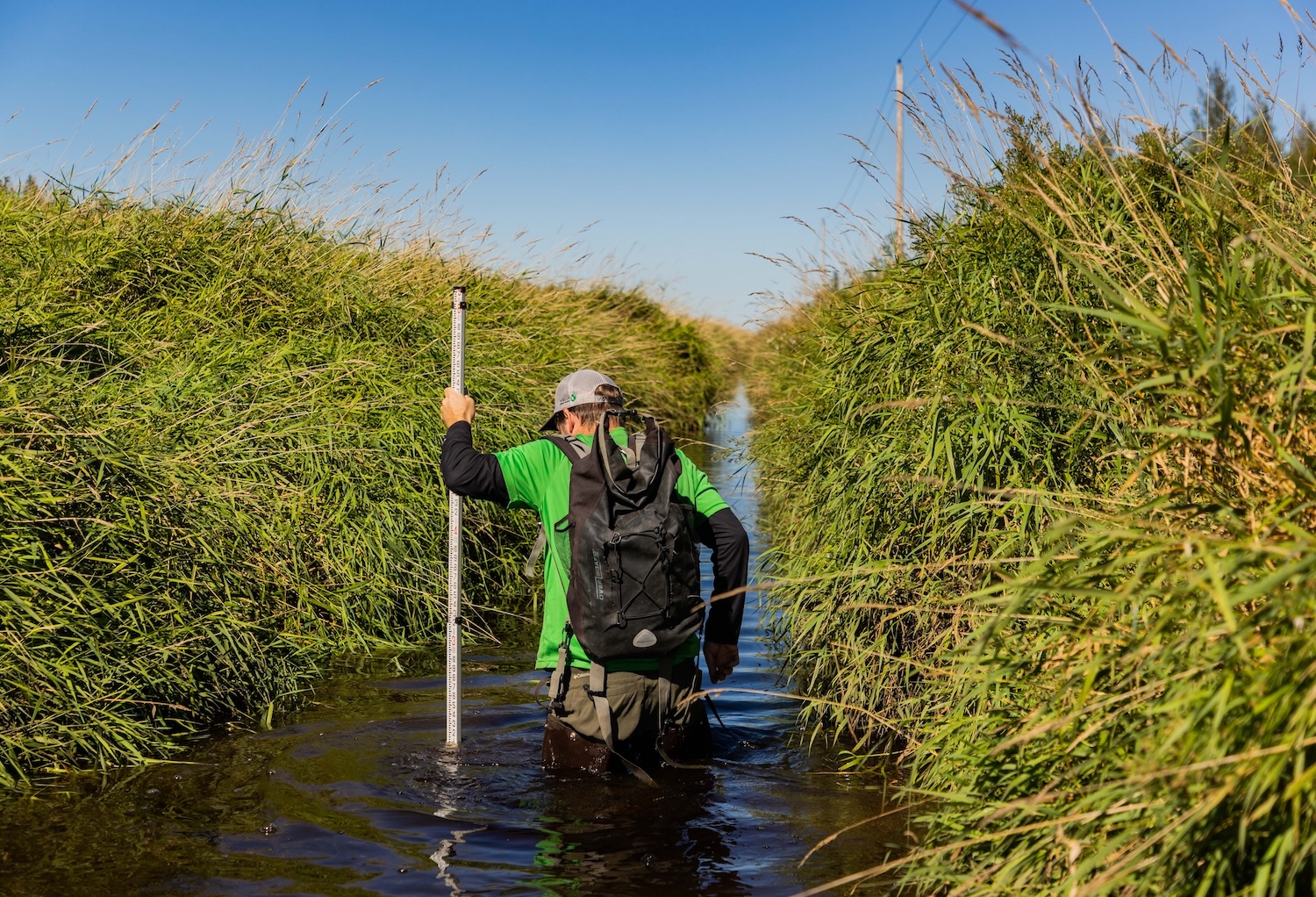
Research and capacity-building support from The Nature Conservancy and its funders like the Everpure Foundation helped Minnesota qualify for federal funding to take its work even further. The state received $20 million from the U.S. Environmental Protection Agency’s Climate Pollution Reduction Grants Program in 2024, including $4 million made available to tribal nations.
“Without funding [from the Everpure Foundation], we wouldn’t have been able to provide the capacity and capability building needed to make this possible,” McGuinness says. “It’s also going to help us take these learnings and share them globally. We have a whole network of peatland projects around the world, including in places like Indonesia, Ecuador, Mongolia, Patagonia and New Zealand.”
In Minnesota, nearly 20 restoration projects were underway at high-potential sites as of January 2026, with restoration work that includes plugging ditches, re-wetting and planting native vegetation, according to the Board of Water and Soil Resources.
Several of the state’s tribal nations, who have long recognized the importance of peatlands as a source of food, clean water and habitat for wildlife, are now part of a Tribal Peatland Working Group to share knowledge on restoration practices.
“Peatlands restoration work in Minnesota is being pursued by a broad coalition of partners at all levels of government, nonprofits and research organizations,” Suzanne Rhees, who manages peatland restoration programs for the Board of Water and Soil Resources, said in a statement earlier this year. “We’re excited to see such strong engagement and support to protect this valuable resource.”
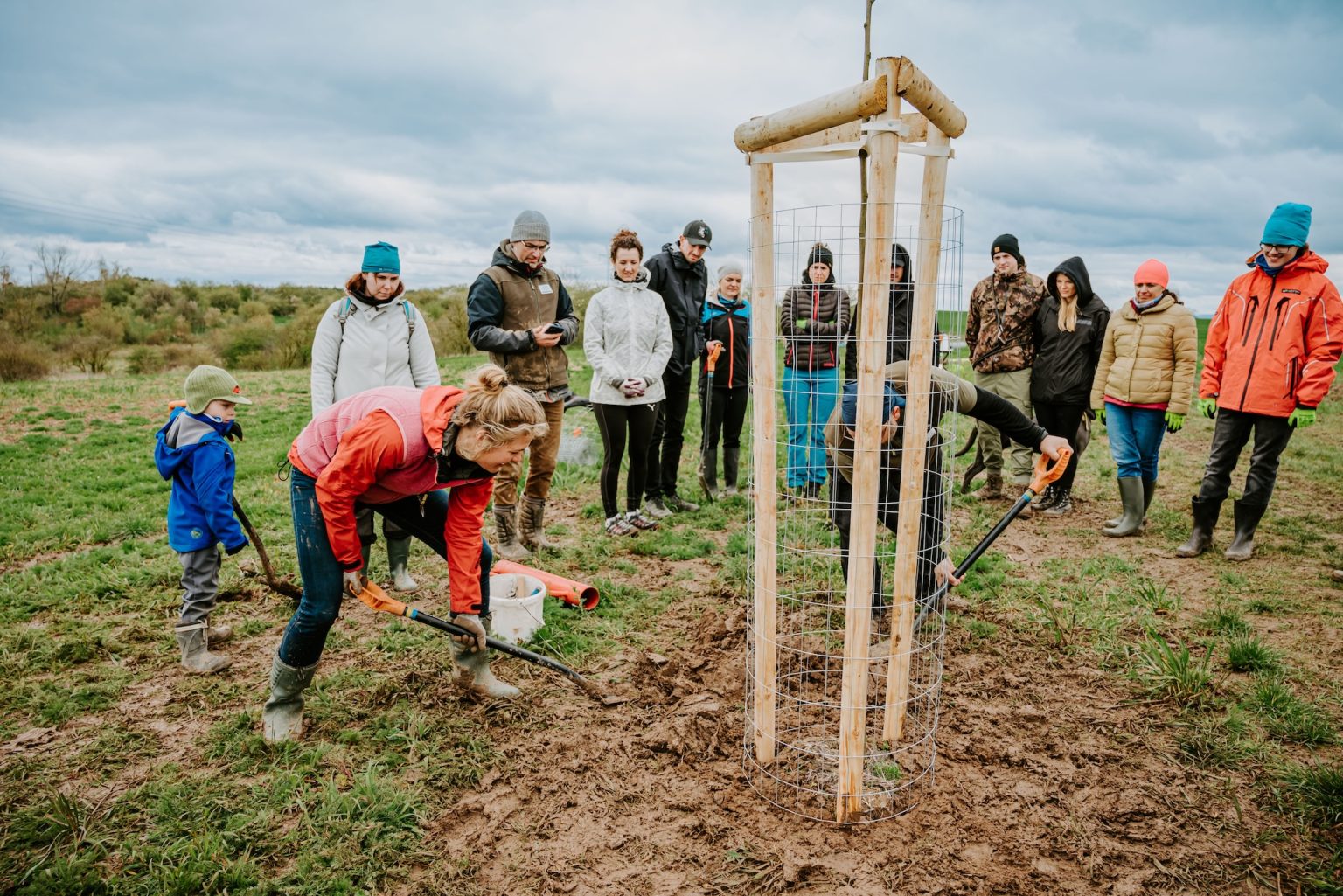
Sázíme Stromy plants trees for climate mitigation and community in the Czech Republic
In another unique take on nature-based solutions, the nonprofit Sázíme Stromy (We Plant Trees) is working with local and international volunteers to rewild more rural countryside in the Czech Republic with benefits for both environmental and community wellbeing.
When the former Czechoslovakia was under communist rule from the 1940s through 1980s, large tracts of family farmland were converted to monoculture, the practice of growing one crop in a field at a time. Trees were felled and diverse fields were unified into sprawling single plots suitable for heavy machines.
Though it improved efficiency in the short term, the move to mass monoculture ultimately accelerated soil erosion, drove water pollution, and diminished biodiversity.
“These fields are almost dead because of the large machinery,” says Martina Pavelkova, founder of Sázíme Stromy.
As their name implies, Sázíme Stromy is working to rewild more of the Czech Republic’s rural areas by planting native trees and fruit trees within rural communities. The nonprofit has planted nearly 40,000 trees over the past six years and returns regularly to tend to them with the help of volunteers.
Along with sequestering carbon, bringing more native trees back to the Czech countryside builds benefits like temperature control and biodiversity preservation along with enhancing local quality of life.
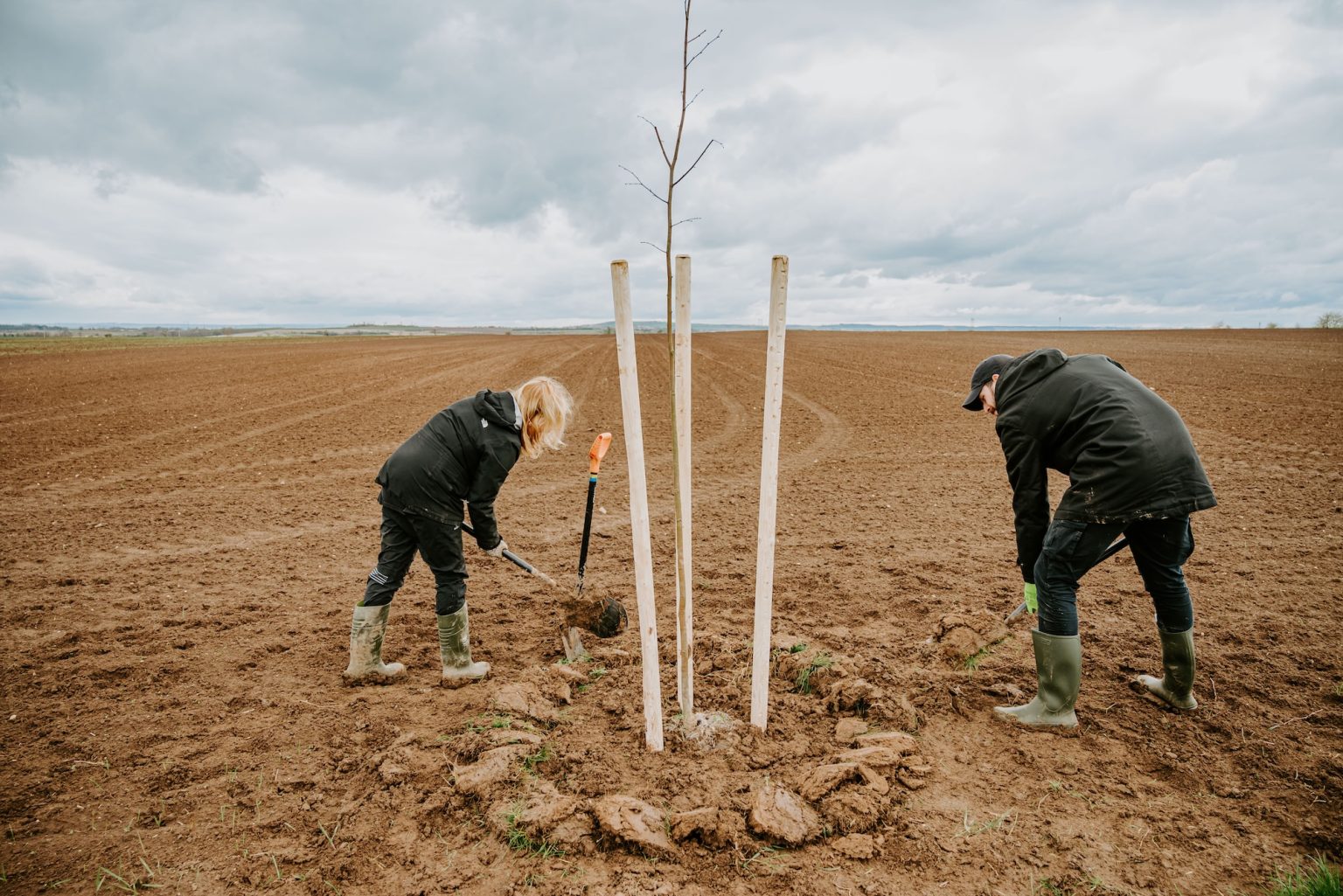
“By planting trees, we are bringing life back into the fields, and we are also bringing people back into the fields because otherwise they cannot easily pass through such huge areas,” Pavelkova says.
In many areas, traveling from one village to another, even if they are near each other, requires a motor vehicle. Planting trees serves to “renew” paths between villages, encouraging people to walk or bicycle, she says.
“Then, of course, the trees bring shade. They cool the landscape. They protect the soil against water and wind erosion,” she explains. “They serve as shelter for animals, birds, and insects. They support biodiversity in the fields because otherwise, the fields are dead.”
Local and international businesses donate money to support the tree-plantings, and municipalities receive the trees as a gift, signing an agreement with Sázíme Stromy to take care of them for the next 10 years with the help of volunteers. Everpure employees and the Everpure Foundation have worked with Sázíme Stromy for years, volunteering to care for trees and granting funds to support the nonprofit’s ongoing work in the Czech Republic.
“We always try to bring as many people together as possible. When we are planting a new alley, there are employees of the donating company, local people and representatives of the municipality,” Pavelkova says. “We believe that if people connect, it is best for the healthy growth of the trees.”
Putting vision into action: Supporting community-led nature-based programs
In 2025, the Everpure Foundation redesigned its environmental grantmaking program, committing 60 percent of its annual strategic grants budget to nature-based solutions and community-led transitions to low-carbon energy like solar and wind.
“The natural world is our most powerful partner in fighting climate change, capable of delivering over a third of the climate fixes we desperately need. By funding nature-based projects, we aren’t just investing in the planet’s future — we’re bringing ecosystems back to life and building stronger, healthier communities for everyone,” says Julie Lata, executive director of the Everpure Foundation.
This vision is already turning into real-world action. Through its collaboration with The Nature Conservancy and Sázíme Stromy, the Everpure Foundation is transforming its funding into lasting benefits for the planet, locally and around the world.