Meet ISO 22716, the Gold Standard in Global Manufacturing: Mary Kay Certified for Cosmetic Good Manufacturing Practices

Originally published on newsroom.marykay.com

We can all agree that no matter what industry you work in, trust is built long before a product ever reaches a customer’s hands. In the beauty industry especially, behind every lipstick, skincare formula, and fragrance is a complex system of quality checks, documentation, and manufacturing discipline designed to ensure product quality and consumer safety.

Two crucial initiatives are emerging to safeguard cosmetic excellence: the Food and Drug Administration’s (FDA) Modernization of Cosmetics Regulation Act (MoCRA) and the ISO 22716 certification. Building on existing safety standards and practices, MoCRA has taken cosmetics regulations to the next level in the U.S., by creating a comprehensive and cohesive national framework for cosmetics to provide the safety reassurances that consumers expect and deserve. ISO 22716 is the international standard for Good Manufacturing Practices (GMP) for Cosmetics, providing guidelines for the production, control, storage, and shipment of cosmetic products with a focus on safety and quality throughout the cosmetic production process.

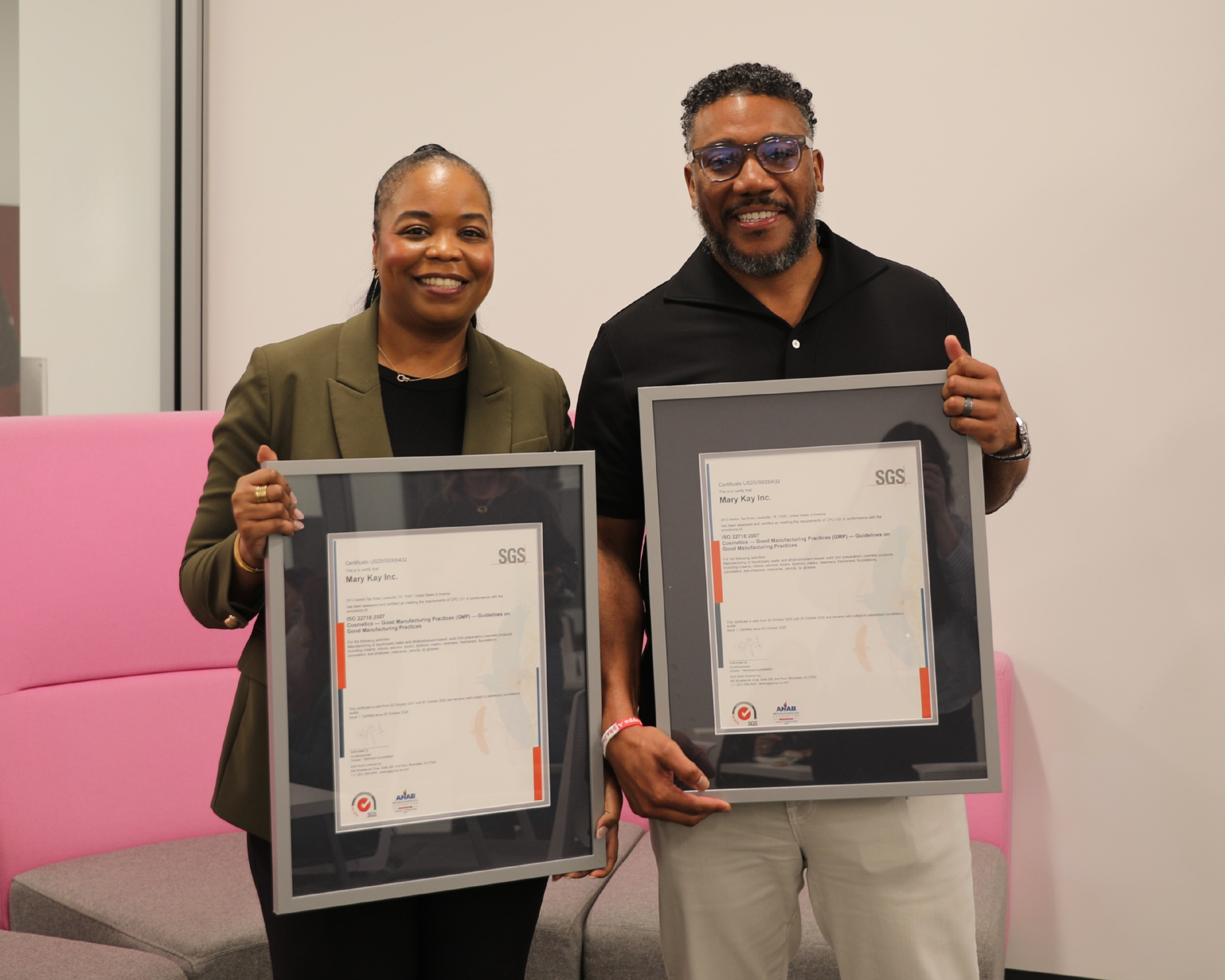
Mary Kay is proud to celebrate its recent “ISO 22716 Certification” the gold standard for “Good Manufacturing Practices” recognizing the company’s long-standing commitment to product quality and safety.
" "

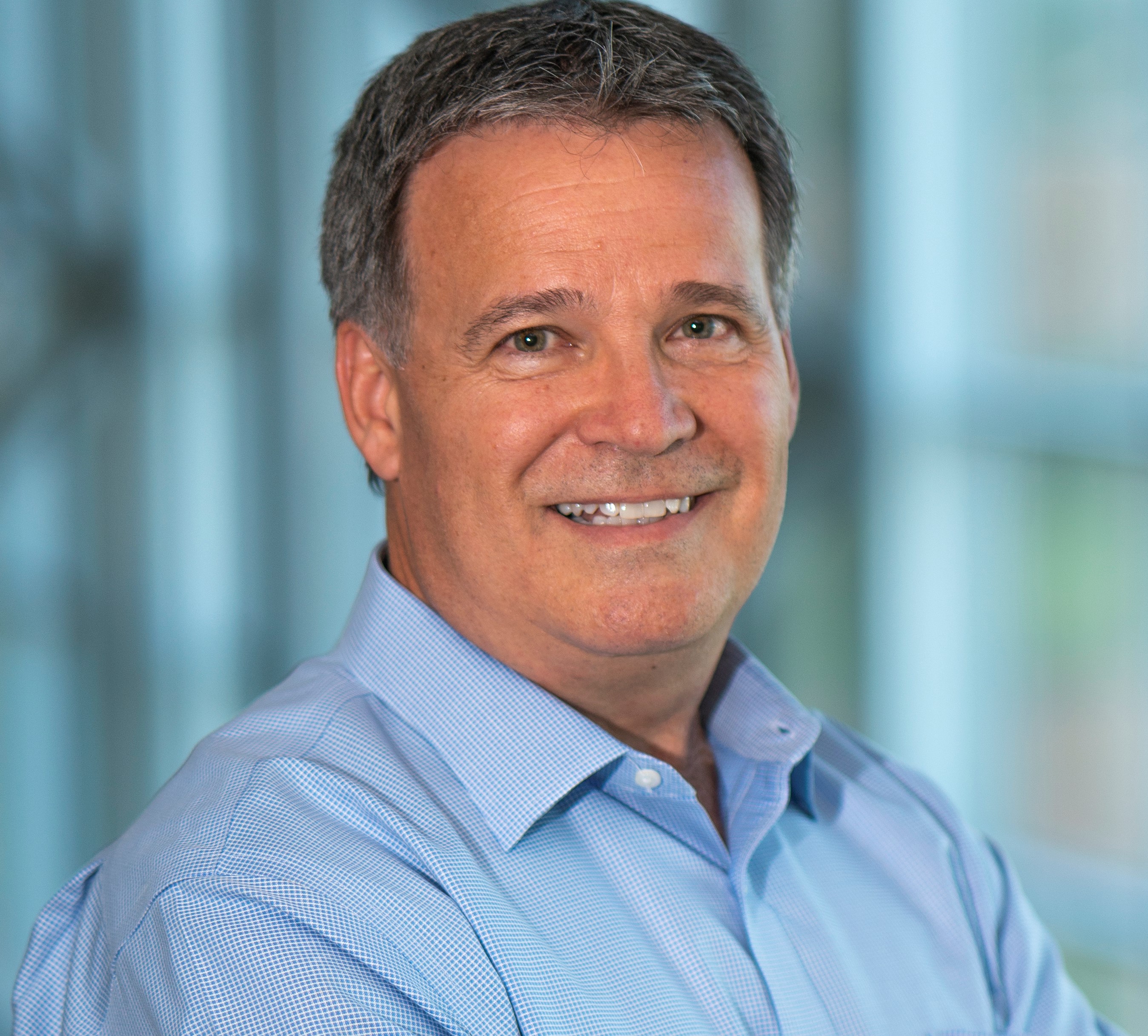
Tim Parrent, Senior Manager of Corporate Quality Systems with Mary Kay Inc. (Image Courtesy: Tim Parrent)

We recently visited Mary Kay’s state-of-the-art Richard R. Rogers Manufacturing and R&D Center (R3) in Lewisville, Texas and chat with Mary Kay’s Tim Parrent, Senior Manager of Corporate Quality, to catch up on all things ISO 22716 and GMP. Tim is also an industry expert and ISO 22716 Technical Advisory Group member. The Richard R. Rogers Manufacturing and R&D Center features 21 product-packaging lines with the combined capability to produce up to 1 million units per day. Nearly 60% of products manufactured at R3 are exported to Mary Kay’s international markets.
" "

Nichole Jones, Mary Kay’s Vice-President of Manufacturing for North America and Mike Triggs, Mary Kay’s Vice President of Product Quality. (Image Courtesy: Mary Kay Inc.)

Question: Tim tell us a bit about you. Why do you love your job?

Answer: I work in the Supply Chain Group at Mary Kay leading the Corporate Quality function responsible for global governance and compliance, supplier quality management, culture of quality and external engagement. I love that my job is different every day and I work with many talented Mary Kay colleagues at R3 and from around the world as well as industry Quality leaders and regulators via external engagement activities.

Q: In today’s beauty industry, product safety, and consumer trust matter more than ever. Mary Kay is often mentioned as a leader in quality. Let’s start with the big question. Why did Mary Kay pursue ISO 22716 certification?

A: At Mary Kay, product safety and quality are part of our culture and of how we operate. ISO 22716 is the internationally recognized Good Manufacturing Practices standard for cosmetics, and it gave us a globally respected way to demonstrate what we already do: manufacture quality products with care, consistency, and accountability from raw materials to finished goods.

Q: For readers who are not regulatory experts, what exactly is ISO 22716 in simple terms?

A: Think of ISO 22716 as a handbook for making cosmetics the right way. It covers how we manage our facilities, train our teams, control ingredients, document every batch, and ensure products are safe before they ever reach a customer. It’s not just about rules; it’s about building quality into every step of the process.

Q: The beauty industry is talking a lot about MoCRA right now. How does ISO 22716 connect to the new U.S. cosmetics regulations?

A: That’s a great question. The Modernization of Cosmetics Regulation Act, or MoCRA, requires FDA to issue mandatory Good Manufacturing Practices to the U.S. cosmetics industry for the first time. ISO 22716 is indeed viewed as the global benchmark for cosmetic GMP, so being certified by an accredited certification body positions us very well. It means our systems, documentation, and controls are already compliant with where regulations are heading.

Q: How does ISO 22716 certification support Mary Kay’s manufacturing operations?

A: It strengthens discipline and transparency. Every batch is traceable. Every process is documented. Every employee understands their role in protecting product quality. If there’s ever a question about a product, we can quickly see where ingredients came from, how the product was made, and where it was shipped. That level of clarity benefits everyone, consumers, and regulators and of course product manufacturers are held accountable for business excellence when it comes to product quality and safety.

Q: Why should consumers care that Mary Kay is ISO 22716 certified?

A: Because it’s about confidence and trust. Today, Mary Kay is present in more than 40 markets worldwide and recognized as one of the world’s most beloved consumer brands. We have ranked as the #1 Direct Selling Brand of Skin Care and Color Cosmetics in the World for three consecutive years1, and when our customers use a Mary Kay product, they trust us with their skin and their well-being. ISO 22716 certification is an endorsement of our quality practices, which are aligned with rigorous international expectations. It’s another way of saying, “We take product quality and safety very seriously.”

Q: ISO standards can sometimes sound technical or bureaucratic. Is there a human side to this certification? (Tell us about the importance of teamwork and quality culture in manufacturing?)

A: Absolutely. At its heart, ISO 22716 is about people doing things the right way, every day. It’s about training our teams, empowering them to speak up if something doesn’t look right, and creating a culture where quality is everyone’s responsibility. That human commitment to excellence is a vital factor in the standard.

Q: How does this certification support Mary Kay’s global presence?

A: We operate in over 40 markets around the world, and ISO 22716 is recognized across regions. That common standard helps ensure consistency, whether a product is made for North America, Europe, or elsewhere. It also helps our partners, regulators, and customers understand that our quality expectations don’t change from country to country. Mary Kay Ash built her company on the Golden Rule: “Do unto others as you would have them do unto you,” and we carry her torch in everything we do – with care, love, and excellence.

Q: Finally, what message would you like people to take away from Mary Kay’s ISO 22716 certification?

A: I would love our readers and consumers to know that quality is not a checkbox for us – it is a promise. ISO 22716 certification is one more way we show our long-term commitment to safe, reliable, and responsibly made beauty products. As regulations evolve with a focus on protecting public health, we’re proud to lead with transparency, preparedness, and care.

Q: What inspires you when thinking about the future?

In the beauty industry, entering a new era of regulation and accountability, Mary Kay’s ISO 22716 certification highlights how global standards, strong culture of quality, and consumer trust can come together to shape the future of cosmetics. We are very excited about what lies ahead for our iconic brand!

Did You Know:

  • MoCRA — the Modernization of Cosmetics Regulation Act of 2022 — is the first major U.S. cosmetic regulatory reform since 1938. It significantly expands FDA authority over cosmetic products sold in the United States. Before MoCRA, cosmetic GMP compliance in the U.S. was largely voluntary and based on guidance.
  • ISO – Founded in 1946 as a non-governmental organization, the International Organization for Standardization brings global experts together from 175 countries to agree on the “best way of doing things, for anything from making a product to managing a process.”

ISO 22716 CERTIFICATION IN A NUTSHELL:

  • Focuses on safety and quality throughout the entire lifecycle of the cosmetic manufacturing process.
  • Requires documented instructions and procedures as well as records to promote consistent quality.
  • Ensures products are manufactured in a safe, controlled, and well-documented manner allowing for easy traceability and quick response to issues.
  • Shows commitment to global GMP expectations, not just U.S. regulatory compliance.

Learn more about Mary Kay and our products here.

***

About Mary Kay

One of the original glass ceiling breakers, Mary Kay Ash founded her dream beauty brand in Texas in 1963 with one goal: to enrich women’s lives. Learn more at marykayglobal.com. Find us on Facebook, Instagram, and LinkedIn, or follow us on X.

# # #

Mary Kay Inc. Corporate Communications
newsroom.marykay.com
 

1 “Source Euromonitor International Limited; Beauty and Personal Care 2025Edition, value sales at RSP, 2024 data”

Posted in UncategorizedTagged

Early Diagnosis and Local Solutions Are Critical To Combat Lung Cancer

Opinion: Despite advances in prevention and treatment, lung cancer remains the world’s deadliest cancer largely because it is often detected too late. Strengthening local diagnostic capacity is one of the most effective ways to reduce the global burden of lung cancer.

Originally published on Devex.com

By , // 16 March 2026

Lung cancer remains the leading cause of cancer death worldwide. According to the World Health Organization, lung cancer was responsible for 1.8 million deaths — 18% of cancer deaths — in 2020 alone. Despite these staggering numbers, lung cancer often receives less attention than other cancers, particularly in low- and middle-income countries.

While tobacco remains a major driver of lung cancer, there are other known and unknown risk factors. For example, emerging information shows rising cases linked to air pollution and other environmental factors. Adenocarcinoma — a cancer that starts in the gland cells of the lungs — now accounts for nearly 46% of lung cancer cases in men and 60% in women globally, reflecting these shifts in the disease’s risk profile.

For decades, the narrative was one of inevitability and despair. Today, that is rapidly changing in high-income countries. Advances in prevention, early detection, and treatment are rewriting the story — but only if we act with urgency and with the lens of global health equity at the forefront.

In the United States, the five-year survival rate for lung cancer has improved to nearly 30%, representing a 26% increase over the past five years, based on the latest surveillance, epidemiology, and end results, or SEER, database. Yet fewer than one-third of cases are diagnosed at an early stage, when five-year survival can reach about 60%. Evidence from long-term studies shows that lung cancers detected through low-dose CT screening can achieve survival rates of 80% or higher over 20 years. These numbers underscore a simple truth: Early diagnosis saves lives.

Lessons from Africa: Local capacity, global relevance

The challenge is even greater in sub-Saharan Africa, where lung cancer often remains underdiagnosed due to symptom overlap with infectious diseases such as tuberculosis, or TB, and limited diagnostic capacity.

As a result, lung cancer cases are frequently misclassified as tuberculosis, or never recorded at all — creating the false impression of low burden while delaying care and eliminating opportunities for early intervention.

The Bristol Myers Squibb Foundation, or BMS Foundation, in partnership with organizations such as the International Association for the Study of Lung Cancer, or IASLC, is working to change this reality in different regions and through different partners.

By integrating lung cancer screening into TB programs, training local health care workers, and leveraging existing HIV diagnostic frameworks for cancer care pathways, we can build sustainable solutions. With the collaboration of local ministries of health, it can then be scaled across the African continent.

“A world where no one dies needlessly from lung cancer is achievable — but only if we stop missing the disease in the first place. Early diagnosis, supported by strong local systems, is what turns lung cancer from a death sentence into a survivable condition.”

— Dr. Raymond Osarogiagbon, chief scientist, Baptist Memorial Health Care Corporation

During a recent BMS Foundation visit to Africa, team members witnessed firsthand the impact of strategic partnerships, including increasing the number of early diagnoses and decreasing travel time for cancer care. These programs demonstrate that sustainable solutions are possible when philanthropy, governments, and local health systems work together.

“Equity in lung cancer care starts with an early diagnosis. When we invest in local capacity and sustainable health systems, we give communities the tools to detect disease sooner — and the chance to save more lives,” said Catharine Grimes, president of the BMS Foundation.

Sustainability and local ownership

Making a lasting impact on global health requires local commitment and empowerment through project ownership. Philanthropy can catalyze progress, but local governments and communities must lead and sustain.

At the BMS Foundation, workforce development is supported through training to help establish health systems that endure. As learned from the success of HIV/AIDS programs, investments in infrastructure and community efforts create ripple effects that strengthen entire health systems. The same approach can accelerate lung cancer control — if sustainability is prioritized from the start.

Lung cancer care is not a single intervention — it is a continuum. From imaging and biopsy to staging, referral, and treatment planning, progress depends on coordination across specialties, facilities, and data systems.

In resource-constrained settings, these links are often the weakest point. Strategic philanthropy plays a critical role by strengthening the connective tissue of health systems — supporting workforce development, diagnostic pathways, and data infrastructure so early diagnosis becomes routine rather than exceptional.

Lessons learned: What works in practice

Drawing from experience, several practical strategies have emerged for reducing lung cancer mortality:

• Integrate early detection into existing care pathways: Rather than relying solely on formal screening programs, embed lung cancer suspicion and referral into TB and HIV clinics — where patients already seek care and systems already exist.

• ​Invest in local workforce development: Prioritize training and retaining local health professionals to ensure sustainability and culturally relevant care.

• Build data where none exists: Support clinicians and health systems to collect, stage, and track lung cancer cases locally — making patients visible in the evidence base that shapes clinical guidelines, investment decisions, and policy.

• Foster cross-sector partnerships: Collaborate with governments, nongovernmental organizations, or NGOs, and the private sector to pool resources, share expertise, and scale what works.

• Design for real-world constraints: In settings where imaging, pathology, and specialist care are limited, pragmatic adaptations — not idealized models — are essential to achieving earlier diagnosis and sustainable impact.

A call to action: From evidence to impact

These efforts in Africa are not peripheral to the global lung cancer fight — they are central to it. By confronting underdiagnosis, strengthening diagnostic pathways, and generating local data in resource-constrained settings, partners are testing approaches that can inform lung cancer control everywhere. What works in the most complex environments often proves adaptable, scalable, and resilient across health systems worldwide.

We are at a pivotal moment. The tools to transform lung cancer outcomes exist, and now is the time for funders, governments, practitioners, and the entire global health community to act. Prioritize early detection, invest in local capacity, and share lessons learned across borders. Sustainable progress against lung cancer will require bold partnerships and collaborations, data-driven strategies, and a commitment to equity.

Our vision is bold but achievable: A world where no one dies needlessly from lung cancer, regardless of geography. By combining scientific rigor, local leadership, and global solidarity, we can turn the tide against lung cancer — one community at a time.

Visit the Bristol Myers Squibb Foundation website for more information on the Multinational Lung Cancer Control Program, or MLCCP, and how it is poised to bridge critical gaps in care.

The views in this opinion piece do not necessarily reflect Devex’s editorial views.

About the authors

Catherine Grimes

Catharine Grimes

Catharine Grimes serves as president of the Bristol Myers Squibb Foundation, an independent charitable organization committed to improving global health by strengthening local health systems. With more than 30 years of experience in the pharmaceutical and health care sector, she leads the foundation’s efforts across adult cancers, pediatric cancers and blood disorders, brain health, and clinical trials. Under Catharine’s leadership, the BMS Foundation focuses on capacity building and health systems strengthening programs, working with grantee partners to expand access to care and advance sustainable, community‑driven solutions for patients around the world.

Raymond Osarogiagbon

Raymond Osarogiagbon

Dr. Raymond Osarogiagbon is the chief scientist at the Baptist Memorial Health Care Corporation, director of the Multidisciplinary Thoracic Oncology Program at the Baptist Cancer Center in Memphis, Tennessee, and research professor at Vanderbilt University. He is the principal investigator of the Baptist Memorial Health Care/Mid-South National Community Oncology Research Program; a member of the steering committee of the National Lung Cancer Roundtable, vice chair of the IASLC Staging and Prognostic Factors Group, and a member of the Fleischner Society. His research interest is in decreasing population-level lung cancer mortality by improving health care systems in diverse environments.
 

Posted in UncategorizedTagged

Early Diagnosis and Local Solutions Are Critical To Combat Lung Cancer

Opinion: Despite advances in prevention and treatment, lung cancer remains the world’s deadliest cancer largely because it is often detected too late. Strengthening local diagnostic capacity is one of the most effective ways to reduce the global burden of lung cancer.

Originally published on Devex.com

By , // 16 March 2026

Lung cancer remains the leading cause of cancer death worldwide. According to the World Health Organization, lung cancer was responsible for 1.8 million deaths — 18% of cancer deaths — in 2020 alone. Despite these staggering numbers, lung cancer often receives less attention than other cancers, particularly in low- and middle-income countries.

While tobacco remains a major driver of lung cancer, there are other known and unknown risk factors. For example, emerging information shows rising cases linked to air pollution and other environmental factors. Adenocarcinoma — a cancer that starts in the gland cells of the lungs — now accounts for nearly 46% of lung cancer cases in men and 60% in women globally, reflecting these shifts in the disease’s risk profile.

For decades, the narrative was one of inevitability and despair. Today, that is rapidly changing in high-income countries. Advances in prevention, early detection, and treatment are rewriting the story — but only if we act with urgency and with the lens of global health equity at the forefront.

In the United States, the five-year survival rate for lung cancer has improved to nearly 30%, representing a 26% increase over the past five years, based on the latest surveillance, epidemiology, and end results, or SEER, database. Yet fewer than one-third of cases are diagnosed at an early stage, when five-year survival can reach about 60%. Evidence from long-term studies shows that lung cancers detected through low-dose CT screening can achieve survival rates of 80% or higher over 20 years. These numbers underscore a simple truth: Early diagnosis saves lives.

Lessons from Africa: Local capacity, global relevance

The challenge is even greater in sub-Saharan Africa, where lung cancer often remains underdiagnosed due to symptom overlap with infectious diseases such as tuberculosis, or TB, and limited diagnostic capacity.

As a result, lung cancer cases are frequently misclassified as tuberculosis, or never recorded at all — creating the false impression of low burden while delaying care and eliminating opportunities for early intervention.

The Bristol Myers Squibb Foundation, or BMS Foundation, in partnership with organizations such as the International Association for the Study of Lung Cancer, or IASLC, is working to change this reality in different regions and through different partners.

By integrating lung cancer screening into TB programs, training local health care workers, and leveraging existing HIV diagnostic frameworks for cancer care pathways, we can build sustainable solutions. With the collaboration of local ministries of health, it can then be scaled across the African continent.

“A world where no one dies needlessly from lung cancer is achievable — but only if we stop missing the disease in the first place. Early diagnosis, supported by strong local systems, is what turns lung cancer from a death sentence into a survivable condition.”

— Dr. Raymond Osarogiagbon, chief scientist, Baptist Memorial Health Care Corporation

During a recent BMS Foundation visit to Africa, team members witnessed firsthand the impact of strategic partnerships, including increasing the number of early diagnoses and decreasing travel time for cancer care. These programs demonstrate that sustainable solutions are possible when philanthropy, governments, and local health systems work together.

“Equity in lung cancer care starts with an early diagnosis. When we invest in local capacity and sustainable health systems, we give communities the tools to detect disease sooner — and the chance to save more lives,” said Catharine Grimes, president of the BMS Foundation.

Sustainability and local ownership

Making a lasting impact on global health requires local commitment and empowerment through project ownership. Philanthropy can catalyze progress, but local governments and communities must lead and sustain.

At the BMS Foundation, workforce development is supported through training to help establish health systems that endure. As learned from the success of HIV/AIDS programs, investments in infrastructure and community efforts create ripple effects that strengthen entire health systems. The same approach can accelerate lung cancer control — if sustainability is prioritized from the start.

Lung cancer care is not a single intervention — it is a continuum. From imaging and biopsy to staging, referral, and treatment planning, progress depends on coordination across specialties, facilities, and data systems.

In resource-constrained settings, these links are often the weakest point. Strategic philanthropy plays a critical role by strengthening the connective tissue of health systems — supporting workforce development, diagnostic pathways, and data infrastructure so early diagnosis becomes routine rather than exceptional.

Lessons learned: What works in practice

Drawing from experience, several practical strategies have emerged for reducing lung cancer mortality:

• Integrate early detection into existing care pathways: Rather than relying solely on formal screening programs, embed lung cancer suspicion and referral into TB and HIV clinics — where patients already seek care and systems already exist.

• ​Invest in local workforce development: Prioritize training and retaining local health professionals to ensure sustainability and culturally relevant care.

• Build data where none exists: Support clinicians and health systems to collect, stage, and track lung cancer cases locally — making patients visible in the evidence base that shapes clinical guidelines, investment decisions, and policy.

• Foster cross-sector partnerships: Collaborate with governments, nongovernmental organizations, or NGOs, and the private sector to pool resources, share expertise, and scale what works.

• Design for real-world constraints: In settings where imaging, pathology, and specialist care are limited, pragmatic adaptations — not idealized models — are essential to achieving earlier diagnosis and sustainable impact.

A call to action: From evidence to impact

These efforts in Africa are not peripheral to the global lung cancer fight — they are central to it. By confronting underdiagnosis, strengthening diagnostic pathways, and generating local data in resource-constrained settings, partners are testing approaches that can inform lung cancer control everywhere. What works in the most complex environments often proves adaptable, scalable, and resilient across health systems worldwide.

We are at a pivotal moment. The tools to transform lung cancer outcomes exist, and now is the time for funders, governments, practitioners, and the entire global health community to act. Prioritize early detection, invest in local capacity, and share lessons learned across borders. Sustainable progress against lung cancer will require bold partnerships and collaborations, data-driven strategies, and a commitment to equity.

Our vision is bold but achievable: A world where no one dies needlessly from lung cancer, regardless of geography. By combining scientific rigor, local leadership, and global solidarity, we can turn the tide against lung cancer — one community at a time.

Visit the Bristol Myers Squibb Foundation website for more information on the Multinational Lung Cancer Control Program, or MLCCP, and how it is poised to bridge critical gaps in care.

The views in this opinion piece do not necessarily reflect Devex’s editorial views.

About the authors

Catherine Grimes

Catharine Grimes

Catharine Grimes serves as president of the Bristol Myers Squibb Foundation, an independent charitable organization committed to improving global health by strengthening local health systems. With more than 30 years of experience in the pharmaceutical and health care sector, she leads the foundation’s efforts across adult cancers, pediatric cancers and blood disorders, brain health, and clinical trials. Under Catharine’s leadership, the BMS Foundation focuses on capacity building and health systems strengthening programs, working with grantee partners to expand access to care and advance sustainable, community‑driven solutions for patients around the world.

Raymond Osarogiagbon

Raymond Osarogiagbon

Dr. Raymond Osarogiagbon is the chief scientist at the Baptist Memorial Health Care Corporation, director of the Multidisciplinary Thoracic Oncology Program at the Baptist Cancer Center in Memphis, Tennessee, and research professor at Vanderbilt University. He is the principal investigator of the Baptist Memorial Health Care/Mid-South National Community Oncology Research Program; a member of the steering committee of the National Lung Cancer Roundtable, vice chair of the IASLC Staging and Prognostic Factors Group, and a member of the Fleischner Society. His research interest is in decreasing population-level lung cancer mortality by improving health care systems in diverse environments.
 

Posted in UncategorizedTagged

Early Diagnosis and Local Solutions Are Critical To Combat Lung Cancer

Opinion: Despite advances in prevention and treatment, lung cancer remains the world’s deadliest cancer largely because it is often detected too late. Strengthening local diagnostic capacity is one of the most effective ways to reduce the global burden of lung cancer.

Originally published on Devex.com

By , // 16 March 2026

Lung cancer remains the leading cause of cancer death worldwide. According to the World Health Organization, lung cancer was responsible for 1.8 million deaths — 18% of cancer deaths — in 2020 alone. Despite these staggering numbers, lung cancer often receives less attention than other cancers, particularly in low- and middle-income countries.

While tobacco remains a major driver of lung cancer, there are other known and unknown risk factors. For example, emerging information shows rising cases linked to air pollution and other environmental factors. Adenocarcinoma — a cancer that starts in the gland cells of the lungs — now accounts for nearly 46% of lung cancer cases in men and 60% in women globally, reflecting these shifts in the disease’s risk profile.

For decades, the narrative was one of inevitability and despair. Today, that is rapidly changing in high-income countries. Advances in prevention, early detection, and treatment are rewriting the story — but only if we act with urgency and with the lens of global health equity at the forefront.

In the United States, the five-year survival rate for lung cancer has improved to nearly 30%, representing a 26% increase over the past five years, based on the latest surveillance, epidemiology, and end results, or SEER, database. Yet fewer than one-third of cases are diagnosed at an early stage, when five-year survival can reach about 60%. Evidence from long-term studies shows that lung cancers detected through low-dose CT screening can achieve survival rates of 80% or higher over 20 years. These numbers underscore a simple truth: Early diagnosis saves lives.

Lessons from Africa: Local capacity, global relevance

The challenge is even greater in sub-Saharan Africa, where lung cancer often remains underdiagnosed due to symptom overlap with infectious diseases such as tuberculosis, or TB, and limited diagnostic capacity.

As a result, lung cancer cases are frequently misclassified as tuberculosis, or never recorded at all — creating the false impression of low burden while delaying care and eliminating opportunities for early intervention.

The Bristol Myers Squibb Foundation, or BMS Foundation, in partnership with organizations such as the International Association for the Study of Lung Cancer, or IASLC, is working to change this reality in different regions and through different partners.

By integrating lung cancer screening into TB programs, training local health care workers, and leveraging existing HIV diagnostic frameworks for cancer care pathways, we can build sustainable solutions. With the collaboration of local ministries of health, it can then be scaled across the African continent.

“A world where no one dies needlessly from lung cancer is achievable — but only if we stop missing the disease in the first place. Early diagnosis, supported by strong local systems, is what turns lung cancer from a death sentence into a survivable condition.”

— Dr. Raymond Osarogiagbon, chief scientist, Baptist Memorial Health Care Corporation

During a recent BMS Foundation visit to Africa, team members witnessed firsthand the impact of strategic partnerships, including increasing the number of early diagnoses and decreasing travel time for cancer care. These programs demonstrate that sustainable solutions are possible when philanthropy, governments, and local health systems work together.

“Equity in lung cancer care starts with an early diagnosis. When we invest in local capacity and sustainable health systems, we give communities the tools to detect disease sooner — and the chance to save more lives,” said Catharine Grimes, president of the BMS Foundation.

Sustainability and local ownership

Making a lasting impact on global health requires local commitment and empowerment through project ownership. Philanthropy can catalyze progress, but local governments and communities must lead and sustain.

At the BMS Foundation, workforce development is supported through training to help establish health systems that endure. As learned from the success of HIV/AIDS programs, investments in infrastructure and community efforts create ripple effects that strengthen entire health systems. The same approach can accelerate lung cancer control — if sustainability is prioritized from the start.

Lung cancer care is not a single intervention — it is a continuum. From imaging and biopsy to staging, referral, and treatment planning, progress depends on coordination across specialties, facilities, and data systems.

In resource-constrained settings, these links are often the weakest point. Strategic philanthropy plays a critical role by strengthening the connective tissue of health systems — supporting workforce development, diagnostic pathways, and data infrastructure so early diagnosis becomes routine rather than exceptional.

Lessons learned: What works in practice

Drawing from experience, several practical strategies have emerged for reducing lung cancer mortality:

• Integrate early detection into existing care pathways: Rather than relying solely on formal screening programs, embed lung cancer suspicion and referral into TB and HIV clinics — where patients already seek care and systems already exist.

• ​Invest in local workforce development: Prioritize training and retaining local health professionals to ensure sustainability and culturally relevant care.

• Build data where none exists: Support clinicians and health systems to collect, stage, and track lung cancer cases locally — making patients visible in the evidence base that shapes clinical guidelines, investment decisions, and policy.

• Foster cross-sector partnerships: Collaborate with governments, nongovernmental organizations, or NGOs, and the private sector to pool resources, share expertise, and scale what works.

• Design for real-world constraints: In settings where imaging, pathology, and specialist care are limited, pragmatic adaptations — not idealized models — are essential to achieving earlier diagnosis and sustainable impact.

A call to action: From evidence to impact

These efforts in Africa are not peripheral to the global lung cancer fight — they are central to it. By confronting underdiagnosis, strengthening diagnostic pathways, and generating local data in resource-constrained settings, partners are testing approaches that can inform lung cancer control everywhere. What works in the most complex environments often proves adaptable, scalable, and resilient across health systems worldwide.

We are at a pivotal moment. The tools to transform lung cancer outcomes exist, and now is the time for funders, governments, practitioners, and the entire global health community to act. Prioritize early detection, invest in local capacity, and share lessons learned across borders. Sustainable progress against lung cancer will require bold partnerships and collaborations, data-driven strategies, and a commitment to equity.

Our vision is bold but achievable: A world where no one dies needlessly from lung cancer, regardless of geography. By combining scientific rigor, local leadership, and global solidarity, we can turn the tide against lung cancer — one community at a time.

Visit the Bristol Myers Squibb Foundation website for more information on the Multinational Lung Cancer Control Program, or MLCCP, and how it is poised to bridge critical gaps in care.

The views in this opinion piece do not necessarily reflect Devex’s editorial views.

About the authors

Catherine Grimes

Catharine Grimes

Catharine Grimes serves as president of the Bristol Myers Squibb Foundation, an independent charitable organization committed to improving global health by strengthening local health systems. With more than 30 years of experience in the pharmaceutical and health care sector, she leads the foundation’s efforts across adult cancers, pediatric cancers and blood disorders, brain health, and clinical trials. Under Catharine’s leadership, the BMS Foundation focuses on capacity building and health systems strengthening programs, working with grantee partners to expand access to care and advance sustainable, community‑driven solutions for patients around the world.

Raymond Osarogiagbon

Raymond Osarogiagbon

Dr. Raymond Osarogiagbon is the chief scientist at the Baptist Memorial Health Care Corporation, director of the Multidisciplinary Thoracic Oncology Program at the Baptist Cancer Center in Memphis, Tennessee, and research professor at Vanderbilt University. He is the principal investigator of the Baptist Memorial Health Care/Mid-South National Community Oncology Research Program; a member of the steering committee of the National Lung Cancer Roundtable, vice chair of the IASLC Staging and Prognostic Factors Group, and a member of the Fleischner Society. His research interest is in decreasing population-level lung cancer mortality by improving health care systems in diverse environments.
 

Posted in UncategorizedTagged

Leading DC/Maryland Practice Expands Access to Premium, On-Demand Remote Pregnancy Monitoring with INVU™

AVENTURA, Fla., March 23, 2026 /PRNewswire/ — Nuvo is pleased to share that TLC Perinatal, a leading specialty practice in maternal-fetal medicine in the DC- Maryland region, is introducing a new model of premium, on-demand remote pregnancy monitoring using INVU™, Nuvo’s AI-driven remote pregnancy monitoring solution. This approach gives expectant mothers unprecedented access to FDA-cleared, medical-grade fetal monitoring from the comfort of their homes or work—when they need it most.

Dr. Richard Broth, a nationally recognized maternal-fetal medicine (MFM) specialist and founder of TLC Perinatal with more than 20 years of experience managing high-risk pregnancies, has long been at the forefront of adopting technologies that improve patient care. Through TLC Perinatal, Dr. Broth is now offering INVU™ as part of an enhanced care pathway designed to provide greater reassurance, flexibility, and continuous clinical oversight.

“Pregnancy doesn’t operate on a schedule,” said Dr. Broth. “Many patients experience anxiety at times when traditional care isn’t immediately accessible—late at night, between appointments, or when something simply doesn’t feel right. With INVU™, we can offer an option for patients to perform an on-demand, NST-level assessment at home and connect with their care team for timely evaluation.”

INVU™ Sets A New Standard for Patient-Centered Prenatal Care

INVU™enables expectant mothers to perform medical-grade fetal monitoring remotely, including non-stress test (NST)-level assessments, without needing to travel to a clinic or hospital. This is particularly valuable for patients seeking premium, proactive care, including those who desire additional reassurance outside of scheduled visits.

With INVU™ pregnant mothers can:

  • Perform on-demand monitoring sessions, including during nighttime or periods of concern
  • Receive remote clinical review and feedback from their care team
  • Reduce unnecessary emergency visits while maintaining peace of mind
  • Stay more closely connected to their providers throughout pregnancy

Innovation in Real-World Clinical Practice

Dr. Broth is widely recognized for his role in introducing new maternal-fetal technologies in real-world clinical settings. His adoption of INVU™ reflects a broader shift toward patient-centered, technology-enabled care models that extend beyond the traditional clinic.

By integrating INVU™ into TLC Perinatal’s services, Dr. Broth is demonstrating how remote monitoring can complement established care pathways—particularly for high-risk pregnancies and patients seeking enhanced levels of care.

“Technology should empower both patients and providers,” Dr. Broth added. “By giving patients access to reliable, clinically meaningful information when they need it, we can improve both outcomes and the overall pregnancy experience.”

Expanding Remote Access to Premium Pregnancy Monitoring

The introduction of INVU™ at TLC Perinatal highlights a growing demand for flexible, personalized prenatal care options. As more patients seek proactive and convenient solutions, remote monitoring platforms like INVU™ are helping redefine how maternal care is delivered.

“Dr. Broth represents a new generation of clinical leaders who are bringing innovation directly into pregnancy care,” said Laurence Klein, Nuvo’s CEO. “His work demonstrates how INVU™ can support both clinical excellence and patient empowerment through accessible, on-demand monitoring.”

For more information visit us at our website or contact us at marketing@nuvocares.com.

About TLC Perinatal

TLC Perinatal is a leading maternal-fetal medicine practice specializing in high-risk pregnancy care, advanced prenatal diagnostics, and comprehensive obstetric consultation services in the Washington DC- Maryland-VA area.

About Nuvo

Nuvo Intl Group Inc. is a women’s health technology company focused on transforming pregnancy care through advanced wearable remote monitoring solutions. Nuvo’s FDA-cleared INVU™ solution enables non-invasive, continuous maternal and fetal monitoring, supporting high-quality clinic al care while reducing the burden on expectant mothers and healthcare systems. Designed to support both in-clinic and remote use, INVU™ helps expand access to guideline-concordant prenatal surveillance, particularly for high-risk pregnancies. By combining medical-grade technology with a patient-centered approach, Nuvo aims to enhance patient experience, improve clinical efficiency, and support better outcomes across the pregnancy care continuum. Nuvo partners with healthcare providers, health systems, and industry stakeholders to modernize maternal-fetal care and advance the future of pregnancy monitoring.

Cision View original content to download multimedia:https://www.prnewswire.com/news-releases/leading-dcmaryland-practice-expands-access-to-premium-on-demand-remote-pregnancy-monitoring-with-invu-302721536.html

SOURCE Nuvo Intl Group Inc

Leading DC/Maryland Practice Expands Access to Premium, On-Demand Remote Pregnancy Monitoring with INVU™

AVENTURA, Fla., March 23, 2026 /PRNewswire/ — Nuvo is pleased to share that TLC Perinatal, a leading specialty practice in maternal-fetal medicine in the DC- Maryland region, is introducing a new model of premium, on-demand remote pregnancy monitoring using INVU™, Nuvo’s AI-driven remote pregnancy monitoring solution. This approach gives expectant mothers unprecedented access to FDA-cleared, medical-grade fetal monitoring from the comfort of their homes or work—when they need it most.

Dr. Richard Broth, a nationally recognized maternal-fetal medicine (MFM) specialist and founder of TLC Perinatal with more than 20 years of experience managing high-risk pregnancies, has long been at the forefront of adopting technologies that improve patient care. Through TLC Perinatal, Dr. Broth is now offering INVU™ as part of an enhanced care pathway designed to provide greater reassurance, flexibility, and continuous clinical oversight.

“Pregnancy doesn’t operate on a schedule,” said Dr. Broth. “Many patients experience anxiety at times when traditional care isn’t immediately accessible—late at night, between appointments, or when something simply doesn’t feel right. With INVU™, we can offer an option for patients to perform an on-demand, NST-level assessment at home and connect with their care team for timely evaluation.”

INVU™ Sets A New Standard for Patient-Centered Prenatal Care

INVU™enables expectant mothers to perform medical-grade fetal monitoring remotely, including non-stress test (NST)-level assessments, without needing to travel to a clinic or hospital. This is particularly valuable for patients seeking premium, proactive care, including those who desire additional reassurance outside of scheduled visits.

With INVU™ pregnant mothers can:

  • Perform on-demand monitoring sessions, including during nighttime or periods of concern
  • Receive remote clinical review and feedback from their care team
  • Reduce unnecessary emergency visits while maintaining peace of mind
  • Stay more closely connected to their providers throughout pregnancy

Innovation in Real-World Clinical Practice

Dr. Broth is widely recognized for his role in introducing new maternal-fetal technologies in real-world clinical settings. His adoption of INVU™ reflects a broader shift toward patient-centered, technology-enabled care models that extend beyond the traditional clinic.

By integrating INVU™ into TLC Perinatal’s services, Dr. Broth is demonstrating how remote monitoring can complement established care pathways—particularly for high-risk pregnancies and patients seeking enhanced levels of care.

“Technology should empower both patients and providers,” Dr. Broth added. “By giving patients access to reliable, clinically meaningful information when they need it, we can improve both outcomes and the overall pregnancy experience.”

Expanding Remote Access to Premium Pregnancy Monitoring

The introduction of INVU™ at TLC Perinatal highlights a growing demand for flexible, personalized prenatal care options. As more patients seek proactive and convenient solutions, remote monitoring platforms like INVU™ are helping redefine how maternal care is delivered.

“Dr. Broth represents a new generation of clinical leaders who are bringing innovation directly into pregnancy care,” said Laurence Klein, Nuvo’s CEO. “His work demonstrates how INVU™ can support both clinical excellence and patient empowerment through accessible, on-demand monitoring.”

For more information visit us at our website or contact us at marketing@nuvocares.com.

About TLC Perinatal

TLC Perinatal is a leading maternal-fetal medicine practice specializing in high-risk pregnancy care, advanced prenatal diagnostics, and comprehensive obstetric consultation services in the Washington DC- Maryland-VA area.

About Nuvo

Nuvo Intl Group Inc. is a women’s health technology company focused on transforming pregnancy care through advanced wearable remote monitoring solutions. Nuvo’s FDA-cleared INVU™ solution enables non-invasive, continuous maternal and fetal monitoring, supporting high-quality clinic al care while reducing the burden on expectant mothers and healthcare systems. Designed to support both in-clinic and remote use, INVU™ helps expand access to guideline-concordant prenatal surveillance, particularly for high-risk pregnancies. By combining medical-grade technology with a patient-centered approach, Nuvo aims to enhance patient experience, improve clinical efficiency, and support better outcomes across the pregnancy care continuum. Nuvo partners with healthcare providers, health systems, and industry stakeholders to modernize maternal-fetal care and advance the future of pregnancy monitoring.

Cision View original content to download multimedia:https://www.prnewswire.com/news-releases/leading-dcmaryland-practice-expands-access-to-premium-on-demand-remote-pregnancy-monitoring-with-invu-302721536.html

SOURCE Nuvo Intl Group Inc

Southwire Announces Strategic Investment in Verdigris

March 23, 2026 /3BL/ – Southwire Company LLC, North America’s leading wire and cable manufacturer, has announced a strategic investment in Verdigris Technologies, Inc, an AI-native electrical intelligence company focused on AI-scale data center infrastructure. The investment reflects Southwire’s commitment to advancing power delivery for next-generation computing environments.

Verdigris delivers a cloud‑first platform that captures high-frequency electrical data at the circuit level. Its sensors install inside existing electrical panels and sample thousands of times per second, providing sub‑second visibility into load behavior, power quality and early fault conditions. 

As AI workloads push unprecedented power density in modern data centers, operators face rising risk in reliability and usable capacity. Verdigris’ high-frequency sensing platform is built for these environments, enabling safer compute expansion while improving efficiency.

“Southwire is committed to being a leader in power delivery for AI data center infrastructure,” said Charles Hume, Managing Director of Southwire Technology Ventures. “Verdigris’ ability to provide sub-second visibility into electrical behavior offers a level of insight that traditional monitoring systems simply cannot deliver. This supports our goal of delivering advanced solutions that help AI-scale customers optimize performance and reduce waste.”

Verdigris’ platform is already used across mission‑critical data centers and other facilities for Fortune 500 companies across the US. Their system can detect load anomalies, identify power quality problems and automate insights that drive energy savings.

“Southwire’s investment accelerates our mission to build AI-native electrical intelligence for next generation infrastructure,” said Mark Chung, CEO and Co-Founder of Verdigris. “We’re starting with high-performance AI data centers — where power density and real-time awareness are critical — and expanding into other mission-critical environments that require this level of precision.”

As part of the partnership, Southwire and Verdigris are working to integrate AI-native electrical intelligence into select Southwire offerings, enabling deeper visibility into power delivery, equipment health and performance optimization for AI-scale infrastructure.

For more information on the partnership between Verdigris and Southwire, click here.

Posted in UncategorizedTagged

Southwire Announces Strategic Investment in Verdigris

March 23, 2026 /3BL/ – Southwire Company LLC, North America’s leading wire and cable manufacturer, has announced a strategic investment in Verdigris Technologies, Inc, an AI-native electrical intelligence company focused on AI-scale data center infrastructure. The investment reflects Southwire’s commitment to advancing power delivery for next-generation computing environments.

Verdigris delivers a cloud‑first platform that captures high-frequency electrical data at the circuit level. Its sensors install inside existing electrical panels and sample thousands of times per second, providing sub‑second visibility into load behavior, power quality and early fault conditions. 

As AI workloads push unprecedented power density in modern data centers, operators face rising risk in reliability and usable capacity. Verdigris’ high-frequency sensing platform is built for these environments, enabling safer compute expansion while improving efficiency.

“Southwire is committed to being a leader in power delivery for AI data center infrastructure,” said Charles Hume, Managing Director of Southwire Technology Ventures. “Verdigris’ ability to provide sub-second visibility into electrical behavior offers a level of insight that traditional monitoring systems simply cannot deliver. This supports our goal of delivering advanced solutions that help AI-scale customers optimize performance and reduce waste.”

Verdigris’ platform is already used across mission‑critical data centers and other facilities for Fortune 500 companies across the US. Their system can detect load anomalies, identify power quality problems and automate insights that drive energy savings.

“Southwire’s investment accelerates our mission to build AI-native electrical intelligence for next generation infrastructure,” said Mark Chung, CEO and Co-Founder of Verdigris. “We’re starting with high-performance AI data centers — where power density and real-time awareness are critical — and expanding into other mission-critical environments that require this level of precision.”

As part of the partnership, Southwire and Verdigris are working to integrate AI-native electrical intelligence into select Southwire offerings, enabling deeper visibility into power delivery, equipment health and performance optimization for AI-scale infrastructure.

For more information on the partnership between Verdigris and Southwire, click here.

Posted in UncategorizedTagged

Making the Most of Your Water Risk Assessment

Key Takeaways: Water Risk Assessments

  • Water Risk Assessments (WRAs) help organizations identify physical, regulatory, and reputational water risks that may affect operations, supply chains, and long-term business resilience.
  • A strong corporate water risk assessment combines global datasets, local expert validation, and site-level insights to accurately evaluate current and future water vulnerabilities.
  • WRAs allow companies to prioritize high-risk locations, prepare for evolving water regulations, and manage climate-related water pressures.
  • The results provide a foundation for water risk management and broader water stewardship strategies, helping businesses strengthen sustainability performance and operational continuity.

An estimated quarter of the world’s population (more than 2 billion people) live in areas of high water stress, according to the 2024 United Nations World Water Development Report. “High water stress” means that more than 80% of the available water resources in a region are consumed. As water stress grows globally, businesses of all sizes need to address their water-related risks to ensure uninterrupted operations.

Water Risk Assessments (WRAs) are a practical tool for companies across industries to understand their current and future water risks. By translating water risks to business risks, WRAs provide companies with a roadmap for making informed, proactive decisions. This foundational step helps your business stay ahead of water concerns and ever-changing regulations for a more resilient future.

What is a Water Risk Assessment?

A WRA identifies and evaluates water-related risks where a business has operational presence. This extends across three categories: physical, regulatory, and reputational risks.

  • Physical water risks include water availability (whether there is too much or too little), water quality, climate change, and extreme weather events
  • Regulatory water risks include both on-site permit compliance and broader water management considerations (such as water allocation schemes and access to safe drinking water)
  • Reputational water risks are related to public perception and social tensions surrounding water use and pollution

WRAs identify how individual sites and their localized regions may be affected by all three types of water risk. This gives companies a holistic view of where and how their business operations may be vulnerable to water risks.

Why Would Your Business Want a Water Risk Assessment?

WRAs give companies a resource to plan for long-term business continuity. Understanding operations may be affected by local water issues like scarcity or flooding, plus the risks associated with regulatory changes, allows companies to reduce potential negative impacts, and pave the way for better water stewardship.

“You can’t manage water risks you haven’t measured, and assessment is the first step to resilience,” says Erik Foley, Senior Consultant and Sustainability Practice Lead at Antea Group.

Antea Group’s Methodology: A Three-Filter Process

Antea Group understands that while water is a global resource, an individual company’s water risk requires a hyper-local review of physical, regulatory, and reputational risks. We have developed a WRA methodology that can be applied to any business. The boundaries of a WRA can range from a single facility to hundreds of global sites and can even include a company’s supply chain footprint. We work to ensure the boundaries of the WRA meet the interests and needs of each client.

After setting the assessment boundaries, Antea Group applies our WRA methodology that leverages data from three filters to provide comprehensive and insightful results for each site.

Filter 1: External Datasets

Using the robust and globally recognized World Resources Institute (WRI) Aqueduct Water Risk Atlas, Antea Group obtains location-specific data for 13 water risk indicators that span physical, regulatory, and reputational risks. This filter provides an initial, high-level screening of the water risks at each site.

Filter 2: Expert Validation

Antea Group utilizes our Inogen Alliance global network to have local water experts provide validation and add local perspectives to the data from Filter 1. Our water experts are located across the globe and provide the tailored, industry-specific, and hyper-local insights necessary for turning the WRA outputs into actionable, context-driven decision enablers.

Experts provide qualitative insights on risk drivers and local context, as well as quantitative scores for water-related risk across seven categories: overall business risk, future business risk, supply quantity, municipal infrastructure, watershed quality, regulations and governance, and social/media. This filter provides local validation of the information presented in the external datasets.

Filter 3: Risk Applicability Screening

Antea Group coordinates with the company to solicit site-level feedback on water-related challenges through an online survey tool. The online tool is a streamlined way for clients to gather the unique site-specific context on the current water context, water risk applicability, and current water-related challenges. This filter provides the site-specific applicability assessment of Filter 1 and 2 outputs.

The results of the three filters are combined to establish a dimensional view of current and future water risks for each site evaluated, with specific scoring indicating the external (Filter 1 and 2) and internal (Filter 3) risk evaluation. The resulting information allows companies to understand priority and severity of risk but also brings attention to sites where further evaluation is needed (when external and internal risk scores diverge).

What Makes Our Approach Unique: Setting the Stage for Water Stewardship Strategy

Data is important. Publicly available tools, like the WRI Aqueduct and WWF Water Risk Filter, are a wonderful starting place for understanding potential risk exposures. However, global datasets are models meant to be used for high-level assessments and cannot always capture the intricacies of the local hydrological context, or the complex regulatory frameworks governing water resources. For example, a facility may be located in a watershed where surface waters are highly polluted due to heavy industry, something that is likely to be flagged in the external datasets and classified as a high vulnerability for water supply contamination. But a local expert may determine that the municipality surrounding the facility is supplied only by surface water from a different catchment altogether that is less vulnerable to contamination. Our expert validation step allows our WRA results to be localized in a way that global datasets cannot capture. Including validation from the site itself may show us that the site relies on groundwater from a confined, unpolluted aquifer and does not rely on surface water at all. Capturing the local context is a necessity for a WRA to be informative and actionable.

WRAs pinpoint business vulnerabilities, laying the groundwork for a water stewardship strategy. Recognizing the importance of being able to support our clients in addressing vulnerabilities, Antea Group has developed an 8-Step Water Leadership Cycle as a framework to guide companies through addressing water risks. The cycle begins with a WRA followed by action planning and goal setting, supply chain engagement, performance tracking, and disclosure.

Take a look at a case study on how Antea Group applied this methodology to help a Data Center company gain a greater internal understanding of water as a business issue across its operations.

Making the Most of Your WRA Results

The high-level physical, regulatory, and reputational water risks identified by a WRA are valuable insights for businesses. Antea Group’s water stewardship team can support clients by turning WRA business insights into action. Whether supporting your business through expanding WRAs to your company’s overall water supply chain, looking closer at high-risk sites by performing source vulnerability assessments (SVAs), or guiding the company through the 8-Step Water Leadership Cycle to become water stewards, our team is here to meet your needs with a fit-for-purpose solution.

Ready to Act on Water Risk?

Water challenges are complex, but with the right information, they can be turned into opportunities for leadership and business resilience. WRAs help you understand the intersection of large-scale water challenges with the local scale of your operations. Antea Group’s Water Stewardship experts are ready to guide you through risk analysis, providing local insights for global projects.


Access the Water Risk Assessment eBook Here

Posted in UncategorizedTagged

Making the Most of Your Water Risk Assessment

Key Takeaways: Water Risk Assessments

  • Water Risk Assessments (WRAs) help organizations identify physical, regulatory, and reputational water risks that may affect operations, supply chains, and long-term business resilience.
  • A strong corporate water risk assessment combines global datasets, local expert validation, and site-level insights to accurately evaluate current and future water vulnerabilities.
  • WRAs allow companies to prioritize high-risk locations, prepare for evolving water regulations, and manage climate-related water pressures.
  • The results provide a foundation for water risk management and broader water stewardship strategies, helping businesses strengthen sustainability performance and operational continuity.

An estimated quarter of the world’s population (more than 2 billion people) live in areas of high water stress, according to the 2024 United Nations World Water Development Report. “High water stress” means that more than 80% of the available water resources in a region are consumed. As water stress grows globally, businesses of all sizes need to address their water-related risks to ensure uninterrupted operations.

Water Risk Assessments (WRAs) are a practical tool for companies across industries to understand their current and future water risks. By translating water risks to business risks, WRAs provide companies with a roadmap for making informed, proactive decisions. This foundational step helps your business stay ahead of water concerns and ever-changing regulations for a more resilient future.

What is a Water Risk Assessment?

A WRA identifies and evaluates water-related risks where a business has operational presence. This extends across three categories: physical, regulatory, and reputational risks.

  • Physical water risks include water availability (whether there is too much or too little), water quality, climate change, and extreme weather events
  • Regulatory water risks include both on-site permit compliance and broader water management considerations (such as water allocation schemes and access to safe drinking water)
  • Reputational water risks are related to public perception and social tensions surrounding water use and pollution

WRAs identify how individual sites and their localized regions may be affected by all three types of water risk. This gives companies a holistic view of where and how their business operations may be vulnerable to water risks.

Why Would Your Business Want a Water Risk Assessment?

WRAs give companies a resource to plan for long-term business continuity. Understanding operations may be affected by local water issues like scarcity or flooding, plus the risks associated with regulatory changes, allows companies to reduce potential negative impacts, and pave the way for better water stewardship.

“You can’t manage water risks you haven’t measured, and assessment is the first step to resilience,” says Erik Foley, Senior Consultant and Sustainability Practice Lead at Antea Group.

Antea Group’s Methodology: A Three-Filter Process

Antea Group understands that while water is a global resource, an individual company’s water risk requires a hyper-local review of physical, regulatory, and reputational risks. We have developed a WRA methodology that can be applied to any business. The boundaries of a WRA can range from a single facility to hundreds of global sites and can even include a company’s supply chain footprint. We work to ensure the boundaries of the WRA meet the interests and needs of each client.

After setting the assessment boundaries, Antea Group applies our WRA methodology that leverages data from three filters to provide comprehensive and insightful results for each site.

Filter 1: External Datasets

Using the robust and globally recognized World Resources Institute (WRI) Aqueduct Water Risk Atlas, Antea Group obtains location-specific data for 13 water risk indicators that span physical, regulatory, and reputational risks. This filter provides an initial, high-level screening of the water risks at each site.

Filter 2: Expert Validation

Antea Group utilizes our Inogen Alliance global network to have local water experts provide validation and add local perspectives to the data from Filter 1. Our water experts are located across the globe and provide the tailored, industry-specific, and hyper-local insights necessary for turning the WRA outputs into actionable, context-driven decision enablers.

Experts provide qualitative insights on risk drivers and local context, as well as quantitative scores for water-related risk across seven categories: overall business risk, future business risk, supply quantity, municipal infrastructure, watershed quality, regulations and governance, and social/media. This filter provides local validation of the information presented in the external datasets.

Filter 3: Risk Applicability Screening

Antea Group coordinates with the company to solicit site-level feedback on water-related challenges through an online survey tool. The online tool is a streamlined way for clients to gather the unique site-specific context on the current water context, water risk applicability, and current water-related challenges. This filter provides the site-specific applicability assessment of Filter 1 and 2 outputs.

The results of the three filters are combined to establish a dimensional view of current and future water risks for each site evaluated, with specific scoring indicating the external (Filter 1 and 2) and internal (Filter 3) risk evaluation. The resulting information allows companies to understand priority and severity of risk but also brings attention to sites where further evaluation is needed (when external and internal risk scores diverge).

What Makes Our Approach Unique: Setting the Stage for Water Stewardship Strategy

Data is important. Publicly available tools, like the WRI Aqueduct and WWF Water Risk Filter, are a wonderful starting place for understanding potential risk exposures. However, global datasets are models meant to be used for high-level assessments and cannot always capture the intricacies of the local hydrological context, or the complex regulatory frameworks governing water resources. For example, a facility may be located in a watershed where surface waters are highly polluted due to heavy industry, something that is likely to be flagged in the external datasets and classified as a high vulnerability for water supply contamination. But a local expert may determine that the municipality surrounding the facility is supplied only by surface water from a different catchment altogether that is less vulnerable to contamination. Our expert validation step allows our WRA results to be localized in a way that global datasets cannot capture. Including validation from the site itself may show us that the site relies on groundwater from a confined, unpolluted aquifer and does not rely on surface water at all. Capturing the local context is a necessity for a WRA to be informative and actionable.

WRAs pinpoint business vulnerabilities, laying the groundwork for a water stewardship strategy. Recognizing the importance of being able to support our clients in addressing vulnerabilities, Antea Group has developed an 8-Step Water Leadership Cycle as a framework to guide companies through addressing water risks. The cycle begins with a WRA followed by action planning and goal setting, supply chain engagement, performance tracking, and disclosure.

Take a look at a case study on how Antea Group applied this methodology to help a Data Center company gain a greater internal understanding of water as a business issue across its operations.

Making the Most of Your WRA Results

The high-level physical, regulatory, and reputational water risks identified by a WRA are valuable insights for businesses. Antea Group’s water stewardship team can support clients by turning WRA business insights into action. Whether supporting your business through expanding WRAs to your company’s overall water supply chain, looking closer at high-risk sites by performing source vulnerability assessments (SVAs), or guiding the company through the 8-Step Water Leadership Cycle to become water stewards, our team is here to meet your needs with a fit-for-purpose solution.

Ready to Act on Water Risk?

Water challenges are complex, but with the right information, they can be turned into opportunities for leadership and business resilience. WRAs help you understand the intersection of large-scale water challenges with the local scale of your operations. Antea Group’s Water Stewardship experts are ready to guide you through risk analysis, providing local insights for global projects.


Access the Water Risk Assessment eBook Here

Posted in UncategorizedTagged