
International Olympic Committee news
Key facts
- Milano Cortina 2026 is designed around existing infrastructure, with around 85% of competition venues existing or temporary
- A low-carbon transport plan prioritises trains and shuttles and targets 20% fewer cars compared to Torino 2006.
- Snow production is being kept to the minimum required for safe competition, supported by updated technology designed to improve efficiency in both energy and water use.
- Certified renewable electricity is powering almost all competition and non-competition venues. Temporary generators are limited, with most running on the renewable biofuel HVO.
As climate change reshapes sport and the Olympic Games, the IOC has made sustainability a strategic priority — reducing the footprint of the Games, protecting winter sport for future generations and helping host regions build long-term resilience. Milano Cortina 2026 reflects this evolution through a more flexible, regionally distributed model that maximises existing venues, reduces environmental impact and strengthens community resilience.
“Sustainability is not a word. It’s actions that translate into results,” said Christophe Dubi, IOC Executive Director of the Olympic Games, speaking at a press conference dedicated to sustainability at the Milano Cortina 2026 Main Press Centre. “For the IOC, for sport in general, sustainability is a priority. We don’t have the choice.”
That approach is reflected in the way Milano Cortina 2026 has been designed: tailored to Northern Italy’s specific context, and focused on delivering excellent sporting conditions while minimising environmental impact in a changing climate.

© IOC

© IOC
Games designed around existing venues
Making the most of what already exists remains one of the strongest ways to reduce impact.
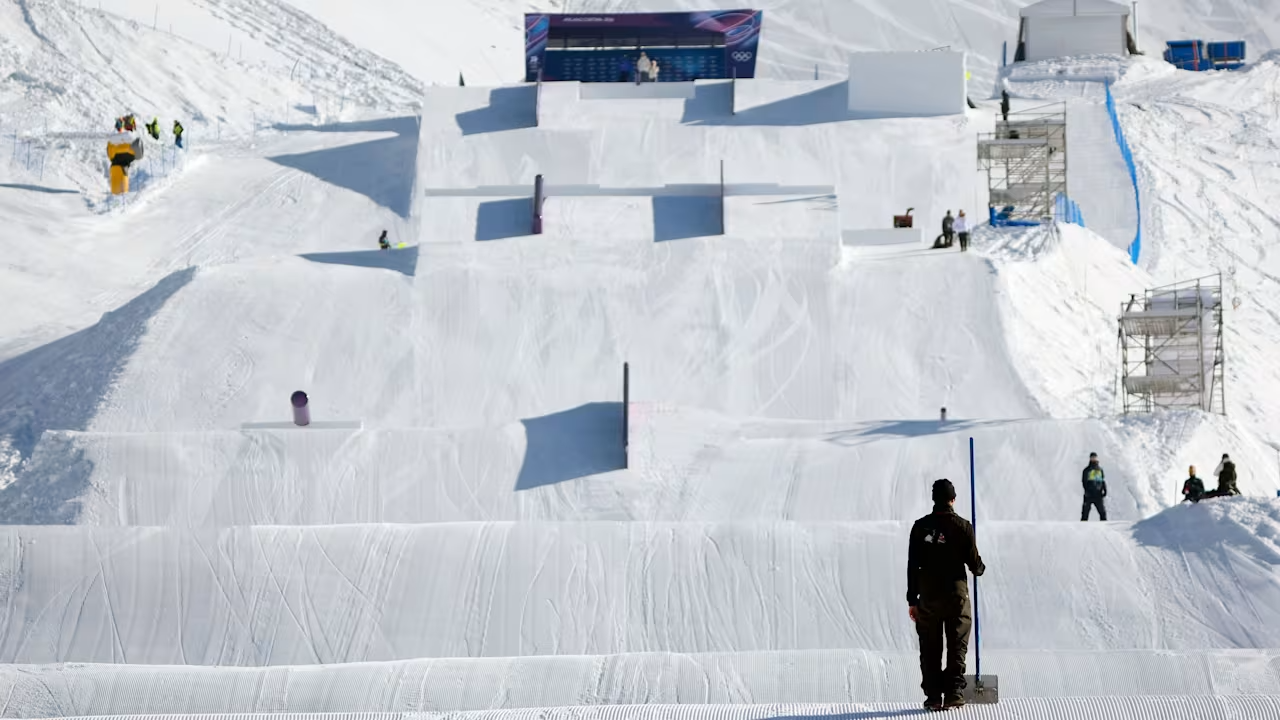
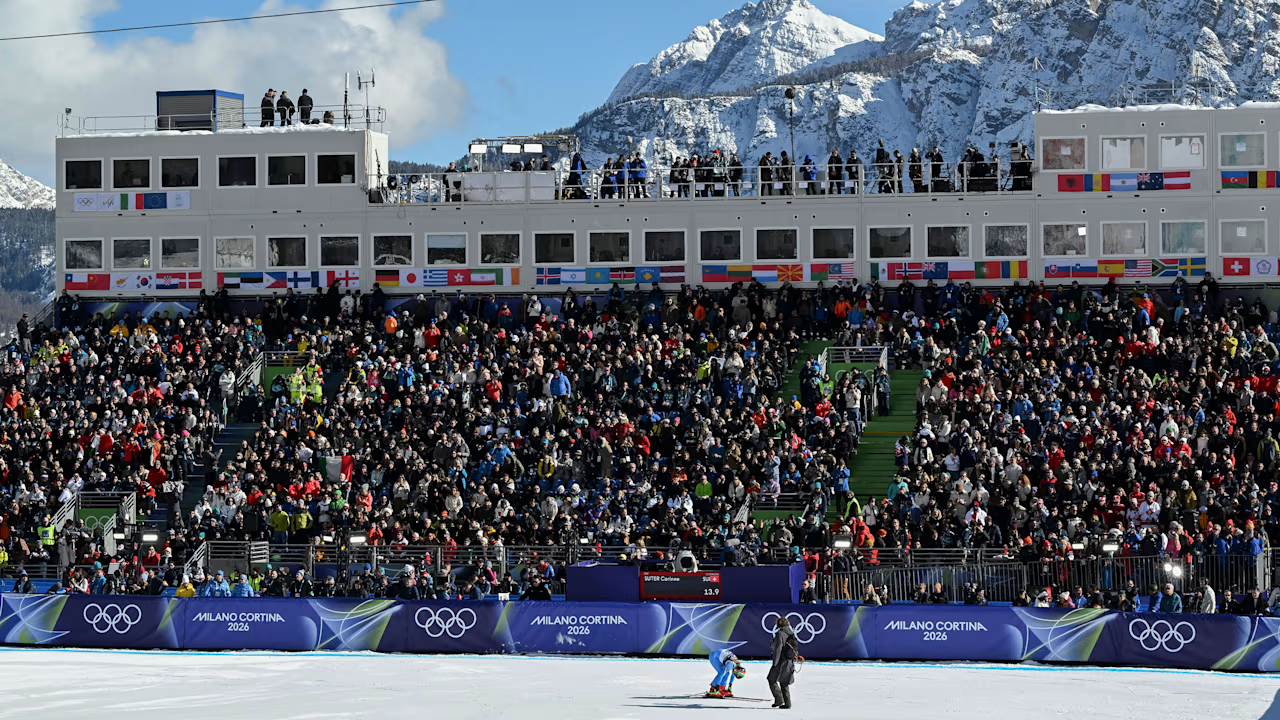
Eleven out of thirteen competition venues are existing or temporary, including iconic locations such as Bormio, Val di Fiemme and Anterselva, which regularly host international winter sport events.
Cleaner energy and lower-carbon mobility
Across the venues, certified renewable electricity is powering almost all competition and non competition sites. Temporary generators are being kept to a minimum and used only in emergency situations, most run on the renewable biofuel HVO.
With events spread across multiple regions, Milano Cortina 2026 is prioritising public and collective transport in between the clusters by using trains and shuttles, reducing reliance on private cars for spectators and workforce.
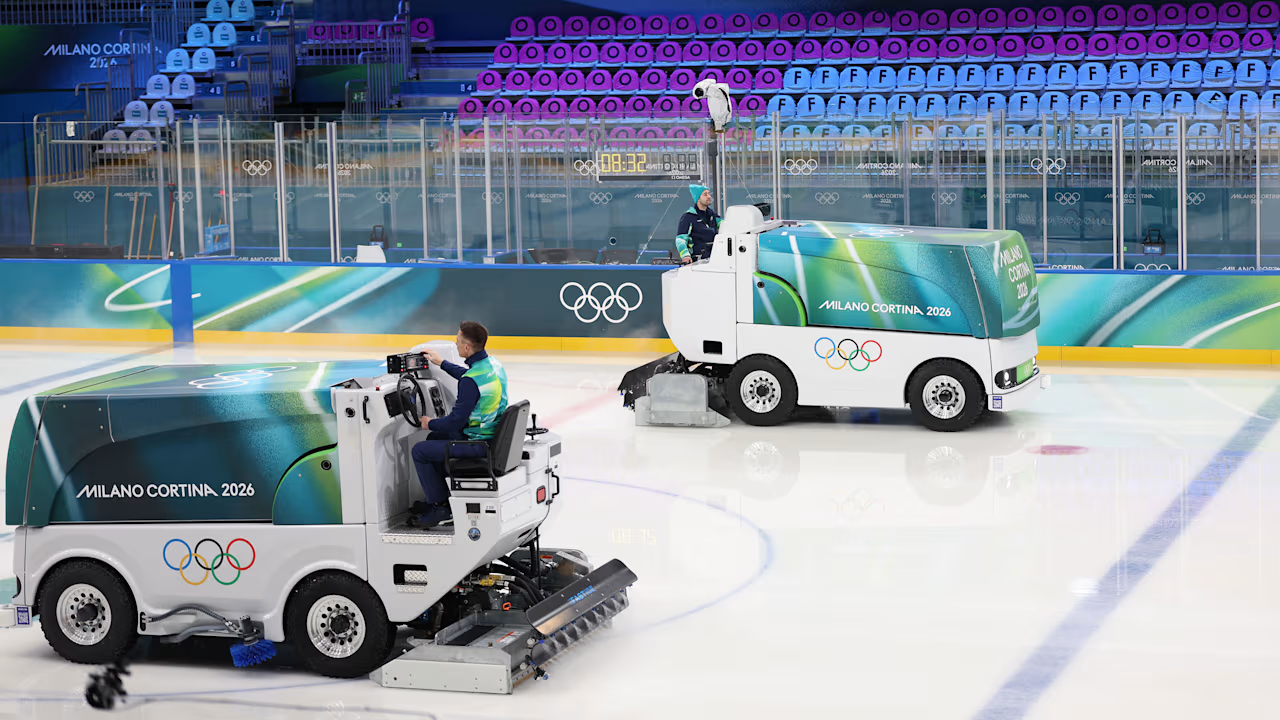
Games-time mobility measures also include a smaller official fleet. The fleet has been reduced by around 20% compared to Torino 2006, encourages carpooling, and includes around 20% electric vehicles. Where possible, vehicles are running on HVO.
© IOC/Ubald Rutar
© IOC/Tom Dulat
More responsible snowmaking kept to the minimum required
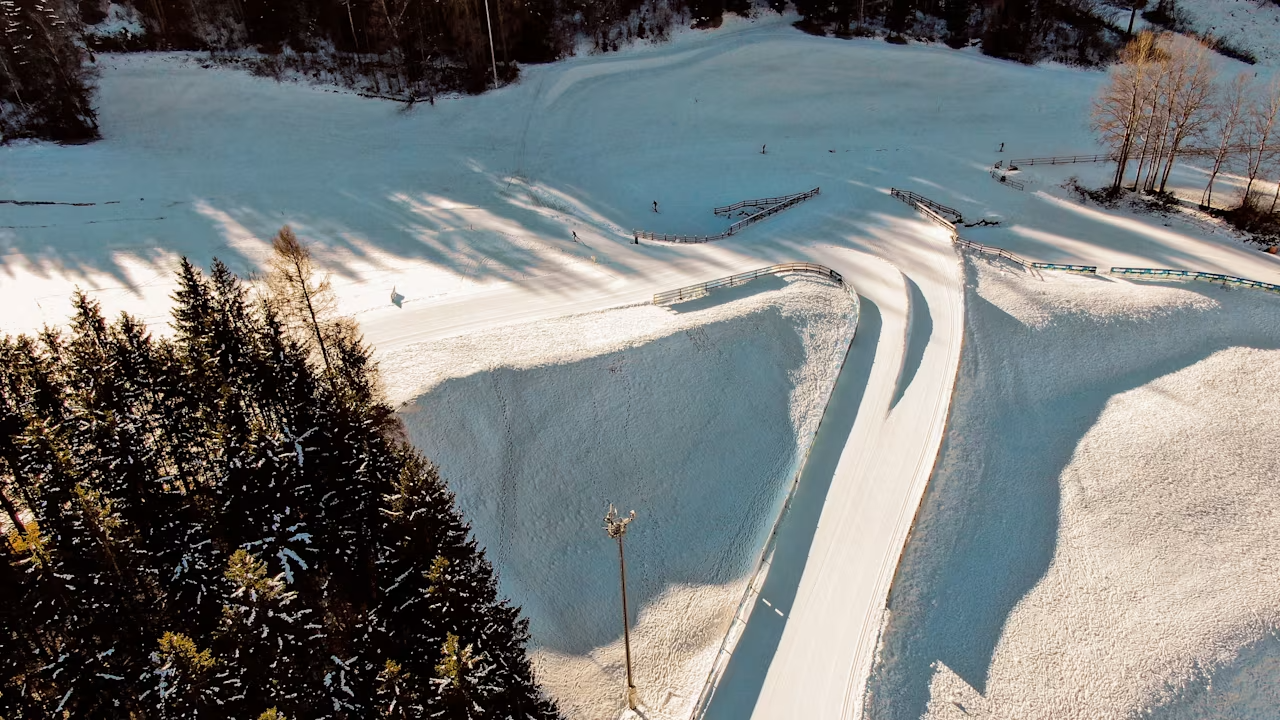
Milano Cortina 2026 is keeping snowmaking to the minimum required to ensure safe competition, supported by updated technology designed to improve efficiency in both energy and water use.
At ski venues, renewable electricity powers snowmaking systems, and the Games are using IT tools — including GPS and snow-depth systems — to help avoid overproduction. No chemicals are used in the process with food-grade dyes used for course marking.
© IOC/Kohjiro Kinno
© IOC
Circular economy and social responsibility
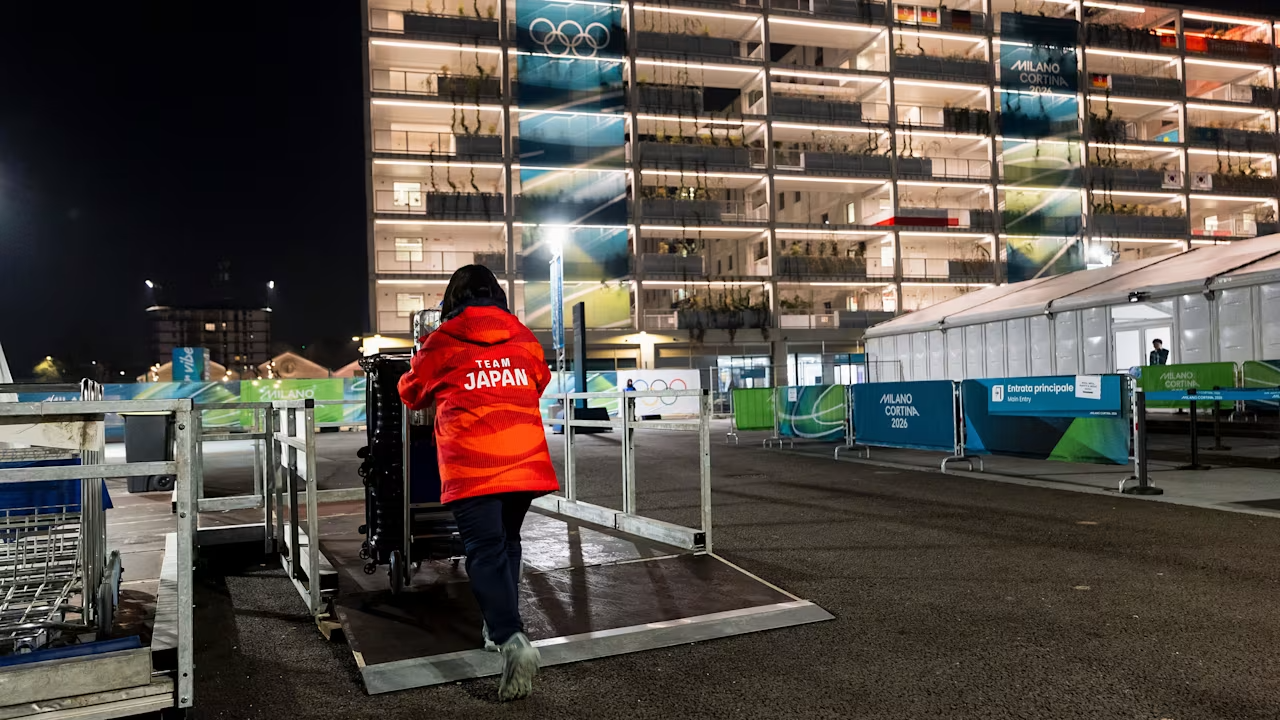
Circular economy measures and social responsibility are also shaping Games delivery. Food leftovers are being recovered across venues and redistributed. Around 24,000 items from Paris 2024, including furniture and logistical equipment, are also being reused, reducing demand for new materials and supporting a more circular delivery model.
“The focus is on practical measures that last throughout the Games, from venue reuse to circular economy solutions and social responsibility,” said Gloria Zavatta, Sustainability & Impact Director of the Fondazione Milano Cortina 2026.

© IOC/Alisha Lovrich
© IOC/Alisha Lovrich
At the same time, the Games are strengthening community resilience in the host regions by accelerating upgrades to electricity, IT fiber connections and medical services.
“Our focus is on reducing the footprint of the Games while helping host regions adapt to the changing climate and strengthen long-term resilience.” said Julie Duffus, IOC Head of Sustainability.
Recognising climate action across sport
The IOC’s sustainability work goes beyond Games-time delivery. The IOC is on track to reduce its own carbon footprint by 50 per cent by 2030, and works across the Olympic Movement – with International Federations, National Olympic Committees and partners, including the United Nations – to drive action on climate and nature in sport.
The IOC Climate Action Award winners, announced last week, highlight efforts across the Olympic Movement to address climate change through sport.

